Google: 4.9 · 157 reviews
1876 Daniel Dal-Ben

A Michelin-starred address near Düsseldorf's zoo district, 1876 Daniel Dal-Ben earns its star through a set menu that layers Italian and French technique with occasional Japanese accents. The room is intimate and unhurried, the front-of-house attentive without formality. The "Cicchetti 1876" starter has become a fixture, and the kitchen's use of herbs and flowers signals a kitchen that takes aesthetics as seriously as flavour.
 Discover on Pearl
Pearl is the En Primeur Club membership app — saves, bookings, and concierge access live there. Same editors, same standards.
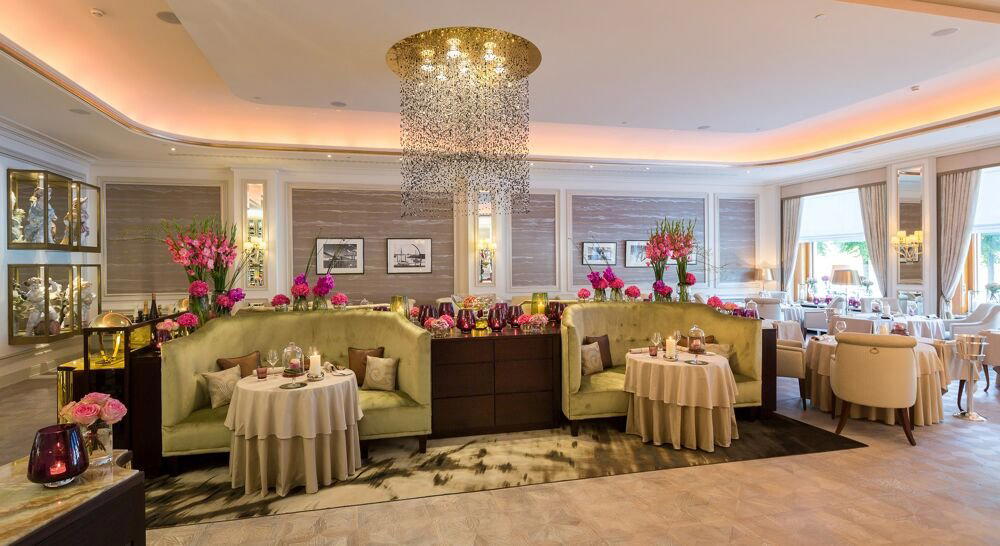
A Quiet Street, A Serious Kitchen
The zoo district of Düsseldorf is not where you would instinctively look for one-star cooking. The neighbourhood around Grunerstraße sits at a comfortable remove from the Rhine-facing restaurant corridors and the trade-fair crowd that fills tables in the city centre. That geographic remove is, in some ways, the point. Restaurants that earn recognition on the margins of a dining map tend to do so on the strength of the food alone, without the footfall insurance that a prime address provides. 1876 Daniel Dal-Ben, at Grunerstraße 42a, is that kind of place: a small, composed room that competes on terms set by the plate rather than the postcode.
The Michelin Guide's 2025 star — awarded with language that singles out "interesting contrasts and harmonious balance" — positions 1876 inside a defined tier of Düsseldorf fine dining. The city's starred cohort at the leading price bracket (€€€€) includes Agata's, Jae, LA VIE by thomas bühner, and Im Schiffchen. What distinguishes 1876 within that group is its blended reference points: the kitchen reads Italian and French technique as complementary vocabularies, with Japanese accents entering the menu at moments that feel deliberate rather than decorative.
The Menu's Structural Logic
Creative cuisine in Germany's top tier has moved decisively toward the set-menu format over the past decade, and 1876 operates within that framework. The menu functions as a tasting sequence, with the kitchen in control of pacing and proportion. The Michelin citation flags that diners should allow plenty of time and may receive additional courses beyond the stated menu , a signal that the kitchen treats the set structure as a starting point rather than a ceiling.
The dish cited directly in the Michelin commentary , "Cannelloni, smoked eel, Caprese foam, pumpkin seeds" , illustrates the kitchen's compositional method. Cannelloni signals Italy; Caprese foam references the south of France as much as Naples; smoked eel is a northern European ingredient that sits comfortably in a Japanese dashi context as much as a German one. Pumpkin seeds provide texture and a quiet Central European register. The dish does not resolve into a single culinary tradition. That deliberate ambiguity, held together by technique, is the kitchen's signature move.
The "Cicchetti 1876" starter has become a fixture across menus. In Venetian tradition, cicchetti are small bar snacks , compressed, precise, served with minimal ceremony. That the restaurant has claimed the format as a named signature course suggests a kitchen that understands the value of an anchor: something returning guests recognise and first-timers can anchor their expectations to. Herbs and flowers appear consistently in the presentation, functioning as both aesthetic statement and flavour layer rather than pure garnish.
This approach to creative cuisine finds reference points well beyond Düsseldorf. In France, restaurants like Alléno Paris au Pavillon Ledoyen and Arpège have long demonstrated how classical French architecture can hold ingredients and traditions from outside France without losing internal coherence. Across Germany, the same instinct appears in different registers: at Aqua in Wolfsburg, at JAN in Munich, and at Schwarzwaldstube in Baiersbronn. 1876's creative synthesis belongs to that wider German tendency toward multi-register menus built on rigorous classical foundations.
The Room and the Experience
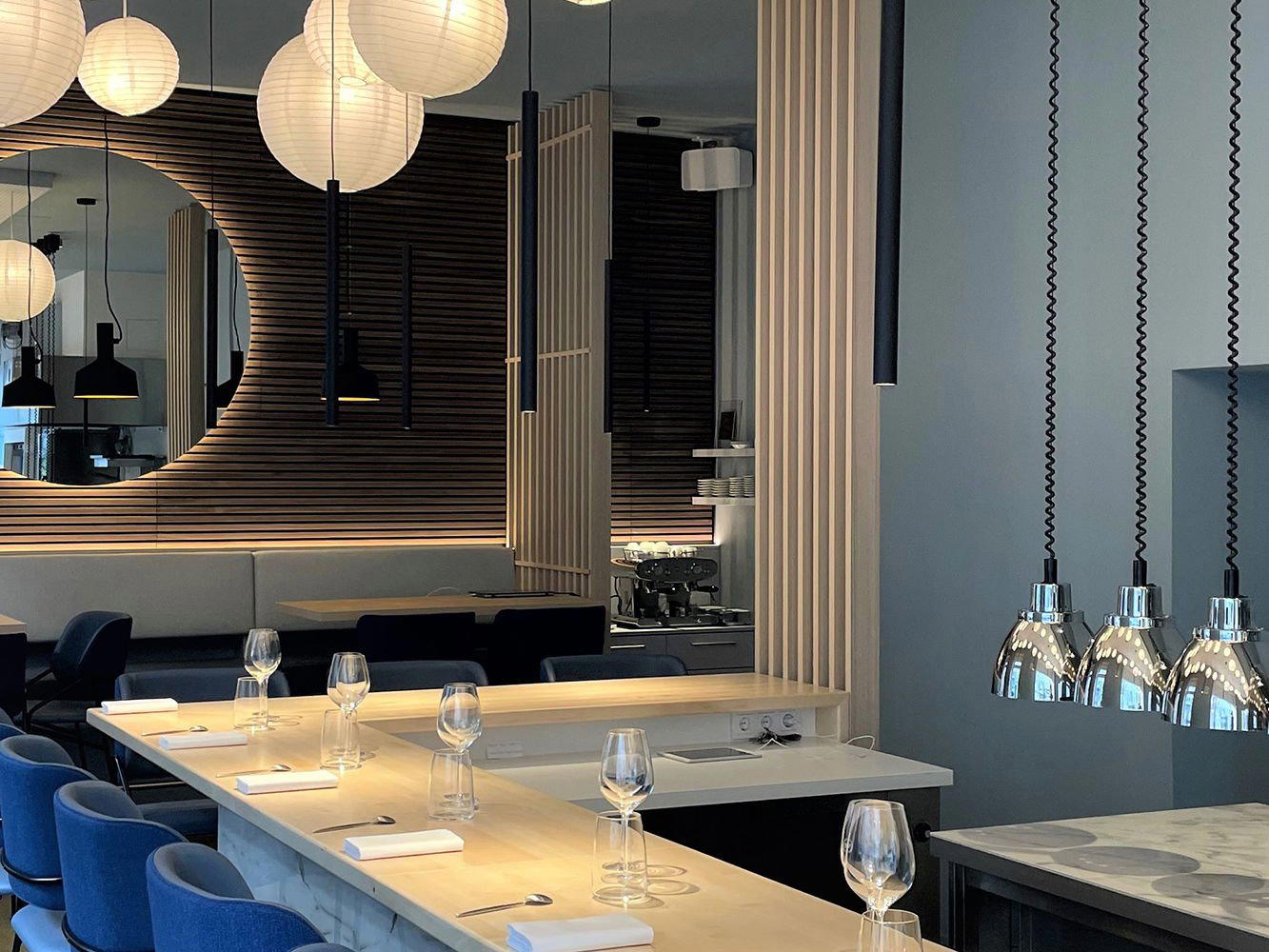
The Michelin Guide describes the room as "chic and elegant" and the atmosphere as "inviting and almost intimate" , language that maps onto a specific category of fine-dining room: not the grand salon with high ceilings and formal distance, but the smaller, more compressed space where the table feels like the entire environment. At this scale, the front-of-house team's quality becomes disproportionately important. The Michelin citation specifically notes an "attentive and well-trained" team, which is a meaningful distinction at the one-star level where service inconsistency is a common gap between the kitchen's ambition and the guest's experience.
The intimacy of the room places 1876 in a cohort that has become more common in German fine dining over the past decade: the chef-patron restaurant where the room is kept deliberately small to maintain creative control and the sense that each service is a considered event rather than an operational exercise. Zwanzig23 by Lukas Jakobi in Düsseldorf operates in a comparable register. Nationally, CODA Dessert Dining in Berlin and ES:SENZ in Grassau reflect similar commitments to format discipline over scale. Vendôme in Bergisch Gladbach, though operating at a higher star level, shares the same underlying logic: a tightly controlled environment where the menu is the primary event.
Chef-Patron Format and What It Signals
Chef-patron model , in which the chef owns and runs the restaurant rather than operating within a larger hospitality group , carries specific implications for how a room functions. Menus tend to evolve more directly in response to the chef's current interests rather than being filtered through a corporate brief or a committee of shareholders. The creative risk-taking in a dish like the cannelloni and smoked eel combination reflects a kitchen that answers primarily to its own standards. That freedom is both the model's strength and its constraint: the restaurant's ceiling is set by a single person's vision and energy rather than a team's institutional momentum.
Daniel Dal-Ben's creative range, blending Italian, French, and Japanese reference points, is the kind of formation that tends to emerge from exposure to multiple culinary traditions rather than deep immersion in one. The Michelin commentary positions him as a chef who integrates these influences into a coherent personal language , not a restaurant that cycles between Japanese nights and Italian nights, but one that holds all three registers simultaneously within a single menu architecture. A Google rating of 4.9 from 149 reviews corroborates the Michelin assessment: at that score and that sample size, the kitchen is delivering consistently across a range of guest profiles, not just the occasional exceptional service.
Planning a Visit
1876 Daniel Dal-Ben is at Grunerstraße 42a in the zoo district, at the northeastern edge of Düsseldorf's inner city. The price range sits at €€€€, positioning it squarely in the top tier of Düsseldorf dining. Given the Michelin star awarded in 2025 and the small scale of the room, advance booking is strongly advisable , the combination of recognition and limited covers creates direct pressure on availability. The kitchen's additional-courses policy means the meal should be treated as a long evening rather than a dinner with a fixed end point: the Michelin Guide specifically advises allowing plenty of time. For the broader Düsseldorf picture, see our full Düsseldorf restaurants guide, our full Düsseldorf hotels guide, our full Düsseldorf bars guide, our full Düsseldorf wineries guide, and our full Düsseldorf experiences guide.
At-a-Glance Comparison
A quick peer check to anchor this venue’s price and recognition.
| Venue | Cuisine | Price | Awards |
|---|---|---|---|
| 1876 Daniel Dal-BenThis venue — the venue you are viewing | Creative | €€€€ | Michelin 1 Star |
| Im Schiffchen | Contemporary European, Classic Cuisine | €€€€ | Michelin 1 Star |
| Agata's | Creative | €€€€ | Michelin 1 Star |
| Jae | Fusion | €€€€ | Michelin 1 Star |
| Le Flair | Mediterranean Cuisine | €€€ | Michelin 1 Star |
| Nagaya | Japanese | €€€€ | Michelin 1 Star |
Continue exploring
More in Düsseldorf
Restaurants in Düsseldorf
Browse all →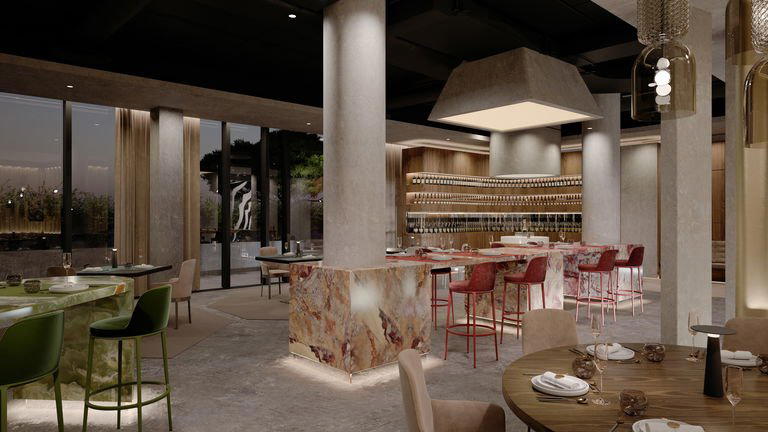
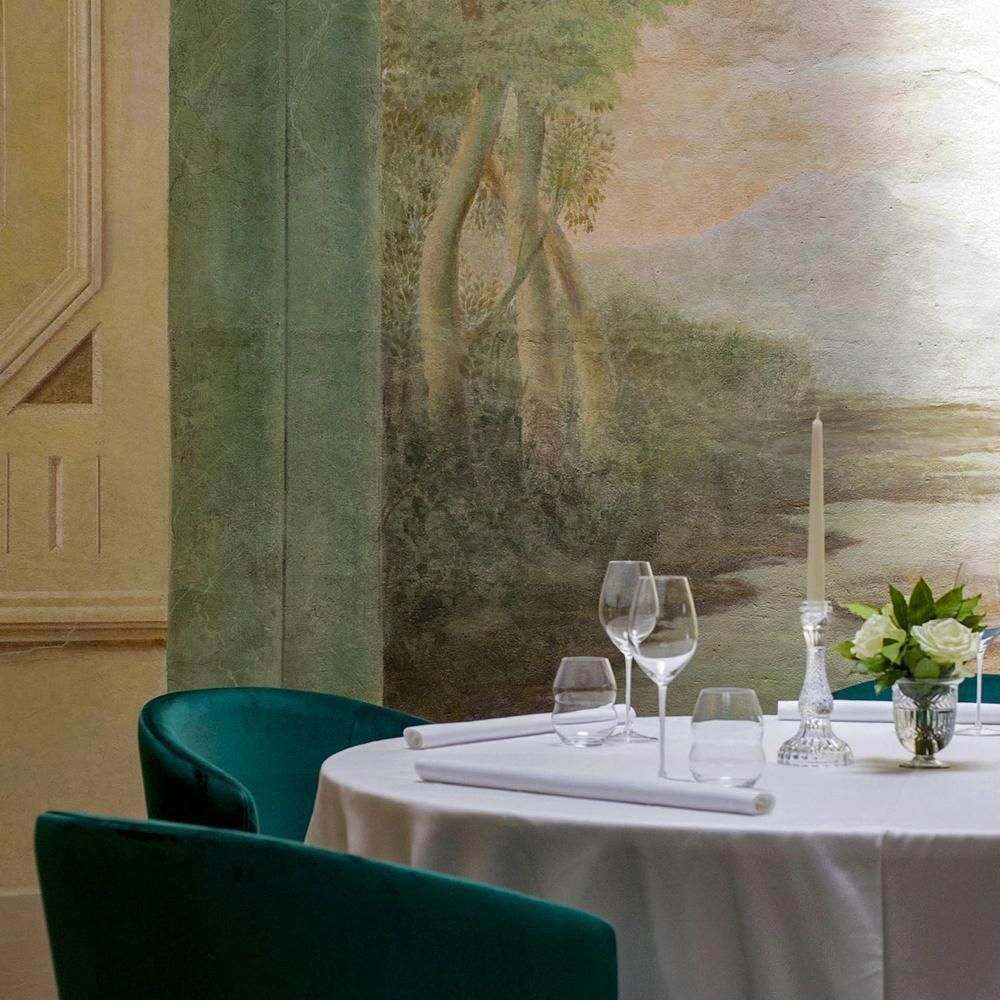
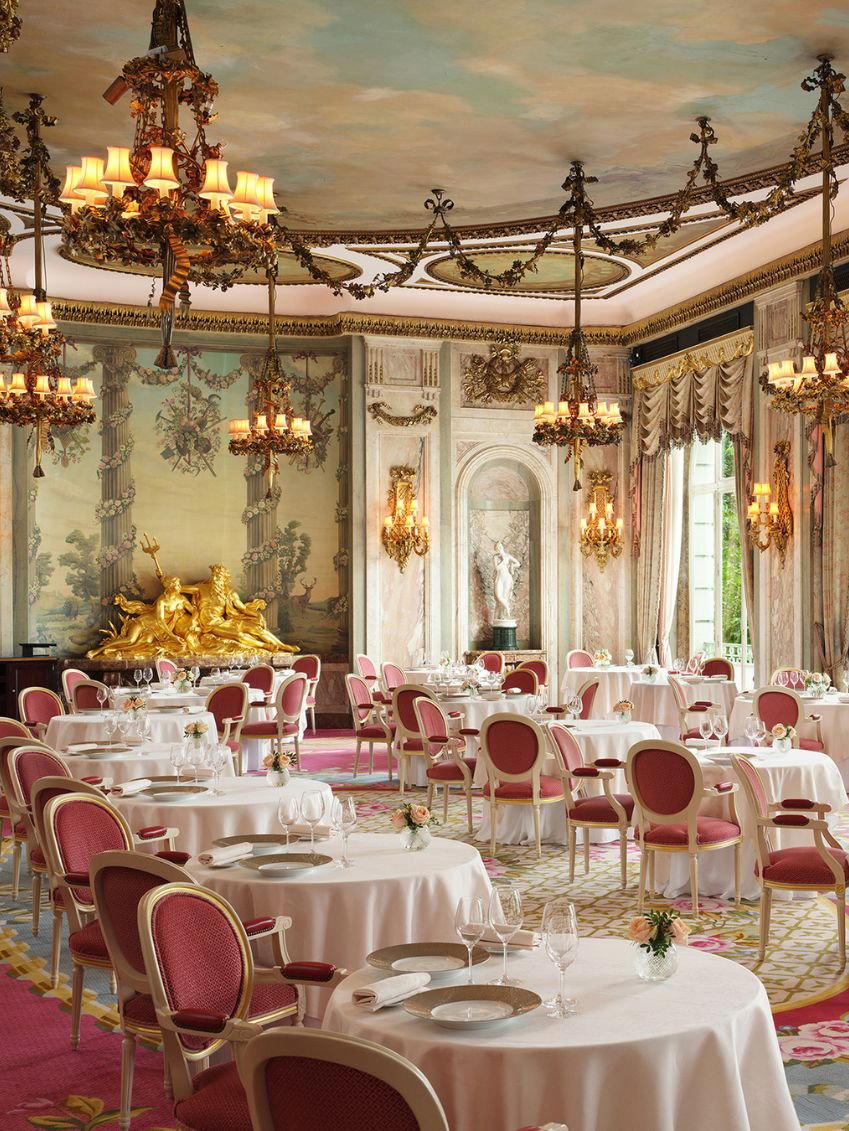
Bars in Düsseldorf
Browse all →
Hotels in Düsseldorf
Browse all →
Wineries in Düsseldorf
Browse all →
At a Glance
- Intimate
- Elegant
- Cozy
- Sophisticated
- Date Night
- Special Occasion
- Open Kitchen
- Extensive Wine List
- Sommelier Led
Chic, elegant, and inviting with a cozy Wohnzimmer atmosphere, warm lighting, and personal service that feels like dining in the chef's home.