La Terrasse
La Terrasse sits on the Vasterival road in Varengeville-sur-Mer, a village on the Alabaster Coast where the Norman clifftop tradition of quiet, ingredient-led dining has long outlasted the region's tourist seasons. The setting places it within a small cluster of restaurants working close to the Channel's seasonal larder, and it draws visitors willing to leave Dieppe's more visible dining circuit behind.
Pearl is the En Primeur Club membership app — saves, bookings, and concierge access live there. Same editors, same standards.
- Address
- Rte de Vasterival, 76119 Varengeville-sur-Mer, France
- Phone
- +33235851254
- Directions
- Get directions
 Saves & bookings on Pearl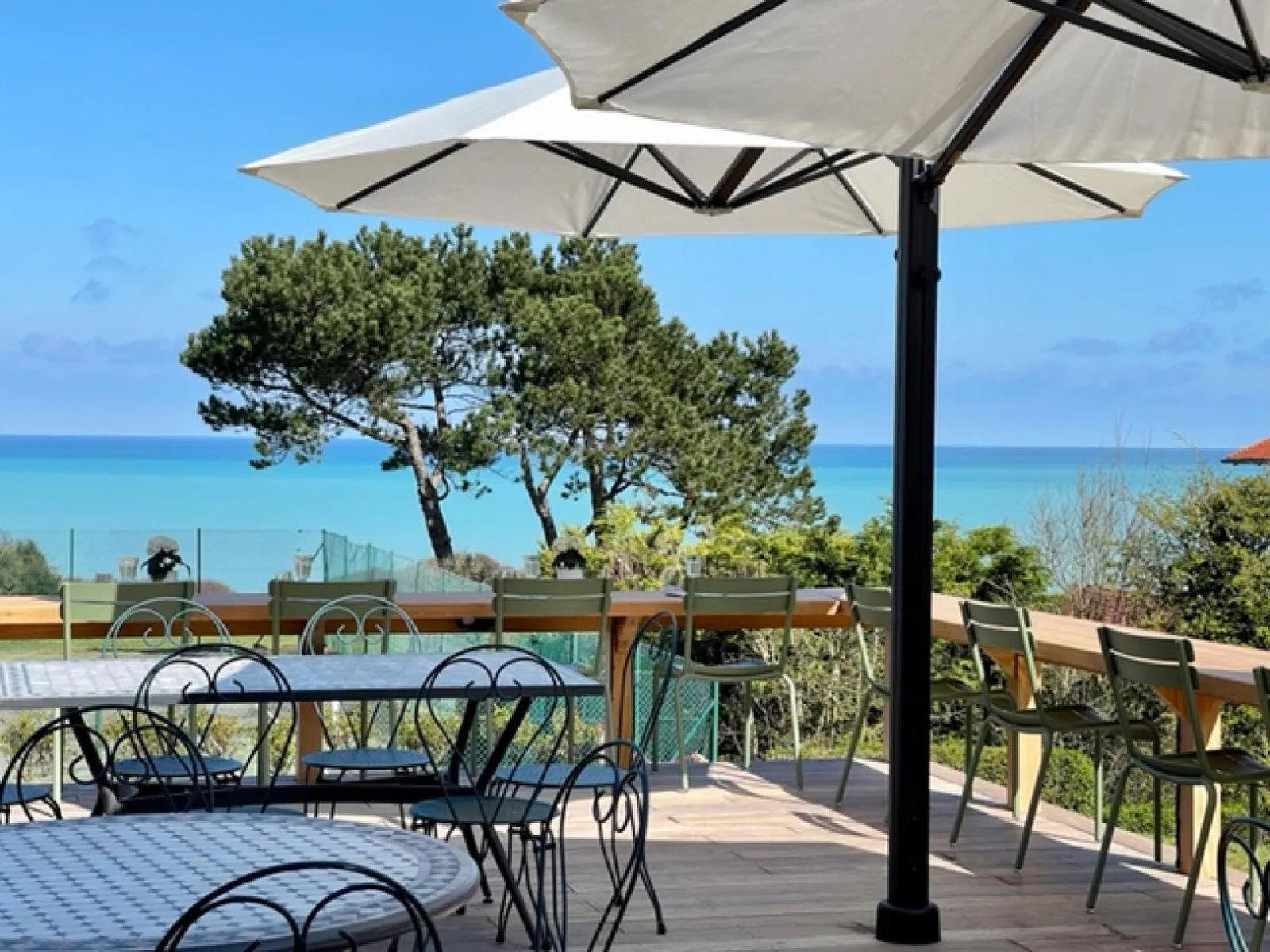
The Alabaster Coast at Table
The Normandy clifftop between Dieppe and Fécamp is not a dining destination in the way that France's more celebrated restaurant corridors are. There are no Michelin-dense arrondissements here, no curated tasting-menu circuits drawing international collectors. What the Alabaster Coast offers instead is a particular kind of proximity: the Channel a few hundred metres from the kitchen door, chalk cliffs holding the cold air through spring, and a regional larder, sole, turbot, scallops from the Bay of the Seine, cream from the Pays de Caux, that has defined Norman cooking for several centuries. La Terrasse, on the Route de Vasterival in Varengeville-sur-Mer, operates inside that tradition. The village itself sits between Dieppe and Sainte-Marguerite-sur-Mer, largely bypassed by the through-traffic that moves along the D925. Reaching it requires a decision, and that self-selection shapes who arrives.
Alléno Paris au Pavillon Ledoyen in Paris, Mirazur in Menton, and Flocons de Sel in Megève represent the country's most ambitious end of the spectrum. Varengeville sits at a different point on that axis entirely, quieter, more rooted in a specific coastal geography, and far less legible to the international awards circuit.
What the Norman Coast Puts on the Plate
The ingredient argument for this stretch of coastline is not sentimental. The Bay of the Seine produces some of the northern Atlantic's most consistently rated shellfish, and the coquilles Saint-Jacques harvested here between October and May carry a designation that separates them from scallops sourced further afield. The Pays de Caux, the agricultural plateau running inland behind the cliffs, is the source of the cream, butter, and soft cheeses that have made Normandy's dairy reputation durable across centuries of French culinary history. A kitchen working in this location that is not drawing directly from these sources is working against its own geography.
The broader tradition that places like La Terrasse inherit is one of auberge cooking: seasonal, relatively unfussy, built around whatever the morning's market or the previous day's fishing has produced. That tradition sits closer in spirit to Bras in Laguiole, where terrain and provenance are the guiding logic, than to the technique-led creativity of AM par Alexandre Mazzia in Marseille. Both are legitimate approaches to serious cooking; they simply answer different questions about what a restaurant is for.
Varengeville and Its Dining Context
Varengeville-sur-Mer is more widely known for its artists' connections, Georges Braque is buried in the village churchyard, than for its restaurants. The dining circuit here is small by any measure. La Table d'Elka is the other notable address in the village, and between the two, the local offer covers much of what a visitor staying on this stretch of coast would need. For a fuller account of the area's restaurant options,
The contrast with busier coastal dining scenes in France is instructive. Christopher Coutanceau's operation in La Rochelle, see Christopher Coutanceau in La Rochelle, represents what happens when a coastal provenance story is combined with formal dining ambition and significant awards recognition. Varengeville operates without that kind of infrastructure or visibility. What it has instead is the coast itself, functioning at a different pace.
The Approach and the Setting
The Route de Vasterival is a narrow road that runs through established woodland toward the clifftop, passing the Manoir d'Ango before the coast opens up. The physical approach to La Terrasse, through a village that has resisted the standardisation of most French tourist destinations, conditions expectations before the meal begins. The atmosphere is defined by the external environment as much as by any interior design choice: the Channel light in this part of Normandy is particular, shifting between grey and silver through much of the year, with a shorter window of warmer clarity in July and August when the tourist season is at its peak.
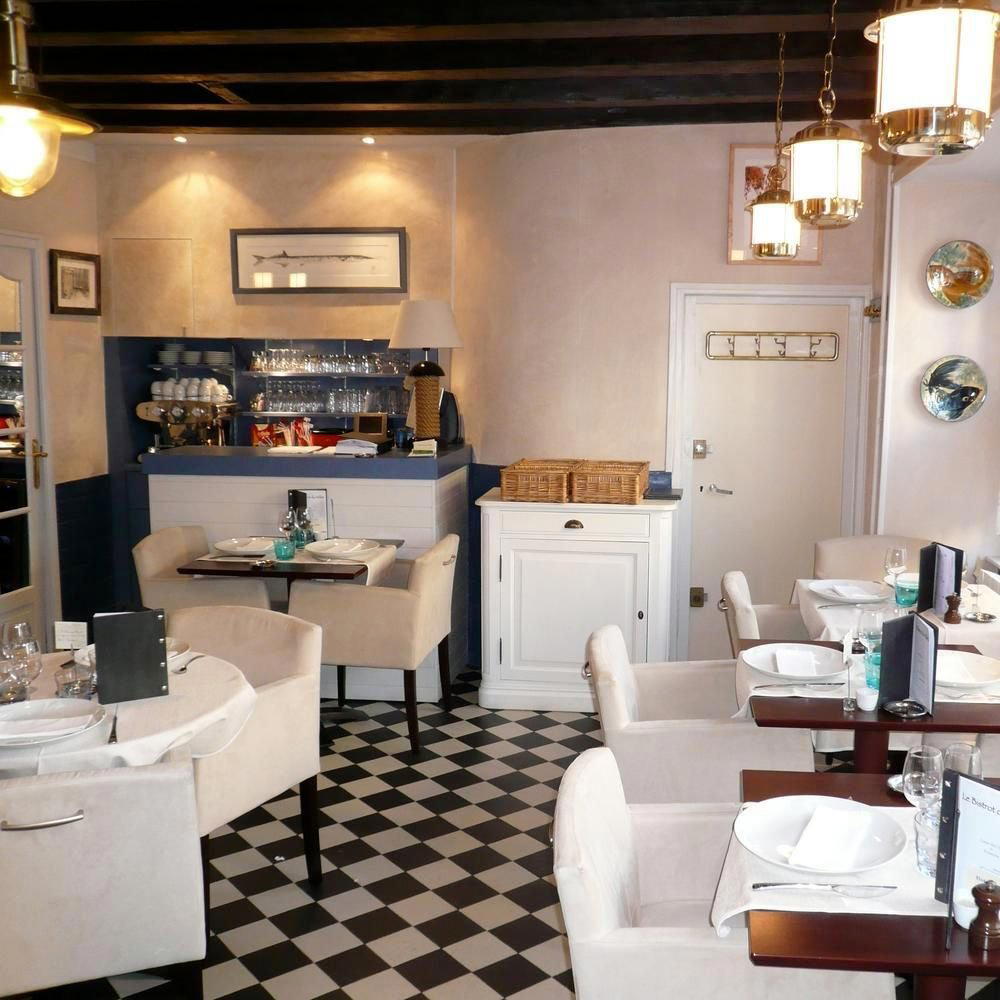
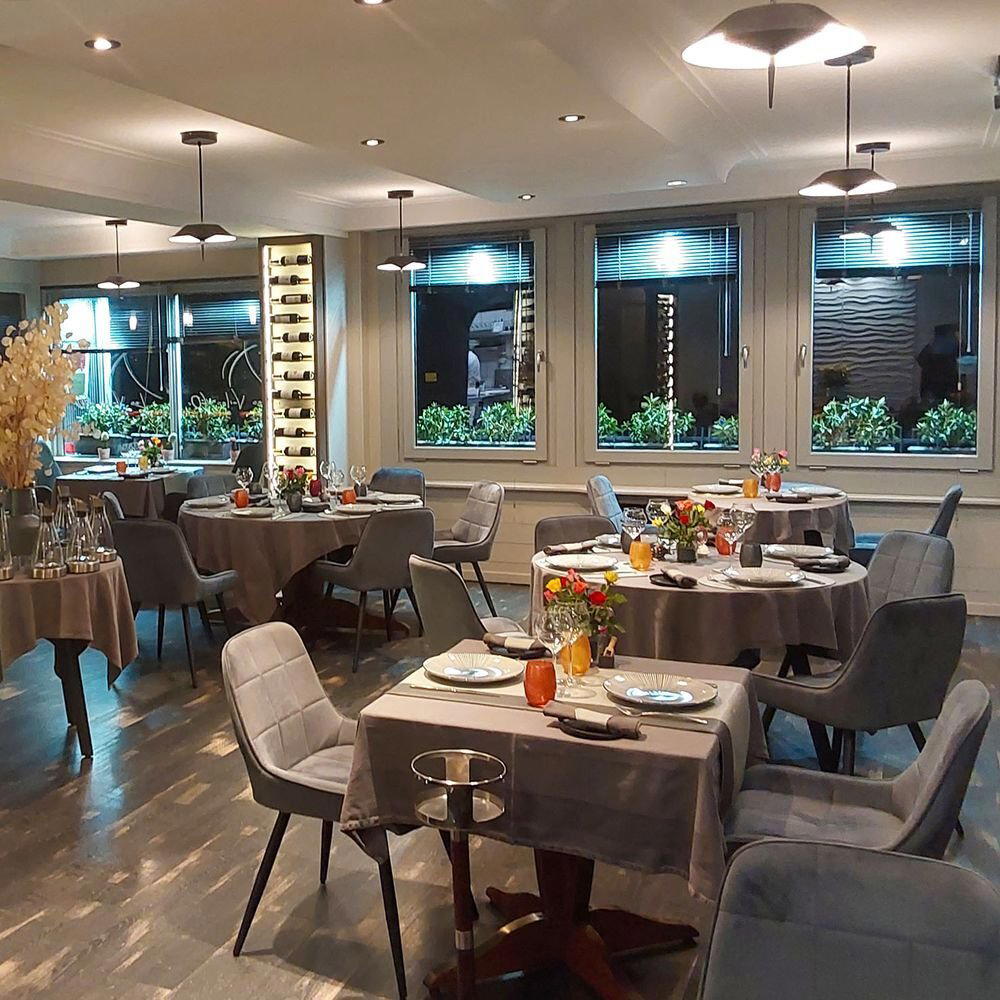
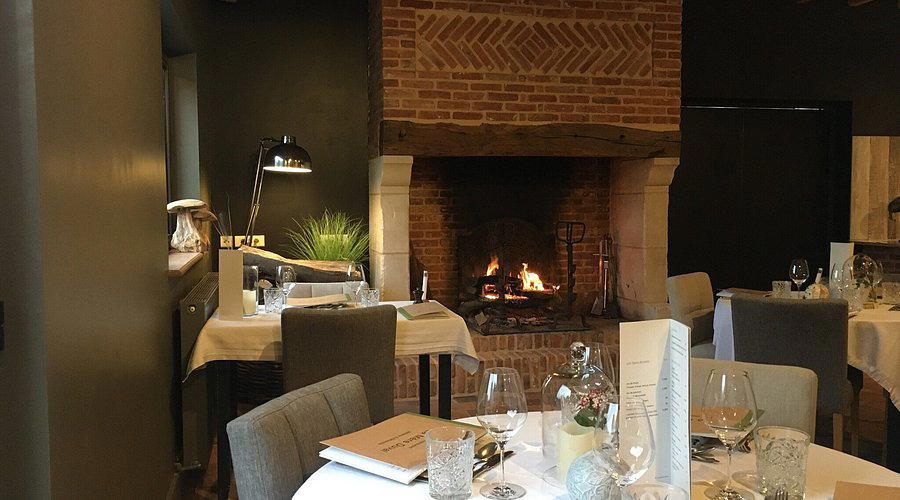
Dining rooms on this coast tend toward the unpretentious. The reference points here are the traditional restaurant-hotels of rural France, places where the architecture and the furniture defer to what arrives at the table rather than competing with it. That positions Varengeville's dining offer closer to Auberge du Vieux Puits in Fontjoncouse or Auberge de l'Ill in Illhaeusern in spirit, auberge formats grounded in a particular French regional identity, than to the formally orchestrated dining rooms of Le Bernardin in New York City or Atomix in New York City.
Planning a Visit
Varengeville-sur-Mer sits roughly ten kilometres west of Dieppe, which has a train connection from Paris Saint-Lazare running approximately two hours. From Dieppe, the village requires a car or taxi; there is no meaningful public transport serving the Route de Vasterival. The summer months bring the highest concentration of visitors to the Alabaster Coast, and weekend tables at the better-known village restaurants tend to be taken well in advance during July and August. Visiting outside peak season, particularly in the scallop months of October through April, aligns more directly with the coastal larder the region is known for and encounters a quieter, more local version of the place. Reservations are recommended, especially for groups and summer visits.
Where La Terrasse Sits in Its comparable set
The French provincial dining tradition that restaurant represents sits apart from the formal tasting-menu tier. Houses like Troisgros - Le Bois sans Feuilles in Ouches, Paul Bocuse - L'Auberge du Pont de Collonges in Collonges-au-Mont-dOr, Assiette Champenoise in Reims, Au Crocodile in Strasbourg, Georges Blanc in Vonnas, and L'Oustau de Baumanière in Les Baux each hold significant award histories and operate within a formal hospitality infrastructure. The restaurant, in a village of a few hundred residents on a clifftop between two ports, answers a different set of expectations. The relevant comparison is not what it shares with those addresses but what it provides that they cannot: immediacy of place, a specific coastal season, and a scale where the ingredient chain from sea to plate remains short enough to remain visible.
In Context: Similar Options
Comparable venues nearby, for context on price, style, and recognition.
| Venue | Cuisine | Price | Awards | Notes |
|---|---|---|---|---|
| La TerrasseThis venue — the venue you are viewing | Traditional French Seafood | $$ | Not listed | Not listed |
| La Table d'Elka | Refined Norman French Fine Dining | $$$$ | Michelin Plate | Varengeville-sur-Mer |
| La Pile d'Assiettes | Creative French Bistro | $$ | Not listed | Centre-ville |
| La Musardière | Traditional French Seafood | $$ | Not listed | Quai Henri IV |
| La maison blanche | Traditional French Bistro | $$ | Not listed | La Bouille |
| Le Champêtre | Traditional French Bistro | $$ | Not listed | Le Hanouard |
Continue exploring
More in Varengeville-sur-Mer
Restaurants in Varengeville-sur-Mer
Browse all →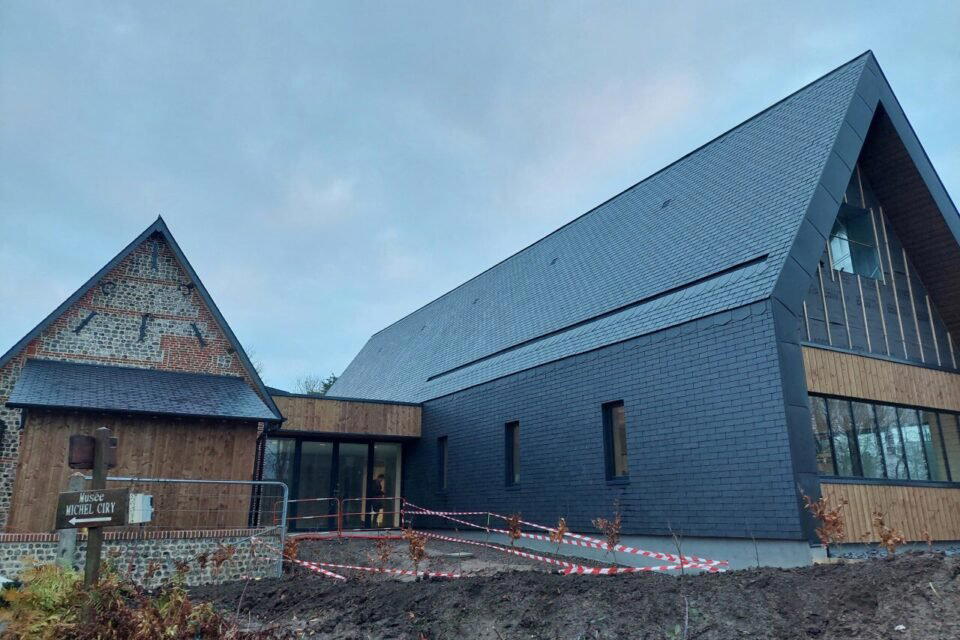
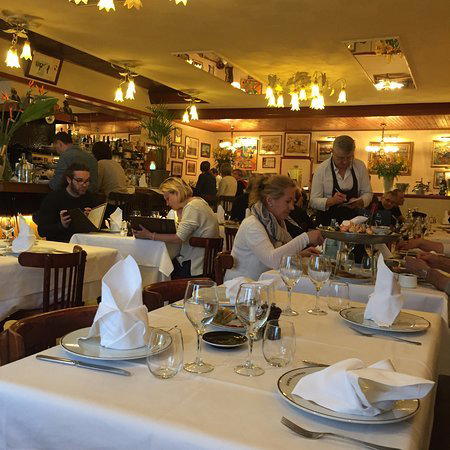
Hotels in Varengeville-sur-Mer
Browse all →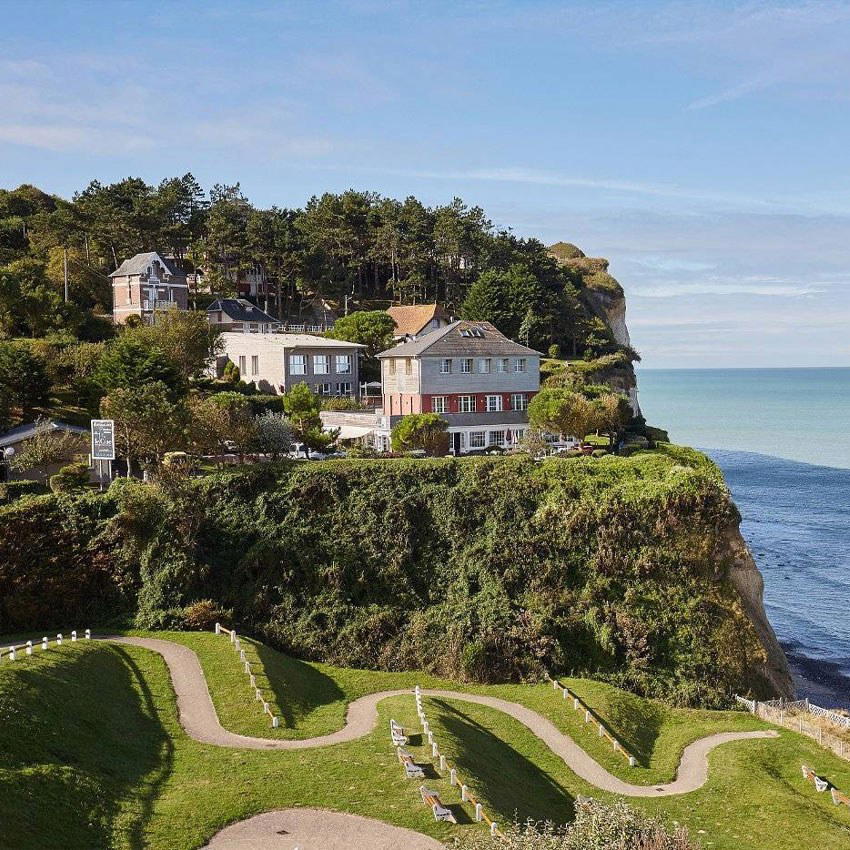
At a Glance
- Scenic
- Classic
- Cozy
- Family
- Casual Hangout
- Terrace
- Waterfront
- Hotel Restaurant
- Local Sourcing
- Waterfront
Relaxed and scenic atmosphere with panoramic sea views, shaded garden surroundings, and a peaceful setting high above the cliffs.