Our verdict
Le Champêtre serves Traditional French Bistro cooking in a casual, conversational setting that fits lunch or dinner plans without formal dress.

Pearl is the En Primeur Club membership app — saves, bookings, and concierge access live there. Same editors, same standards.
- Address
- 19A Rue de la Gare, 27910 Vascœuil, France
- Phone
- +33647393176
- Hours
- Mon 11:30 AM–2 PMTue ClosedWed–Thu 11:30 AM–2 PMFri–Sat 11:30 AM–2 PM, 7–11 PMSun 11:30 AM–2 PM
- Website
- lechampetre.fr
- Directions
- Get directions
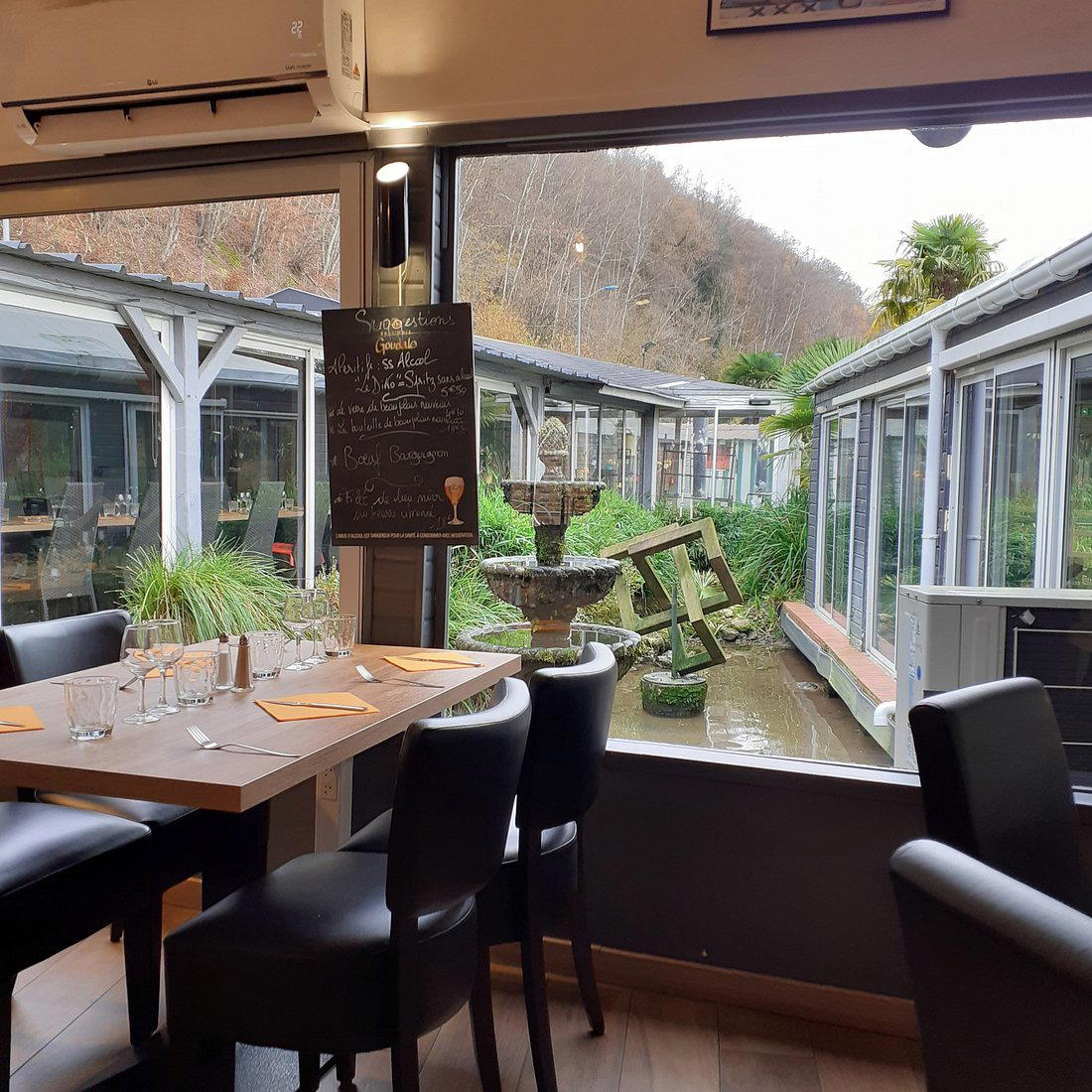
A Village Address in the Norman Countryside
The drive into Vascœuil sets expectations before the meal does. The village sits in the Eure department of Normandy, roughly equidistant between Rouen and the Pays de Bray, in the kind of agricultural corridor where the hedgerows are dense and the light in late afternoon turns the fields a particular shade of pale gold. The address on the Rue de la Gare places Le Champêtre within walking distance of the village's modest rail infrastructure, but most diners arrive by car, and the approach through the Norman bocage is part of the context. This is not urban dining transposed to a rural postcode. The physical environment shapes what the kitchen is expected to do.
What Normandy Does to a Kitchen
French regional cuisine is rarely about scarcity. In Normandy specifically, the kitchen draws on one of the country's most productive agricultural zones. The department of Eure and its neighbours supply cream, butter, apples, calvados, soft-ripened cheeses, river fish, and livestock that carries the character of its pasture. For a restaurant in this geography, the question of ingredient sourcing is not a marketing posture; it is the structural condition of the cuisine. Kitchens here have been working with these materials for generations, long before farm-to-table became a category.
That tradition places Vascœuil's dining scene in a specific national conversation. Normandy sits outside the corridors that typically attract international food media attention. The high-recognition addresses in France cluster in Paris, along the Mediterranean at restaurants like Mirazur in Menton, in the Alpine resort context of Flocons de Sel in Megève, or in historically documented regional institutions like Auberge de l'Ill in Illhaeusern and Paul Bocuse in Collonges-au-Mont-d'Or. Village kitchens in inland Normandy occupy a quieter register: lower visibility, tighter local circulation, and a direct dependence on the produce networks immediately around them.
The Logic of Sourcing in This Region
In agricultural Normandy, the distance between producer and kitchen is often measured in minutes rather than logistics chains. The cream that defines the region's sauces can come from a farm visible from the dining room window. The apples pressed into cider or reduced into a gastrique may come from an orchard a village or two along the same road. This proximity is not incidental; it changes how a kitchen plans its menus and how it prices its food. Restaurants embedded in this supply structure tend to operate with less menu distance from the season than their urban counterparts. When the market shifts, the plate shifts.
Compare this with the sourcing decisions at high-end Paris addresses such as Alléno Paris au Pavillon Ledoyen, where the ingredient procurement network spans suppliers across multiple regions and countries. Or with coastal kitchens like Christopher Coutanceau in La Rochelle, where the sourcing story centres on the Atlantic and sustainable fishery practices. Each geography produces a different kind of cooking logic. In inland Normandy, the logic is pastoral: dairy-rich, apple-inflected, and rooted in the land rather than the sea.
For diners who have worked through the established French canon, from the Burgundy-inflected menus at Troisgros in Ouches to the Aveyron highlands cooking at Bras in Laguiole, a Norman village table offers a different register entirely. Fewer pyrotechnics, more material directness. The technique serves the produce rather than transforming it past recognition.
The village of Vascœuil is not a dining destination in the way that Vonnas is for Georges Blanc or that Les Baux is for L'Oustau de Baumanière. Those addresses have built multi-decade reputations that pull international travellers specifically. Vascœuil draws from a different radius: day-trip diners from Rouen, weekend visitors from the Paris basin two hours south, and local regulars for whom proximity to quality is the relevant criterion. That audience shapes the restaurant's register and, by extension, its position in the regional market.
This is a pattern visible across French provincial dining. The restaurant that serves a regional population well, without chasing external validation, occupies a distinct and often durable niche. It is not competing with the recognised addresses at Assiette Champenoise in Reims or Au Crocodile in Strasbourg for the same diner. Its competition is local, its reputation is local, and its staying power depends on consistency with a community rather than visibility to a global audience.
For visitors using Vascœuil as a base for exploring Normandy, a meal at Le Champêtre fits naturally into a slower travel rhythm. The Château de Vascœuil, a documented local cultural site with formal gardens, is within close proximity. The Seine valley and its associated historic sites are accessible on day trips. Dining in a village of this scale is most rewarding when the pace of the visit allows for it. See our full Vasc Uil restaurants guide for broader context on eating in the area.
How Le Champêtre Sits Within the Wider French Table
France's dining infrastructure is deep enough that the country sustains excellent kitchens at every scale, from three-Michelin-star operations to the kind of address that appears on no international list but has served the same community for decades. Le Champêtre occupies the latter territory., it cannot be positioned against credentialed peers in the way that, say, Auberge du Vieux Puits in Fontjoncouse or AM par Alexandre Mazzia in Marseille can be. What it can be positioned within is a tradition: the French auberge model, in which a village restaurant feeds its community with ingredients drawn from the surrounding land, without architectural ambition or format experimentation.
That tradition has international admirers. The influence of French provincial cooking on destination kitchens elsewhere is well documented. Le Bernardin in New York City and Atomix in New York City both carry, in their different ways, debts to French structural thinking about ingredient primacy. La Marine in Noirmoutier-en-l'Île represents the coastal French version of this same discipline. Le Champêtre represents the inland Norman version: quieter, less photographed, more embedded in its place.
Planning a Visit
Le Champêtre is at 19A Rue de la Gare, 27910 Vascœuil. The village is accessible from Rouen in under an hour by road and from Paris via the A13 motorway in approximately two hours depending on traffic and route. For those building a Normandy itinerary that includes a broader range of dining stops, the regional infrastructure rewards advance planning, particularly on weekends when village restaurants in this tier operate at limited capacity.
Frequently asked questions
Would Le Champêtre be comfortable with kids?
Le Champêtre is a village restaurant in Vascœuil, a quiet commune in the Eure department of Normandy, which generally suits a relaxed, unhurried pace rather than a formal dining room with strict protocols. That setting tends to be more accommodating for families than city-centre fine dining. Specific family policies are not documented, so contacting the restaurant directly before visiting with children is advisable.
What's the overall feel of Le Champêtre?
The address at 19A Rue de la Gare places it on a quiet village street in Vascœuil, a small Eure commune between Rouen and the broader Seine valley. That geography shapes the tone: this is Norman countryside dining, closer to a rural auberge atmosphere than an urban brasserie or tasting-menu counter. The name itself, champêtre meaning rural or pastoral in French, signals the register the kitchen is working in.
Is Le Champêtre a good option for lunch on a day trip from Rouen?
Vascœuil sits less than an hour from Rouen by road, making Le Champêtre at 19A Rue de la Gare a practical stop for those already exploring the Eure valley or visiting the nearby Château de Vascœuil. Norman village restaurants in this area typically serve a midday menu, though confirmed hours and booking availability should be verified directly with the restaurant before making the drive.
What dish is Le Champêtre famous for?
No specific signature dish is documented for Le Champêtre. What the Normandy region does reliably supply is cream, aged cider-based spirits like Calvados, local cheeses, and seafood from the Channel coast, all of which define the culinary grammar of kitchens in this part of the Eure department. For current menu specifics, reaching out to the venue directly is the only reliable route.
How do I find Le Champêtre?
Le Champêtre is located at 19A Rue de la Gare, 27910 Vascœuil, France, Vasc Uil.
Comparison Snapshot
Comparable venues nearby, for context on price, style, and recognition.
| Venue | Cuisine | Price | Notes |
|---|---|---|---|
| Le ChampêtreThis venue — the venue you are viewing | Traditional French Bistro | Not listed | Not listed |
| A La Marmite Dieppoise | Traditional French Seafood | $30–50 | central Dieppe |
| Brasserie Paul | Traditional French Brasserie | $30–50 | historic center |
| La Terrasse | Traditional French Seafood | $30–50 | Varengeville-sur-Mer |
| Gill Côté Bistro | Traditional French Bistro with Norman Specialties | Not listed | Vieux Marché |
| Le T'Chiot Zinc | Traditional Picardie French Bistro | $20–30 | Centre-ville |
Continue exploring
More in Vasc Uil
Restaurants in Vasc Uil
Browse all →
Hotels in Vasc Uil
Browse all →
Wineries in Vasc Uil
Browse all →
Details
- Rustic
- Cozy
- Classic
- Casual Hangout
- After Work
- Standalone
- A La Carte
Current opening hours
- Monday
- 11:30 AM–2 PM
- Tuesday
- Closed
- Wednesday
- 11:30 AM–2 PM
- Thursday
- 11:30 AM–2 PM
- Friday
- 11:30 AM–2 PM, 7–11 PM
- Saturday
- 11:30 AM–2 PM, 7–11 PM
- Sunday
- 11:30 AM–2 PM
Hours can change for holidays and private events. Last verified .
Casual and convivial neighborhood establishment with traditional French charm.