La Table d'Elka

Michelin Plate
Our verdict
In a renovated farmhouse outside Dieppe, La Table d'Elka applies classical Gallic technique to the produce Normandy does better than almost anywhere else in France: line-caught turbot, wild seabass, and coastal herbs that grow metres from the kitchen. Chef Laurent Kleczewski works a menu that sits between terroir fidelity and quiet creative ambition, occasionally cutting across the Channel-facing landscape with dashi-spiked butters and dried fruit in pepper sauces.

Pearl is the En Primeur Club membership app, where members save venues, book tables and use the concierge.
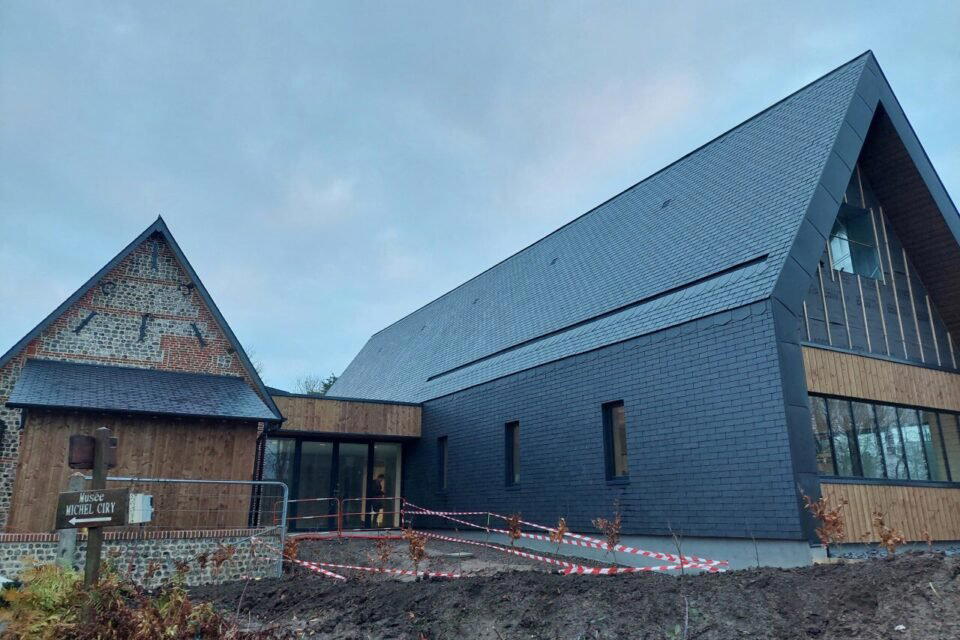
Where the Produce Sets the Agenda
Normandy's coastline has always supplied the rest of France with ingredients it takes for granted elsewhere. Turbot from these waters, particularly the stretch between Dieppe and Fécamp, ranks among the most prized in the country, and the dairy and orchards inland contribute an embarrassment of raw materials that Paris restaurants pay significant sums to import. What is rarer is a kitchen positioned close enough to those sources to treat them as daily working stock rather than prestige imports. La Table d'Elka, set in a renovated farmhouse in Varengeville-sur-Mer, occupies precisely that position.
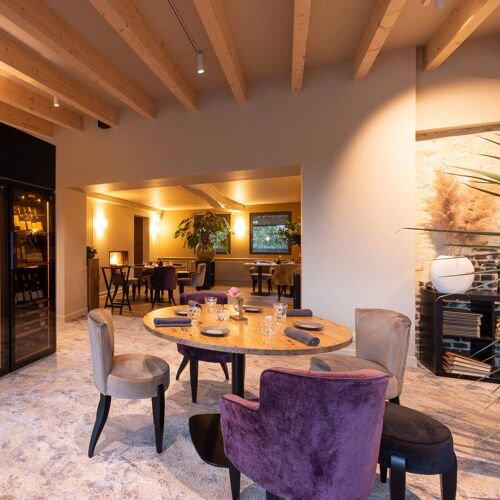
The physical setting matters here in a way it does not at urban fine dining addresses. The large picture windows that define the contemporary extension look out onto an orchard and a small herb garden that Chef Laurent Kleczewski and his wife Élodie tend themselves. That is not incidental detail: it describes the sourcing logic that runs through the menu. The herbs reaching the plate may have been cut the same morning. The rhythm of what is available in the kitchen is partly determined by what is growing outside it. This is a different proposition from the farm-to-table language that urban restaurant marketing deploys loosely; it is, in this case, a literal description of geography.
Classical Technique as the Frame, Not the Constraint
Across provincial France, a certain kind of fine dining table has established a reliable format: classical Gallic technique applied to the leading regional produce available, with occasional gestures toward international flavour registers to signal modernity without abandoning identity. La Table d'Elka works within that format, and does so with enough skill that the exotic notes on the menu read as confidence rather than overreach. A fish of the day arrives in a dashi-spiked butter with local seaweed; a fillet of beef appears in a pepper sauce with olives and raisins. These are dishes built on a foundation of French classical training, then opened slightly at the edges to borrow techniques or flavour logic from elsewhere.
It is worth understanding what that implies about the kitchen's technical range. Dashi is not a sauce base that Gallic technique accommodates naturally; making it work inside a butter-based preparation, and making it work with locally foraged seaweed rather than kombu from a supplier catalogue, requires a cook who understands both traditions well enough to find their overlap. The same discipline is at work in the pepper sauce with dried fruit: pepper sauce is a French canon standard, but calibrating raisins and olives within it without tilting into something that reads as Moroccan-inflected or simply confused is a narrower technical brief than it looks on the menu.
This positions La Table d'Elka alongside a strand of French regional fine dining that operates with more freedom than destination temples of classical cuisine such as Auberge de l'Ill in Illhaeusern or Paul Bocuse in Collonges-au-Mont-d'Or, while remaining far more anchored in place and tradition than the format-breaking creativity of Mirazur in Menton or AM par Alexandre Mazzia in Marseille.
The Normandy Context
Varengeville-sur-Mer sits a few kilometres west of Dieppe on the Alabaster Coast, a stretch of chalk cliff coastline that is considerably better known for its landscape than its dining options. The village itself is small and quiet, with a population that does not generate the restaurant traffic a kitchen at this level might rely on in a more visited location. This means La Table d'Elka draws from a different radius: visitors making the drive from Rouen, day-trippers from Dieppe combining a meal with the coastal walk, and the kind of traveller who plans journeys around tables rather than treating meals as afterthoughts. For context on the wider area's dining, drinking, and accommodation options, see our full Varengeville-sur-Mer restaurants guide and our full Varengeville-sur-Mer hotels guide.
The village's distance from major tourism circuits is also part of what makes the sourcing argument coherent. The turbot and seabass on the menu arrive from boats working the same stretch of coast that is visible from the cliffs above. There is no cold chain drama, no overnight delivery from a distant port. This is the Channel in the glass of the wine glass, so to speak, expressed through the kitchen's ingredient choices rather than through decoration or narrative.
France's Norman coast has historically been underrepresented in the upper tier of French dining compared to its larder credentials. The produce it generates, particularly its fish, cream, apples, and aged Calvados, has fed famous kitchens elsewhere for decades. A kitchen that stays in Normandy and builds its identity from within that supply chain rather than exporting to it occupies a position worth noting, and worth the journey from Rouen or Paris if the category of serious, produce-led regional fine dining is what you are looking for. For broader context on what France's serious regional restaurant tier looks like, the menus at Flocons de Sel in Megève, Bras in Laguiole, and Assiette Champenoise in Reims offer useful comparative frames, each rooted in a distinct regional identity.
Planning a Visit
Varengeville-sur-Mer is most directly accessed by car from Dieppe (approximately 8 kilometres) or from Rouen (around 65 kilometres via the A150). Visitors arriving from Paris should allow around two hours by car, or can take the train to Dieppe and arrange onward transport. The farmhouse setting, with its working garden and orchard visible from the dining room, makes the experience notably different from an urban fine dining appointment; allow time before or after for the coastal landscape, which the village sits directly above. For bars, see our full Varengeville-sur-Mer bars guide; for wineries nearby, our Varengeville-sur-Mer wineries guide covers the region's options. Those looking to extend the visit with local activities and cultural stops will find our Varengeville-sur-Mer experiences guide useful for context.
Frequently asked questions
Is La Table d'Elka okay with children?
La Table d'Elka is a destination fine dining table in a quiet Norman village, housed in a renovated farmhouse where Laurent Kleczewski and Élodie run a closely managed kitchen and dining room. Guests here have typically driven from Dieppe, Rouen, or further specifically for the cooking. Young children are unlikely to find the format well-suited to them, and the atmosphere would be better served by older ones who can engage with a multi-course meal.
Is La Table d'Elka better for a quiet night or a lively one?
Quiet, without question. Varengeville-sur-Mer is a small village on the Alabaster Coast without restaurant density or nightlife, and La Table d'Elka sits in a renovated farmhouse surrounded by an orchard and herb garden tended by the chef and his wife. The setting frames an attentive, unhurried meal rather than a social occasion. Come for the turbot and the dashi-spiked butter, not the atmosphere.
Does La Table d'Elka have a Michelin star or similar recognition?
La Table d'Elka has received recognition including: Chef Laurent Kleczewski and his wife Élodie have set up shop in a renovated farmhouse with a contemporary extension here in Varengeville-sur-Mer. An orchard and a small herb garden that they tend themselves surround the property and are vis….
What's the best thing to order at La Table d'Elka?
Follow the fish. Laurent Kleczewski's menu draws on locally fished Channel turbot and seabass, and dishes such as the fish of the day with dashi-spiked butter and local seaweed show how effectively he layers a classical Norman base with restrained exotic notes. The beef fillet with pepper sauce, olives, and raisins demonstrates the same principle on the meat side, but the proximity to the coast makes the fish the clearest expression of what this kitchen is doing.
Where do I go for La Table d'Elka?
La Table d'Elka is located at 2 place des Canadiens, Varengeville-sur-Mer.
In Context: Similar Options
Comparable venues nearby, for context on price, style, and recognition.
| Venue | Cuisine | Price | Awards | Notes |
|---|---|---|---|---|
| La Table d'ElkaThis venue (the venue you are viewing) | Refined Norman French Fine Dining | $50–100 | Michelin Plate | Not listed |
| La Terrasse | Traditional French Seafood | $30–50 | Not listed | Varengeville-sur-Mer |
| L'epicurius | Modern French Fine Dining | $50–100 | Michelin Plate | Historic Center (Rue Damiette, near Saint-Maclou) |
| La Table d'Alva | Modern French Gastronomic | $50–100 | Michelin Plate | Le Vaudreuil |
| Le Capucine | Modern French Bistro | $50–100 | Michelin Plate | Pennedepie |
| Maison Ruggieri Palais Royal | Creative French Fine Dining | $200–300 | 1 Michelin Star | Palais Royal |
Recognition history
Dated appearances from independent guides and award organizations, with the underlying list record or original source where available.
Michelin Plate
Michelin
Continue exploring
More in Varengeville-sur-Mer
Restaurants in Varengeville-sur-Mer
All restaurants in Varengeville-sur-Mer →
Hotels in Varengeville-sur-Mer
Browse all →
Details
- Elegant
- Sophisticated
- Cozy
- Scenic
- Date Night
- Special Occasion
- Family
- Garden
- Standalone
- Extensive Wine List
- Local Sourcing
- Garden
- Tasting Menu
- A La Carte
- Vegetarian Friendly
Current opening hours
- Monday
- 12–1:30 PM, 7:30–9 PM
- Tuesday
- Closed
- Wednesday
- Closed
- Thursday
- 12–1:30 PM, 7:30–9 PM
- Friday
- 12–1:30 PM, 7:30–9 PM
- Saturday
- 12–1:30 PM, 7:30–9 PM
- Sunday
- 12–1:30 PM
Hours can change for holidays and private events. Hours as of .
Elegant and ornate with bright, spacious, soundproofed rooms opening onto bucolic nature views through large picture windows.