La Pile d'Assiettes
Our verdict
On the quayside edge of Le Tréport, La Pile d'Assiettes operates in the direct supply line between the Channel fishing boats and the plate. The address at 1 Rue Gambetta places it firmly in the harbour quarter, where the morning catch sets the kitchen's agenda. For visitors making the trip up the Normandy coast, it represents the straightforward case for eating seafood where it lands.

Pearl is the En Primeur Club membership app — saves, bookings, and concierge access live there. Same editors, same standards.
- Address
- 1 Rue Gambetta, 76470 Le Tréport, France
- Phone
- +33235846561
- Hours
- Mon 12–1:30 PMTue–Wed ClosedThu 12–1:30 PMFri 12–2:30 PM, 7–8:30 PMSat 12–2 PM, 7–8:30 PMSun 12–2 PM
- Directions
- Get directions
Where the Catch Sets the Menu
Le Tréport sits at the mouth of the Bresle river on the Normandy-Picardy border, a working fishing port that has supplied Channel seafood to Paris for well over a century. The railway connection to the capital, established in the nineteenth century, made the town a weekend destination for Parisians seeking the coast, and the restaurant culture that formed around the harbour reflects that dual identity: local fishermen selling daily to kitchens that also serve day-trippers and seasonal visitors. La Pile d'Assiettes, at 1 Rue Gambetta, sits within that harbour-adjacent cluster where the argument for sourcing is geographic rather than philosophical. The fish does not travel far.
That proximity to the source is the defining condition of eating well in Le Tréport. The Channel fishery here yields sole, turbot, mackerel, herring, and shellfish depending on the season, and the leading kitchens in town operate on short supply lines rather than consolidated wholesale networks. Compared to the grand French restaurants further along the coast or deeper inland, places like Christopher Coutanceau in La Rochelle where formal technique is applied to Atlantic catch at a very different price register, or the multi-starred ambition of Mirazur in Menton where sourcing is a curated programme, what Le Tréport offers is something more immediate: the supply chain compressed to a few hundred metres.
The Harbour Quarter and What It Produces
The Rue Gambetta address places La Pile d'Assiettes in the lower town, close to the port infrastructure rather than up on the cliffs where the holiday residential streets run. This matters for ingredient logic. Kitchens near the quay have first access to landings and direct relationships with individual boats rather than relying on secondary distribution. In a town this size, those relationships are built over years and are visible in the menu's daily variation. What arrives on the boats on a given morning is what the kitchen can credibly offer that afternoon.
For context on what premium sourcing from a working port looks like at higher registers, it is worth considering how France's decorated coastal and near-coastal restaurants think about the same question. Auberge du Vieux Puits in Fontjoncouse built its reputation partly on the specificity of sourcing from a remote southern position. Bras in Laguiole made ingredient provenance from the Aubrac plateau the central editorial statement of its cooking. La Pile d'Assiettes operates in a different tier, in a different town, but the underlying principle that proximity to source determines kitchen credibility applies across price points.
The Scene on Rue Gambetta
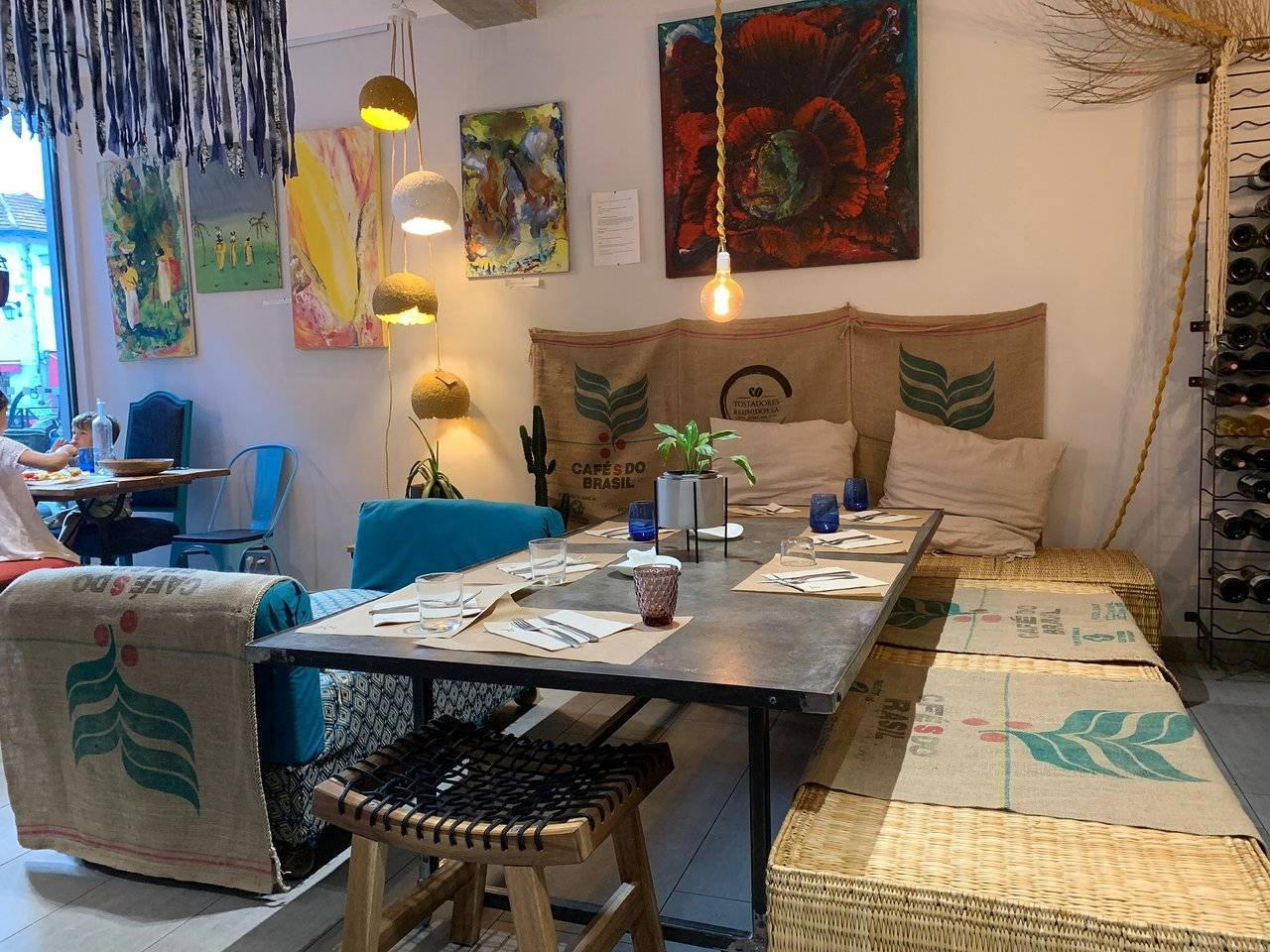
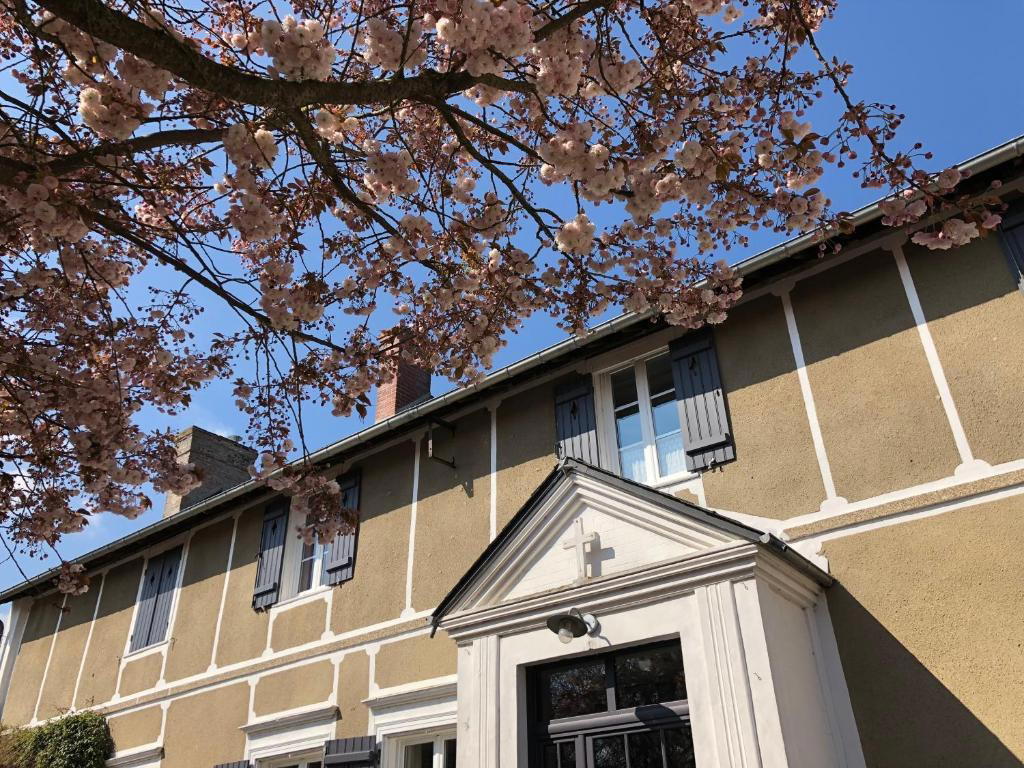
Le Tréport's lower town has the compressed, slightly windswept character common to working Channel ports. The buildings along the quayside are functional rather than decorative, the light is often flat and grey off the water, and the pace outside the summer season drops sharply. Restaurants in this environment tend toward a certain directness: checked paper on the tables, menus chalked or printed daily, wine lists that do not require much deliberation. La Pile d'Assiettes occupies that register. The name itself, meaning roughly a stack of plates, signals an appetite for volume and frequency rather than ceremony.
This positions it differently from Le Tréport's more ambitious seafood address, Le Goût du Large, which brings modern technique to the same local supply. The two restaurants represent the two poles that tend to develop in harbour towns with active fishing industries: the precise and the generous. Neither is more authentic than the other; they serve different appetites and different expectations of an evening at the coast. For a broader map of eating in the town, our full Le Tréport restaurants guide covers the full range.
Ingredient Sourcing and the Channel Fishery
The Channel fishery that feeds Le Tréport's kitchens is one of the more productive in northern Europe, but it is also subject to significant seasonal and regulatory pressure. Certain species come on and off the menu with the months: herring and mackerel in autumn and winter, sole and sea bass through warmer months, shellfish varying by availability and water temperature. A kitchen operating honestly off this supply cannot maintain a fixed menu in the way that a restaurant sourcing from national wholesale networks can. The daily variation is not a marketing position; it is a logistical reality.
This is the Channel equivalent of what drives sourcing discipline at France's most credentialed tables. At Paul Bocuse - L'Auberge du Pont de Collonges or Auberge de l'Ill in Illhaeusern, the sourcing story is institutionalised and documented. At a port restaurant in Le Tréport, it is simply the condition of operating where the boats come in. The institutional version and the working-port version both trace back to the same argument: that food made from what is available close by has a different character than food assembled from a broad supply chain.
Planning a Visit
Le Tréport is approximately two and a half hours from Paris by car via the A28 and D1015, or reachable by train to Eu followed by a short connection or taxi. The town draws most of its visitors between June and September, when the beach and cliffs attract day-trippers and short-stay visitors from Paris and the surrounding region. Outside those months, the harbour restaurants see a quieter rhythm and tables are generally available without advance planning. During July and August, and particularly on summer weekends, the quayside fills quickly at lunch and dinner, and arriving early or booking ahead is worth considering.
Frequently asked questions
Is La Pile d'Assiettes child-friendly?
Le Tréport is a family-oriented coastal town, and the lower-town restaurants along Rue Gambetta generally reflect that. The address at 1 Rue Gambetta puts the restaurant in the port quarter rather than a formal dining district, which tends to suit a more relaxed, all-ages atmosphere. check the venue's official channels to confirm seating arrangements for groups with children.
How would you describe the vibe at La Pile d'Assiettes?
The Rue Gambetta address places the restaurant close to Le Tréport's working port infrastructure, which gives it the compressed, functional character of a genuine harbour-town local rather than a cliff-top tourist spot. Expect a dining room shaped by proximity to the fishery: straightforward, tied to the catch, and without the self-consciousness of a destination restaurant. It reads as the kind of place regulars return to because the sourcing is consistent.
Is La Pile d'Assiettes a good option for a day trip from Paris to the Normandy coast?
Le Tréport sits roughly two and a half hours from Paris by car via the A28 and D1015, making it a viable day-trip destination for those combining a coastal stop with a meal. The 1 Rue Gambetta address is in the lower town near the port, so there is no need to factor in transit between the harbour and the restaurant. Arriving midweek outside summer reduces competition for tables and gives a more accurate read of the town as a working fishing port rather than a weekend retreat.
What dish is La Pile d'Assiettes famous for?
No specific signature dish is documented for La Pile d'Assiettes, but the restaurant's position at 1 Rue Gambetta in Le Tréport places it directly within reach of one of the Channel's more productive fisheries. The seasonal Channel catch, including sole, turbot, and shellfish depending on the time of year, is the logical foundation of any menu here. Visiting in autumn or winter typically coincides with peak quality for flatfish and scallops from this stretch of coast.
Where is La Pile d'Assiettes located?
La Pile d'Assiettes is located at 1 Rue Gambetta, 76470 Le Tréport, France, Le Tréport.
Do they take walk-ins at La Pile d'Assiettes?
No booking policy is publicly documented for La Pile d'Assiettes. Le Tréport sees significant visitor traffic during summer weekends when the Paris day-trip crowd arrives, so walk-in availability at harbour-quarter restaurants tends to tighten considerably from June through August. Outside peak season, the port town is quieter and walk-in tables are generally easier to secure at local restaurants in the lower town.
How It Stacks Up
Comparable venues nearby, for context on price, style, and recognition.
| Venue | Cuisine | Price | Awards | Notes |
|---|---|---|---|---|
| La Pile d'AssiettesThis venue — the venue you are viewing | Creative French Bistro | $30–50 | Not listed | Not listed |
| Le Goût du Large | Modern French Fine Dining | Not listed | Michelin Plate | Cordiers |
| Rotomagus | French Steakhouse | Not listed | Not listed | Place Barthélémy |
| Le Veau d'Or | Traditional French Offal Bistro | $20–30 | Not listed | Not listed |
| Les Margats de Raoul | Traditional French Estaminet | $20–30 | Not listed | Audinghen |
| Le Turbot | Traditional French Seafood | $20–30 | Not listed | Le Pollet |
Continue exploring
More in Le Tréport
Restaurants in Le Tréport
Browse all →
Bars in Le Tréport
Browse all →
Details
- Cozy
- Intimate
- Elegant
- Date Night
- Special Occasion
- Standalone
- Set Menu
- Vegetarian Friendly
Current opening hours
- Monday
- 12–1:30 PM
- Tuesday
- Closed
- Wednesday
- Closed
- Thursday
- 12–1:30 PM
- Friday
- 12–2:30 PM, 7–8:30 PM
- Saturday
- 12–2 PM, 7–8:30 PM
- Sunday
- 12–2 PM
Hours can change for holidays and private events. Last verified .
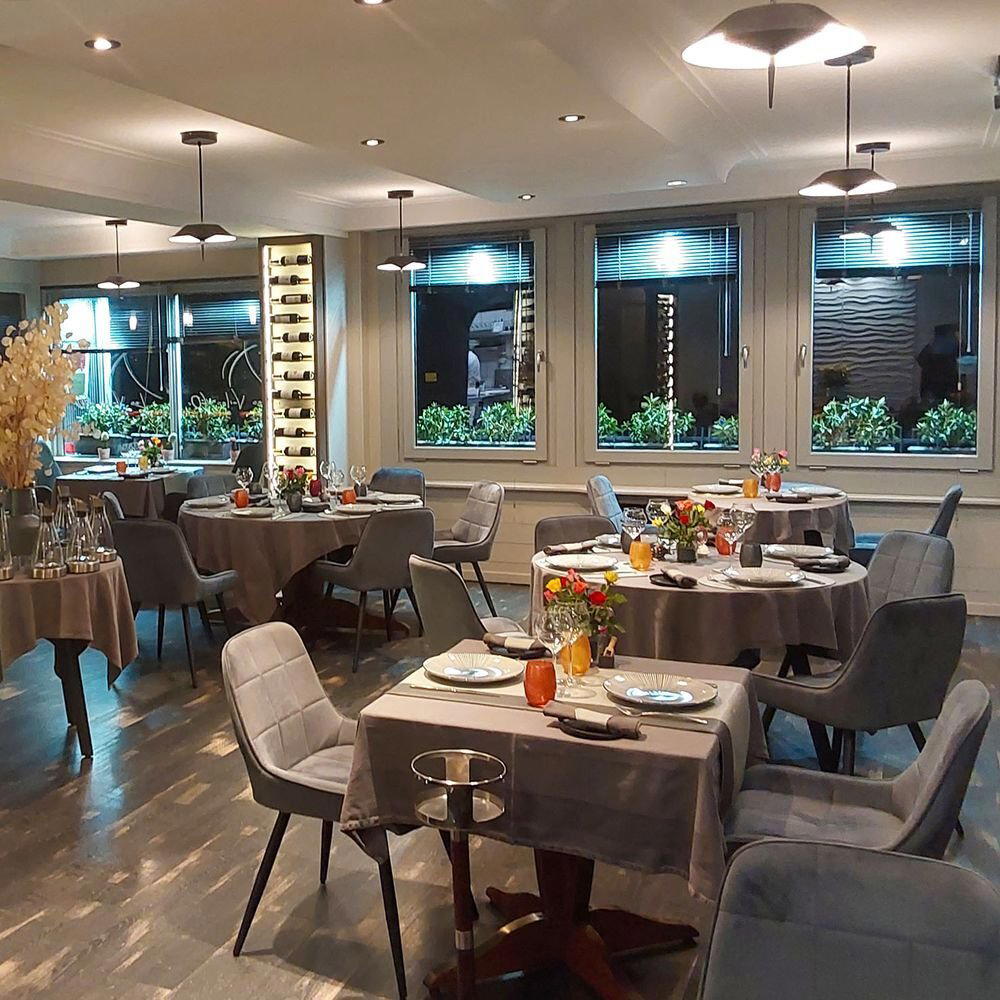
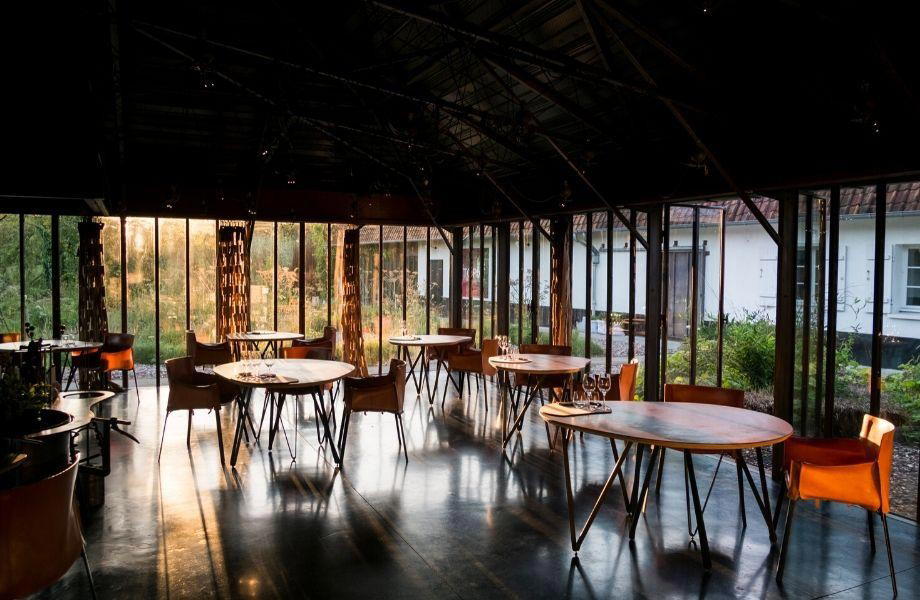
Calm and peaceful dining room with a stylish, cozy atmosphere ideal for savoring flavors in silence.