La maison blanche
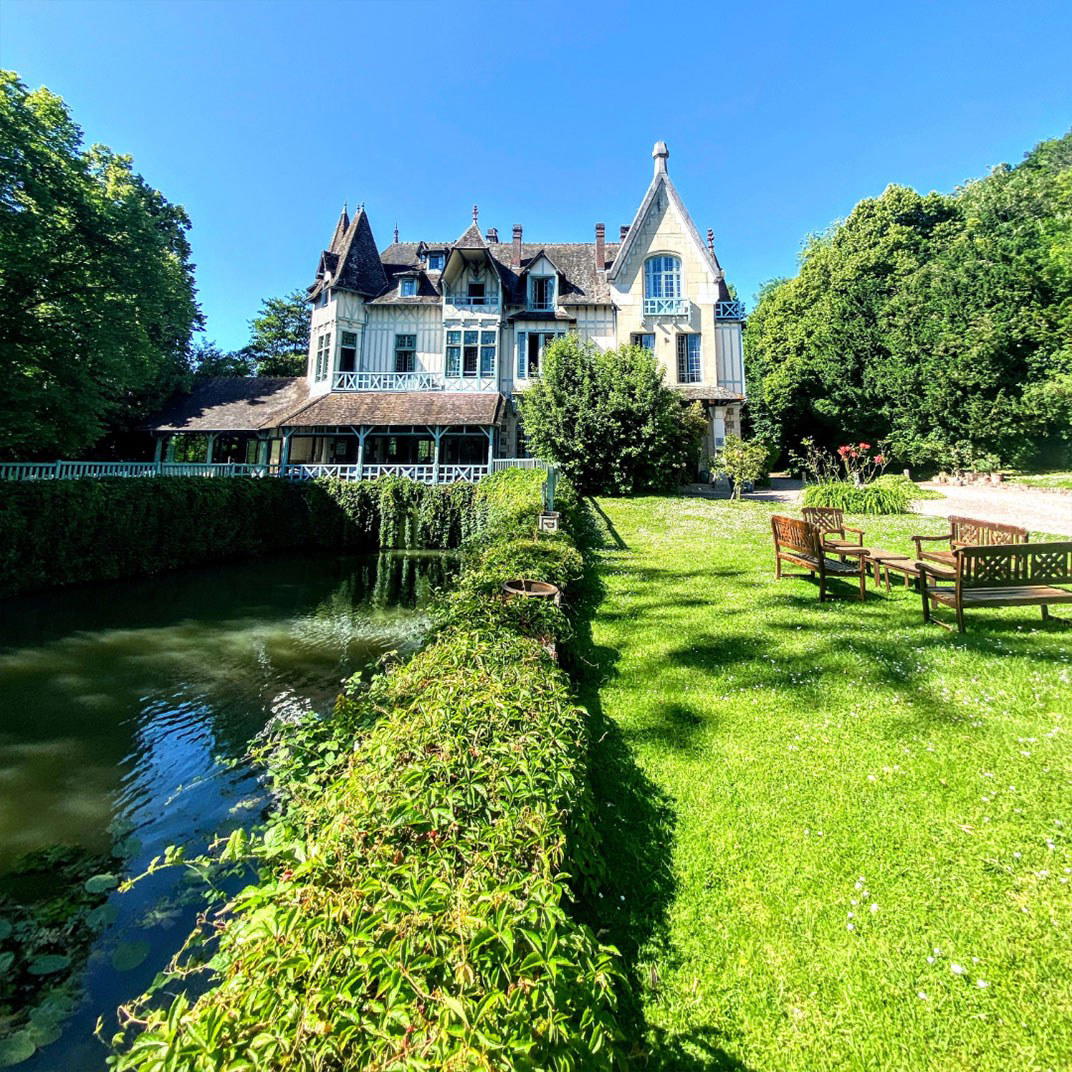
On the Seine's left bank in the medieval village of La Bouille, La Maison Blanche occupies a quayside address at 1 Quai Hector Malot where the river sets the tempo for what ends up on the plate. The setting positions it within a Norman dining tradition that prizes proximity between producer and kitchen, placing it alongside La Bouille's small cluster of serious tables as an argument for why the Seine Valley rewards the detour.
- Address
- Restaurant la maison blanche, 1 Quai Hector Malot, 76530 La Bouille, France
- Phone
- +33783577751
- Website
- lamaisonblanche.eatbu.com
- Directions
- Get directions
A Quayside Address in the Seine Valley
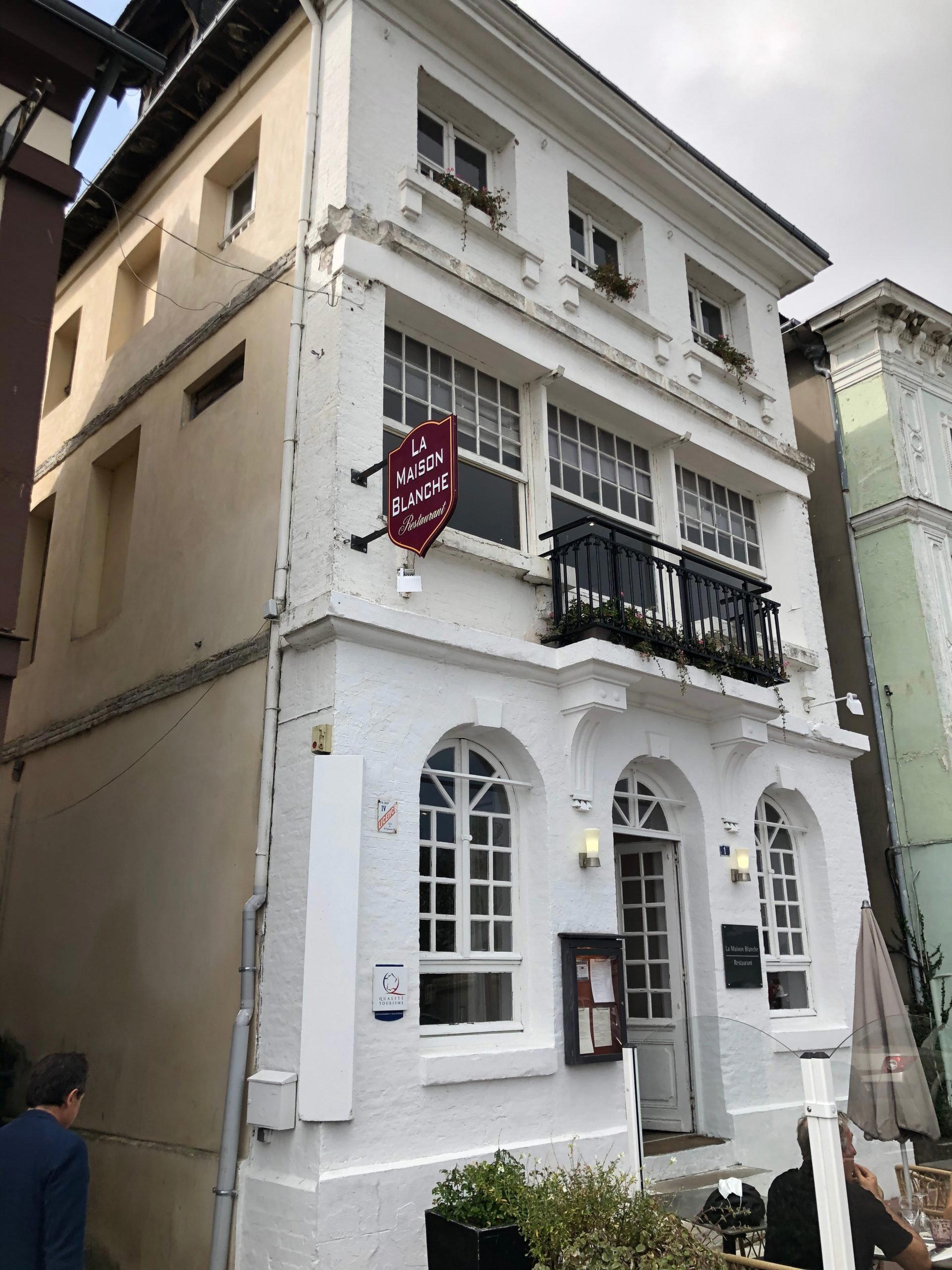
La maison blanche is a Traditional French Bistro in La Bouille, France, with a price tier of 2 and an approximate price of $35 per person. The approach to La Bouille from Rouen follows the Seine as it bends south through limestone cliffs and apple orchards, the village arriving suddenly as the road drops to river level. At quay height, the facade of La Maison Blanche sits directly above the waterline at 1 Quai Hector Malot, the kind of address where the river doesn't serve as backdrop but as context. In Normandy, that distinction matters: the Seine corridor has shaped a regional food culture built around what the land and water between Rouen and the estuary actually produce, and restaurants that occupy it literally rather than metaphorically tend to cook accordingly.
La Bouille is not a large village, and its dining scene is compact by design rather than by accident. The handful of serious tables here, including Les Gastronomes, compete not on volume but on proximity to source. La Maison Blanche fits this pattern: a riverside room in a village where the kitchen's relationship to Norman producers is less a positioning statement than a structural fact.
What Norman Ingredient Sourcing Actually Means
Normandy's agricultural identity is well-documented and specific. The region produces some of France's most recognised dairy, cream and butter from Isigny-sur-Mer hold protected designation of origin status. Its apple orchards supply both table fruit and the calvados and cider that define local cooking's aromatic register. The Seine estuary and the Channel coast deliver sole, turbot, scallops from the Bay of Seine, and the flat oysters of Utah Beach and Isigny. A kitchen positioned in La Bouille, between Rouen and the coast, sits at a natural junction between the inland dairy and orchard belt and the maritime supply chain.
This geography is what makes the Norman table coherent rather than merely regional: the ingredients have an internal logic. Cream and cider reduce together into sauces that make sense because both come from the same landscape. Sole poached in the local style connects the catch to the kitchen through routes that haven't changed fundamentally in generations. When French regional cooking works at its most convincing, it tends to be because the sourcing has discipline behind it rather than sentiment. The Seine Valley has that discipline baked in by geography alone.
Comparing this to the highly creative frameworks operating at three-starred tables like Mirazur in Menton or Alléno Paris au Pavillon Ledoyen clarifies what La Bouille's restaurants are doing differently. Those kitchens treat ingredient sourcing as one variable within a larger technical and conceptual project. The village restaurants along the Seine tend to treat sourcing as the project itself, with technique in service of the produce rather than the reverse.
The Seine Valley Table in Context
France's most celebrated provincial restaurants often anchor themselves to a specific terroir with the same tenacity. Bras in Laguiole built its identity around the Aubrac plateau's herbs and volcanic soils. Auberge de l'Ill in Illhaeusern has anchored to Alsatian produce and tradition across multiple generations. Flocons de Sel in Megève operates within the Alpine ingredient logic of mountain herbs, aged cheese, and cold-water fish. What these operations share is a willingness to let geography constrain the menu, which is a different discipline than using global supply chains creatively.
The restaurant's position on the Seine quay in La Bouille places it in this tradition of place-anchored cooking, operating at a different scale and price register than the institutions above but drawing from the same structural logic: the river, the estuary, the orchards, and the dairy farms set the parameters. That's not a limitation in this culinary tradition. It's the brief.
For reference, coastal Normandy cooking at its most refined shares some territory with what Christopher Coutanceau in La Rochelle does with Atlantic sourcing further south along the French coast. The Seine Valley makes a similar case through different waters.
Placing La Maison Blanche Among Provincial French Tables
Provincial France has a long tradition of restaurants that operate without the institutional weight of Paris or the major gastronomy destinations, yet maintain a consistent standard because the sourcing is local and the cooking is honest. Georges Blanc in Vonnas represents one model of this, where a village address became a destination over decades. Auberge du Vieux Puits in Fontjoncouse demonstrates how an obscure address in the Languedoc can carry serious culinary weight when the kitchen has conviction and the sourcing is tight. L'Oustau de Baumanière in Les Baux extends the argument to Provence.
The restaurant sits in this category of village-anchored Norman dining, where the address is the point rather than a handicap. The quayside setting in La Bouille puts it within easy reach of Rouen by road.
Rouen itself functions as the natural base for exploring this stretch of the Seine. The city's cathedral quarter and its own dining scene, anchored by restaurants drawing on the same Norman produce, connect logically to a detour down to La Bouille. Travellers moving westward through provincial France will find La Bouille a coherent addition to that itinerary: a smaller, quieter argument for regional cooking.
Planning Your Visit
Tables are recommended in advance, particularly on weekends during the warmer half of the year when the river draws visitors from Rouen and beyond. The village sits on the south bank of the Seine between Rouen and the Pont de Brotonne, accessible by road from Rouen. The quayside address at 1 Quai Hector Malot is directly on the river, so parking near the waterfront is the logical approach.
A Quick Peer Check
Comparable venues nearby, for context on price, style, and recognition.
| Venue | Cuisine | Price | Notes |
|---|---|---|---|
| La maison blancheThis venue — the venue you are viewing | Traditional French Bistro | $$ | Not listed |
| Les Gastronomes | Traditional French Bistro | $$$ | La Bouille |
| La Terrasse | Traditional French Seafood | $$ | Varengeville-sur-Mer |
| Magnolia | Traditional French Normandy Bistro | $$ | Rives-en-Seine |
| La Vieille Gabelle | Traditional French Seafood Bistro | $$ | : Évreux |
| Stripe Coffee Shop | Modern French Café | $$ | La Défense, Courbevoie |
Continue exploring
More in La Bouille
Restaurants in La Bouille
Browse all →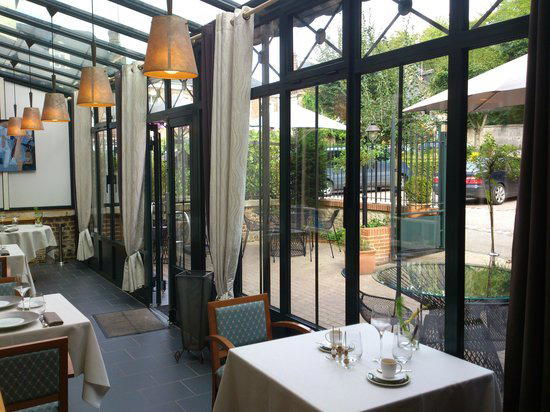
At a Glance
- Elegant
- Cozy
- Scenic
- Date Night
- Family
- Special Occasion
- Waterfront
- Terrace
- Waterfront
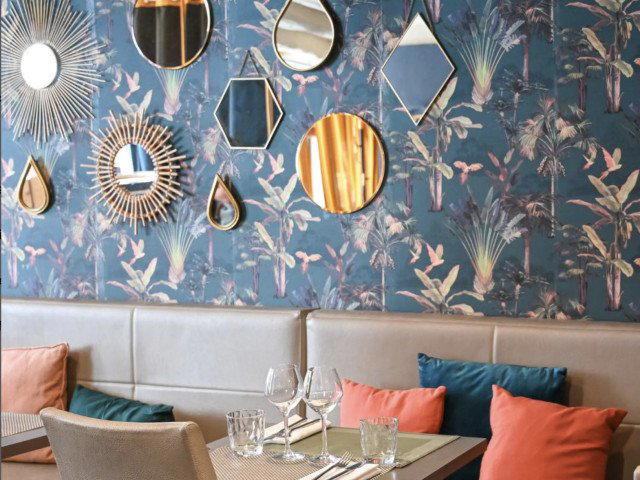
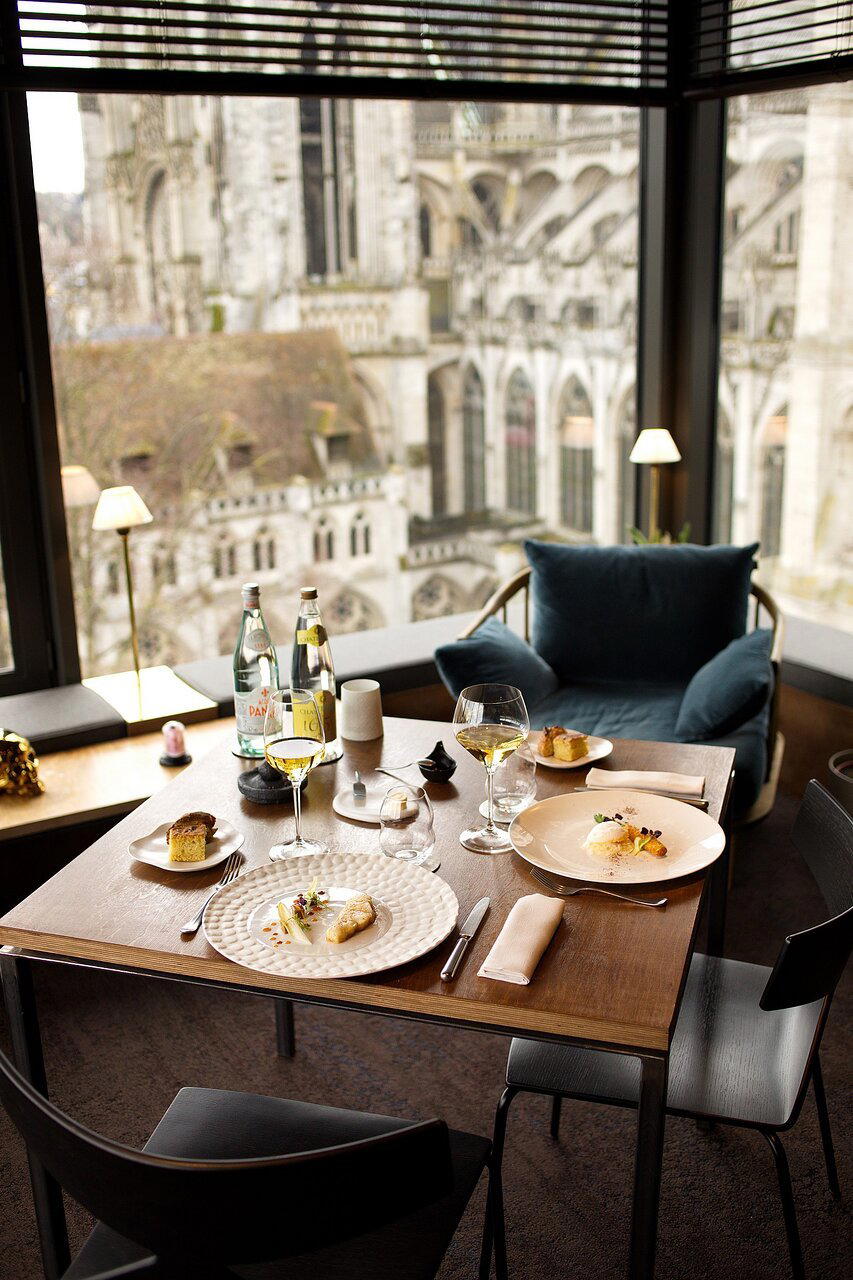
Warm and elegant atmosphere with natural light flooding the panoramic dining room overlooking the Seine.