
We're Smart World 2 Radishes
Our verdict
La Table Saint-Crescent runs formal, leisurely modern French fine dining in a historic building, with sommelier-led wines and private dining.

Pearl is the En Primeur Club membership app — saves, bookings, and concierge access live there. Same editors, same standards.
- Address
- Rond point de la Liberté, 68 Av. Général Leclerc, 11100 Narbonne, France
- Phone
- +33 4 68 41 37 37
- Hours
- Mon ClosedTue–Sat 12–12:45 PM, 7:30–8:45 PMSun Closed
- Website
- maison.saintcrescent.com
- Directions
- Get directions
The menu
What to order
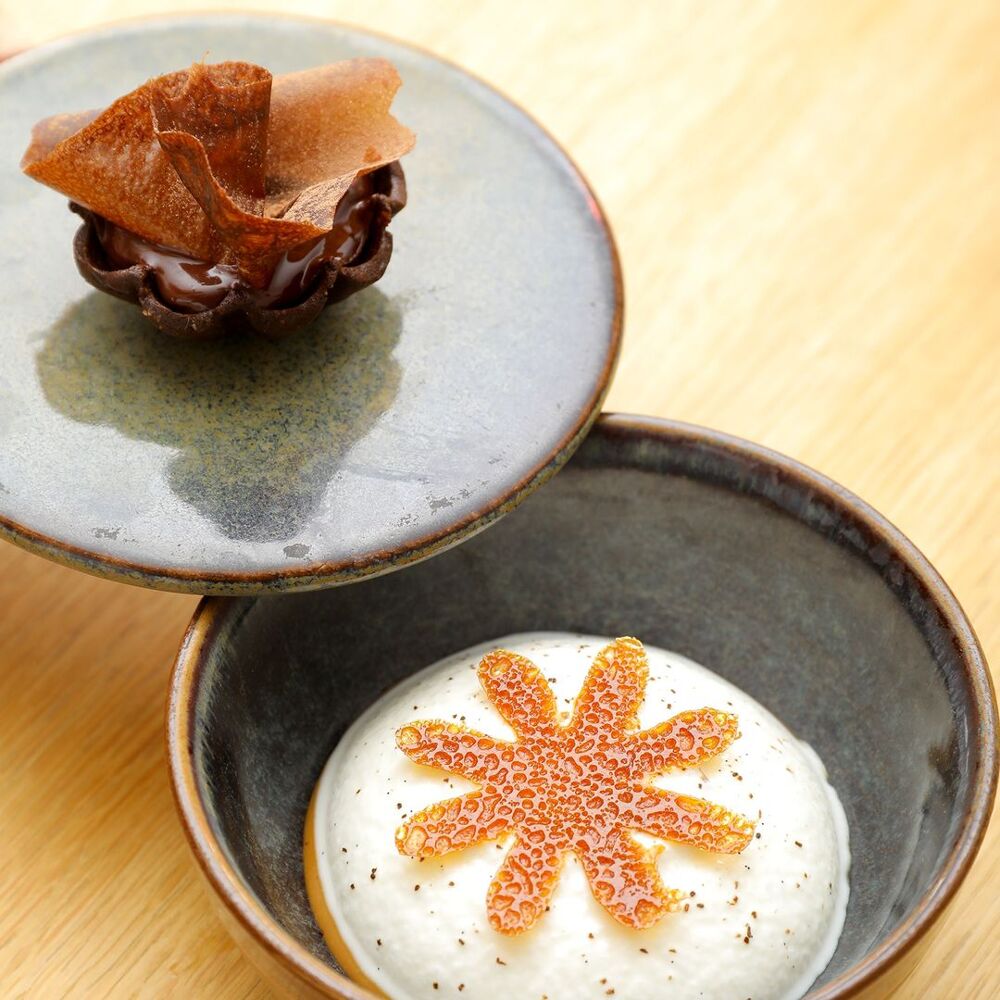
- Duck breast with cherry reduction
- Sea bass with seasonal vegetables
Where the Languedoc Terroir Arrives at the Table
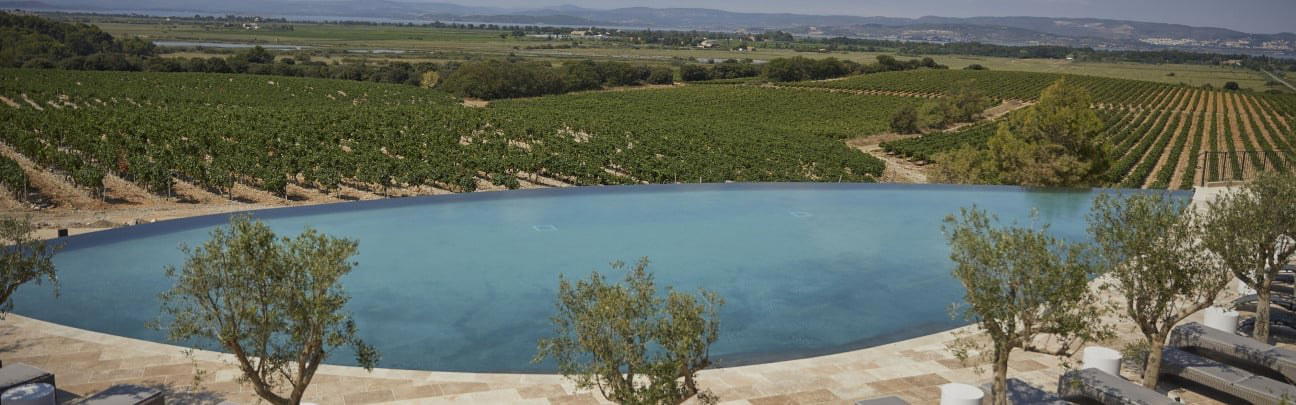
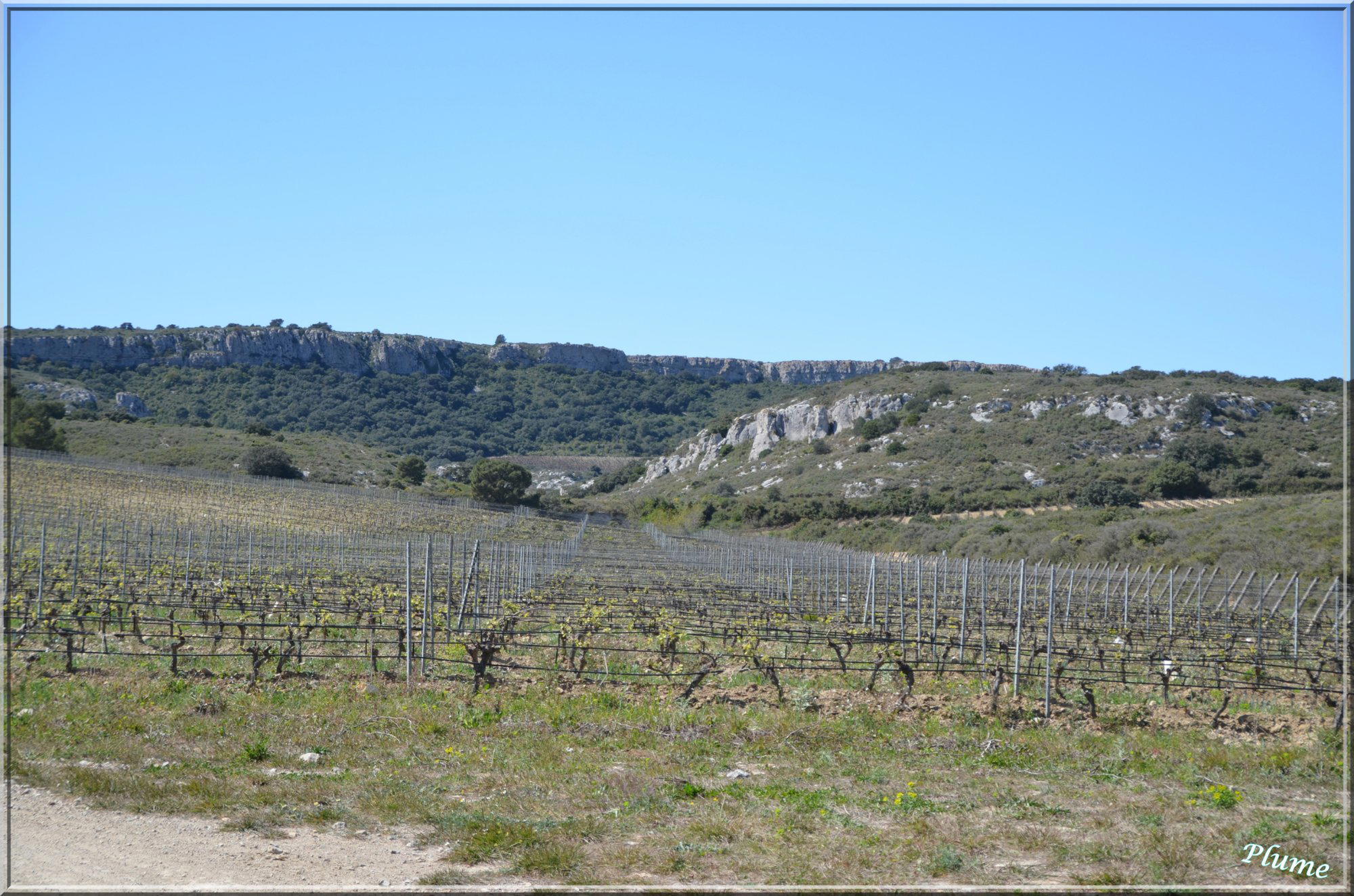
The road into Narbonne from the west carries you through garrigue-scented flatlands where vines, salt marshes, and market gardens press against one another in the Aude's particular way. By the time you reach the Rond-point de la Liberté, the city has announced itself as something more considered than a transit stop between Montpellier and the Spanish border. La Table Saint-Crescent occupies a position on the Avenue Général Leclerc that reflects a broader truth about where serious cooking happens in provincial France: not always in the old town, not always in a converted farmhouse, but sometimes in a site chosen deliberately for what it can become.
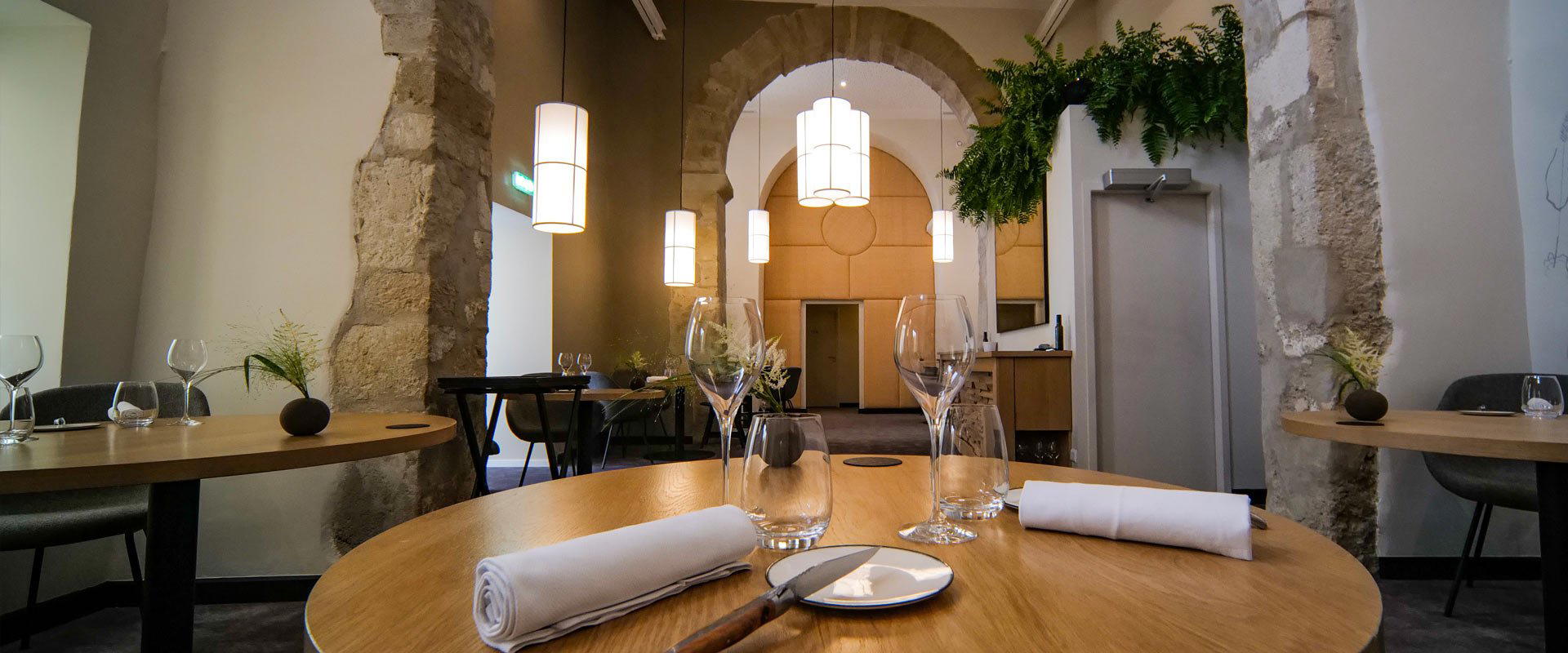
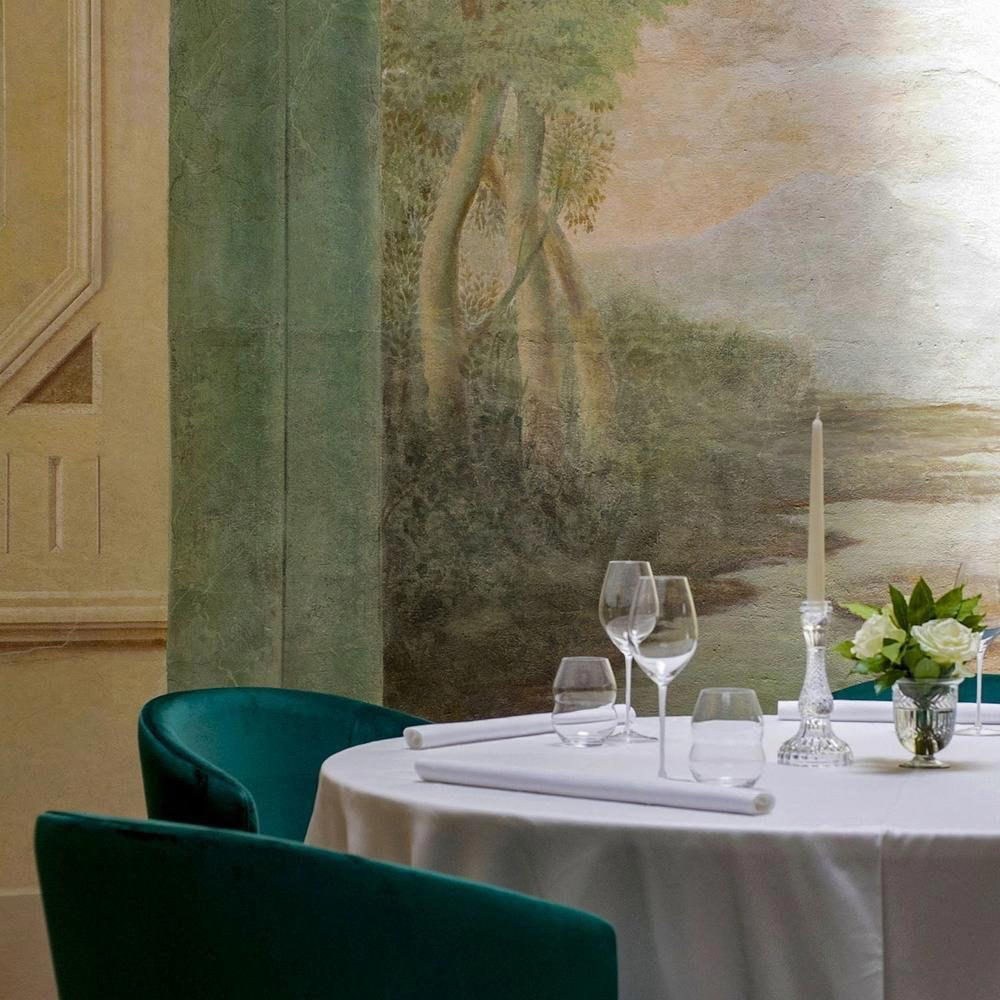
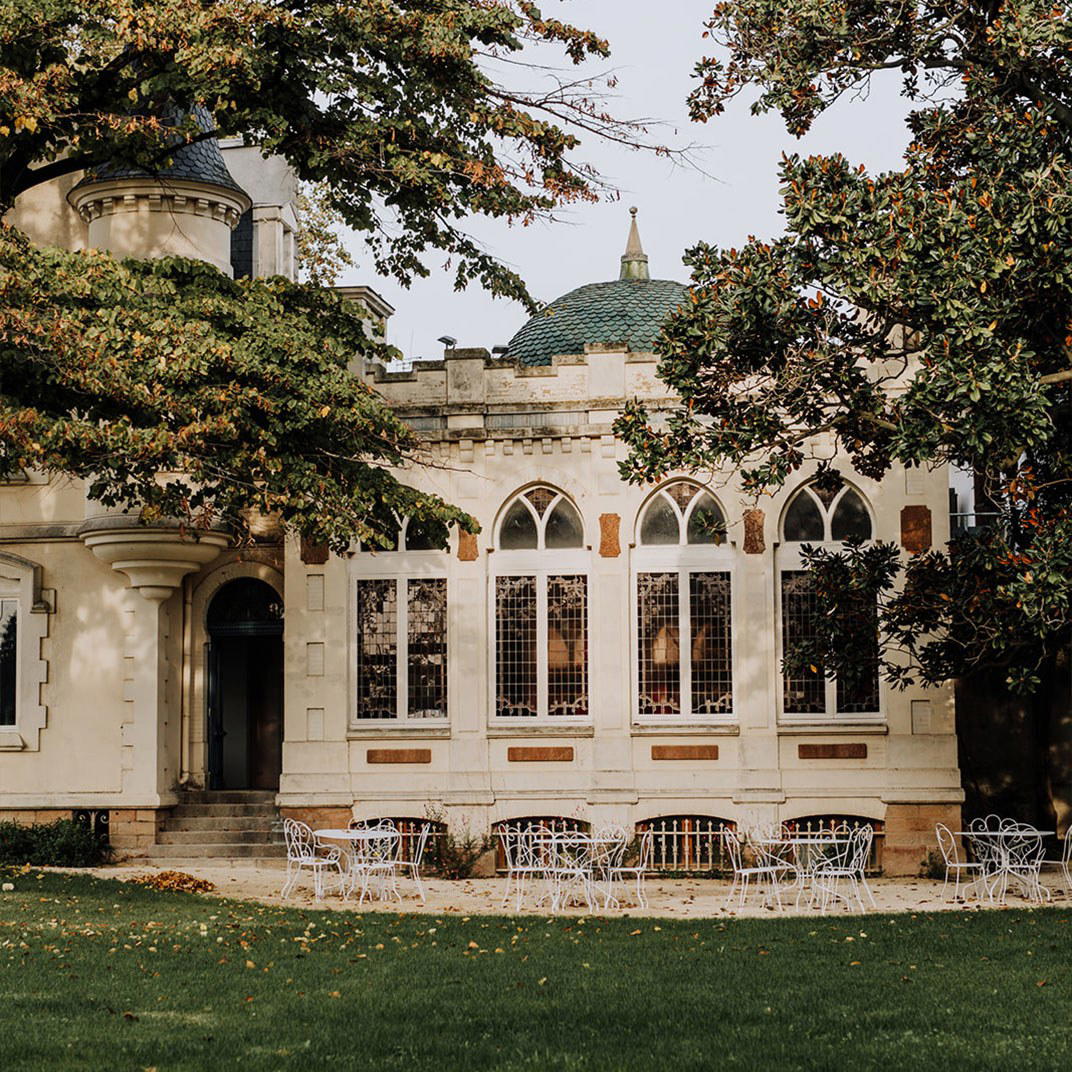
The dining room signals its priorities quickly. The atmosphere sits closer to the formal end of the southern French spectrum without tipping into the stiffness that can accompany that formality. This is cooking that takes itself seriously, and the room communicates that before a dish arrives. For readers comparing options across Narbonne's restaurant tier, La Table Saint-Crescent occupies a different register than the more casual wine-bar format at Cave à Vin & à Manger - Maison Saint-Crescent, and competes more directly with L'Art de Vivre at the top of the city's contemporary dining bracket.
The Sourcing Logic Behind the Menu
In the Languedoc-Roussillon, the argument for cooking from the immediate terroir is almost too easy to make. The Aude département alone produces oysters from the Étang de Leucate, lamb from the garrigue uplands, market-garden vegetables from the alluvial plains near the Canal du Midi, and some of the most productive fishing grounds on the Mediterranean coast. The question serious kitchens must answer is not whether to use these products but how deliberately to do so, and what the cooking tradition behind them should look like.
At La Table Saint-Crescent, chef Lionel Giraud's approach to this question draws on two formative references that shaped his cooking. Time with Jacques Chibois at the Cabro d'Or grounded him in the Provençal interpretation of Mediterranean produce, where vegetables are treated as primary rather than supporting material. His work alongside Michel Guérard, whose influence on health-conscious, technically precise French cooking has been well-documented since the 1970s, added a discipline around lightness and nutritional intelligence that sits outside the richer traditions of classical southern cooking. Together, these two lineages produce a kitchen that keeps the Narbonnais terroir at the centre of the plate while applying a restrained, aesthetically attentive hand to how it gets there.
This places La Table Saint-Crescent in a distinct position within French provincial fine dining more broadly. Kitchens at the level of Bras in Laguiole established the intellectual framework for terroir-led, vegetable-forward cooking in southern France decades ago; what La Table Saint-Crescent represents is that same seriousness applied to the specific geography of the Aude. The distinction matters because the ingredients around Narbonne are not the same as those around the Aubrac plateau, and a kitchen that understands its own region rather than imitating a regional template is doing something more useful for the diner.
Elegance, Aesthetics, and the Creative Register
The cooking here is widely described as elegant, aesthetic, and creative, three qualities that in combination suggest a kitchen operating at the intersection of classical technique and contemporary visual sensibility. In French fine dining, this combination has become a reliable signal of a chef who trained in serious houses and then developed a personal idiom without abandoning the foundations. The comparison set includes kitchens at the level of Mirazur in Menton and AM par Alexandre Mazzia in Marseille in the sense that all three work within a Mediterranean ingredient logic while applying a creative framework that goes beyond regional orthodoxy. La Table Saint-Crescent operates at a different scale and with a different public profile than either of those houses, but the underlying orientation is recognisable.
For context across French fine dining more broadly, the school that Giraud belongs to, one that runs from Guérard's influence through the regionalist kitchens of the southwest and Mediterranean south, shares something with the trajectory visible at Flocons de Sel in Megève and at Troisgros - Le Bois sans Feuilles in Ouches: a commitment to place-specific ingredients handled with technical precision, where the landscape's character arrives at the table through cooking rather than being obscured by it.
Narbonne in Context
Narbonne's dining scene is smaller than its Roman history and its Canal du Midi geography might suggest. The city sits between the wine appellations of Corbières to the west, Fitou to the south, and Minervois to the north, making it a natural hub for wine-anchored dining. The Méditerranéo at Château Capitoul addresses the Mediterranean register from within a wine estate setting; La Table Saint-Crescent works within the city itself at the upper end of the creative contemporary bracket. For visitors building a broader understanding of the area's food and drink offer, the Narbonne wineries guide and the experiences guide provide useful context alongside the full Narbonne restaurants guide.
Within the French southwest and Mediterranean corridor, the city is genuinely underweighted relative to its ingredient resources and its position on the TGV line from Paris. That imbalance is precisely what makes a kitchen like this one matter: in a city without a dense fine-dining cluster, a single address operating at this level carries more editorial weight than it might in Lyon or Bordeaux.
Planning a Visit
La Table Saint-Crescent is located at Rond-point de la Liberté, 68 Avenue Général Leclerc, on the edge of the city centre, accessible from Narbonne's main rail station within a short taxi ride. Reservations are advisable; this is not a walk-in proposition for a kitchen at this level in a city of this size. Specific pricing, seasonal hours, and tasting menu formats are best confirmed directly with the restaurant, as these details shift with season. Visitors combining dinner here with broader Narbonne exploration will find useful orientation across accommodation options in the Narbonne hotels guide, and pre- or post-dinner drinks mapped in the Narbonne bars guide.
Frequently asked questions
Would La Table Saint-Crescent be comfortable with kids?
The level of culinary formality here, shaped by Giraud's lineage under Guérard and Chibois, places it firmly in adult fine-dining territory. Older children comfortable with a structured, multi-course format would manage, but it is not a setting designed around younger guests.
What's the overall feel of La Table Saint-Crescent?
Situated at the Rond-point de la Liberté on Avenue Général Leclerc, the restaurant sits outside Narbonne's historic core but carries the weight of serious French fine dining. The approach is formal without being stiff: elegant and aesthetic, as Giraud's cooking has consistently been described, with a focus on terroir over showmanship.
What kind of recognition has La Table Saint-Crescent received?
La Table Saint-Crescent has received recognition including: Lionel Giraud is widely praised for the quality of his cuisine with dishes that are both elegant, aesthetic and creative. They reflect on the course that he has taken with the best chefs, such as with Jacques Chibois in the Cabro d'Or or wi….
What should I order at La Table Saint-Crescent?
Follow the kitchen's lead on vegetables and regional produce from the Aude terroir — Giraud's training under Michel Guérard, the defining voice of healthy gourmet cooking, means plant-forward dishes are treated with as much technical seriousness as anything else on the menu. Dishes rooted in the Languedoc's immediate geography tend to represent the kitchen at its most focused.
What's the address for La Table Saint-Crescent?
La Table Saint-Crescent is located at Rond point de la Liberté, 68 Av. Général Leclerc, 11100 Narbonne, France, Narbonne.
Fast Comparison
Comparable venues nearby, for context on price, style, and recognition.
| Venue | Cuisine | Price | Awards | Notes |
|---|---|---|---|---|
| La Table Saint-CrescentThis venue — the venue you are viewing | Modern French Fine Dining | $100–150 | We're Smart World 2 Radishes | Not listed |
| L'Art de Vivre | Modern French Mediterranean Fine Dining | $100–150 | Michelin Plate | Route de Narbonne-Plage |
| Les Grands Buffets | Classical French Escoffier Buffet | $50–100 | Not listed | Rond-Point de la Liberté |
| Brasserie de la Mer | Traditional Mediterranean Seafood Brasserie | $30–50 | Not listed | Narbonne-Plage |
| Méditerranéo - Château Capitoul | Pan-Mediterranean Gastronomic | $50–100 | Michelin Plate · Gault & Millau Remarkable Restaurant | Route de Gruissan |
| La Table de Fontfroide | Mediterranean French Bistro | $30–50 | Not listed | Abbaye de Fontfroide |
Recognition history
Dated appearances from independent guides and award organizations, with the underlying list record or original source where available.
We're Smart World 2 Radishes
We're Smart World
Continue exploring
More in Narbonne
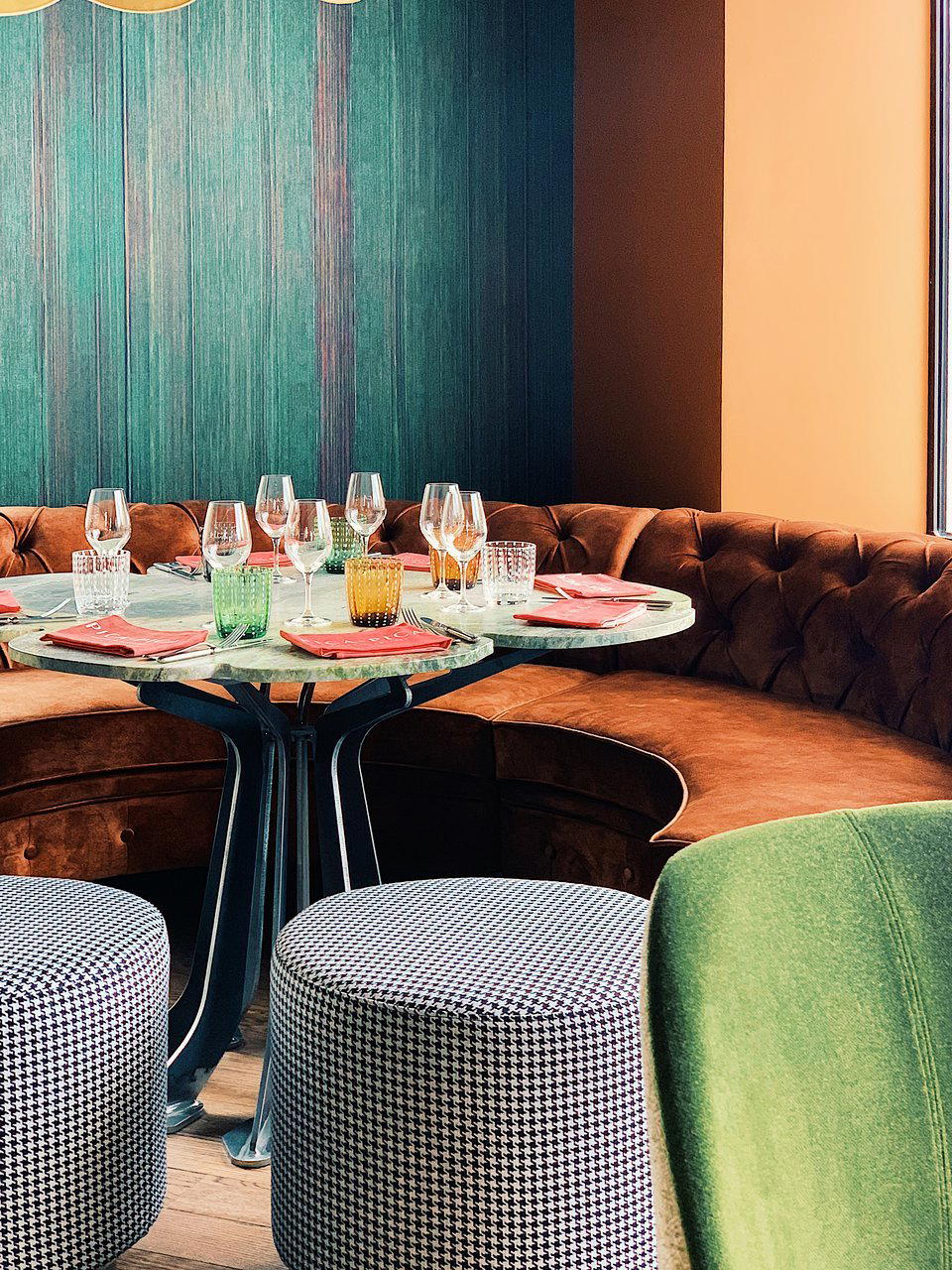
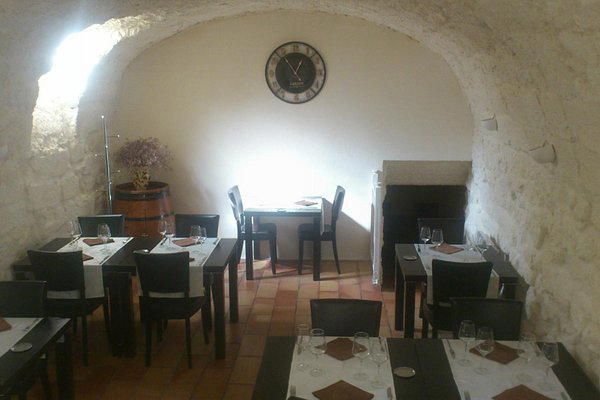
Restaurants in Narbonne
Browse all →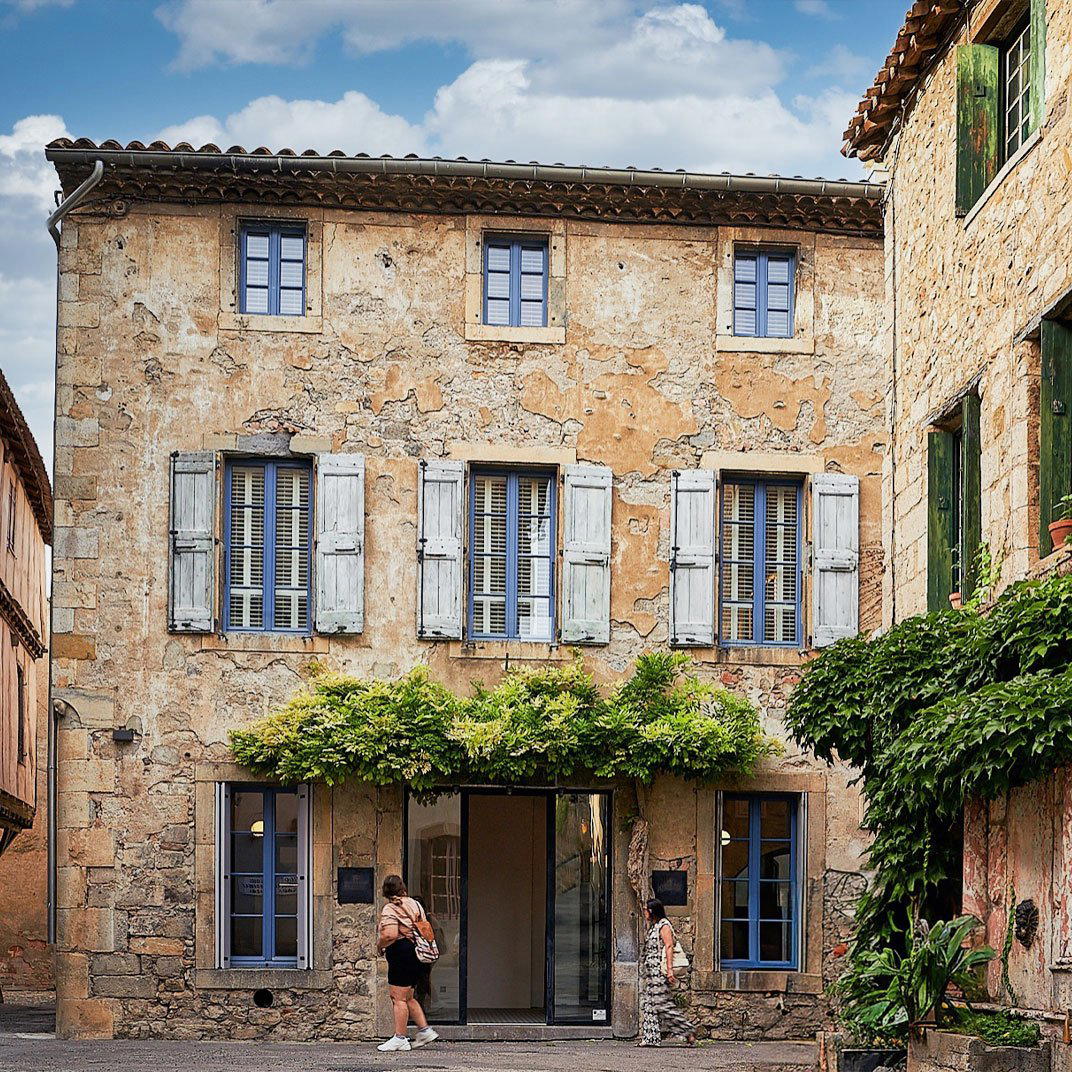
Bars in Narbonne
Browse all →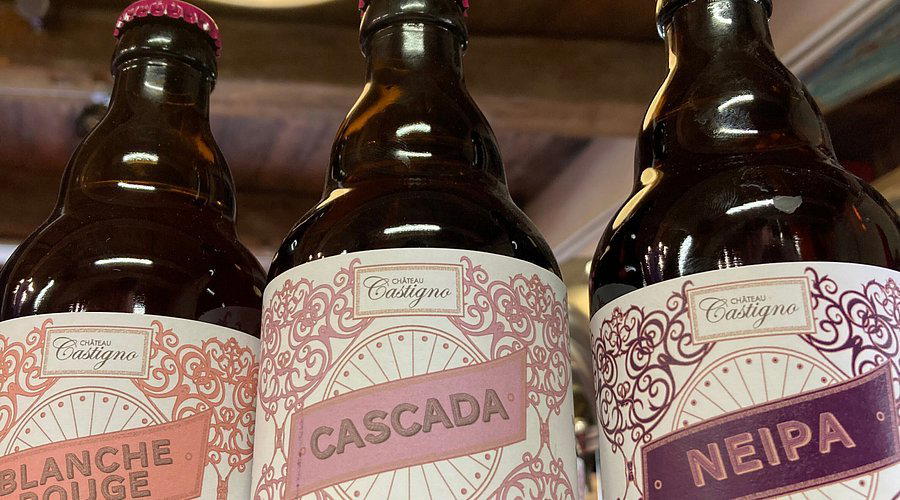
Hotels in Narbonne
Browse all →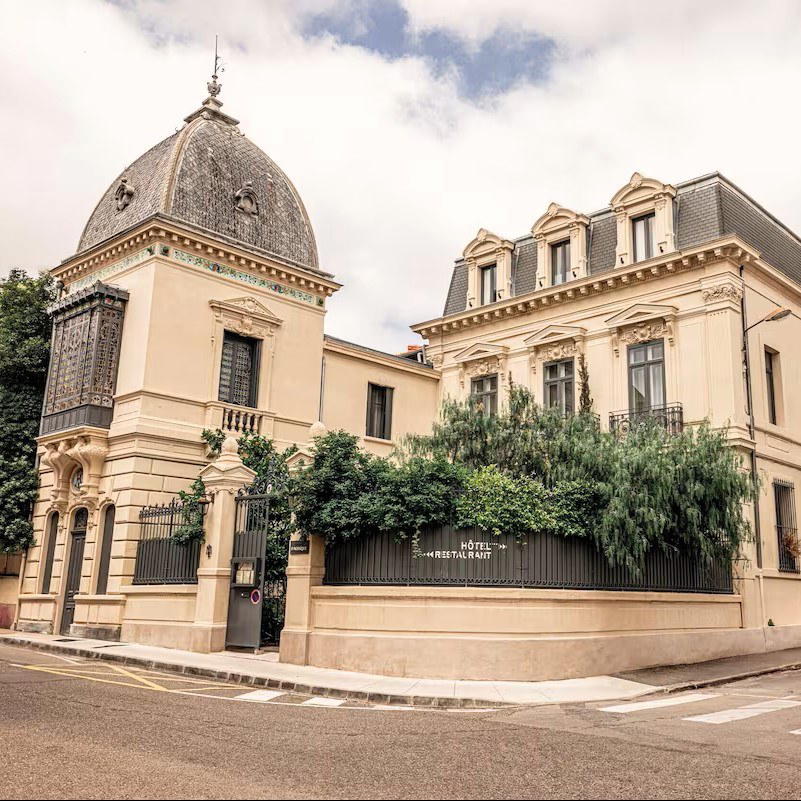
Details
- Elegant
- Modern
- Sophisticated
- Intimate
- Special Occasion
- Date Night
- Celebration
- Historic Building
- Private Dining
- Extensive Wine List
- Sommelier Led
- Farm To Table
- Local Sourcing
- Tasting Menu
- A La Carte
- Wine Pairings
- Vegetarian Friendly
- Vegan Options
- Gluten Free Options
Current opening hours
- Monday
- Closed
- Tuesday
- 12–12:45 PM, 7:30–8:45 PM
- Wednesday
- 12–12:45 PM, 7:30–8:45 PM
- Thursday
- 12–12:45 PM, 7:30–8:45 PM
- Friday
- 12–12:45 PM, 7:30–8:45 PM
- Saturday
- 12–12:45 PM, 7:30–8:45 PM
- Sunday
- Closed
Hours can change for holidays and private events. Last verified .
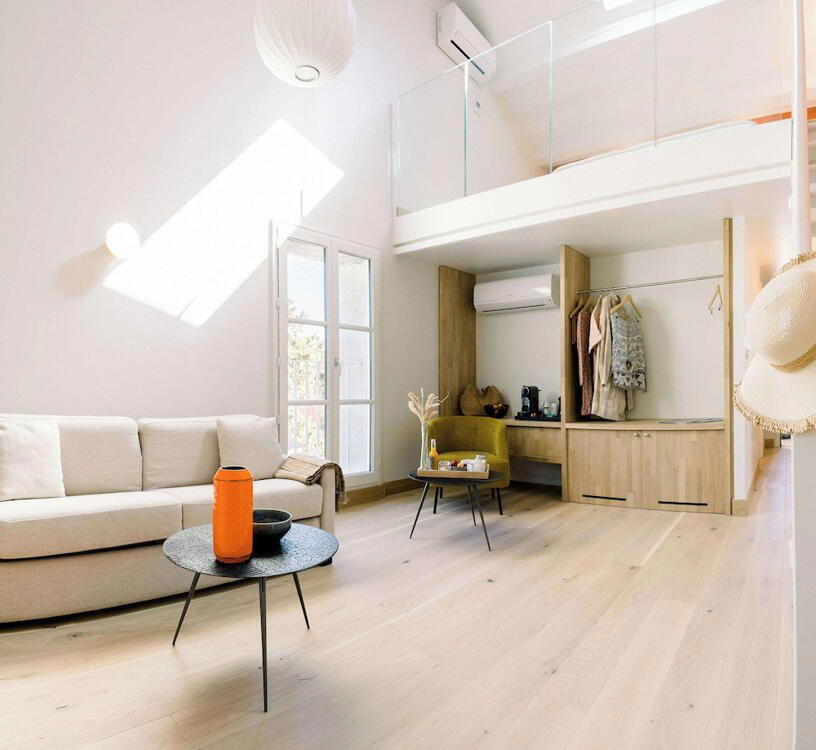
Ultra-modern decor with polished concrete floors, sculptural seats, arcades, and bare stones creating an elegant contrast between historic and contemporary elements.