
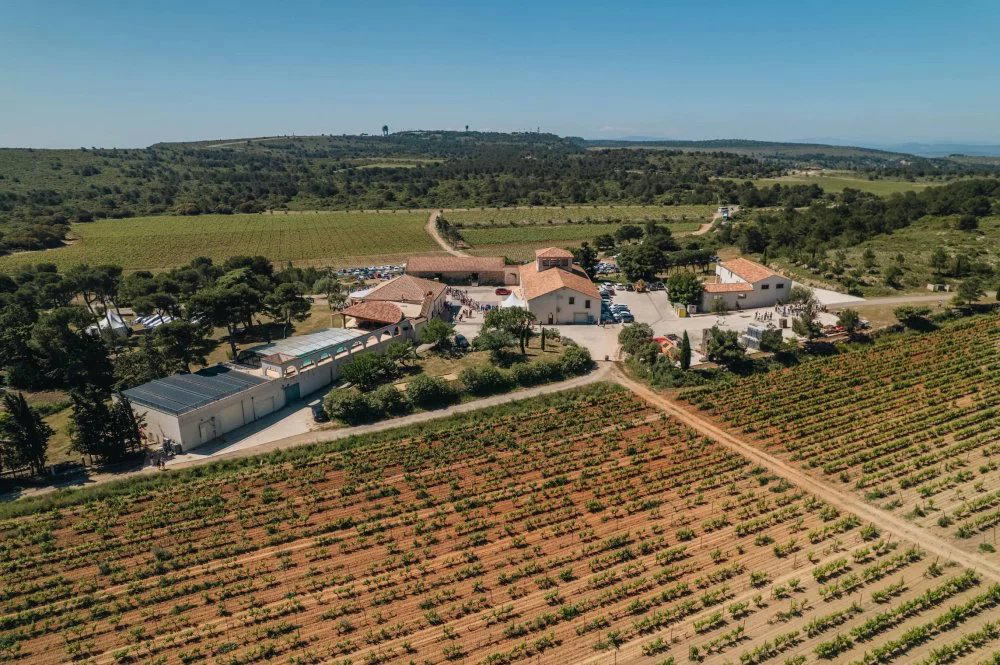
L'Art de Vivre sits within the Domaine de l'Hospitalet estate on the Route de Narbonne Plage, where Languedoc wine country meets the Mediterranean coastal plain. The kitchen holds a Michelin Plate for 2024 and 2025 and operates at the €€€€ tier, placing it among the more ambitious modern cuisine addresses in the greater Narbonne area.7 across 83 reviews suggests consistent delivery at that price point.
Pearl is the En Primeur Club membership app — saves, bookings, and concierge access live there. Same editors, same standards.
- Address
- Route de Narbonne Plage, Dom. de l'Hospitalet, 11100 Narbonne, France
- Phone
- +33 4 68 45 28 50
- Website
- restaurant-art-de-vivre.com
- Directions
- Get directions
 Saves & bookings on Pearl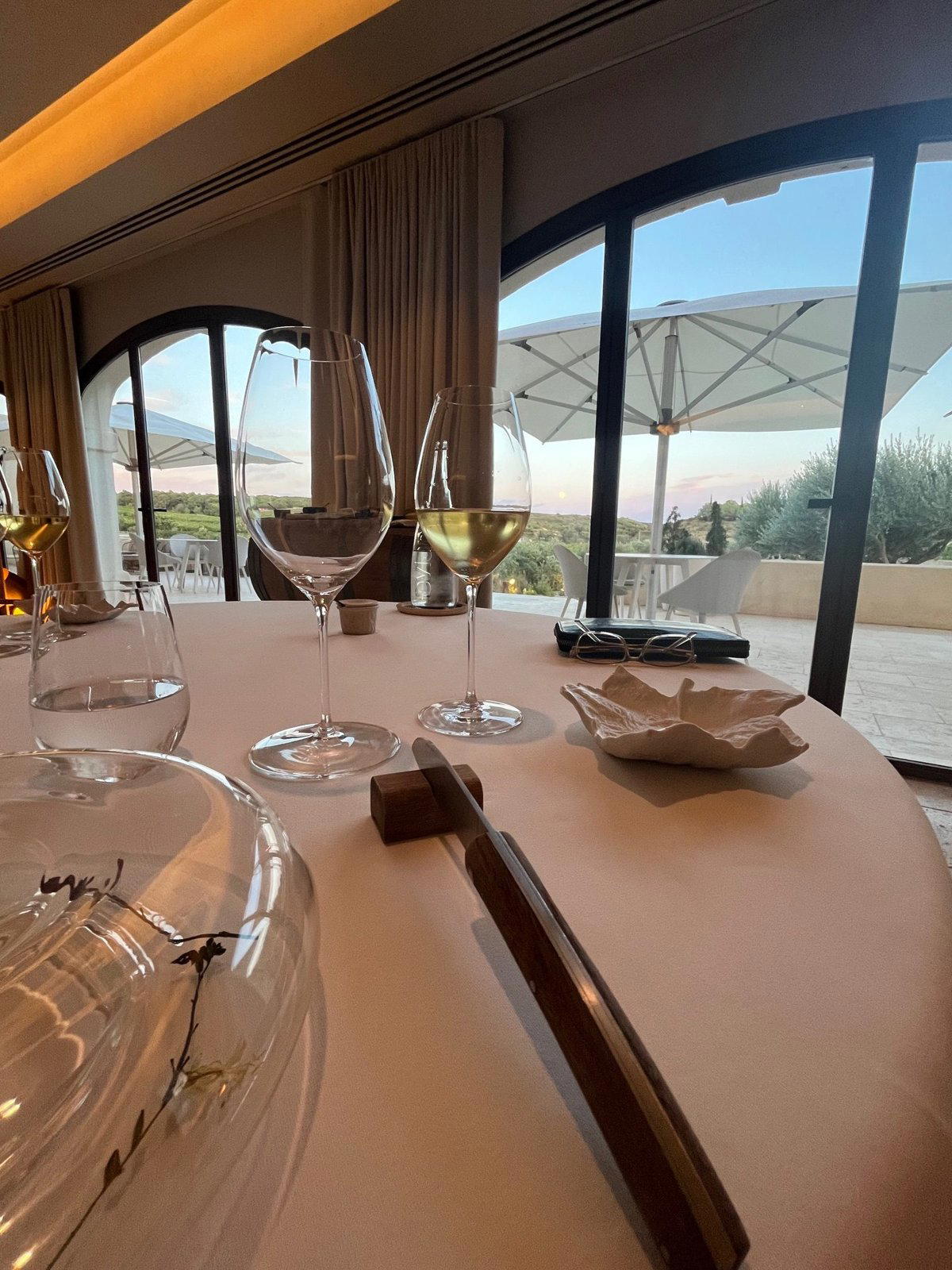
Where Languedoc Terroir Meets the Modern Table
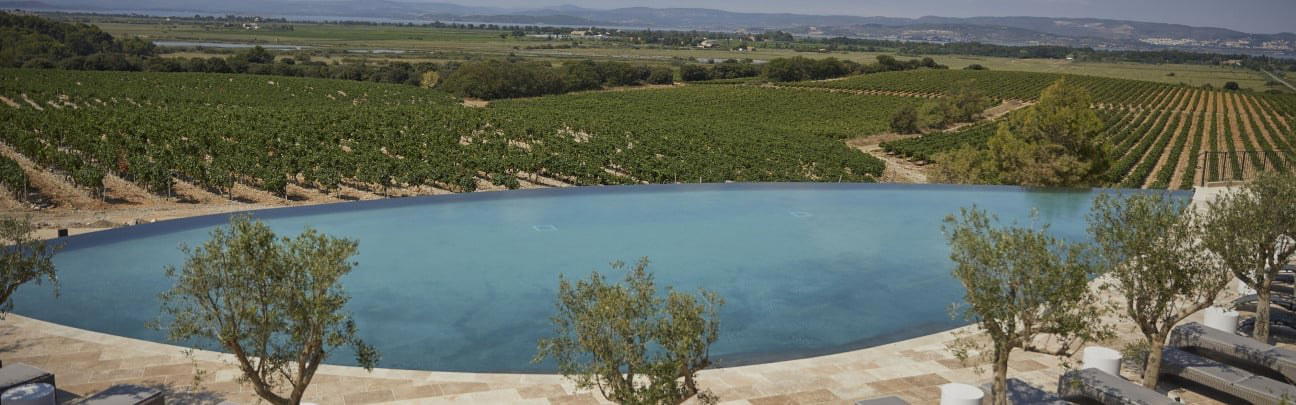
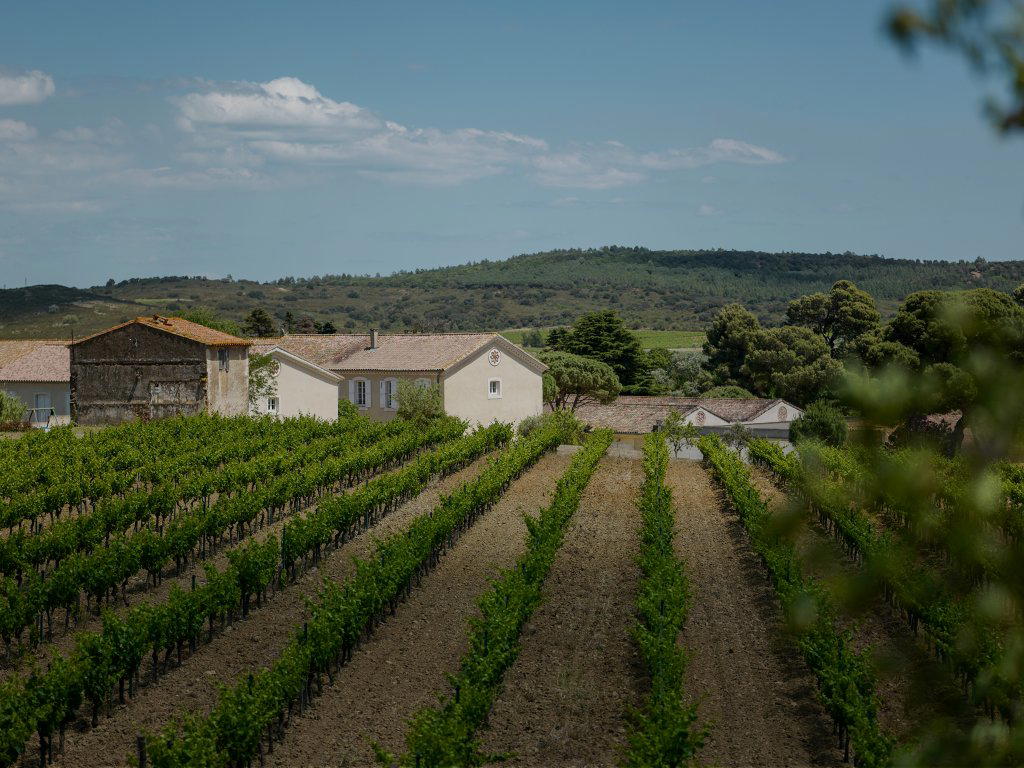
The Route de Narbonne Plage runs south from the city through a landscape that shifts quickly from the dense stone architecture of the old town into open garrigue, vine rows, and the low-slung horizon of the étangs stretching toward the sea. The Domaine de l'Hospitalet sits along this corridor, one of the larger wine estates in the Narbonnaise, and within it L'Art de Vivre occupies the upper register of a dining operation that spans the whole estate. Arriving in the early evening, when the light over the vines carries the particular amber quality of southern France in late summer, the setting does a significant portion of the work before a single dish appears.
That physical context matters because it frames everything about how modern cuisine is practiced here. The Languedoc-Roussillon tradition, long overshadowed in the French fine-dining canon by Burgundy, Alsace, and the Basque Country, has spent the past two decades building a more articulate identity. The region's producers, cooking with access to garrigue herbs, coastal shellfish, Pyrenean lamb, and some of France's most value-for-money serious viticulture, have carved a position that sits apart from the butter-and-cream register of northern French cooking. L'Art de Vivre draws on that local grammar while operating in a modern cuisine register that keeps the cooking contemporary rather than folkloric.
The Michelin Plate and What It Signals in This Context
L'Art de Vivre holds a Michelin Plate for both 2024 and 2025. Within the Guide's current taxonomy, the Plate signals fresh, high-quality cooking that is considered worthy of attention even if it has not yet reached the Star threshold. In a city where La Table Lionel Giraud operates at the two-Star level with a Creative cuisine brief, and where Cave à Vin & à Manger - Maison Saint-Crescent anchors a more accessible Traditional Cuisine tier, L'Art de Vivre sits at the €€€€ price point with consistent Plate recognition, occupying the committed fine-dining bracket without yet competing directly with the starred address.
Across the broader French fine-dining spectrum, the Plate category has become more strategically interesting in recent years. Many restaurants that eventually secure their first Star pass through a Plate period, and consecutive Plate recognition in 2024 and 2025 at the same property suggests the kitchen's output has been consistent enough to hold the Guide's attention. For comparison, the kind of investment required to reach and hold two Stars, as seen at operations like Bras in Laguiole or Auberge de l'Ill in Illhaeusern, typically involves decades of accumulated reputation. L'Art de Vivre is a younger proposition in that hierarchy, and its consecutive Plate recognition marks it as a table the Guide is actively monitoring.
Modern Cuisine in the Languedoc Register
The modern cuisine category, as practiced in the French south, tends to operate differently from its Parisian or Lyonnaise counterparts. At addresses like AM par Alexandre Mazzia in Marseille, the Mediterranean flavour profile is pushed into deliberately disruptive territory, with spice routes and fermentation at the centre. In the Narbonnaise, the approach is more grounded in the estate model, where the relationship between the land, the wine, and the kitchen is the organizing principle. That estate context is not incidental at L'Art de Vivre: cooking within a wine domain means the kitchen operates in a setting where the wine program is an anchor of the identity rather than a secondary consideration.
The Languedoc's vineyards produce a wide range of styles, from structured Minervois and Corbières reds to mineral-driven whites from Picpoul de Pinet, and the proximity of the Mediterranean brings a seafood dimension that northern French fine dining does not share. Modern cuisine in this setting means working that range of local material with contemporary technique rather than applying a fixed regional template. It is a cooking culture that shares more DNA with the coastal modern registers of Mirazur in Menton than with the classical bourgeois tradition of, say, Paul Bocuse's Auberge du Pont de Collonges in Collonges-au-Mont-d'Or.
The Estate Format and Its Effect on the Dining Experience
Estate-based dining in France occupies a specific niche that differs from both urban fine dining and rural inn formats. The model requires a guest to travel deliberately to the property, which in practice means the audience skews toward visitors who have combined the meal with a stay on the estate or with a broader Languedoc itinerary. This self-selection tends to produce a dining room atmosphere that is more relaxed and unhurried than a city address operating the same price tier, while the wine service benefits directly from the estate's production. The Domaine de l'Hospitalet is one of the more prominent wine estates in the Narbonnaise, which makes the wine selection at L'Art de Vivre an intrinsic part of the offer rather than an add-on.
For guests already exploring the area's dining options, the contrast between L'Art de Vivre's estate format and the approaches taken at Méditerranéo at Château Capitoul, another château-based address in the area operating at the €€€ tier with a Mediterranean Cuisine brief, illustrates how the region's fine-dining ecosystem has diversified across different estate models and price points. These addresses collectively represent a dining culture that takes the relationship between viticulture and the table seriously at the architectural level, not just on the wine list.
Planning a Visit
L'Art de Vivre sits on the Route de Narbonne Plage, within the Domaine de l'Hospitalet estate at 11100 Narbonne. The address is most practically reached by car, given its position outside the city proper on the coastal road south. At the €€€€ price tier with Michelin Plate recognition, a meal here warrants advance planning: securing a table ahead of time is advisable, particularly during the summer high season when the Languedoc coast draws significant visitor traffic. For guests building a wider Narbonne itinerary, EP Club's guides to restaurants, hotels, bars, wineries, and experiences cover the broader area. For context on where French fine dining is moving at the Star tier and above, the EP Club features on Alléno Paris au Pavillon Ledoyen, Flocons de Sel in Megève, Troisgros - Le Bois sans Feuilles in Ouches, and international modern cuisine addresses like Frantzén in Stockholm and FZN by Björn Frantzén in Dubai provide the wider comparative frame.
Pricing, Compared
| Venue | Cuisine | Price | Awards |
|---|---|---|---|
| L'Art de VivreThis venue — the venue you are viewing | Modern Cuisine | €€€€ | Michelin Plate (2025); Michelin Plate (2024) |
| La Table Lionel Giraud | Creative | €€€€ | Michelin 2 Star |
| Cave à Vin & à Manger - Maison Saint-Crescent | Not listed | €€ | Traditional Cuisine, €€ |
| Méditerranéo - Château Capitoul | Not listed | €€€ | Mediterranean Cuisine, €€€ |
Recognition history
Dated appearances from independent guides and award organizations, with the underlying list record or original source where available.
Michelin Plate
Michelin
Michelin Plate
Michelin
Michelin Plate
Michelin
Continue exploring
More in Narbonne
Restaurants in Narbonne
Browse all →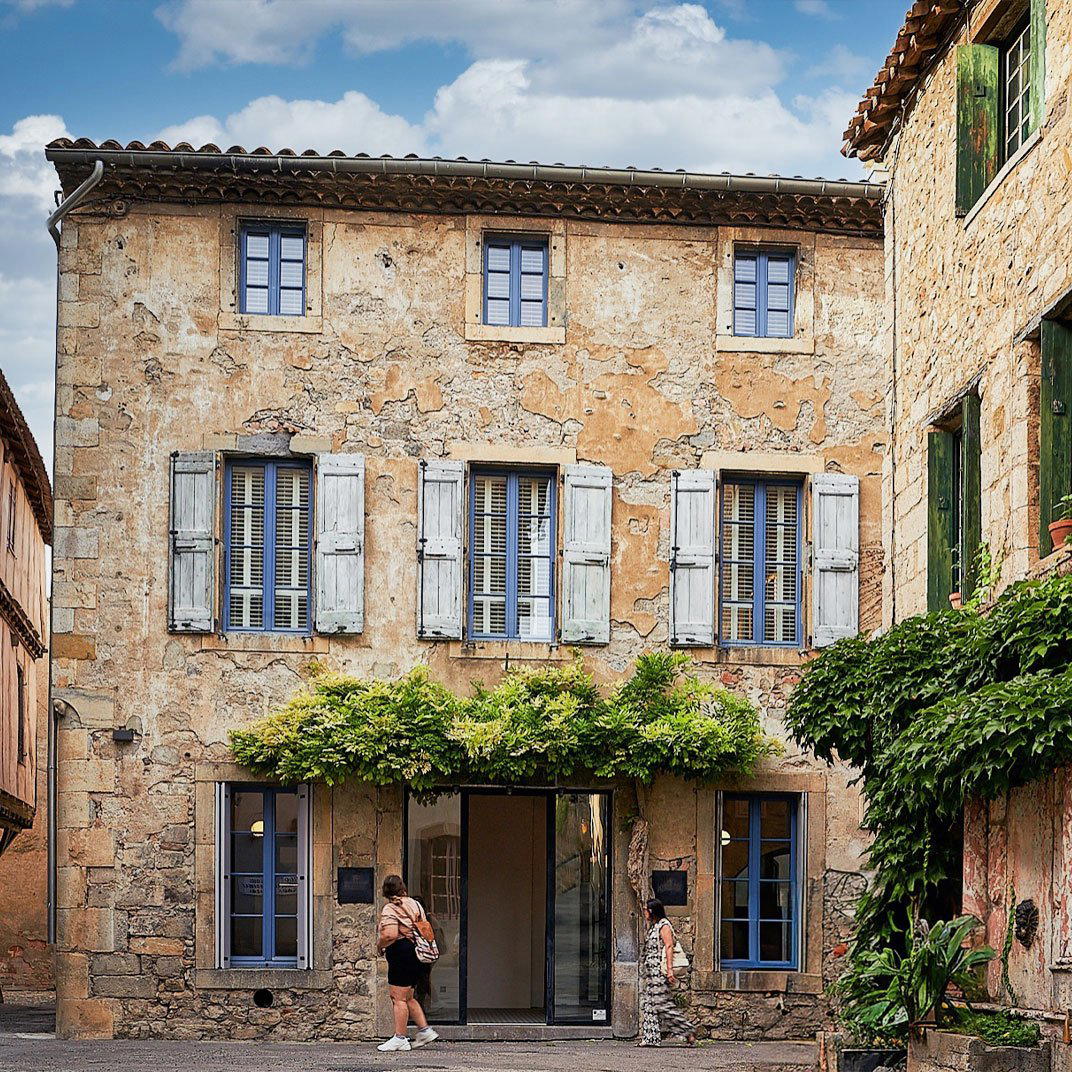
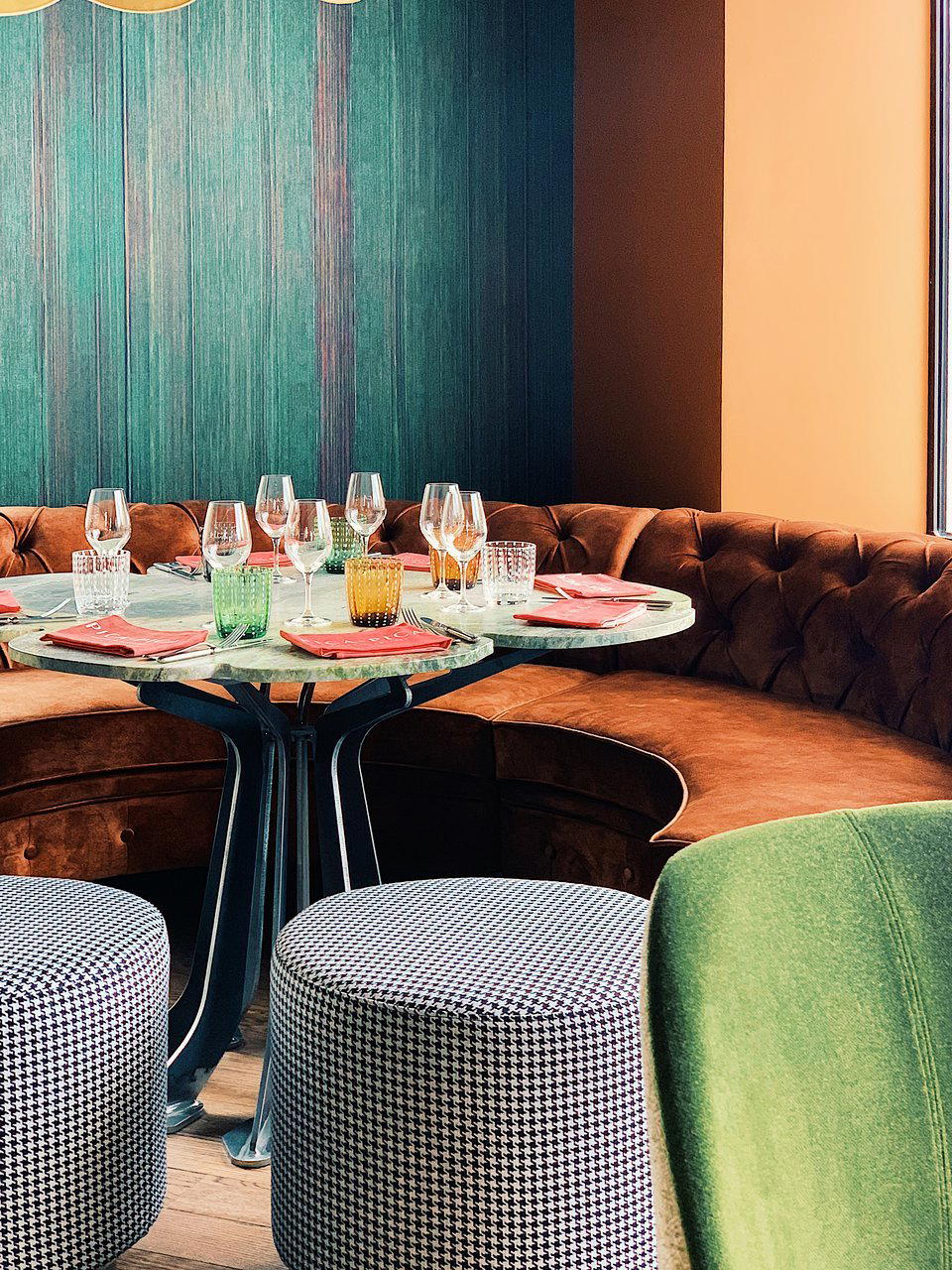
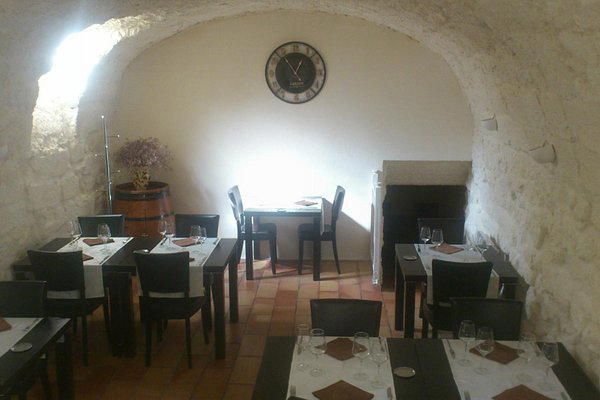
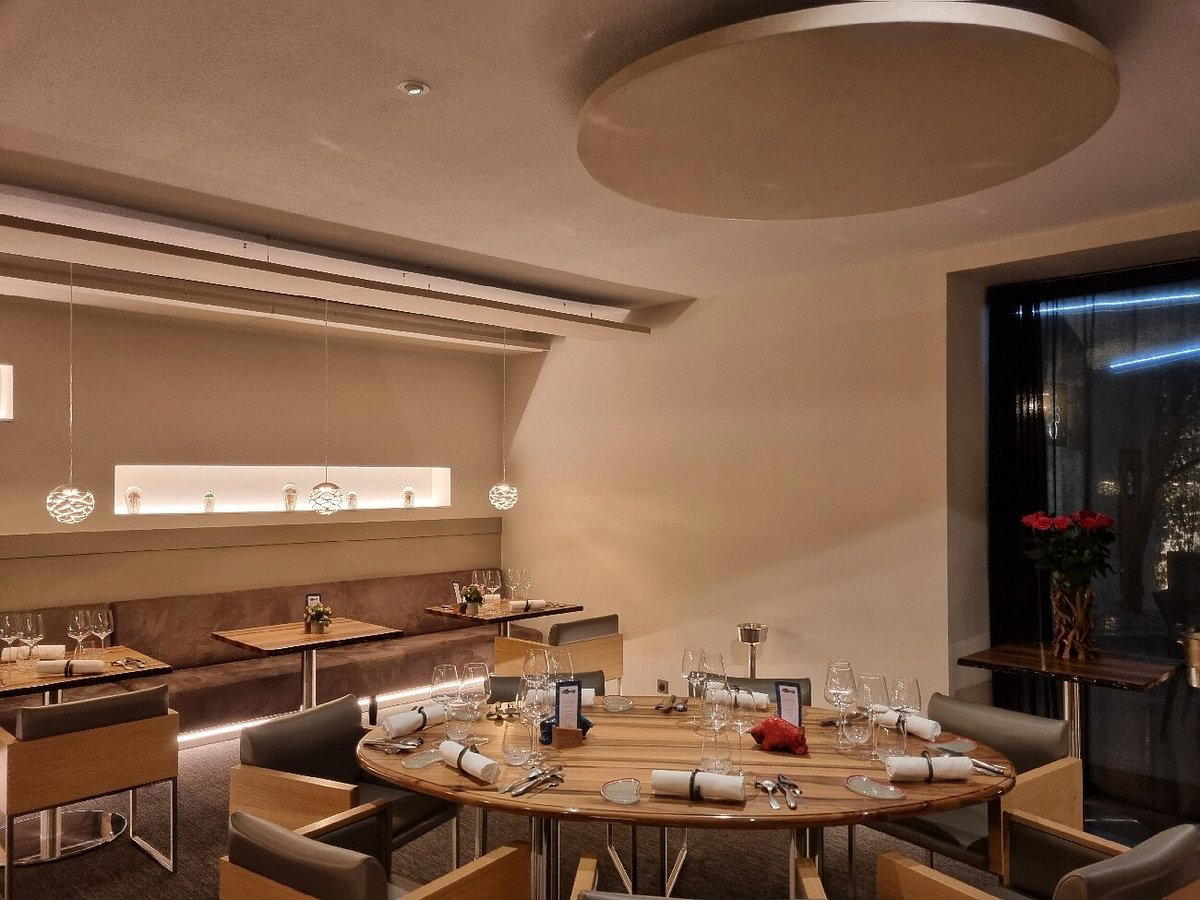
Bars in Narbonne
Browse all →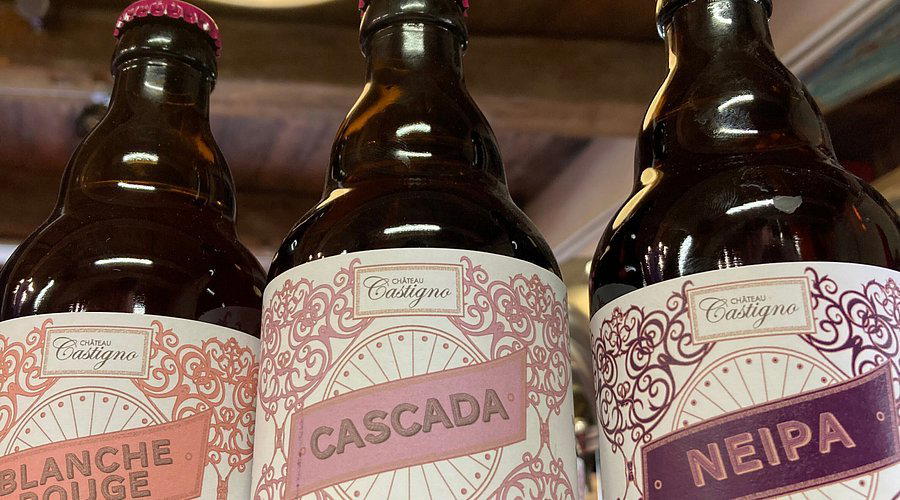
Hotels in Narbonne
Browse all →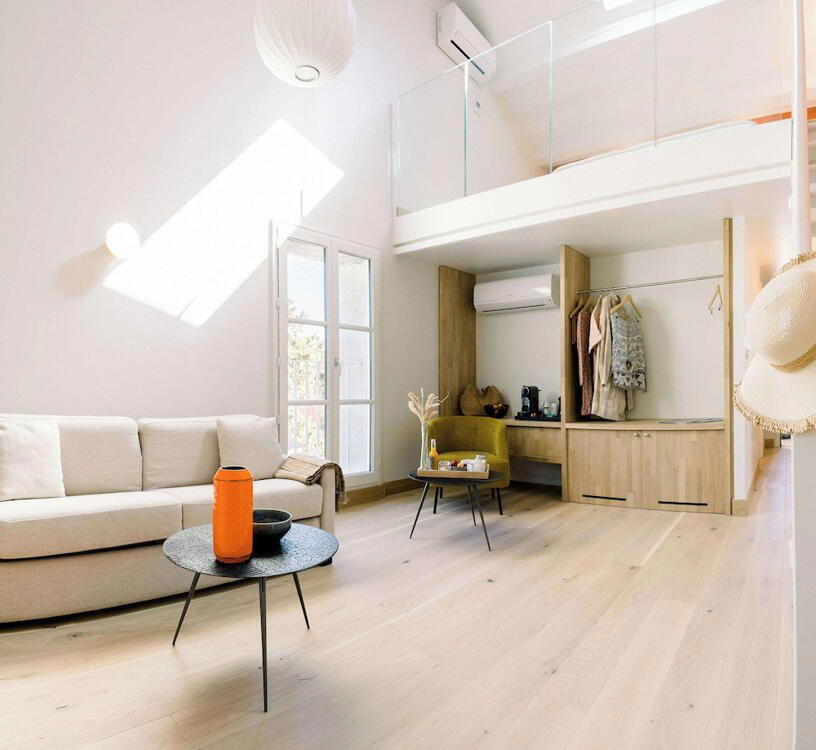

At a Glance
- Elegant
- Sophisticated
- Intimate
- Scenic
- Date Night
- Special Occasion
- Open Kitchen
- Historic Building
- Extensive Wine List
- Sommelier Led
- Farm To Table
- Local Sourcing
- Biodynamic
- Vineyard
Current opening hours
- Monday
- Closed
- Tuesday
- Closed
- Wednesday
- Closed
- Thursday
- 7:30–9:30 PM
- Friday
- 12–1 PM, 7:30–9:30 PM
- Saturday
- 12–1 PM, 7:30–9:30 PM
- Sunday
- 12–1 PM, 7:30–9:30 PM
Hours can change for holidays and private events. Last verified .
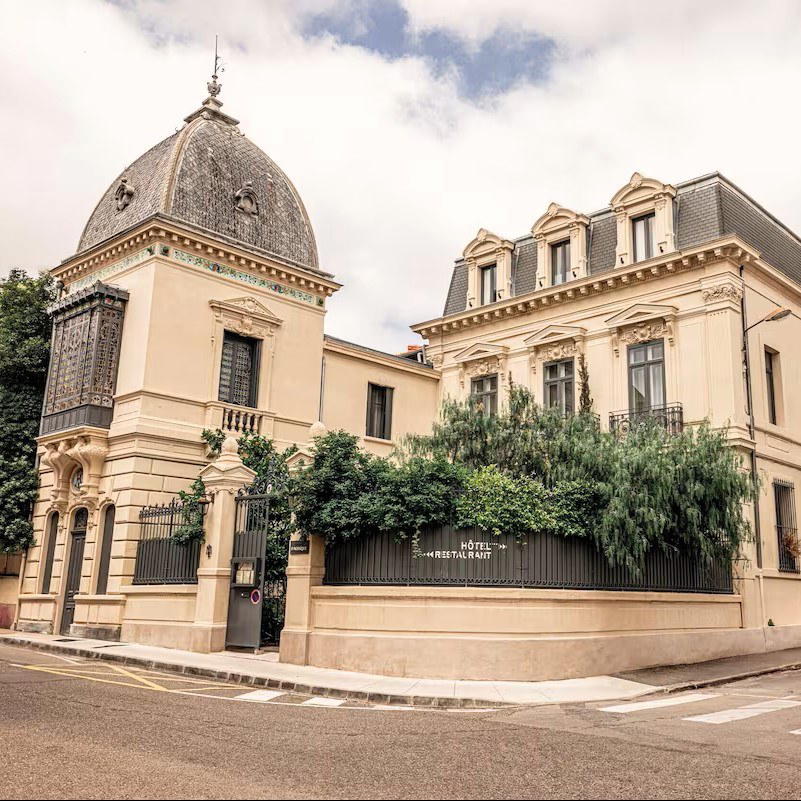
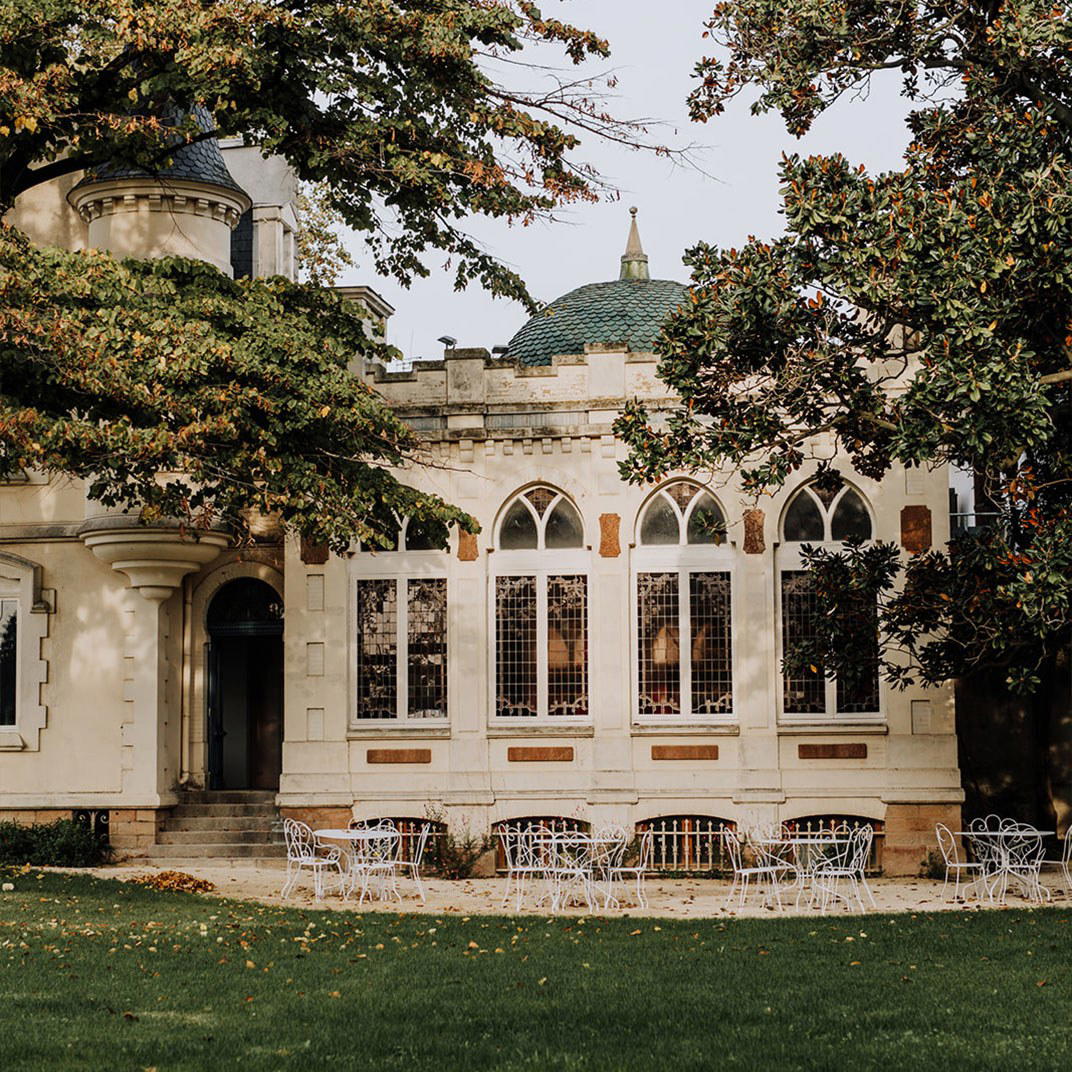
Refined and peaceful with contemporary minimalist decor, vineyard views, and an elegant, airy atmosphere.
Know Before You Go
- Getting there
- Route de Narbonne Plage, Dom. de l'Hospitalet, 11100 Narbonne, France