Our verdict
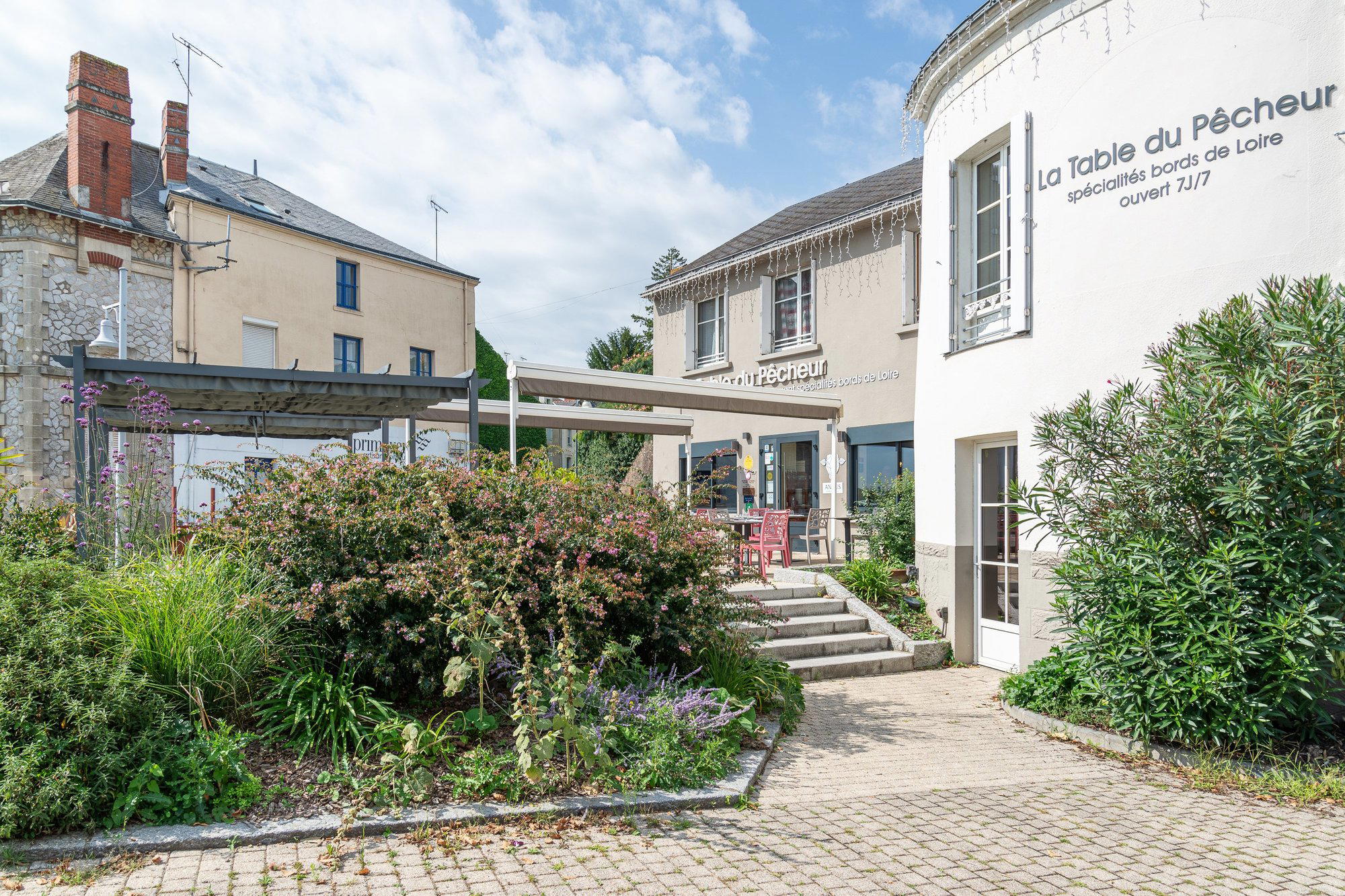
La Table du Pêcheur pairs French seafood with Japanese fusion on a waterfront terrace in Ancenis, with a quiet, leisurely pace that fits lunch or dinner.

Pearl is the En Primeur Club membership app — saves, bookings, and concierge access live there. Same editors, same standards.
- Address
- 11 Bd Léon Séché, 44150 Ancenis, France
- Phone
- +33240831136
- Hours
- Mon–Thu 12–2 PM, 7–9:30 PMFri 12–2 PM, 7–10 PMSat 12–2:30 PM, 7–10 PMSun 12–2:30 PM, 7–9:30 PM
- Website
- latabledupecheur.com
- Directions
- Get directions
- Booking
- Book on Zenchef
The menu
What to order
- Chawanmushi d’huîtres
- Choucroute de la mer
- Poissons de Loire
Where the Loire Meets the Table
Ancenis sits on the northern bank of the Loire, roughly midway between Nantes and Angers, in a stretch of river country that produces its own appellation wines and supplies Atlantic kitchens with freshwater fish that rarely travel further than a day's drive. The town is small enough to be passed through quickly, but its position in the Pays de la Loire means the raw materials arriving at local kitchens carry a provenance argument that larger cities often have to manufacture. La Table du Pêcheur, on Boulevard Léon Séché, occupies a dining tradition that the Loire Valley has sustained for centuries: the riverside table oriented around what the water and the surrounding land provide. For context on what that tradition looks like at its most decorated, see La Marine in Noirmoutier-en-l'île, where Atlantic produce at the edge of the region reaches Michelin recognition. La Table du Pêcheur operates in a quieter register, shaped by the rhythms of a market town rather than the expectations of destination dining.
The Sourcing Argument
The name translates plainly as "The Fisherman's Table," and in the Loire Valley that is less a romantic gesture than a statement of supply chain. The Loire is one of France's great wild rivers, still running free without major dams along its lower stretch, and the fish it produces, pike, zander, shad, and eel in season, have fed local tables since before the region's châteaux were built. A restaurant bearing this name in Ancenis is implicitly positioning itself within that sourcing tradition, where the menu follows what the river and the surrounding bocage countryside offer rather than what a centralised food distributor can deliver on a fixed schedule.
This sourcing model is the opposite of how the French haute cuisine tier structures its kitchens. At the level of Alléno Paris au Pavillon Ledoyen or Mirazur in Menton, hyper-local sourcing is a deliberate creative statement, sometimes spanning a kitchen garden on the premises. In a market town like Ancenis, the same principle operates less as a manifesto and more as practical habit: the fishmonger is local, the growers are nearby, and the menu shifts with the season because there is no alternative. That constraint, in practice, produces cooking that is honest about place in a way that destination restaurants often have to work harder to achieve. France's most compelling regional kitchens, from Bras in Laguiole to Auberge du Vieux Puits in Fontjoncouse, have built their reputations precisely on this form of geographical specificity.
Ancenis and the Regional Dining Pattern
The Loire-Atlantique department is better known internationally for Muscadet than for its restaurant culture, but the two are connected. The same alluvial soils and Atlantic air that give Muscadet its saline minerality also shape how local kitchens think about flavour: lighter, sharper, less reliant on reduction-heavy sauce work than kitchens further south. The seafood tables along France's Atlantic coast, including Christopher Coutanceau in La Rochelle, have codified this approach at a high price point. In Ancenis, the same sensibility appears in a more unadorned format, without the architectural dining rooms and multi-course architecture that come with a destination address.
Within France's broader dining geography, Ancenis sits in a tier that is easy to overlook: not rural enough to be a gastronomic pilgrimage, not urban enough to attract the press attention that follows AM par Alexandre Mazzia in Marseille or Assiette Champenoise in Reims. But this middle tier is where most French people actually eat, and where the country's regional cooking tradition is most durably expressed. La Table du Pêcheur belongs to that category of neighbourhood address that sustains a community's relationship with its own produce over years, without the volatility that comes with media cycles and tourism peaks.
Reading the Room
Boulevard Léon Séché runs through a residential quarter of Ancenis, not a tourist strip. A restaurant at this address is serving local regulars as much as passing visitors, which tends to produce a particular kind of dining room tone: familiar service, a wine list weighted toward the regional appellations, and cooking calibrated for repeat visits rather than a single showcase meal. The Loire Valley's own appellation wines, including Muscadet Sèvre-et-Maine and the lighter reds of Anjou, sit naturally alongside the kitchen's produce-driven approach. For a sense of how French regional restaurants at a more celebrated level manage the same balance of local loyalty and broader recognition, Georges Blanc in Vonnas and Auberge de l'Ill in Illhaeusern offer useful reference points, though both operate at a significantly larger scale and a different price tier.
On the Atlantic seaboard and its river approaches, fish cookery follows a logic that prioritises the freshness of the catch over elaboration of technique. A zander from the Loire, cooked the day it is caught, requires less from a kitchen than the same fish after two days of travel. This is the sourcing advantage a restaurant in Ancenis holds structurally, and it is the argument that a name like La Table du Pêcheur makes most directly. Compare the Atlantic-sourcing model at the level of Le Bernardin in New York City, where French seafood technique meets exceptional imported product, and the difference is one of geography rather than philosophy.
Planning Your Visit
Ancenis is accessible from Nantes by train in under thirty minutes, making it a realistic half-day or full-day excursion rather than a dedicated overnight trip, though the surrounding Loire wine country gives reason to stay longer. La Table du Pêcheur is at 11 Boulevard Léon Séché. For a broader picture of what Ancenis offers across its dining addresses, our full Ancenis restaurants guide covers the range. Those travelling the Loire corridor for dining purposes will find the route between Nantes and Angers well-supported by regional kitchens at several price levels, with the density of serious addresses increasing as you move toward the Anjou and Touraine appellations.
Frequently asked questions
Can I bring kids to La Table du Pêcheur?
Ancenis is a working market town on the Loire, and a neighbourhood bistro on Boulevard Léon Séché is built around local regulars rather than tourist trade. That context typically means a relaxed, unpretentious room where children are not out of place. Booking ahead is advisable to confirm the restaurant's current setup.
Is La Table du Pêcheur better for a quiet night or a lively one?
The address on Boulevard Léon Séché, a residential stretch of Ancenis rather than a commercial dining strip, points toward a bistro that runs on neighbourhood rhythm. Midweek evenings tend to be quieter; Friday and Saturday services in French provincial towns of this size usually carry more energy. Neither extreme is typical of a room this size in this kind of city.
Is La Table du Pêcheur a good lunch stop when travelling between Nantes and Angers?
Ancenis sits roughly midway between the two cities on the northern Loire bank, and the restaurant's address on Boulevard Léon Séché puts it within the town centre. A kitchen rooted in Loire produce makes it a coherent stop for anyone travelling the river corridor by train or road. Ancenis is reachable from Nantes in under thirty minutes by rail, which puts a sit-down meal here within range without a significant detour.
What do regulars order at La Table du Pêcheur?
The name translates directly as 'The Fisherman's Table,' which in the Loire Valley context signals a kitchen oriented around local freshwater fish. Pike and zander are the river's signature catches in this stretch between Nantes and Angers, and both appear frequently on tables at Loire bistros of this type. The Muscadet appellation surrounds Ancenis, making a glass of local white the natural companion.
Side-by-Side Snapshot
Comparable venues nearby, for context on price, style, and recognition.
| Venue | Cuisine | Price | Notes |
|---|---|---|---|
| La Table du PêcheurThis venue — the venue you are viewing | French Seafood with Japanese Fusion | $30–50 | Not listed |
| Atelier de Candale | Seasonal French wine‑country restaurant in the vineyards | $50–100 | Saint-Laurent-des-Combes / Saint-Émilion vineyards |
| Le Petit St Georges | Classic French Bistro | $30–50 | Montaigu-Vendée |
| Cope | Modern French Neo-Bistro | $50–100 | Saint-Melaine |
| Le Genty Home | Traditional French Bistro | Not listed | Tinténiac |
| A Côté de Chez Fred | Traditional French Seafood Bistro | Not listed | Saint Martin de Re |
Continue exploring
More in Ancenis
Restaurants in Ancenis
Browse all →
Bars in Ancenis
Browse all →
Hotels in Ancenis
Browse all →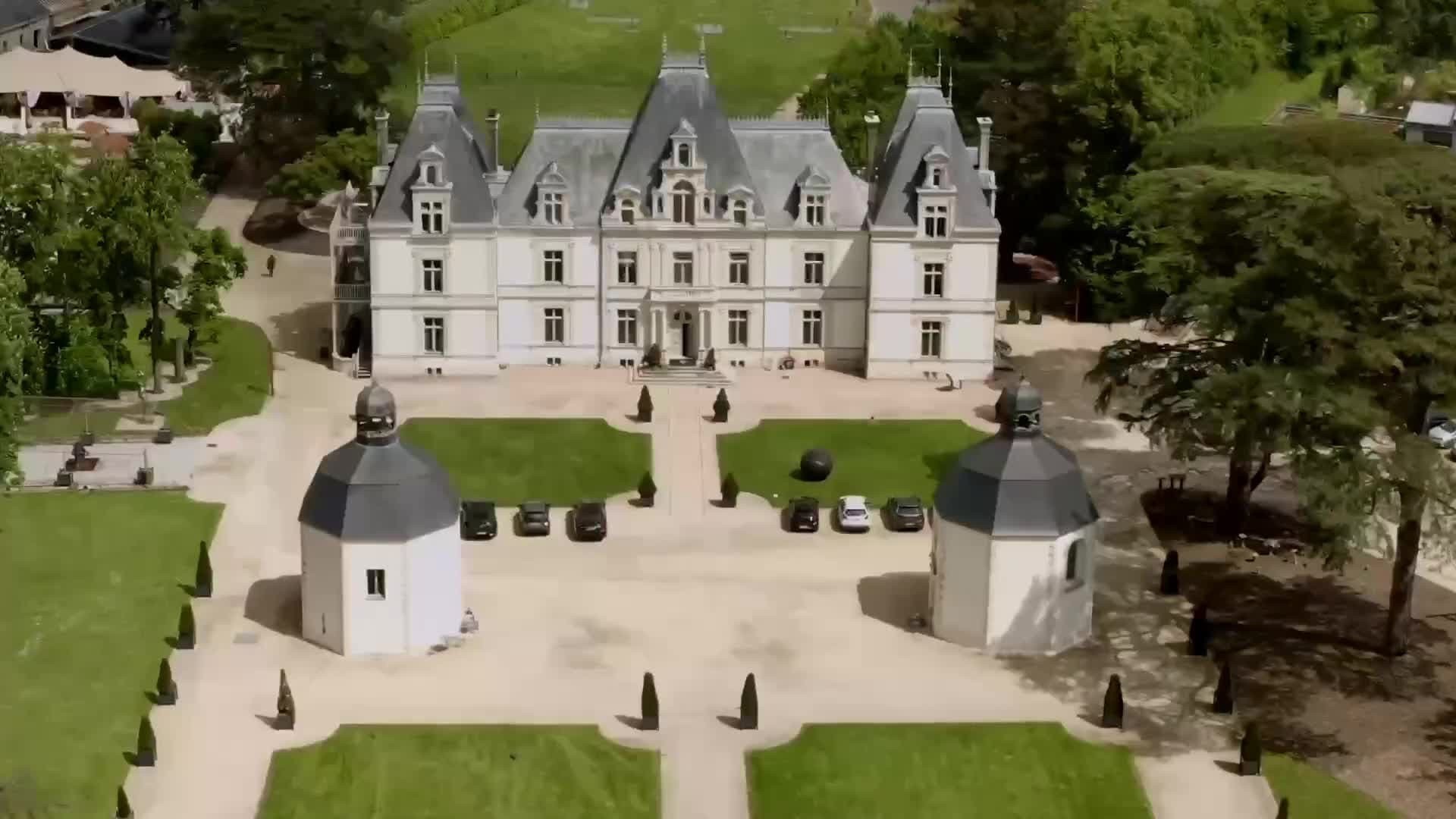
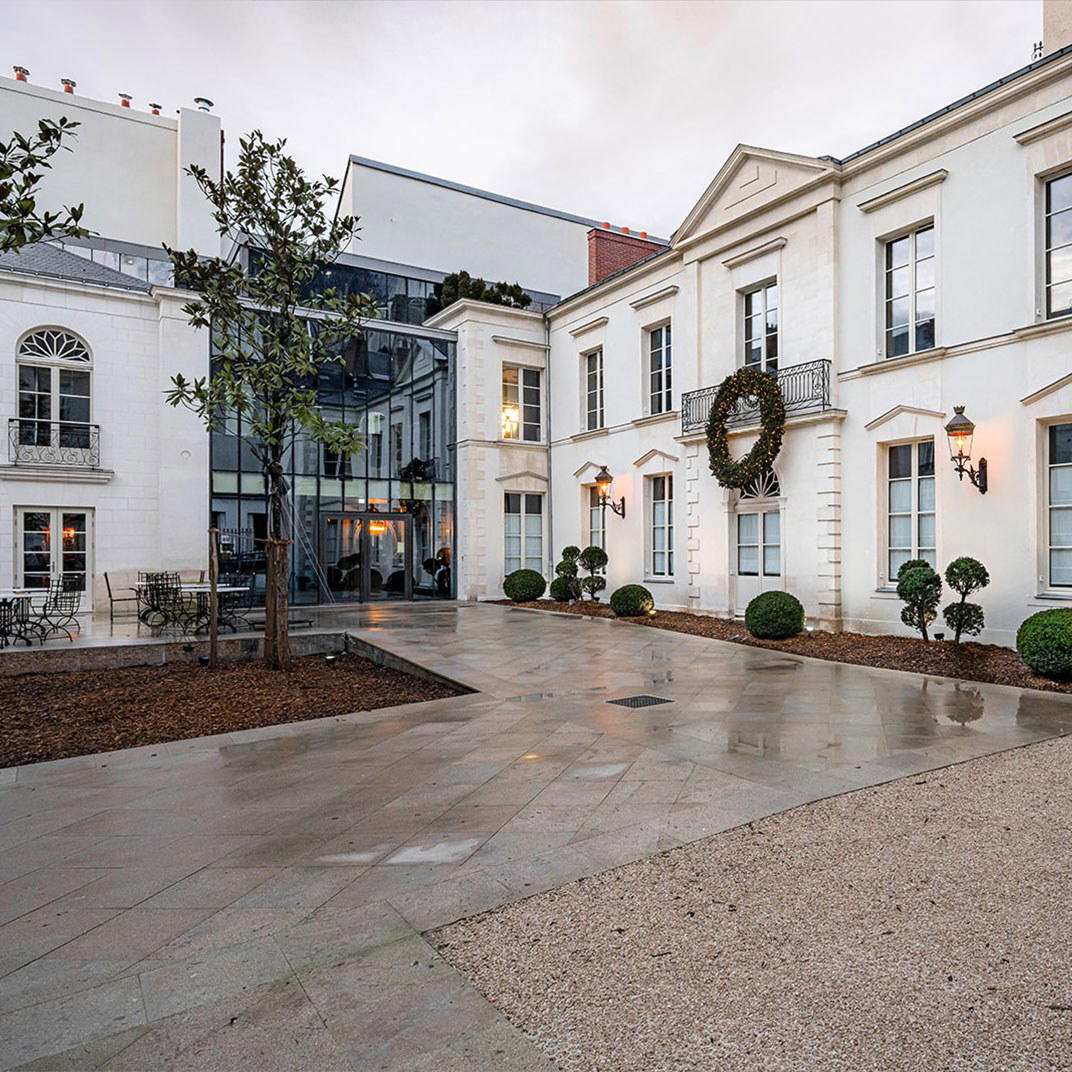
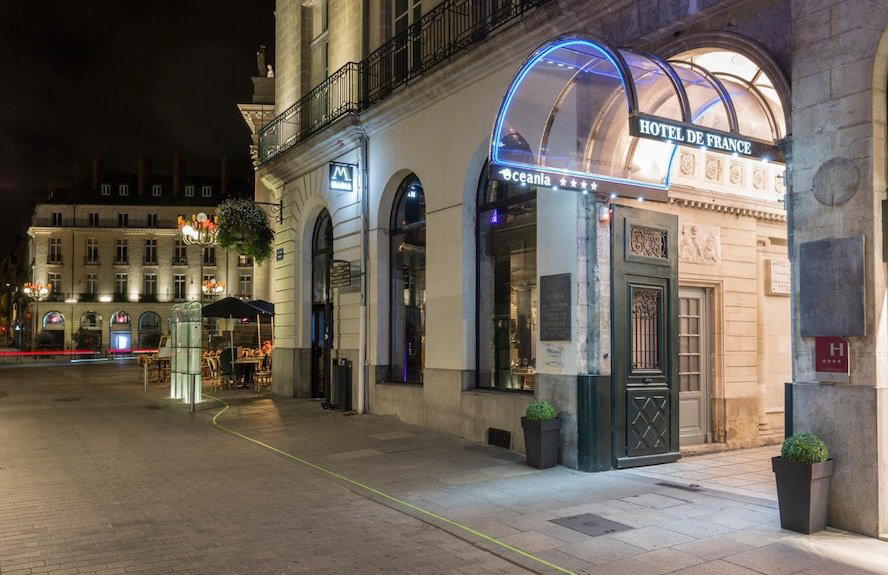
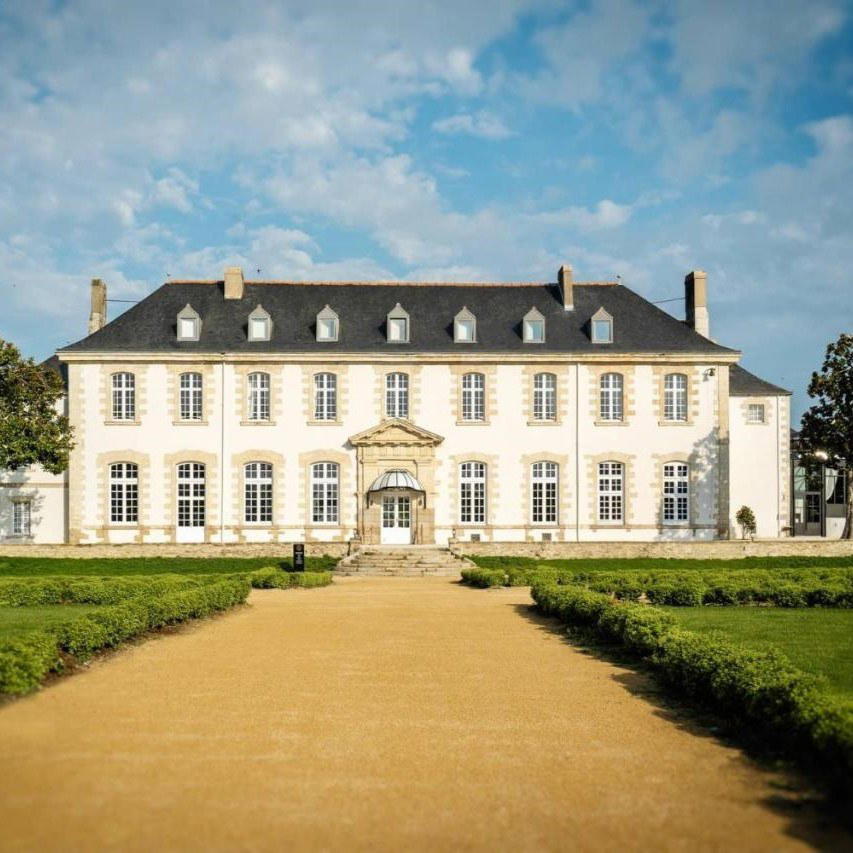

La Table du Pêcheur
The wine
- Wine program
- Curated wine list
- Extensive wine list
Details
- Classic
- Elegant
- Scenic
- Cozy
- Date Night
- Family
- Special Occasion
- Waterfront
- Terrace
- Extensive Wine List
- Local Sourcing
- Sustainable Seafood
- Waterfront
- A La Carte
Current opening hours
- Monday
- 12–2 PM, 7–9:30 PM
- Tuesday
- 12–2 PM, 7–9:30 PM
- Wednesday
- 12–2 PM, 7–9:30 PM
- Thursday
- 12–2 PM, 7–9:30 PM
- Friday
- 12–2 PM, 7–10 PM
- Saturday
- 12–2:30 PM, 7–10 PM
- Sunday
- 12–2:30 PM, 7–9:30 PM
Hours can change for holidays and private events. Last verified .
Pleasant terrace with Loire River views, warm and welcoming atmosphere praised in guest reviews.