On Rue Crébillon, Nantes's most storied commercial artery, the Oceania Hôtel de France sits where the city's nineteenth-century architectural confidence is most legible. The property occupies a building with real civic presence, placing guests within walking distance of the old quarter, the covered Passage Pommeraye, and the Loire's northern bank. For travellers who want a city-centre address with historic fabric rather than a business-park anonymity, it earns serious consideration.
Pearl is the En Primeur Club membership app — saves, bookings, and concierge access live there. Same editors, same standards.
- Address
- 24 Rue Crébillon, 44000 Nantes, France
- Phone
- +33 2 40 73 57 91
- Website
- oceaniahotels.com
 Saves & bookings on Pearl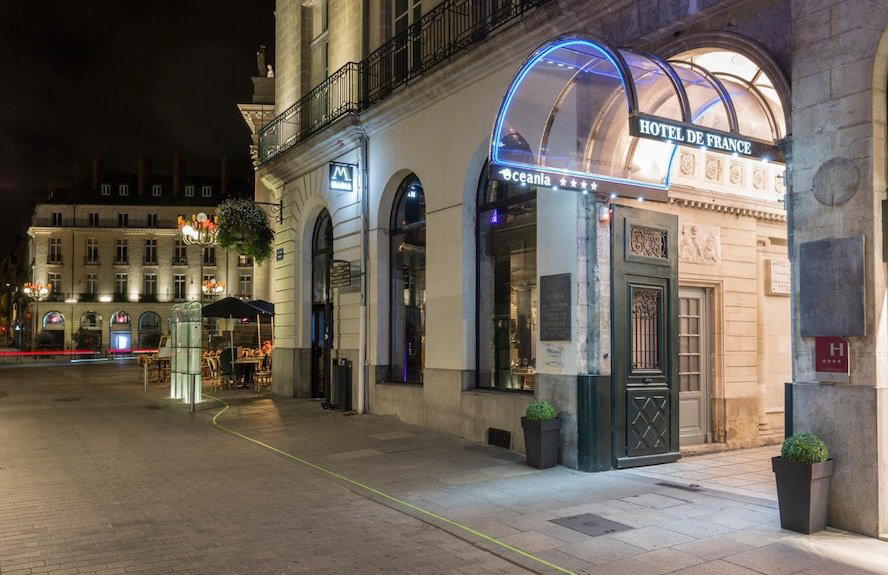
A Rue Crébillon Address: What the Building Tells You
Oceania Hôtel de France Nantes is a 4-star hotel in Nantes, France, at 24 Rue Crébillon. Rue Crébillon, Nantes's principal commercial street running south from the Place Graslin toward the old city, is exactly the kind of address that confers this authority. The Oceania Hôtel de France Nantes at number 24 sits on one of the most architecturally coherent streets in the Loire-Atlantique, where nineteenth-century stone facades march in disciplined ranks and the scale of the buildings still reflects the ambitions of a city that was, for a time, one of France's most consequential Atlantic ports.
Walking toward the hotel from the Place Graslin end, you pass the neoclassical front of the Graslin opera house, a structure whose colonnaded facade sets the aesthetic register for the entire neighbourhood. The surrounding haussmann-inflected blocks were laid out with a logic that prioritised civic legibility over commercial density, and the hotel building reads within that logic. This is not a property that announces itself with a canopied drop-off or a doorman in livery. The entrance is integrated into the street wall in the manner typical of French city-centre hotels of a certain generation, where the building's dignity was assumed rather than performed. For a reader attuned to the difference between a hotel that occupies a historic building and one that merely references one, the distinction matters.
The Oceania Chain in Context
Oceania Hotels is a French mid-market group with a portfolio concentrated in second-tier and regional cities, where it typically acquires established properties rather than building from scratch. This acquisition model means its individual hotels carry more architectural specificity than a purpose-built chain address would. The Hôtel de France in Nantes is among the group's more recognisable addresses, partly because Rue Crébillon itself carries name recognition for anyone familiar with the city's commercial geography. Within the Oceania network, properties of this type sit in the comfortable mid-range rather than the luxury tier occupied by, say, Cheval Blanc Paris or Hotel Du Cap-Eden-Roc in Cap d'Antibes. Guests choosing the Hôtel de France are, in effect, choosing city-centre location and period fabric over curated luxury amenities, which is a coherent trade-off for a business or short-stay leisure trip.
For context on what genuine regional French luxury looks like at the higher end, properties such as Domaine Les Crayères in Reims or Castelbrac in Dinard occupy a different category entirely, with corresponding price points and amenity depth. The Hôtel de France makes no claim to that tier, and its value proposition is more honestly appraised against its actual comparable set: well-positioned French regional city hotels with architectural credentials and practical convenience.
Nantes as a Hotel City
Nantes has changed substantially as a destination over the past fifteen years. The Île de Nantes regeneration on the former shipyard island, the Machines de l'Île cultural installations, and a restaurant scene that has grown well beyond its Loire Valley benchmarks have all contributed to a city that attracts visitors with genuine cultural ambitions rather than just transit passengers. A Rue Crébillon address puts guests within a ten-minute walk of most of what matters: the Château des Ducs de Bretagne, the Cathedral of Saints Peter and Paul, the covered Passage Pommeraye (one of the finest nineteenth-century commercial galleries in France), and the Place du Commerce, which anchors the city's tram and public transport network. For anyone using the hotel as a base to cover the city on foot, the location is as efficient as Nantes gets. You can read our full Nantes restaurants guide for the neighbourhood-by-neighbourhood breakdown of where to eat and drink.
Design Register and Physical Experience
Mid-century and postwar French city-centre hotels of this type typically feature a lobby scaled to the building's original function, whether commercial, civic, or residential, and the renovation choices made by successive owners tend to layer over rather than erase the original spatial logic. The Hôtel de France building's Rue Crébillon facade implies interior proportions consistent with late-nineteenth-century construction: corridor widths, ceiling heights, and room volumes that differ meaningfully from a purpose-built contemporary hotel. This is both the attraction and the constraint of the property type. Guests who value the grain of a historic building accept that some rooms will be better than others depending on their position within a floor plan that was never designed around hospitality optimisation. Booking a street-facing room on an upper floor typically rewards with the kind of view over Rue Crébillon rooflines that makes the address legible in a way a courtyard room does not.
The Oceania group's renovation approach across its portfolio tends toward comfortable functionality rather than design-led statements. Properties at the more architecturally ambitious end of the French regional spectrum, such as Château du Grand-Lucé in Le Grand-Lucé or La Bastide de Gordes, invest heavily in interior architectural coherence as part of their core offering. The Hôtel de France sits in a different category, where the building itself is the primary design argument and the fit-out supports rather than competes with it.
Planning Your Stay
The hotel's address at 24 Rue Crébillon places it at the geographic centre of Nantes's walkable old city. The tram network, among the most developed in provincial France, runs through the adjacent Place du Commerce and connects the city's major cultural and commercial points efficiently. For guests comparing properties at the luxury end of the French spectrum, whether on the Riviera with options like La Réserve Ramatuelle or in Provence with Villa La Coste, the Hôtel de France represents a fundamentally different kind of stay: urban, dense, positioned in a working city rather than a resort setting, and priced to reflect that. Booking is leading handled directly through the Oceania Hotels website, where the group's loyalty program applies and direct rates typically match or undercut third-party platforms. Nantes hosts significant trade events in autumn and spring, particularly around the food and agriculture sector, and availability on Rue Crébillon tightens during those windows.
Fast Comparison
Comparable venues nearby, for context on price, style, and recognition.
| Venue | Cuisine | Price | Awards | Notes |
|---|---|---|---|---|
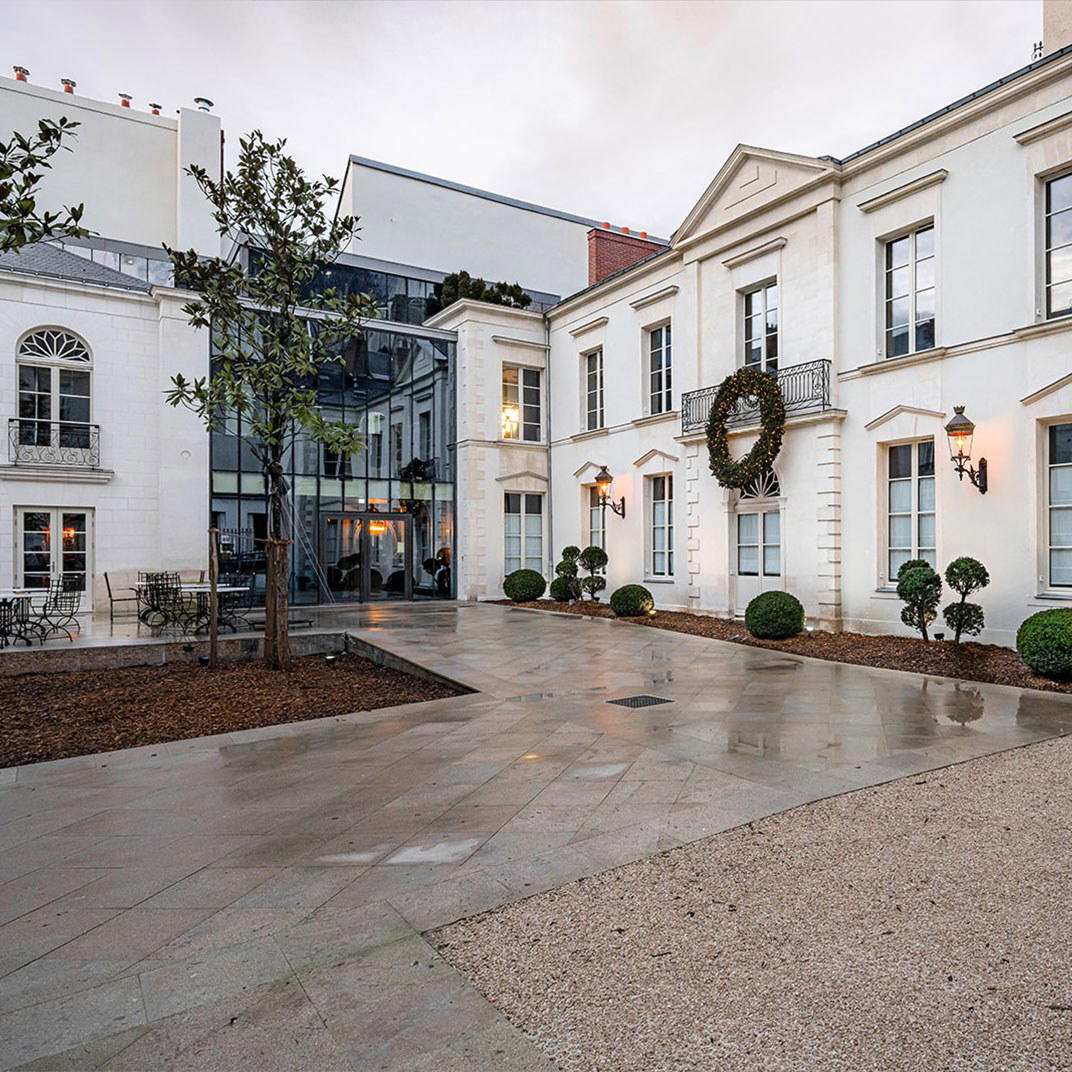
| Oceania Hôtel de France NantesThis venue — the venue you are viewing | Historic 18th-century mansion renovated with modern comforts | $$$ | 4-Star | |
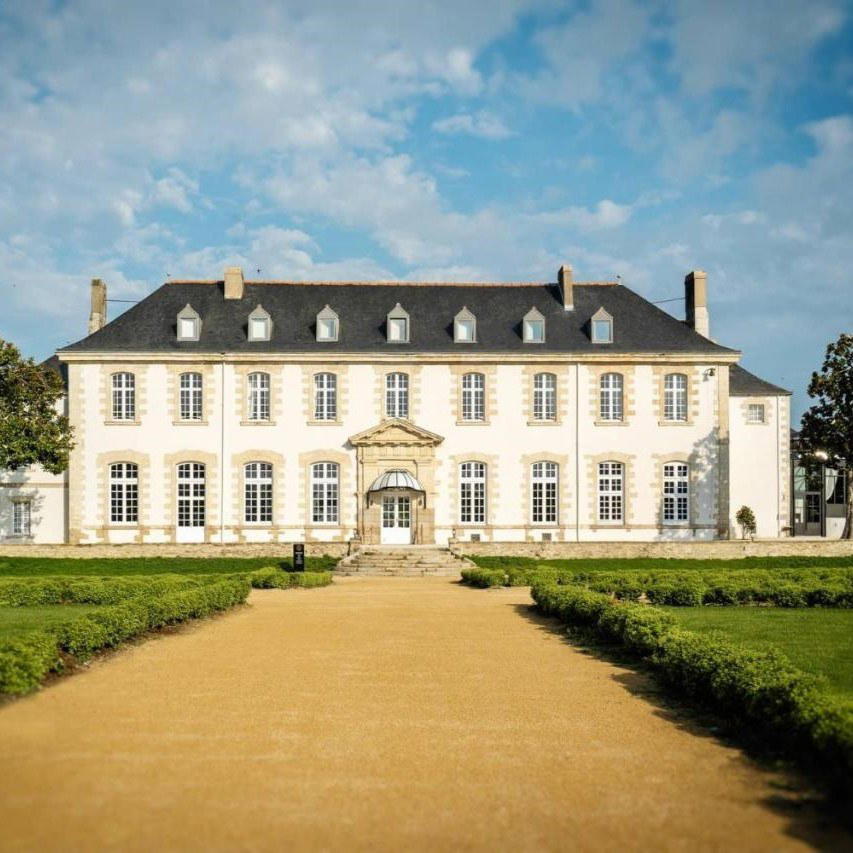
| Sozo | Converted 19th-century chapel blending heritage with contemporary design | $$$ | 4-Star | Coulmiers-Jardin des Plantes |
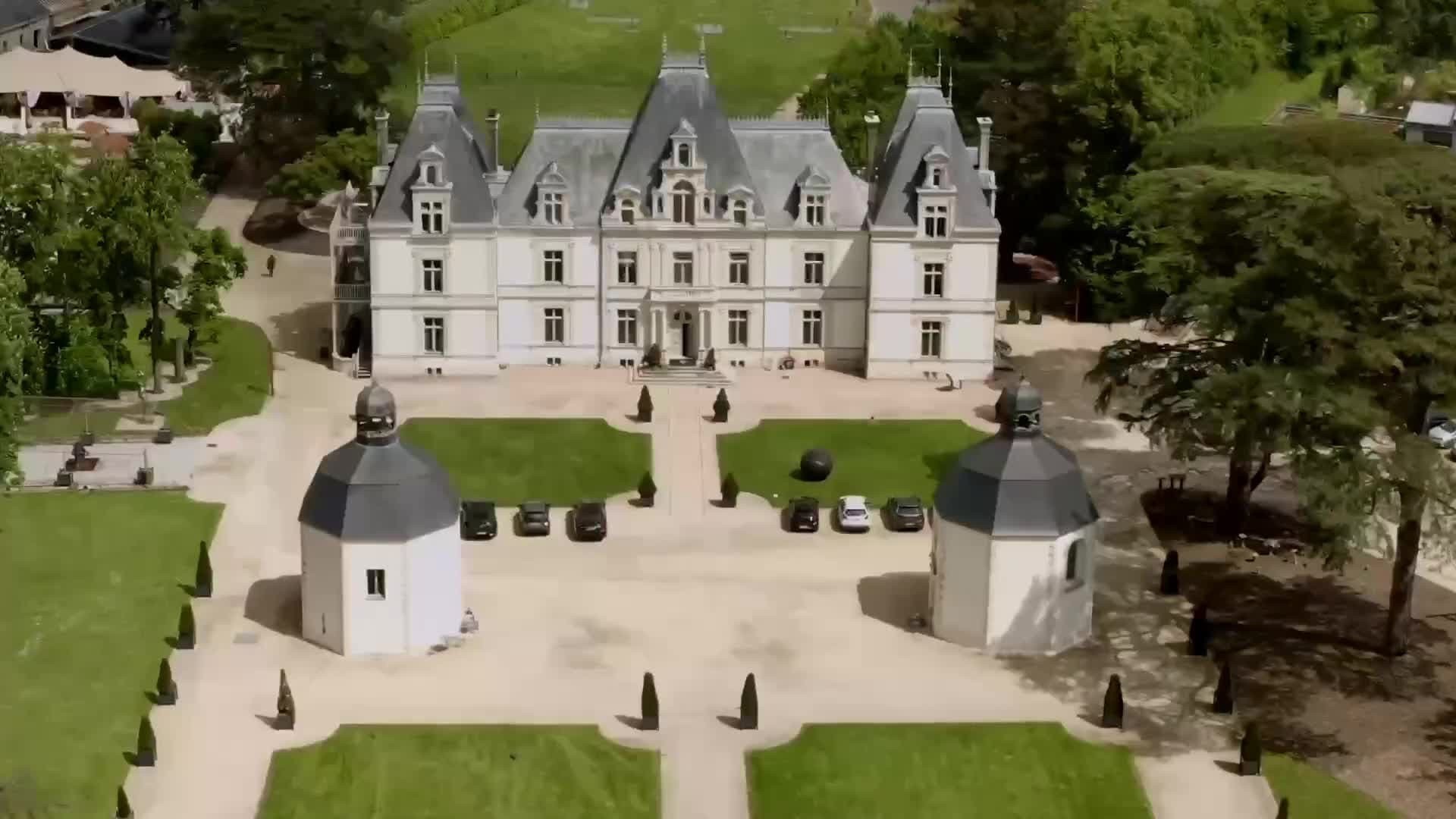
| Maison Maubreuil | 19th-century mansion transformed into a luxury gallery hotel | $$$$ | 5-Star | Nantes Centre |
| Le Pic Blanc | Modern chalet-style ski resort hotel | $$$ | 4-Star | Les Bergers |
| Mercure La Corderie Royale | Contemporary design harmoniously blended with 17th-century military heritage architecture, eco-certified and restored in 2018. | $$$ | 4-Star | historical district, riverwalk |
| Le Maury Vannes | contemporary boutique hotel renovated in 2023 | $$$ | 4-Star | centre-ville |

At a Glance
- Elegant
- Classic
- Sophisticated
- Romantic Getaway
- Business Trip
- Weekend Escape
- Historic Building
- Terrace
- Wifi
- Fitness Center
- Room Service
- Concierge
- Business Center
- Street Scene
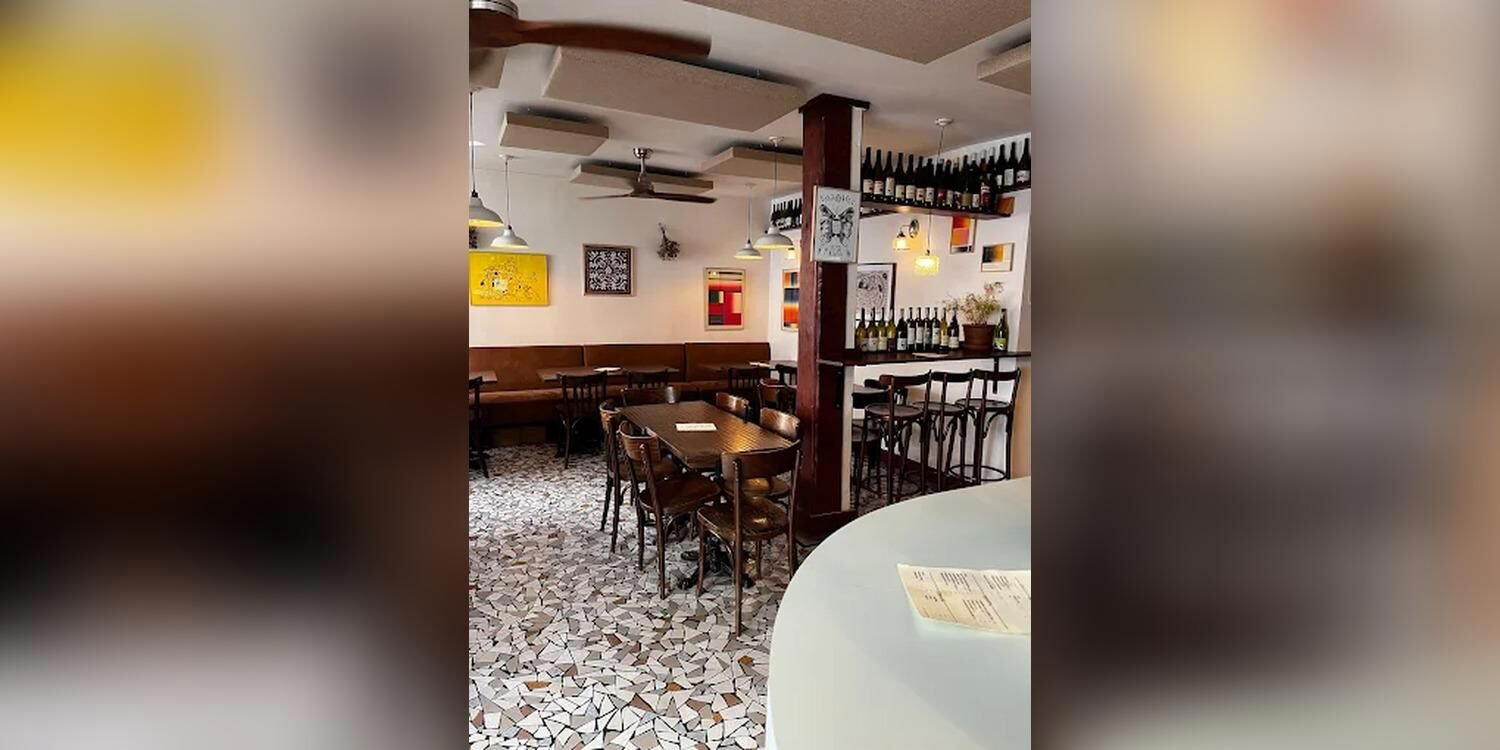
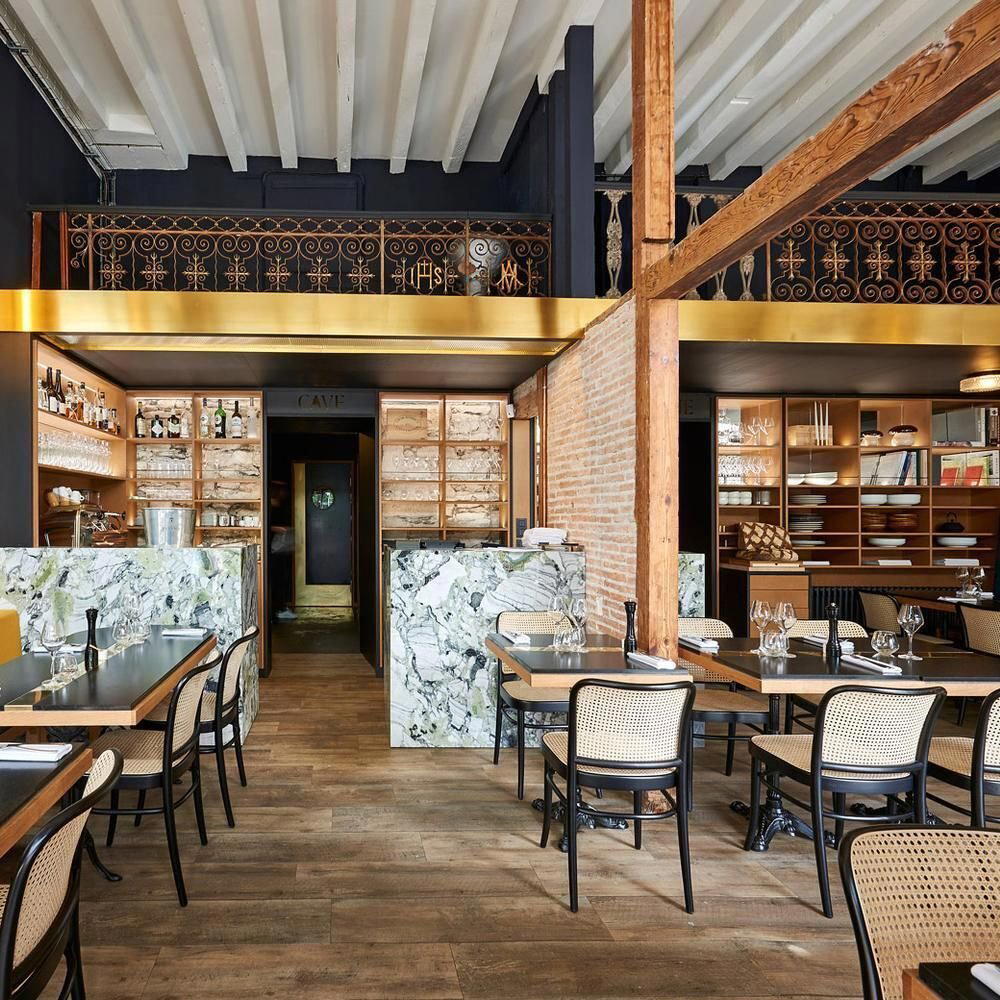
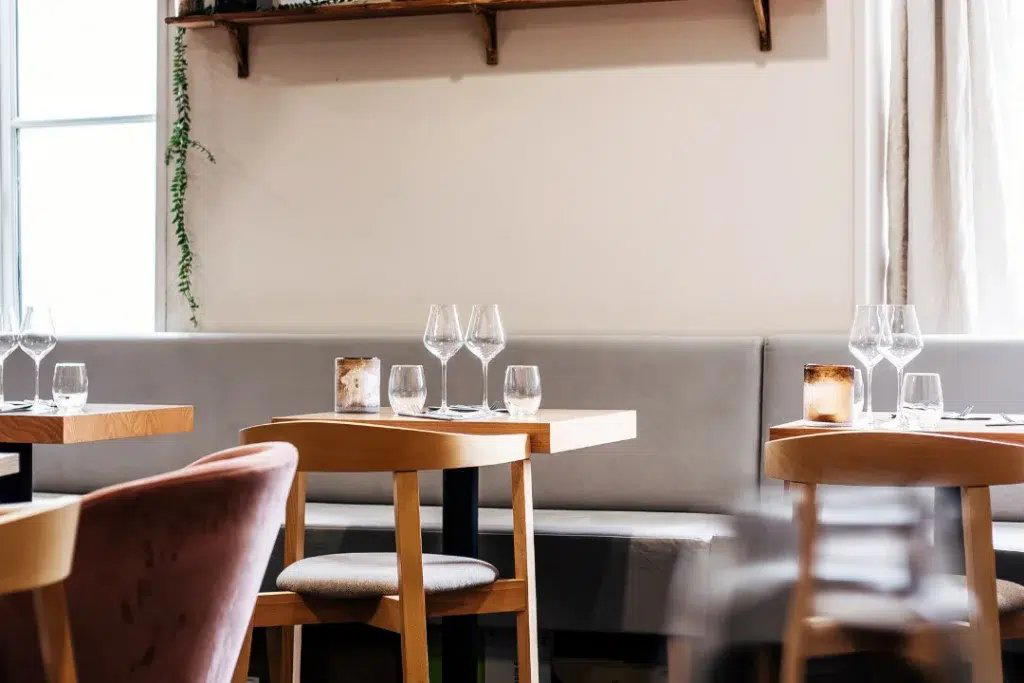
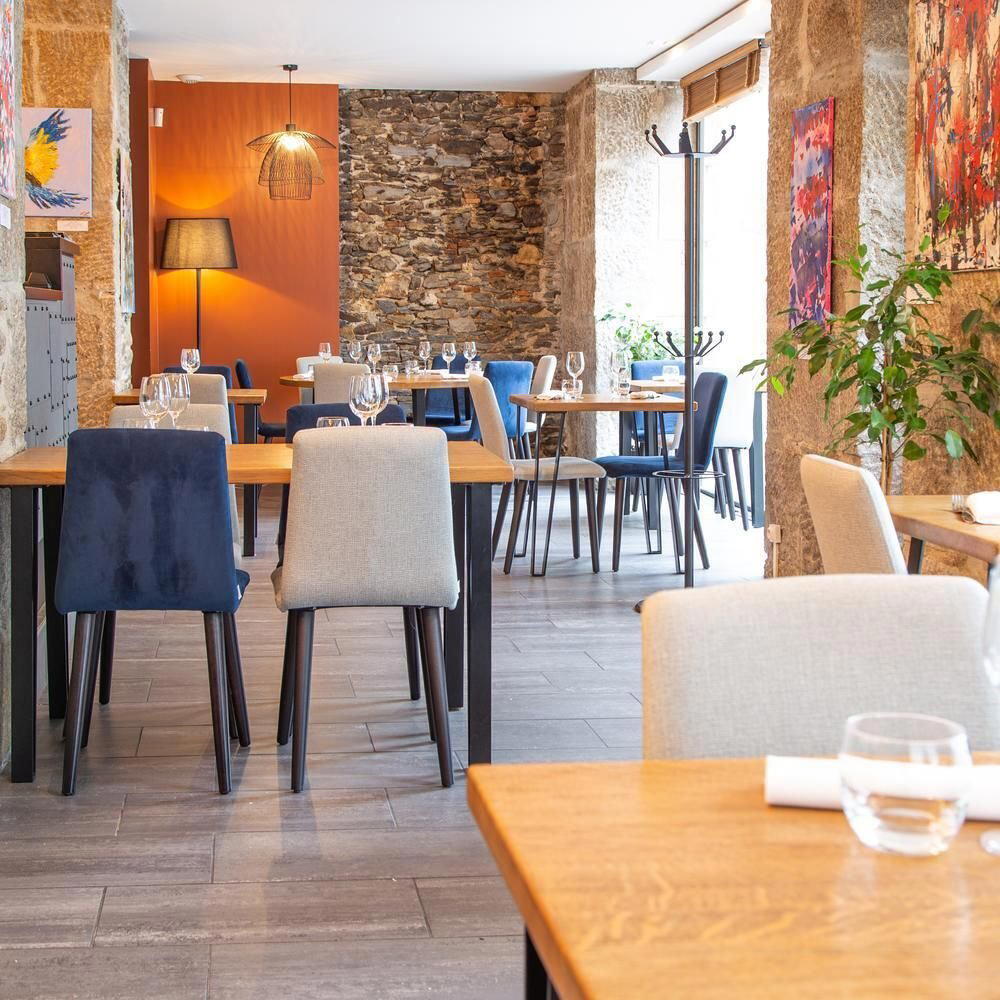
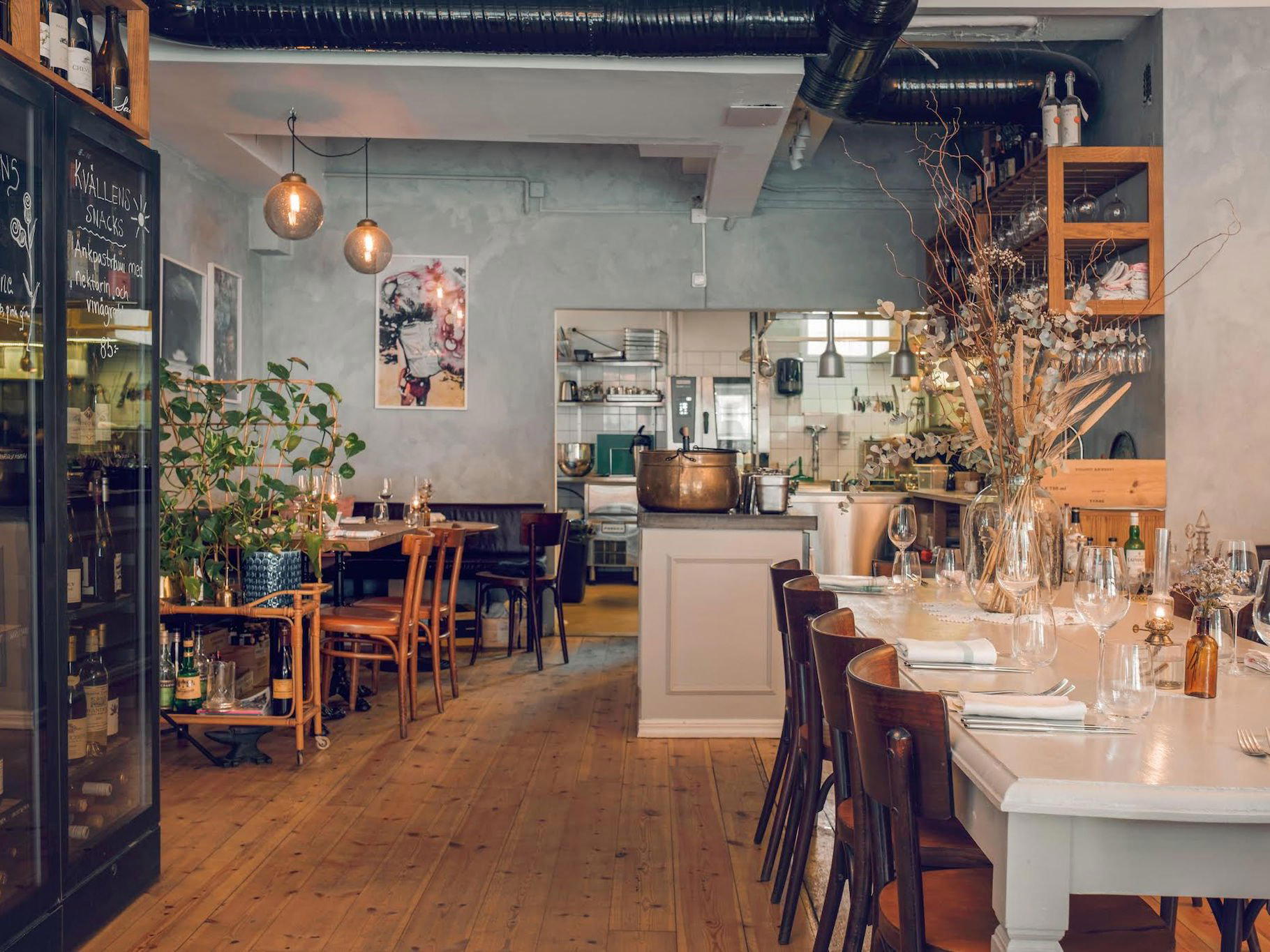
Refined elegance with light-filled lobby, ornate chandeliers, high ceilings, and elegant finishes evoking historic grandeur.