A Côté de Chez Fred
On a quiet lane in Saint-Martin-de-Ré, A Côté de Chez Fred operates within the island's neighbourhood restaurant register rather than as a waterfront destination. The Île de Ré's position within one of France's most concentrated Atlantic shellfish and flatfish supply networks makes it an address worth tracking for anyone spending time on the island. Contact the restaurant directly for current availability, particularly during the July-August peak season.
- Address
- 6 Ven. de la Fosse Bray, 17410 Saint-Martin-de-Ré, France
- Phone
- +33546099595
- Website
- acotedechezfred.eatbu.com
- Directions
- Get directions
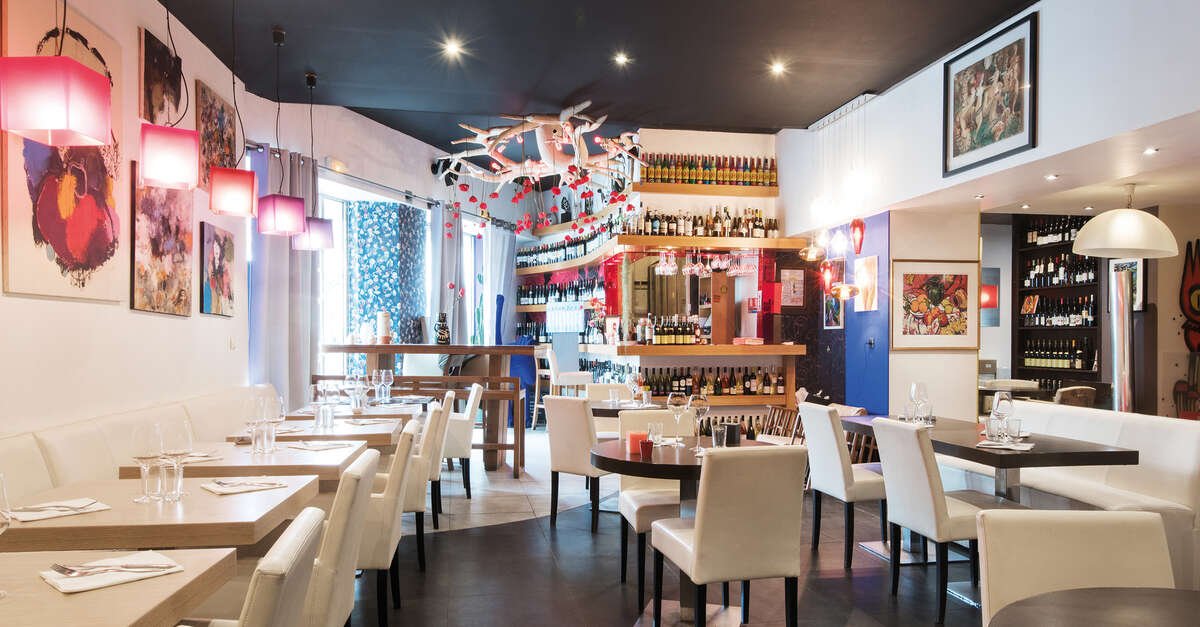
Where the Île de Ré Feeds Itself
Saint-Martin-de-Ré operates on a different register from the French Atlantic coast's more obvious resort towns. The walled port capital of the Île de Ré draws a particular kind of visitor: one who has crossed the toll bridge from La Rochelle not for spectacle but for the slower rhythms of salt marshes, cycling lanes between whitewashed villages, and tables where the proximity of the ocean is felt rather than announced. On the Venelle de la Fosse Bray, a quiet lane running back from the harbour's busier quayside activity, A Côté de Chez Fred is a Traditional French Seafood Bistro in Saint-Martin-de-Ré, with a price tier around $40 per person, and occupies that neighbourhood register precisely. The address itself signals something: this is not a restaurant positioned for the cruise of foot traffic along the main waterfront but one you go to deliberately.
Atlantic Provenance and What It Means on the Plate
The editorial argument for the Île de Ré as a dining destination rests on a specific geography. The island sits at the mouth of the Pertuis Breton, a shallow tidal channel that concentrates notable shellfish and flatfish production in a comparatively small stretch of water. Oysters from the Marennes-Oléron basin to the south and the island's own beds represent particularly consistently appraised bivalves in French production, with a salinity profile shaped by the balance between Atlantic swell and the calmer, mineral-inflected waters of the pertuis. Salt harvested from the Île de Ré's own salines carries AOC status, a designation that reflects the same logic applied to wine: place shapes flavour in ways that cannot be fully replicated elsewhere.
Kitchens in this part of Charente-Maritime that take sourcing seriously have a density of raw material available within a short radius that most inland French regions cannot match. The flatfish, sole, turbot, brill, move through the La Rochelle market less than thirty kilometres east. Nearby, Christopher Coutanceau in La Rochelle has built a three-Michelin-star programme around the same Atlantic provenance logic, making the case that this coastline can sustain cooking at any register. For a neighbourhood restaurant on the island itself, that supply chain proximity is the point. The question is how it is handled at the table rather than in the press release.
Restaurants in Saint-Martin-de-Ré that sit between casual and destination-format occupy a competitive space that rewards directness: local seafood, honest preparation, and a room that reads as genuinely part of the town rather than constructed for tourism. The neighbours worth knowing in this context include Auberge paysanne de la mer and L'avant Port, both of which operate within the same island dining register.
The Île de Ré in the French Regional Dining Frame
France's leading regional cooking has long demonstrated that sourcing specificity at the local level drives particularly coherent menus. At Mirazur in Menton, Mediterranean garden produce functions as both ingredient and conceptual anchor. At Bras in Laguiole, the volcanic plateau of the Aubrac defines the entire flavour vocabulary. At Auberge du Vieux Puits in Fontjoncouse, the garrigue and its wild herbs become a structural principle. These are all destination-format operations with strong booking demand behind them. The logic, however, scales down: restaurants anchored to a specific larder tend to cook with more coherence than those chasing trend-driven menus detached from their location.
That context matters for reading a place like A Côté de Chez Fred correctly. It is not operating in the same competitive tier as Alléno Paris au Pavillon Ledoyen in Paris or Flocons de Sel in Megève, nor does it need to. Its competitive set is the island's own table of neighbourhood restaurants, and within that frame the question is whether it respects the ingredient advantages its geography provides. Establishments that treat Île de Ré oysters as a seasonal opener and rotate flatfish according to market availability rather than fixed menu architecture are playing to the genuine strengths of the address.
The longer tradition of French Atlantic cooking also runs through the Charente-Maritime in specific ways. Butter rather than olive oil, cream sauces where appropriate, a conservatism around technique that prioritises the product over the chef's intervention. Compared to the more baroque ambition of a kitchen like AM par Alexandre Mazzia in Marseille, this is a restrained register. That restraint is a feature when the ingredients justify it, not a limitation.
Planning the Visit
The Île de Ré is accessible from La Rochelle via the Viaduc de l'Île de Ré, a 3-kilometre toll bridge that connects the island to the mainland in under ten minutes by car. Saint-Martin-de-Ré is the island's administrative capital and one concentrated point for restaurants, shops, and the port's daily market activity. For visitors arriving from further afield, La Rochelle-Île de Ré airport handles connections from Paris and other French cities, and direct TGV service reaches La Rochelle from Paris Montparnasse in around three hours. The island sees its highest visitor density between July and August; shoulder season visits in May, June, or September offer the same produce-driven market conditions with shorter queues and a more functional daily rhythm in local restaurants. For tables in the more popular spots during high season, reservations are advisable. A Côté de Chez Fred's address at 6 Venelle de la Fosse Bray places it in the older quarter of Saint-Martin, away from particularly heavily trafficked harbour-front positions.
Comparison Snapshot
Comparable venues nearby, for context on price, style, and recognition.
| Venue | Cuisine | Price | Awards | Notes |
|---|---|---|---|---|
| A Côté de Chez FredThis venue — the venue you are viewing | Traditional French Seafood Bistro | $$$ | Not listed | Not listed |
| L'avant Port | Modern French Seafood | $$$$ | Not listed | Saint Martin de Re |
| George's | Modern French Brasserie | $$$$ | Michelin Plate | Saint-Martin-de-Ré |
| Auberge paysanne de la mer | Traditional French Seafood & Oysters | $$ | Not listed | Saint-Martin-de-Ré |
| Le Serghi | French Bistronomic with Local Seafood | $$$ | Michelin Plate | Port of Saint-Martin-de-Ré |
| La Côte Rôtie | Modern French Bistro | $$$ | Not listed | Pallice |
Continue exploring
More in Saint-Martin-de-Ré
Restaurants in Saint-Martin-de-Ré
Browse all →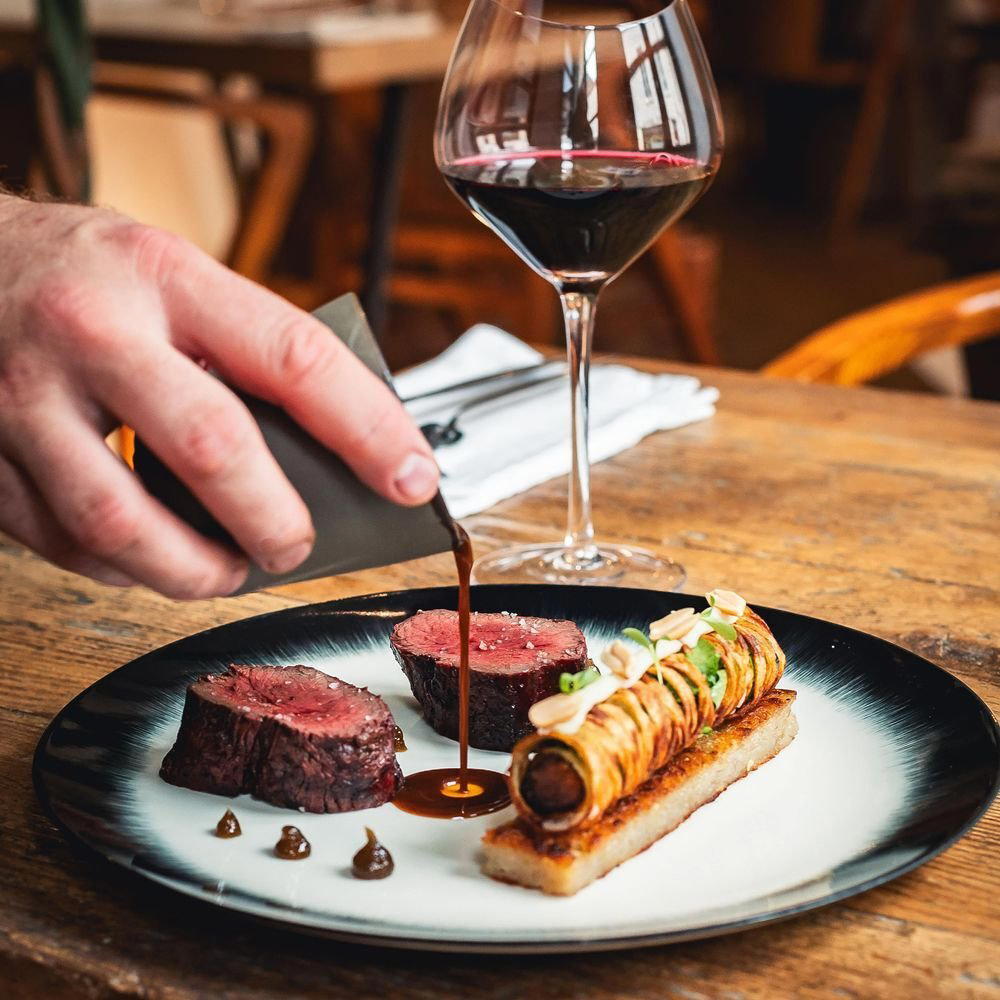
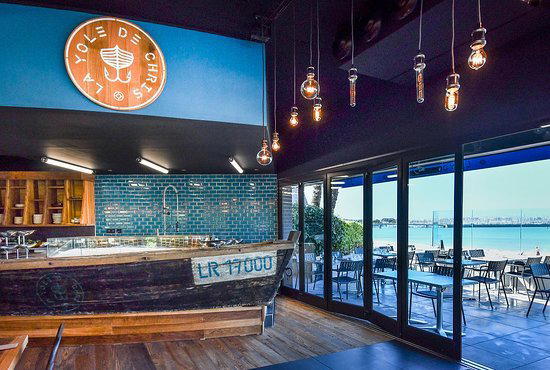
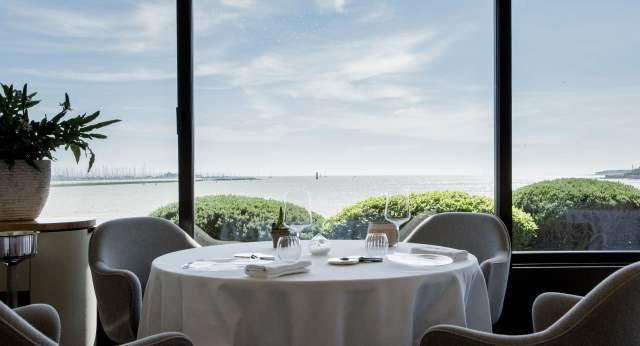
Bars in Saint-Martin-de-Ré
Browse all →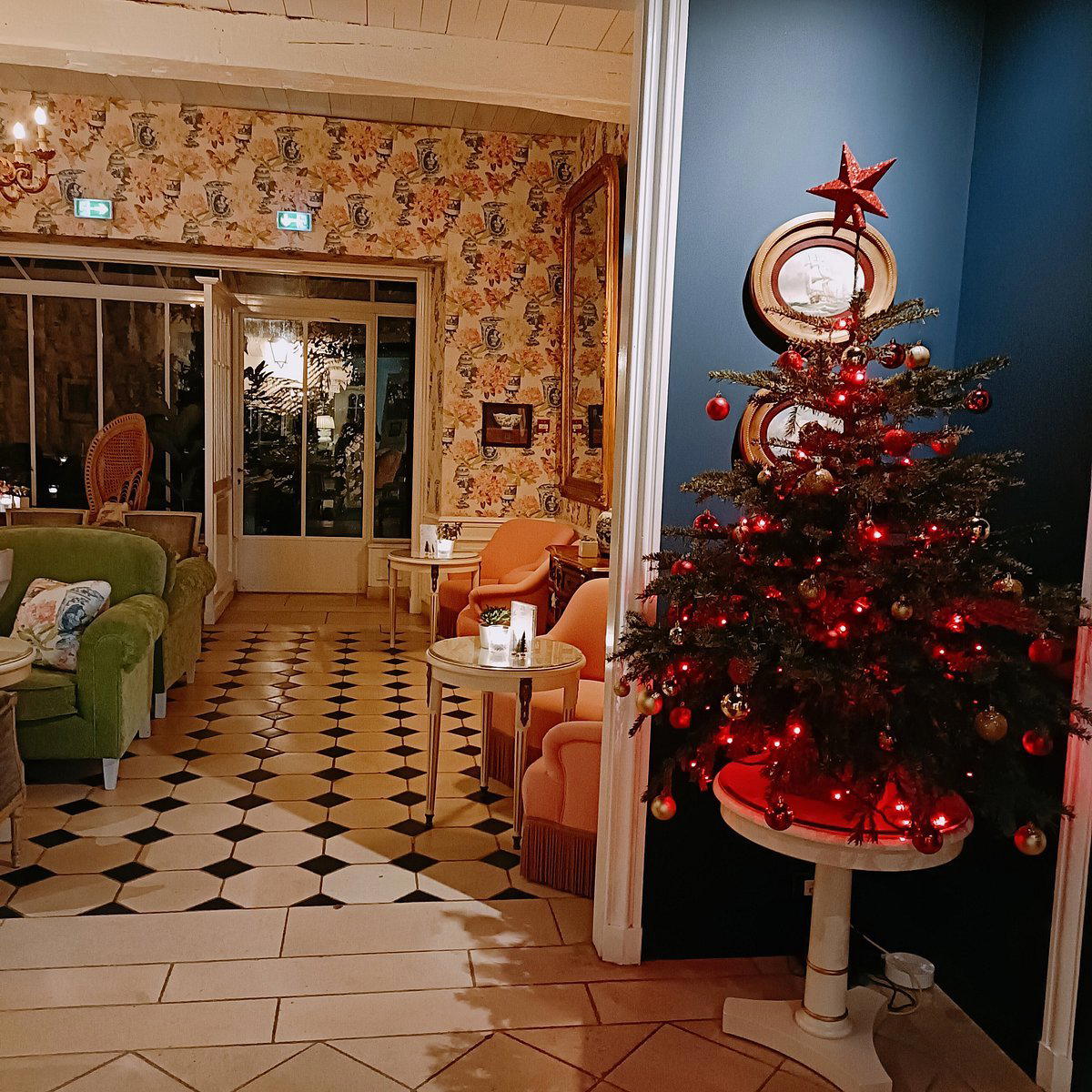

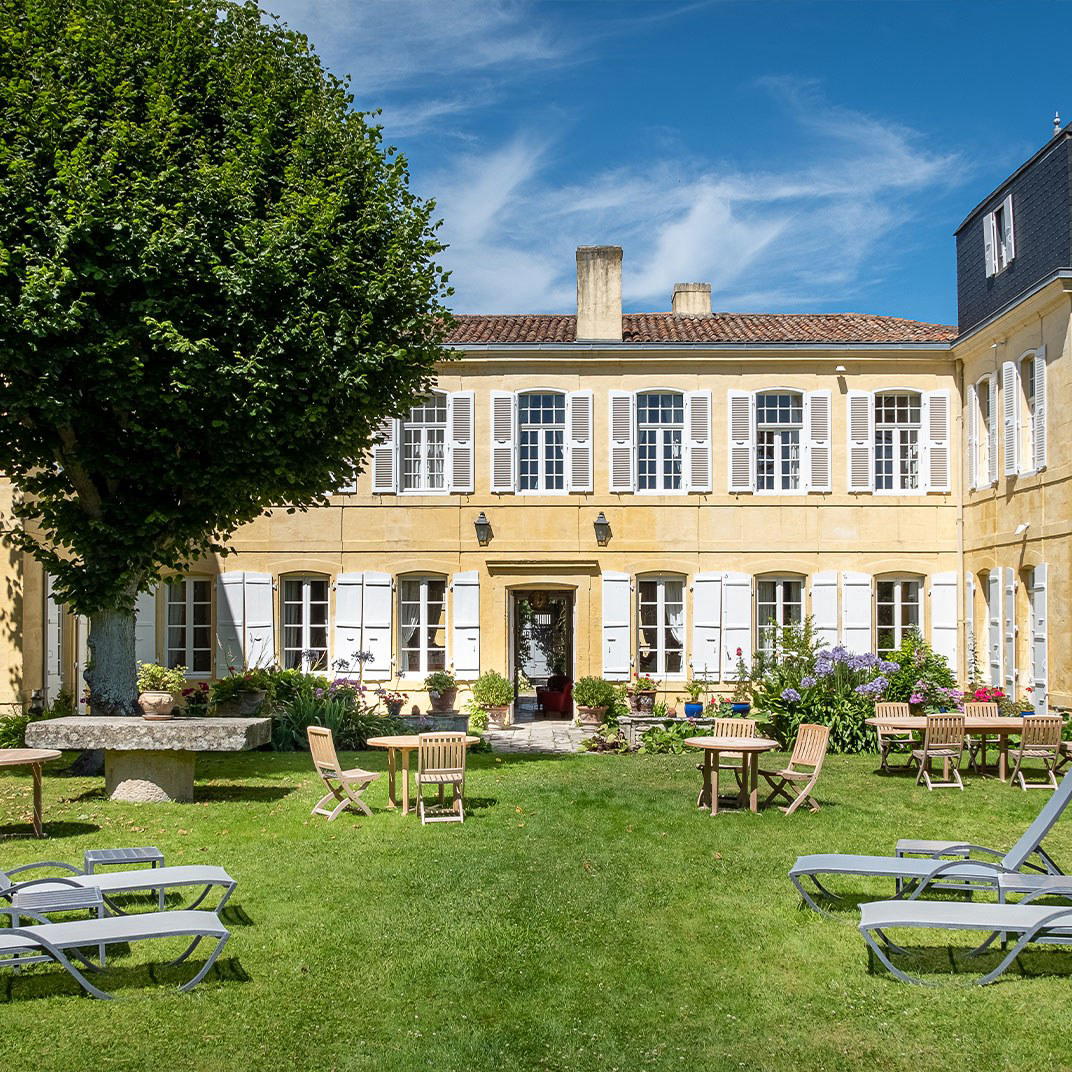
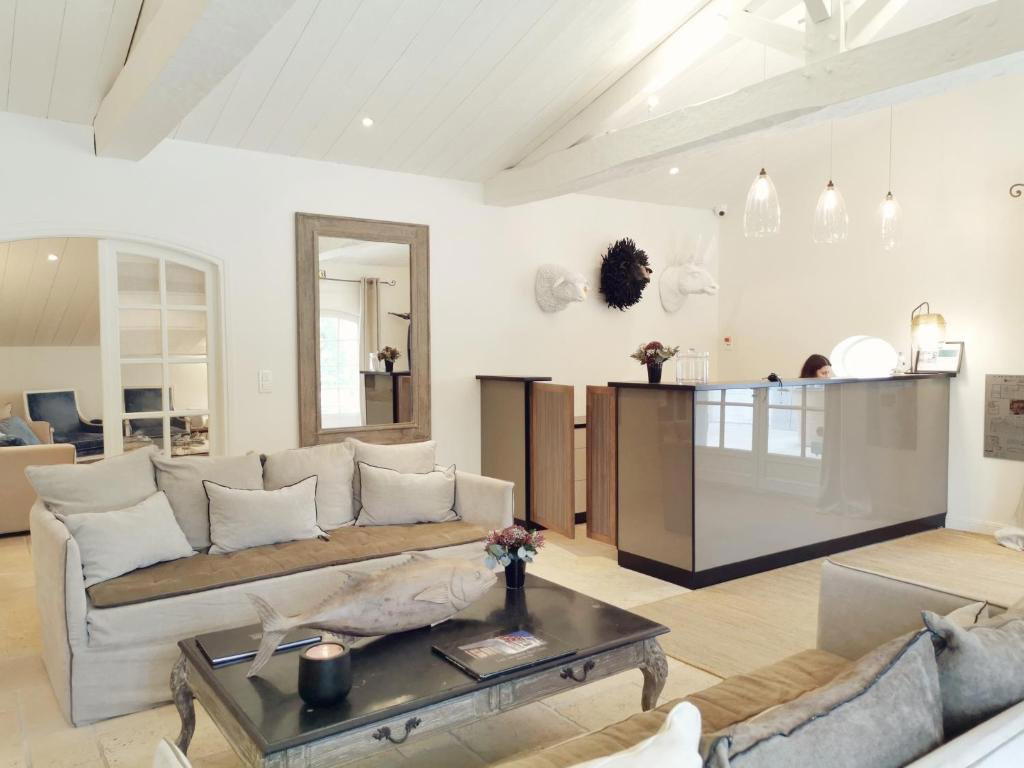
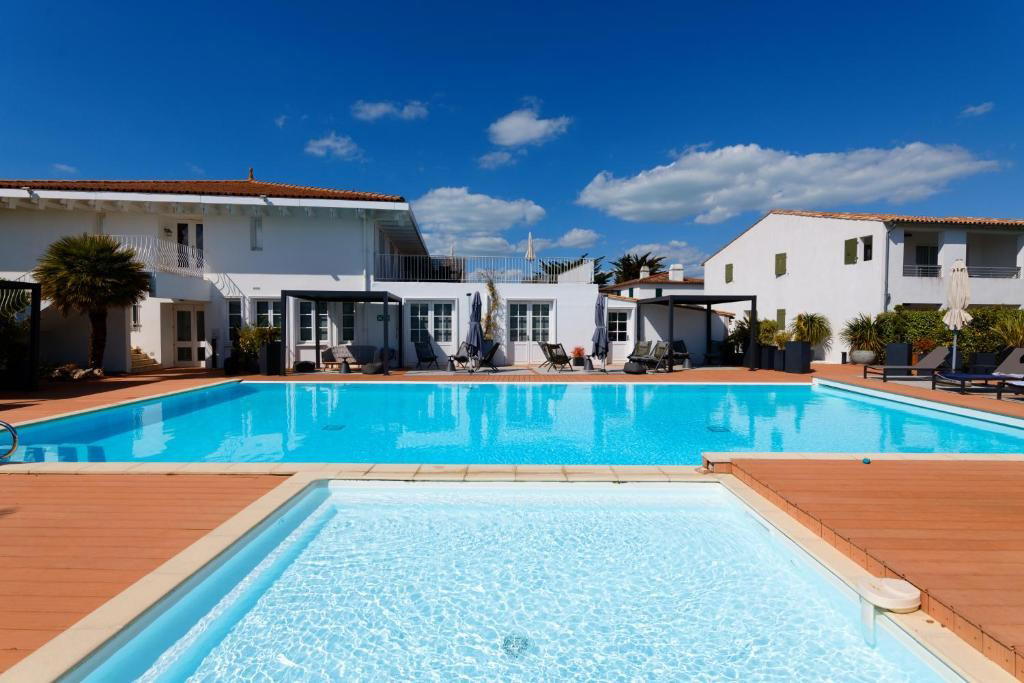
Hotels in Saint-Martin-de-Ré
Browse all →
Wineries in Saint-Martin-de-Ré
Browse all →
At a Glance
- Cozy
- Warm
- Classic
- Family
- Casual Hangout
- Special Occasion
- Terrace
- Local Sourcing
Warm decoration with a cozy, holiday-inspired atmosphere featuring attentive service.