




1 Michelin Star · Star Wine List · We're Smart World 4 Radishes
Our verdict
A nineteenth-century manor on the eastern bank of the Erdre river, Le Manoir de la Régate holds one Michelin star under chef Mathieu Pérou, whose cooking draws heavily from Loire region produce and a pronounced bias toward vegetables, herbs, and flowers. Front-of-house is led by his sister Anne-Charlotte, making this a family operation with clear professional discipline at both ends of the pass.

Pearl is the En Primeur Club membership app — saves, bookings, and concierge access live there. Same editors, same standards.
- Address
- 155 Rte de Gachet, 44300 Nantes, France
- Phone
- +33 2 40 18 02 97
- Hours
- Mon ClosedTue–Sat 12–1:30 PM, 7:30–9 PMSun Closed
- Website
- manoirdelaregate.com
- Directions
- Get directions
- Booking
- Book on Zenchef
The menu
What to order
- Carpe et son bouillon de queue de bœuf
- Sandre de Loire
- Volaille de La Ferme des Marais
The Erdre as Setting, Not Backdrop
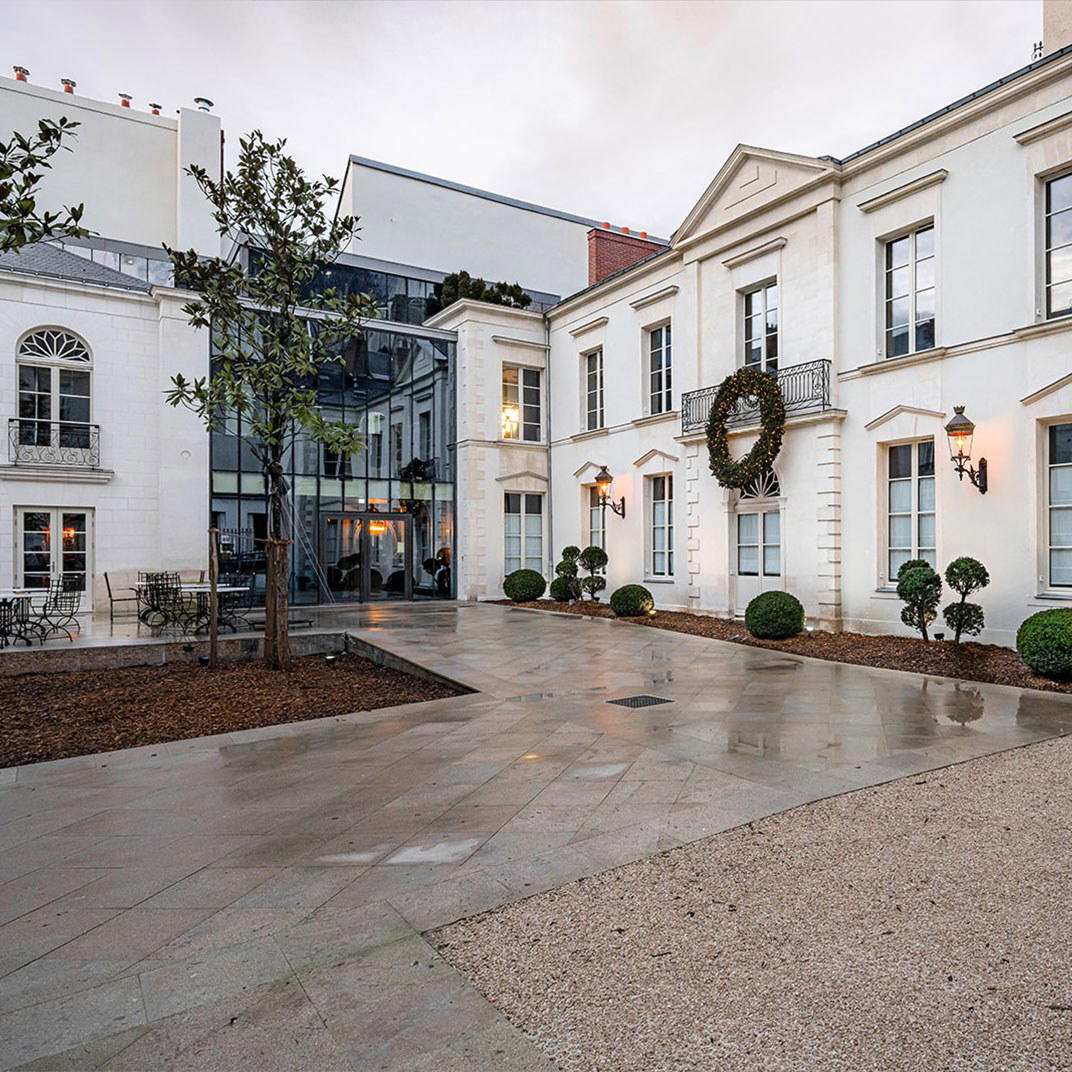
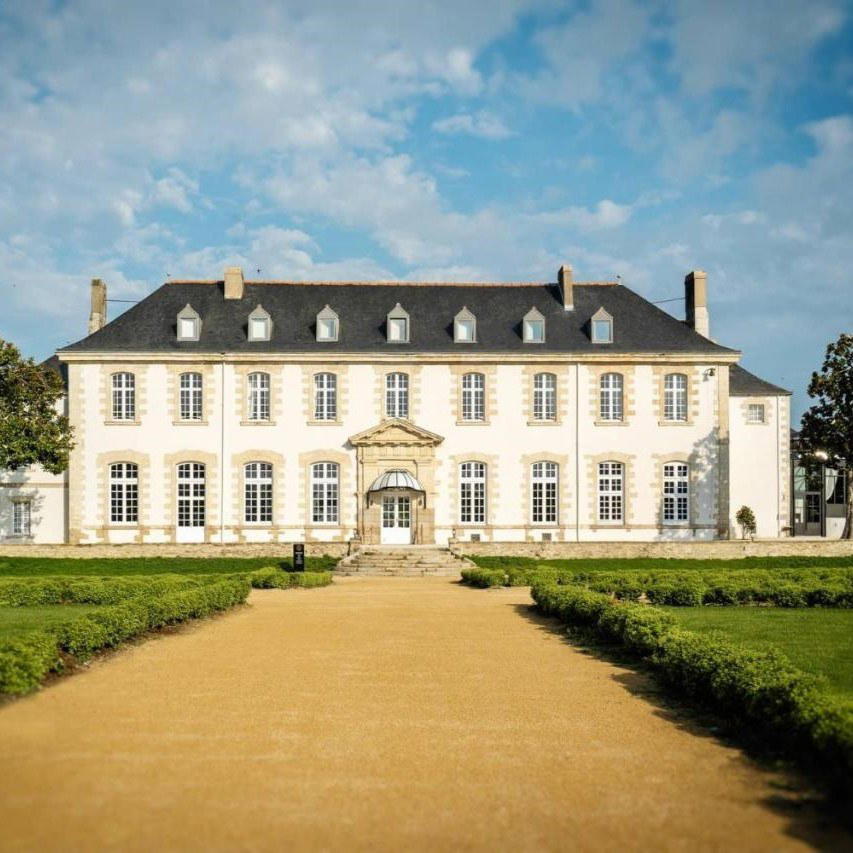
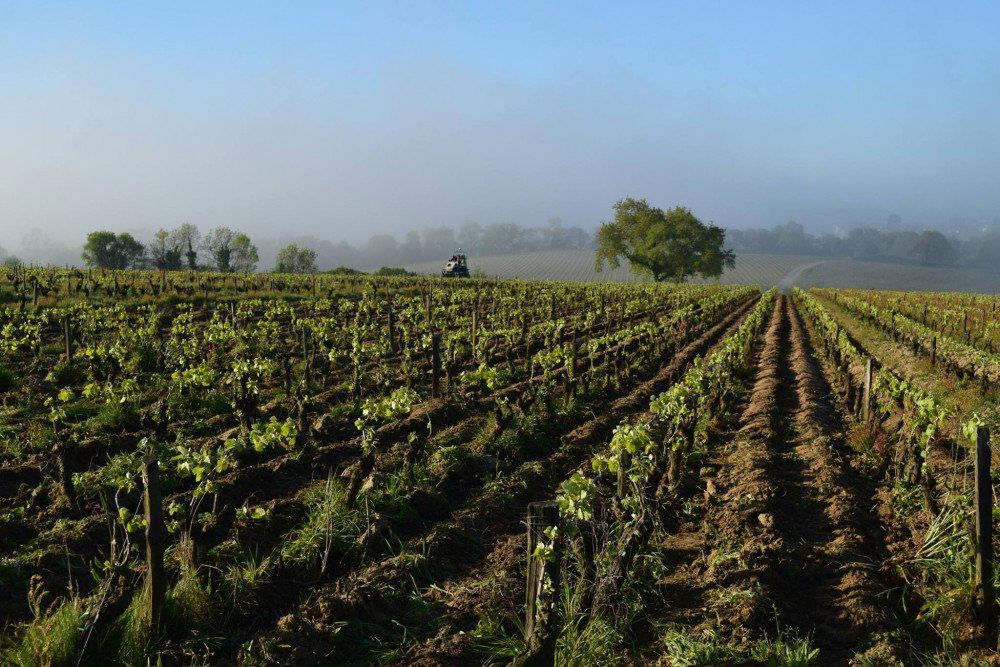
About ten kilometres north of Nantes city centre, the road along the Erdre eventually gives way to a preserved stretch of riverbank where the density of the city thins out and the architecture shifts to bourgeois residential. It is in this quieter register that Le Manoir de la Régate occupies a nineteenth-century house, its period exterior doing little to signal the precision of what happens inside. Arriving here, particularly in the warmer months when the river is visible through the trees, is one of the few instances in the Nantes dining scene where the approach to the building is part of the meal's frame. The restaurant sits in a category of French destination dining where geography is deliberate — comparable in that structural sense to how Bras in Laguiole or Flocons de Sel in Megève use landscape as active context rather than decoration. The scale is smaller here, and the ambition more concentrated, but the principle holds: you travel toward this restaurant rather than simply arriving at it.
A Kitchen Built Around Colour, Season, and Inheritance
The contemporary French restaurant has broadly fractured into two camps: those that pursue technical maximalism and those that return to produce-first restraint, letting the ingredient carry the argument. Le Manoir de la Régate, under Mathieu Pérou, belongs firmly to the second camp, though the execution is anything but passive. Pérou's cooking is rooted in the Loire region's agricultural depth, with vegetables, fresh herbs, and flowers taking a structural role in many dishes rather than serving as garnish. The plates are described by observers as resembling paintings, with colour used as compositional logic. Some preparations are entirely plant-based, though the kitchen does not operate as a vegetarian restaurant in any categorical sense; it is more accurate to say that botanical ingredients drive the menu's character regardless of what protein may or may not appear.
This approach connects Le Manoir de la Régate to a wider current in French gastronomy where plant-forward cooking has moved from an ethical statement into a technical discipline. Restaurants like Mirazur in Menton have pushed this furthest at the three-star level, but the sensibility is now present across the full range of starred restaurants in France. At the one-star tier in Nantes, it gives Le Manoir de la Régate a distinct flavour profile relative to peers operating at the same price point, including L'Atlantide 1874 - Maison Guého, which pursues modern French cooking with a different emphasis. These are not competing claims to the same diner; they are different positions within the city's Michelin-starred offer.
The generational dimension adds another layer. Mathieu Pérou continues work established by his father Loïc at the same address, which means the restaurant carries institutional memory alongside its current creative direction. This is not uncommon in French gastronomy — the Troisgros family in Ouches being the most cited example, but it does shape how the kitchen's identity has been formed. The question for a restaurant in this position is always whether the second generation interprets or simply continues. The available record on Pérou suggests active interpretation: his training across Michelin-starred properties elsewhere has introduced enough outside influence to distinguish his cooking from a direct continuation.
The Front-of-House as Co-Author
Among the editorial angles most useful for reading a restaurant accurately, the internal team dynamic often tells you more than the menu alone. At Le Manoir de la Régate, the dynamic is structural: Mathieu Pérou runs the kitchen and his sister Anne-Charlotte manages front-of-house, creating a family-led operation where both sides of the pass are held by people with deep institutional investment in the outcome. This is distinct from the more common model where a chef's partner or sibling takes a titular role while operational control rests with professional managers. Here, the front-of-house is described as highly professional, implying that the familial nature of the arrangement has not softened the service standard but possibly reinforced it.
In fine dining, the relationship between kitchen and dining room is frequently underestimated as a competitive variable. Restaurants where the front-of-house operates with genuine authority and independent expertise tend to deliver more consistent experiences than those where service is subordinate to the kitchen's prestige. The sibling structure at Le Manoir de la Régate creates conditions for that kind of parity. It also means that feedback, tone, and pace can travel between kitchen and dining room without the friction that characterises more hierarchical operations. Compared to the model at large destination restaurants such as Alléno Paris au Pavillon Ledoyen, where scale necessitates formal management layers, the Régate operation is lean in a way that tends to produce coherence rather than size.
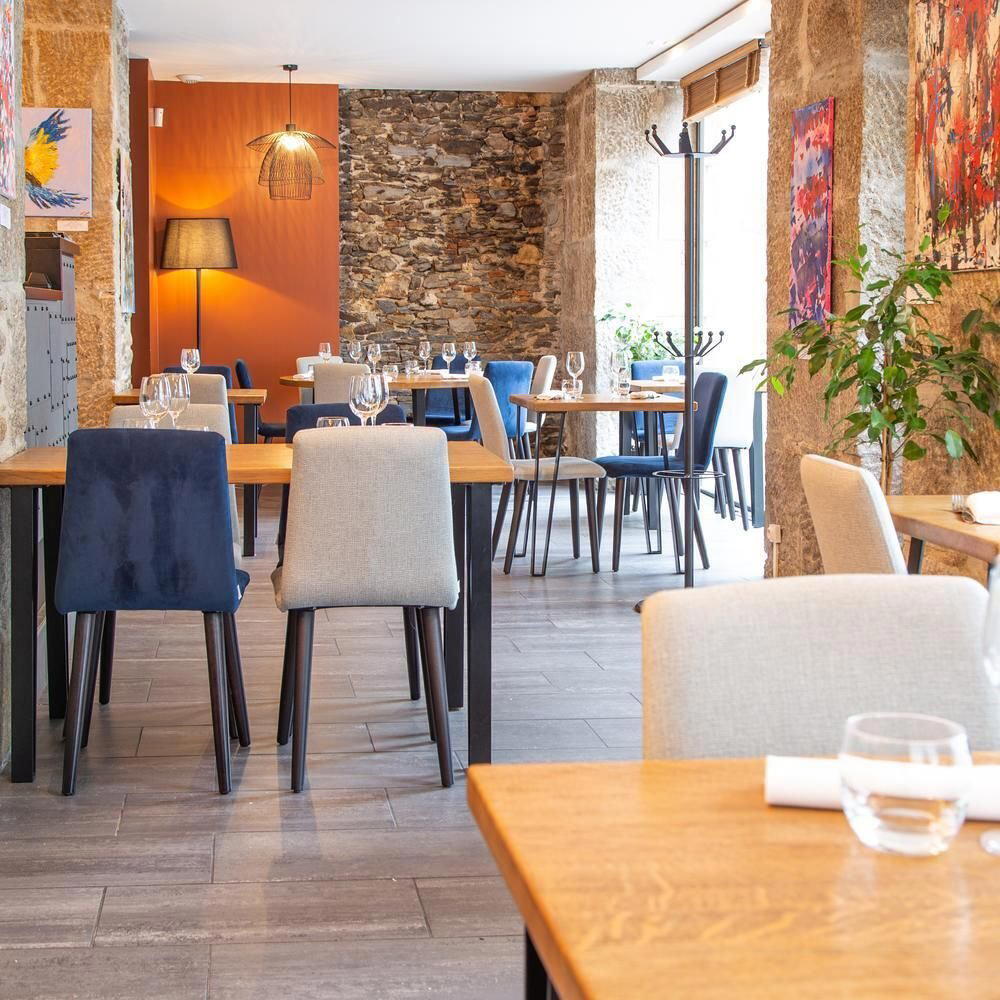
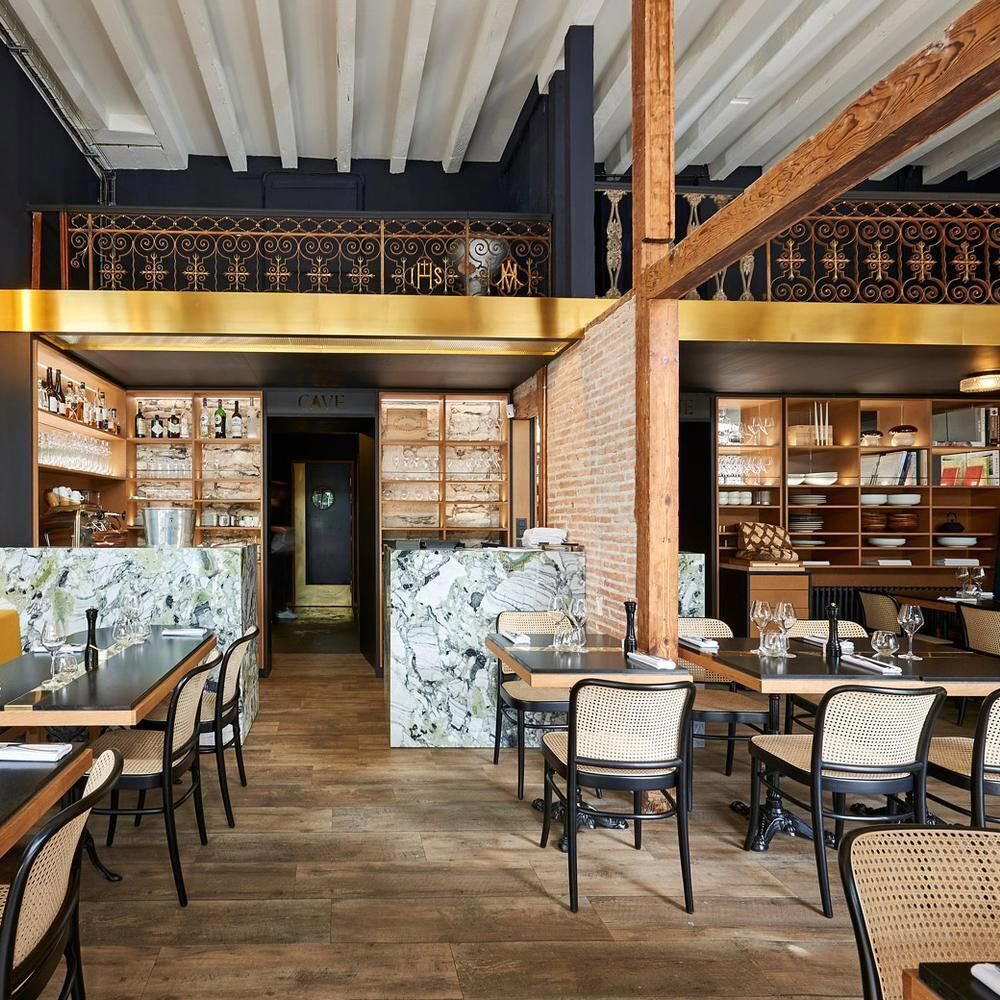
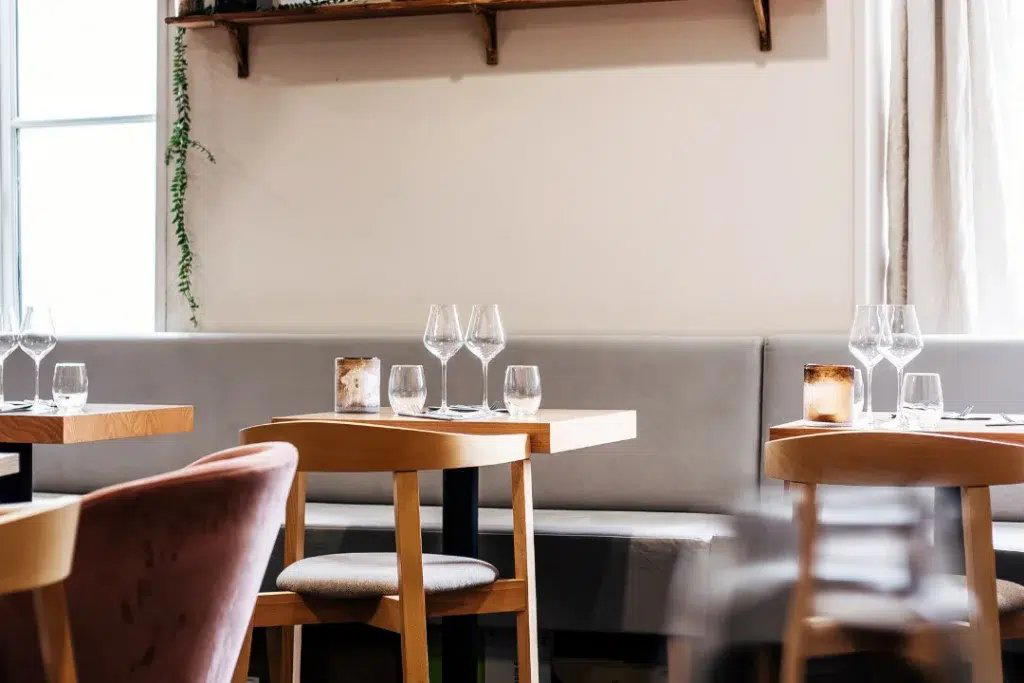
The chic and contemporary interior sits inside the period shell of the manor, which is itself an editorial statement: the restaurant is not trying to resolve the tension between the building's age and the cooking's modernity. Both coexist, and the decor signals that the clientele is expected to be comfortable with that kind of layering. In a city where the broader dining scene includes restaurants like Les Cadets, LuluRouget, and ICI operating at lower price points with different stylistic registers, Le Manoir de la Régate occupies the tier where setting, service parity, and kitchen ambition are expected to align.
Where It Sits in the Nantes Dining Scene
Nantes has been building its gastronomic identity steadily, and the city's Michelin-starred offer now covers enough ground to support meaningful comparison. At the €€€€ tier, the choice between Le Manoir de la Régate and L'Atlantide 1874 is not a question of quality hierarchy but of culinary emphasis and atmosphere. The Régate asks more of the diner in terms of effort to reach it; the reward is a setting and a cooking style that cannot be replicated in the city centre. For visitors coming specifically from outside Nantes to eat, the journey north along the Erdre is entirely consistent with the kind of destination-meal logic that drives bookings at comparable properties elsewhere in France.
The restaurant received its Michelin star in 2024, which places it in the current active cycle of recognition rather than at a historical remove. For EP Club's classification, it carries a Remarkable designation, which in the context of Nantes positions it as a property with clear peer ambitions. Readers interested in the broader dining offer across the city should consult our full Nantes restaurants guide, and those building a full trip around food, accommodation, and wine should also reference our Nantes hotels guide, our Nantes bars guide, our Nantes wineries guide, and our Nantes experiences guide. Globally minded readers who track modern cuisine at the one-to-two-star level across multiple cities might draw loose comparisons with tightly run family-influenced operations like Frantzén in Stockholm, though the stylistic register is entirely different.
Planning Your Visit
The restaurant is located at 155 Route de Gachet, 44300 Nantes, approximately ten kilometres north of the city centre on the eastern bank of the Erdre. Given the distance from central Nantes, the practical expectation is that most diners arrive by car or taxi; it is not a walk-in option from any of the city's main hotels. The €€€€ price positioning puts it in the same financial bracket as Bairoz, and advance booking is the correct assumption for any starred property in this category. Visiting midweek tends to allow for a quieter experience than weekends, when destination dining draws more volume. The seasonal orientation of Pérou's cooking means the menu shifts meaningfully across the year, making the timing of a visit a genuine editorial variable rather than a formality.
Frequently asked questions
What days is Le Manoir de la Régate closed?
Hours at Le Manoir de la Régate: Location.
Recognition Snapshot
| Venue | Cuisine | Price | Awards | Notes |
|---|---|---|---|---|
| Le Manoir de la RégateThis venue — the venue you are viewing | Modern French Creative Fine Dining | $100–150 | 1 Michelin Star · Star Wine List | Not listed |
| L'Atlantide 1874 - Maison Guého | Modern French Gastronomique | $100–150 | 1 Michelin Star · Gault & Millau Remarkable Restaurant | Modern Cuisine |
| Freia | Creative Plant-Based French Fine Dining | $100–150 | 1 Michelin Star · Star Wine List | Creative |
| La Mandale | Modern French-Asian Fusion Bistro | $30–50 | Michelin Bib Gourmand | Not listed |
| Meraki | Modern French Bistro | $30–50 | Michelin Bib Gourmand | Not listed |
| Song, Saveurs & Sens | Southeast Asian Fusion with Vietnamese Influences | $30–50 | Michelin Plate | Not listed |
Recognition history
Dated appearances from independent guides and award organizations, with the underlying list record or original source where available.
Michelin 1 Star
Michelin
Star Wine List
Star Wine List
Gault & Millau Remarkable Restaurant
Gault & Millau
The Best Chef One Knife
The Best Chef
We're Smart World 4 Radishes
We're Smart World
Full recognition history (7 entries)
Michelin 1 Star
Michelin
Michelin 1 Star
Michelin
Continue exploring
More in Nantes
Restaurants in Nantes
Browse all →
Bars in Nantes
Browse all →

Hotels in Nantes
Browse all →

Details
- Elegant
- Sophisticated
- Intimate
- Date Night
- Special Occasion
- Celebration
- Waterfront
- Historic Building
- Extensive Wine List
- Sommelier Led
- Farm To Table
- Local Sourcing
- Waterfront
- Tasting Menu
- Prix Fixe
- Wine
Current opening hours
- Monday
- Closed
- Tuesday
- 12–1:30 PM, 7:30–9 PM
- Wednesday
- 12–1:30 PM, 7:30–9 PM
- Thursday
- 12–1:30 PM, 7:30–9 PM
- Friday
- 12–1:30 PM, 7:30–9 PM
- Saturday
- 12–1:30 PM, 7:30–9 PM
- Sunday
- Closed
Hours can change for holidays and private events. Last verified .
Chic and trendy decor in a beautiful residence with warm oak tables, spacious seating, and a peaceful yet lively atmosphere.