
Falstaff Winery - Listed
Château du Cléray-Sauvion is a château tasting address in Vallet focused on Muscadet Sèvre et Maine and the Melon de Bourgogne grape. The draw is the link between place and glass: siliceous clay soils, Atlantic influence, sur lie tradition, historic caves, and a tasting format that suits visitors who want Loire wine education rather than spectacle.

Pearl is the En Primeur Club membership app — saves, bookings, and concierge access live there. Same editors, same standards.
- Address
- Vallet, Bourgogne-Franche-Comté, Frankreich
- Directions
- Get directions
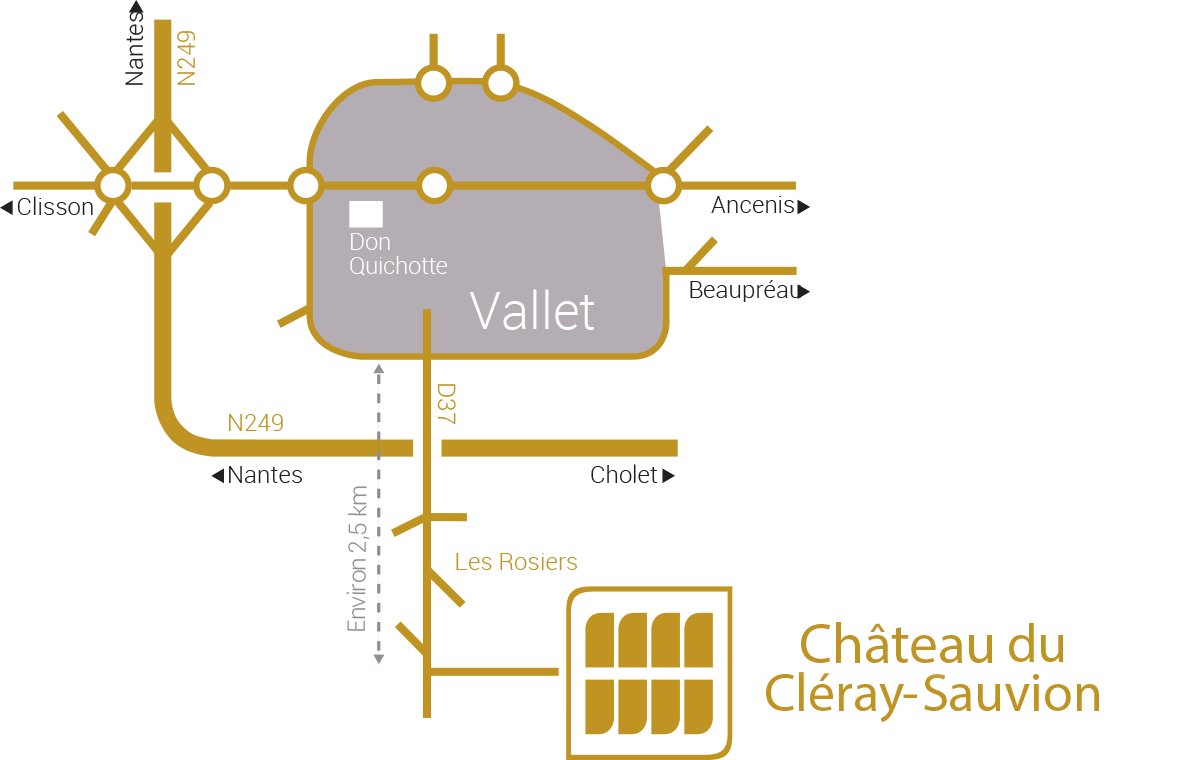
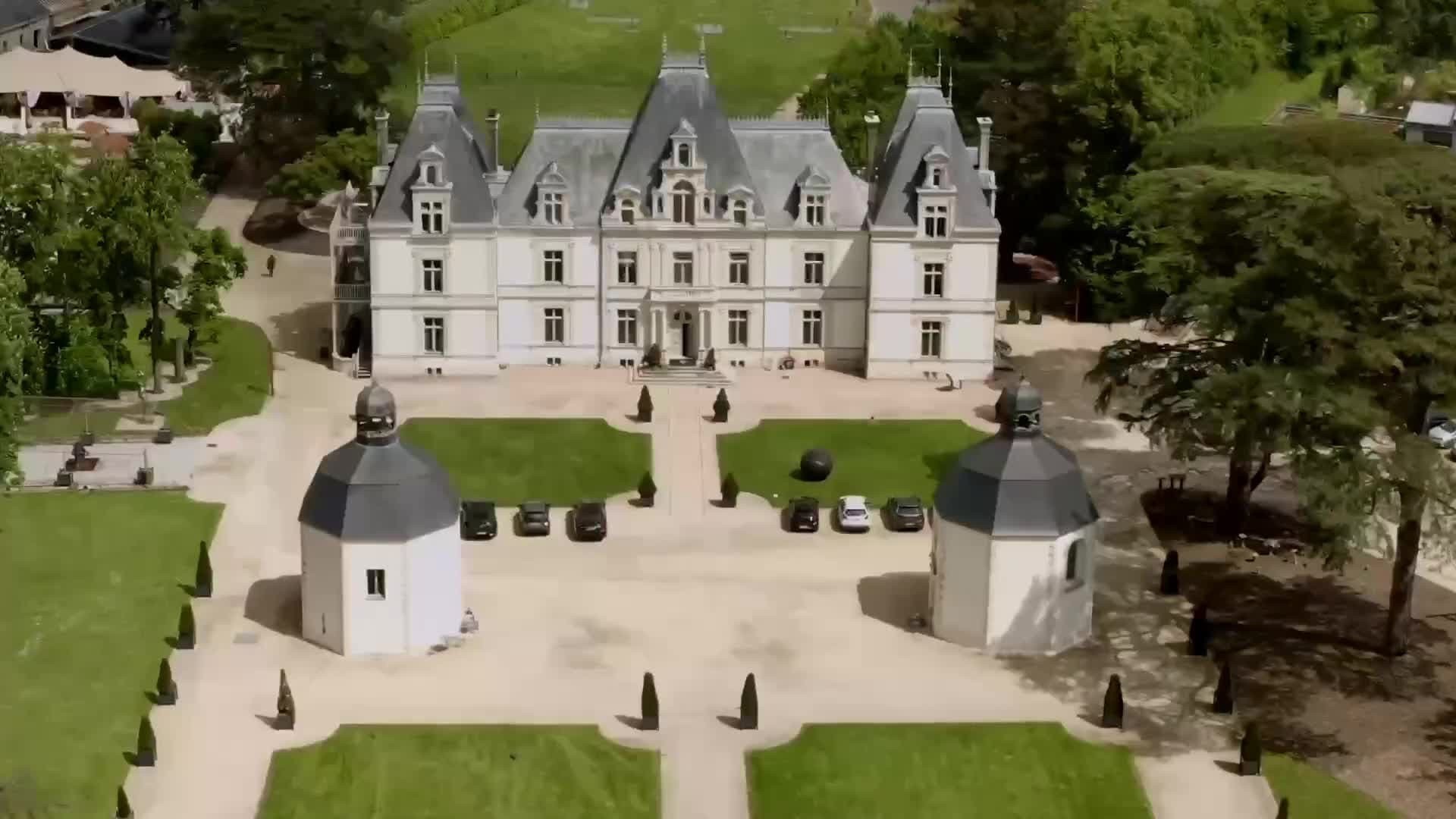
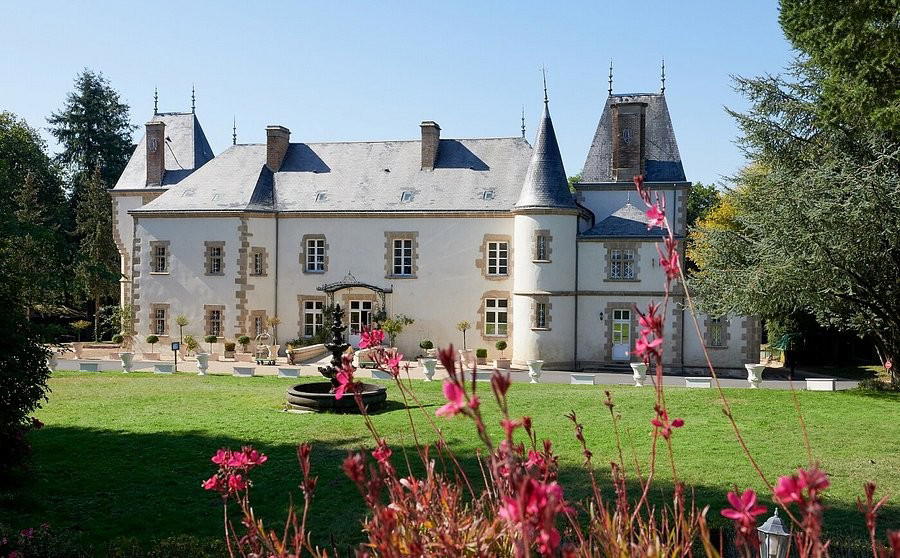
Approaching a château estate in Muscadet country changes the pace of a tasting before the first glass is poured. The Loire’s western vineyards are not built around grand red-wine theatre; they are shaped by pale, saline whites, Atlantic weather, cellar craft, and a grape, Melon de Bourgogne, that rewards attention more than volume. In Vallet, Château du Cléray-Sauvion places that tradition inside a historic estate setting, where cave visits, vineyard context, and a quiet tasting-room rhythm frame the wines as products of soil and climate rather than lifestyle decoration.
The useful way to read this address is through terroir. Muscadet Sèvre et Maine is often misunderstood as simple seafood wine, but the stronger examples depend on texture, lees ageing, and the tension between fruit and mineral line. Here, the estate works within AOP Muscadet Sèvre et Maine and also produces Loire IGP wines from varieties including Sauvignon Blanc, Chardonnay, Folle Blanche, and Melon de Bourgogne. That range gives first-time visitors a clear map of the region’s hierarchy: Muscadet as the anchor, other Loire whites as context.
Melon de Bourgogne, Atlantic air, and the discipline of sur lie
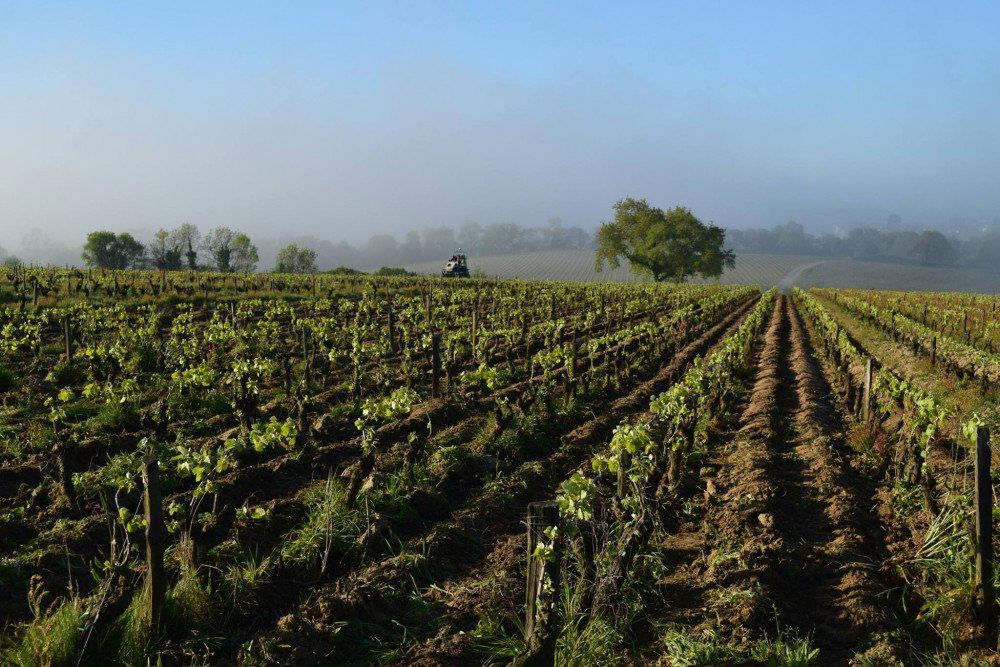
Muscadet’s identity comes from restraint. The Atlantic influence brings freshness; the Sèvre et Maine appellation gives the wines their regional spine; sur lie ageing adds texture without turning the style heavy. Château du Cléray-Sauvion is useful for understanding that balance because the tasting format points back to production rather than treating the cellar as scenery. The estate’s vineyard holdings are substantial, with 95 hectares in total and around 40 hectares under vine, a scale that places it beyond a tiny artisan address while keeping the château visit grounded in estate agriculture.
The production focus is still-white wine, and the strongest educational thread is how Melon de Bourgogne behaves when handled for clarity, acidity, and lees contact. Visitors who usually associate Loire whites with Sauvignon Blanc get a different lesson here: Muscadet is less about overt aromatics and more about line, texture, and the appetising snap that comes from western Loire conditions. Pierre-Jean Sauvion, named as winemaker, gives the estate a clear family and technical reference point, but the more interesting story is the regional one: Nantais wine culture has long depended on a grape that does not need theatrical winemaking to make its case.
A château tasting format with cellar context, not performance
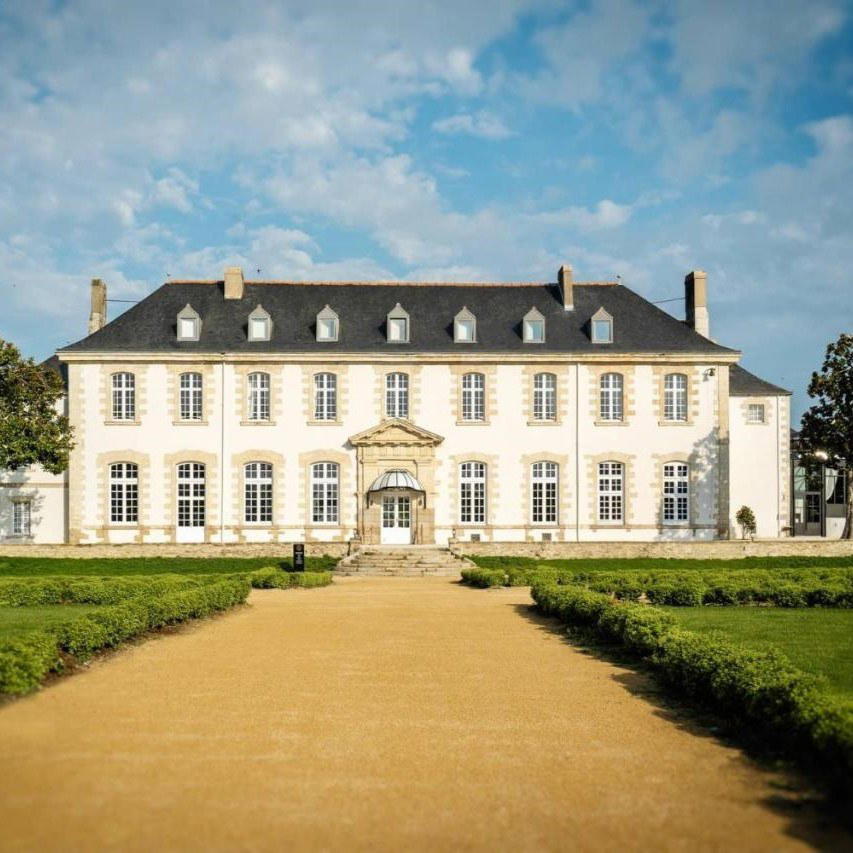
The hospitality format is built around guided tasting and self-guided visit options, with cave tasting, vineyard tour elements, estate grounds, and the historic building forming the main experience. The château dates to 1843, and that matters less as romance than as context: Muscadet’s visitor culture is often quieter than Burgundy or Champagne, so a historic estate gives structure to a category that can otherwise be underestimated by travellers moving too quickly through the Loire.
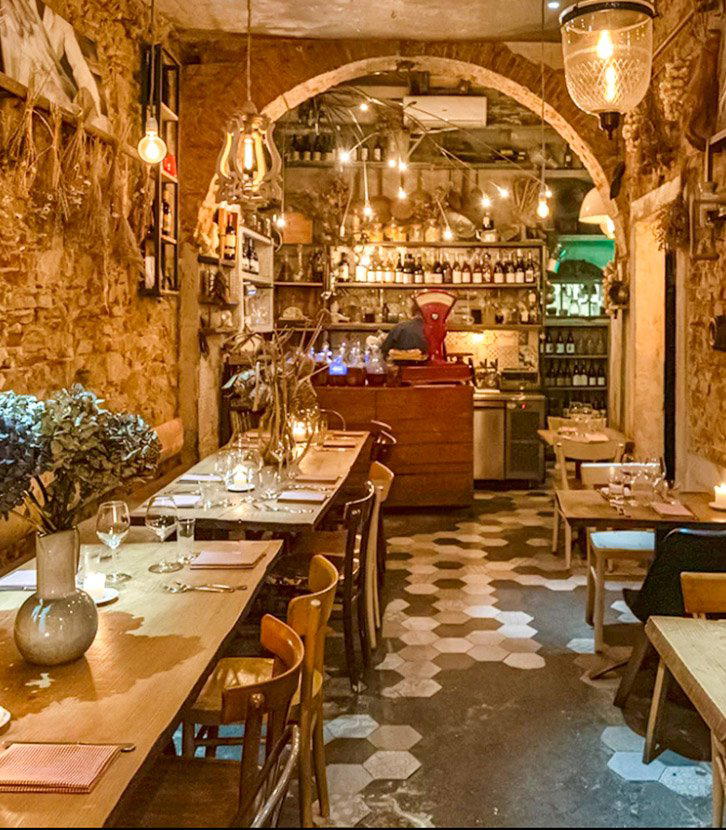
Atmosphere is refined, classic, quiet, and scenic, with vineyard views and a tasting-room setting suited to wine education, small groups, solo exploration, and special occasions. The experience is by reservation, and the visit type makes sense for travellers who want a measured introduction rather than a drop-in bar mood. Tour duration is listed at 60 to 90 minutes, enough time to connect the caves, the appellation, and the glass without turning the stop into a full-day commitment.
Food pairing is available, which fits Muscadet’s natural role at the table. The point is not to chase richness; it is to see how acidity, lees-derived texture, and a clean white-wine frame work with local flavours. For a region whose reputation is tied so closely to seafood and aperitif drinking, that pairing context can be more instructive than a longer flight of unrelated bottles.
Where it fits in a Vallet wine itinerary
Vallet is the right base note for this kind of visit: not a city dining circuit, not a luxury resort corridor, but a wine town where the regional grammar is easier to read at cellar level. Château du Cléray-Sauvion suits travellers building a Loire itinerary around appellation learning, especially those who want to understand why Muscadet Sèvre et Maine has a different register from the Loire’s better-known Sauvignon Blanc zones. It is also a practical stop for visitors who prefer a structured estate experience over a casual tasting counter.
The estate is not the address for children-focused programming or a loud group tasting. It is better read as a calm, appointment-led stop with accessible facilities, card and contactless payment options, shipping availability, and French-language touring. That combination makes it particularly useful for travellers who already care about wine but do not need a luxury performance around it.
For wider planning in the area, start with Our full Vallet wineries guide, then build the rest of the trip through Our full Vallet restaurants guide, Our full Vallet hotels guide, Our full Vallet bars guide, and Our full Vallet experiences guide. Nearby wine reading can also include La Cheteau, while broader French and European cellar context sits in A. Margaine in Villers-Marmery, Abbaye de Fontfroide in Narbonne, Abbotts & Delaunay in Marseillette, Advini in Saint Felix De Lodez, Agrapart & Fils in Avize, Alain Brumont in Castelnau Riviere Basse, Alain Gras in Saint-Romain, »der Steiner« Hans Steiner in Podersdorf am See, and & Handwein in Mannheim.
Recognition history
Dated appearances from independent guides and award organizations, with the underlying list record or original source where available.
Falstaff Winery - Listed
Falstaff
Continue exploring
More in Vallet
Wineries in Vallet
Browse all →
Bars in Vallet
Browse all →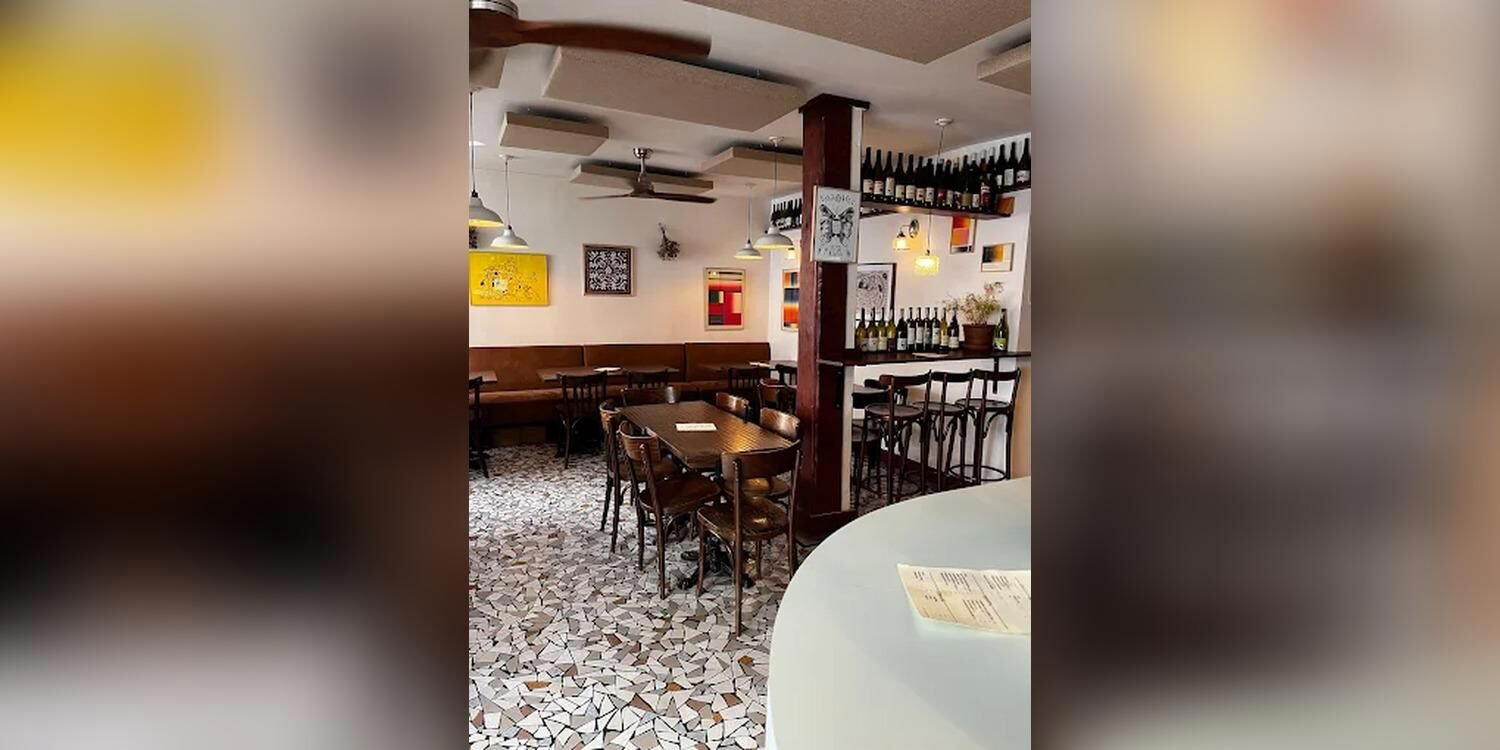
Restaurants in Vallet
Browse all →
Details
- Elegant
- Classic
- Scenic
- Quiet
- Wine Education
- Special Occasion
- Group Outing
- Solo Exploration
- Cave Tasting
- Vineyard Tour
- Historic Building
- Estate Grounds
- Vineyard
- Melon De Bourgogne
- Folle Blanche
- Chardonnay
- Sauvignon Blanc
- Still White
- Guided Tasting
- Self Guided Visit
- French
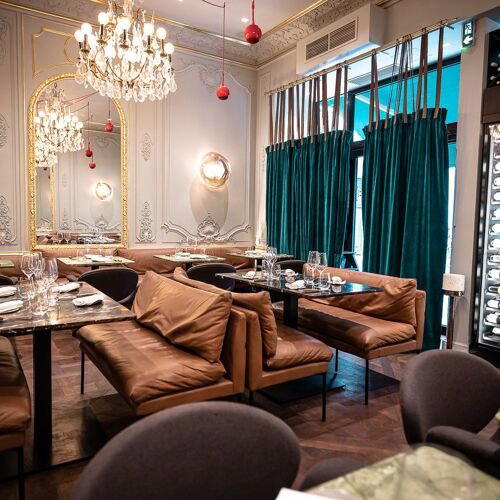
Refined and elegant, with a historic château setting and a welcoming tasting-room atmosphere.