Our verdict
La table du chef Corvez sits along a rural lane in Haimps, deep in the Charente-Maritime, where the table-du-chef format places the kitchen's sourcing decisions at the centre of the meal. The address is deliberately unhurried, positioned well outside the Atlantic coast restaurant circuit anchored by La Rochelle. For those willing to seek it out, the experience turns on produce, place, and proximity rather than urban prestige.

Pearl is the En Primeur Club membership app — saves, bookings, and concierge access live there. Same editors, same standards.
- Address
- 22 Route de Coucoussac, La Pinelle, 17160 Haimps, France
- Phone
- +33977711869
- Hours
- Mon–Tue ClosedWed 7–9 PMThu–Sat 12–1:30 PM, 7–9 PMSun 12–1:30 PM
- Website
- latableduchefcorvez.com
- Directions
- Get directions
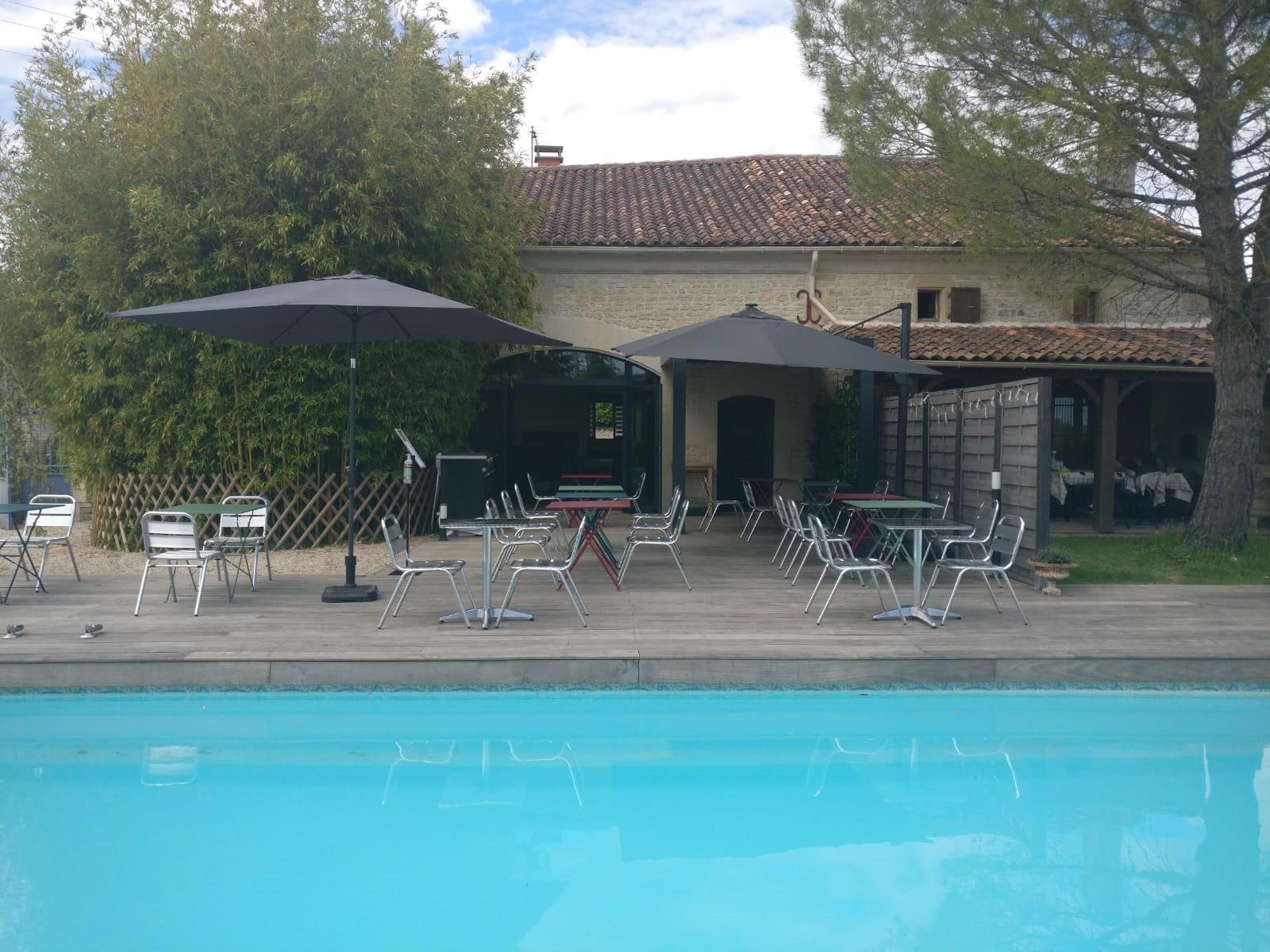
A Table in the Charente-Maritime Interior
Haimps sits roughly midway between Saintes and Saint-Jean-d'Angély, in a stretch of Charente-Maritime that most visitors drive through rather than stop in. The landscape here is agricultural in the plainest sense: cereal fields, sunflower rotations, hedgerow-bordered lanes, and occasional clusters of limestone farm buildings that predate any modern conception of rural tourism. Route de Coucoussac is exactly that kind of lane. Arriving at La table du chef Corvez, you are not arriving at a destination that has been packaged for easy consumption. You are arriving at something that requires intention.
That context matters when thinking about what a table-du-chef format means in this part of southwestern France. The format, which places the chef's own sourcing logic and seasonal decisions at the front of the experience, has a particular resonance in agricultural departments like Charente-Maritime, where the distance between field and plate can be genuinely short rather than merely claimed. The restaurants that have built reputations in similar rural French addresses, places like Bras in Laguiole or Auberge du Vieux Puits in Fontjoncouse, have made proximity to agricultural terroir a structural argument, not a marketing footnote. La table du chef Corvez operates within that same tradition, even if at a different scale and with a different level of external recognition.
The Sourcing Argument in Rural Charente-Maritime
The Charente-Maritime department produces a disproportionate variety of quality ingredients relative to its profile in French gastronomy. Cognac and Pineau des Charentes define its drink identity internationally, but the agricultural breadth goes considerably further. Oysters from the Marennes-Oléron basin, raised in some of France's most carefully managed claire ponds, set a reference point for Atlantic bivalves that chefs from Paris to New York cite as a benchmark. The coastal marshes and estuaries around the Seudre and the Gironde produce eels, grey mullet, and pibale in season. Inland, Charolais and Limousin cattle graze in patterns that have barely changed in centuries. Sunflower and cereal farming dominates the middle of the department, but market gardens and small-scale producers persist in the river valleys near the Charente and the Boutonne.
For a chef working in Haimps, this supply chain is local in a way that cannot be replicated in an urban kitchen sourcing from the same region at a distance. The table-du-chef model, at its most rigorous, means that the menu follows what is available rather than what is consistent, and that the chef's relationships with growers, fishers, and livestock producers become the architecture of the experience. This is the opposite of the menu-engineering approach that characterises the grand Parisian tables like Alléno Paris au Pavillon Ledoyen, where sourcing is one element within a much larger creative system. In the Charente-Maritime interior, sourcing is the system.
Placing Haimps Within the Atlantic Coast Dining Circuit
The most credentialled cooking in Charente-Maritime currently sits on or near the coast. Christopher Coutanceau in La Rochelle has built an internationally recognised programme around Atlantic seafood and sustainable sourcing, holding Michelin recognition that puts it in the same conversation as coastal benchmark addresses further up the French Atlantic seaboard, including La Marine in Noirmoutier-en-l'île. These are the reference points that define what serious cooking looks like in this part of France for visitors arriving with a research-led itinerary.
Haimps is not in that circuit. It is inland, small, and without the external validation that drives reservation demand at the coastal addresses. What this means in practice is that the table in Haimps operates under different conditions: fewer covers pressured by tourist season, more dependence on regional clientele who return by choice, and a format shaped by the rhythms of the agricultural year rather than the expectations of destination diners. For the reader comparing this address to the broader map of serious French rural cooking, think less in terms of the three-Michelin-star country houses like Flocons de Sel in Megève or Mirazur in Menton, and more in terms of the quieter, producer-anchored tables that France's agricultural departments have always supported without ceremony.
Getting There and Planning a Visit
Haimps is accessible by road from Saintes, approximately 20 kilometres to the southwest, and from Saint-Jean-d'Angély, roughly 15 kilometres to the north. Neither town has a TGV connection, making the most practical rail approach via Angoulême or Niort, both served by lines from Paris Montparnasse, with onward travel by car. The address at 22 Route de Coucoussac, La Pinelle, sits outside the village centre itself, which means navigation by GPS is the reliable approach rather than signage. Visitors combining this address with the broader region should note that the Cognac houses, the Marennes-Oléron oyster beds, and the Romanesque churches of the Saintonge all fall within a reasonable driving radius, making a two to three night stay in the area a sensible frame for a visit rather than a single-purpose trip.
Given the absence of published booking details in widely circulated databases, direct contact is the only confirmed path to a reservation. The table-du-chef format in rural France frequently operates on limited sittings, and arriving without a booking at an address of this type is rarely a viable strategy. Planning ahead by several weeks is prudent, particularly from late spring through early autumn when the regional agricultural calendar and tourist season overlap.
What This Address Represents
France's deepest culinary tradition has never been exclusively urban. The auberge, the table d'hôte, the chef working a small number of covers in an agricultural département with produce drawn from within a few kilometres: this is an older model than the palace restaurants of Paris or the destination temples that anchor lists like the World's 50 Best. Addresses like Georges Blanc in Vonnas, Auberge de l'Ill in Illhaeusern, or the foundational work documented at Paul Bocuse in Collonges-au-Mont-d'Or emerged from exactly this kind of regional rootedness before external recognition transformed them into something else.
La table du chef Corvez sits at an earlier point in that arc, or perhaps at a point where the arc is not the ambition at all. The Charente-Maritime interior does not generate the press attention of the Rhône Valley, the Basque Country, or the Loire, which is precisely what keeps addresses like this operating at a scale that serves the food rather than the reputation. For readers whose reference points are the technically demanding multi-course formats of AM par Alexandre Mazzia in Marseille or the classical rigour of Assiette Champenoise in Reims, this is a different category of experience entirely. It is not lesser, but it is asking a different question: what does cooking look like when the primary relationship is with the land rather than with a critical consensus? See our full Haimps restaurants guide for further context on what this part of Charente-Maritime offers.
Frequently asked questions
Is La table du chef Corvez suitable for children?
The venue is a chef's table format at 22 Route de Coucoussac in Haimps, which typically means a quieter, more deliberate dining pace. Families visiting the Charente-Maritime interior should consider the setting: rural, small-scale, and focused on the cooking rather than a broad hospitality offer. Contacting the venue directly before booking with children is advisable.
What should I expect atmosphere-wise at La table du chef Corvez?
The address — La Pinelle, a hamlet outside Haimps — signals the register immediately: this is not a town-centre restaurant with foot traffic and background noise. Chef's table operations in France's rural interior tend to run a limited number of covers, which keeps the room quiet and the service close. Expect the intimacy of a private house more than a formal dining room.
How far is La table du chef Corvez from Saintes, and is it worth the drive from the coast?
Haimps sits approximately 20 kilometres from Saintes and around 15 kilometres from Saint-Jean-d'Angély, making it a straightforward detour from either town. The most credentialled restaurants in Charente-Maritime currently cluster on or near the Atlantic coast, so La table du chef Corvez represents a different proposition: chef-driven cooking in the quiet interior rather than the coastal circuit. For visitors already in the region, the proximity to Saintes makes the trip logistically simple.
What dish is La table du chef Corvez famous for?
Charente-Maritime's larder — Marennes-Oléron oysters, Charentais butter, Cognac-adjacent produce — shapes the cooking of most serious tables in the department, and that regional context is likely relevant here. For specifics, the venue itself is the right source.
A Quick Peer Check
Comparable venues nearby, for context on price, style, and recognition.
| Venue | Cuisine | Price | Awards | Notes |
|---|---|---|---|---|
| La table du chef CorvezThis venue — the venue you are viewing | French Regional Gastronomic | $30–50 | Not listed | Not listed |
| Saturne | Modern French with Nordic Influences | Not listed | Not listed | 2nd Arrondissement |
| Bienheureux | Modern French Creative | Not listed | Michelin Plate | Wasquehal |
| Les Pins | French-Thai Fusion Bistro | $30–50 | Not listed | Soulac-sur-Mer |
| Momento | Modern French-Mexican Fusion | $50–100 | Star Wine List | Bué |
| La Cabane du Fier | French Seafood Bistro | $30–50 | Not listed | Ars-en-Re |
Continue exploring
More in Haimps
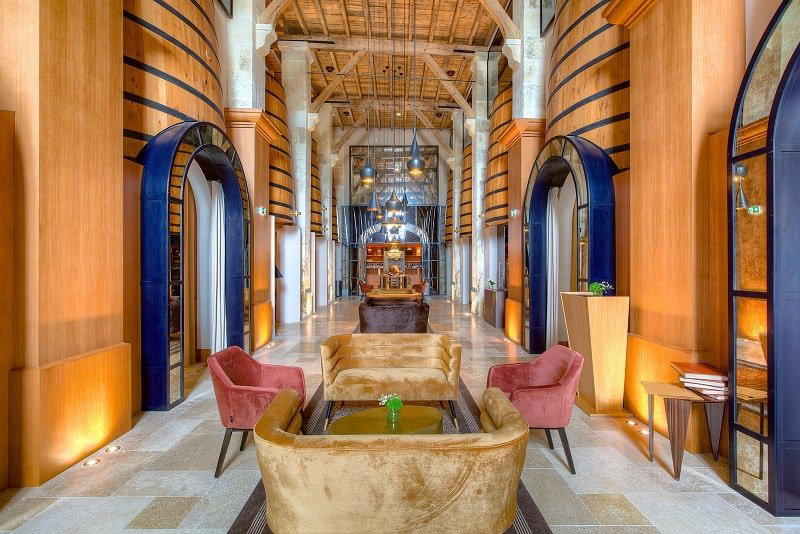
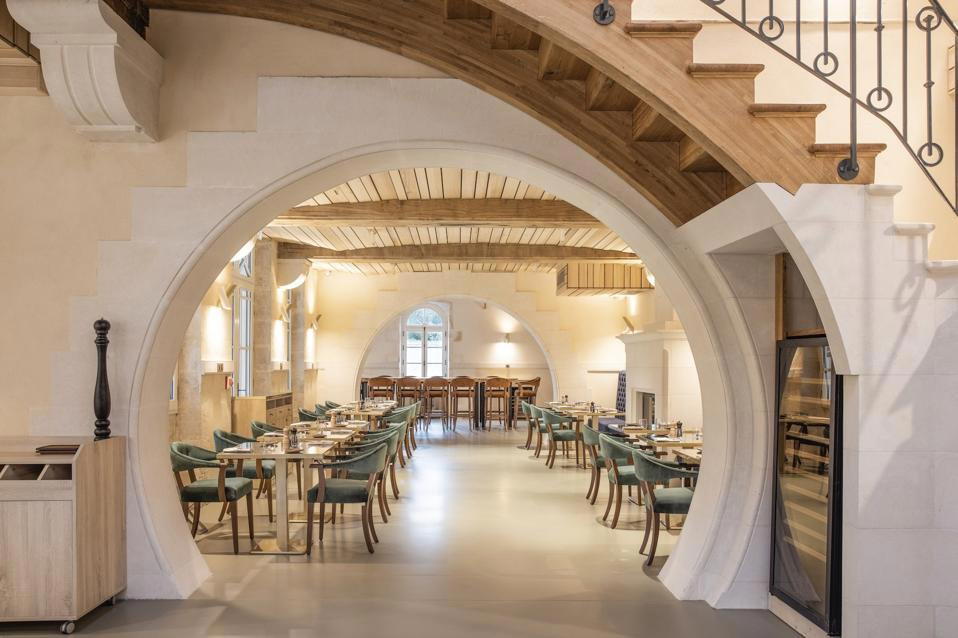
Restaurants in Haimps
Browse all →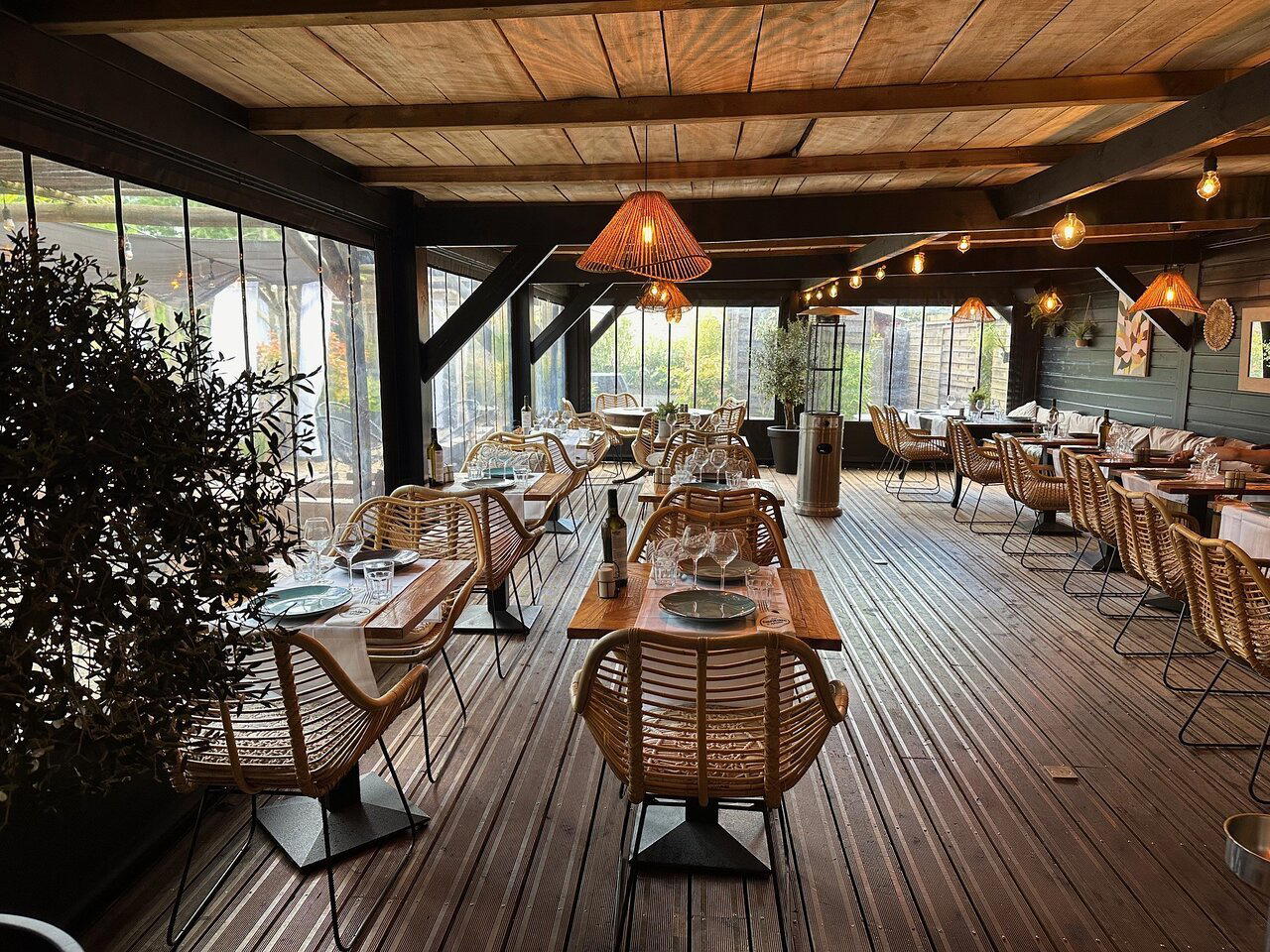
Bars in Haimps
Browse all →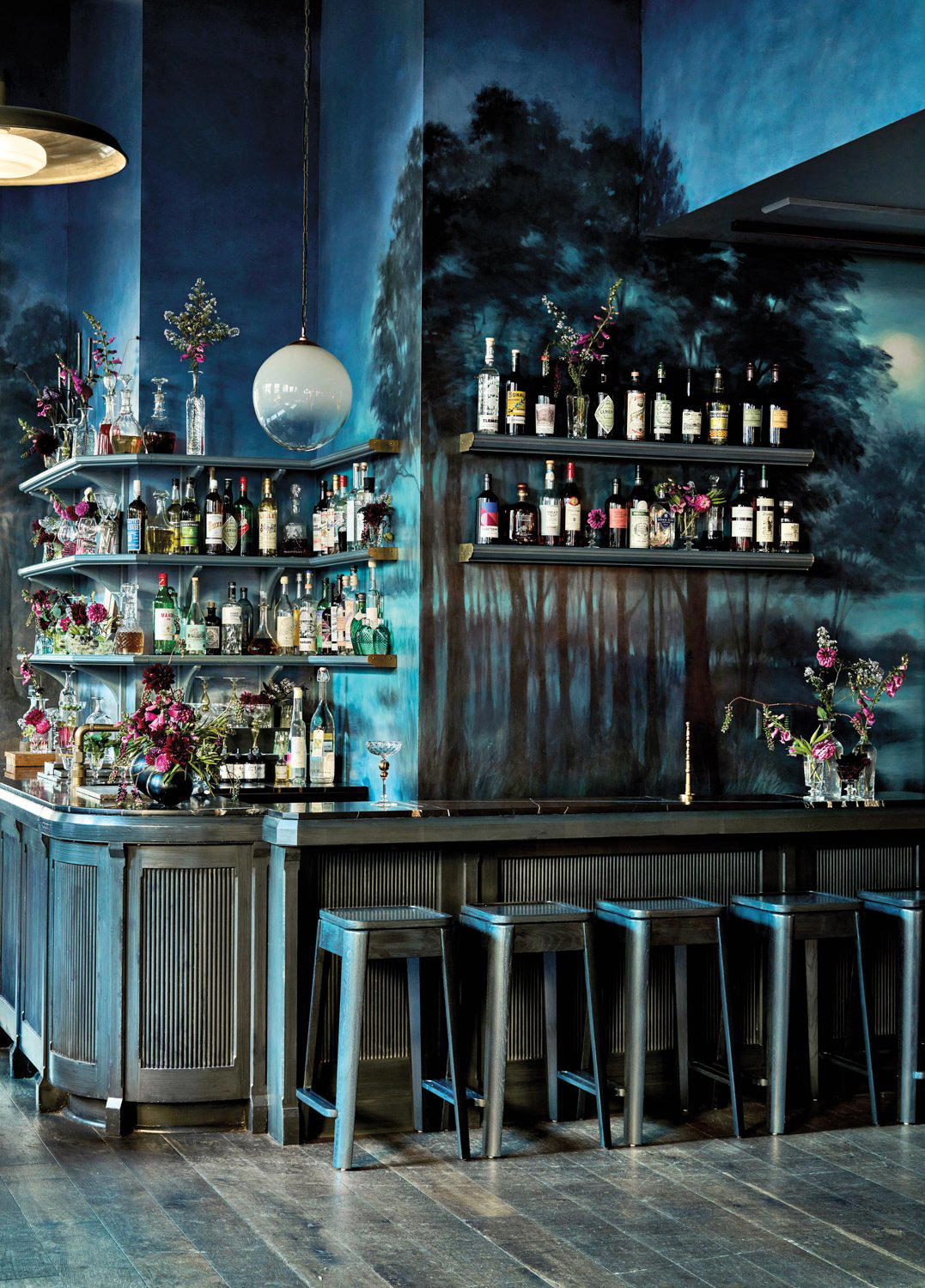
Hotels in Haimps
Browse all →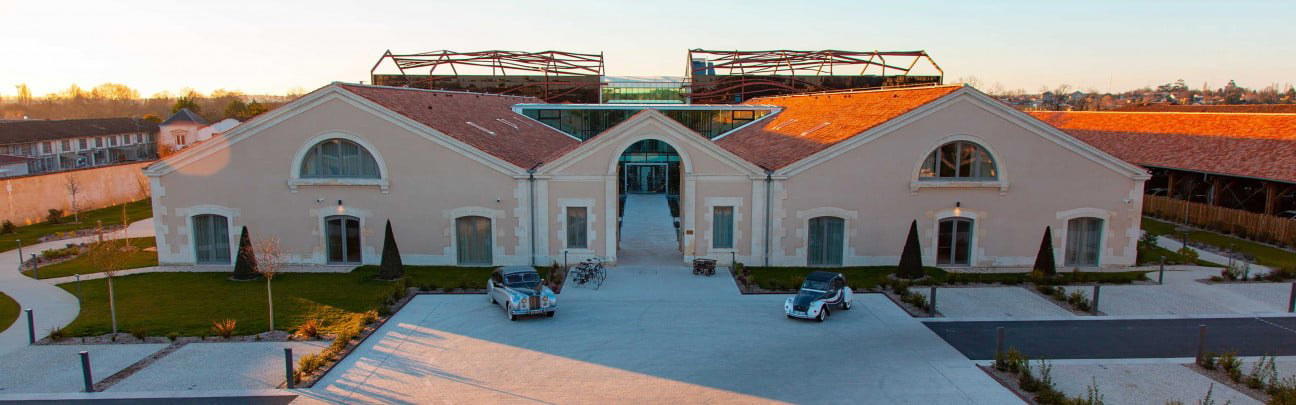
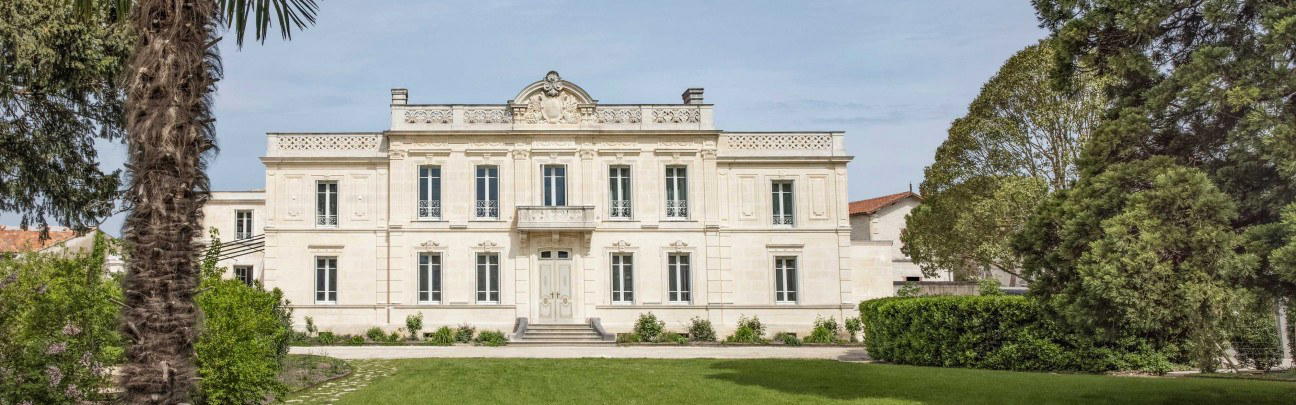
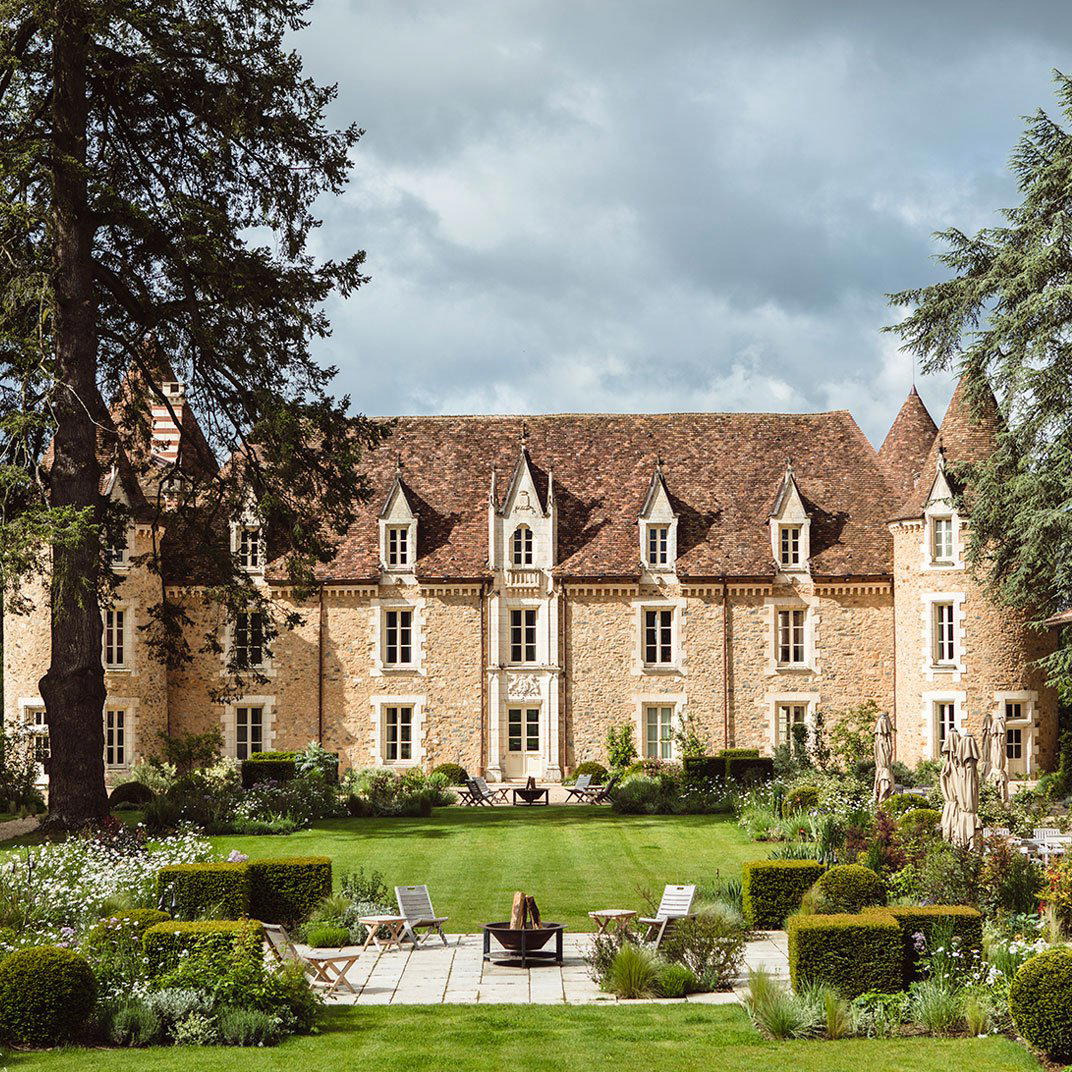

La table du chef Corvez
The wine
- Wine program
- Curated wine list
- Extensive wine list
Details
- Cozy
- Elegant
- Rustic
- Intimate
- Special Occasion
- Family
- Open Kitchen
- Terrace
- Extensive Wine List
- Local Sourcing
- Garden
- A La Carte
- Vegetarian Friendly
Current opening hours
- Monday
- Closed
- Tuesday
- Closed
- Wednesday
- 7–9 PM
- Thursday
- 12–1:30 PM, 7–9 PM
- Friday
- 12–1:30 PM, 7–9 PM
- Saturday
- 12–1:30 PM, 7–9 PM
- Sunday
- 12–1:30 PM
Hours can change for holidays and private events. Last verified .
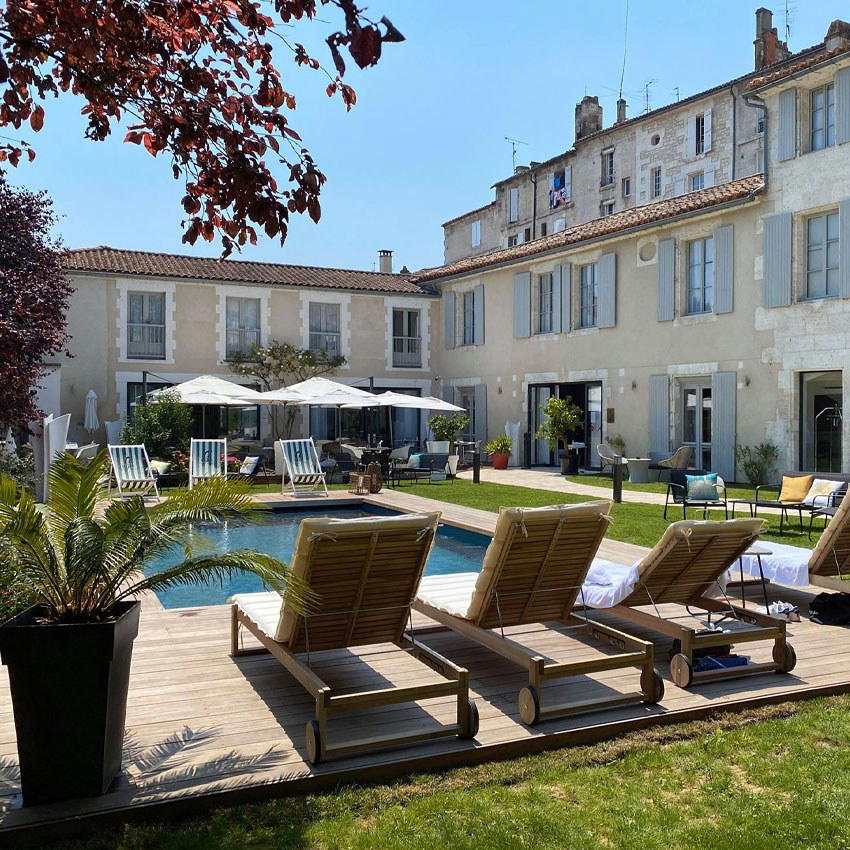
Charming homely atmosphere with terrace overlooking gardens and pool, intimate and welcoming with warm attentive service.