Our verdict
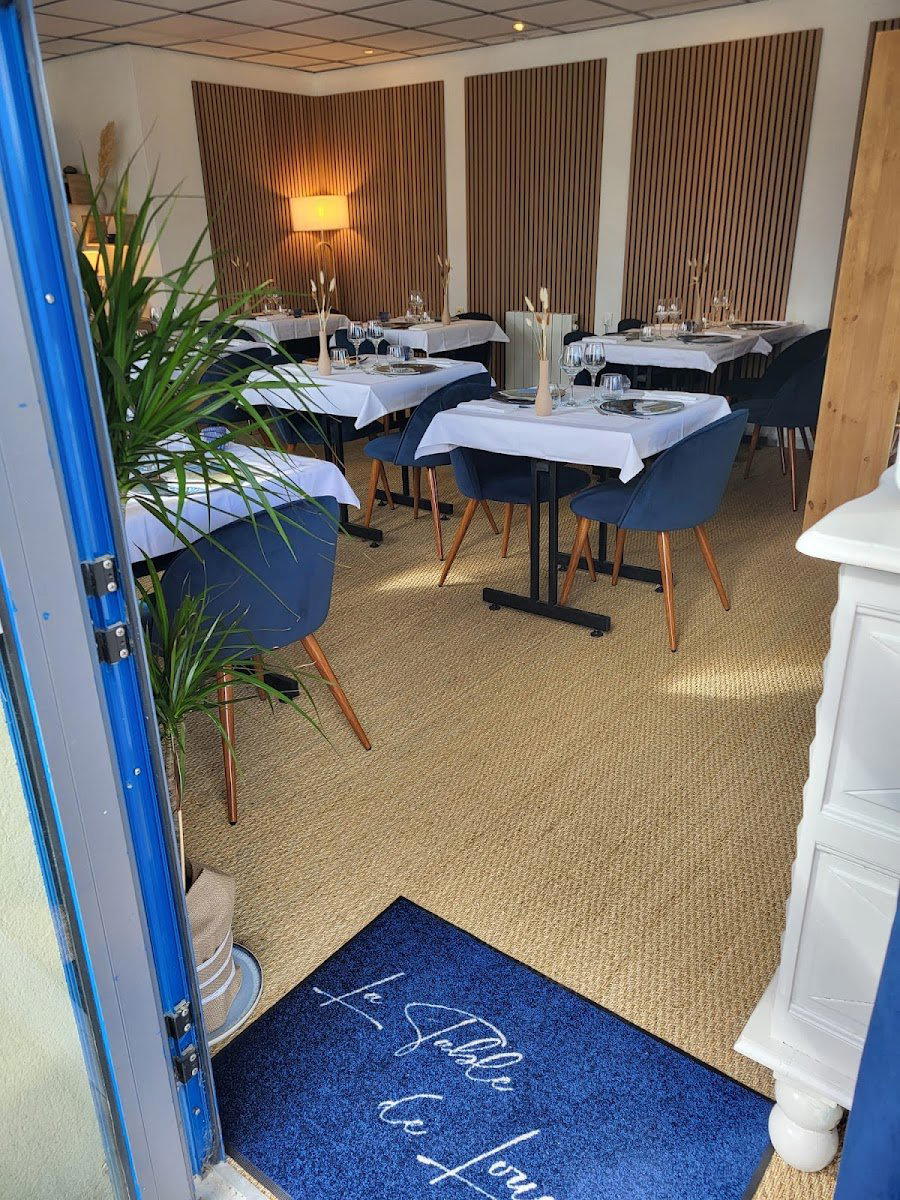
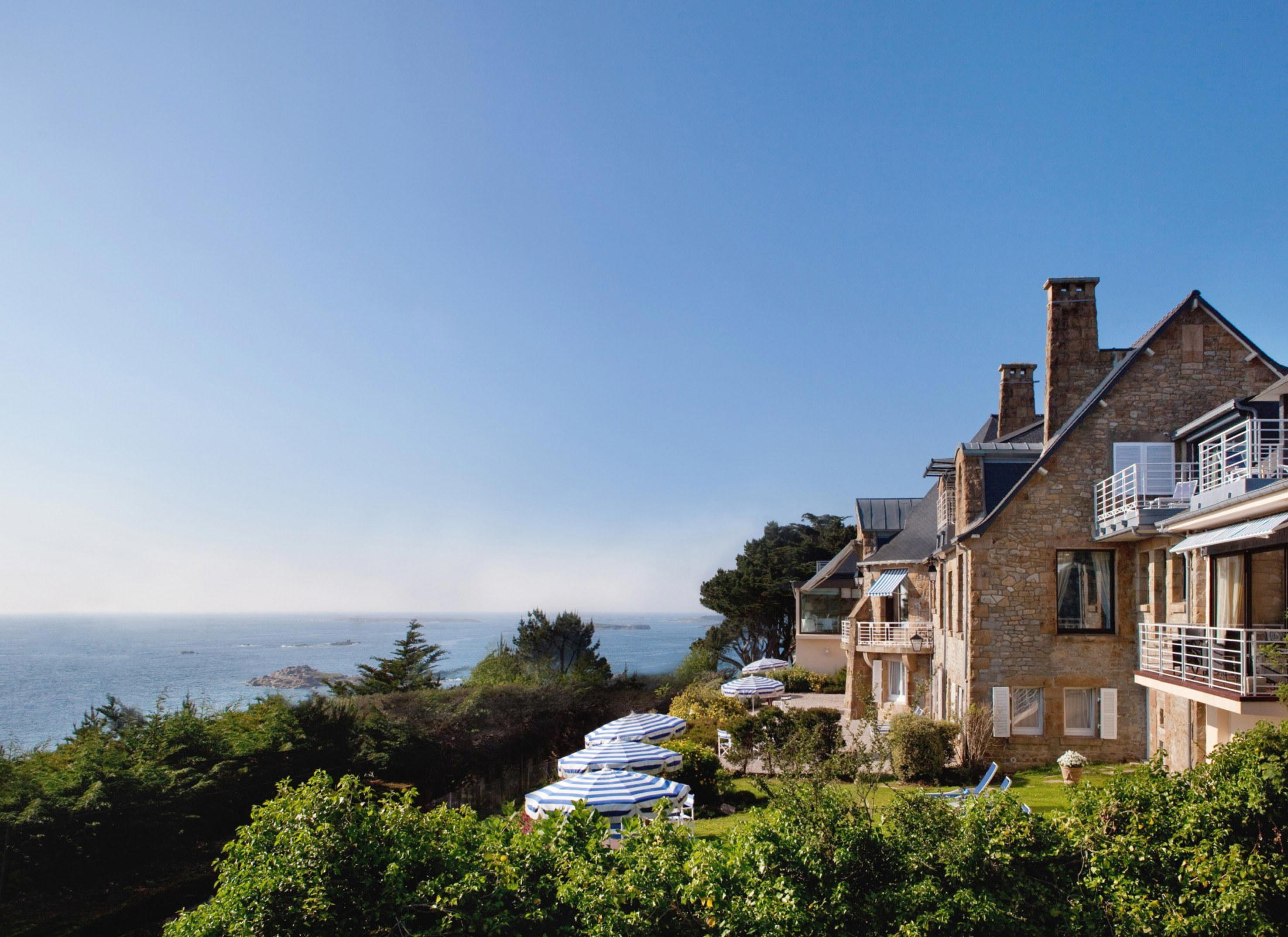
In the village of Louannec on Brittany's Côte de Granit Rose, La Table de Louannec occupies a quiet residential address that belies its serious kitchen ambitions. The restaurant draws on the coastal produce and agricultural traditions of the Trégor region, placing it in a small category of rural Breton tables where geography does the heavy editorial work. Book ahead; the dining room is not large.

Pearl is the En Primeur Club membership app — saves, bookings, and concierge access live there. Same editors, same standards.
- Address
- 2 All. du Verger, 22700 Louannec, France
- Phone
- +33296378811
- Hours
- Mon 12–1:30 PM, 7–9 PMTue–Wed ClosedThu 12–1:30 PM, 7–9 PMFri 9 AM–1:30 PM, 7–9 PMSat 12–1:30 PM, 7–9 PMSun 12–1:30 PM
- Website
- la-table-de-louannec.fr
- Directions
- Get directions
- Booking
- Book on the venue's website
The menu
What to order
- Tataki de thon rouge
- Dos de Cabillaud & salpicon de Homard
Where Brittany's Coast Meets the Table
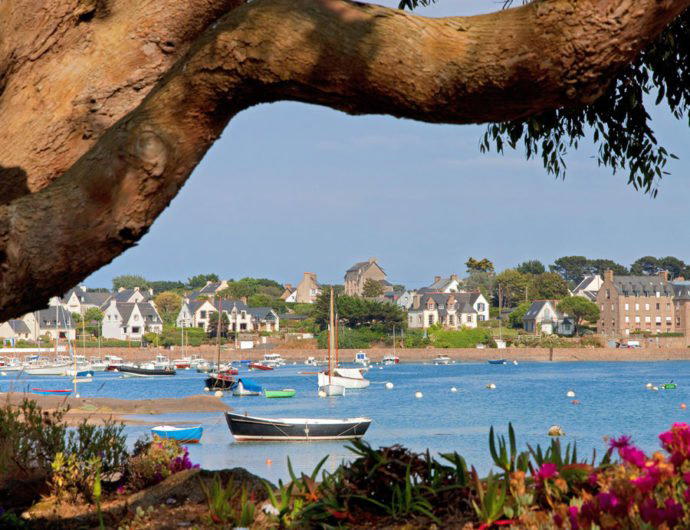
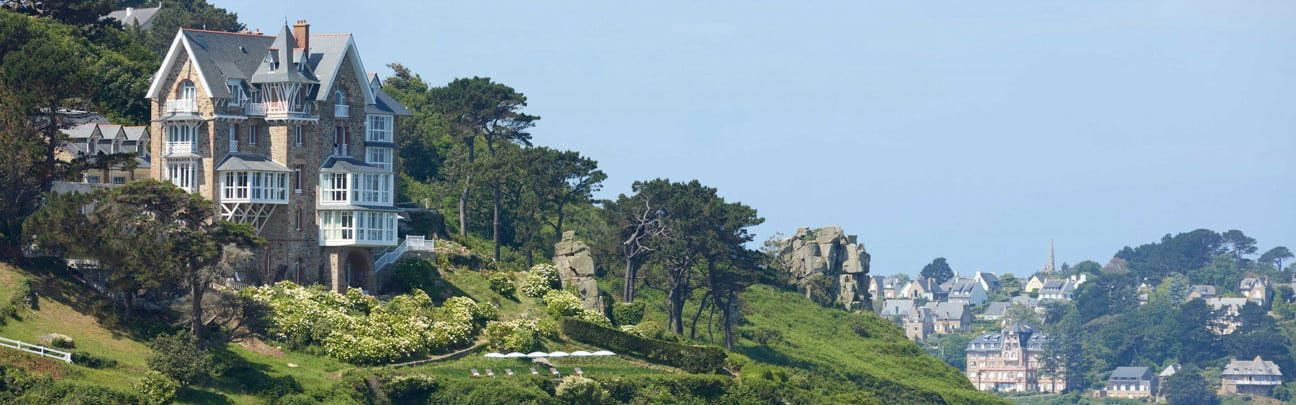
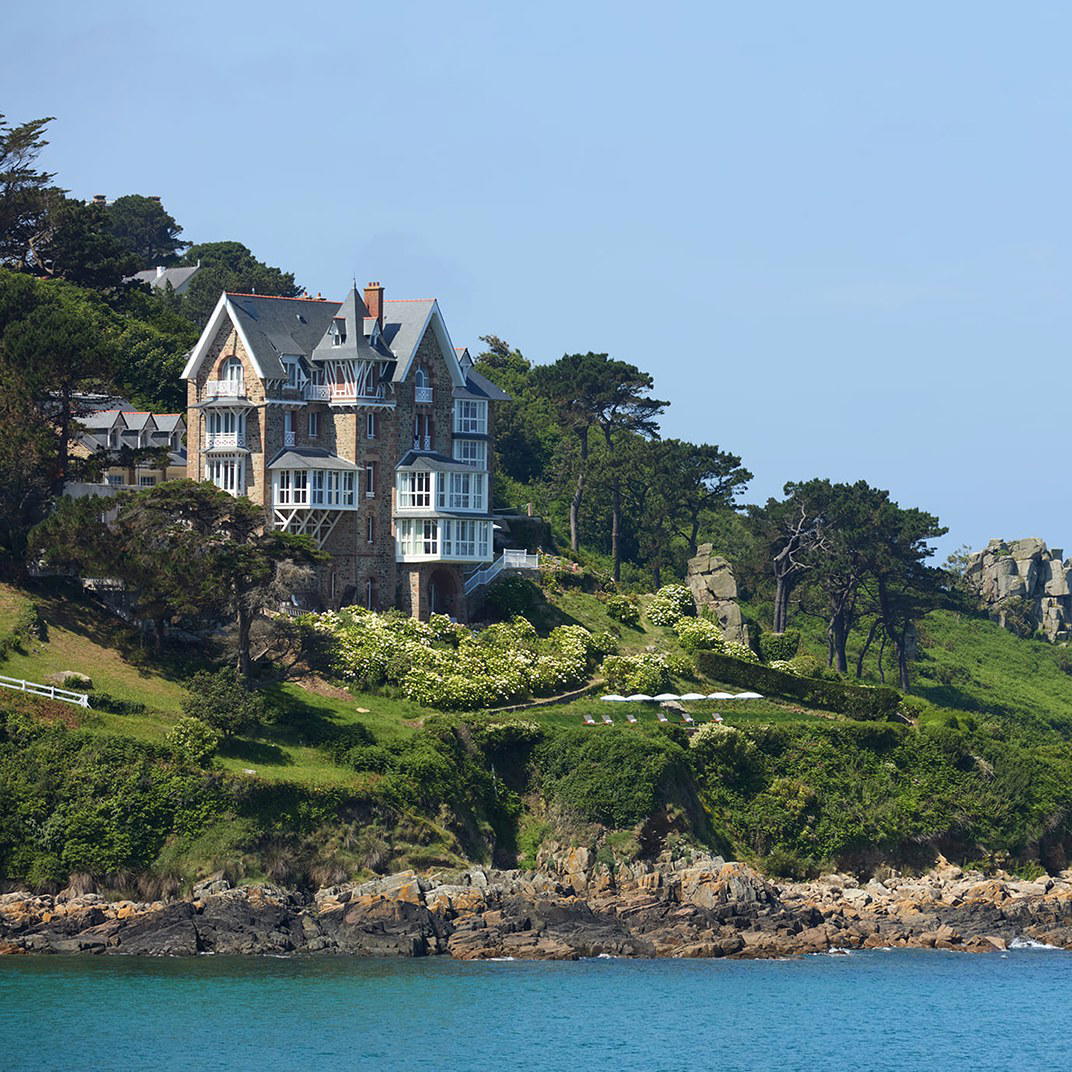
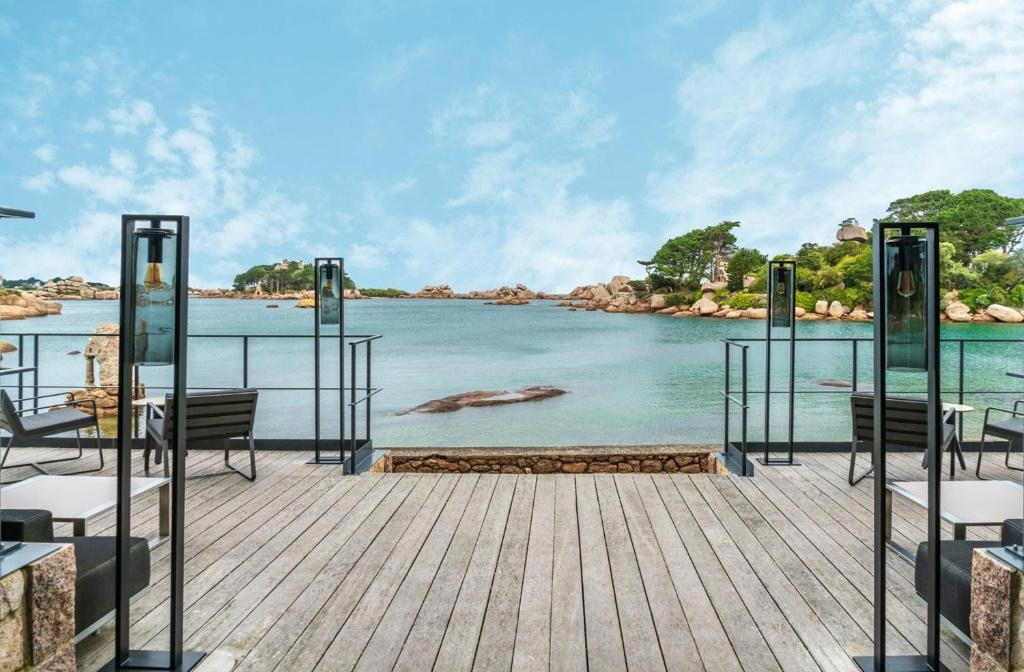
Louannec sits a few kilometres east of Perros-Guirec on the Côte de Granit Rose, a stretch of the Breton coastline where the pink granite boulders descend directly into cold Atlantic water. The village is not a dining destination in the way that Cancale or Saint-Malo are — it does not have a critical mass of restaurants competing for the same press attention. What it does have is direct proximity to some of the most productive coastal and agricultural land in northern Brittany, and La Table de Louannec is positioned to take advantage of that geography in ways that urban restaurants simply cannot replicate at source.
The address — 2 Allée du Verger, carries a telling domesticity. The lane runs through a residential quarter, and arriving here, you are not passing a row of competing menus or a tourist-facing promenade. The approach is quiet, which in Brittany is not an apology but a signal about the kind of cooking you are likely to encounter: produce-led, regionally anchored, and not designed for the quick-turnover visitor economy of the coast's larger resort towns.
The Ingredient Logic of the Trégor Coast
Breton cuisine has a particular internal logic that is worth understanding before you sit down anywhere in the region. The Côtes-d'Armor department, of which Louannec is a part, produces exceptional shellfish from the bays around Perros-Guirec and Paimpol, artichauts de Bretagne from the interior fields, early vegetables from the Ceinture Dorée farming belt further south, and lamb grazed on salt marshes that carry a faint mineral character into the meat. These are not incidental details; they are the structural ingredients around which serious Breton cooking is built.
Restaurants in this category, operating in small communes rather than regional capitals, tend to work with shorter and more direct supply lines than their urban counterparts. A kitchen at this scale and in this location can source daily from producers within a radius that would be logistically impractical for a Paris restaurant. That compression of supply chain, from water or field to plate within hours rather than days, is the central argument for seeking out tables like this one, even when they lack the credential halo of Michelin recognition or major awards. For the broader context of how serious French regional kitchens approach ingredient provenance, consider the model established by Bras in Laguiole, where the terroir of the Aubrac plateau became the founding organisational principle of the menu, a template that has influenced a generation of regionally grounded French kitchens.
Brittany in the French Fine Dining Hierarchy
France's most decorated restaurants cluster in Paris, Lyon, and along the Riviera. The three-star tier in particular is dominated by urban or near-urban addresses: Alléno Paris au Pavillon Ledoyen in Paris, Mirazur in Menton, Troisgros - Le Bois sans Feuilles in Ouches, and Flocons de Sel in Megève represent the kind of destination dining that draws international travellers specifically to eat. Brittany sits outside that primary circuit, which has historically meant that serious cooking in the region operates beneath the radar of the international food press while remaining deeply embedded in local and regional culinary life.
That positioning is not a disadvantage for the traveller who has done the work. Tables in smaller Breton communes often offer cooking that is more directly connected to its source materials than their decorated urban peers, and they do so without the reservation lead times or price floors that accompany restaurants operating at the three-star level. For comparison, coastal fine dining at the level of Christopher Coutanceau in La Rochelle or La Marine in Noirmoutier-en-l'île demonstrates what Atlantic-facing kitchens can achieve when they commit fully to marine sourcing, both are useful reference points for understanding the broader Atlantic coast dining tradition within which Louannec sits.
Other French regional anchors worth understanding as comparisons include Auberge de l'Ill in Illhaeusern, Georges Blanc in Vonnas, L'Oustau de Baumanière in Les Baux, Paul Bocuse - L'Auberge du Pont de Collonges in Collonges-au-Mont-d'Or, Au Crocodile in Strasbourg, Auberge du Vieux Puits in Fontjoncouse, and Assiette Champenoise in Reims, each of which operates as a destination in its own right within a regional rather than metropolitan context, and each of which draws identity from the produce and culinary grammar of its surrounding territory.
Planning Your Visit
Louannec is most easily reached by car from Lannion, the nearest town of any size, which sits approximately twelve kilometres to the south and has a railway station on the Paris-Brest line via Guingamp. The Côte de Granit Rose is at its most appealing between May and September, when the coastal light and lower rainfall make the surrounding area worth spending time in beyond the meal itself. The address at 2 Allée du Verger is residential in character, and given the village scale, it is advisable to confirm current opening hours and reservation availability directly before making the journey, particularly outside the summer season when rural Breton restaurants sometimes reduce their service days.
For travellers building a broader Brittany itinerary around serious eating, see our full Louannec restaurants guide for additional context on the local dining scene. Those extending the trip toward Paris or the Atlantic coast will find useful reference in AM par Alexandre Mazzia in Marseille and, for transatlantic comparison on seafood-focused menus at the highest level, Le Bernardin in New York City and Atomix in New York City.
Frequently asked questions
Would La table de louannec be comfortable with kids?
Louannec is a small, unhurried coastal commune on the Côte de Granit Rose, and restaurants here tend to operate at a pace that suits families rather than resist them. That said, the address at 2 Allée du Verger suggests a sit-down dining format where noise levels and table duration matter. If you are planning to bring young children, calling ahead to gauge the room and current service style is the practical move.
What's the vibe at La table de louannec?
Louannec sits just east of Perros-Guirec on one of the more scenically distinct stretches of the Breton coast, where the pink granite shoreline shapes the local mood as much as any interior design choice. Restaurants in this part of Côtes-d'Armor tend toward the relaxed and regionally rooted rather than the formal, drawing on the character of a working coastal commune. The setting at 2 Allée du Verger points to a neighbourhood dining room rather than a resort destination.
Is La Table de Louannec a good base for exploring the Côte de Granit Rose by day and dining well at night?
Louannec sits within a few kilometres of the pink granite coastline between Perros-Guirec and Trégastel, making it a practical anchor for anyone spending time on this stretch of northern Brittany. The address at 2 Allée du Verger places La Table de Louannec in the commune itself rather than on a resort strip, which suits a trip structured around the coast rather than a single resort. Lannion, approximately twelve kilometres south, provides the nearest rail connection and broader town services for multi-day stays.
What do people recommend at La table de louannec?
The Trégor coast that Louannec sits on supplies some of Brittany's most direct access to Atlantic seafood, pink-label cauliflower from the Léon, and the dairy produce that runs through Breton cooking at every level. Dishes in this region typically reflect what is moving through local markets rather than a fixed menu architecture. For the most current picture of what is worth ordering, checking with the restaurant directly or reading recent visitor accounts on booking platforms will give you a more accurate read than any general guide.
Where exactly is La table de louannec?
La table de louannec is located at 2 All. du Verger, 22700 Louannec, France, Louannec.
Fast Comparison
Comparable venues nearby, for context on price, style, and recognition.
| Venue | Cuisine | Price | Notes |
|---|---|---|---|
| La table de louannecThis venue — the venue you are viewing | French Bistronomique | $30–50 | Not listed |
| Au Grain de Sel | French Bistro | $20–30 | Lesneven |
| Le Bistro de Jean | Traditional French Bistro | $30–50 | historic center (centre ville) |
| Crêperie Ahna | Breton Crêperie | Not listed | centre-ville |
| Le Comptoir de Landerneau | Traditional French Brasserie | $20–30 | Centre-ville |
| Histoire de Crêpes | Traditional Breton Crêpes & Galettes | Not listed | Saint-Malo Intra-Muros |
Continue exploring
More in Louannec
Restaurants in Louannec
Browse all →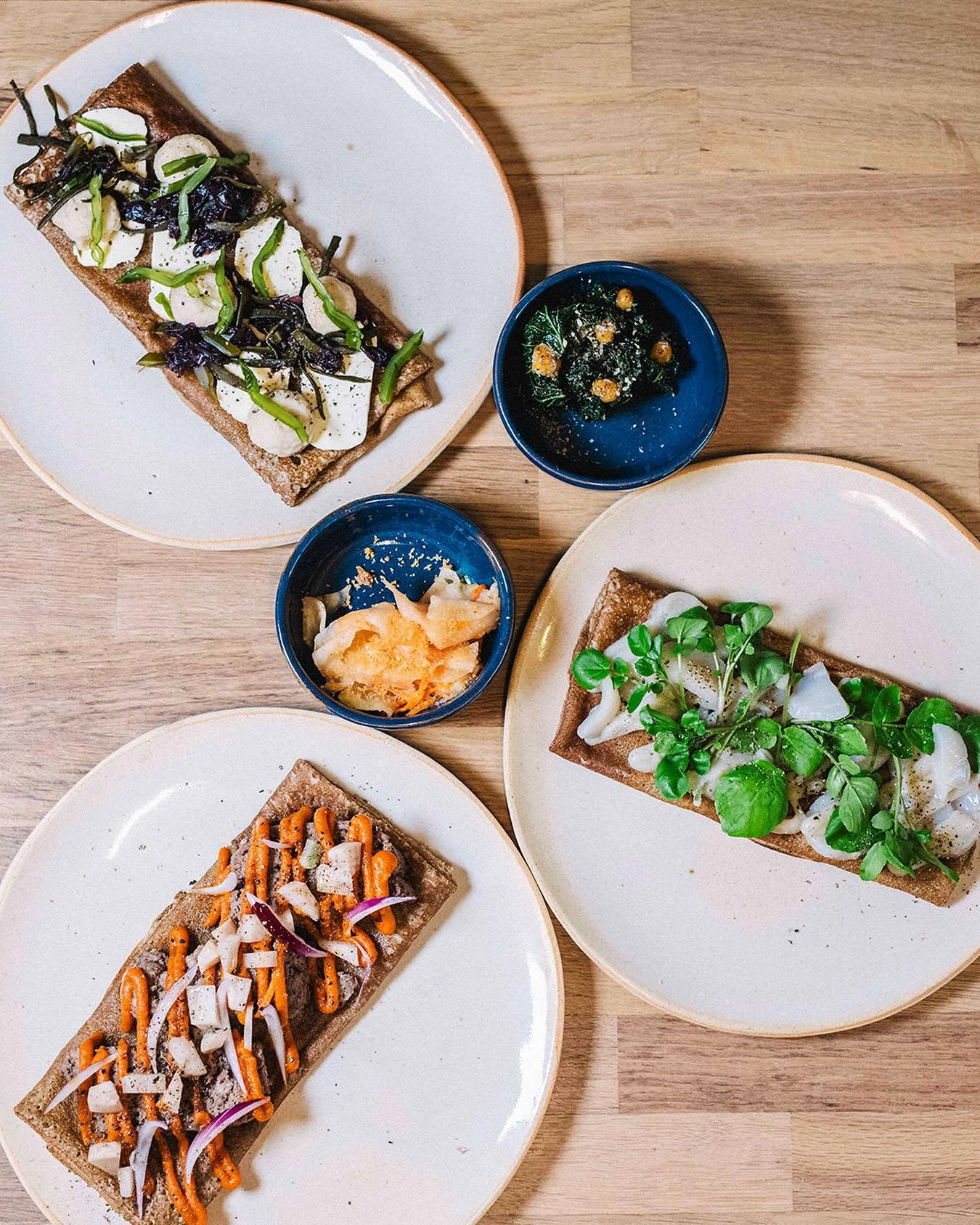
Details
- Cozy
- Elegant
- Intimate
- Date Night
- Special Occasion
- Standalone
- Local Sourcing
- A La Carte
- Vegetarian Friendly
Current opening hours
- Monday
- 12–1:30 PM, 7–9 PM
- Tuesday
- Closed
- Wednesday
- Closed
- Thursday
- 12–1:30 PM, 7–9 PM
- Friday
- 9 AM–1:30 PM, 7–9 PM
- Saturday
- 12–1:30 PM, 7–9 PM
- Sunday
- 12–1:30 PM
Hours can change for holidays and private events. Last verified .
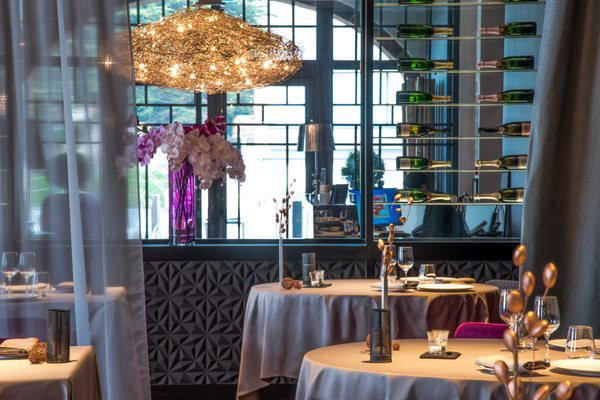
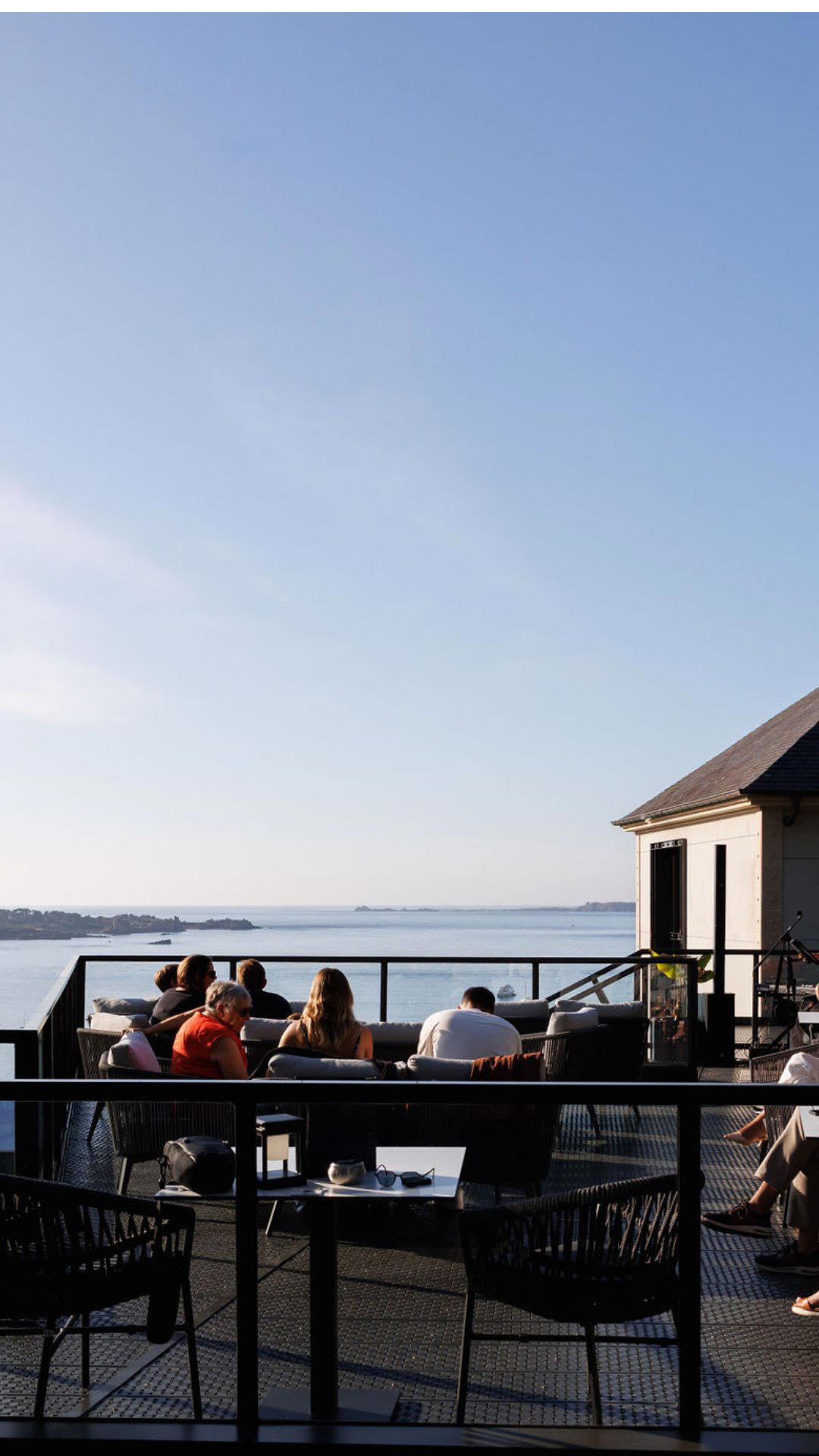
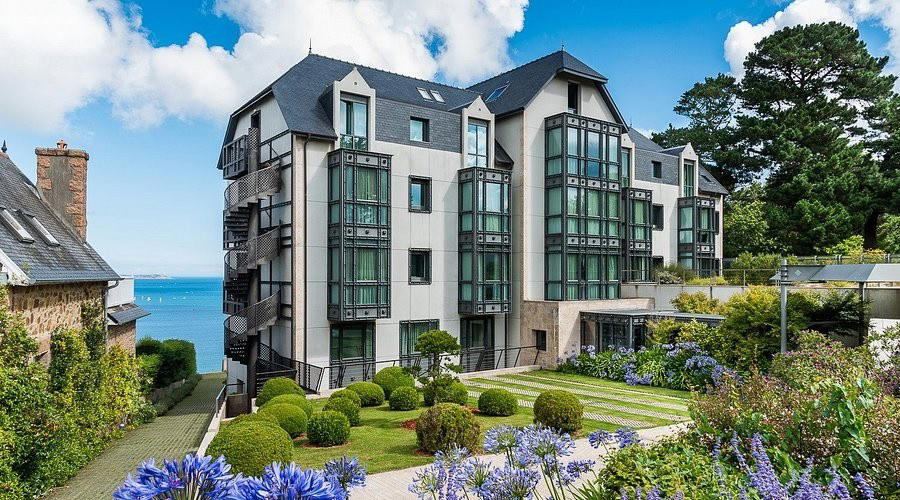
Warm and elegant with nice furnishings and decoration, offering a cozy and welcoming atmosphere.