Histoire de Crêpes
On Rue de Dinan, one of the old walled city's most walked streets, Histoire de Crêpes makes the case that Breton crêpe tradition deserves the same serious attention given to any regional French cuisine. The kitchen anchors itself in the buckwheat-and-salted-butter logic that defines this corner of France, placing it squarely in the mid-range crêperie tier that forms the backbone of Saint-Malo's everyday dining scene.
Pearl is the En Primeur Club membership app — saves, bookings, and concierge access live there. Same editors, same standards.
- Address
- 5 Rue de Dinan, 35400 Saint-Malo, France
- Phone
- +33299408837
- Website
- facebook.com
- Directions
- Get directions
 Saves & bookings on Pearl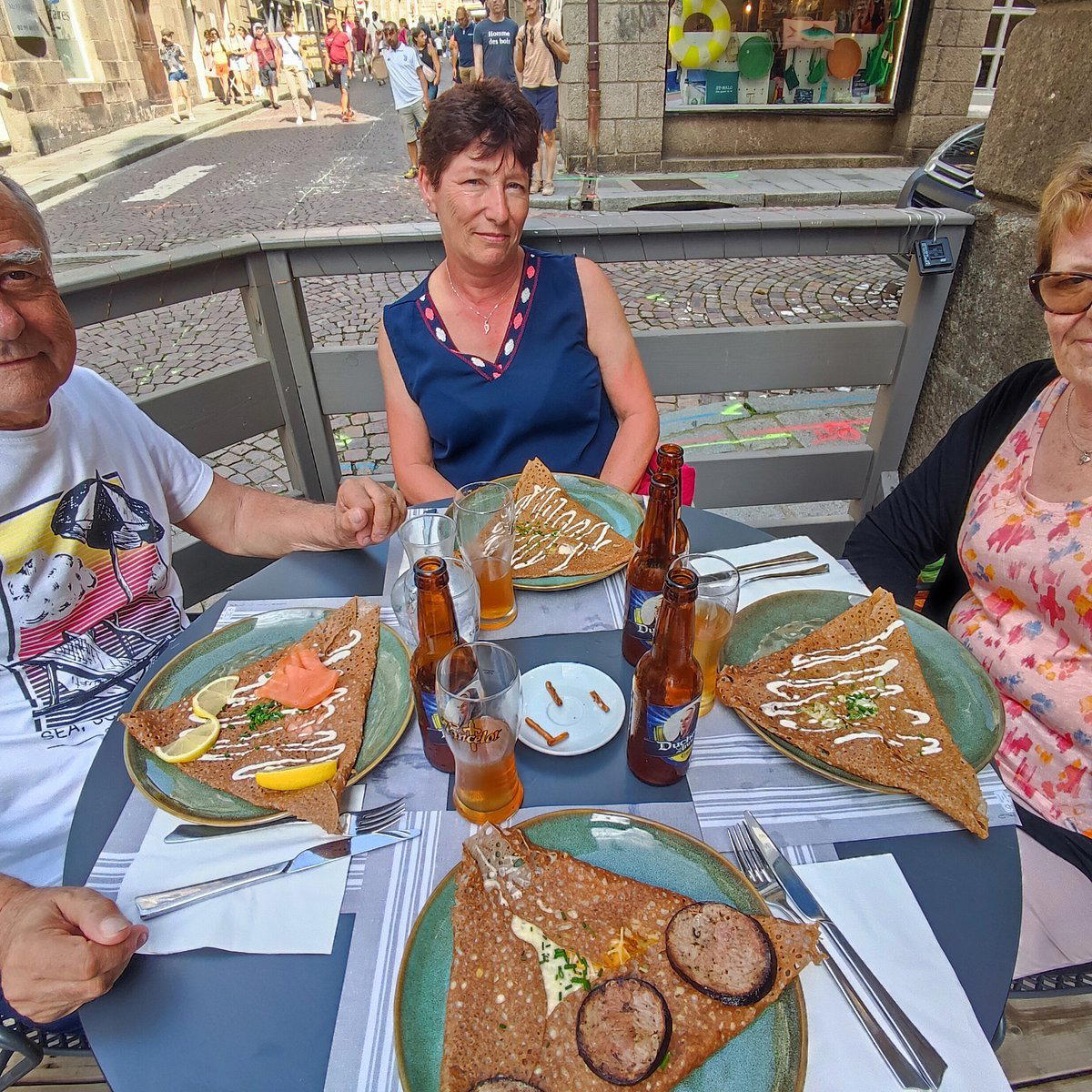
Buckwheat, Butter, and the Street That Feeds the Intra-Muros
Rue de Dinan runs through the heart of Saint-Malo's walled city, the intra-muros, as a corridor that connects the granite ramparts to the market squares where locals and visitors share the same narrow pavements. The street has enough crêperies and galetteries to constitute a genre study on its own, and that density is not accidental. Brittany's crêpe tradition is one of the most geographically specific food cultures in France: the galette de sarrasin, made from buckwheat flour that grows well in the region's acidic soil and Atlantic climate, is not a product that migrates convincingly. The further you get from Finistère and Ille-et-Vilaine, the less the thing on your plate resembles what it's supposed to be. Histoire de Crêpes, at number 5 on that street, operates inside that local tradition rather than around it.
The physical approach matters here. The façade is modest by design, which is consistent with how the leading galetteries in Brittany have always presented themselves: the cooking is the point, not the signage. Inside, the format is functional and unhurried in the way that distinguishes a crêperie that feeds the neighbourhood from one that processes tourist volume. That distinction shapes everything from how the batter is rested to how the galettes arrive at the table.
Sarrasin and Salted Butter: Where the Ingredients Come From
The ingredient sourcing logic of Breton crêpe tradition is worth understanding before you sit down. Buckwheat, or sarrasin, is not a grain in the botanical sense but a seed crop that has been cultivated in Brittany since the sixteenth century, introduced through trade routes from the East. It is gluten-free, nutty in flavour, and structurally different from wheat flour in ways that require a different batter technique: no gluten network means the galette must be managed carefully on the bilig, the cast-iron griddle that defines the craft. The leading practitioners in the region use locally milled sarrasin, which retains more of the husk and produces a darker, more mineral galette than the blanched flour that large-scale suppliers sell.
Butter is the second axis. Breton butter, particularly from the Charentes-Poitou and Normandy borders, carries an AOC designation, but the beurre salé tradition in Brittany predates any certification: salt was historically cheaper here than inland, and salting butter was a preservation technique that became a flavour identity. Autour du Beurre on the same street has built an entire concept around this single ingredient, which signals how seriously the local food culture takes its dairy provenance. A galetterie working at the right level sources its butter with the same attention it gives its flour.
Cider is the third component that defines the category. Breton cider, drier and more tannic than its Norman counterpart, is the traditional pairing for galettes, and the better crêperies source from small producers in the Pays d'Auge or from artisan cideries within the region. The combination of buckwheat, salted butter, and dry cider is not a marketing construct; it is a coherent flavour logic rooted in what the land and the climate produce.
Where Histoire de Crêpes Sits in Saint-Malo's Mid-Range Scene
Saint-Malo's dining economy runs on a clear spectrum. At the leading, places like Le Saint Placide operate at the creative fine-dining tier, while Ar Iniz and Betton Fils represent the modern cuisine bracket with structured menus and longer booking windows. Below that, the crêperie and galetterie tier is where most meals in the walled city actually happen, and it is a tier that rewards knowing the difference between a kitchen that treats sarrasin seriously and one that uses it as a vehicle for ham and cheese volume output.
Histoire de Crêpes positions within the accessible mid-range that characterises the Rue de Dinan cluster. It is not trying to compete with the tasting-menu restaurants; it is operating in the same space as Annadata and comparable neighbourhood addresses that feed people well at a price point that does not require advance planning or occasion-dressing. That positioning is a feature, not a limitation. The crêperie format in Brittany is a democratic one, and the leading galetteries have always served a cross-section of locals and visitors without adjusting their standards to either.
For context on what serious regional cooking looks like at the top of France's spectrum, consider the sourcing discipline at places like Mirazur in Menton or the terroir-rooted philosophy at Bras in Laguiole. Those restaurants operate at a different scale and price point, but the underlying argument is the same: French regional identity is ingredient identity, and the sourcing decisions made in the kitchen determine whether a dish communicates place or merely resembles it. The galetterie version of that argument is less grand in execution but no less valid in principle.
Planning Your Visit
Rue de Dinan is walkable from every point within the intra-muros, and Histoire de Crêpes at number 5 is reachable within minutes of the main gates. The format is suited to lunch and early dinner rather than late-night dining; Breton galetteries in the walled city tend to fill quickly on summer evenings, particularly in July and August when the ferry traffic from the UK and Channel Islands swells the city's population noticeably. Visiting mid-week or arriving early in the service are the most reliable ways to secure a table without a long wait. For a fuller picture of where this address fits within the city's dining options, the EP Club Saint-Malo restaurants guide maps the scene across price tiers and neighbourhoods.
The broader French restaurant context, from three-Michelin institutions like Alléno Paris au Pavillon Ledoyen and Troisgros in Ouches to technically focused houses like Flocons de Sel in Megève and Assiette Champenoise in Reims, is one in which regional specificity is the foundation of culinary authority. A galetterie on Rue de Dinan is not competing in that league, but it draws from the same source: a place makes sense when it cooks what its geography produces.
How Histoire de Crêpes Saint Malo compares with similar nearby venues.
| Venue | Cuisine | Price |
|---|---|---|
| La Fourchette à Droite | Contemporary | €€ |
| Le Comptoir Breizh Café | Breton | €€ |
| Le Bistrot du Rocher | Farm to table | €€ |
| Crêperie Grain Noir | Breton | € |
Continue exploring
More in Saint Malo
Restaurants in Saint Malo
Browse all →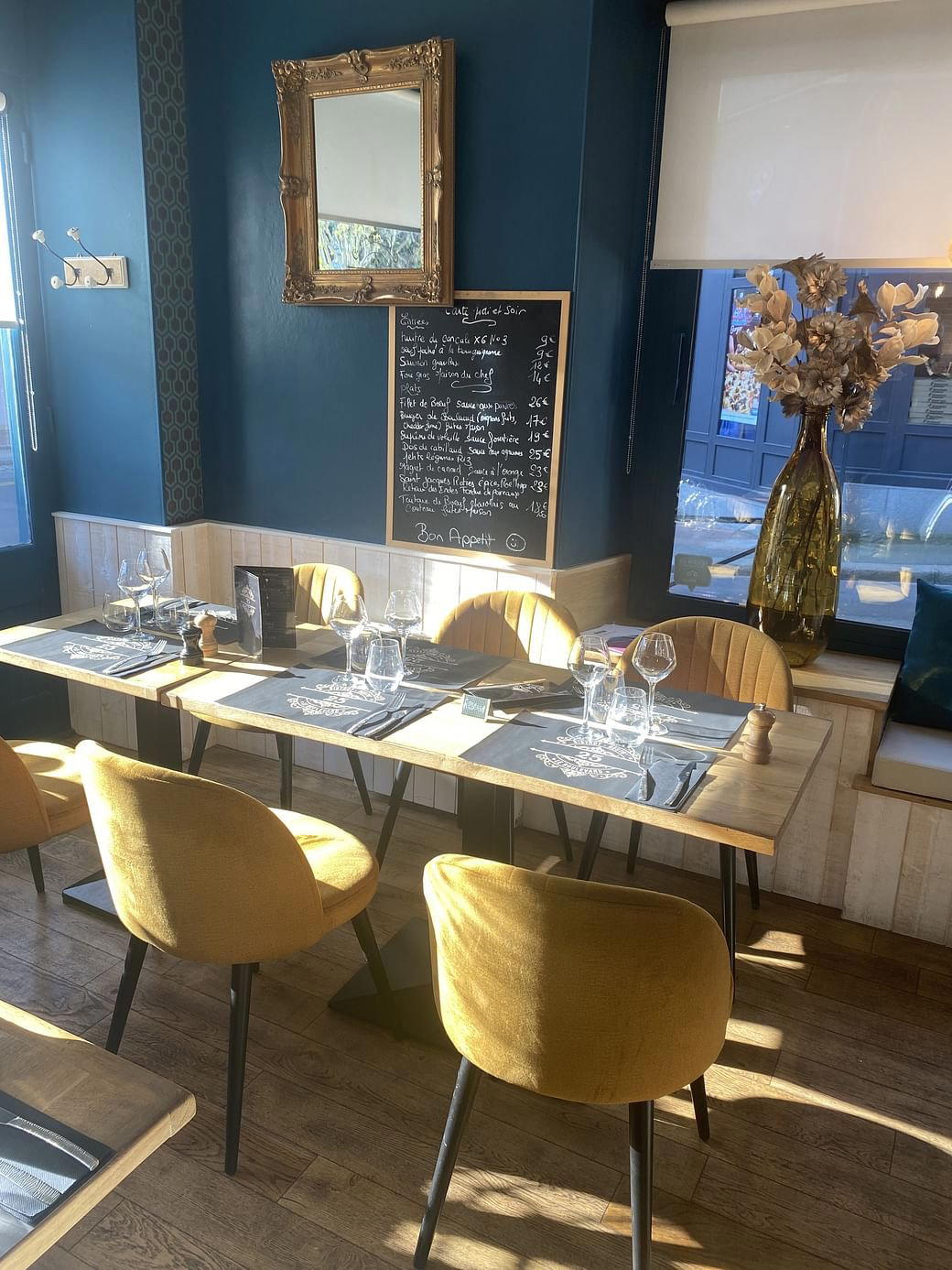
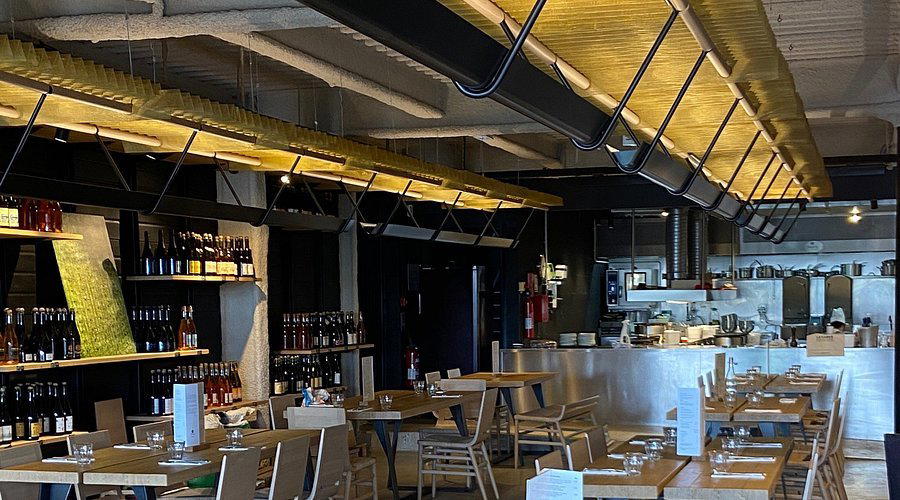
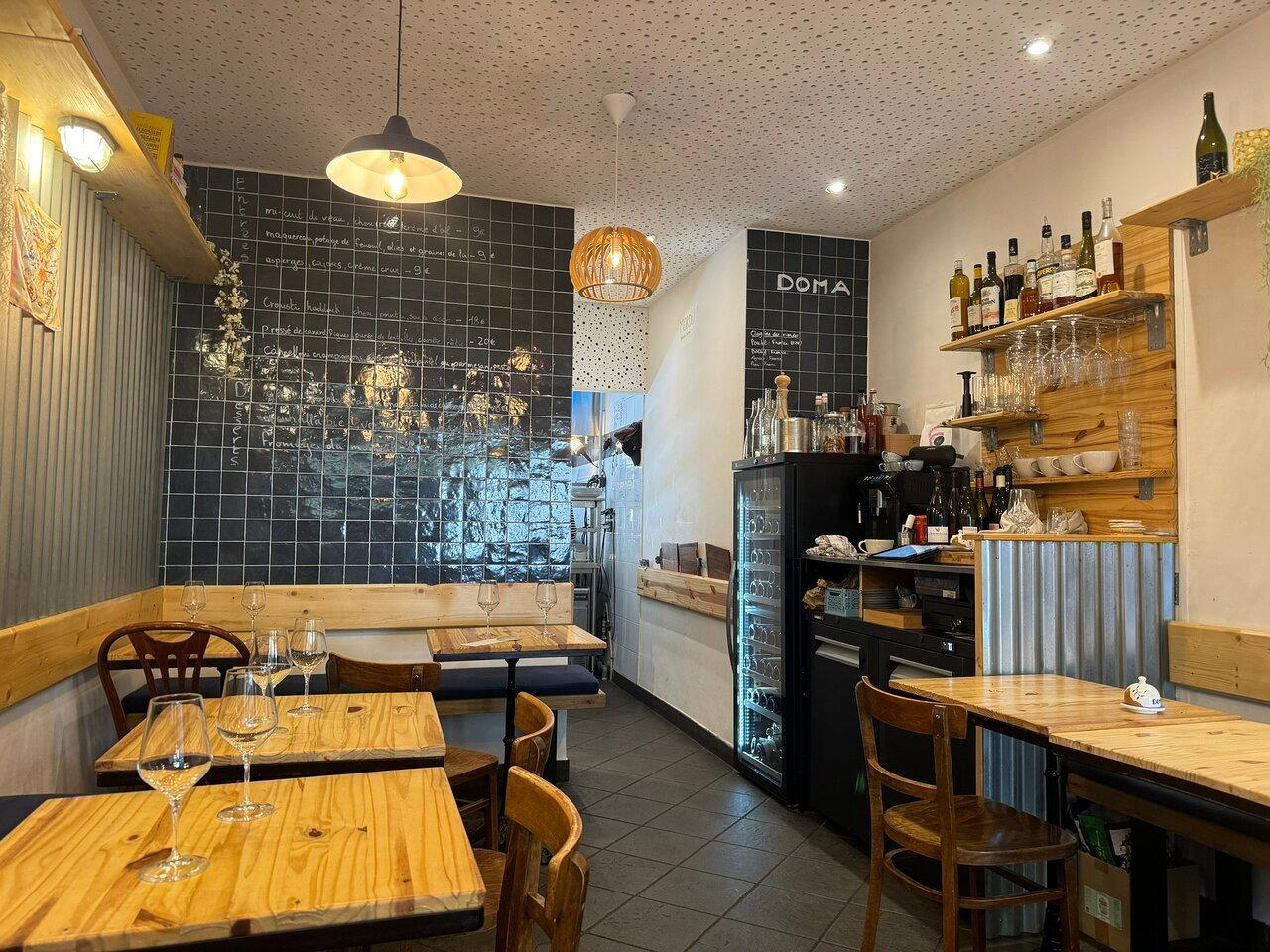
Bars in Saint Malo
Browse all →
At a Glance
- Cozy
- Rustic
- Modern
- Whimsical
- Casual Hangout
- Family
- Group Dining
- Standalone
- Local Sourcing
Current opening hours
- Monday
- Closed
- Tuesday
- 12–2:30 PM, 7–8:30 PM
- Wednesday
- 12–2:30 PM, 7–8:30 PM
- Thursday
- 12–2:30 PM
- Friday
- 12–2:30 PM, 7–8:30 PM
- Saturday
- 12–5 PM, 7–8:30 PM
- Sunday
- 12–2:30 PM
Hours can change for holidays and private events. Last verified .
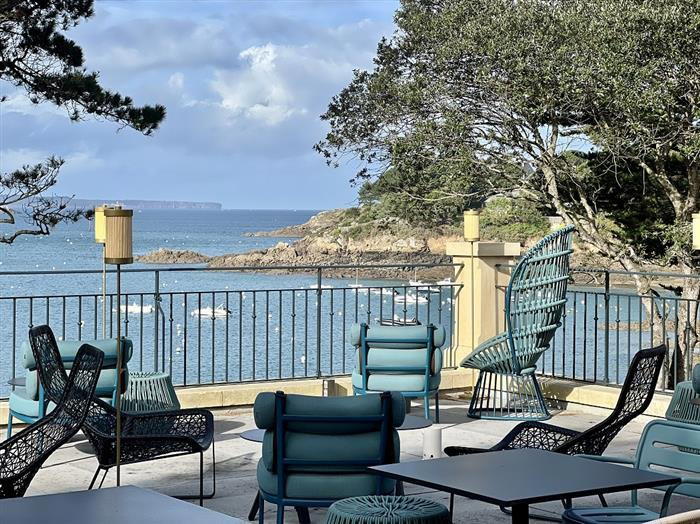
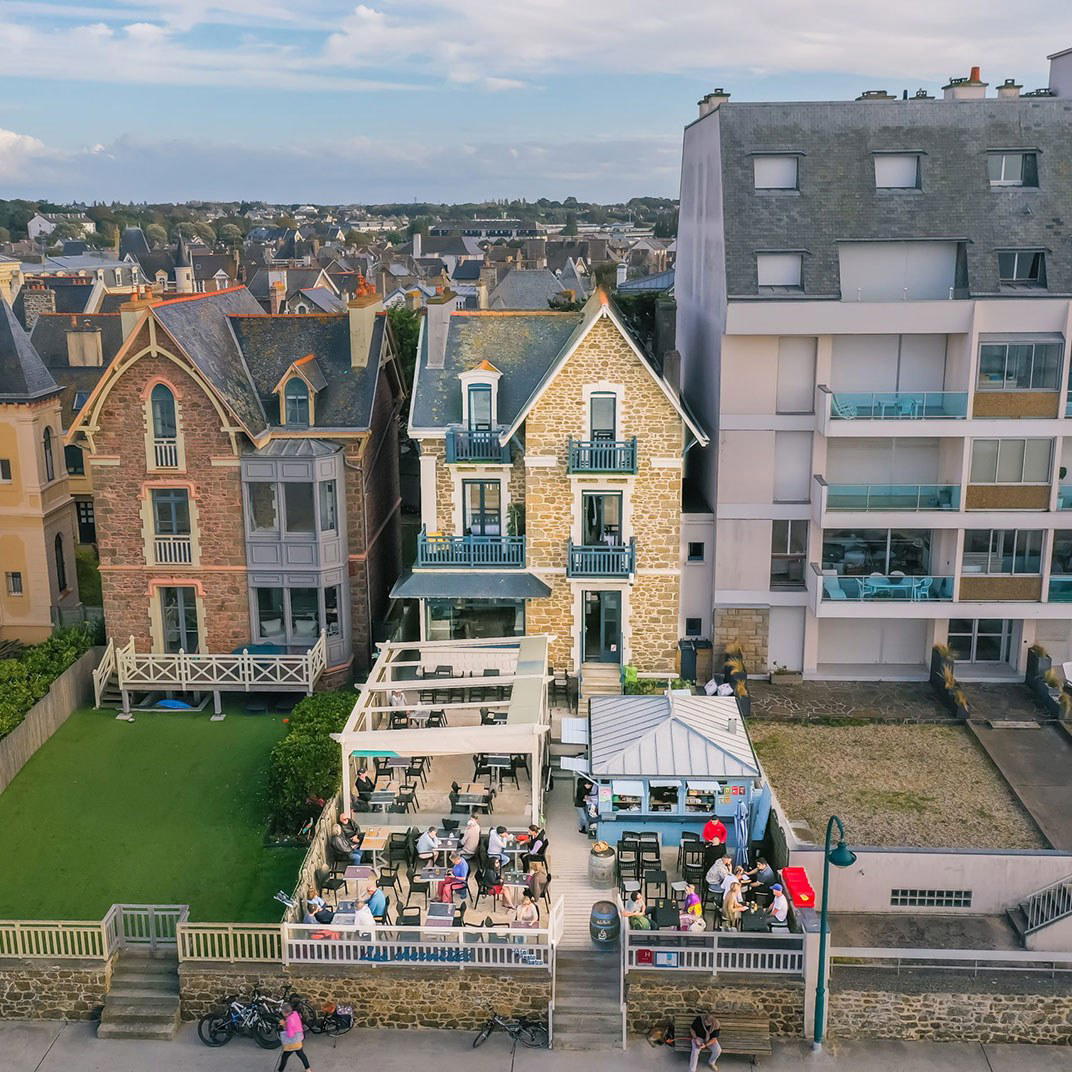
Warm and inviting with modern, colorful décor combining rustic stone walls and wooden tables that create a charming, intimate atmosphere.
Know Before You Go
- Getting there
- 5 Rue de Dinan, 35400 Saint-Malo, France