La Table de L'Oléa

Michelin Plate
Our verdict
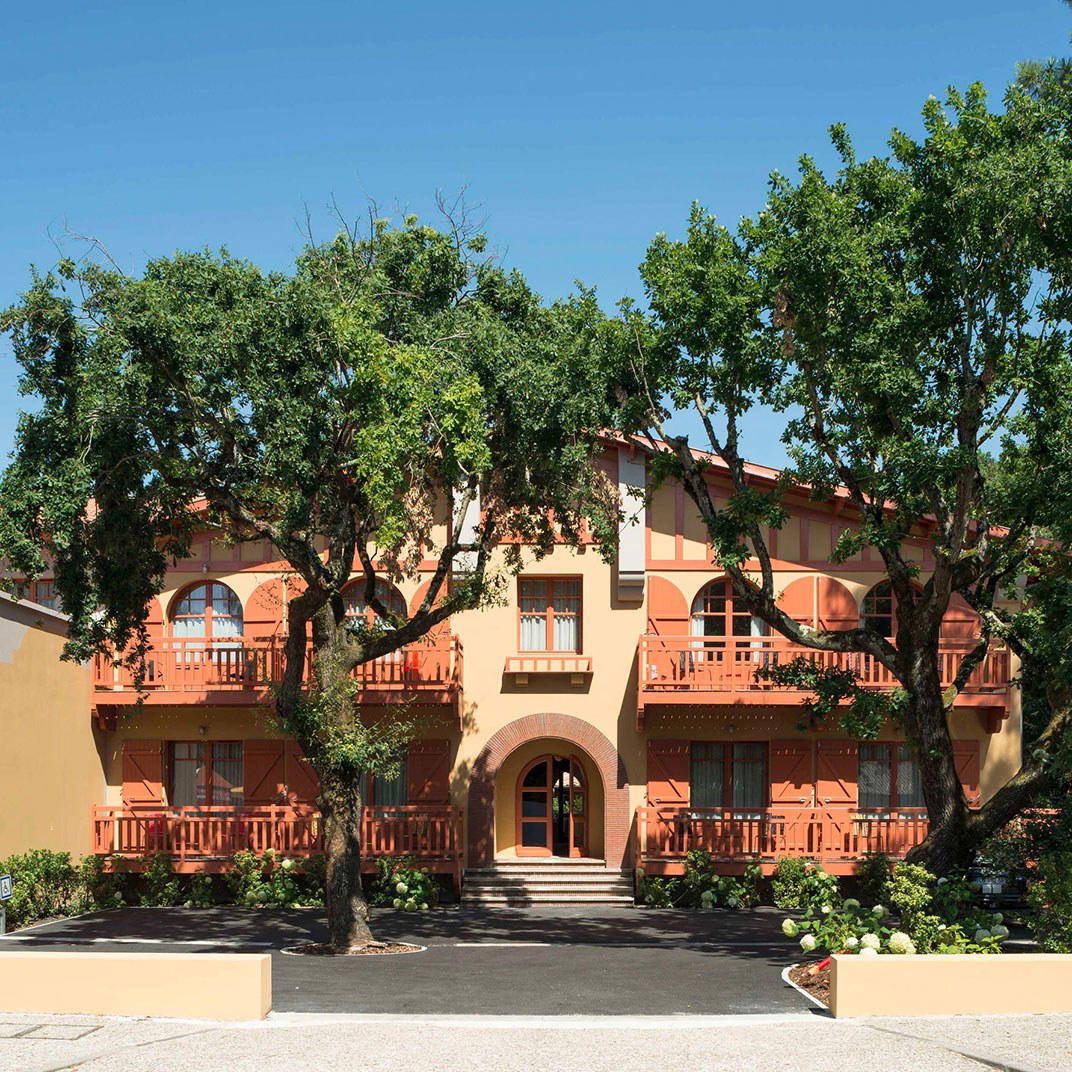
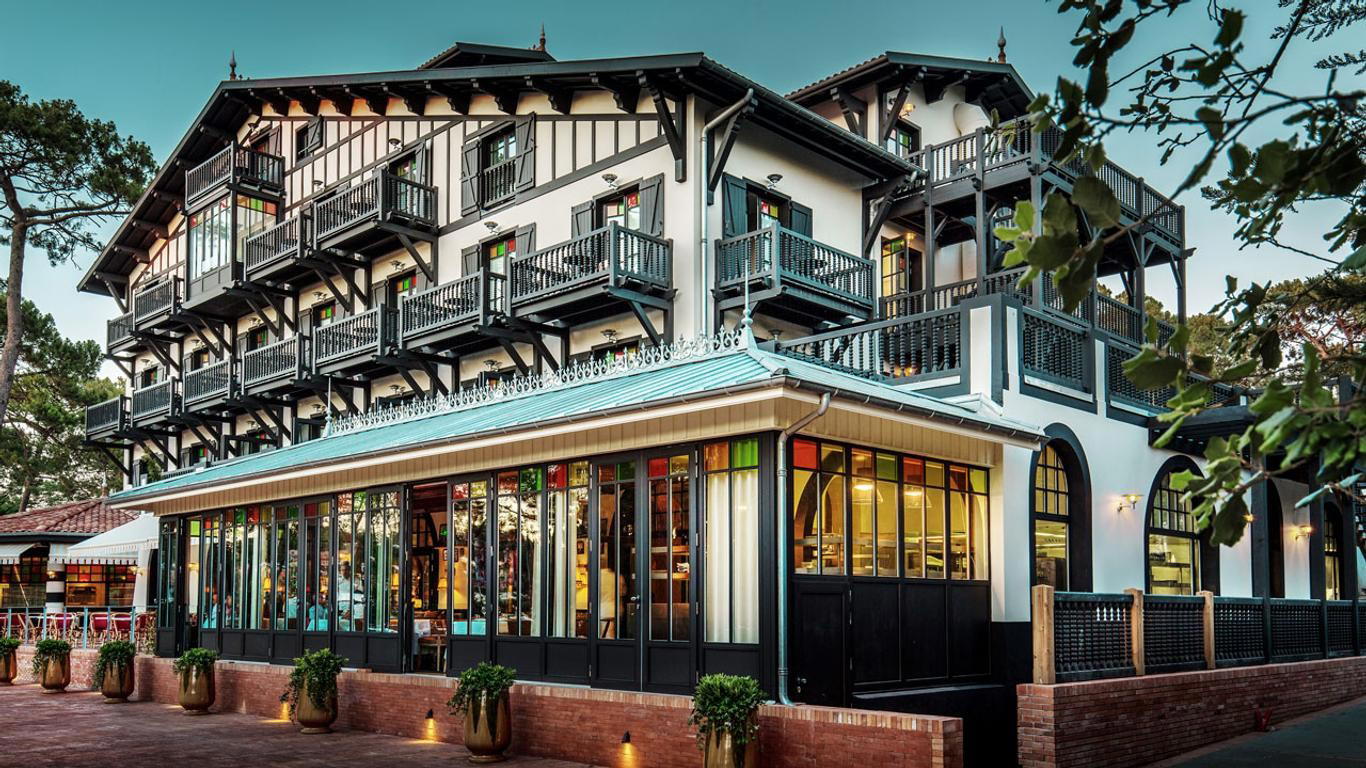
Sitting on the working oyster port of La Teste-de-Buch in the Arcachon Basin, La Table de L'Oléa holds a 2025 Michelin Plate. The kitchen works in the modern cuisine register at a mid-range price point, making it one of the more formally recognised tables in a town better known for its shellfish quays than its restaurant scene.

Pearl is the En Primeur Club membership app, where members save venues, book tables and use the concierge.
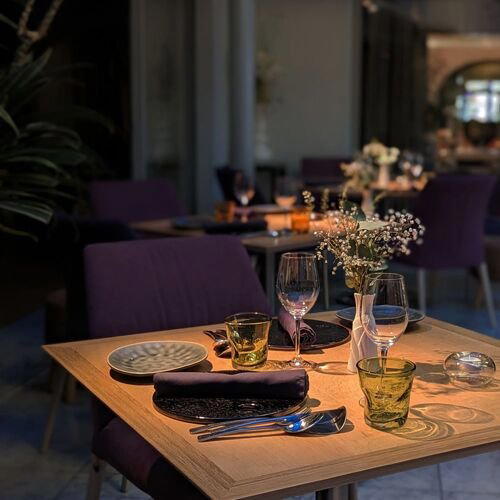
The menu
What to order
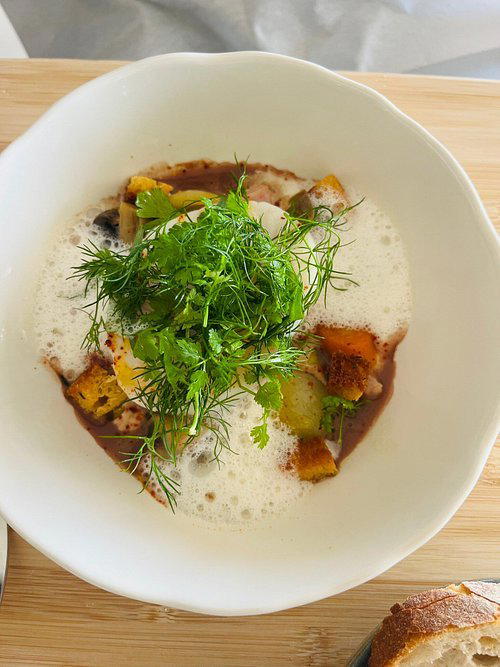
- Line-caught fish
- Local oysters
A Port Town That Earns Its Place at the Table
The Arcachon Basin is one of the better-known addresses in Nouvelle-Aquitaine, though its reputation tends to travel on the back of oysters rather than restaurants. La Teste-de-Buch, the municipality that encircles much of the basin's southern shore, sits in an interesting culinary position: close enough to Bordeaux to attract visitors with serious dining expectations, yet grounded in a coastal, tidal economy where the product on the quay has always mattered more than the brigade in the kitchen. That tension between working-port simplicity and modern culinary ambition defines the local dining scene, and it is precisely the register in which La Table de L'Oléa operates.
The restaurant's address on the Avenue des Ostreiculteurs, running along the oyster port, is not incidental. In France, proximity to the source has long carried its own prestige, and in a basin where flat oysters and huîtres creuses leave the water in the early morning and reach plates within hours, the kitchen is working with a different supply reality than most urban modern-cuisine addresses. The 2025 Michelin Plate recognition places the restaurant within the guide's acknowledged tier of quality cooking without a star, a designation that in the current Michelin framework signals competent, carefully considered food rather than the experimental or haute registers occupied by starred peers.
Modern Cuisine in a Regional Context
Modern cuisine category covers a wide field in France. At one end sit the three-starred rooms, places like Alléno Paris au Pavillon Ledoyen in Paris or Mirazur in Menton, where tasting menus run to multiple courses and the price bracket reflects an entirely different kind of hospitality infrastructure. Further down the register, in the €€ price range where La Table de L'Oléa sits, the approach tends toward a cleaner, more direct expression of regional produce, where technique serves the ingredient rather than transforming it beyond recognition.
This middle tier of French modern cuisine is arguably the most competitive. It sits between the bistrot economy and the grand table, and it demands that a kitchen make clear choices about what it is doing and why. The Michelin Plate, awarded in 2025, suggests those choices are being made with some consistency.
For editorial comparison, the distance between a Michelin Plate and the starred restaurants that define the national conversation is substantial. Flocons de Sel in Megève, Troisgros - Le Bois sans Feuilles in Ouches, and Bras in Laguiole represent the kind of deeply rooted regional ambition that accumulates stars over decades. La Table de L'Oléa operates at a different scale and with different stakes, but it participates in the same broader French project of anchoring serious cooking to a specific place and its produce.
The Cultural Weight of Cooking on the Arcachon Basin
To understand why a Michelin Plate in La Teste-de-Buch carries meaning, it helps to understand the food culture of the Arcachon Basin more broadly. The basin is one of France's primary oyster-farming territories, with cultivation traditions that predate the modern restaurant industry. The flat oyster, the Belon type that once dominated production here before disease shifted the balance toward Pacific varieties, shaped a local eating culture around rawness, freshness, and the ritual of opening shellfish at the water's edge with a glass of Entre-Deux-Mers or dry Graves white.
That culture does not naturally generate fine-dining ambition. The leading meal in the basin has historically been understood as the simplest: oysters from the water that morning, bread, salted butter, a glass of something cold and local. What modern cuisine restaurants in this context are doing is proposing that the same raw material can sustain a more composed approach, that the precision of a professional kitchen adds something to an already strong product rather than obscuring it. When this argument works, it produces the kind of restaurant that earns both Michelin recognition and a strong local following. The numbers at La Table de L'Oléa suggest it is working.
Elsewhere in France, coastal modern-cuisine rooms have navigated this tension with varying results. AM par Alexandre Mazzia in Marseille has drawn on Mediterranean proximity and biographical intensity to build one of the south's most distinctive tables. The Arcachon Basin presents a quieter, more habitually modest culinary environment, which makes the sustained quality signals from La Table de L'Oléa more notable rather than less.
Where It Sits in La Teste-de-Buch's Dining Scene
La Teste-de-Buch is not a city with a dense restaurant district. The dining options spread across the municipality and the wider basin, and the Michelin-recognised addresses are few. L'Aillet represents another point of reference in the local scene, and together these addresses define the upper tier of formal dining in the area. For visitors exploring the basin with an interest in where serious cooking is happening, both merit attention.
The broader hospitality context in La Teste-de-Buch is covered in our full La Teste-de-Buch restaurants guide, with complementary resources across hotels, bars, wineries, and experiences in the area. The region rewards visitors who plan across multiple categories rather than treating dining in isolation.
Planning a Visit
La Table de L'Oléa sits at 62B Avenue des Ostreiculteurs on the port in La Teste-de-Buch. The €€ price range places it in accessible territory for the quality tier it occupies, particularly measured against the starred French tables at three and four price brackets, from Paul Bocuse - L'Auberge du Pont de Collonges in Collonges-au-Mont-d'Or to Assiette Champenoise in Reims or Au Crocodile in Strasbourg. For context on the international modern-cuisine tier, Frantzén in Stockholm and FZN by Björn Frantzén in Dubai illustrate how far the modern-cuisine designation stretches across price and format globally.
The port setting means the room is subject to seasonal rhythms, and the busiest periods run from late June through August. Visiting outside peak season often produces a more considered service pace without sacrificing the quality that the recognition signals.
Frequently asked questions
Is La Table de L'Oléa expensive?
Pricing at La Table de L'Oléa is listed as €€.
Is La Table de L'Oléa reservation-only?
A Michelin Plate restaurant at the €€ price point on the Arcachon Basin port will draw steady demand, particularly across summer months when the basin sees its highest visitor volumes. Contacting the venue directly before visiting is advisable, especially for weekend sittings.
Pricing, Compared
Comparable venues nearby, for context on price, style, and recognition.
| Venue | Cuisine | Price | Awards | Notes |
|---|---|---|---|---|
| La Table de L'OléaThis venue (the venue you are viewing) | Modern French Fine Dining | $100–150 | Michelin Plate | Not listed |
| Haliotis | Modern French Bistro | $50–100 | Michelin Plate | La Teste-de-Buch, Modern French Bistro |
| L'Aillet | Modern French Bistro | $50–100 | Michelin Bib Gourmand | centre ville, Modern French Bistro |
| Hordago | Modern French Basque Bistro | Not listed | Michelin Plate | Col de Lizarrieta, Modern French Basque Bistro |
| Symbiose | Modern French Bistro with Craft Cocktails | $30–50 | Michelin Plate · Top 500 Bars Best Bars #360 | Chartrons - Grand Parc - Jardin Public, Modern French Bistro with Craft Cocktails |
| Les Têtes d'Ail | Seasonal French Bistro | $30–50 | Michelin Plate | Vieux-Boucau-les-Bains, Seasonal French Bistro |
Recognition history
Dated appearances from independent guides and award organizations, with the underlying list record or original source where available.
Michelin Plate
Michelin
Full recognition history (2 entries)
Michelin Plate
Michelin
Continue exploring
More in La Teste-de-Buch
Restaurants in La Teste-de-Buch
All restaurants in La Teste-de-Buch →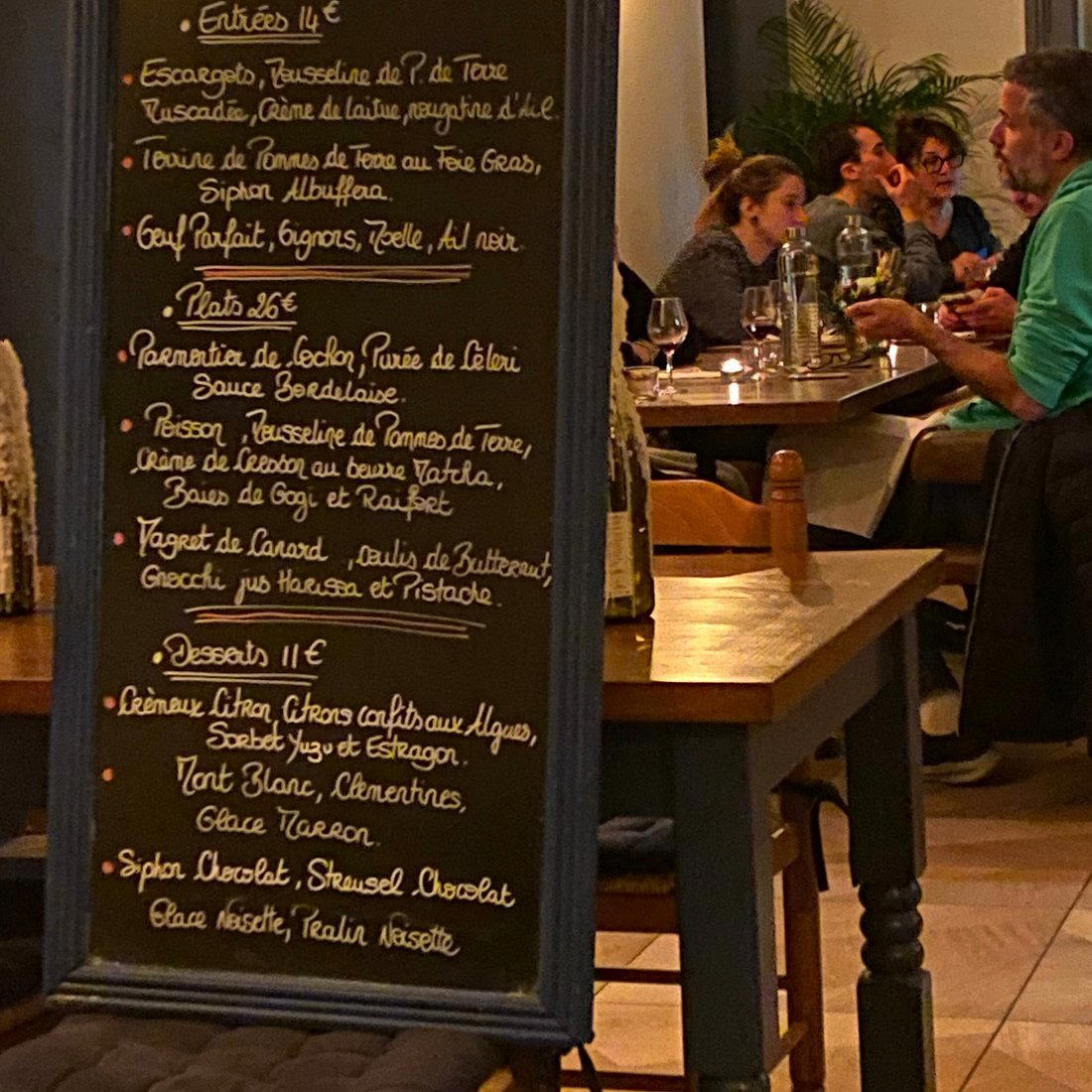
Details
- Quiet
- Elegant
- Scenic
- Sophisticated
- Date Night
- Special Occasion
- Celebration
- Terrace
- Waterfront
- Standalone
- Farm To Table
- Local Sourcing
- Waterfront
- Set Menu
Current opening hours
- Monday
- 12–2 PM, 7–10 PM
- Tuesday
- Closed
- Wednesday
- Closed
- Thursday
- 12–2 PM, 7–10 PM
- Friday
- 12–2 PM, 7–10 PM
- Saturday
- 12–2 PM, 7–10 PM
- Sunday
- 12–2 PM, 7–10 PM
Hours can change for holidays and private events. Hours as of .
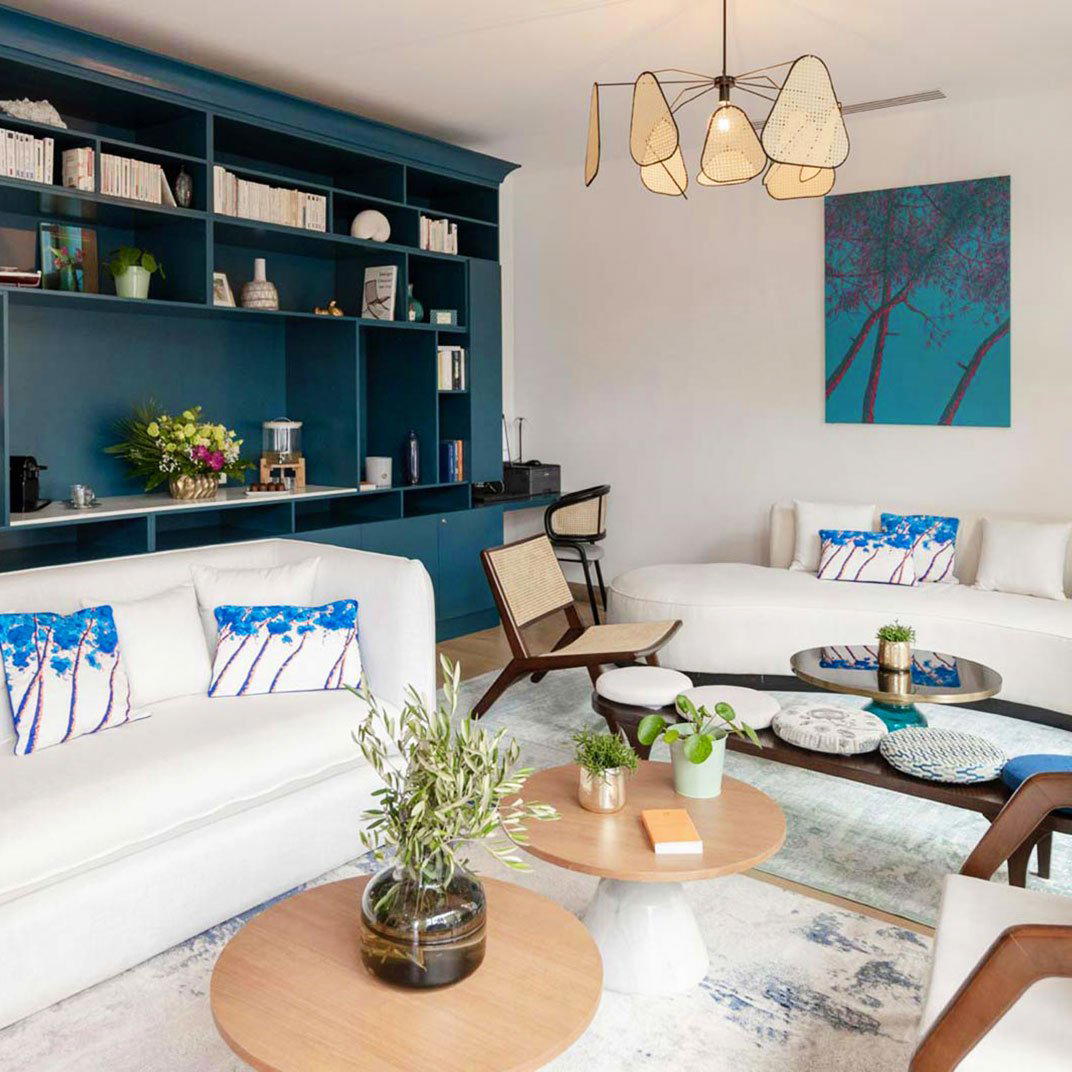
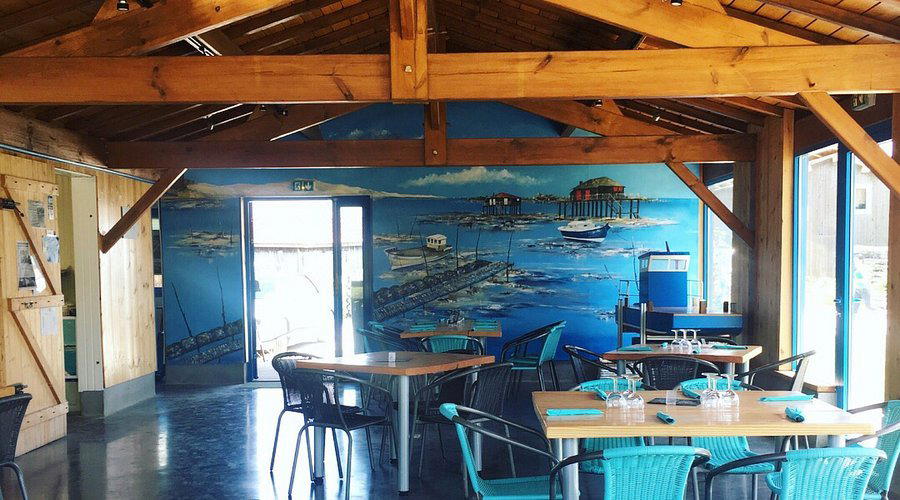
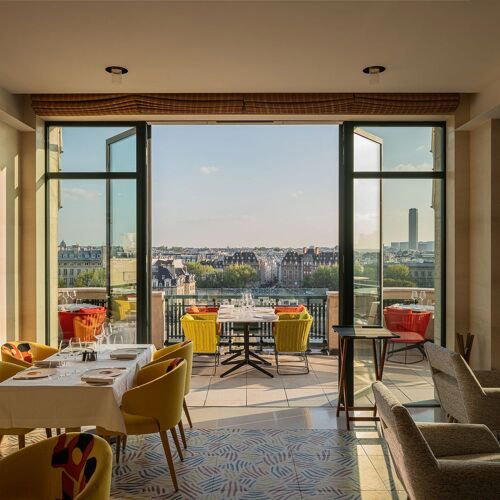
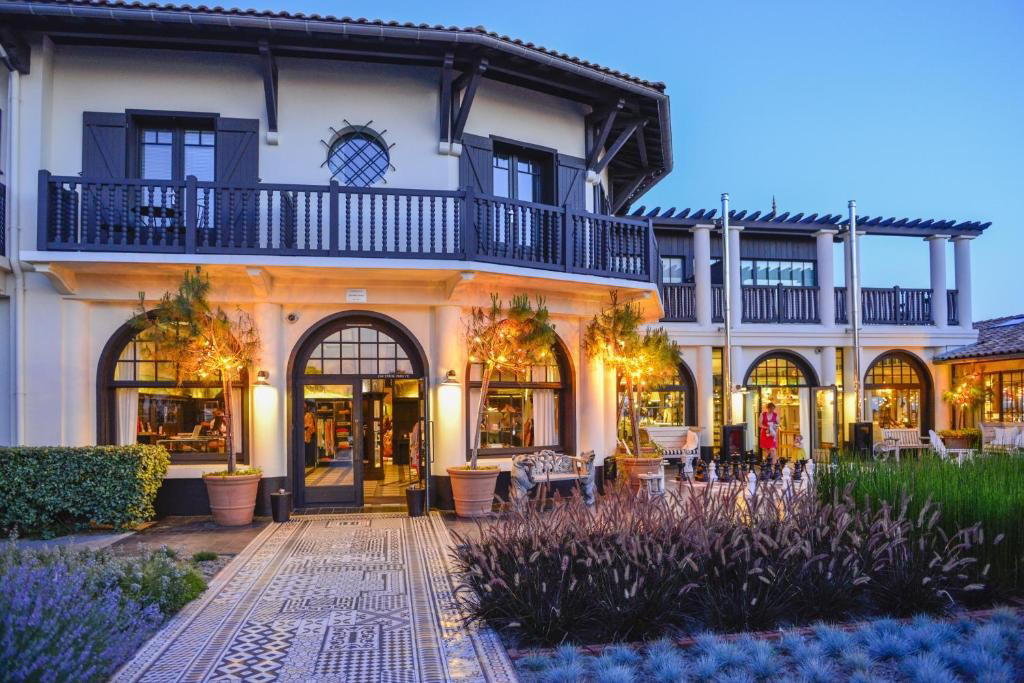
Calm and refined, combining an elegant dining room with a quiet terrace shaped by the port, tides, and sunset light.