Hôtel Ha(a)ïtza


1 Michelin Key · Gault & Millau Exceptional Hotel
A 1930s oceanside villa in La Teste-de-Buch redesigned by Philippe Starck, Hôtel Ha(a)ïtza pairs 38 bright, architecturally considered rooms with three restaurants, including The Skiff Club, which holds two Michelin Stars and a Green Star. Gault & Millau awarded the property Exceptional Hotel status in 2025. Rates from around $309 per night place it in a tier where design ambition and serious gastronomy occupy the same address.

Pearl is the En Primeur Club membership app, where members save venues, book tables and use the concierge.
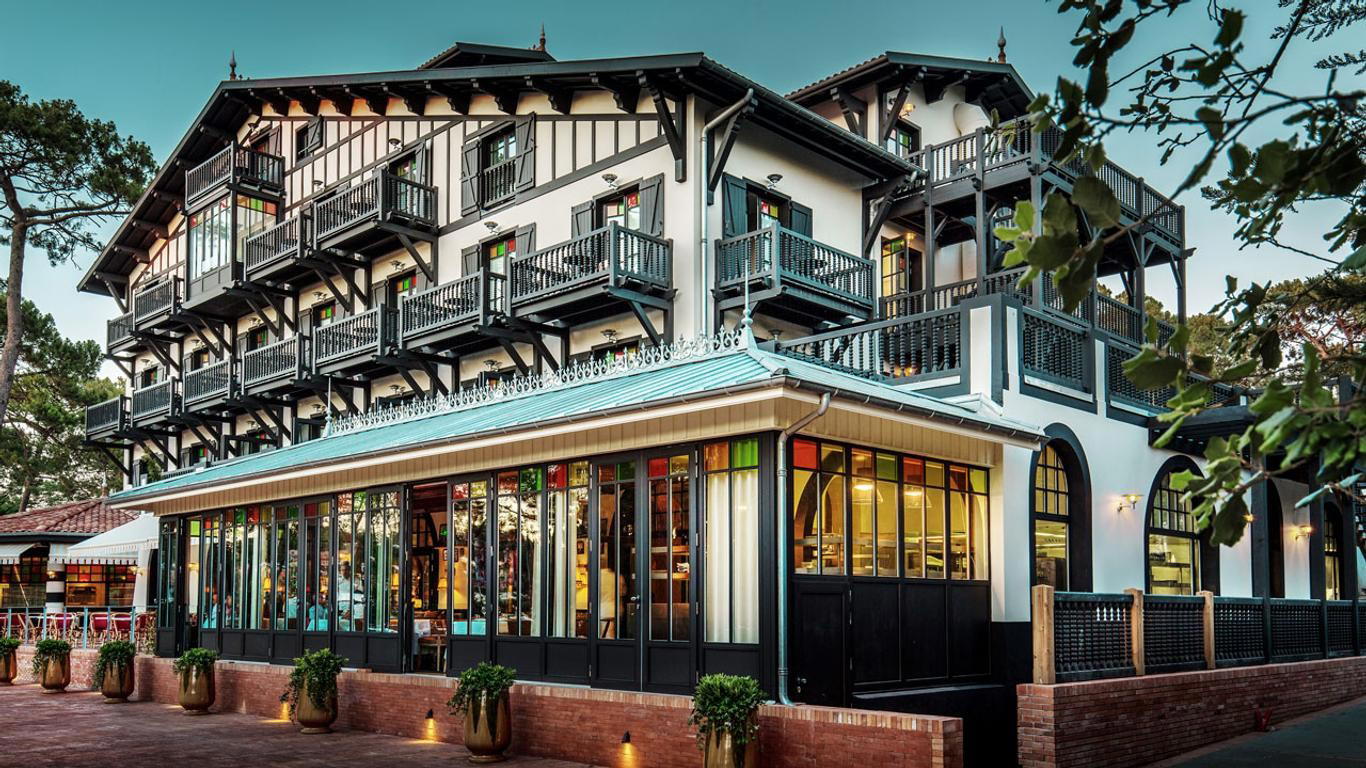
A 1930s Villa, Rewritten by Starck
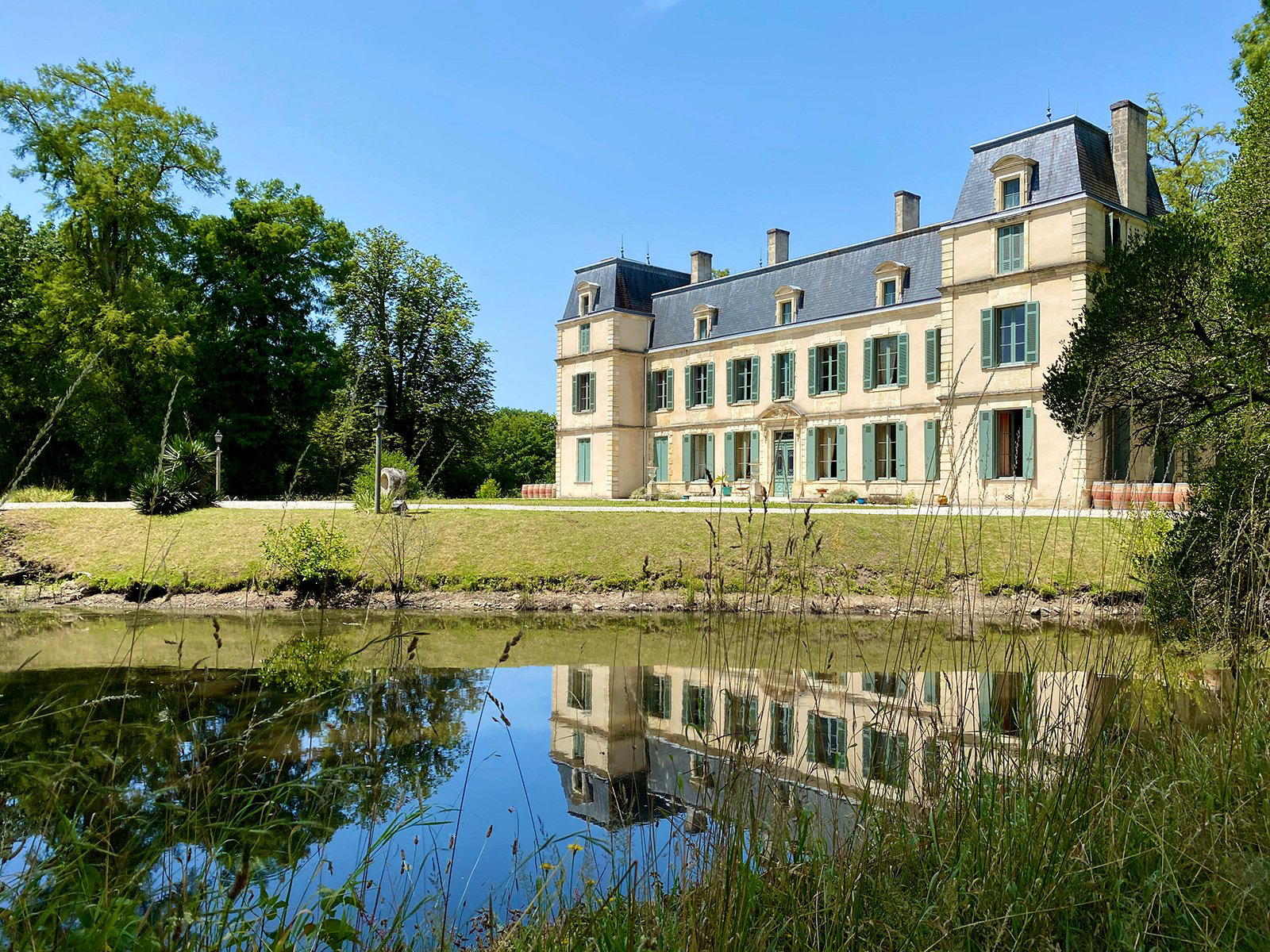
The Arcachon Basin has long operated at the intersection of Bordeaux wealth and Atlantic leisure, and the properties along its southern shore reflect that dual inheritance: old money, sea air, and an intermittent appetite for architecture that does more than shelter guests. Hôtel Ha(a)ïtza, positioned close to the Dune de Pilat in La Teste-de-Buch, belongs to a particular strain of French coastal hotel that treats its building as a design statement first and a hospitality operation second. The 1930s villa silhouette, steep-pitched rooflines, symmetrical facade, a geometry that reads clearly against the pine-backed sky, survived into the present as a physical argument for why the interiors needed someone willing to play against that gravity. Philippe Starck provided the answer.
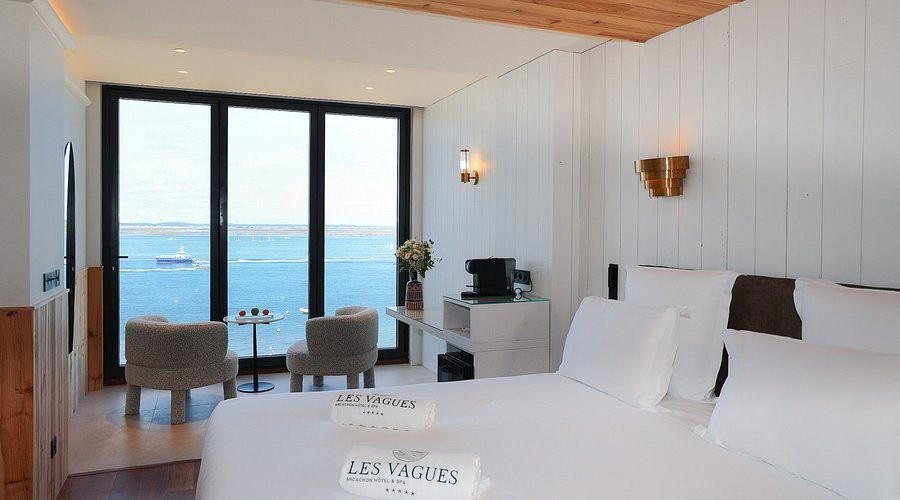
Starck's intervention across the property's 38 rooms, suites, and apartment is disciplined rather than theatrical. The tendency in design-led boutique hotels in France's coastal tier is to deploy aesthetic boldness in the public spaces and retreat into safe neutrality behind guest-room doors. Ha(a)ïtza resists that compromise. The rooms are reported as consistently stylish and bright, categories that, at this price point and with this design pedigree, signal deliberate material and light choices rather than generic renovation. For comparison, French properties working at a similar intersection of heritage architecture and contemporary design authorship, consider Château du Grand-Lucé in the Loire or La Bastide de Gordes in Provence, tend to anchor their identity either in the building's period detail or in a single signature designer. Ha(a)ïtza does the latter, which means the Starck stamp is consistent from threshold to terrace.
The pool deck has accumulated a reputation that precedes the hotel's other credentials. Photogenic is a functional description here, not flattery: the deck's geometry and its relationship to the surrounding pine landscape make it the kind of space that registers visually before it registers as a place to swim. That quality matters because it anchors the hotel's social identity, the kind of guests who choose a Starck-designed property near the Dune de Pilat are partly choosing the visual coherence of the environment around them.
The Dining Architecture: Three Formats, One Green Star
French coastal hotels in the premium tier have increasingly adopted a multi-restaurant model to serve different guest moods and meal occasions without forcing formal dining at every sitting. Ha(a)ïtza runs three distinct formats under one roof: a café, a brasserie, and The Skiff Club. That tiered structure is common enough in the Riviera and Atlantic coast markets, but what is less common is having the flagship restaurant carry two Michelin Stars alongside a Green Star for sustainable practice. In a region where serious gastronomy typically requires a separate journey, Bordeaux's starred addresses are roughly 50 minutes by road, having that level of culinary recognition on-property is a material differentiator.
The Green Star, awarded by Michelin to recognise leadership in sustainable gastronomy, is the more contextually significant of the two credentials at this particular address. The Arcachon Basin is an oyster-producing ecosystem under real environmental pressure, and a fine-dining restaurant in direct proximity to that ecosystem that has earned sustainability recognition from the same body that awarded its culinary stars is making a coherent argument about what serious cooking in this geography should look like. Among the cohort of French coastal hotels with Michelin-starred restaurants, properties like Hotel Du Cap-Eden-Roc on the Riviera or Castelbrac in Brittany, the Green Star designation remains relatively rare, which places The Skiff Club in a narrower reference group than its two culinary stars alone would suggest.
The café and brasserie formats serve the practical function that all good hotel dining tiers should: they give guests who are not sitting down to a full tasting menu a reason to eat well on-site rather than drive somewhere less interesting. At a property 50 minutes from Bordeaux's urban restaurant density, that matters. A guest arriving after a long walk on the Dune de Pilat wants access to something better than hotel-standard casual food, and the three-format model is designed to meet that expectation.
Location and the Dune de Pilat Factor
Dune de Pilat is not incidental context for Ha(a)ïtza, it is the primary reason this stretch of the Arcachon coastline attracts visitors who would otherwise anchor in Bordeaux itself. At roughly 110 metres high and extending over nearly three kilometres of Atlantic-facing coastline, the dune is one of Europe's most singular natural landforms. Proximity to it shapes the hotel's positioning: guests are here for the dune, the basin, and the oyster culture of the surrounding coast, not for a city break. That shifts what the hotel needs to provide. Design and gastronomy compensate for what a rural coastal address cannot offer in terms of urban density.
Drive from Bordeaux runs under an hour, which means the hotel sits in a practical day-trip radius but functions primarily as a destination stay. For guests travelling from Paris, the TGV reaches Bordeaux in around two hours, with onward road transfer to La Teste-de-Buch adding roughly 50 minutes. That journey logic places Ha(a)ïtza in a similar position to destination properties like Les Sources de Caudalie outside Bordeaux, which also depends on guests making a deliberate journey rather than arriving incidentally. The difference is geography: wine country versus Atlantic coast, vineyard spa versus pine-backed ocean.
Spa, Recognition, and the Competitive Set
Spa at Ha(a)ïtza operates under the Codage brand, a French skincare line that has built a presence in premium hotel spa partnerships over the past decade. Codage positions itself in the mid-to-upper tier of French cosmetic science, which aligns with the hotel's overall register. For guests whose hotel decisions are partly anchored in spa quality, this signals a programme with some curatorial intentionality rather than a generic wellness offering.
Gault & Millau's Exceptional Hotel designation for 2025, awarded at five points, provides the independent hospitality validation that confirms the property's position in France's upper-tier coastal hotel set. Ha(a)ïtza at 38 keys operates at the smaller, more design-specific end of the spectrum, closer in spirit to Casadelmar in Corsica or La Réserve Ramatuelle than to large-footprint luxury brands. The Michelin Key recognition in 2024 adds a second institutional signal, confirming the hotel's quality across its hospitality offer rather than for its restaurant alone.
The nearby Hôtel La Co(o)rniche provides a direct local comparison for guests choosing between Ha(a)ïtza and its immediate competitor. Both properties work the same Arcachon Basin geography. The decision between them is likely to turn on the weight a guest places on Michelin-starred dining on-property versus other considerations.
Rates from approximately $309 per night position Ha(a)ïtza below the entry point of France's most formal palace-category addresses, Cheval Blanc Paris or The Maybourne Riviera operate in an entirely different price register, while delivering design and gastronomy credentials that justify the premium over standard coastal accommodation. For guests oriented toward architecture, serious food, and Atlantic coastline over poolside service culture, that equation is worth examining carefully before the booking window closes.
Planning Your Stay
Ha(a)ïtza's 38 rooms, Michelin-starred dining, and Gault & Millau recognition mean availability in peak summer months runs tighter than the property's modest scale might suggest. The Arcachon Basin draws heavily from Bordeaux and Paris in July and August, and a hotel with this combination of design credentials and gastronomic recognition fills on reputation rather than room volume. Booking ahead, particularly for stays that include a reservation at The Skiff Club, is the practical approach. Rates from $309 per night reflect standard room positioning; suites and the apartment will sit above that figure. For broader context on the La Teste-de-Buch area, see our full La Teste-de-Buch restaurants guide.
Comparison Snapshot
Comparable venues nearby, for context on price, style, and recognition.
| Venue | Cuisine | Price | Awards | Notes |
|---|---|---|---|---|
| Hôtel Ha(a)ïtzaThis venue (the venue you are viewing) | Contemporary luxury beachside retreat | $300–500 | 1 Michelin Key · Gault & Millau Exceptional Hotel | Not listed |
| Hôtel La Co(o)rniche | Upscale resort in a renovated 1930s Basque hunting lodge overlooking the sea. | $300–500 | Gault & Millau Exceptional Hotel | Pyla-sur-Mer |
| Château du Palanquey | Restored historic chateau with modern comforts in vineyard setting | Not listed | 1 Michelin Key | Sainte-Colombe |
| Hôtel La Bastide | Luxury boutique hotel with classical French charm and contemporary wellness focus | Not listed | 1 Michelin Key · Gault & Millau Exceptional Hotel | Barbotan-les-Thermes |
| Château de la Treyne | 17th-century turreted chateau with French formal gardens and private forest | $300–500 | 1 Michelin Key · La Liste Top Hotels | Lacave |
| Relais de la Poste | Charming historic relais with modern comforts and lush gardens | $200–300 | 1 Michelin Key · Relais Chateaux Award | Magescq |
Recognition history
Dated appearances from independent guides and award organizations, with the underlying list record or original source where available.
Michelin 1 Key
Michelin
Gault & Millau Exceptional Hotel
Gault & Millau
Continue exploring
More in La Teste-de-Buch
Hotels in La Teste-de-Buch
All hotels in La Teste-de-Buch →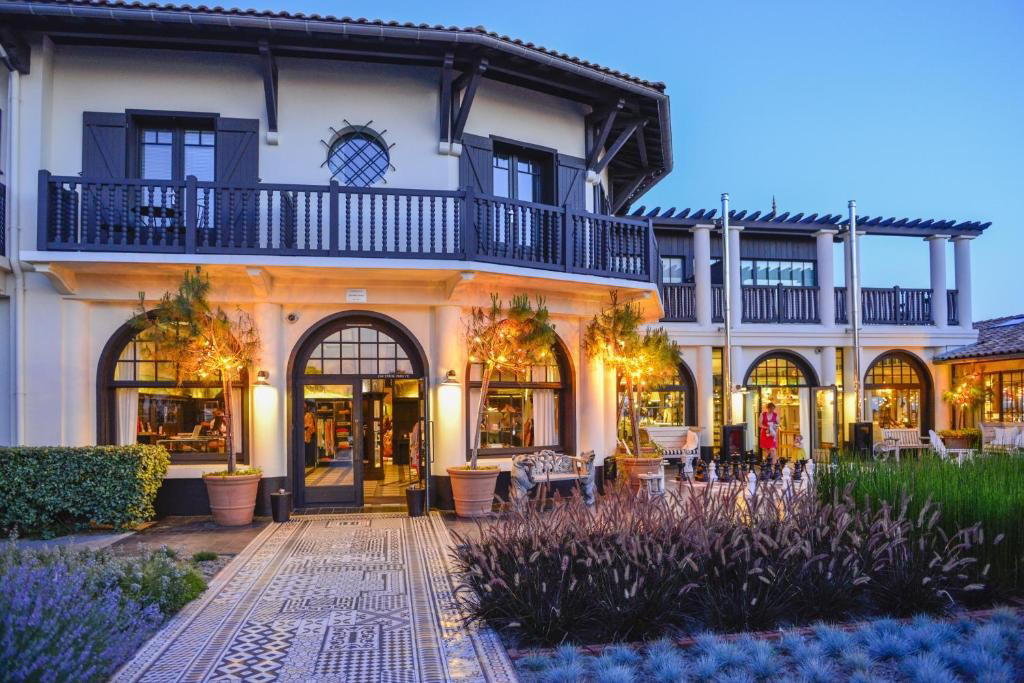
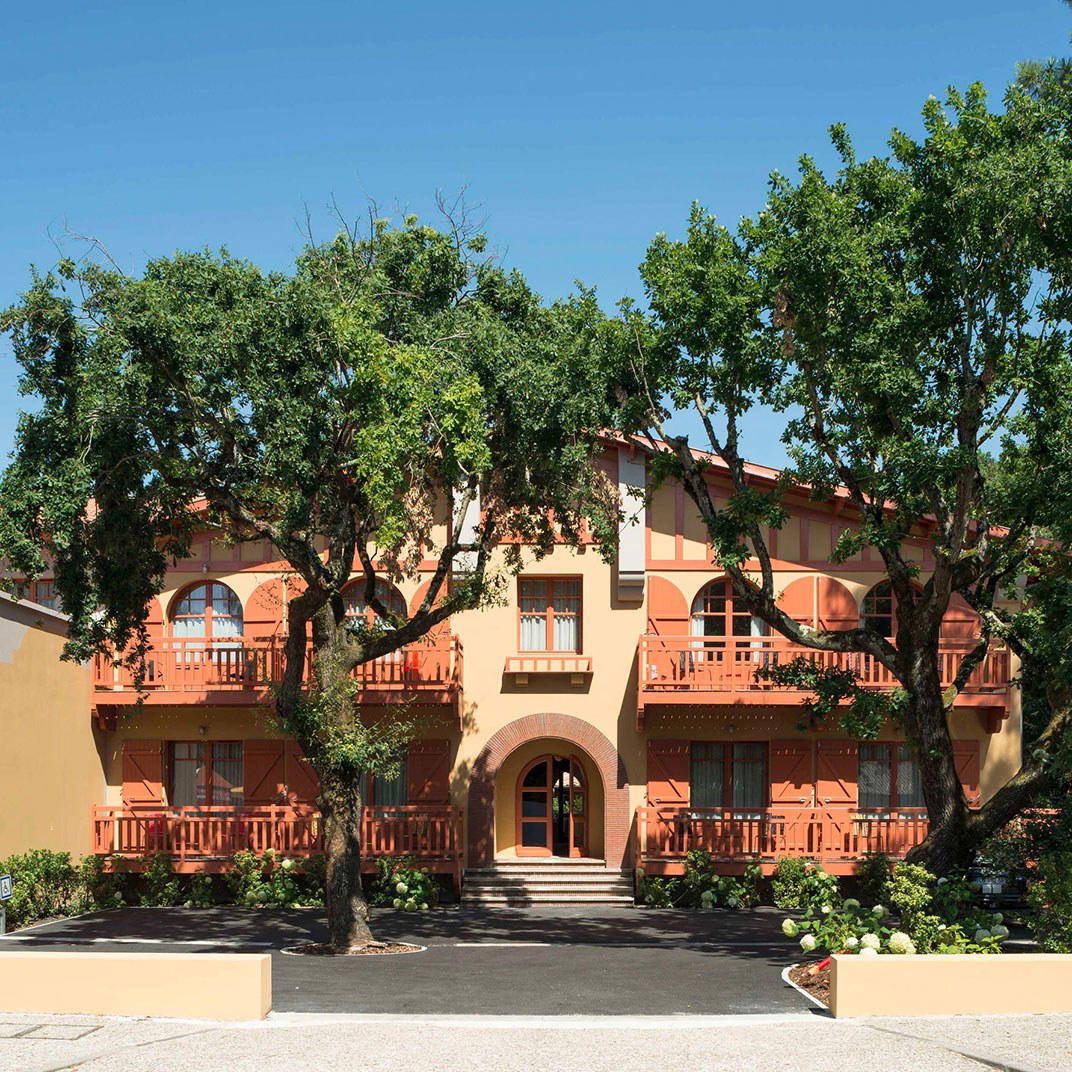
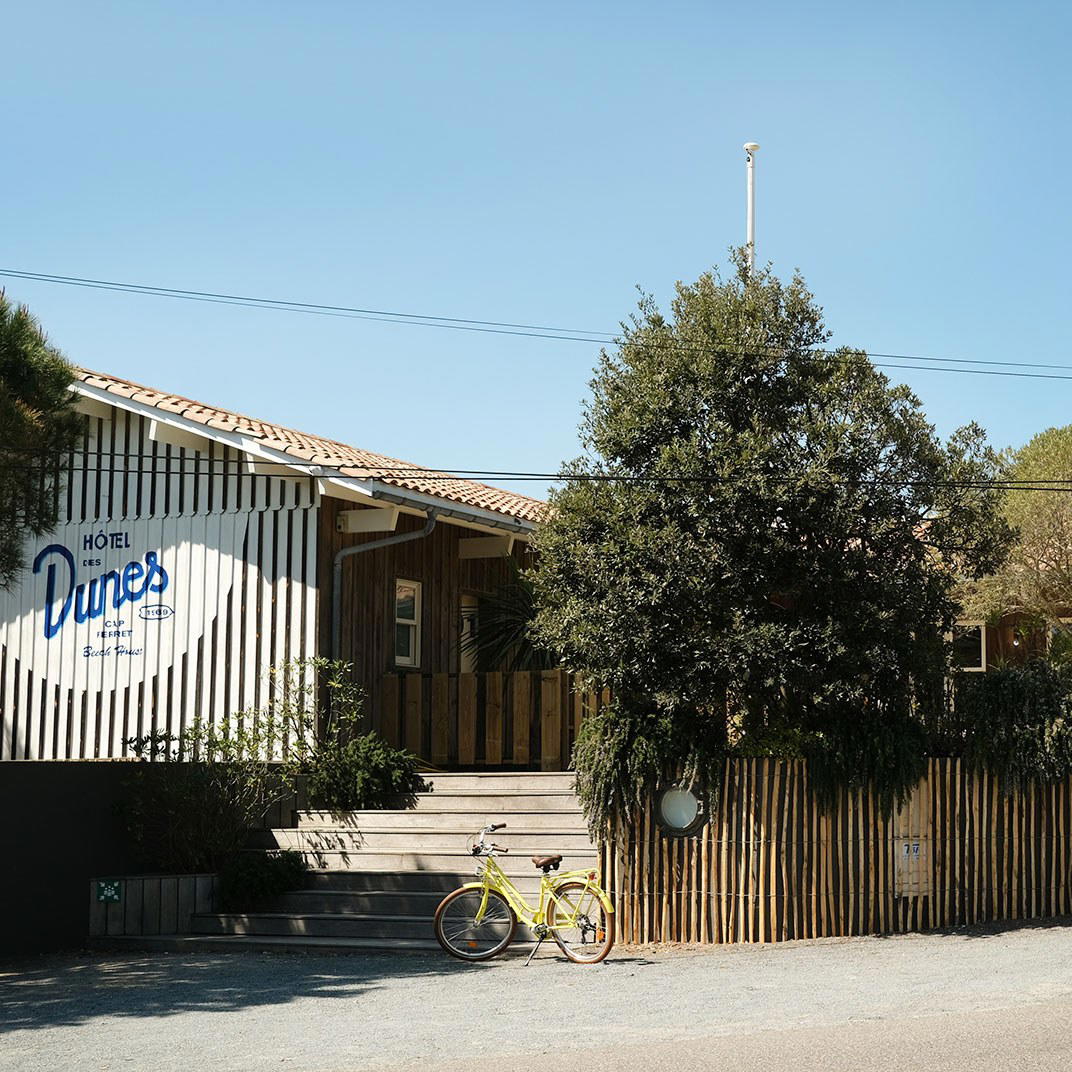

Details
- Romantic
- Elegant
- Cozy
- Sophisticated
- Scenic
- Romantic Getaway
- Honeymoon
- Weekend Escape
- Family Vacation
- Infinity Pool
- Destination Spa
- Wi Fi
- Pool
- Spa
- Fitness Center
- Room Service
- Concierge
- Restaurant
- EV Charging
- Garden
- Waterfront
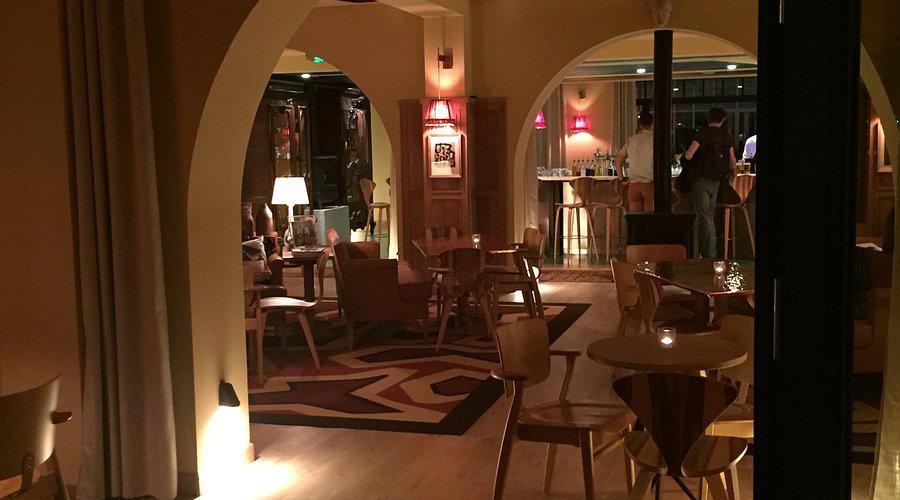
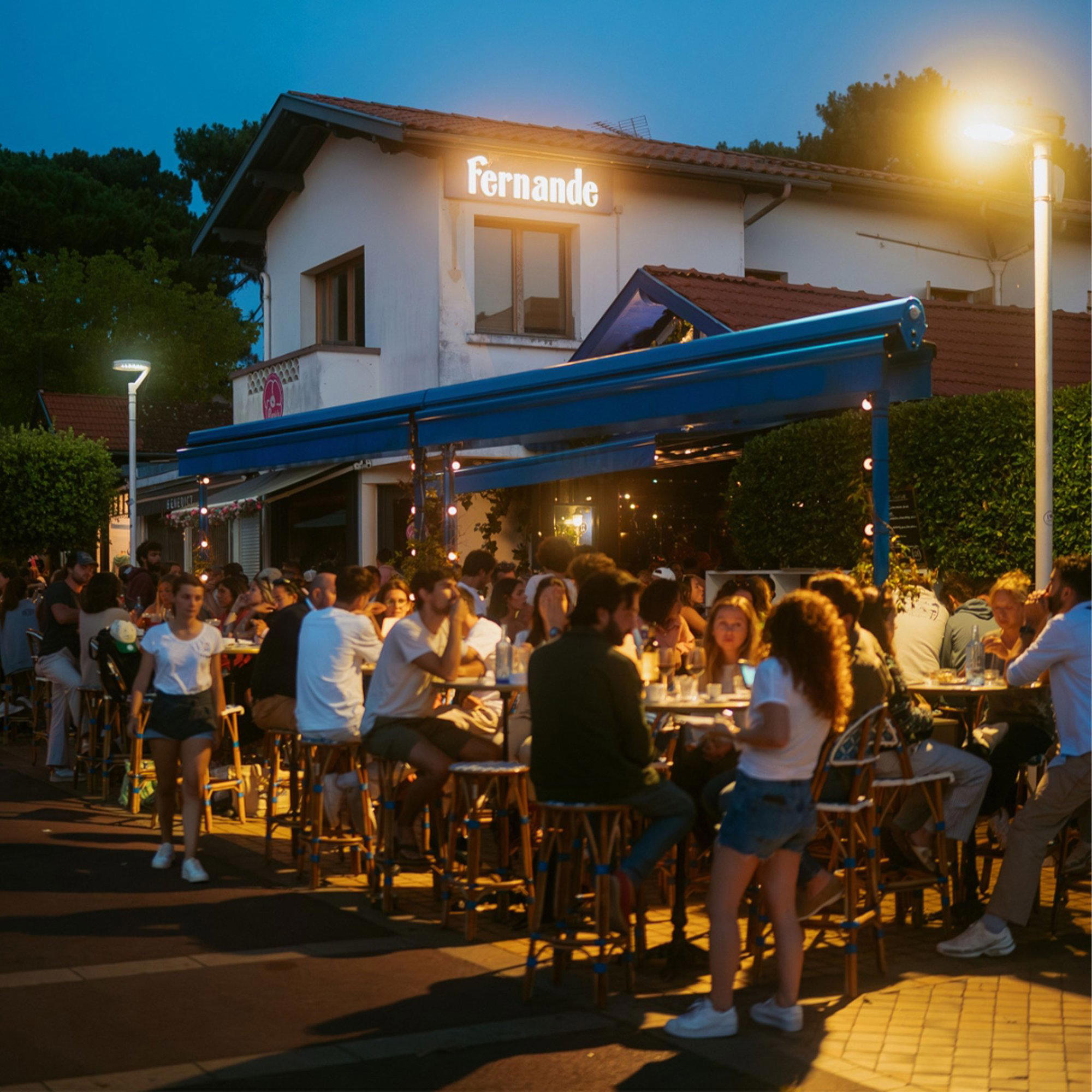
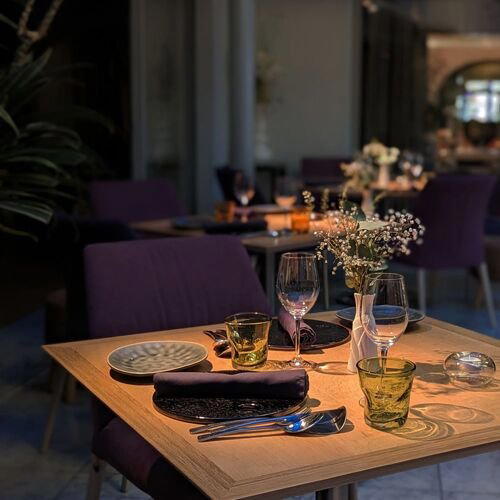
Warm, lively yet calm atmosphere with beautiful lighting, pine tree views, and a welcoming, convivial feel.