Haliotis

Michelin Plate
Our verdict
On a quiet avenue in La Teste-de-Buch, Haliotis is where two chefs working in tandem produce food that earns its Michelin recognition through clarity rather than complexity. Mullet ceviche with seaweed tapioca, quail stuffed with foie gras, the kitchen's sourcing instincts and sauce work are the story. A wood-decked terrace shaded by plane trees adds an unhurried outdoor dimension.

Pearl is the En Primeur Club membership app, where members save venues, book tables and use the concierge.
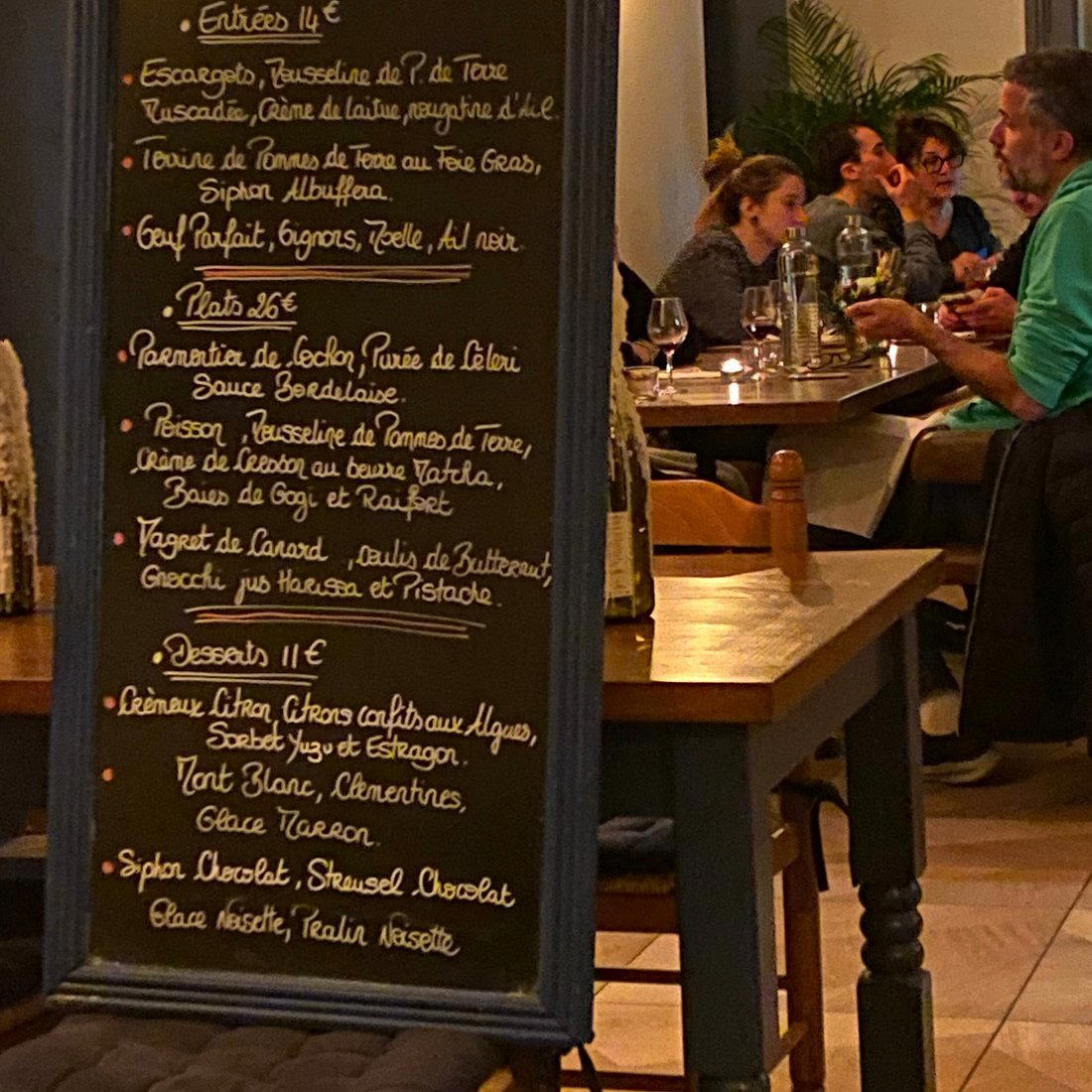
The menu
What to order
- Mullet ceviche
- Quail stuffed with foie gras
Plane Trees, a Terrace, and Food That Earns Attention
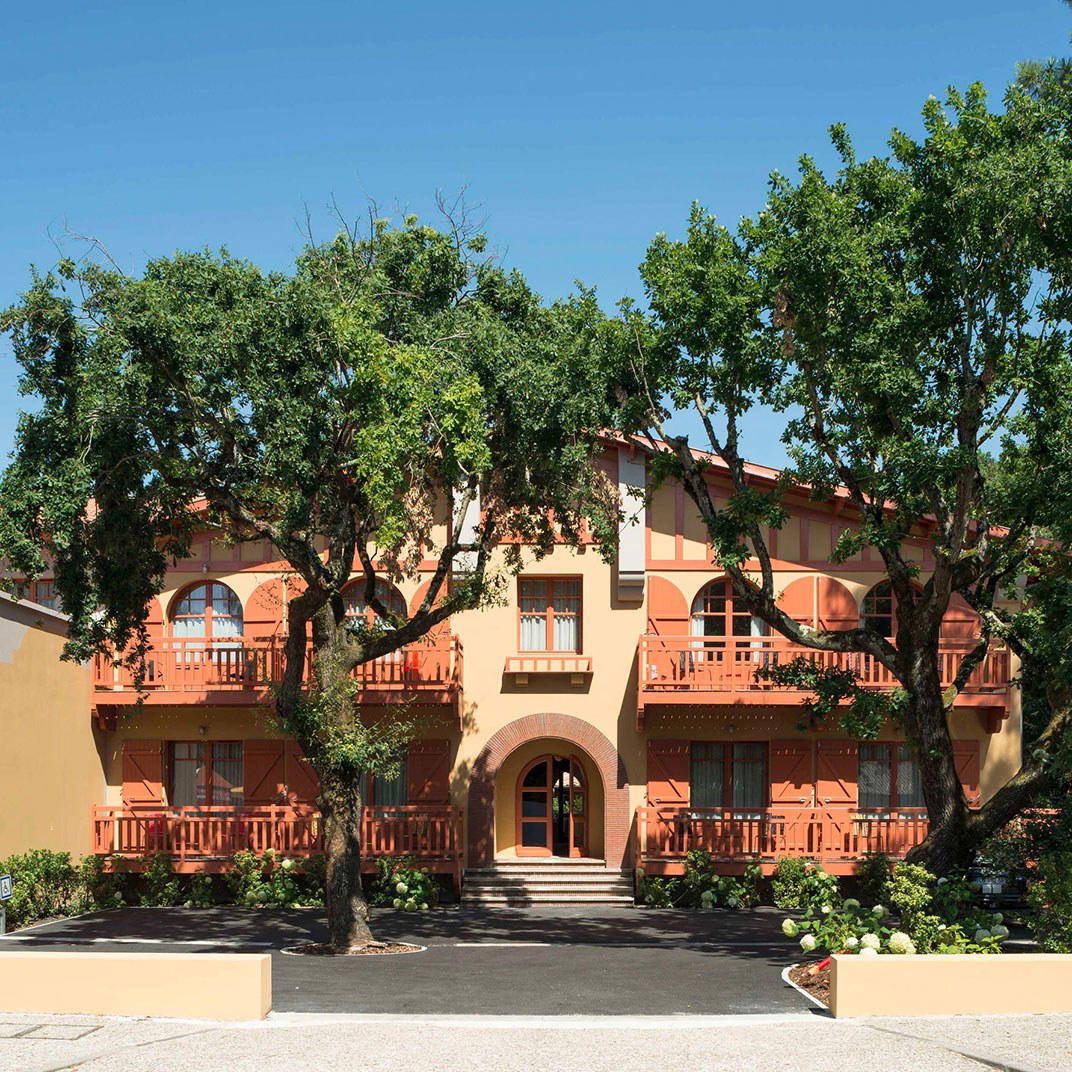
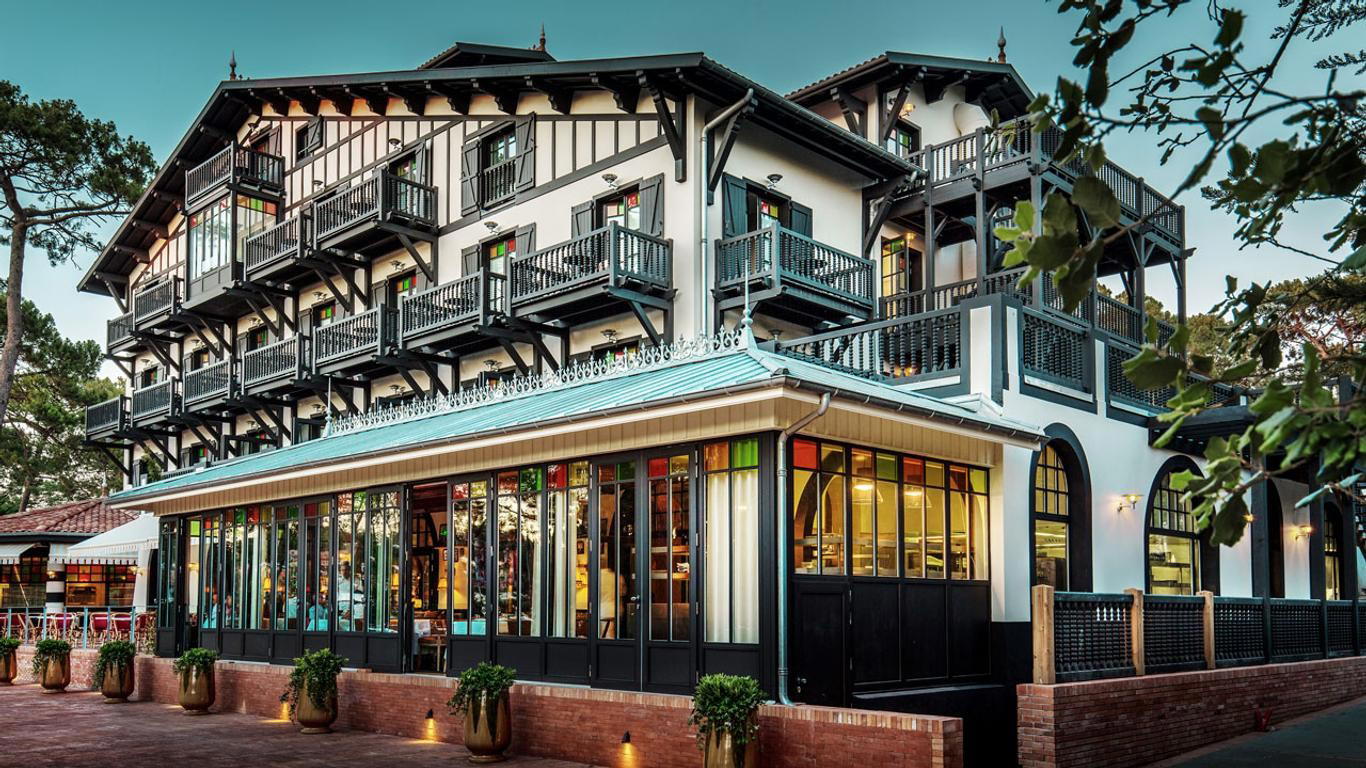
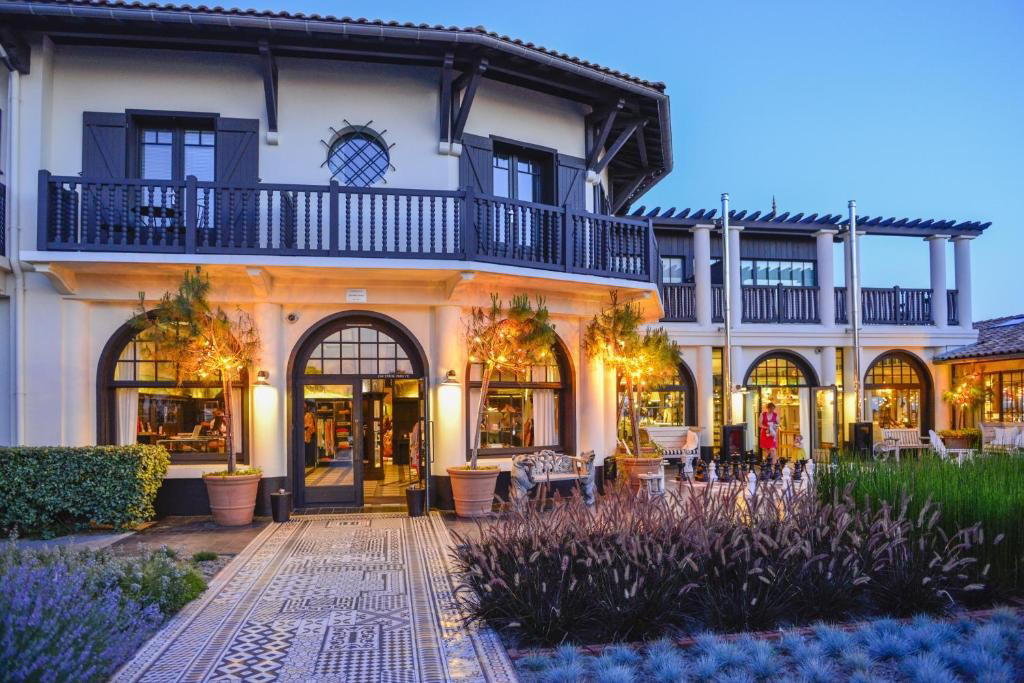
Approach Haliotis on avenue Charles-de-Gaulle and the first thing that registers is the terrace: a wood deck shaded by mature plane trees, the kind of setting that belongs entirely to the south-west French coastal belt. La Teste-de-Buch sits at the southern tip of the Bassin d'Arcachon, a town that most visitors pass through en route to the dunes at Pilat or the oyster villages along the bay. That transit habit works in Haliotis's favour. The dining room is simple and welcoming rather than destination-theatrical, and the pace of a meal here follows the unhurried logic of a town that has always lived beside the water rather than performed for it.
Inside, the setting stays deliberately unpretentious. This is not the kind of space that signals ambition through interior design. The ambition is expressed elsewhere, entirely on the plate.
Two Kitchens in One: The Collaborative Model
The defining structural fact about Haliotis is that the kitchen is run by two chefs working as a pair rather than one named figure with a supporting brigade. In French fine dining, that model is rarer than it should be. The collaborative format tends to produce menus with genuine internal coherence because no single dish needs to carry one person's signature weight. The result at Haliotis, as Michelin's inspectors noted in awarding the restaurant a star, is food characterised by clarity, well-chosen ingredients, strong sauces, and generosity, four qualities that are harder to sustain simultaneously than they sound.
France's most decorated kitchens, from Alléno Paris au Pavillon Ledoyen to Troisgros - Le Bois sans Feuilles, built their reputations partly on sauce work that functions as an independent discipline. At Haliotis, the jus that accompanies the foie-gras-stuffed quail is described as full-bodied, which in Michelin vocabulary signals a reduction with genuine depth rather than a garnish. That kind of saucework at a neighbourhood scale is worth noting precisely because it is rare outside of larger tasting-menu formats.
Where the Ingredients Come From, and Why It Matters
The Bassin d'Arcachon is one of France's most specifically located food regions. The bay produces oysters that appear on tables from Paris to Tokyo; the Landes forest to the south supplies the foie gras and poultry that define Gascon cooking; and the Atlantic coast running from Cap-Ferret to Biscarrosse yields fish, mullet, sea bass, sole, that arrives without the transport distance that blunts flavour in inland kitchens. A restaurant positioned at this intersection has a sourcing advantage that is geographic rather than financial.
The mullet ceviche on Haliotis's menu makes that logic explicit. Mullet is a fish that divides opinion: bolder in flavour than sea bass, with a coastal salinity that suits acid-led preparations. Pairing it with vanilla-infused lemon and seaweed tapioca pulls the dish between the Atlantic's mineral register and the more aromatic vocabulary of modern French technique. The seaweed element in particular signals a kitchen paying attention to what the local coastline actually offers rather than defaulting to safe, neutral proteins. Compared to the produce-driven ethos at restaurants like Mirazur in Menton or the terroir-first approach of Bras in Laguiole, Haliotis operates at a more intimate scale, but the underlying sourcing logic belongs to the same tradition.
Quail dish follows a complementary line of thinking. Quail stuffed with foie gras is a Gascon archetype, but peas à la française, braised with lettuce and aromatics in the classical manner, ground the plate in a specific regional season rather than a generic garnish. The dish reads as modern in execution and rooted in geography, which is exactly where the leading south-west French cooking has always sat. For a broader picture of how this region's kitchens handle their exceptional raw materials, the full La Teste-de-Buch restaurants guide is worth consulting alongside local peers such as L'Aillet and La Table de L'Oléa, both of which work in a similar modern cuisine register at the €€ tier.
The Michelin Signal and What It Means at This Scale
A Michelin star in a town the size of La Teste-de-Buch carries different weight than the same recognition in Lyon or Paris. Inspectors do not award stars as consolation prizes for provincial settings; the star signals that this kitchen would hold its own in a larger competitive pool. The comparison set for Haliotis is less the grand tasting-menu houses, the Flocons de Sel tier or the legacy status of Paul Bocuse - L'Auberge du Pont de Collonges, and more the category of serious one-star houses in regional France that deliver restaurant-quality cooking without the ceremony of a destination tasting format. Auberge de l'Ill in Illhaeusern occupies that tradition at a longer-established level; Haliotis is the newer, less formally decorated end of the same spectrum.
The friendly service noted in the Michelin assessment is not a throwaway detail. At starred houses that run a more relaxed floor, the absence of formality is a deliberate choice, not a gap in training. It shifts the experience closer to what AM par Alexandre Mazzia in Marseille achieves in a different register: technically serious cooking delivered without the weight of ceremony. At a coastal address like this one, that tone is appropriate.
Planning Your Visit
Haliotis is at 3 avenue Charles-de-Gaulle in La Teste-de-Buch, within manageable distance of Arcachon and its rail connection to Bordeaux. The terrace, shaded by plane trees, operates when the Atlantic weather permits, which in the Bassin d'Arcachon means a reliable season from late spring through September. Given the Michelin recognition and the modest scale of the dining room, booking ahead is advisable; this is the kind of room that fills quickly once word has travelled. La Teste-de-Buch's wider hospitality offer is covered in the hotels guide, with additional context on the area's drinking and leisure options in the bars guide, wineries guide, and experiences guide. For a different format in the same town, Le Skiff Club offers a contrasting perspective on the local dining scene.
For reference points further afield, the coastal precision-meets-European-technique approach that Haliotis represents has parallels in how serious seafood restaurants operate globally, from the French-trained rigour behind Le Bernardin in New York City to the Gulf Coast generosity of Emeril's in New Orleans. The scale and ambition differ entirely, but the underlying logic, that geography should dictate the plate, connects them.
Frequently asked questions
Is Haliotis suitable for children?
The setting at 3 avenue Charles-de-Gaulle is described as simple and inviting, with a wood-decked terrace shaded by plane trees and notably friendly service, conditions that generally suit families. The menu skews toward precise, ingredient-led cooking (mullet ceviche, quail stuffed with foie gras) rather than casual fare, so younger diners with adventurous palates will fare better than fussy eaters.
How would you describe the vibe at Haliotis?
Michelin describes the setting as simple and inviting, which at this scale means unfussy rooms, a terrace under mature plane trees, and service that reads as warm rather than formal. The dual-chef model gives the kitchen a collaborative energy that tends to translate into a more relaxed front-of-house atmosphere than you would find at a more hierarchically run restaurant of comparable recognition.
What awards or recognition does Haliotis have?
Haliotis has received recognition including: In a simple, inviting setting, a couple who are well versed in the culinary arts are breathing new life into traditional cuisine. Prepared collaboratively by both chefs, the food impresses with its clarity, well-chosen ingredients, good sau….
What's the signature dish at Haliotis?
Michelin's own citation names two dishes that represent the kitchen's approach: mullet ceviche with vanilla-infused lemon and seaweed tapioca, and quail stuffed with foie gras with peas à la française and a full-bodied jus. Between them, the mullet ceviche is the sharper indicator of the kitchen's identity, it pulls the Bassin d'Arcachon's coastal produce into a technique that is anything but regional convention.
In Context: Similar Options
Comparable venues nearby, for context on price, style, and recognition.
| Venue | Cuisine | Price | Awards | Notes |
|---|---|---|---|---|
| HaliotisThis venue (the venue you are viewing) | Modern French Bistro | $50–100 | Michelin Plate | Not listed |
| L'Aillet | Modern French Bistro | $50–100 | Michelin Bib Gourmand | centre ville |
| La Table de L'Oléa | Modern French Fine Dining | $100–150 | Michelin Plate | La Teste-de-Buch |
| L'Auberge du Bassin | Modern French Bistro | $50–100 | Michelin Plate | Claouey |
| Passage Secret | Contemporary French Gastronomy | $50–100 | Michelin Plate | Centre ville |
| OST | Contemporary French Bistronomique with Asian Flair | $50–100 | Michelin Plate | Centre ville |
Recognition history
Dated appearances from independent guides and award organizations, with the underlying list record or original source where available.
Michelin Plate
Michelin
Continue exploring
More in La Teste-de-Buch
Restaurants in La Teste-de-Buch
All restaurants in La Teste-de-Buch →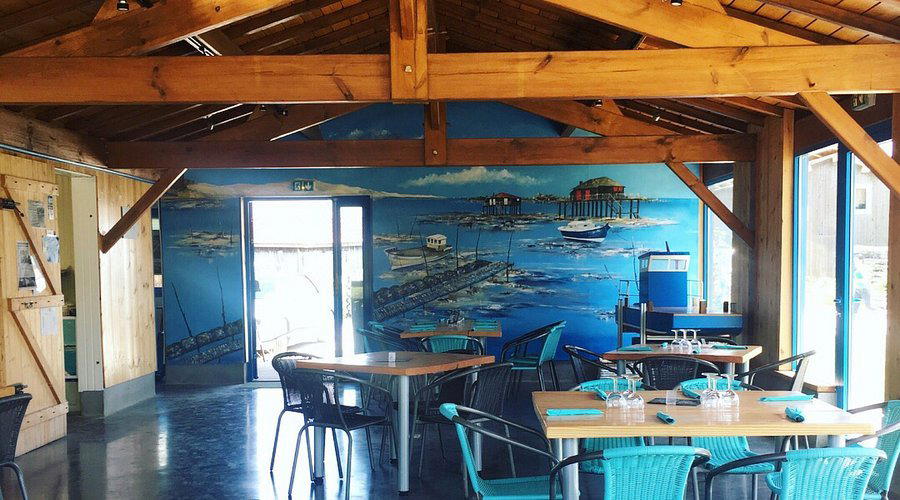
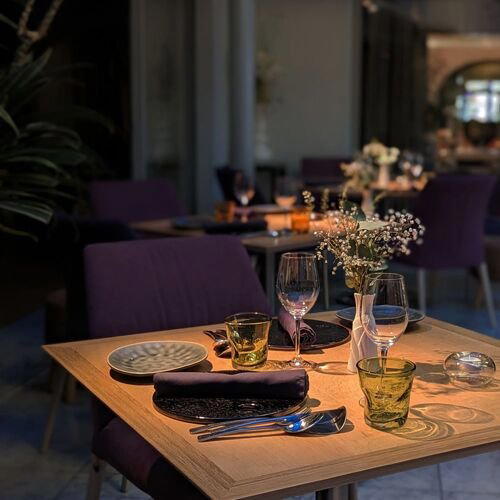
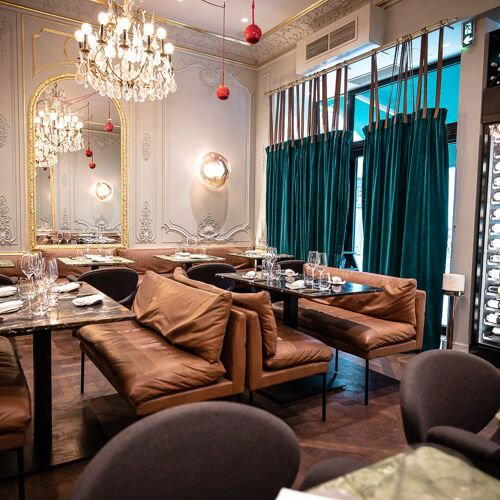
Hotels in La Teste-de-Buch
All hotels in La Teste-de-Buch →
Details
- Cozy
- Elegant
- Modern
- Intimate
- Date Night
- Family
- Casual Hangout
- Terrace
- Craft Cocktails
- Local Sourcing
- A La Carte
- Vegetarian Friendly
Current opening hours
- Monday
- Closed
- Tuesday
- 12–2 PM, 7–9 PM
- Wednesday
- 12–2 PM, 7–9 PM
- Thursday
- 12–2 PM, 7–9 PM
- Friday
- 12–2 PM, 7–10 PM
- Saturday
- 12–2 PM, 7–10 PM
- Sunday
- Closed
Hours can change for holidays and private events. Hours as of .
Serene and charming atmosphere with tasteful decoration, soft mood lighting, and a shaded wood-deck terrace under plane trees.