

A Michelin Plate-recognised address in Boulogne-Billancourt, La Table de Cybèle brings an American chef's deep respect for French technique to a mid-range price point that few comparable kitchens can match. Seasonal vegetables and fruit are central to the cooking, not decorative.
Pearl is the En Primeur Club membership app — saves, bookings, and concierge access live there. Same editors, same standards.
- Address
- 38 Rue de Meudon, 92100 Boulogne-Billancourt, France
- Phone
- +33 1 46 21 75 90
- Website
- albufera-boulogne.fr
- Directions
- Get directions
 Saves & bookings on Pearl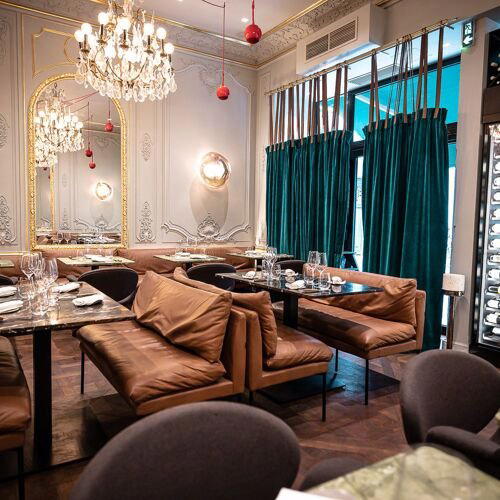
What the regulars already know about Boulogne-Billancourt's most dependable table
The story of serious cooking in Paris's inner ring begins, for most visitors, the moment they cross the périphérique. That crossing filters out a substantial proportion of the city's most interesting mid-range cooking, and La Table de Cybèle is exactly the kind of address that benefits from that inattention. Sitting at 38 Rue de Meudon in Boulogne-Billancourt, the restaurant has held the Michelin Plate in both 2024 and 2025, a recognition that signals cooking worth a detour. For the quarter's regulars, that distinction is largely beside the point. They know what they have.
Modern cuisine in France occupies a wide band. At the high end, you have the maximalist tasting-menu architecture of addresses like 114, Faubourg, or the multi-starred ambition of houses such as Mirazur in Menton and Flocons de Sel in Megève. At the other extreme, the category bleeds into brasserie cooking that borrows the language without the discipline. La Table de Cybèle occupies the more interesting middle ground: technically grounded, seasonally led, and priced at €€ in a city where comparable Michelin-recognised cooking routinely demands €€€ or more.
A kitchen rooted in French tradition, refracted through a different eye
The kitchen's biography matters here in a specific and limited way. Chef Cybele Idelot works within the French classical tradition with a precise seasonal focus. Across the generation of chefs who travelled to France from the United States, a pattern that runs from the post-war era through to the present, the ones who stayed tend to develop a form of precision about French technique that differs from native practitioners. It is the precision of conscious adoption rather than inheritance. The cooking described at La Table de Cybèle fits that frame: a style characterised as relatively classic in its architecture, but with fresh seasonal vegetables and fruit integrated as full structural elements rather than garnish.
That seasonal vegetable emphasis is worth reading as a positioning signal. At the level of the grand French houses, Paul Bocuse's Auberge du Pont de Collonges, Auberge de l'Ill, Troisgros, or Bras in Laguiole, the relationship between French haute cuisine and produce has always been one of the tradition's defining tensions. Bras, in particular, built an entire aesthetic around the primacy of the vegetable. At the restaurant, the approach is less programmatic, more woven into an existing classical framework. Seasonal fruit appearing as a genuine component rather than a sweet afterthought is the kind of choice that takes confidence in the format.
The neighbourhood arithmetic that shapes what regulars eat
Boulogne-Billancourt has its own culinary logic. It is especially densely populated commune in France outside Paris proper, with a professional population whose dining habits tend toward the regular and the considered rather than the occasion-driven. The restaurants that survive and build loyal clientele here tend to offer consistent quality at a price point that accommodates weekly visits, not just anniversaries. A €€ Michelin Plate address fits that pattern directly. Compare this to the prix-fixe reality at Paris equivalents like Accents Table Bourse or Anona, and the value arithmetic becomes clear.
5 from 765 reviews is not a soft signal. At that volume, the number reflects accumulated visits across a genuinely local base, not a burst of opening-month enthusiasm or a single wave of tourist traffic. The distribution of reviews, sustained at that level over time, points to a kitchen that performs consistently rather than brilliantly once and adequately thereafter. That is exactly what a regulars' restaurant requires. For those who visit Amâlia or Auberge de Montfleury with a similar expectation of reliable returns, the restaurant belongs on the same shortlist.
What the unwritten menu actually is
Every restaurant that builds a core local clientele develops, over time, a second menu: the one that isn't printed. It is made up of the dishes people order without looking at the card, the seasonal preparations they return for before they disappear, the timing habits that tell you a kitchen is more alert to the calendar than its competitors. At the restaurant, the available signals point toward seasonal produce as the throughline of that unwritten menu. A kitchen that integrates vegetables and fruit as structural elements across the year, working within a classical French frame, will tend to produce its most distinctive cooking at the market's turning points, late spring, early autumn, when produce quality is at its sharpest and the classical technique has interesting material to work with.
That rhythm is one reason the repeat visitor calculates differently from the occasional one. A single visit in mid-season may confirm quality; a return across different months will show the range. Modern cuisine kitchens operating at this level in France, see also Frantzén in Stockholm or FZN by Björn Frantzén in Dubai for comparable international calibrations of the format, tend to reward that longer engagement. The restaurant, operating at a fraction of those price points, makes that engagement considerably easier to sustain.
Visit details
The restaurant is located at 38 Rue de Meudon, Boulogne-Billancourt, a short distance from central Paris by metro (line 9 reaches Boulogne-Billancourt in around 25 minutes from central arrondissements). The €€ price range places it firmly within mid-week reach for most visitors staying centrally, and the sustained review volume suggests reservations are advisable, particularly for weekend services.
Cuisine Lens
Comparable venues nearby, for context on price, style, and recognition.
| Venue | Cuisine | Price | Awards | Notes |
|---|---|---|---|---|
| La Table de CybèleThis venue — the venue you are viewing | Modern French Bistro with Seasonal Focus | $$$ | Michelin Plate | Not listed |
| Au Bon Accueil | Modern French Bistro with Japanese Influences | $$$ | Bib Gourmand | Gros-Caillou |
| Rooster | Modern French Bistro | $$$ | Michelin Plate | Batignolles |
| Frenchie Pigalle | Modern French Bistro | $$$ | Michelin Plate | Pigalle |
| Bombance | Modern French Bistronomic | $$$ | Michelin Plate | Le Marais |
| Mokko | Modern French Neo-Bistro | $$$ | Michelin Plate | Montmartre |
Recognition history
Dated appearances from independent guides and award organizations, with the underlying list record or original source where available.
Michelin Plate
Michelin
We're Smart World 2 Radishes
We're Smart World
Michelin Plate
Michelin
Continue exploring
More in Paris
Restaurants in Paris
Browse all →
Bars in Paris
Browse all →
Hotels in Paris
Browse all →
At a Glance
- Cozy
- Elegant
- Intimate
- Sophisticated
- Date Night
- Business Dinner
- Family
- Special Occasion
- Open Kitchen
- Natural Wine
- Local Sourcing
- Organic
Current opening hours
- Monday
- 12–2:30 PM, 6:30–10:30 PM
- Tuesday
- 12–2:30 PM, 6:30–10:30 PM
- Wednesday
- 12–2:30 PM, 6:30–10:30 PM
- Thursday
- 12–2:30 PM, 6:30–10:30 PM
- Friday
- 12–2:30 PM, 6:30–10:30 PM
- Saturday
- 12–2:30 PM, 6:30–10:30 PM
- Sunday
- 12–3:30 PM
Hours can change for holidays and private events. Last verified .
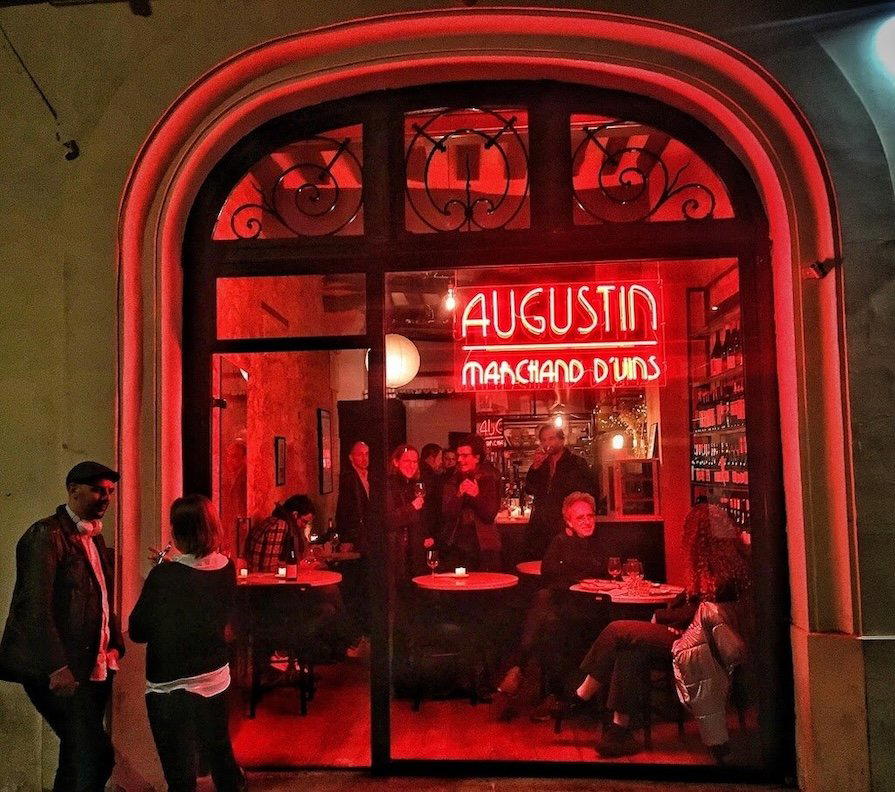
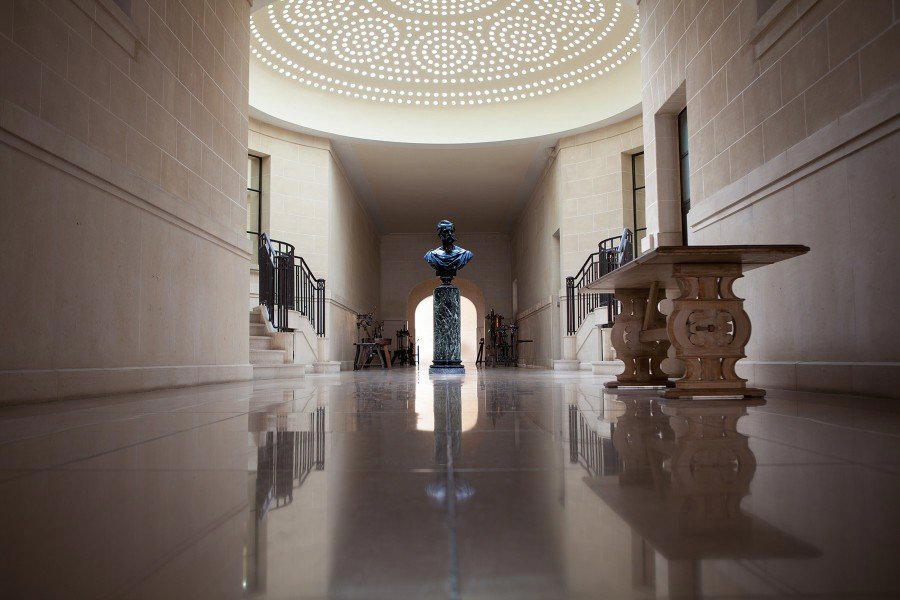
Cozy and pretty setting with clean lines, large windows, open and bright atmosphere, working for romantic evenings or convivial gatherings.