Michelin Plate
Our verdict
Grégory Marchand's ground-floor restaurant at the Pigalle hotel trades the precision of his Rue du Nil counter for something looser and more gregarious: share plates that drift between regional French comfort food, Gallic classics, and global influences, anchored by a natural-leaning wine list and a cheeseboard worth clearing the table for.

Pearl is the En Primeur Club membership app — saves, bookings, and concierge access live there. Same editors, same standards.
- Address
- 29 Rue Victor Massé, 75009 Paris, France
- Phone
- +33 1 85 73 10 46
- Hours
- Daily 12–2:30 PM, 6:30–10:30 PM
- Website
- frenchie-pigalle.com
- Directions
- Get directions
- Booking
- Book on Zenchef
The menu
What to order
- Frenchie Bacon Scones
- Sweetbread Nuggets with Caviar
- Smoked Ricotta with Roasted Apricot
Where Pigalle Sets the Table
The 9th arrondissement has always occupied an awkward position in the Parisian dining imagination. The streets around Place Pigalle carry decades of cabaret mythology and a faint residue of seediness that the neighbourhood has never fully shed, nor entirely wanted to. What has changed is the culinary register. Over the past decade, the lower 9th — roughly the corridor between the grands boulevards and the base of Montmartre — has developed a dining culture that sits deliberately outside the formal French tradition. The restaurants here tend to be informal without being casual, wine-forward without being precious, and rooted in French technique while reaching considerably further afield. Frenchie Pigalle, occupying the ground floor of the hotel of the same name at 29 Rue Victor Massé, fits that pattern closely.
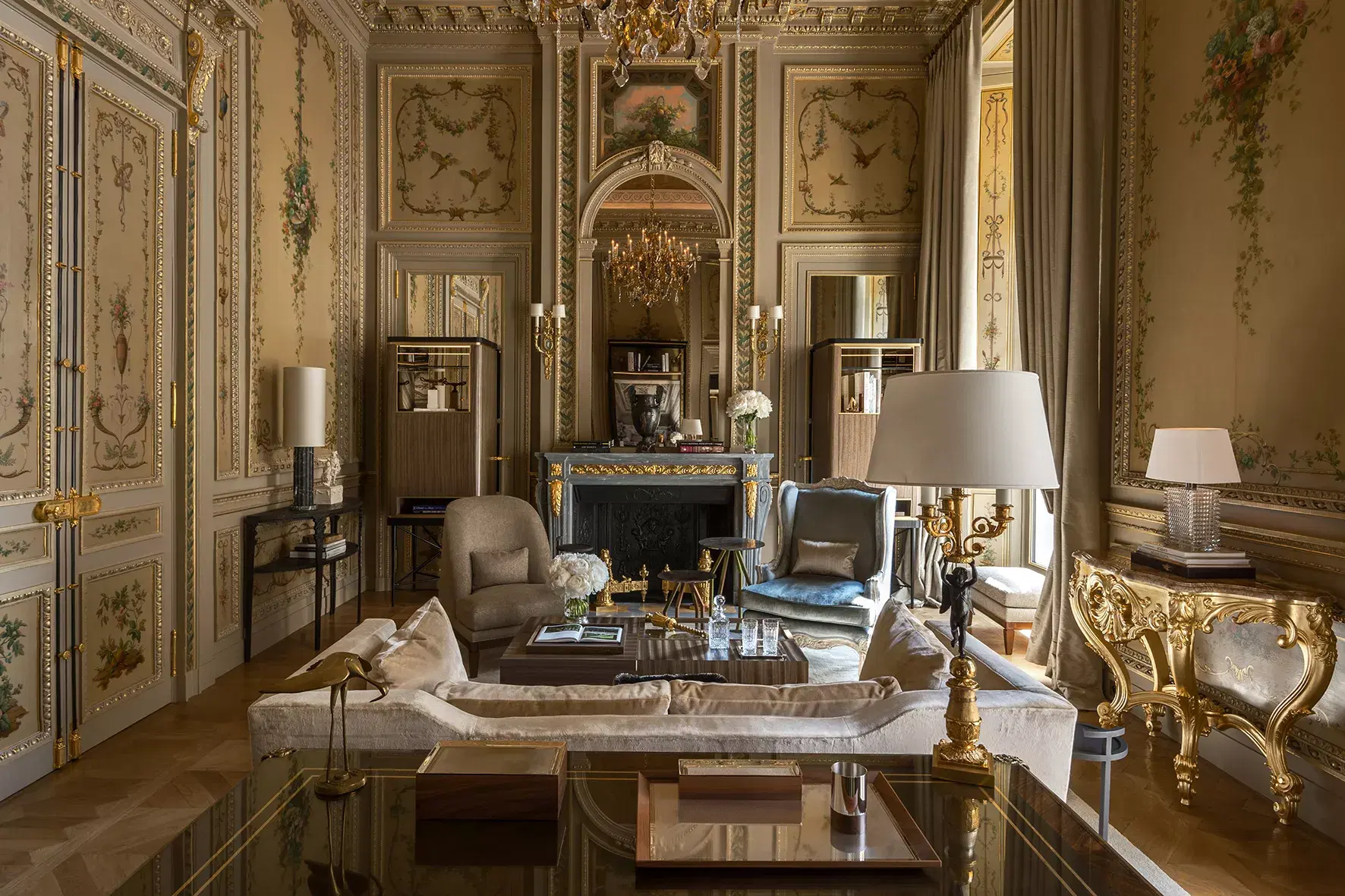
The Room and What It Signals
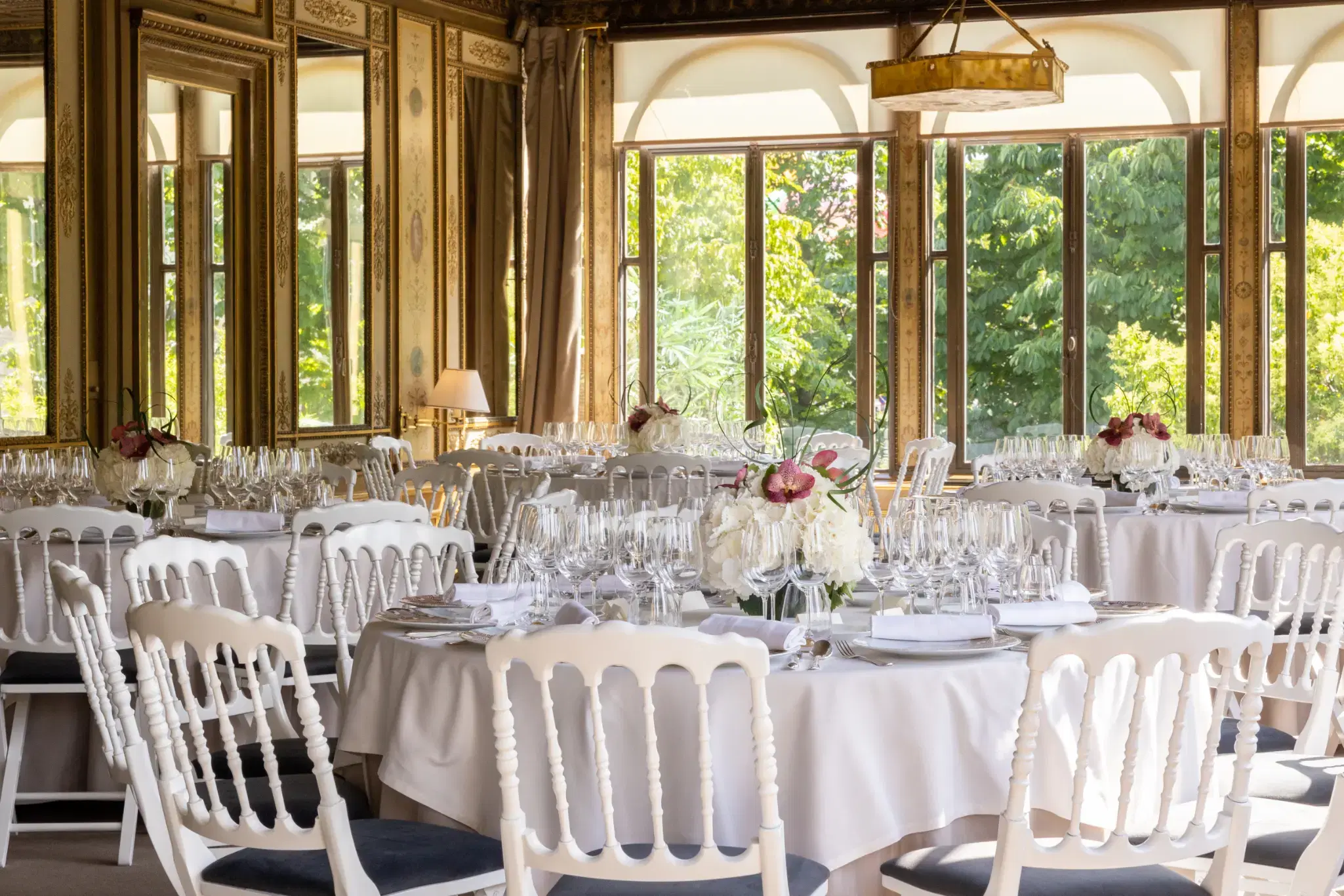
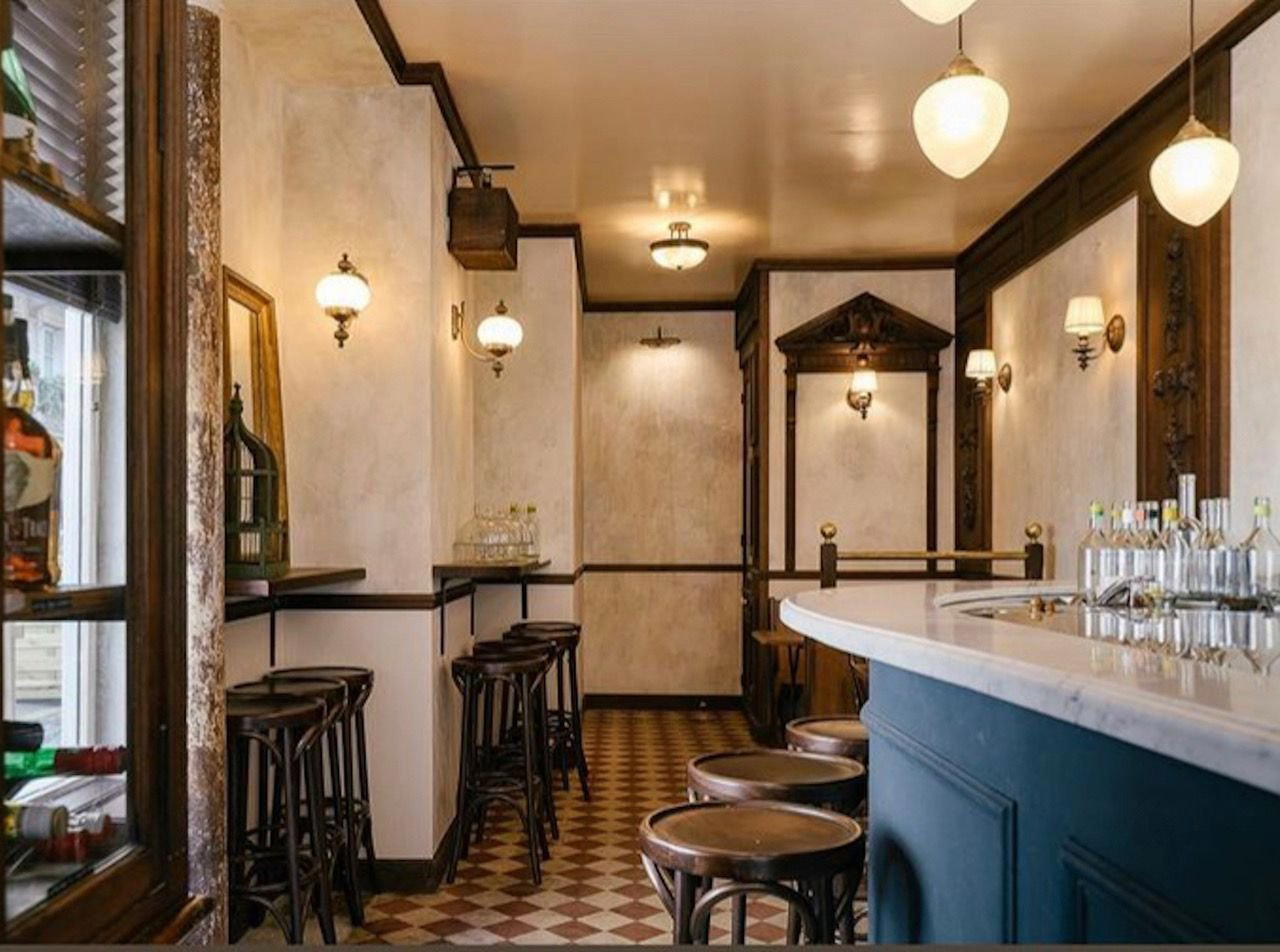
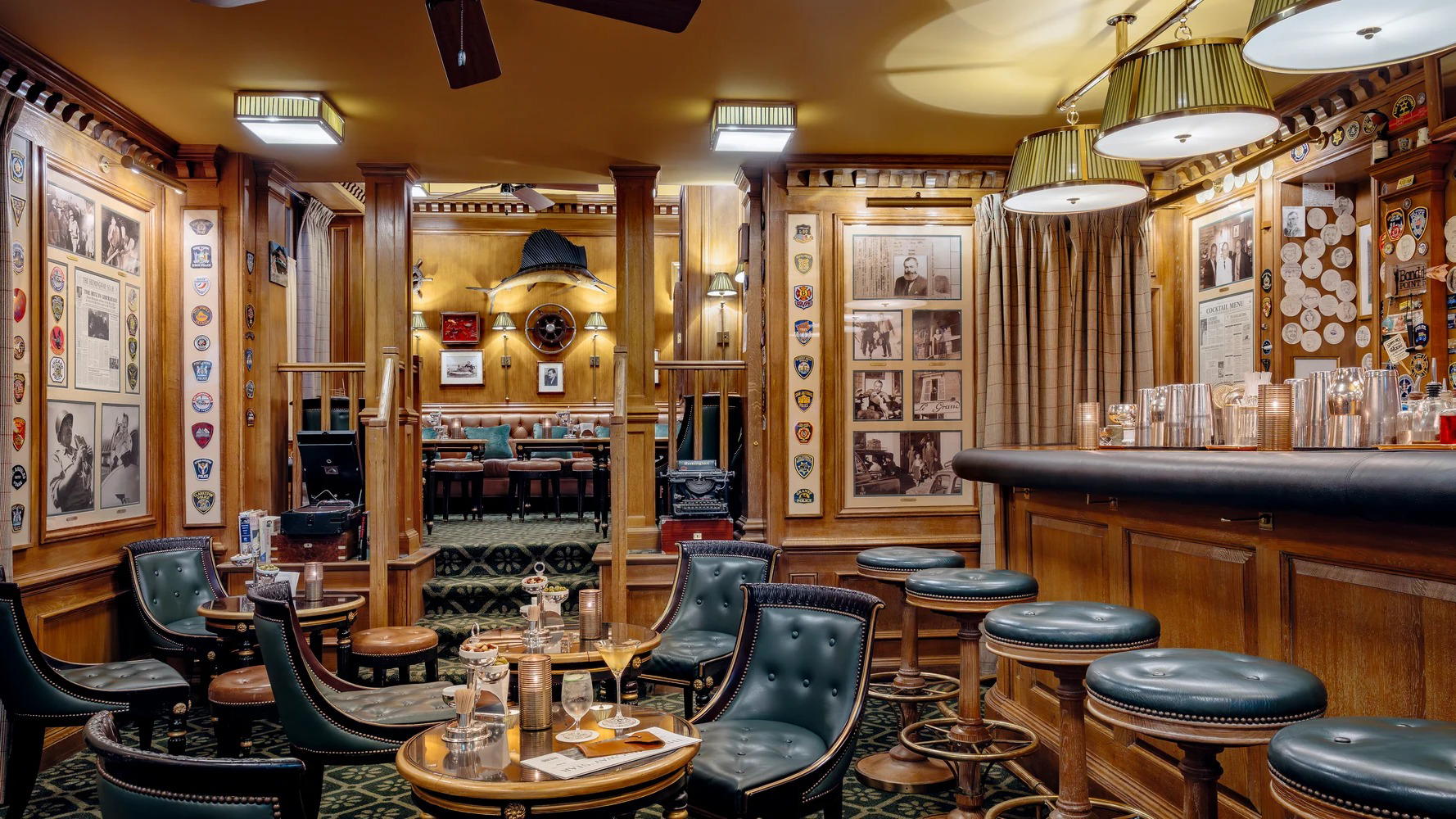
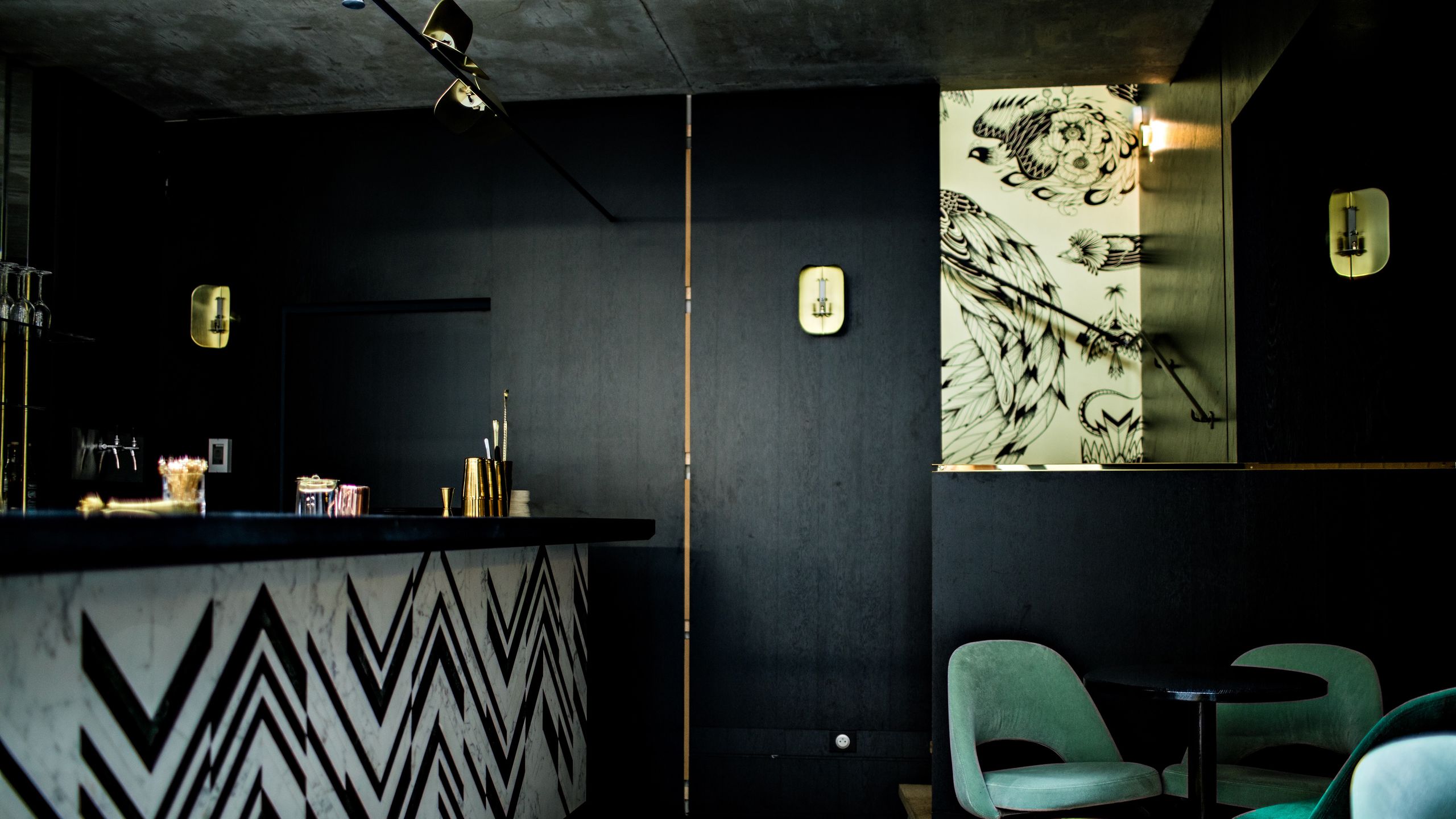
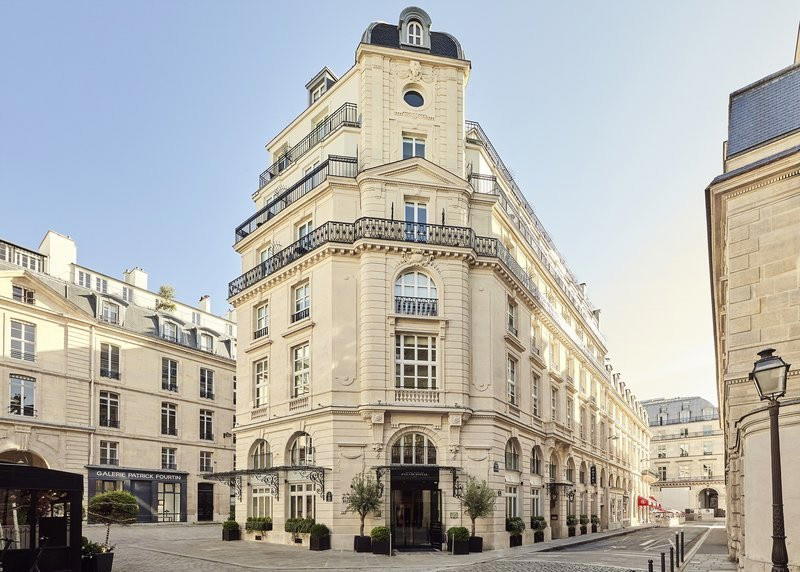
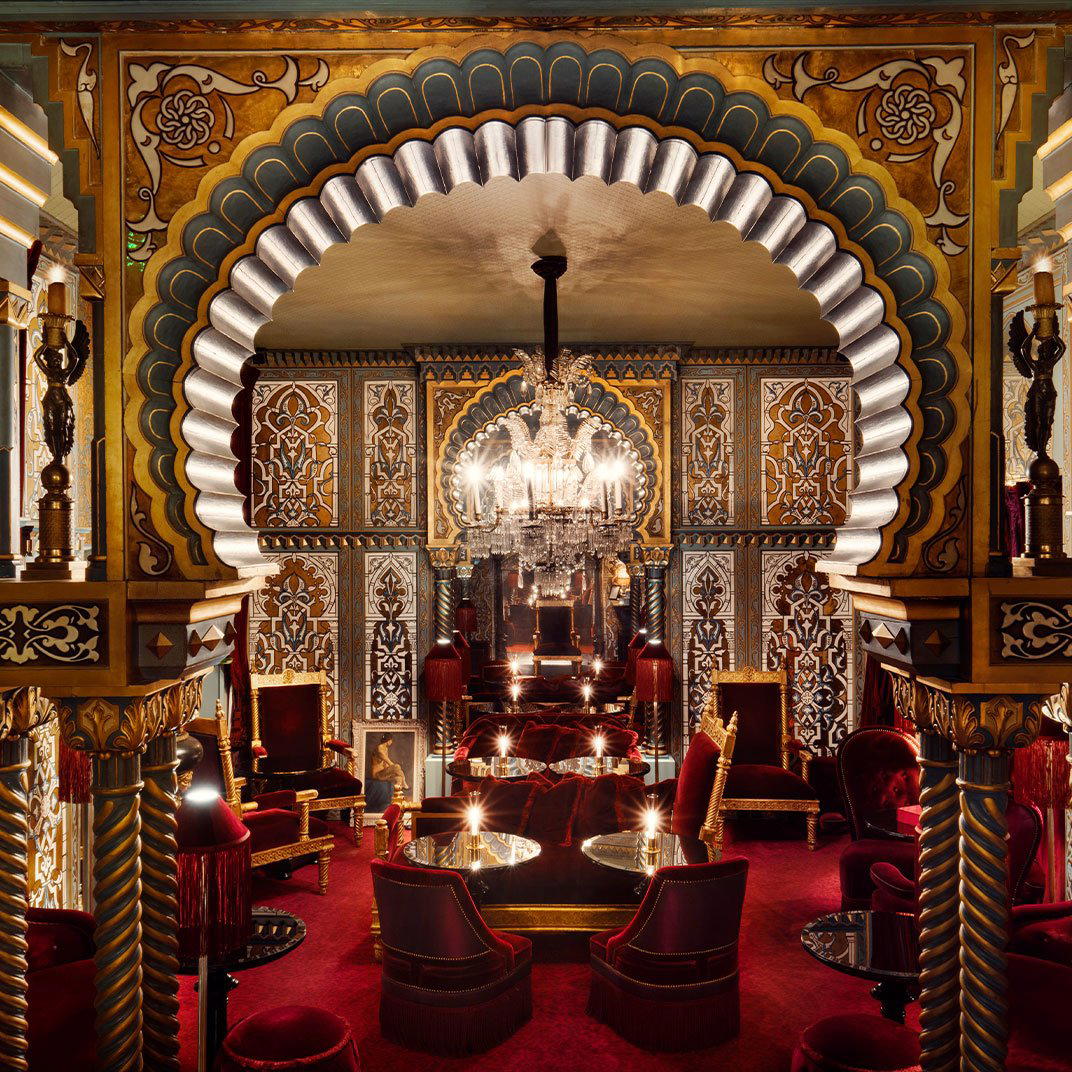
Rue Victor Massé is one of the quieter streets feeding off Avenue Trudaine, and arriving here you notice the shift in temperature from the boulevard immediately. The hotel's ground-floor restaurant operates with what the venue describes as a canteen ambience, a term that, in French hospitality, carries specific connotations. It implies communal rhythm, a certain informality in service pacing, and an expectation that the meal will be social rather than ceremonial. This is the register Grégory Marchand has leaned into, and it marks a conscious departure from the more controlled environment of his original Frenchie on Rue du Nil, which operates as a tighter, more structured tasting experience. At Pigalle, the format opens up: dishes arrive to share, the room tolerates noise, and the cheeseboard is not an afterthought but a destination in itself.
That cheeseboard signals something important about how the meal is designed to move. Sharing formats in Paris often collapse into a kind of competitive informality where the pacing becomes erratic and the kitchen loses narrative coherence. The meal has direction even if it lacks the numbered formality of a tasting menu.
The Cooking and Its Reference Points
The menu operates across a range that the venue describes as regional comfort food, Gallic classics, and world food, a description that sounds vague until you consider what Marchand's cooking has consistently meant in practice. His Rue du Nil operation, along with the Frenchie Bar à Vins next door, established a vocabulary that draws on British and American cooking culture (Marchand spent time in both London and New York kitchens) while remaining anchored in French product and technique. That transatlantic awareness shows up in how the menu at Pigalle handles informality: it borrows freely without becoming a fusion exercise, and it treats comfort as a legitimate ambition rather than a compromise.
The wine list operates with natural inclinations, which at this price tier (€€€) in the 9th places it in a peer group that includes some of Paris's more thoughtful by-the-glass programs. Natural wine has moved from a niche position in Parisian dining to something close to a default for independent-minded restaurants in the inner arrondissements, and the list here reflects that without being dogmatic about it. The Frenchie group's original wine bar on Rue du Nil helped shape that culture in Paris; this list operates in its wake.
Where It Sits in the Paris Modern Cuisine Tier
Paris's restaurant market in modern cuisine spans an enormous range. At the formal end, three-star houses like 114, Faubourg and the precise contemporary cooking of Accents Table Bourse operate with service rituals and price points that frame the meal as event dining. Further along, restaurants like Amâlia and Anona occupy a middle ground where technique is present but the format is less theatrical. Frenchie Pigalle operates below that zone in terms of formality, and its €€€ pricing reflects a conscious positioning: this is cooking meant to be repeated, not rationed.
The French regional tradition that underpins part of the menu here connects to a longer lineage. The country's most formally celebrated cooking, from Auberge de l'Ill in Illhaeusern to Bras in Laguiole to Paul Bocuse's Auberge du Pont de Collonges, has always drawn its authority from regional specificity. What Frenchie Pigalle does is draw on that comfort-food register without the monument-status formality, treating it as one ingredient among several rather than the organising principle. The contrast is instructive: institutions like Troisgros in Ouches or Flocons de Sel in Megève build their identity around a specific terroir and a specific chef's progression over decades. Frenchie Pigalle borrows from that tradition selectively and mixes it with something more metropolitan and restless.
The modern cuisine category has also produced a different kind of restaurant internationally. Frantzén in Stockholm and FZN by Björn Frantzén in Dubai represent the high-investment, high-ceremony end of that category. Frenchie Pigalle is not operating in that register, nor does it need to be. Its value proposition is different: a room where the cooking is credible, the atmosphere is genuine, and the cheeseboard warrants a second pass.
Also in the Area
Pigalle and South Pigalle area has accumulated enough serious restaurants in the past decade that a single evening's radius covers considerable ground. Auberge de Montfleury offers a different register in the same general neighbourhood. For a fuller picture of what the 9th and surrounding arrondissements offer, our full Paris restaurants guide covers the city by neighbourhood and price tier. If you're planning around the hotel stay, our Paris hotels guide gives context on where Frenchie's property sits relative to the broader accommodation market. The Paris bars guide, Paris wineries guide, and Paris experiences guide round out the city coverage for those building a multi-day program. The Mirazur in Menton is worth noting for those extending their France itinerary southward.
Planning Your Visit
Address: 29 Rue Victor Massé, 75009 Paris. Budget: €€€ (mid-to-upper range for informal dining in Paris; appropriate for a full shared meal with wine). Format: Sharing plates in a canteen-style room; the meal moves at a social pace rather than a tasting-menu cadence. Wine: Natural-leaning list. Ratings:Reservations: Contact via the hotel directly; booking ahead is advisable, particularly for weekend evenings in a neighbourhood that draws significant foot traffic.
Frequently asked questions
Would Frenchie Pigalle be comfortable with kids?
The format here is shared plates in what Grégory Marchand has described as a joyful canteen ambience — relaxed, informal, and tolerant of noise. That setup translates reasonably well to families with older children who can engage with a shared-plate format. The address is 29 Rue Victor Massé, 75009, inside a hotel, which adds a degree of spatial predictability.
What is the atmosphere like at Frenchie Pigalle?
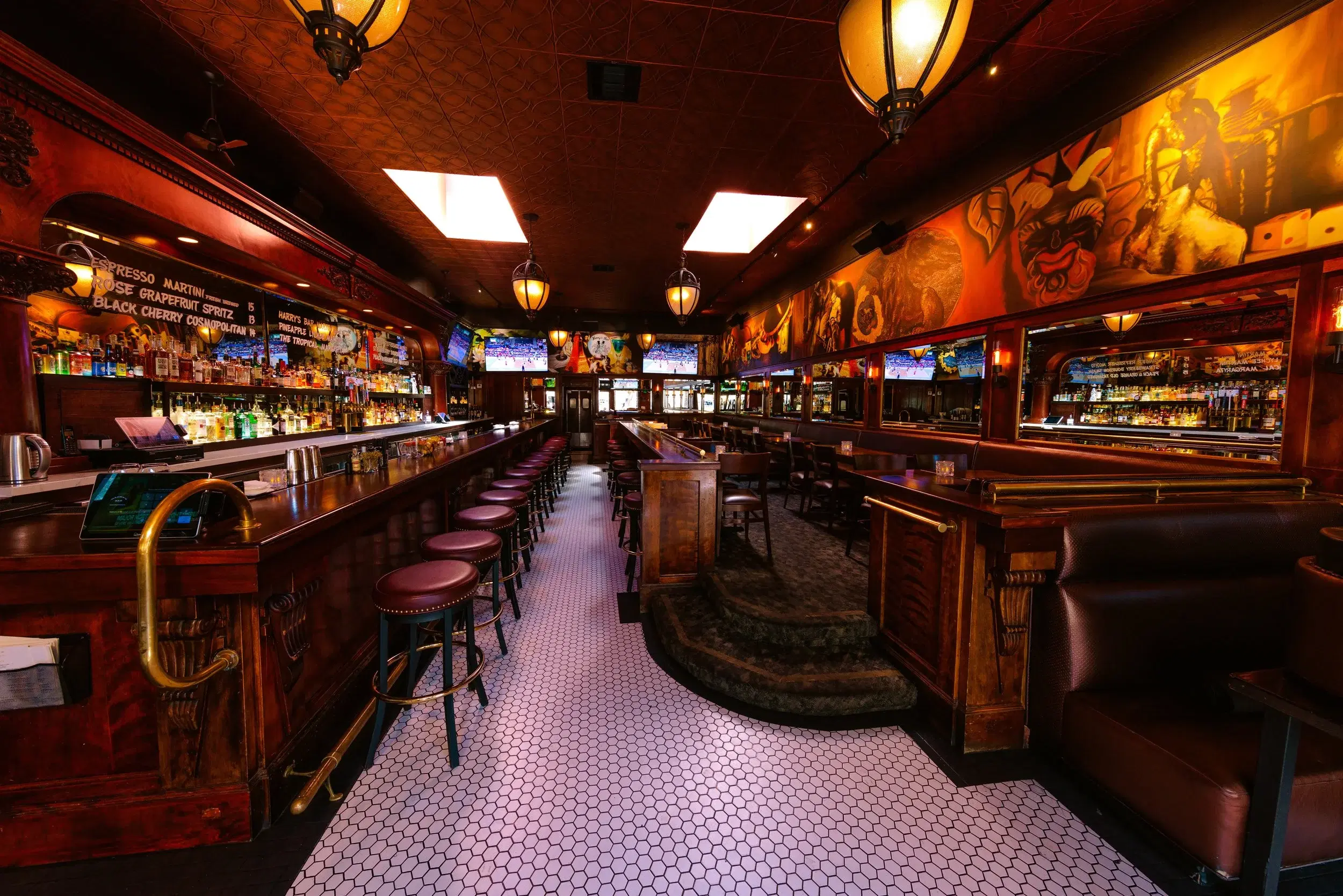
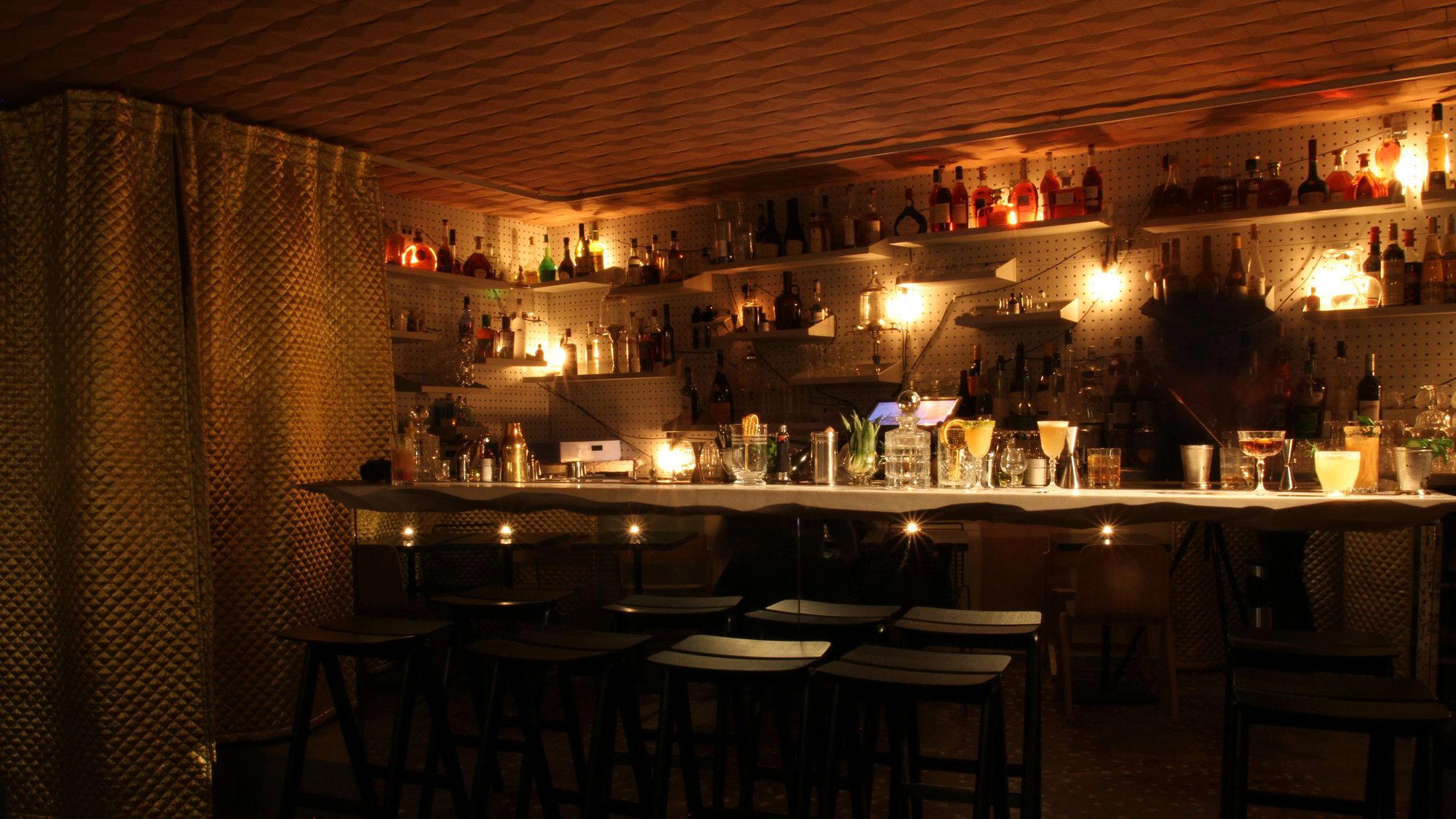
Grégory Marchand pitched this as a tongue-in-cheek operation, sitting at the ground floor of a hotel on one of Pigalle's quieter streets. The tone is canteen rather than formal dining room: convivial, shared-plate pacing, and a wine list with natural inclinations that encourages lingering. The neighbourhood context — what one source calls 'sleazy yet romantic' — adds to the off-duty quality of an evening here.
What's Frenchie Pigalle known for in terms of accolades?
Frenchie Pigalle has received recognition including: Grégory Marchand has brought a tongue-in-cheek vibe to the ground-floor restaurant of this hotel in Paris’ sleazy yet romantic Pigalle. Dishes to share in a joyful canteen ambience that err between regional comfort food, bang-on Gallic clas….
What should I eat at Frenchie Pigalle?
The menu spans regional comfort food, Gallic classics, and world food influences, all structured for sharing. The cheeseboard is singled out specifically in documented coverage and earns a place at the end of any meal here. Pair it with something from the natural-leaning wine list, which reflects the broader focus on produce-driven, low-intervention bottles common across Marchand's restaurants.
Is Frenchie Pigalle focused on a specific cuisine style?
A quick peer check to anchor this venue’s price and recognition.
| Venue | Cuisine | Price | Awards | Notes |
|---|---|---|---|---|
| Frenchie PigalleThis venue — the venue you are viewing | Modern French Bistro | $50–100 | Michelin Plate | Not listed |
| Alléno Paris au Pavillon Ledoyen | Modern French Fine Dining | $150–200 | 3 Michelin Stars · World's 50 Best #79 | Creative |
| Kei | Modern French with Japanese Influences | $300–500 | 3 Michelin Stars · World's 50 Best #93 | Contemporary French, Modern Cuisine |
| L'Ambroisie | Classic French Haute Cuisine | $300–500 | 2 Michelin Stars · World's 50 Best #23 | French, Classic Cuisine |
| Le Cinq - Four Seasons Hôtel George V | French, Modern Cuisine | Not listed | Michelin 3 Star | Not listed |
| Plénitude | Modern French Sauce-Led Fine Dining | $300–500 | 3 Michelin Stars · World's 50 Best #14 | Contemporary French |
Recognition history
Dated appearances from independent guides and award organizations, with the underlying list record or original source where available.
Michelin Plate
Michelin
Full recognition history (3 entries)
Michelin Plate
Michelin
Michelin Plate
Michelin