
The €€ price point places it below the grand tasting-menu circuit but in the same conversation as neighbourhood-anchored modern French kitchens where collaboration and craft matter more than ceremony.
Pearl is the En Primeur Club membership app — saves, bookings, and concierge access live there. Same editors, same standards.
- Address
- 3 Rue Francœur, 75018 Paris, France
- Phone
- +33 7 60 38 57 53
- Website
- mokko-restaurant.com
- Directions
- Get directions
 Saves & bookings on Pearl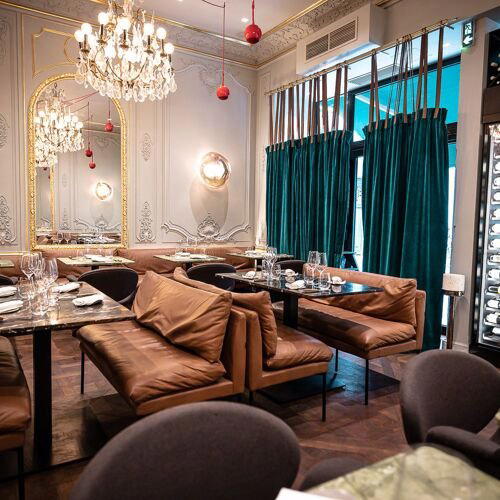
Montmartre's Modern Kitchen Tier
Paris's 18th arrondissement has long occupied an ambiguous position in the city's dining hierarchy. For decades, the neighbourhood's reputation rested on tourist-facing brasseries clustered around Sacré-Cœur rather than on serious contemporary cooking. That has shifted measurably in recent years. A cohort of modern cuisine addresses has taken root on the quieter residential streets below the hill, drawing regulars from across the city who come for food rather than scenery. Rue Francœur, where Mokko operates, sits within that emerging pocket, a short walk from the larger thoroughfares but with the cadence of a street Parisians actually live on.
The broader context matters here. Paris's contemporary dining scene divides roughly into three tiers: the grand maison circuit (think Amâlia, or further along the luxury spectrum, addresses like Paul Bocuse - L'Auberge du Pont de Collonges), the mid-tier creative restaurants where Michelin recognition arrives in the form of Plates and Bib Gourmands rather than stars, and the neighbourhood bistro category that operates largely outside critical appraisal. Mokko occupies the second tier at a €€ price point, which positions it alongside addresses such as Accents Table Bourse and Anona rather than against the grand tasting-menu houses. That tier is, where Paris dining has become most interesting: the cooking is technically grounded, the rooms are more relaxed, and the price allows for repeat visits.
Two Years of Michelin Recognition
Mokko has held a Michelin Plate in both 2024 and 2025, a signal that the guide's inspectors have returned to verify what they found the first time. The Michelin Plate, sometimes misread as a consolation distinction, functions differently in practice. It marks restaurants where the food quality is considered noteworthy but where the full star criteria, covering consistency, technique, and personality across a complete body of work, have not yet aligned. For a neighbourhood-tier modern cuisine address in the 18th, consecutive Plate recognition represents a meaningful credentialing. It places Mokko in a different conversation from the unlisted restaurants on the same street and signals a kitchen operating with genuine intent.
7 from 372 reviews adds a complementary data point. At that volume, the rating resists manipulation in either direction and reflects genuine diner experience over time. Compared to starred addresses in central Paris, where review volumes tend to be higher but scores more variable due to the gap between visitor expectations and prix-fixe reality, Mokko's numbers suggest a room that delivers reliably against what it promises.
The Service Architecture in a Collaborative Kitchen
Modern cuisine at the €€ tier rarely relies on a single dominant figure. The kitchens that sustain recognition at this level typically function through a tight alignment between the cooking team, whoever handles the wine programme, and a front-of-house operation that can read the room without imposing on it. That team dynamic, more than any individual credential, tends to define whether a smaller Parisian address builds a loyal clientele or fades after an initial burst of attention.
At restaurants operating in this format, the wine list often reveals as much about the kitchen's philosophy as the menu does. The leading Michelin Plate addresses in Paris pair their modern cuisine with short, considered lists that favour natural and artisan producers, matching the cooking's register without demanding a separate sommelier consultation for every selection. The front-of-house at this tier, when well-calibrated, handles the space between formal service and neighbourhood informality with enough confidence that the guest never has to think about which mode they're in. That calibration is harder to achieve than it appears and, when it works, it creates the conditions in which good food becomes a full dining experience rather than just a meal.
The consistency behind Mokko's back-to-back Michelin recognition suggests that the operational model, across kitchen, floor, and wine, has held together across two inspection cycles. For a small address in the 18th, that is not a minor achievement. The equivalent challenge at grander scale can be seen in the extended teams behind addresses like Flocons de Sel in Megève or Troisgros - Le Bois sans Feuilles in Ouches, where multi-generational collaboration underpins the consistency, though the dynamics translate differently into a smaller neighbourhood room.
Where Mokko Sits in the Paris Conversation
Placing Mokko against its comparable set clarifies the choice. At the summit of Paris's price tier, addresses like 114, Faubourg and Auberge de Montfleury operate with hotel infrastructure and a formal register. The €€€€ tasting-menu circuit, represented by Plénitude, L'Ambroisie, Le Cinq, and Alléno Paris au Pavillon Ledoyen, sits in a different category entirely, one where the price of entry signals a specific kind of occasion. International modern cuisine comparisons at the collaborative end of the spectrum, such as Frantzén in Stockholm or FZN by Björn Frantzén in Dubai, show what tightly integrated kitchen-and-floor teams can achieve at higher price points, though the comparison illuminates the model rather than the direct competition.
Mokko operates where Paris dining tends to be at its least performative: a Michelin-noted modern kitchen in a residential neighbourhood, priced for frequency rather than occasion, and with the review record to suggest it earns repeat visits. For readers building a Paris itinerary across multiple meals, it represents the kind of address that rounds out a week of dining without requiring the logistics of the starred circuit.
Mokko's register is closer in spirit to the neighbourhood-rooted end of that conversation than to the destination-restaurant circuit.
Planning Your Visit
Address: 3 Rue Francœur, 75018 Paris. Cuisine: Modern cuisine, Michelin Plate 2024 and 2025. Budget: €€ price range, suited to repeat visits rather than special-occasion-only dining. Reservations: Booking is recommended given the Michelin recognition.
A Tight Comparison
Comparable venues nearby, for context on price, style, and recognition.
| Venue | Cuisine | Price | Notes |
|---|---|---|---|
| MokkoThis venue — the venue you are viewing | Montmartre, Modern French Neo-Bistro | $$$ | Not listed |
| Semilla | Not listed | $$$ | Saint-Germain-des-Prés, Modern French Bistro |
| Deux Bistrot de chefs | Not listed | $$$ | 11e Arr. – Popincourt, Modern French Bistrot |
| Godaille | Not listed | $$$ | Aligre, Modern French Bistro with Thai Influences |
| Simone, Le Resto... | Not listed | $$$ | 13e Arr. – Gobelins, Contemporary French Bistro |
| Petit Boutary | Batignolles, Modern French Bistro | $$$ | Not listed |
Recognition history
Dated appearances from independent guides and award organizations, with the underlying list record or original source where available.
Michelin Plate
Michelin
Michelin Plate
Michelin
Michelin Plate
Michelin
At a Glance
- Cozy
- Trendy
- Modern
- Intimate
- Date Night
- Special Occasion
- Group Dining
- Open Kitchen
- Natural Wine
- Local Sourcing
Current opening hours
- Monday
- Closed
- Tuesday
- 7 PM–12 AM
- Wednesday
- 7 PM–12 AM
- Thursday
- 7 PM–12 AM
- Friday
- 7 PM–12 AM
- Saturday
- 12–3 PM, 7 PM–12 AM
- Sunday
- Closed
Hours can change for holidays and private events. Last verified .
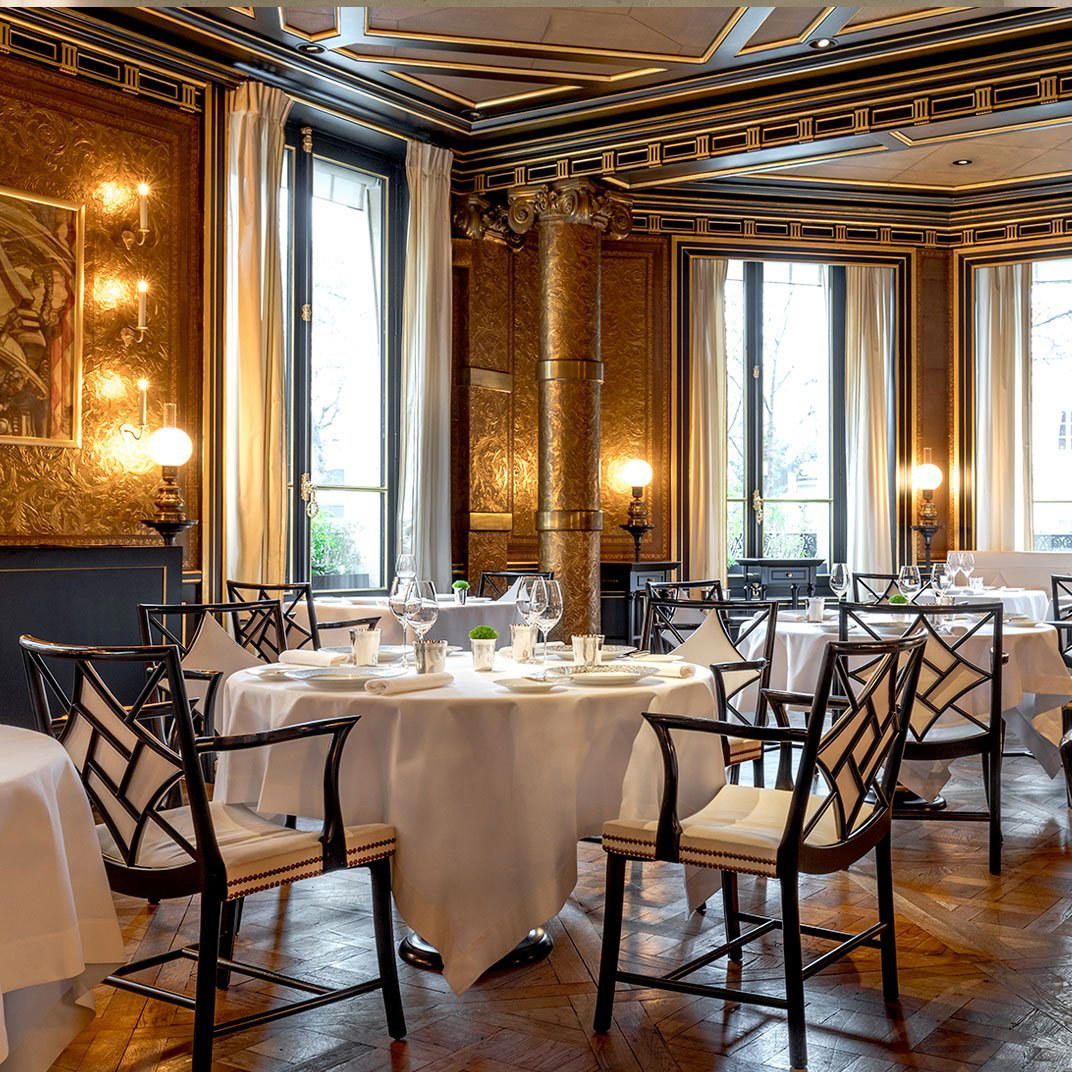
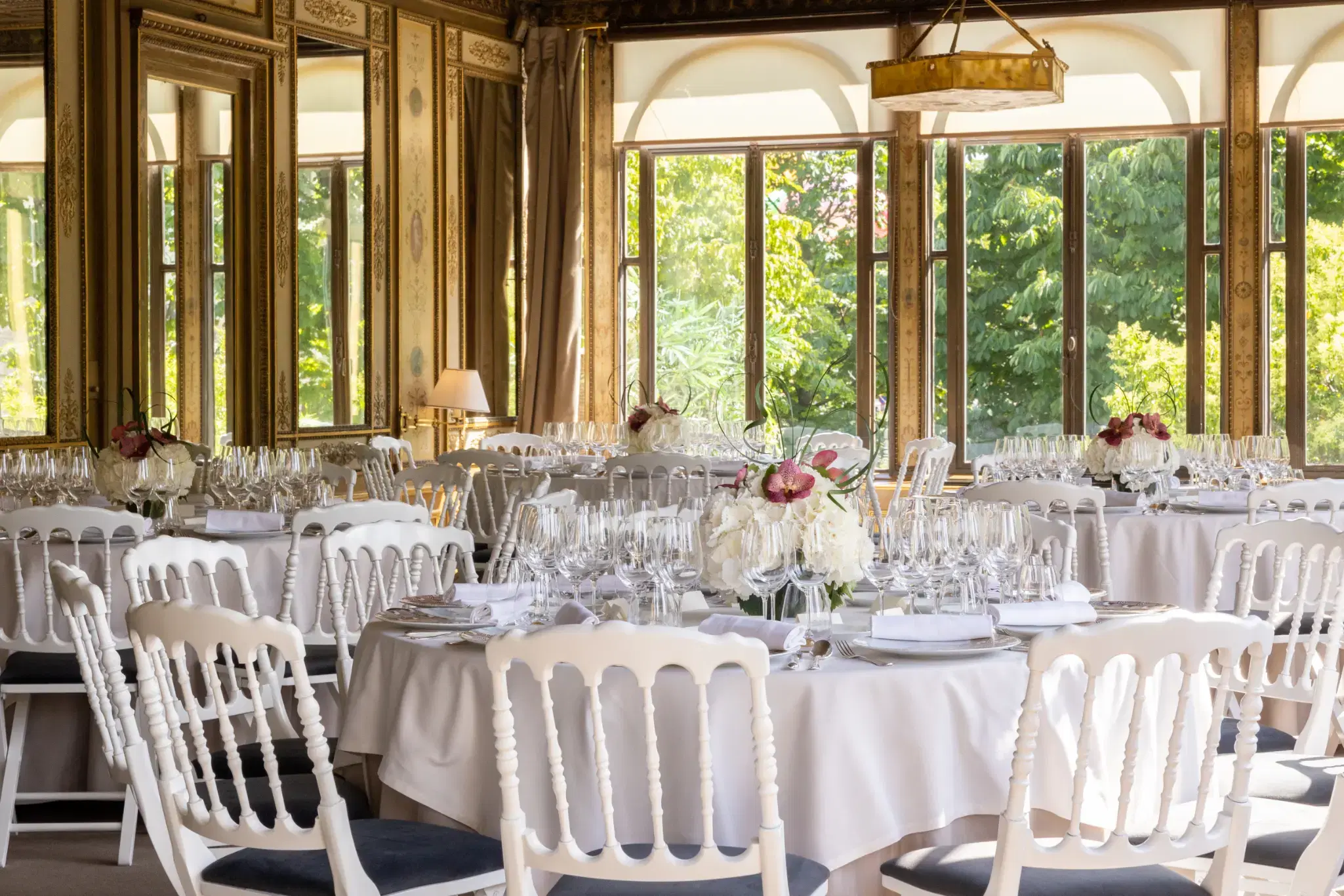
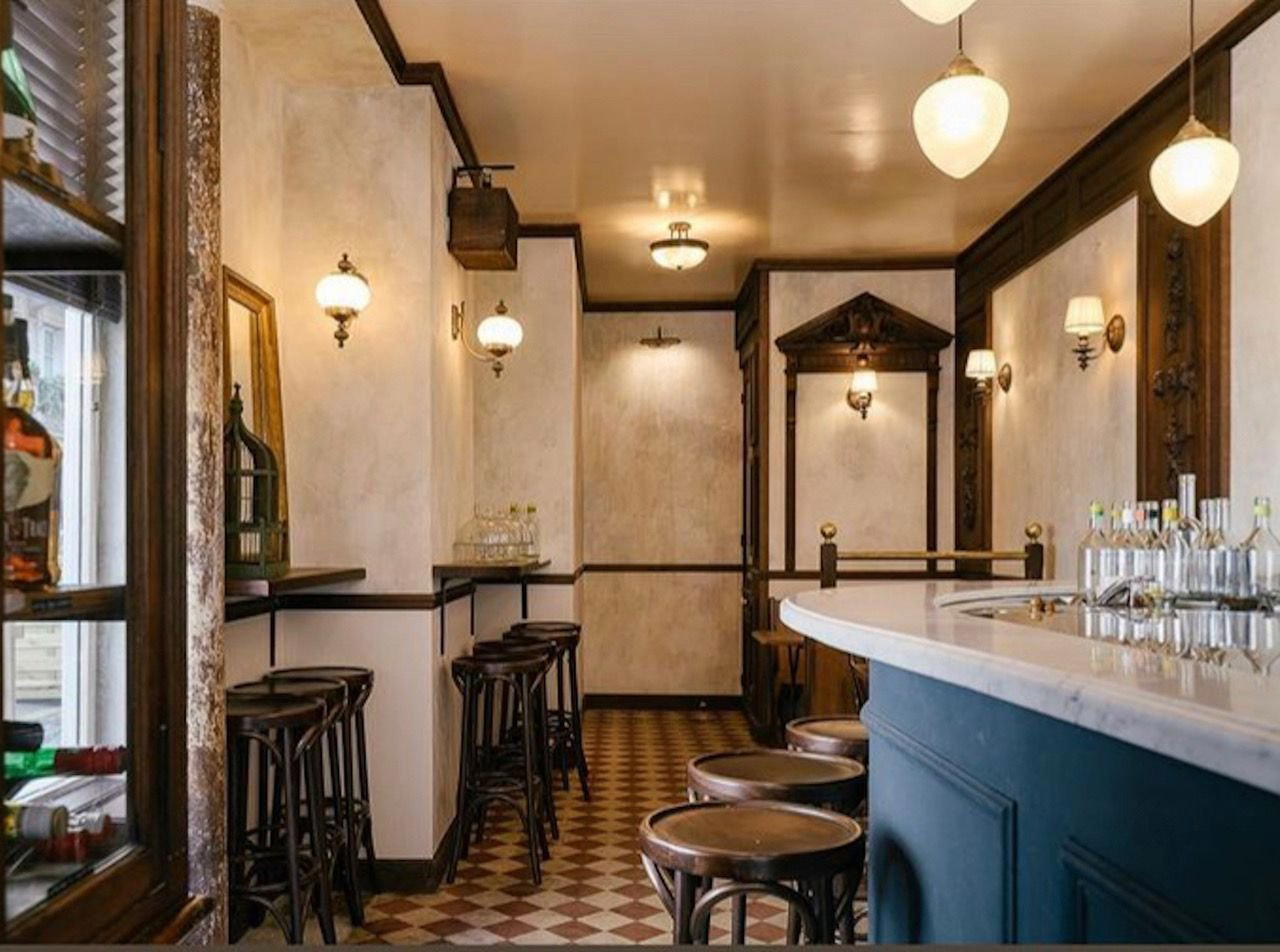
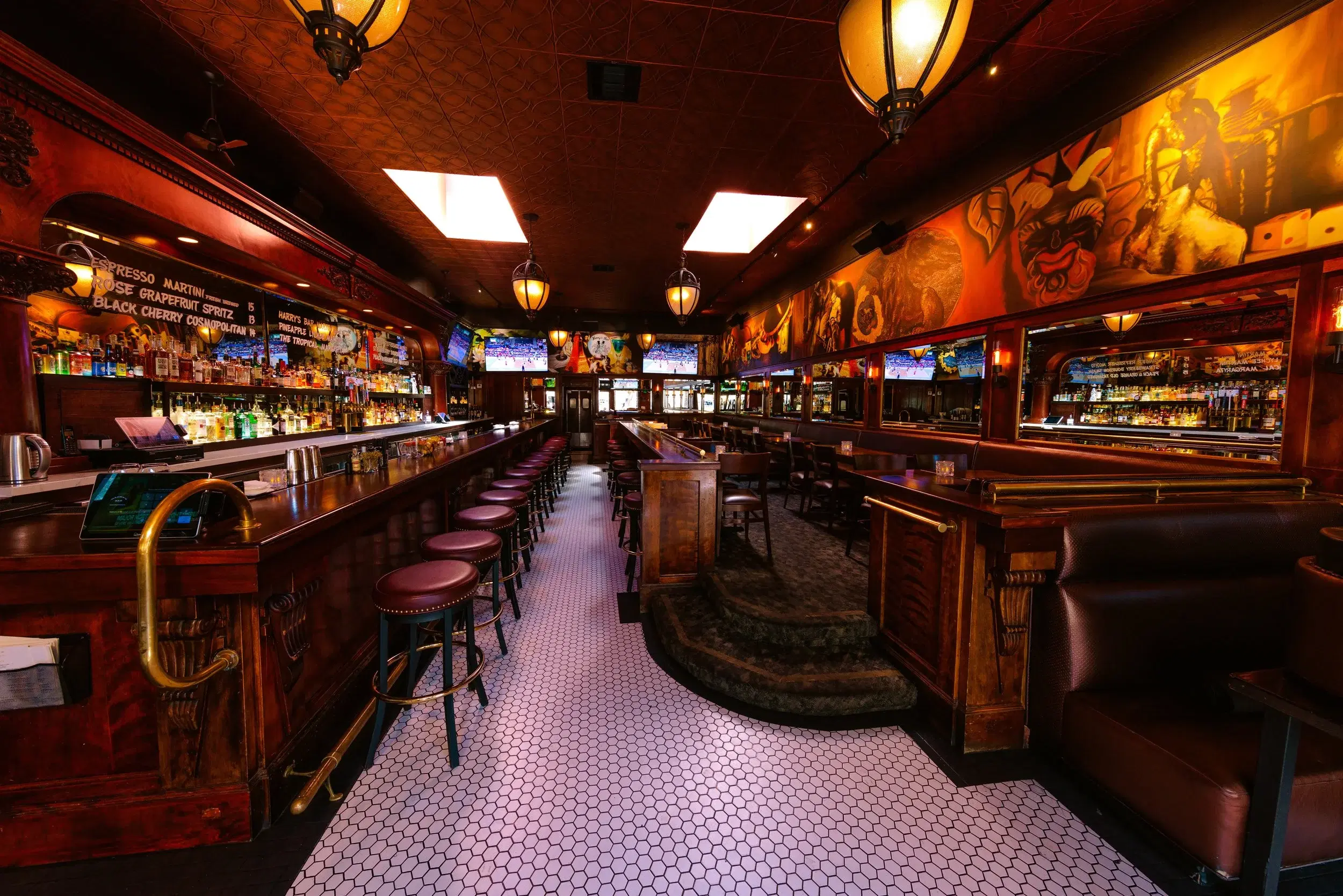
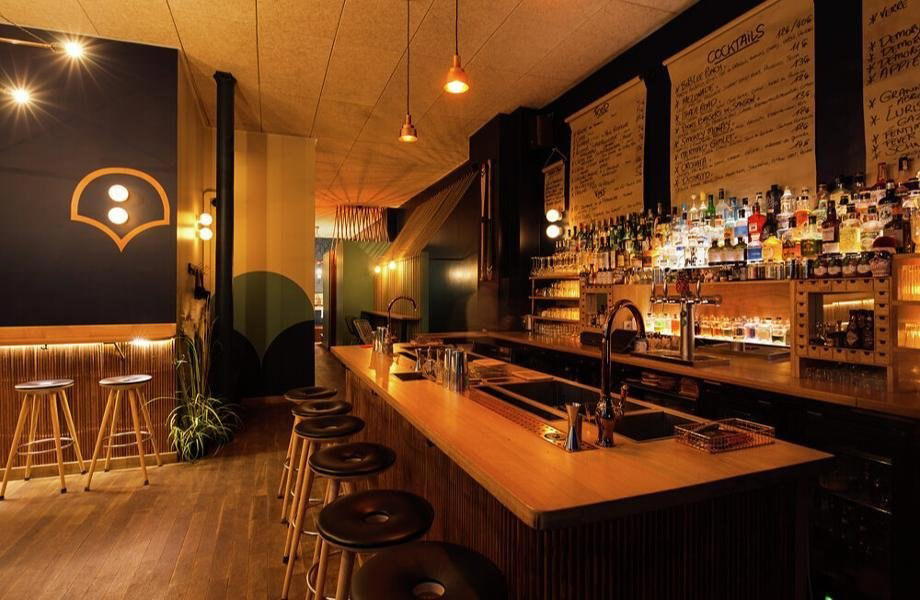
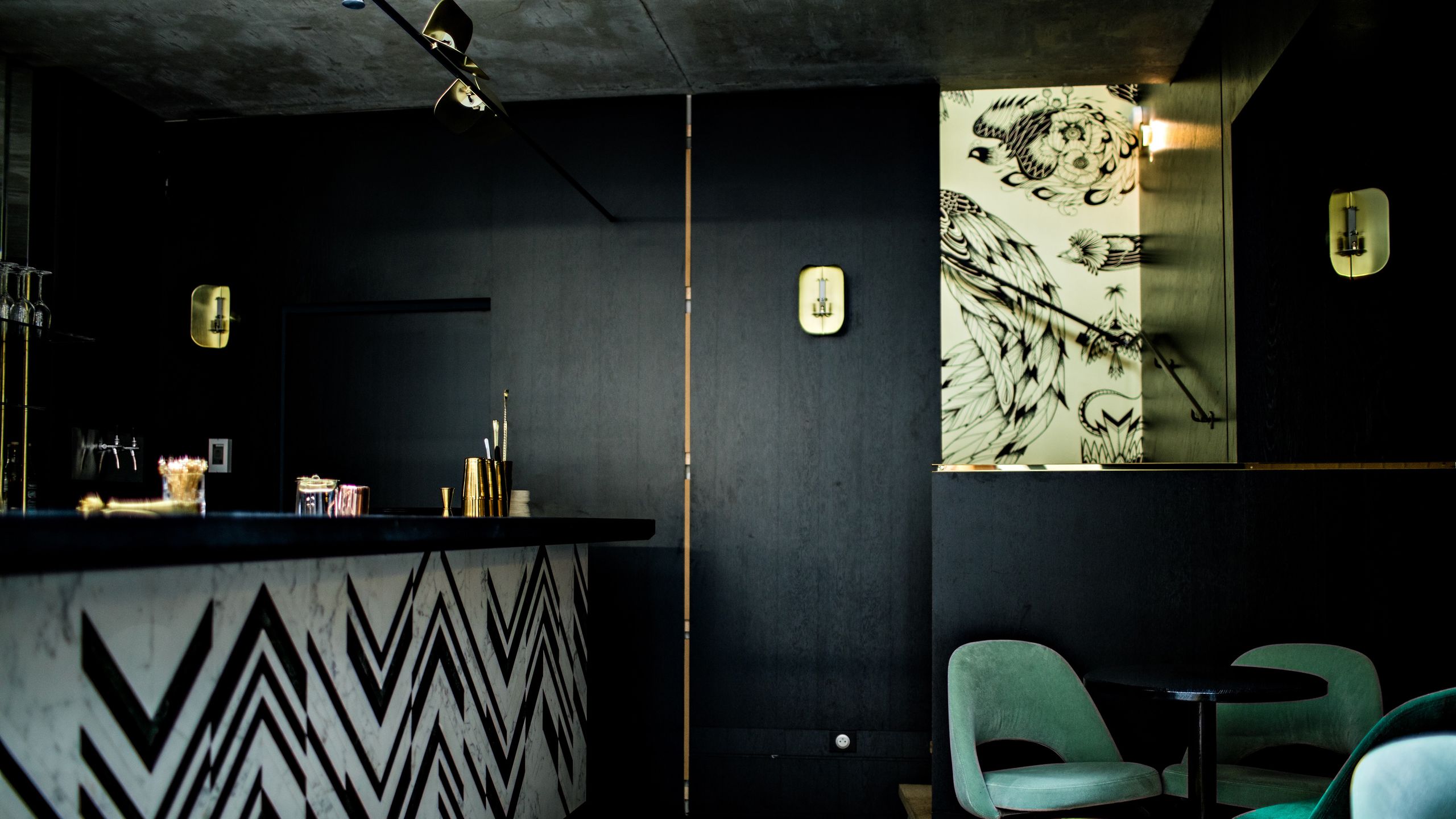
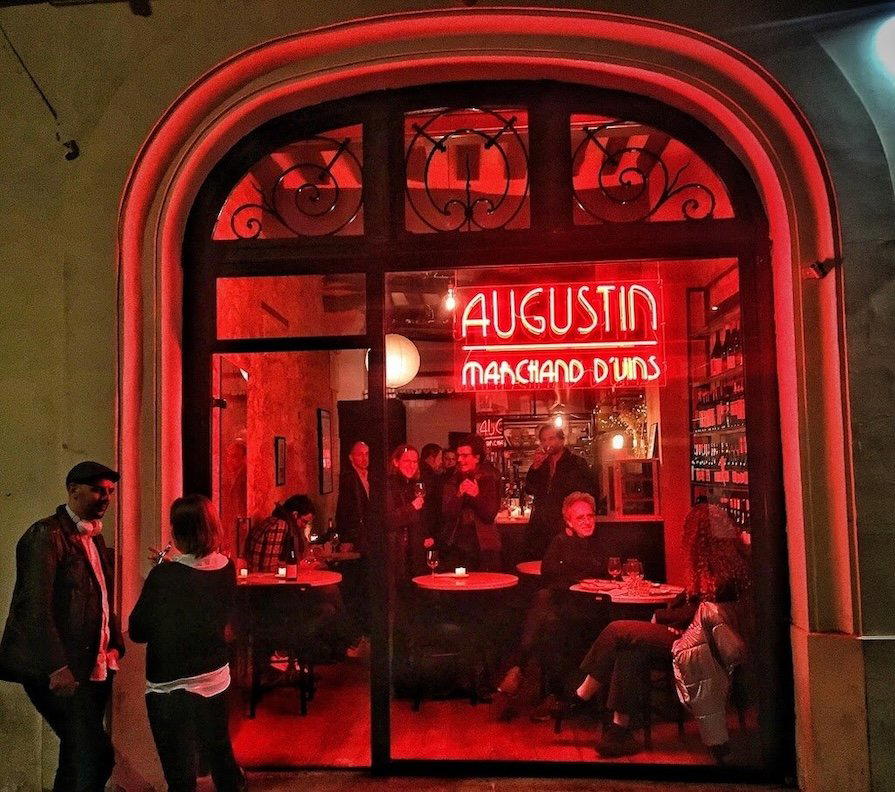
Warm and cozy with wood and turquoise decor, soft lighting, and a buzzy yet intimate atmosphere.