On an island reachable only by boat, where motor vehicles are banned and the pace of life is set by tide and season, La Sablonnerie occupies a quiet corner of Little Sark that feels several removes from the mainland dining circuit. The kitchen draws on what the island and its surrounding waters produce, placing it in a small category of genuinely place-bound restaurants where the sourcing argument is geographic necessity as much as culinary philosophy.
Pearl is the En Primeur Club membership app — saves, bookings, and concierge access live there. Same editors, same standards.
- Address
- Little Sark, Guernsey GY10 1SD, Guernsey
- Phone
- +441481832061
- Website
- sablonneriesark.com
- Directions
- Get directions
 Saves & bookings on Pearl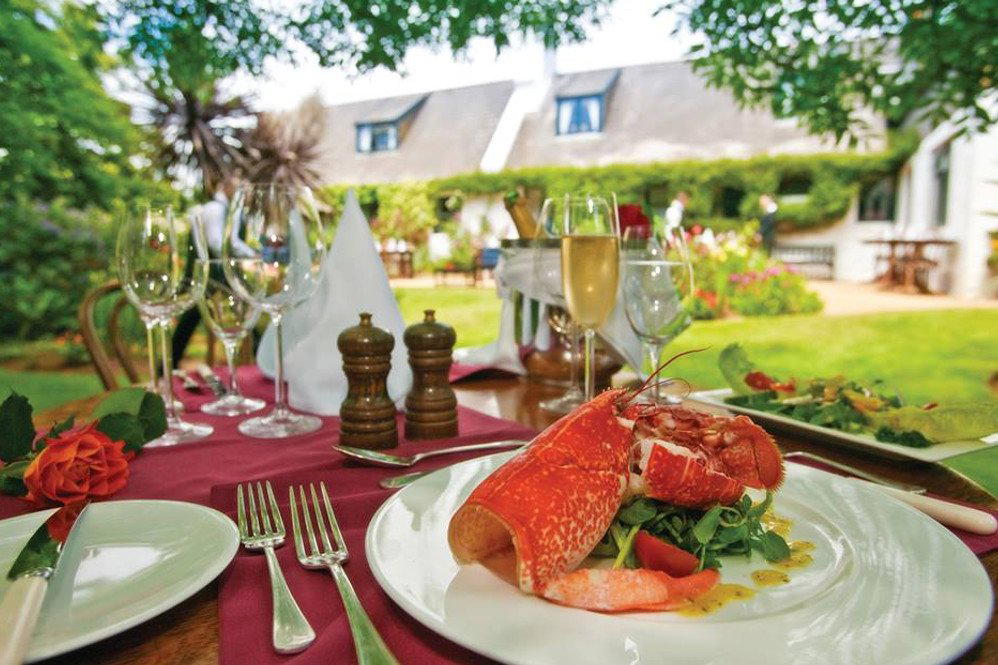
An Island Where the Supply Chain Ends at the Shore
Sark is one of the few inhabited places in the British Isles where the normal logistics of restaurant supply simply do not apply. There are no cars, no cargo trucks, and no overnight delivery networks. Goods arrive by boat from Guernsey, and what cannot be transported is, by necessity, grown, caught, or raised on the island itself. This is not a foraging trend or a farm-to-table marketing position, it is the physical reality of running any kitchen here. La Sablonnerie, located in Little Sark at the island's southern end, operates inside that constraint, and the constraint shapes the food in ways that no amount of sourcing philosophy on the mainland can replicate.
Getting There Is Part of the Point
Reaching La Sablonnerie requires committing to the journey. Sark is accessible by ferry from Guernsey, itself a short flight from London, Southampton, or Manchester. The crossing from Guernsey to Sark takes around an hour, and from the island's main harbour, Little Sark is a walk or a horse-drawn carriage ride south across the isthmus known as La Coupée, a narrow ridge with sheer drops on either side. The restaurant is not a detour you make on the way to somewhere else. That self-selecting dynamic gives the dining room a particular atmosphere: people are present because they decided to be, not because they wandered in.
At La Sablonnerie, the logistics are physical and seasonal, and the window for visiting closes when the tourist season does. That seasonality is structural, not decorative.
What the Island Produces
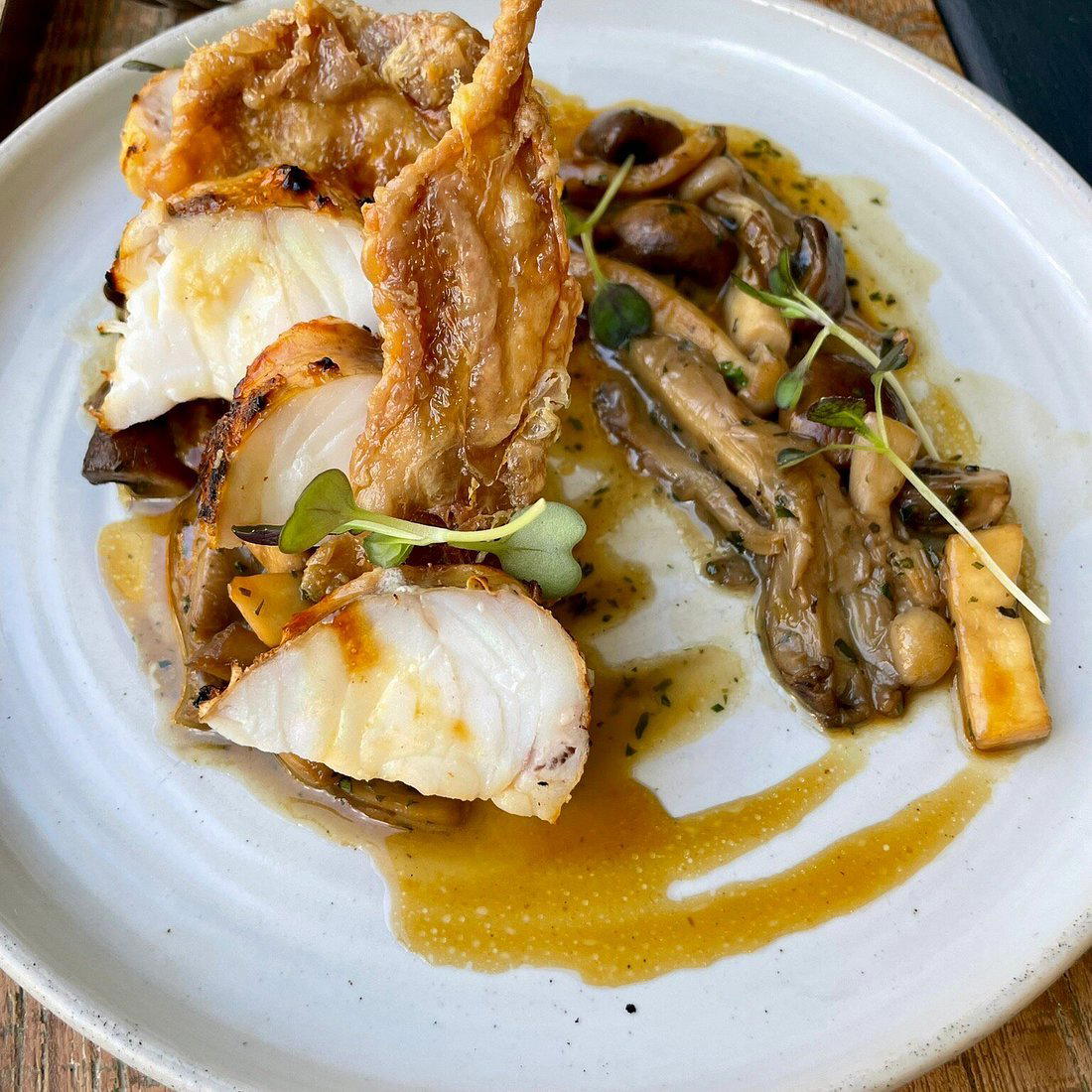
Sark's agricultural character is small-scale and varied. The island has traditionally supported dairy cattle, vegetable gardens, and access to the rich fishing grounds of the Channel Islands. The waters around Sark produce crab, lobster, and a range of fin fish that have sustained the island for centuries. A kitchen positioned at the southern tip, as the restaurant is, draws from this without the mediation of a wholesale distribution network. The distance from the nearest large-scale food infrastructure, Guernsey's Saint Peter Port, is not far in miles, but the transport constraints mean that ingredients arriving from off-island must be worth the effort of bringing over. The practical result is a menu that leans on what is already present: dairy from local herds, seafood from local boats, produce from kitchen gardens and island farms.
On Sark, the geography enforces a version of the same discipline regardless of intention. The island is, in sourcing terms, a closed system with limited workarounds.
The Setting in Little Sark
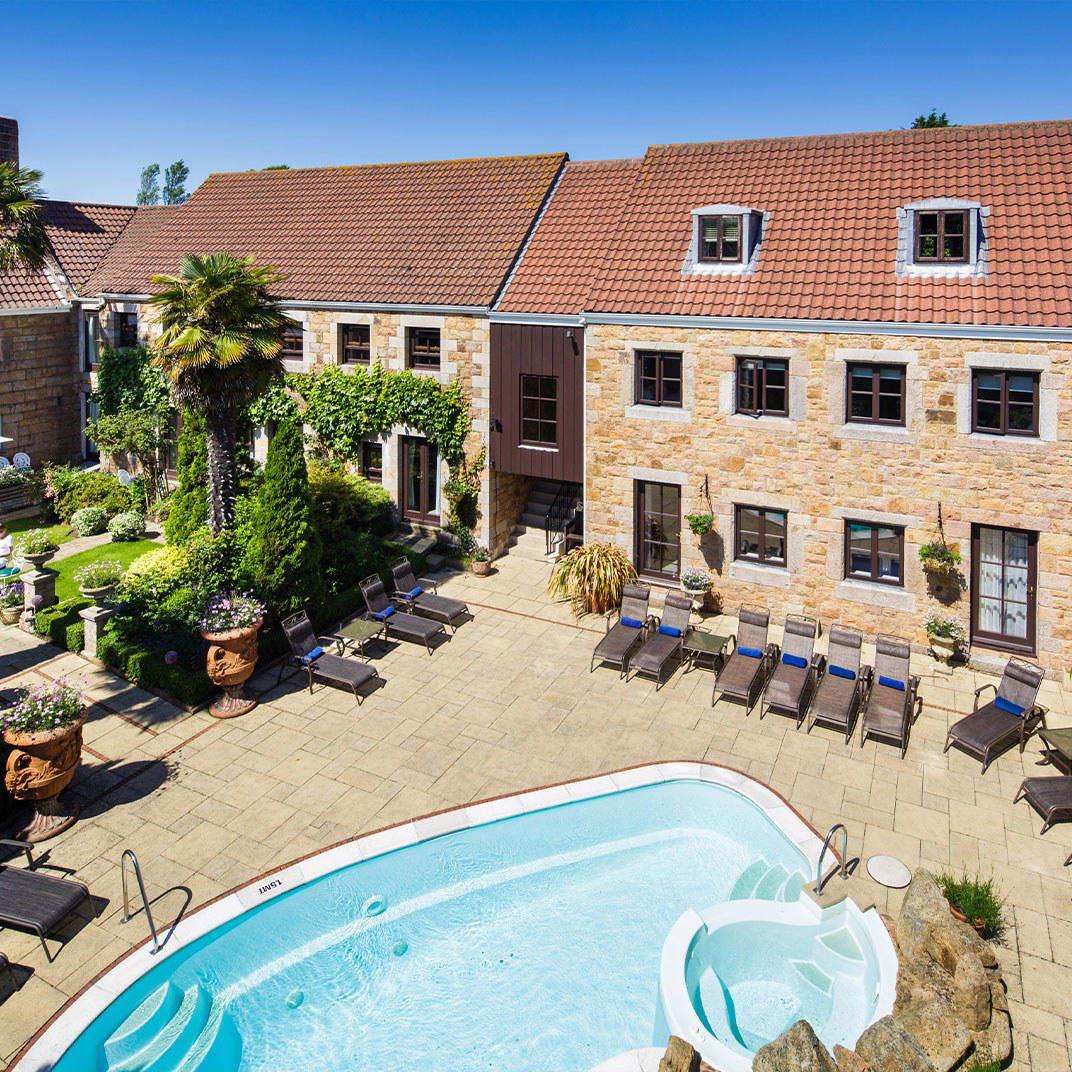
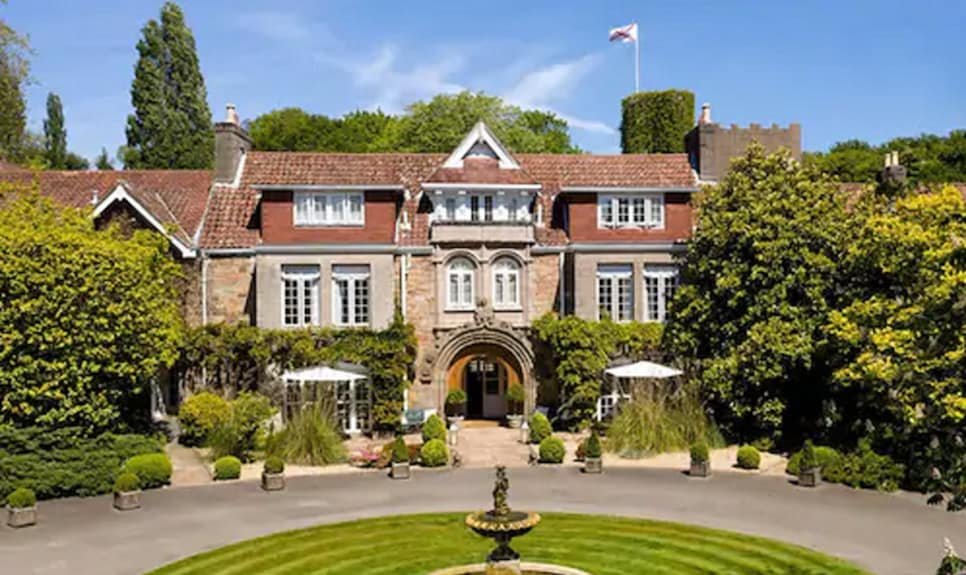
Little Sark is separated from the main body of the island by La Coupée, a crossing that was only given its concrete path in the twentieth century. Before that, the smaller southern portion of the island was accessible only on hands and knees in heavy wind. The drama of that approach has softened, but the sense of arriving somewhere distinct from the main island persists. The restaurant operates within a property that reads, from the outside, as an extension of the agricultural character of the area, low-built, set within gardens, bounded by the kind of enclosure that comes from centuries of use rather than designed landscaping. The Channel Islands have their own architectural vernacular, distinct from both the English mainland and France despite sitting between the two, and the buildings of Little Sark reflect that. The restaurant does not announce itself through visual grandeur in the way that a destination property in, say, Monte Carlo or Paris might. Its register is quieter.
How La Sablonnerie Sits in the Sark Dining Context
Sark's dining options are limited by the island's population and seasonal visitor numbers. On Guernsey itself, La Fregate in Saint Peter Port operates at a different scale and with broader access to supply chains, as does Vraic in Vale. The restaurant's position in this small ecosystem is particular: it is the restaurant at the furthest point from the ferry terminal, serving guests who have made the deliberate commitment to being on the island. The restaurant draws visitors who have committed to an island first and a restaurant second.
Planning a Visit
The restaurant is a seasonal operation tied to Sark's visitor calendar, which runs primarily from spring through autumn. Ferries to Sark operate from the Guernsey harbour at Saint Peter Port, and crossings should be checked against tidal and weather conditions, particularly outside peak summer. Visitors staying overnight on Sark will find the island's accommodation limited and bookings advisable well in advance during peak periods. Arriving on Sark without advance planning during July and August risks finding accommodation and dining already committed.
Side-by-Side Snapshot
Comparable venues nearby, for context on price, style, and recognition.
| Venue | Cuisine | Price | Awards | Notes |
|---|---|---|---|---|
| La SablonnerieThis venue — the venue you are viewing | British Seafood with Local Sark Specialties | $$$ | Not listed | Not listed |
| La Fregate | Local Seafood Fine Dining | $$$ | Not listed | St Peter Port |
| Fukku | Contemporary Japanese Izakaya | $$$ | Not listed | St Peter Port |
| Vraic | Coastal | Not listed | Michelin Plate | Vale |
| Alba | Modern Mediterranean | $$$ | Not listed | St Peter Port |
At a Glance
- Romantic
- Cozy
- Rustic
- Scenic
- Elegant
- Date Night
- Special Occasion
- Garden
- Historic Building
- Standalone
- Extensive Wine List
- Local Sourcing
- Farm To Table
- Waterfront
- Garden
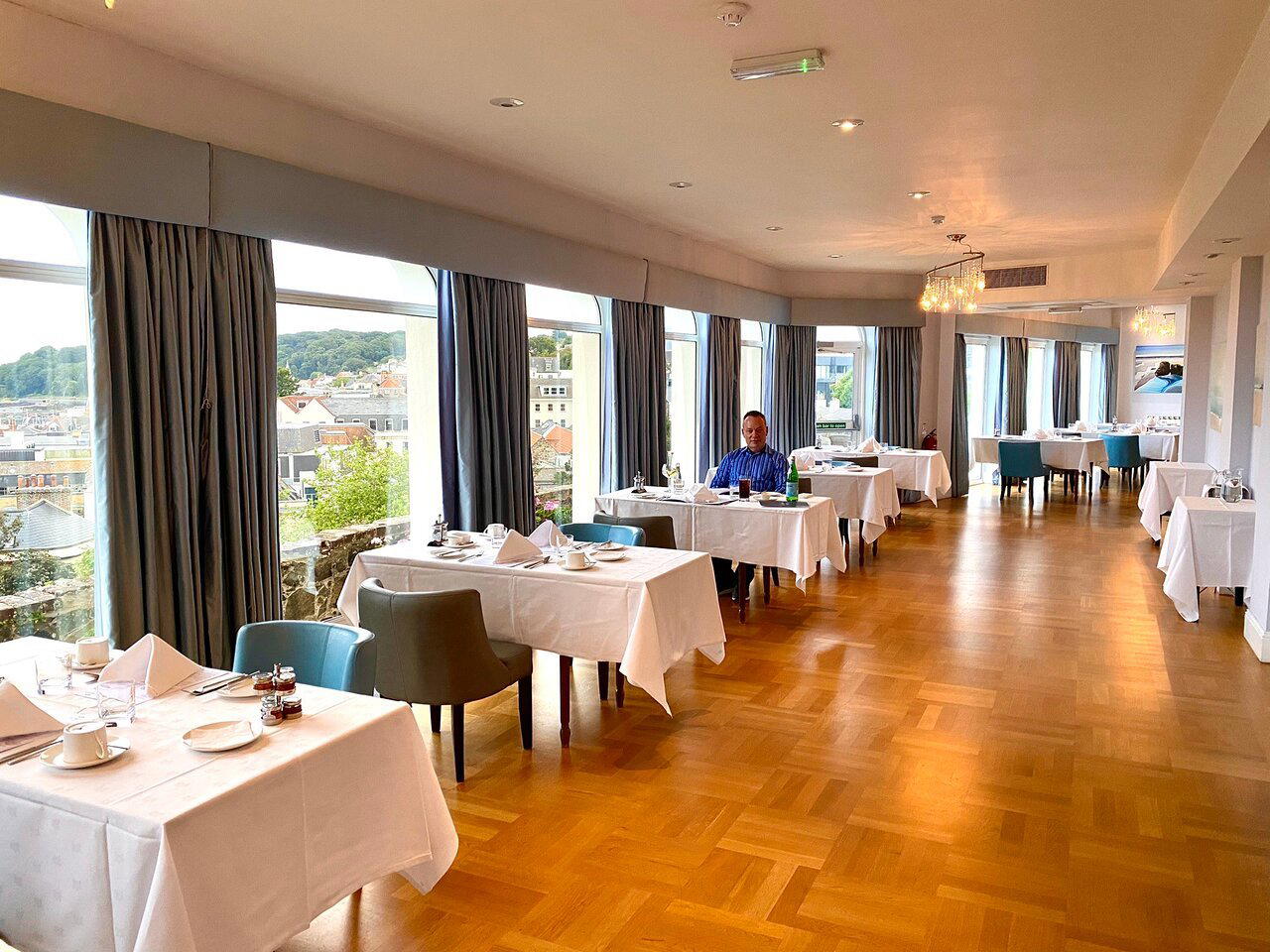
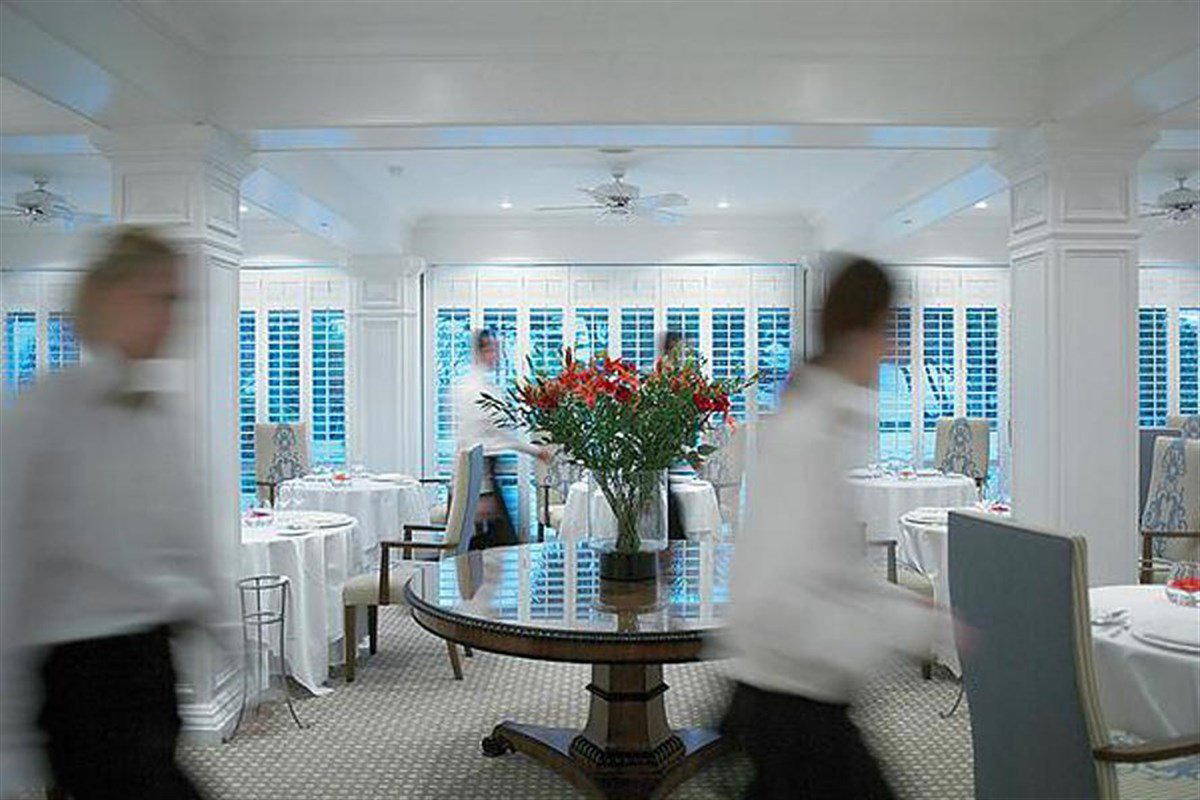
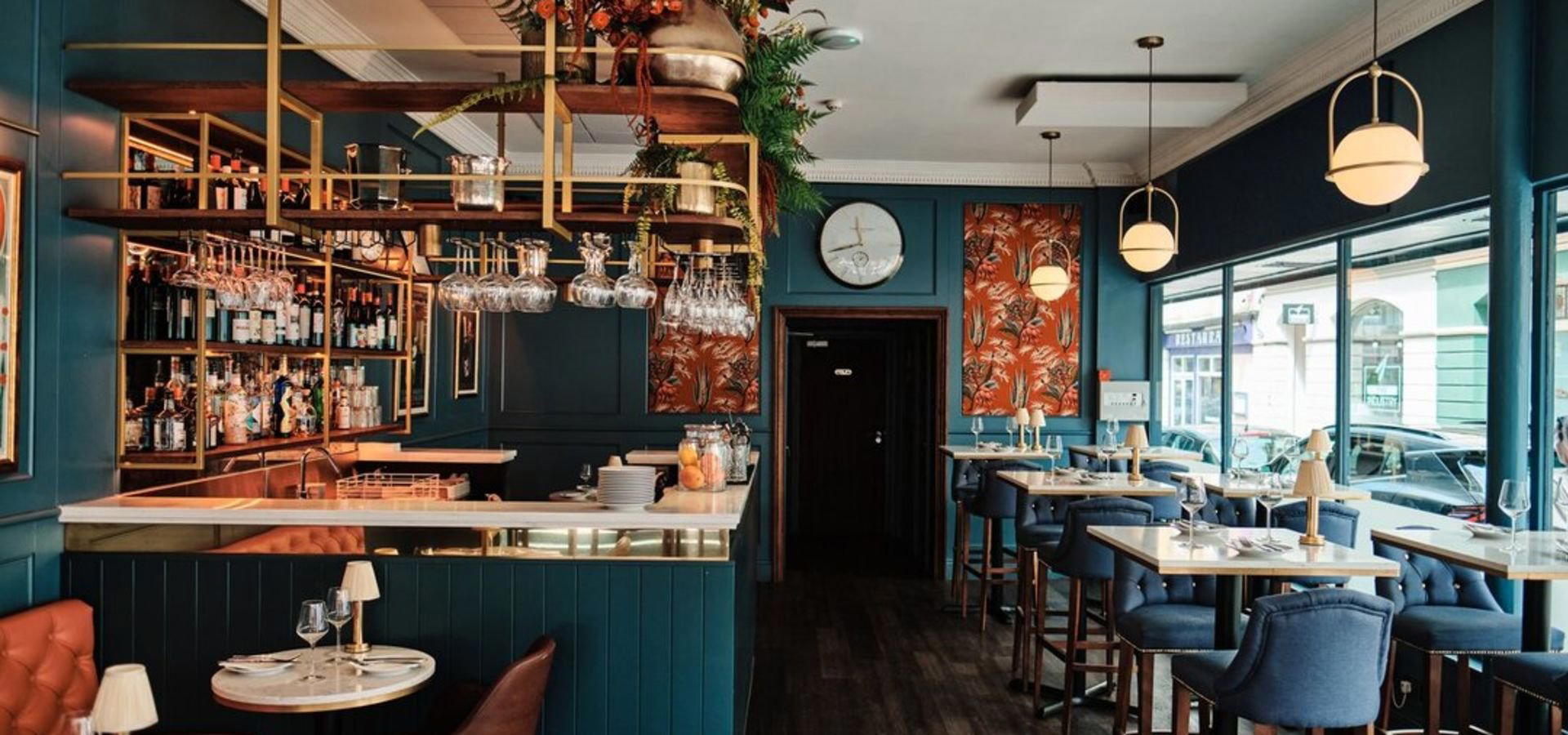
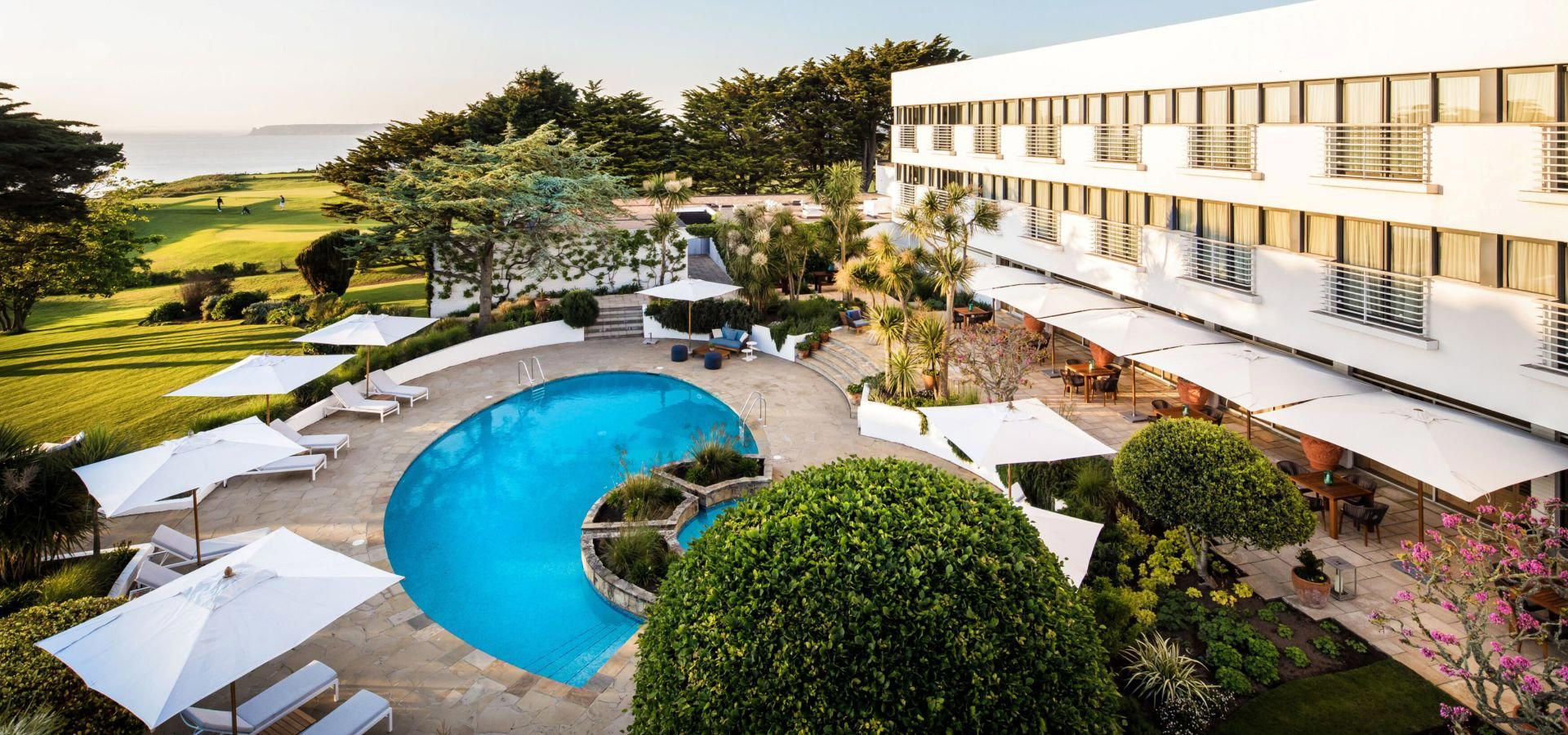
Cozy and idyllic atmosphere in rose-filled gardens with al fresco dining options, offering unhurried relaxation in a tranquil, historic setting.