Fukku

Michelin Plate
Our verdict
On Smith Street in Saint Peter Port, Fukku sits within a dining scene that trades on the Channel Islands' proximity to some of the Atlantic's most productive waters. The address places it steps from Guernsey's town centre, where a small cluster of independent restaurants has developed a reputation for cooking that reflects the island's geography rather than defaulting to imported conventions.

Pearl is the En Primeur Club membership app — saves, bookings, and concierge access live there. Same editors, same standards.
- Address
- 16, 18 Smith St, Guernsey GY1 2JQ, Guernsey
- Phone
- +441481763910
- Hours
- Mon ClosedTue–Thu 12–2:30 PM, 6–9:30 PMFri–Sat 12–3 PM, 6–10 PMSun Closed
- Website
- fukku.gg
- Directions
- Get directions
- Booking
- Book on ResDiary
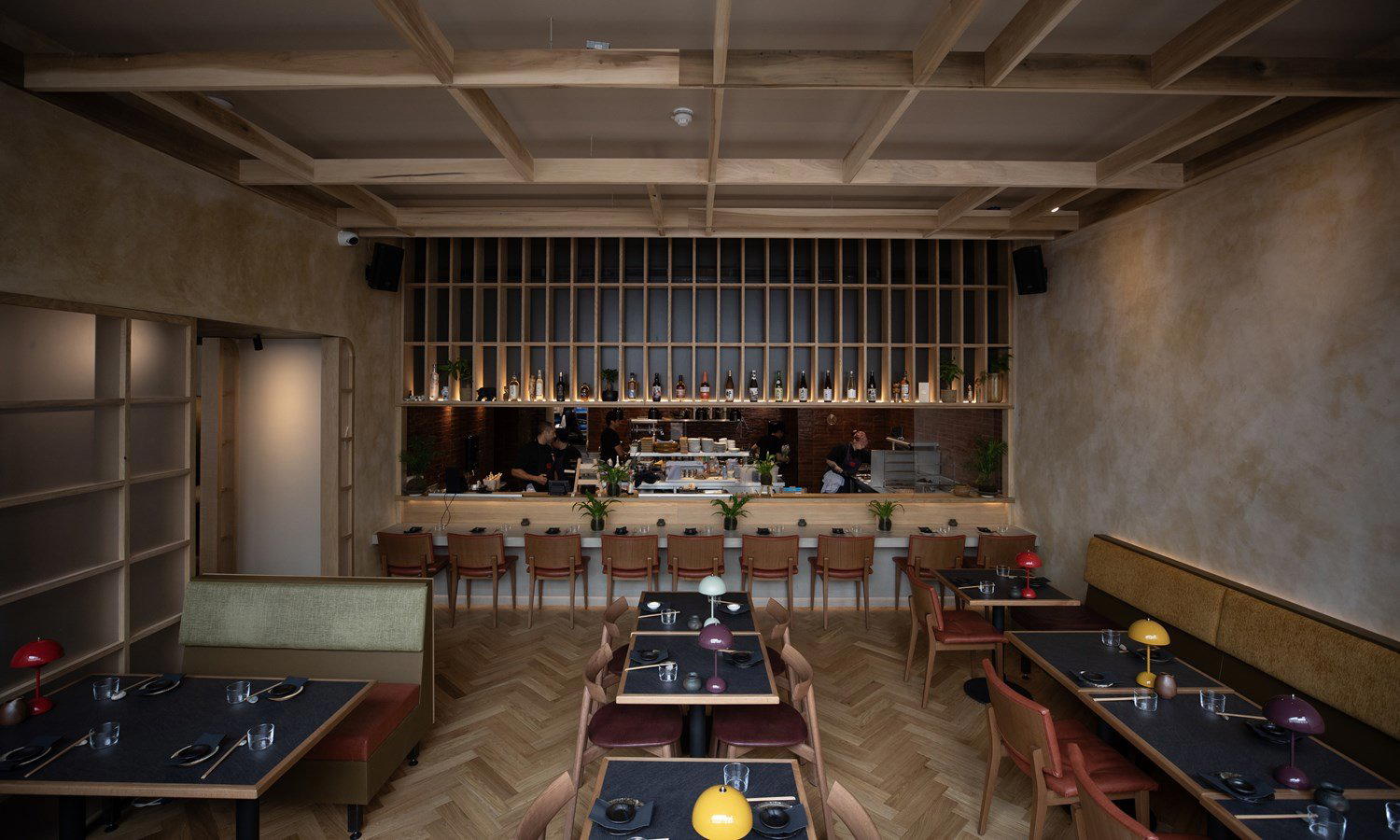
Smith Street and the Case for Island Sourcing
Saint Peter Port's restaurant strip along and around Smith Street occupies an interesting position in British Isles dining. Geographically, Guernsey sits closer to the Normandy coast than to the English mainland, which means the island's better kitchens have access to a sourcing corridor that few UK addresses can replicate: Atlantic shellfish from waters that are less industrially fished than the North Sea equivalents, dairy from Guernsey's famously rich-butterfat herds, and vegetables grown in a microclimate mild enough to extend the productive season well beyond what growers on the mainland manage. That proximity to quality primary ingredients is the context in which Fukku, at 16-18 Smith Street, deserves to be read.
The name alone signals an intent to do something other than the safe brasserie formula that dominates Channel Island dining at volume. In a hospitality scene where the default for tourist-facing restaurants defaults toward French bistro tropes or generic seafood platters, a name that suggests Asian or fusion influences represents a deliberate positioning decision. The question for any kitchen operating at this address is whether the sourcing advantage the island offers gets used or squandered.
What the Channel Islands Sourcing Corridor Means in Practice
The editorial reason ingredient sourcing matters more in Guernsey than in, say, central London is structural. A restaurant in Mayfair or the City has access to the same wholesale supply chains as every other Mayfair restaurant. On an island of roughly 63,000 people, the supply relationships are shorter, more direct, and more consequential. A kitchen that builds relationships with local crabbers, Guernsey dairy suppliers, or growers in the island's interior operates differently from one that orders off a national distributor's catalogue.
Across the Channel Islands, the restaurants that have built the most durable reputations share this characteristic. Vraic in Vale has oriented its identity around Channel Islands produce. La Sablonnerie in Sark, operating in even more constrained logistics, treats the constraints of island supply as an ingredient in itself. In Saint Peter Port specifically, Alba and La Fregate each represent different answers to the same question: what does a considered restaurant look like when it is built around what the island actually produces rather than what it can import?
Fukku's Smith Street address places it within this conversation. The broader global context is instructive. Kitchens as different as Le Bernardin in New York City, with its decades-long focus on precise seafood sourcing, and Atelier Moessmer Norbert Niederkofler in Brunico, which has built an entire culinary framework around Alpine regional supply, demonstrate that sourcing discipline and cooking ambition are not separate concerns. They are the same concern expressed at different scales.
The Setting on Smith Street
Smith Street is a pedestrian-accessible spine running through the older commercial quarter of Saint Peter Port. The town itself is compact enough that arriving from the harbour, a five-minute walk covers most of its dining geography. The street has stone-fronted buildings typical of Guernsey's Norman-influenced architecture, and the double address of 16 and 18 suggests a space that has either expanded or combines two adjacent units, which in Saint Peter Port's building stock typically produces rooms with some character rather than the blank-slate interiors of purpose-built restaurant spaces.
The name and address together suggest a kitchen that is trying to operate at a register above the town's median casual dining offer, without the institutional weight of the island's established hotel restaurants. That is a positioning that has proven commercially viable in comparable small-city markets elsewhere: Lazy Bear in San Francisco and Atomix in New York City both demonstrate what happens when serious cooking intent occupies addresses that sidestep the formal hotel-dining frame entirely.
Guernsey's Dining Scene in Broader Context
For visitors calibrating expectations, it helps to understand that Guernsey's restaurant scene operates at a different density than comparable-sized towns on the UK mainland. The island's tax structure and tourist economy support a hospitality sector that punches above its demographic weight, but the pool of kitchens operating at genuine ambition level is small. The leading addresses in Saint Peter Port sit closer in spirit to the focused, independent-minded kitchens found in provincial European cities than to the volume-driven tourist dining that dominates many coastal UK destinations.
The European comparisons are relevant here. Restaurants like Quattro Passi in Marina del Cantone and Uliassi in Senigallia show what coastal kitchens look like when they commit fully to the local marine supply and build a dining identity around it rather than treating seafood as a backdrop to an imported style. Dal Pescatore in Runate, Reale in Castel di Sangro, and Piazza Duomo in Alba each represent different regional Italian answers to the same sourcing-led ambition that the Channel Islands' geography makes possible on a smaller scale. HAJIME in Osaka, Waterside Inn in Bray, Emeril's in New Orleans, and Le Calandre in Rubano all sit within broader regional culinary traditions that treat local supply as non-negotiable rather than optional. The Channel Islands' leading kitchens are beginning to move in the same direction.
Planning a Visit
Fukku is located at 16-18 Smith Street in Saint Peter Port, GY1 2JQ, within easy walking distance of the town's harbour and main commercial centre. Guernsey has no rail connections; the island is reached by direct flights from several UK regional airports and by ferry from Poole and Portsmouth, with crossing times that make a weekend visit direct from the south of England. For a broader picture of where Fukku sits within Saint Peter Port's dining options, the full Saint Peter Port restaurants guide maps the town's independent scene in detail. Given the limited number of higher-ambition addresses in Saint Peter Port, booking ahead is advisable, particularly across the summer months when the island's visitor numbers peak.
Frequently asked questions
Is Fukku okay with children?
There is no published children's policy or restricted age guidance for Fukku at 16-18 Smith Street. Smith Street itself is pedestrian-accessible and central to Saint Peter Port, which generally makes the area straightforward for family visits. check the venue's official channels before booking with younger children to confirm current arrangements.
What kind of setting is Fukku?
Fukku sits on Smith Street, a pedestrian-accessible spine running through the older commercial quarter of Saint Peter Port, GY1 2JQ. The address places it within easy reach of the town's harbour and main shopping area, putting it in the middle of the island's most concentrated dining corridor.
Does Fukku make the most of Guernsey's local produce, and why does that matter for a Channel Islands restaurant?
Guernsey's geographic position in the Channel Islands means restaurants on Smith Street in Saint Peter Port have access to a sourcing corridor that mainland UK venues cannot replicate at the same proximity. Local seafood and Guernsey dairy are structurally closer to the kitchen here than in any London equivalent. Specific menu commitments from Fukku have not been publicly documented, so it is worth asking the team directly about current supplier relationships when you visit.
What's the best thing to order at Fukku?
What the Smith Street location does signal is proximity to Guernsey's Channel Islands sourcing corridor, where seafood and dairy ingredients arrive with shorter supply chains than mainland UK equivalents. Ask staff on the day what is freshest in from local producers.
At-a-Glance Comparison
Comparable venues nearby, for context on price, style, and recognition.
| Venue | Cuisine | Awards | Notes |
|---|---|---|---|
| FukkuThis venue — the venue you are viewing | Contemporary Japanese Izakaya | Michelin Plate | Not listed |
| La Fregate | Modern British Seafood | The Good Food Guide GFG Good | St Peter Port |
| Alba | Modern Mediterranean | Wine Spectator Award of Excellence | St Peter Port |
| La Sablonnerie | British Seafood with Local Sark Specialties | Not listed | Little Sark |
| Vraic | Coastal | Michelin Plate · SquareMeal UK Top 100 Restaurants #4 | Vale |
Recognition history
Dated appearances from independent guides and award organizations, with the underlying list record or original source where available.
Michelin Plate
Michelin
Continue exploring
More in St Peter Port
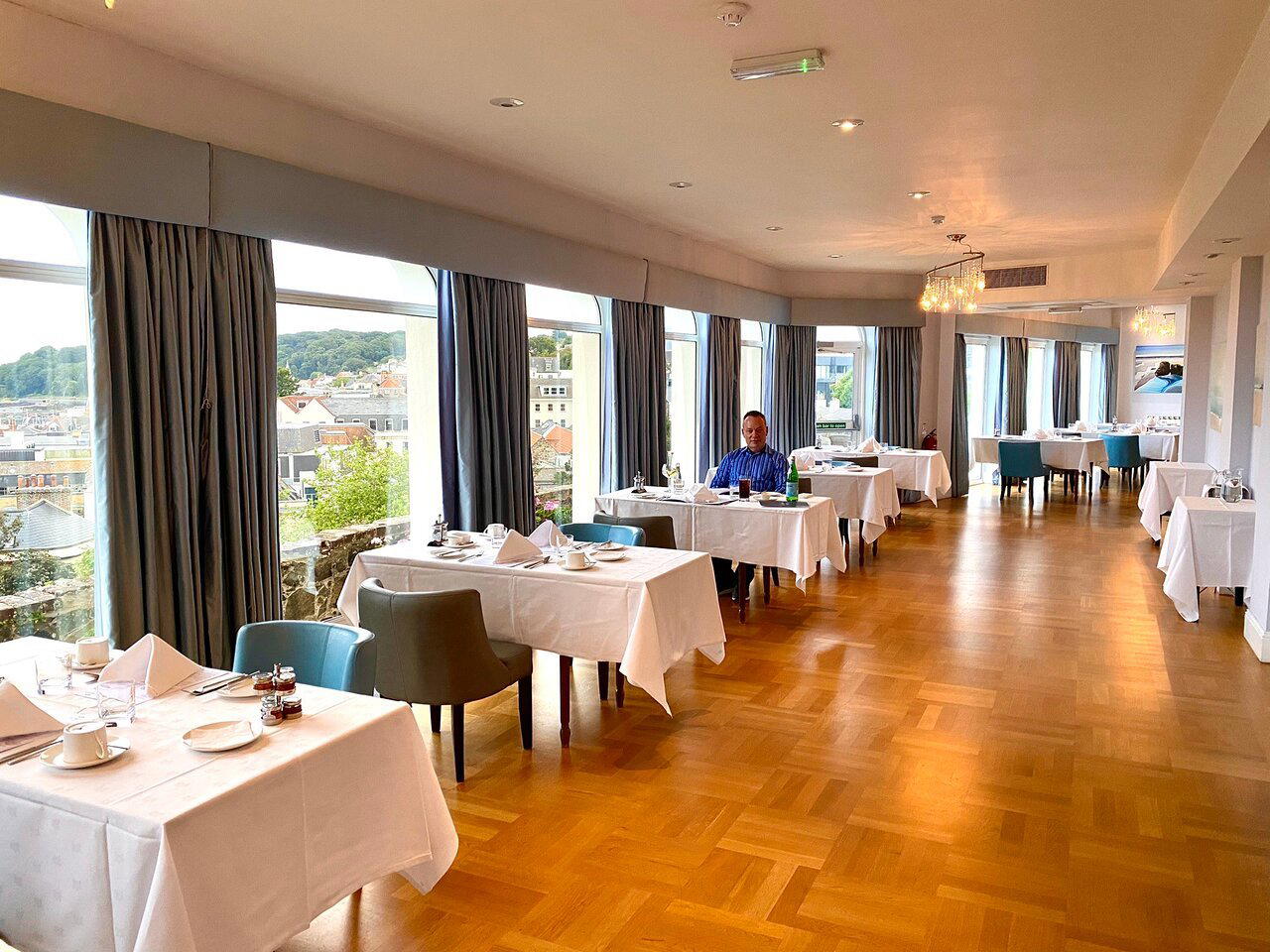
Restaurants in St Peter Port
Browse all →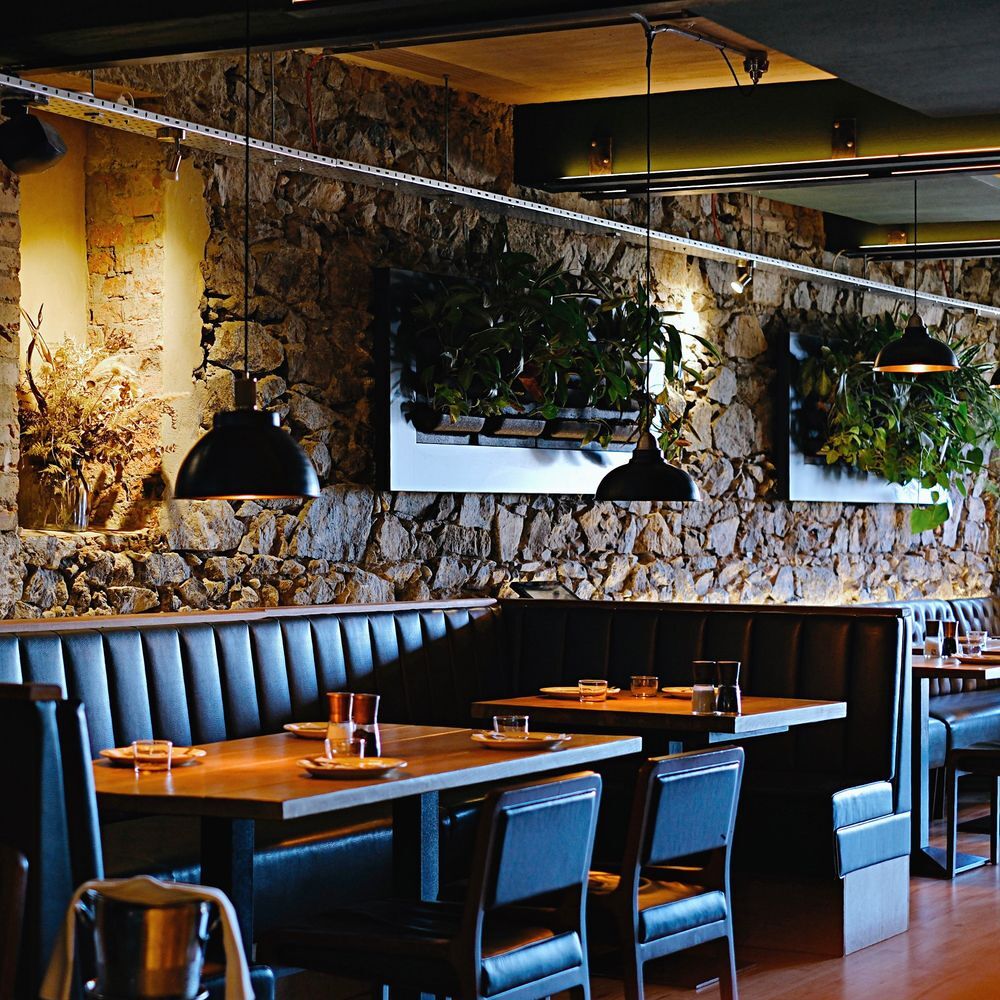
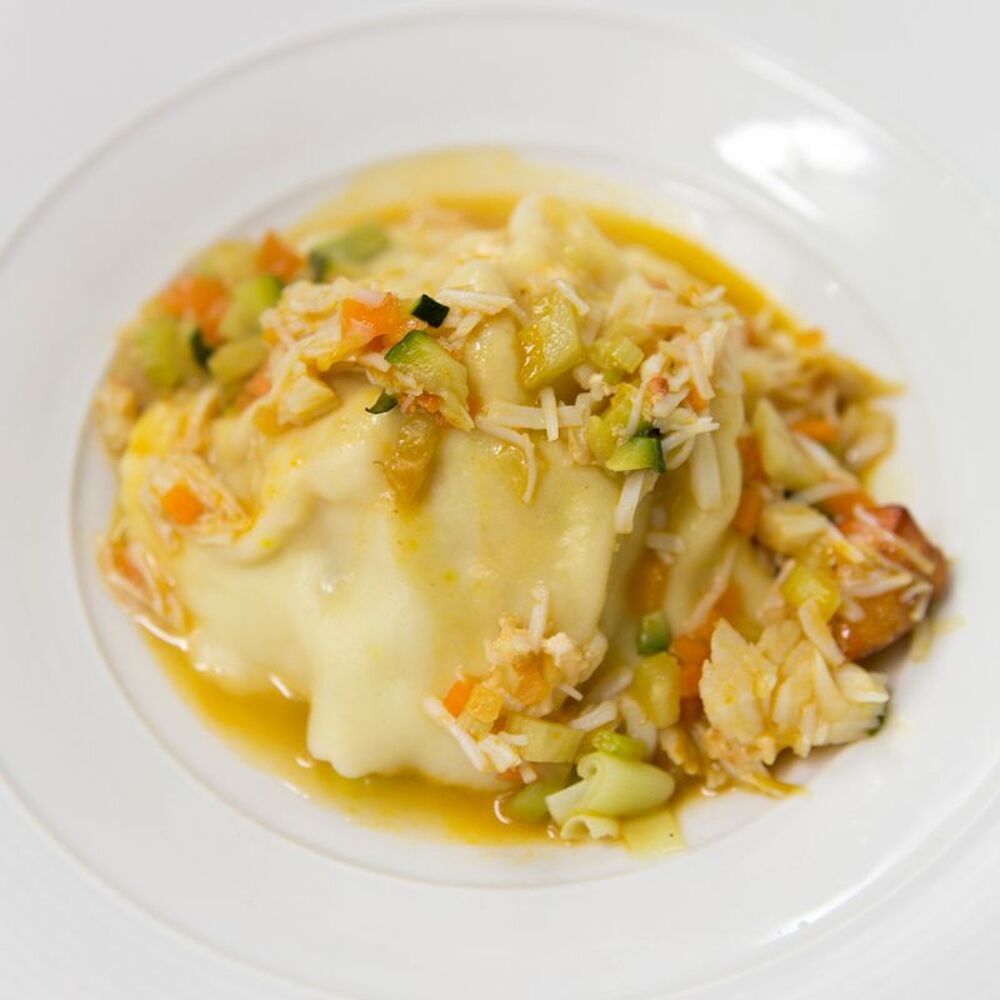
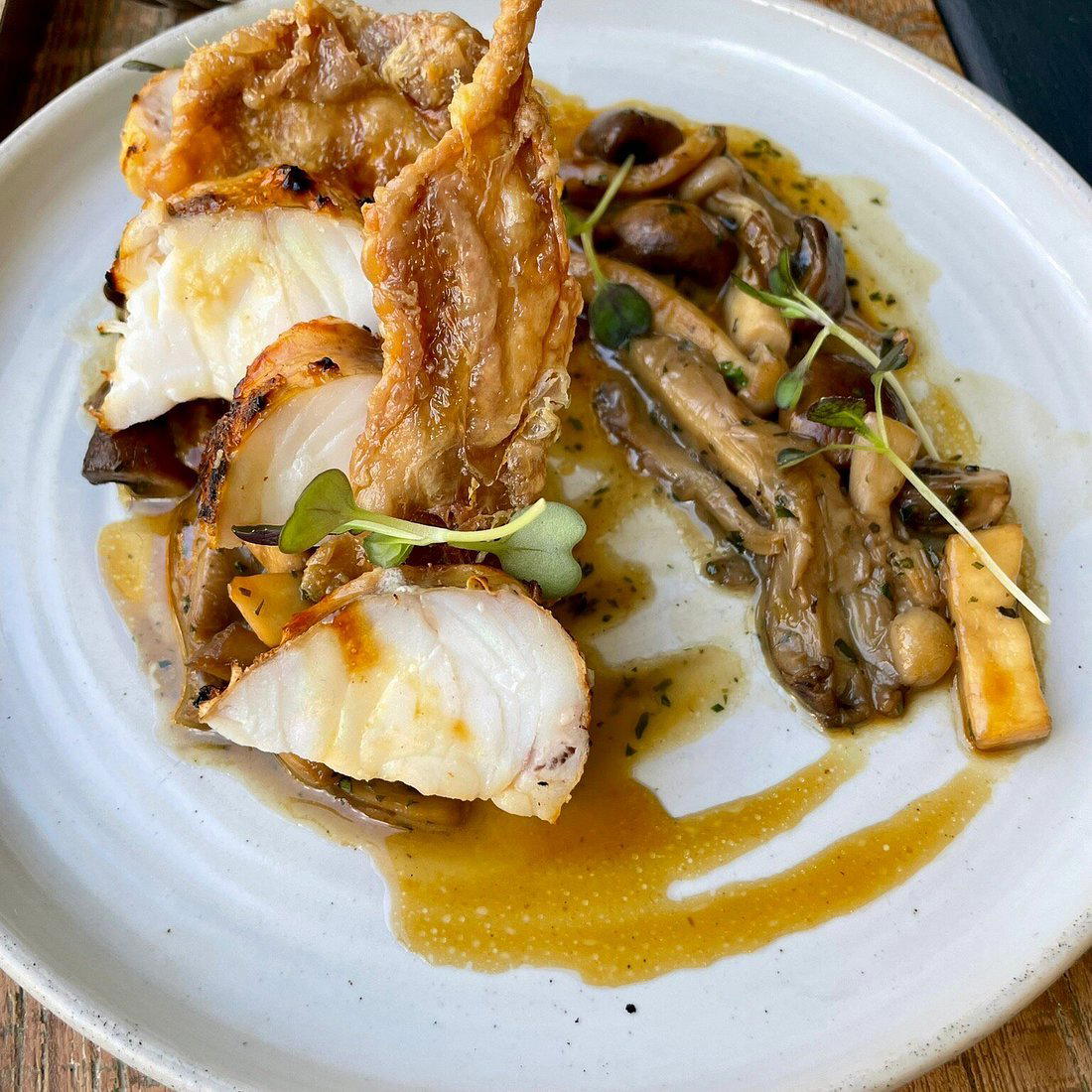
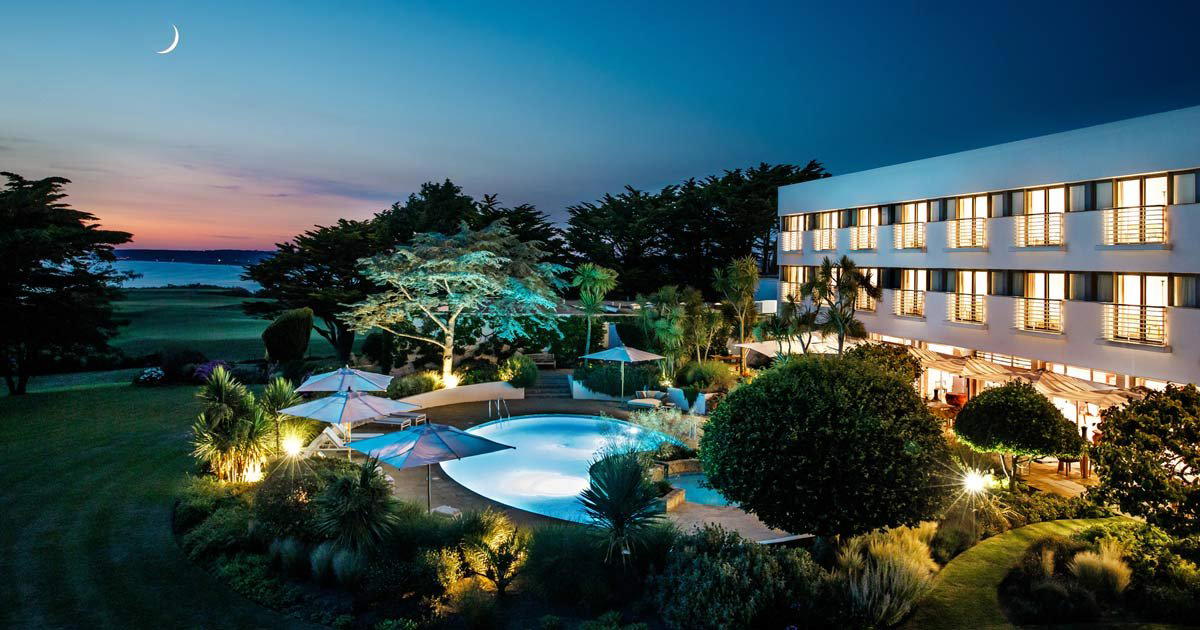
Bars in St Peter Port
Browse all →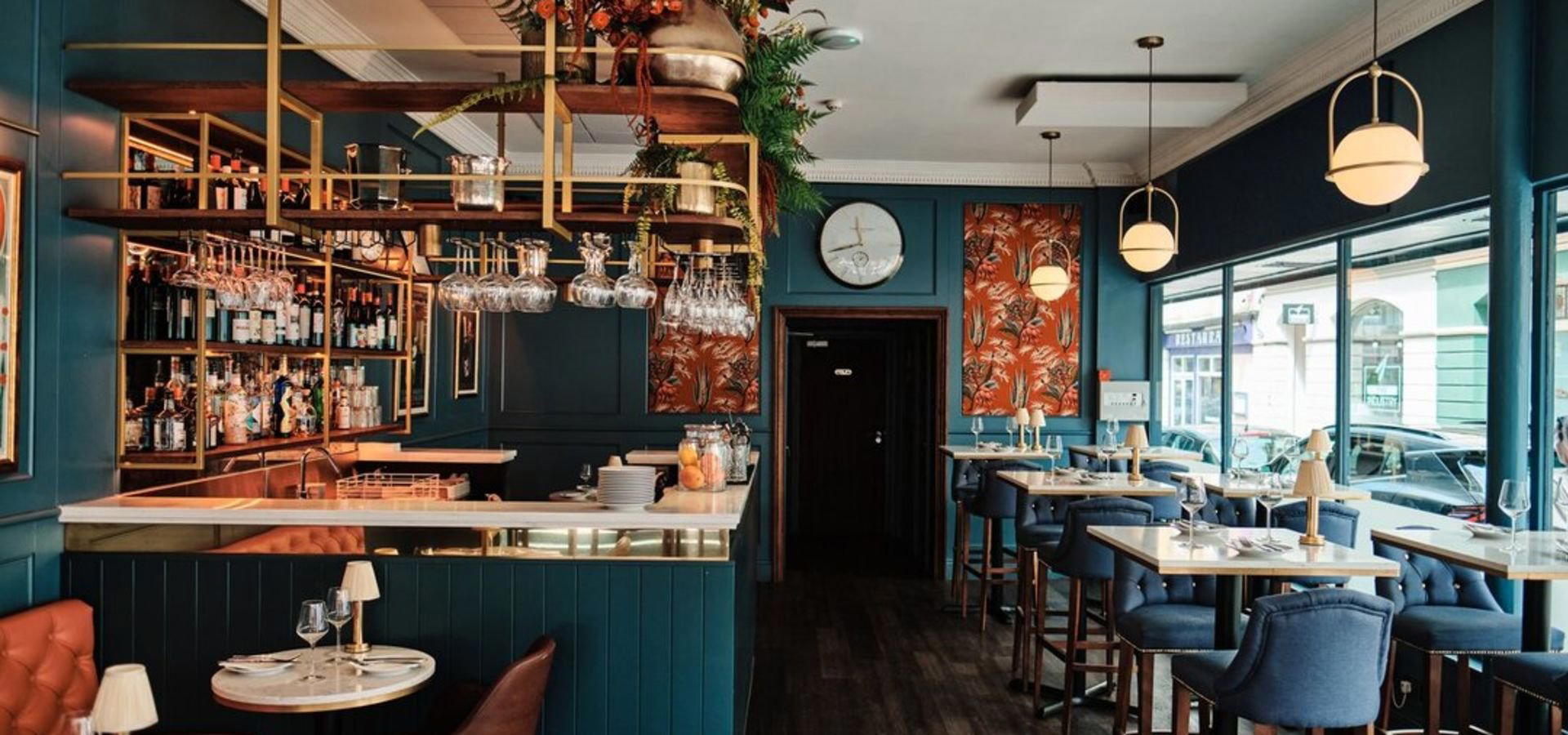
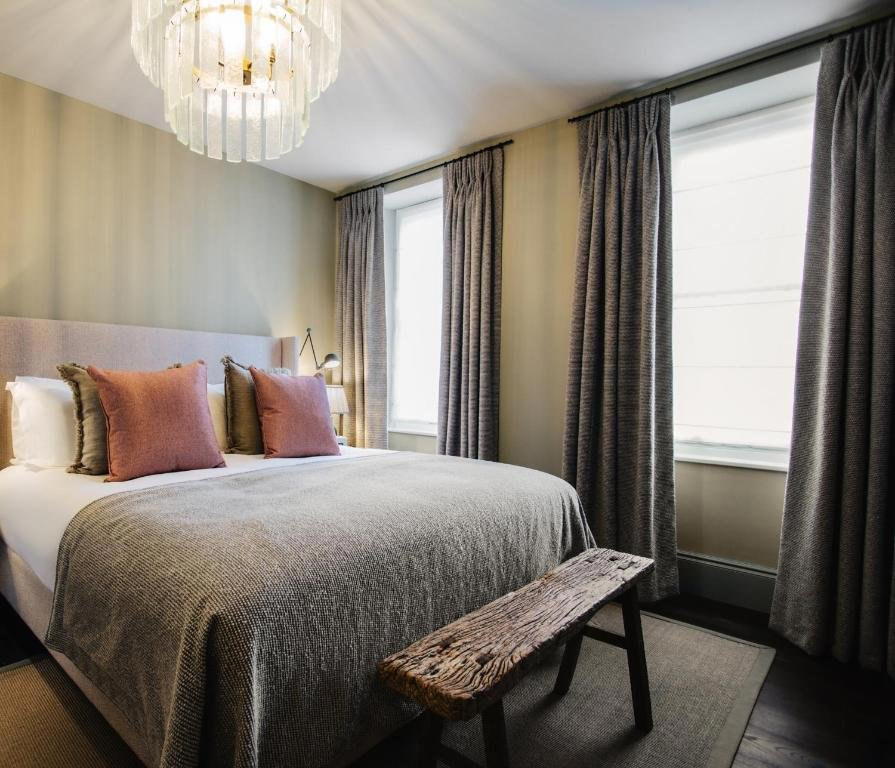
Fukku
The wine
- Wine program
- Curated wine list
- Sake program
- Craft cocktails
Details
- Lively
- Trendy
- Modern
- Intimate
- Date Night
- Solo
- Casual Hangout
- Chefs Counter
- Open Kitchen
- Historic Building
- Sake Program
- Craft Cocktails
- Local Sourcing
- Sustainable Seafood
- A La Carte
- Small Plates
- Counter Dining
- Sake
- Highballs
- Vegetarian Friendly
Current opening hours
- Monday
- Closed
- Tuesday
- 12–2:30 PM, 6–9:30 PM
- Wednesday
- 12–2:30 PM, 6–9:30 PM
- Thursday
- 12–2:30 PM, 6–9:30 PM
- Friday
- 12–3 PM, 6–10 PM
- Saturday
- 12–3 PM, 6–10 PM
- Sunday
- Closed
Hours can change for holidays and private events. Last verified .
Slick and lively atmosphere with buzz from contented diners, smoke wafts from the robata grill, and sociable energy around the central chef's counter and bar.