Google: 4.9 · 25 reviews
.png)
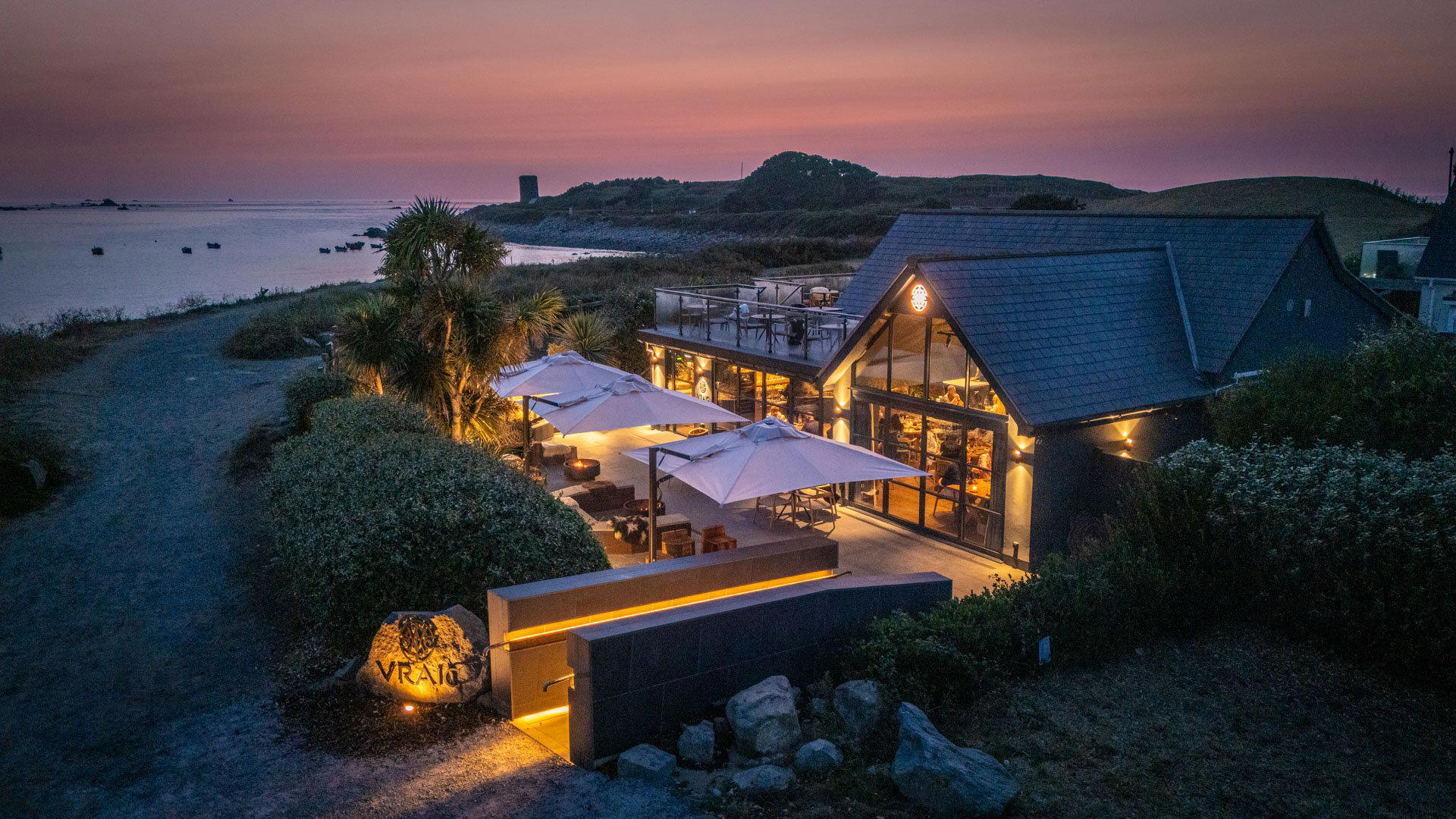
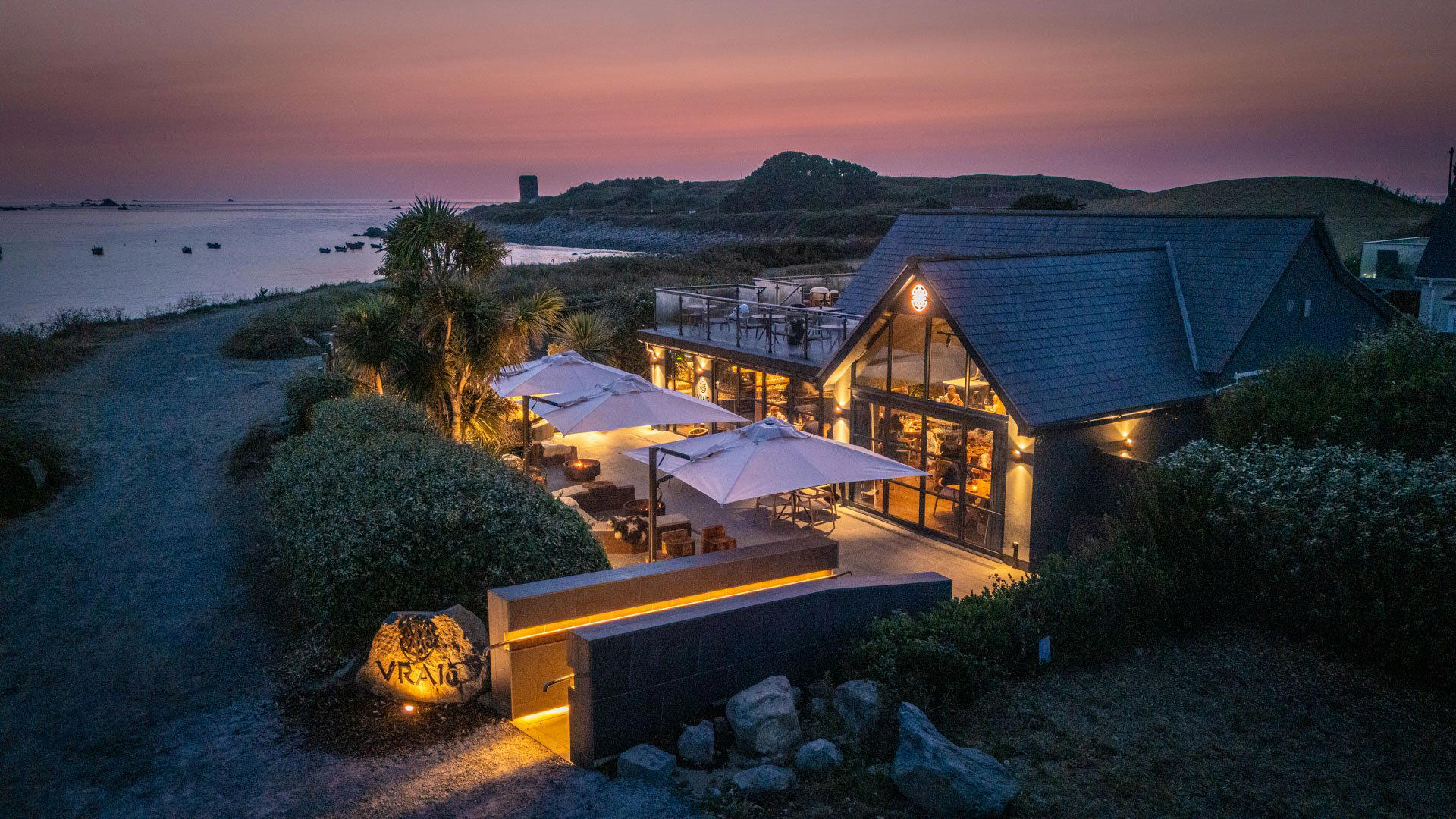
Named after the Guernésiais word for seaweed, Vraic is a destination restaurant on Guernsey's northern coast where chef Nathan Davies builds his menu around the island's coastline and farms. Eight varieties of seaweed anchor a kitchen philosophy rooted in local provenance, while combinations like lamb belly with cherry and charcoal demonstrate cooking that treats place as ingredient. The open kitchen and coastal setting make the experience inseparable from the food itself.
 Discover on Pearl
Pearl is the En Primeur Club membership app — saves, bookings, and concierge access live there. Same editors, same standards.
Where the Coastline Becomes the Menu
Arriving at Mont Cuet Road on Guernsey's northern coast, the logic of the restaurant's name becomes immediate. Vraic is the Guernésiais word for seaweed, and that single word tells you something specific about what this kitchen intends. This is not a restaurant that uses local produce as a marketing note at the bottom of the menu. The coastline here is the primary ingredient, and the cooking is shaped by what that means in practice.
Destination restaurants in the British Isles have developed a distinct identity over the past decade. Places like L'Enclume in Cartmel and Moor Hall in Aughton have shown that serious cooking does not require a London postcode, and that the most persuasive argument for a remote table is the inseparability of place and plate. Vraic, under chef Nathan Davies, belongs to that tradition, except the channel islands provide a provenance that is genuinely distinct from anything on the mainland. Guernsey occupies a marine environment that produces ingredients with different mineral profiles, different seasonal rhythms, and a foraging culture with its own vocabulary.
Seaweed as Architecture
The editorial case for ingredient-led cooking lives or dies on whether the sourcing actually drives the flavour, rather than simply appearing in the menu copy. At Vraic, the proof is structural. A deep broth made using eight different varieties of seaweed opens the meal, which means the kitchen is not gesturing toward coastal identity but building its foundations from it. Eight varieties implies serious classification, seasonal selection, and an understanding of how different seaweeds contribute different intensities of iodine, salinity, and umami. That kind of specificity is closer to the approach you find in Japanese dashi culture than in standard British coastal cooking.
The broader shift in premium British dining has moved toward what might be called literate foraging: cooking that can explain not just what was picked but why, when, and how it changes the dish. Hide and Fox in Saltwood operates in a similar coastal register, using Kent and Sussex shoreline provenance as the organising principle. Vraic's commitment to seaweed taxonomy suggests a comparable depth of sourcing logic rather than surface-level regionalism.
Land Alongside Sea
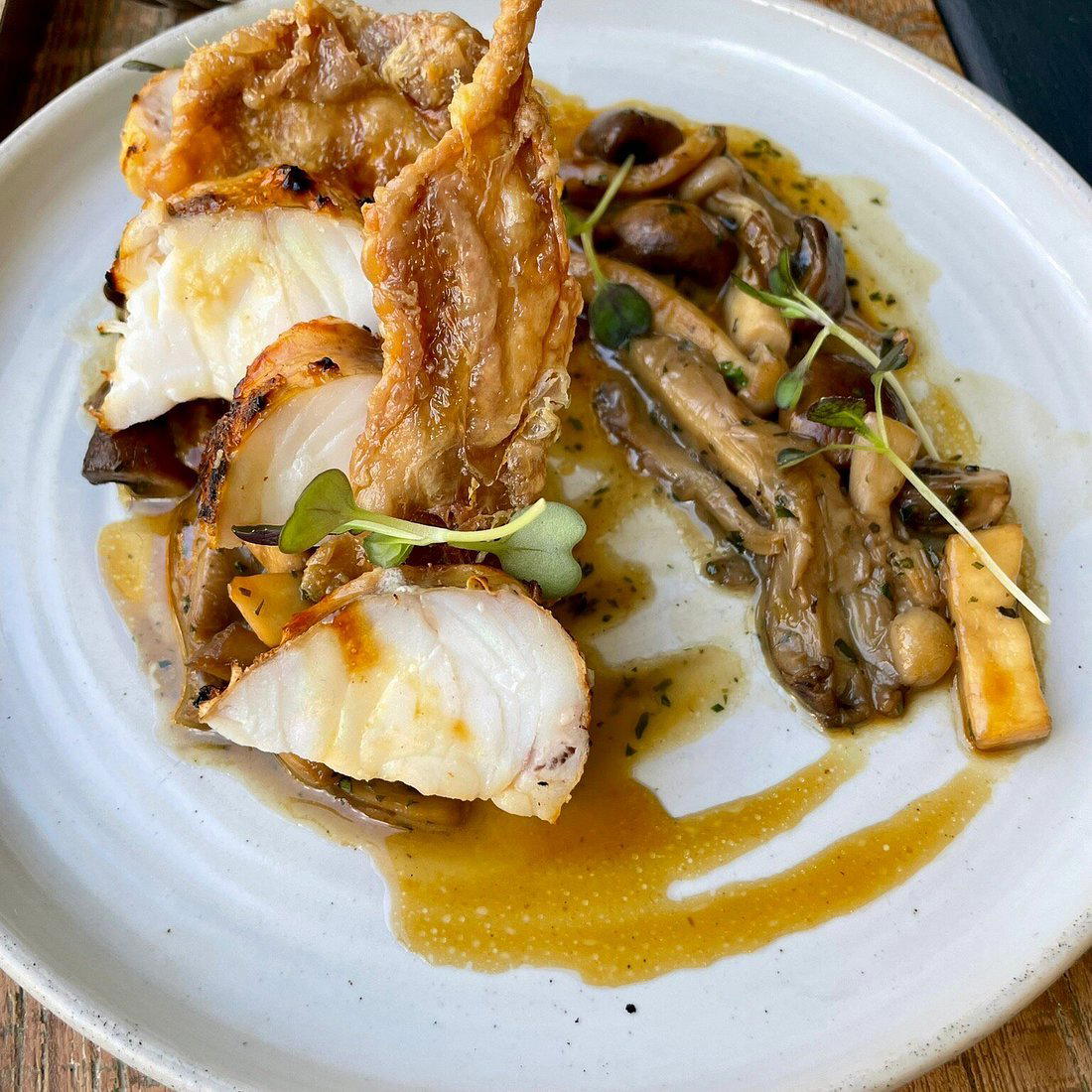
Menu is not exclusively marine. The pairing of lamb belly with cherry and charcoal demonstrates how the kitchen moves between coastline and island agriculture. Lamb belly is a cut that requires patience and confidence: it carries significant fat and connective tissue, and it needs cooking technique that renders it without making it heavy. The cherry provides acidity and sweetness to cut through that richness; the charcoal adds a mineral, bitter edge that pushes the dish into more complex territory. This is combination cookery that earns its complexity rather than assembling ingredients for novelty.
Emphasis on local produce reflects a broader truth about Guernsey's agricultural identity. The island has a long history of small-scale dairy farming, market gardening, and inshore fishing that long predates any fine dining conversation. What kitchens like Vraic contribute is a framework that connects those traditional supply lines to cooking with the technical range to honour them. This sits in a recognisable British tradition: Gidleigh Park in Chagford built its reputation on Devon produce over decades; Le Manoir aux Quat' Saisons in Great Milton made its kitchen garden the centrepiece of its identity. The channel islands version of that story is younger and less documented, which is precisely what makes Vraic worth the journey.
The Kitchen on Show
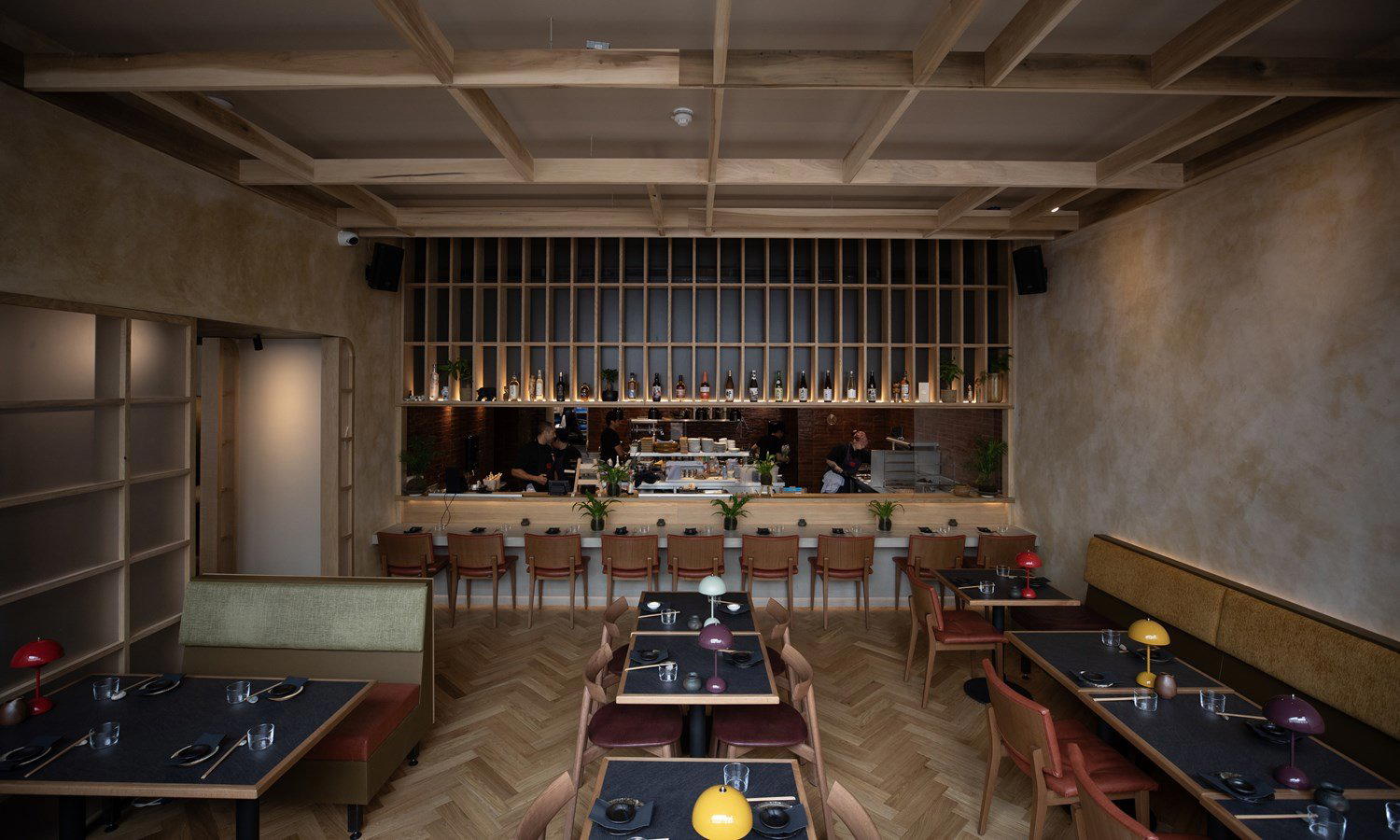
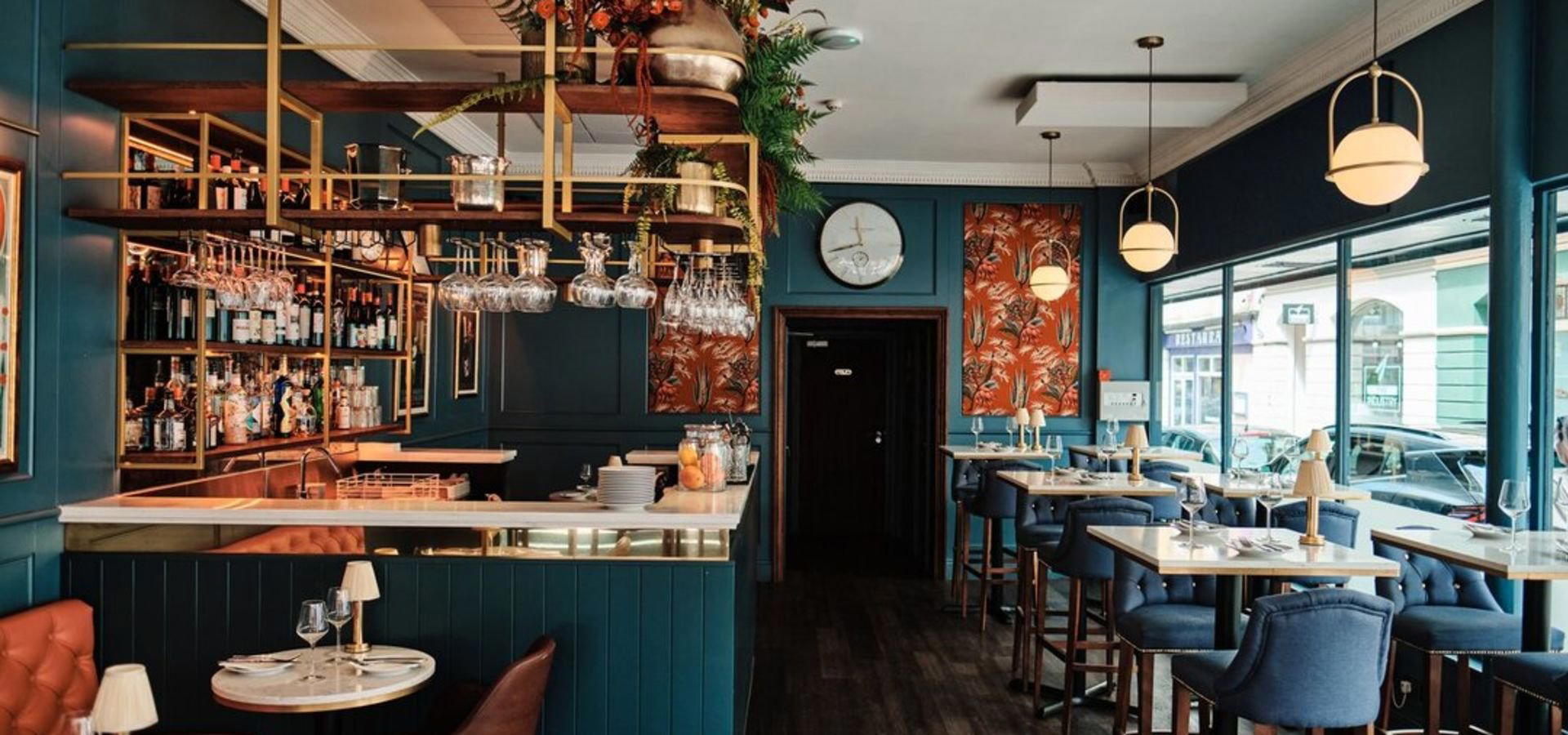
Open kitchen format, described as majestic in critical recognition of the restaurant, is not incidental to the experience. Restaurants that position cooking as performance are making an argument about transparency: the labour and skill that produce the food should be visible, not hidden. When the team delivers dishes with what observers have noted as great pride, that reads as an expression of confidence in the sourcing and cooking rather than theatrics. The channel between brigade and table is shorter in this format, and at a restaurant whose identity is rooted in place, that directness has a specific meaning. The ingredient came from this coast; it was cooked in this kitchen; it arrived at your table.
Comparable open-kitchen formats at the high end of British dining, such as The Ledbury in London or Midsummer House in Cambridge, use the visibility of the kitchen to signal seriousness of technique. In a coastal destination setting, it also reinforces that what you are eating was sourced nearby and handled with care from arrival to plate.
Getting There and Planning the Visit
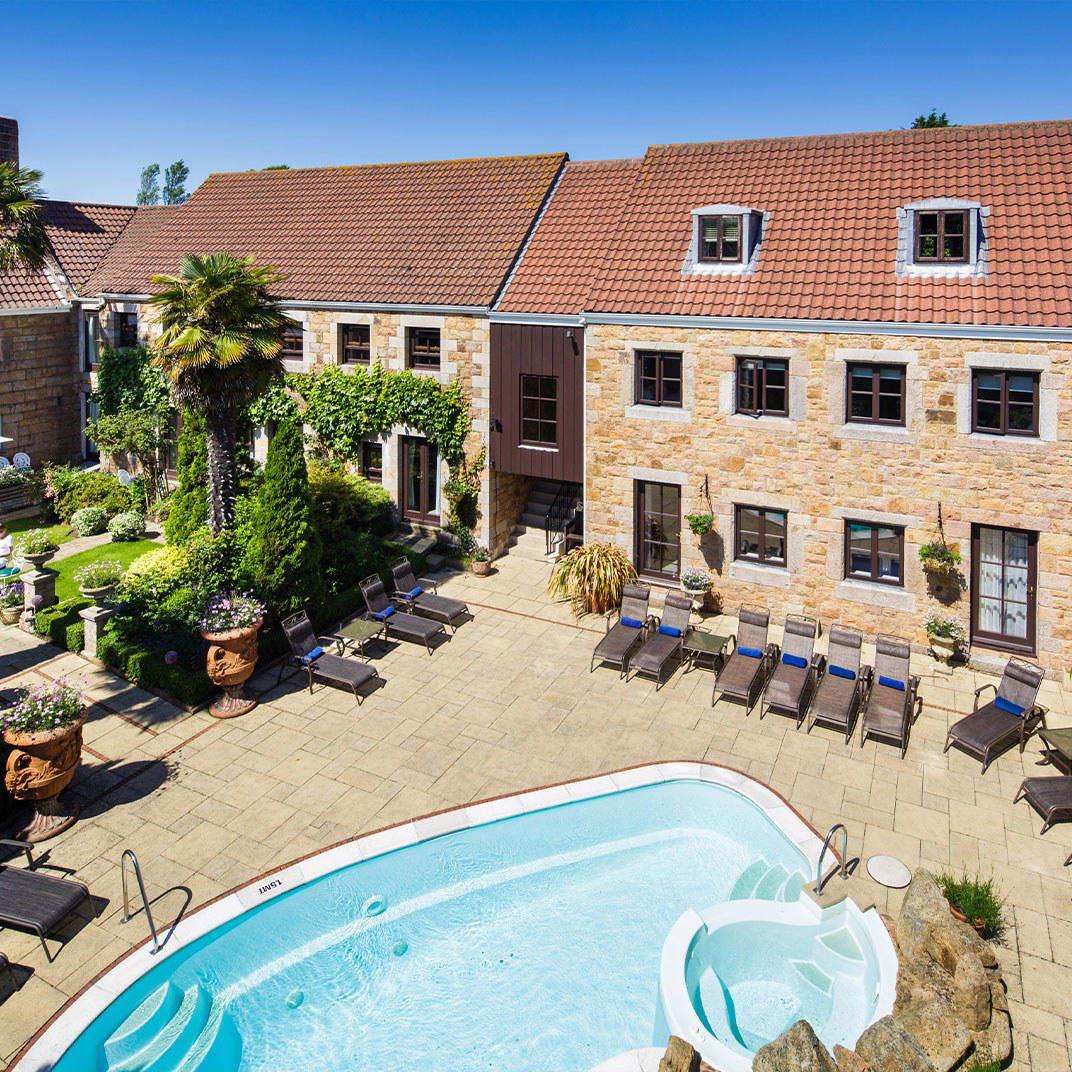
Vraic's address on Mont Cuet Road places it in the Vale parish on the northern end of Guernsey, away from the main commercial concentration of St Peter Port. Guernsey is served by regular flights from several UK airports and by ferry routes from Poole and Portsmouth. For visitors making the crossing specifically for the meal, the island has enough accommodation range to support a short stay, and a fuller picture of where to sleep is in our full Vale hotels guide. If you are building a broader itinerary around the island's food and drink, our full Vale restaurants guide maps the wider scene, while our full Vale bars guide and our full Vale wineries guide cover the surrounding options. For activities beyond the table, our full Vale experiences guide provides context on the island's coastal and cultural offerings.
Given the destination character of the restaurant and the critical recognition it has received, advance booking is advisable. Guernsey attracts more visitors through late summer and autumn, which aligns with peak dining demand, so planning ahead rather than arriving speculatively is the correct approach. Specific hours, pricing, and booking method are leading confirmed directly with the restaurant before travelling from the mainland.
Where It Sits in the British Fine Dining Conversation
The critical recognition Vraic has received draws comparisons to the generation of British destination restaurants that proved fine cooking could anchor an entire visit to a place. The Fat Duck in Bray and The Hand and Flowers in Marlow both demonstrated that a specific address could become the reason for the journey. Restaurant Andrew Fairlie in Auchterarder made the same case in Scotland. Vraic is making that argument for the channel islands, and the strength of its claim rests on the specificity of its sourcing. A seaweed broth that draws on eight distinct local varieties is not a dish that could be replicated in London with the same result. That irreproducibility is the clearest possible reason to make the trip.
For readers whose reference points include intensely ingredient-driven tasting menus at the precision end of the spectrum, such as Opheem in Birmingham or the seafood mastery demonstrated at Le Bernardin in New York City, Vraic operates in a different register: the cooking is shaped by a specific geography, and the geographic remoteness is part of the point rather than an inconvenience to overcome.
Comparison Snapshot
These are the closest comparables we have in our database for quick context.
| Venue | Cuisine | Price | Awards | Notes |
|---|---|---|---|---|
| Vraic | Named after the Guernésiais word for seaweed, Nathan Davies’ latest venture is t… | This venue | ||
| The Ledbury | Modern European, Modern Cuisine | ££££ | Michelin 3 Star | Modern European, Modern Cuisine, ££££ |
| Sketch, The Lecture Room and Library | Modern French | ££££ | Michelin 3 Star | Modern French, ££££ |
| CORE by Clare Smyth | Modern British | ££££ | Michelin 3 Star | Modern British, ££££ |
| Restaurant Gordon Ramsay | Contemporary European, French | ££££ | Michelin 3 Star | Contemporary European, French, ££££ |
| Dinner by Heston Blumenthal | Modern British, Traditional British | ££££ | Michelin 2 Star | Modern British, Traditional British, ££££ |