Google: 4.6 · 393 reviews

La Rucola 2.0 holds a Michelin star in Sirmione's historic centre, positioned steps from the medieval castle with a format built around four tasting menus. Chef Francesco Turturro's creative cuisine moves across fish, seafood, meat, and an exclusively vegetable menu, with each tasting menu open to à la carte selection by individual course.
 Discover on Pearl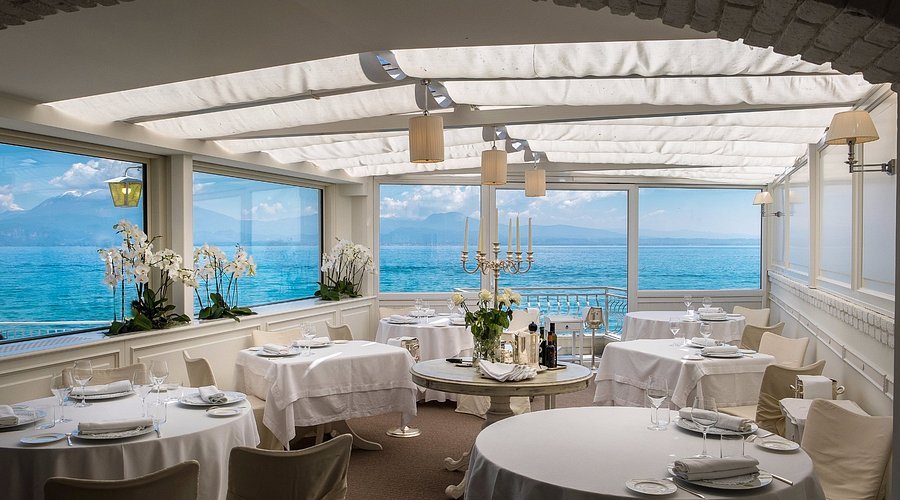
A Michelin kitchen inside the old town walls
Sirmione's peninsula is one of the more compressed dining destinations in northern Italy: a narrow strip of land pushing into Lake Garda, its historic centre hemmed by medieval fortifications and tourist footfall in roughly equal measure. What this geography produces, somewhat against expectation, is a tight cluster of serious restaurants operating at a level you would associate with larger, less seasonal cities. La Rucola 2.0 sits at the leading of that cluster, holding a Michelin star as of 2024 and occupying a position in the old town that places it almost in the shadow of the Scaligero Castle. The setting is not incidental to the experience: the combination of compressed historic architecture and the nearness of the lake shapes what serious cooking here looks, and tastes, like.
Italy's creative restaurant tier has always had an interesting relationship with geography. The country's most decorated kitchens, from Osteria Francescana in Modena to Piazza Duomo in Alba, are rarely in the cities you would expect. They tend to root themselves in smaller, specific places, and the sourcing logic of those places becomes part of their identity. La Rucola 2.0 follows that pattern: the proximity to Lake Garda is not decorative. It is a supply chain.
What the lake provides — and what the kitchen does with it
Lake Garda's position as the largest lake in Italy gives it a particular ecological range. Its southern basin, where Sirmione sits, is shallower and warmer than the northern reaches near Riva del Garda, and the surrounding agricultural land produces olive oil, citrus, and vegetables that have fed the region's kitchens for centuries. The creative cooking that Chef Francesco Turturro has built at La Rucola 2.0 is framed explicitly around fish and seafood, with the lake and the broader northern Italian waterway tradition as the apparent spine of the menu.
This is worth pausing on. Lake Garda cuisine sits in an interesting tension with the wider Italian fine-dining idiom. Much of what earns attention nationally pulls from the land: Le Calandre in Rubano and Dal Pescatore in Runate both operate in the Po Valley tradition of rich, land-oriented cooking. A kitchen anchored in freshwater and coastal fish, the way La Rucola 2.0 is, occupies a different register entirely. The sourcing logic here points toward restraint and brightness rather than depth and reduction, and the menu's inclusion of a dedicated vegetable tasting reflects how that kind of ingredient thinking extends beyond protein.
The vegetable menu in particular marks a shift that has become more visible across Italian fine dining over the last decade. It is no longer positioned as an accommodation for dietary preference but as a separate editorial statement about what the land around a kitchen produces. At La Rucola 2.0, that statement sits alongside fish, seafood, and limited meat options across four tasting menus, giving the kitchen the range to work across different seasonal and sourcing stories simultaneously. For context on how this compares within Sirmione's current Michelin-starred tier, La Speranzina also holds a star at the €€€€ level and operates in the Italian tradition, while Tancredi sits at the €€€ level with a creative format. La Rucola 2.0 shares both the leading price tier and the creative classification with a relatively small number of peers in this part of Lombardy.
Format: tasting menus built for flexibility
The format that La Rucola 2.0 uses resolves a tension that many tasting menu restaurants never quite address: the conflict between editorial coherence, which tasting menus are built to deliver, and the practical reality that guests at the same table often want different things. Four tasting menus, each available as a full sequence or disaggregated into individual courses ordered à la carte style, gives the kitchen a framework that is both structured and responsive. You can commit to the full arc of one menu, or you can compose a meal by moving across the four simultaneously.
This model has become more common among creative Italian restaurants working at the star level, partly because it allows ingredient focus and sourcing narratives to remain intact without forcing every guest through the same sequence. Internationally, it aligns with an approach you see at kitchens like Arpège in Paris, where a defined tasting structure coexists with flexibility in how guests access it. At the €€€€ price tier, that flexibility carries weight: it signals that the kitchen is confident enough in its individual dishes to let them stand alone, rather than relying on sequence to do interpretive work.
For guests choosing between the four menus, the fish and seafood focus, the meat options, and the dedicated vegetable sequence each reflect a distinct sourcing logic. The lake, the surrounding agricultural land, and the broader northern Italian supply network each have their own seasonal rhythms, and the four-menu format allows the kitchen to honour all of them without collapsing them into a single compromise narrative.
Sirmione's dining context: what the town now supports
It is worth stating plainly that Sirmione supports a level of serious dining that its size does not obviously predict. The town is small, heavily visited in summer, and operates on a compressed seasonal calendar. What it has produced, nonetheless, is a concentration of Michelin-level kitchens that would be notable even in a city several times larger. Alongside La Rucola 2.0, Le Gardenie and Risorgimento offer further options across the lakeside Italian and Mediterranean traditions, giving the town a dining range that rewards dedicated visits rather than single-night stopovers.
The Michelin star ecosystem in northern Italy has been moving toward smaller towns for some years. The pattern, visible in the trajectories of Atelier Moessmer Norbert Niederkofler in Brunico and Enrico Bartolini in Milan, reflects both a sourcing logic (smaller towns offer closer proximity to specific ingredients) and an audience logic (destination dining has become a viable model independent of urban footfall). Sirmione benefits from both: its agricultural and lacustrine resources are specific enough to support distinctive kitchen identities, and its position as a travel destination means the audience for serious cooking arrives pre-qualified.
For visitors planning a broader stay, our full Sirmione hotels guide covers the accommodation options in the area, while our full Sirmione bars guide and our full Sirmione wineries guide give context on where to extend an evening or explore the local wine production that the Garda DOC zone supports. The full picture of what the town offers at table is in our full Sirmione restaurants guide. If you have broader interests in cultural programming around the lake, our full Sirmione experiences guide covers those options.
Planning your visit
La Rucola 2.0 is located at V.cl Strentelle, 3, in Sirmione's historic centre, and its position near the Scaligero Castle means it sits inside the restricted traffic zone that governs the old town. Guests arriving by car will need to park outside the walls and walk in. The restaurant operates lunch and dinner Tuesday through Saturday, with Monday dinner service the sole exception to the full-week closure pattern, and is closed on Sundays. Lunch runs 12:30 PM to 1:30 PM, a tight single-seating window that rewards punctuality. Evening service runs 7:30 PM to 9:30 PM. At the €€€€ price tier with Michelin star recognition, advance booking is advisable, particularly during the lake's high season from late spring through August when Sirmione's visitor numbers peak and the town's limited restaurant capacity tightens considerably. The creative tasting menu format with its à la carte flexibility means the kitchen can accommodate varying appetite levels, but arriving with a sense of which of the four menu directions interests you will make the ordering conversation more productive.
Side-by-Side Snapshot
A fast peer set for context, pulled from similar venues in our database.
| Venue | Cuisine | Price | Awards | Notes |
|---|---|---|---|---|
| La Rucola 2.0 | Creative | €€€€ | Michelin 1 Star | This venue |
| Tancredi | Creative | €€€ | Michelin 1 Star | Creative, €€€ |
| La Speranzina | Italian | €€€€ | Michelin 1 Star | Italian, €€€€ |
| Le Gardenie | Italian Lakeside | Italian Lakeside | ||
| Risorgimento | Mediterranean Cuisine | €€€ | Mediterranean Cuisine, €€€ |
Continue exploring
More in Sirmione
Restaurants in Sirmione
Browse all →
Bars in Sirmione
Browse all →
Hotels in Sirmione
Browse all →
At a Glance
- Elegant
- Modern
- Intimate
- Sophisticated
- Minimalist
- Date Night
- Celebration
- Special Occasion
- Historic Building
- Private Dining
- Open Kitchen
- Extensive Wine List
- Sommelier Led
- Sustainable Seafood
- Local Sourcing
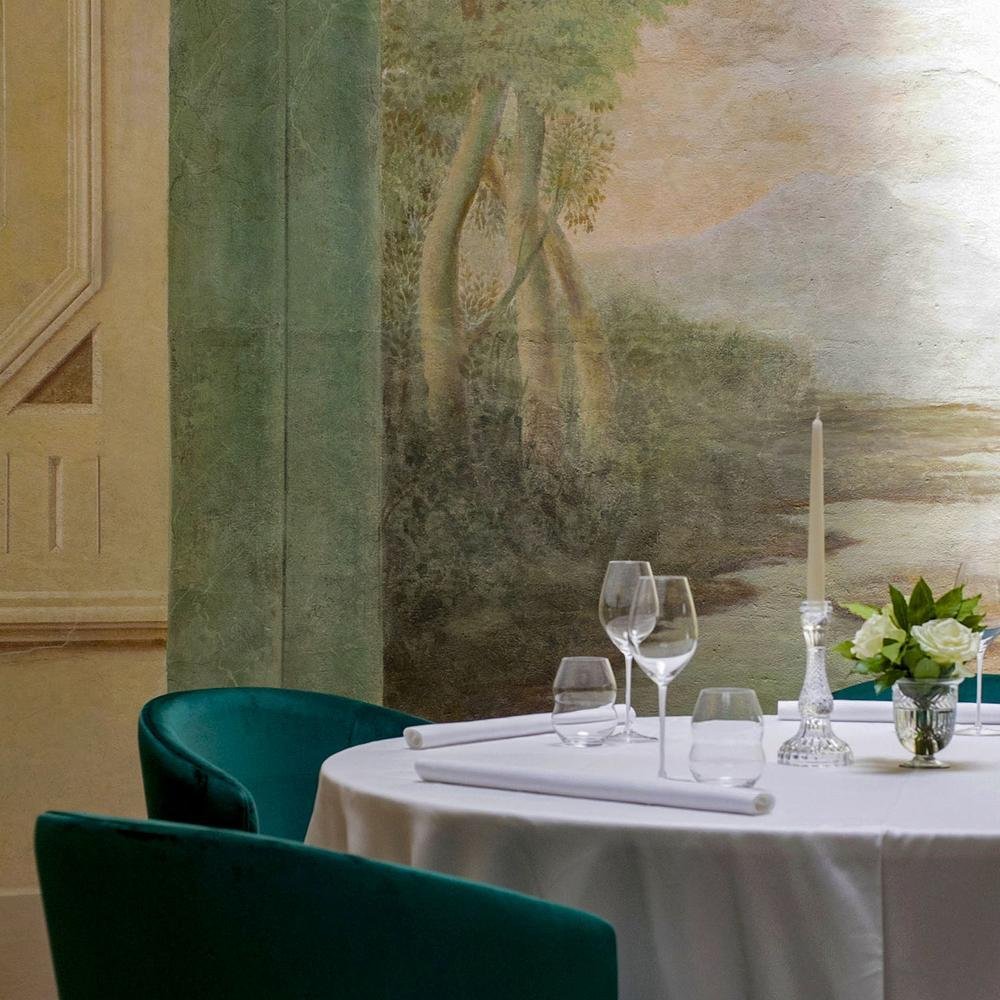
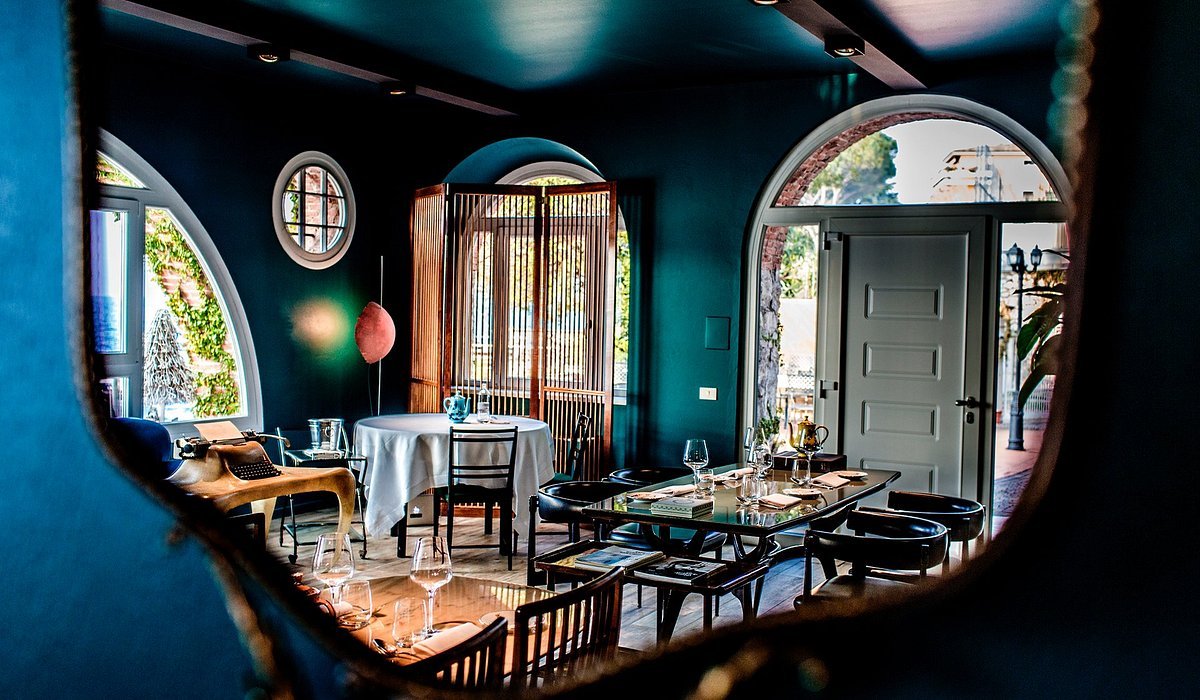
Contemporary minimalist design with warm, welcoming atmosphere; elegant and refined with careful attention to detail; described as uncomfortably quiet by some diners.