La Piccola Casa
Our verdict
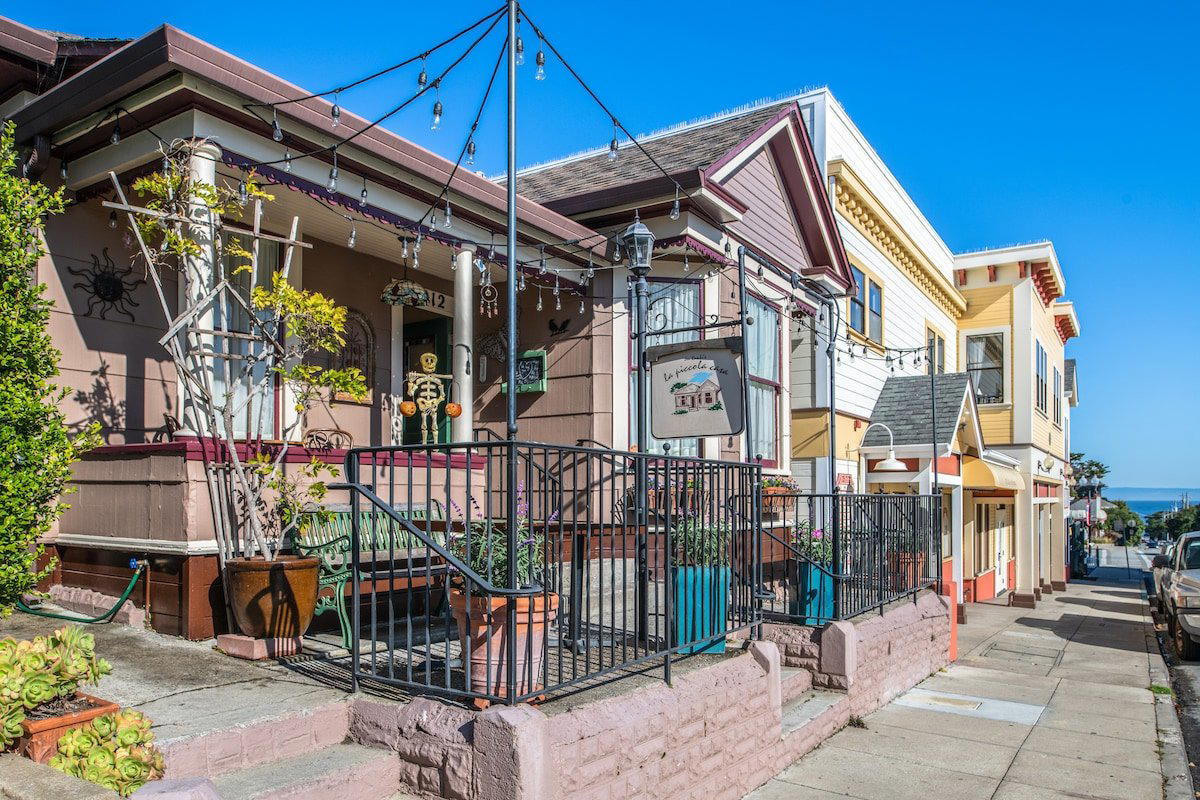
A neighborhood Italian address on Pacific Grove's residential 17th Street, La Piccola Casa draws on the Monterey Peninsula's proximity to exceptional local produce and the Pacific coast's fishing tradition. The format is intimate, the sourcing ethos is regional, and the cooking stays closer to a family trattoria than a special-occasion dining room, a deliberate counterpoint to the coastal fine-dining circuit nearby.

Pearl is the En Primeur Club membership app, where members save venues, book tables and use the concierge.
The menu
What to order
- The Godfather pizza
- Pasta Bolognese
- Tuscany Panini
Small House, Strong Roots: Italian Cooking on the Monterey Peninsula
Pacific Grove sits at the quieter, residential end of the Monterey Peninsula, a few miles from the aquarium crowds and the tourist corridor of Cannery Row. The dining scene here has always tracked closer to the local than the spectacular: a cluster of independently owned restaurants drawing from one of California's most productive coastal and agricultural zones. 17th Street, where La Piccola Casa operates, reads more like a neighborhood block than a dining destination street, which is precisely the point. Italian cooking in this register, small-room, ingredient-forward, without the theatrics of tasting menus, finds a natural home in a town that has never been particularly interested in performing for visitors.
The name translates simply as "the little house," and the format aligns with that framing. Italian restaurants in small American coastal towns tend to split between red-sauce nostalgia and overcorrected modernity. The more interesting middle ground, cooking that respects regional Italian technique while pulling from what the surrounding land and water actually produce, is harder to sustain and rarer to find. On the Monterey Peninsula, where proximity to Monterey Bay, the Salinas Valley, and the Pacific Grove Certified Farmers' Market creates genuine sourcing opportunity, that middle ground is at least structurally available in a way it isn't in most American cities.
What the Monterey Coast Puts on the Table
The ingredient argument for this part of California is direct. The Salinas Valley, roughly thirty miles inland from Pacific Grove, is one of the most productive agricultural corridors in the United States, supplying lettuces, brassicas, artichokes, and alliums at volumes that make the proximity of the farm to the plate unusually short. The Monterey Bay fishery, managed under strict sustainability protocols and consistently cited by the Monterey Bay Aquarium's Seafood Watch program as one of the more responsibly managed coastal fisheries in North America, delivers Dungeness crab, Pacific halibut, rockfish, and squid to local restaurants at a freshness that removes the usual argument for flying fish from distant ports.
Italian cooking, particularly the cucina povera tradition from which most American-Italian restaurants draw their DNA, was built around seasonal availability and local abundance rather than imported luxury. Applied to the Monterey coast, that logic produces something that feels less like Italian food adapted for California and more like California produce organized by Italian instinct. The pairing is less exotic than it first sounds. Similar arguments are made for farm-proximity concepts like Single Thread Farm in Healdsburg and, at greater remove from the farmgate, for the sourcing discipline that defines Blue Hill at Stone Barns in Tarrytown, though the price registers and formality levels differ substantially from a neighborhood trattoria in Pacific Grove.
The Pacific Grove Dining Context
Placing La Piccola Casa within Pacific Grove's dining pattern requires understanding what the town's restaurant scene is actually doing. The seafood anchor is Passionfish, a long-running independently owned restaurant with a documented commitment to sustainable sourcing and a wine program built around small producers, it occupies the more serious end of the local market. Fandango has operated for decades as a European-inflected room with a more formal register, while FISHWIFE and the Beach House Restaurant at Lovers Point cover the casual-coastal and view-driven segments respectively. An Italian address in this mix fills a specific gap: pasta-forward cooking at a neighborhood scale, without the occasion-dining pressure of the more established rooms.
This is a different tier from the California restaurants that operate at national attention levels, The French Laundry in Napa, Lazy Bear in San Francisco, or Providence in Los Angeles, and that distinction matters. La Piccola Casa's value proposition is not destination dining but consistent neighborhood reliability: a small Italian room that can execute the fundamentals well against a sourcing backdrop that most Italian restaurants in the United States would consider enviable.
Sourcing, Seasonality, and What to Expect
The culinary logic that makes Italian cooking work at the neighborhood level is discipline over novelty. Pasta technique, acid balance, restraint with fat, seasonal vegetable rotation, these are skills that don't require a large kitchen or a brigade. What they do require is consistent access to good ingredients and the discipline not to over-complicate them. On the Monterey Peninsula, the ingredient access question is largely resolved by geography. The discipline question is answered kitchen by kitchen.
What this means practically for a visitor: the menu at a place like La Piccola Casa will track the agricultural calendar of the Salinas Valley more closely than a comparable Italian restaurant in a landlocked American city. Artichoke season, which runs through the Castroville corridor just north of Monterey from late winter into spring, produces one of the region's most identifiable ingredients. Summer brings dry-farmed tomatoes and peppers. Coastal squid and rockfish are available across most of the year through the Monterey Bay fishery. A kitchen paying attention to this cycle produces a menu that shifts more than it appears to, even when the format stays fixed.
For planning purposes, Pacific Grove restaurants generally operate year-round, with the shoulder seasons, late spring and early fall, offering the combination of active fishing and peak agricultural production that tends to produce the most interesting menus. Summer brings the largest visitor numbers to the Peninsula, which can affect wait times at smaller rooms. The Pacific Grove Certified Farmers' Market runs on Mondays, and restaurants sourcing from it typically see the freshest market produce reflected in weekly specials rather than the printed menu.
For readers building a broader itinerary around ambitious American dining, the reference points shift depending on scale and intent. The farm-to-table rigor of Blue Hill at Stone Barns, the technical ambition of Alinea in Chicago, or the seafood precision of Le Bernardin in New York City represent different vectors entirely. La Piccola Casa sits in a quieter register, local, consistent, and organized around the specific agricultural luck of its location. See our full Pacific Grove restaurants guide for a broader view of what the town's dining scene offers across formats and price points.
Frequently asked questions
Where is La Piccola Casa located?
La Piccola Casa is located at 212 17th St, Pacific Grove, CA 93950, Pacific Grove.
Is La Piccola Casa a good option for a quiet dinner away from the Monterey tourist corridor?
Pacific Grove sits at the residential, lower-traffic end of the Monterey Peninsula, several miles from the aquarium and Cannery Row crowds, making La Piccola Casa at 212 17th St a practical choice for diners looking for a neighborhood setting. The restaurant fits the town's pattern of locally oriented, non-resort dining rather than the tourist-facing seafood houses closer to the waterfront.
What should I order at La Piccola Casa?
The kitchen's strength is in pasta and produce-driven plates built around Salinas Valley sourcing, one of California's most productive agricultural corridors thirty miles inland from Pacific Grove. Dishes rooted in acid balance and technique rather than novelty tend to define this style of neighborhood Italian cooking. Check with the restaurant directly for current menu offerings, as seasonal rotation shapes what's available.
How far ahead should I plan for La Piccola Casa?
La Piccola Casa operates in Pacific Grove, a residential town where the dining room fills with a local crowd rather than seasonal tourist overflow. Reservations a few days to a week ahead are a reasonable baseline for weekends, though specific booking policies are best confirmed with the restaurant at 212 17th St directly.
What's La Piccola Casa best at?
The kitchen applies Italian cooking discipline, pasta craft, restrained seasoning, ingredient-first thinking, to a Monterey Peninsula context where the Salinas Valley provides strong seasonal produce. That combination of classical Italian structure with Northern California sourcing is the defining argument for the restaurant's place in Pacific Grove's dining scene.
In Context: Similar Options
A quick peer reference to anchor this venue in its category.
| Venue | Cuisine | Price | Awards |
|---|---|---|---|
| La Piccola CasaThis venue (the venue you are viewing) | Italian Pizzeria | $20–30 | Not listed |
| Fandango | Classic Mediterranean | $50–100 | Star Wine List · Wine Spectator Best of Award of Excellence |
| FISHWIFE | American Seafood with Caribbean Accent | $30–50 | Not listed |
| Beach House Restaurant at Lovers Point | Casual California Cuisine | $30–50 | Not listed |
| Pacific Grove Certified Farmers' Market | Not listed | $10–20 | Not listed |
| Passionfish | Sustainable Seafood | $50–100 | Not listed |
Continue exploring
More in Pacific Grove
Restaurants in Pacific Grove
All restaurants in Pacific Grove →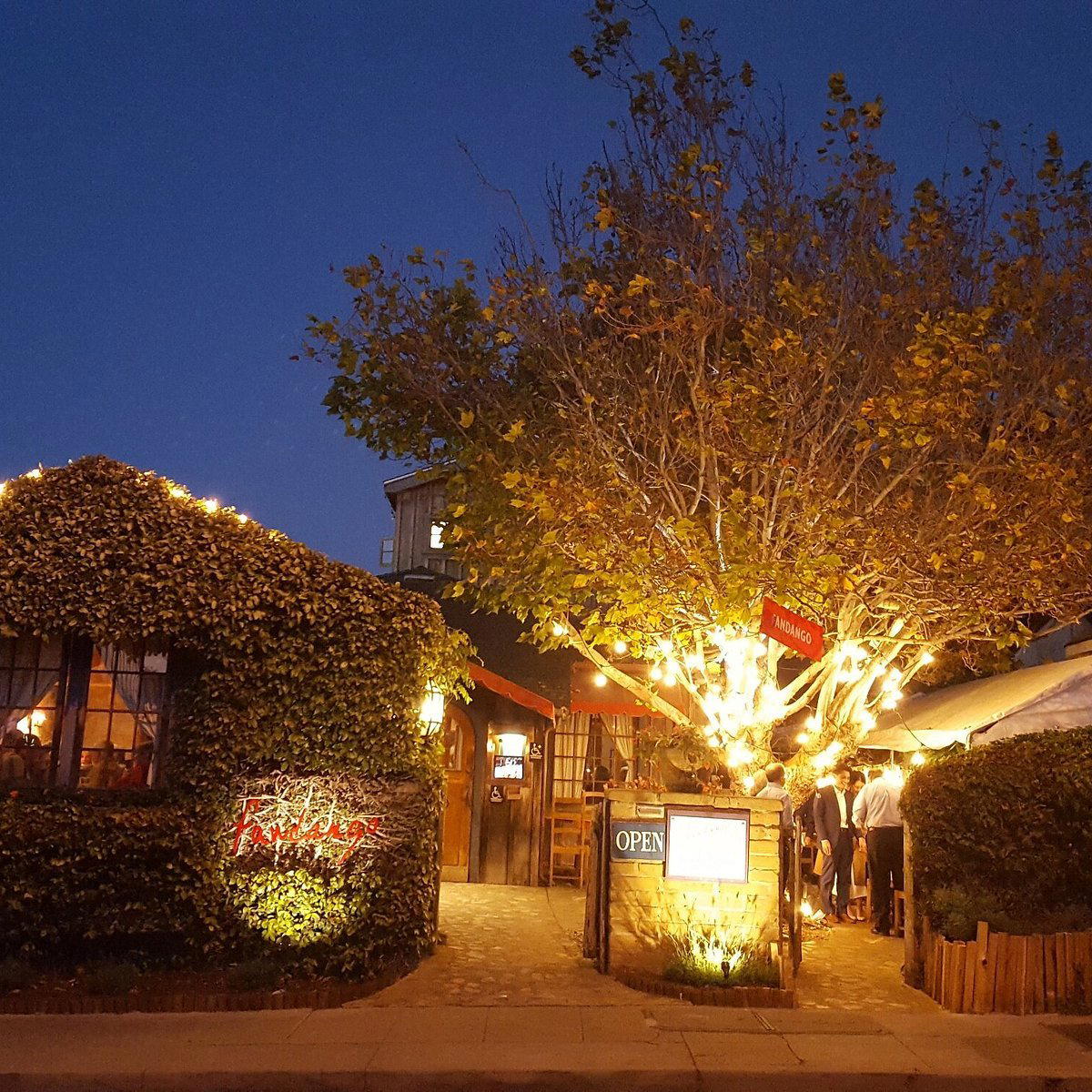
Bars in Pacific Grove
Browse all →
Hotels in Pacific Grove
All hotels in Pacific Grove →
Wineries in Pacific Grove
Browse all →
Details
- Cozy
- Intimate
- Classic
- Casual Hangout
- Historic Building
- A La Carte
- Vegetarian Friendly
Cozy atmosphere reminiscent of a little Italian cafe with polished service.