La Piazza
La Piazza sits at 189 The Grove Drive, positioned within one of Los Angeles's most trafficked retail and dining destinations. The Italian-inflected address places it inside a dining corridor where casual accessibility and neighborhood scale matter as much as what arrives on the plate. For visitors mapping a Grove-area itinerary, it offers a ground-level entry point to the neighborhood's food scene.
Pearl is the En Primeur Club membership app — saves, bookings, and concierge access live there. Same editors, same standards.
- Address
- 189 The Grove Dr, Los Angeles, CA 90036
- Phone
- +13239335050
- Website
- lapiazzathegrove.com
- Directions
- Get directions
 Saves & bookings on Pearl
Dining at The Grove: What the Setting Tells You Before You Sit Down
The Grove in Los Angeles is a specific kind of dining environment: an open-air retail complex in the Fairfax District where foot traffic is relentless, the median diner is either a local running errands or a visitor with time between purchases, and the restaurants lining its central promenade compete less on destination prestige than on accessibility and reliability. In this context, La Piazza at 189 The Grove Drive reads as a neighborhood anchor rather than a destination pull — the kind of address that fills a real function in a city where most serious dining happens far from commercial corridors.
That positioning matters because Los Angeles's Italian dining scene has bifurcated sharply over the past decade. At one end sits Osteria Mozza, Nancy Silverton's long-running Highland Avenue benchmark, where house-made mozzarella and a serious wine list have held critical attention since 2007. At the other end are the neighborhood Italians — places where the sourcing conversation centers on produce from the Santa Monica Farmers Market, where the room is loud and convivial, and where the question of whether something is technically excellent matters less than whether it tastes right and fits the evening. La Piazza's Grove address places it closer to that second camp by geography if not necessarily by ambition.
The Sourcing Question in Los Angeles Italian Cooking
Ingredient sourcing has become the organizing argument of a generation of Los Angeles kitchens, Italian ones included. The city's proximity to California's Central Valley, the Salinas Valley, and the network of small farms that supply the weekly farmers markets along the coast gives any kitchen operating here access to produce that most American cities cannot reliably match. The question is not whether good ingredients are available, they are, in abundance, but whether a kitchen is set up to use them at the right moment and with enough restraint to let them register.
Italian cooking, more than most European traditions, rewards ingredient quality over technique complexity. A tomato sauce made with dry-farmed Early Girls tastes different from one made with commodity product, and that difference does not require elaboration. The same logic applies to fresh pasta made with California wheat, to grilled fish sourced from small Pacific Coast operations, to the olive oils that have become a legitimate California category in their own right. Kitchens that align their menus with what is genuinely in season and locally available tend to produce food that feels native to Los Angeles rather than transplanted from a generic Italian template.
This is the standard against which Italian restaurants in the city now get measured, whether formally or by regular diners who have eaten at enough places to notice the difference. Visitors coming to Los Angeles from cities like New York, where Le Bernardin and its peers set a different kind of benchmark, or from Chicago, where Alinea operates at an entirely different register of technical ambition, often find that Los Angeles's most interesting food is less about showmanship and more about produce that has been left largely alone.
Where La Piazza Sits in the City's Wider Dining Map
Los Angeles supports a dining range that stretches from the omakase counters of Hayato in the Arts District to the tasting-menu programs of Kato in West Adams, from the molecular ambition of Somni to the seafood-focused contemporary work at Providence on Melrose. These represent the city's upper bracket, places that require advance booking, carry Michelin recognition, and anchor longer planning conversations.
The Grove corridor operates at a different altitude. Restaurants there serve a mixed audience: locals who live in the Fairfax, Hancock Park, and Larchmont neighborhoods; visitors staying in Mid-City hotels; and the foot traffic that the complex's retail tenants generate throughout the week. The competitive set is less about peer kitchens in the Michelin sense and more about what the immediate neighborhood needs on a Tuesday evening. By that standard, consistency and accessibility carry more weight than tasting menus or sourcing manifestos.
For visitors building a wider Los Angeles itinerary, the city's Italian options extend well beyond the Grove zone. The La Brea corridor where Osteria Mozza operates rewards a separate visit. Further afield, California's farm-to-table Italian tradition has found some of its most resolved expressions in Northern California, at places like Single Thread Farm in Healdsburg, where the sourcing integration is total and the menu is built around what the property's own farm is producing that week. The comparison is useful because it illustrates what the sourcing conversation can look like at its most committed, a useful reference point when evaluating what any urban Italian restaurant is actually doing with its supply chain.
Across the United States, the Italian-inflected and produce-forward dining tradition also shows up at operations like Bacchanalia in Atlanta and Lazy Bear in San Francisco, both of which have built reputations on sourcing discipline in cities where that was not always the default. The pattern is consistent: kitchens that commit to regional ingredient supply and seasonal timing tend to outperform their peers on the metrics that matter most to repeat diners.
For a fuller picture of where La Piazza sits within the broader Los Angeles food scene, the EP Club Los Angeles restaurants guide maps the city's dining tiers across neighborhoods and price points. International reference points, including 8½ Otto e Mezzo Bombana in Hong Kong, illustrate what Italian cooking looks like when it migrates into entirely different sourcing environments, a useful lens for understanding what is specific to the California version of the tradition.
Know Before You Go
- Address: 189 The Grove Dr, Los Angeles, CA 90036
- Neighbourhood: The Grove / Fairfax District, Mid-City Los Angeles
- Phone: Not available, check venue directly
- Website: Not available, contact via The Grove directory
- Hours: Not confirmed, verify directly before visiting
- Booking: Walk-in availability likely given location; reservation policy unconfirmed
- Price range: Not confirmed, check current menu pricing on-site
- Parking: The Grove operates a paid parking structure adjacent to the complex
Continue exploring
More in Los Angeles
Restaurants in Los Angeles
Browse all →
Bars in Los Angeles
Browse all →
Hotels in Los Angeles
Browse all →
Wineries in Los Angeles
Browse all →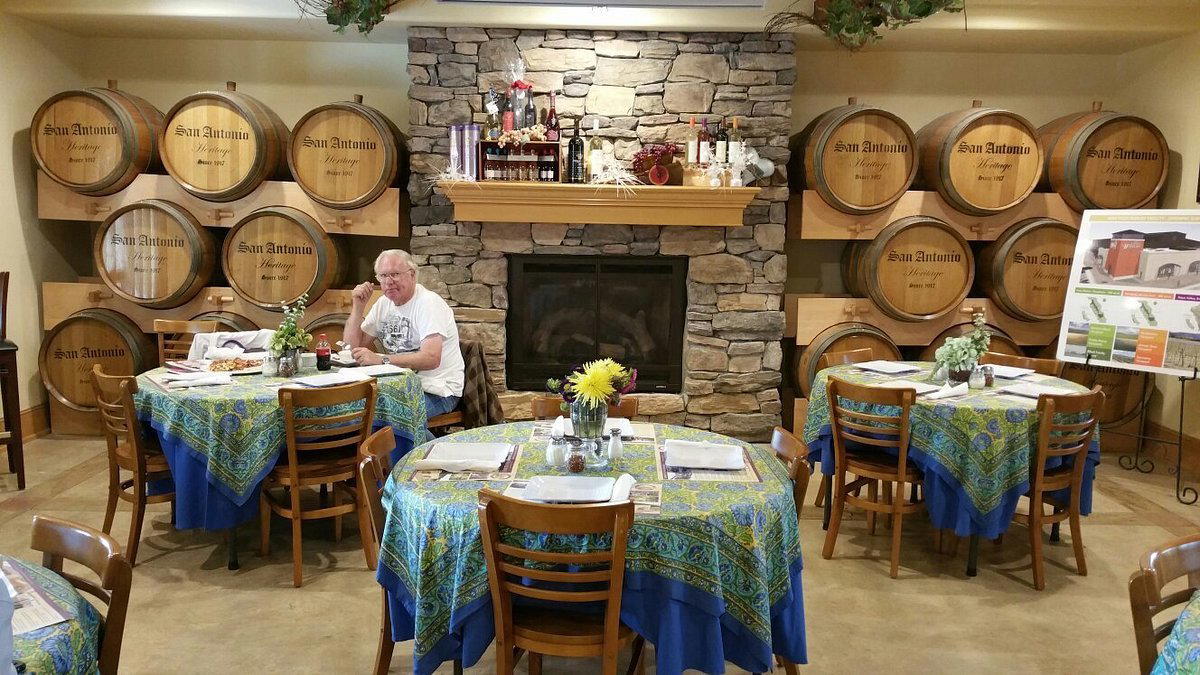
At a Glance
- Lively
- Classic
- Date Night
- Group Dining
- Casual Hangout
- Terrace
- Extensive Wine List
- Street Scene
Current opening hours
- Monday
- 11 AM–10:30 PM
- Tuesday
- 11 AM–10:30 PM
- Wednesday
- 11 AM–10:30 PM
- Thursday
- 11 AM–10:30 PM
- Friday
- 11 AM–10:30 PM
- Saturday
- 10 AM–11:30 PM
- Sunday
- 10 AM–11:30 PM
Hours can change for holidays and private events. Last verified .
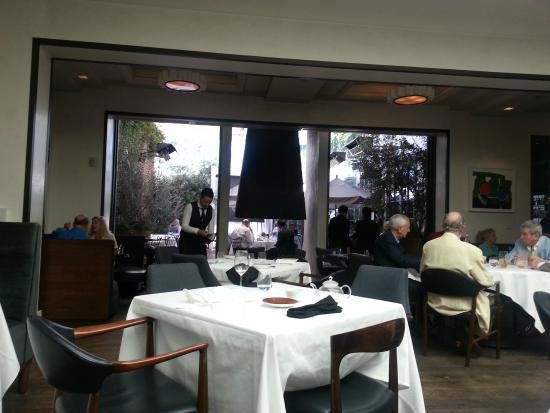
Lively atmosphere with real Italy vibes, two floors, two bars, and outdoor patio
Know Before You Go
- Getting there
- 189 The Grove Dr, Los Angeles, CA 90036