Our verdict
Excelsior occupies one of Nancy's most architecturally arresting addresses on Rue Henri-Poincaré, a street that doubles as a living catalogue of the city's Art Nouveau inheritance. The brasserie format here follows a long French tradition: unhurried service, a menu anchored in the classics, and a room that sets the pace before a single dish arrives. For visitors orienting themselves in the Nancy dining scene, it serves as a useful point of reference.

Pearl is the En Primeur Club membership app, where members save venues, book tables and use the concierge.
The menu
What to order
- Quiche lorraine
- Sole meunière
- Crêpes Suzette
- Choucroute strasbourgeoise
The Room Before the Meal
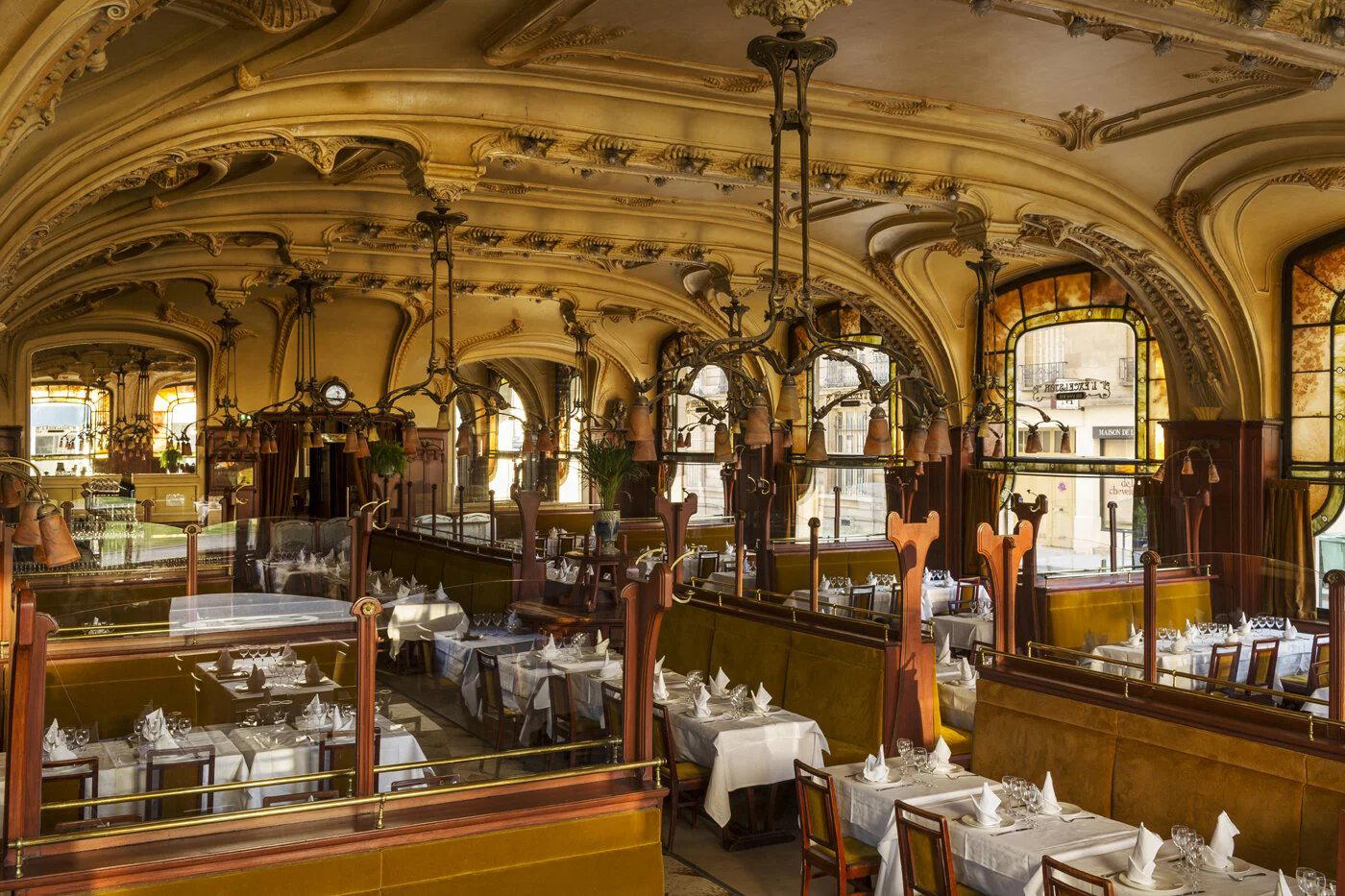
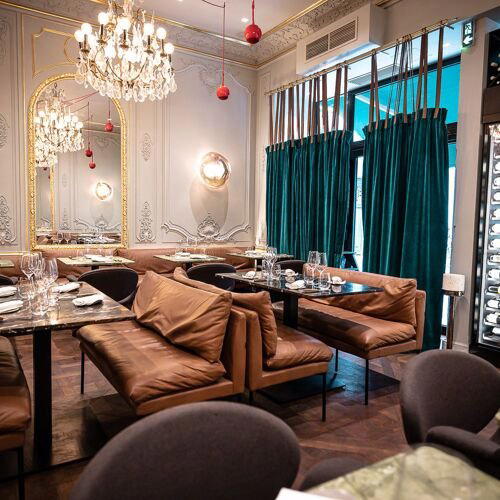
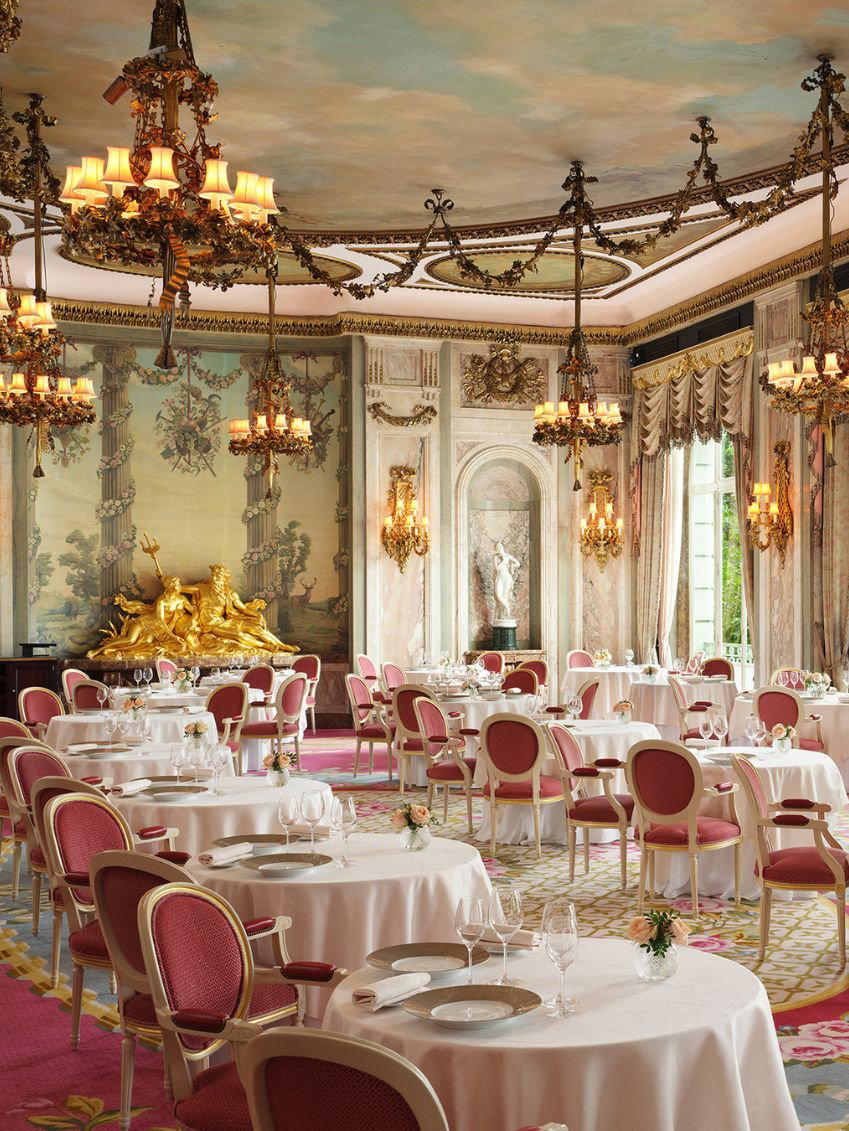
There is a particular kind of French dining institution where the architecture does as much work as the kitchen. Excelsior, at 50 Rue Henri-Poincaré in Nancy, belongs to that category. The address places it squarely in the heart of the city's Art Nouveau quarter, where the early twentieth century left an unusually concentrated mark on the built environment. Walking in, the room reads as a period document: tiled floors, curved woodwork, mirrors angled to multiply the crowd. The physical setting establishes a tempo that the service and the menu are expected to honour.
Nancy is a city that takes its architectural heritage seriously, and Excelsior has long been one of the venues visitors cite when explaining what that means in practice. It is the kind of brasserie where the dining ritual matters as much as any individual dish, where the sequence of arrival, ordering, eating, and lingering carries its own cultural logic.
The Brasserie Ritual in the Northeast French Tradition
The grand brasserie format has its own grammar. In the Lorraine and Alsace tradition, which shaped much of northeastern French dining culture, that grammar involves a certain formality of service without stiffness, a menu that reads as a contract between kitchen and guest rather than a list of options, and a pacing that resists the contemporary pressure toward faster covers and shorter sittings. Excelsior operates within that tradition, and understanding that frame is useful before deciding whether it matches what you are after.
Across Nancy's current dining scene, the energy has shifted considerably toward modern formats. La Maison dans le Parc works at the higher end of contemporary French cuisine with a more tasting-menu-oriented approach, while Au Grand Sérieux and Bistrot Gros represent the city's appetite for modern bistro cooking at the €€ tier. Cadet and Bastion sit toward the more casual end of that contemporary range. Against this backdrop, Excelsior holds a different position: it is the room where the ritual of the classic French brasserie meal remains the point, not a nostalgic nod to it.
That distinction matters. In cities like Lyon, Strasbourg, or Reims, the grand brasserie still anchors the dining culture in a way that Paris's more trend-driven scene sometimes obscures. Nancy sits closer to that provincial tradition, and Excelsior is one of the clearest expressions of it in the city. For context on how northeastern France positions itself against the broader national dining conversation, the Alsace counterpart is instructive: Auberge de l'Ill in Illhaeusern demonstrates how the region's classical foundations can underpin cooking at the very highest level.
Pacing, Sequence, and the Logic of the Classic French Meal
The dining ritual at a venue like Excelsior rewards a certain orientation. The instinct to rush, to treat it as a quick stop between sights, works against what the room offers. The logic of the classic French meal, particularly in the brasserie format, is cumulative: the aperitif, the entrée, the plat principal, the cheese course if you are paying attention, and the dessert each carry weight in the sequence. Skipping sections compresses something that is designed to expand.
That pacing is also what makes venues in this tradition demanding comparators for more contemporary formats. Restaurants like Flocons de Sel in Megève or Mirazur in Menton have constructed their own rigorous rituals, but around tasting menus with prescribed courses and prescribed timing. The brasserie version is more open-ended, leaving more of the sequencing to the guest, which requires a different kind of engagement. Further along the spectrum of French classical rigour, Alléno Paris au Pavillon Ledoyen and Troisgros - Le Bois sans Feuilles represent what happens when the classical French inheritance is pressed toward its most technically ambitious form. Excelsior operates in a register well below that tier, but it draws on the same underlying cultural logic.
Among the French institutions that have maintained their identity across generations, Paul Bocuse - L'Auberge du Pont de Collonges, Bras in Laguiole, Les Prés d'Eugénie - Michel Guérard, and Georges Blanc in Vonnas each demonstrate that longevity in French dining requires a clear sense of what the room is for. The brasserie identity, maintained with conviction, is one valid answer to that question. For international reference points on how dining ritual functions as a product in itself, Le Bernardin in New York City and Lazy Bear in San Francisco both demonstrate, in very different registers, how a prescribed dining sequence becomes the central proposition. La Table du Castellet offers a regional French counterpart to consider.
Planning a Visit
Excelsior sits at 50 Rue Henri-Poincaré, within direct walking distance of the Place Stanislas, Nancy's UNESCO-listed centrepiece. That proximity makes it a natural choice for visitors spending time in the old town, and the room is large enough that walk-ins are a reasonable option at less pressured service times, particularly midweek lunches. For dinner on weekends, calling ahead is the more reliable approach. The address is well-served by public transport and sits in a part of the city where parking is easier to find than in the immediate vicinity of the Place Stanislas itself.
For a broader orientation to what Nancy offers across price points and styles before committing to a booking, the full Nancy restaurants guide maps the current scene in more detail.
Frequently asked questions
Is Excelsior good for families?
The grand brasserie format at 50 Rue Henri-Poincaré accommodates a wider range of diners than a tasting-menu restaurant would. The room's scale and the traditional French brasserie structure, with a broad menu and flexible pacing, suit family groups reasonably well. That said, the setting is formal enough that younger children may find the atmosphere constraining.
Is Excelsior formal or casual?
Excelsior sits in the register of the classic French grand brasserie: more formal than a bistro, less rigidly ceremonial than a starred gastronomic table. The architecture at 50 Rue Henri-Poincaré signals occasion dining, and the room carries the weight of that history. Presentable dress is appropriate; a jacket is not required but would not look out of place.
Is Excelsior Nancy worth visiting for the interior alone, and what architectural style does it represent?
Excelsior at 50 Rue Henri-Poincaré is one of the more cited examples of Art Nouveau interior design in a functioning Nancy restaurant, which is notable given that Nancy was a centre of the Art Nouveau movement in France during the late 19th and early 20th centuries. The room's decorative programme, glasswork, ironwork, and period furnishings, places it in direct conversation with the city's broader artistic heritage. For visitors already drawn to Nancy's UNESCO-listed Place Stanislas and the Musée de l'École de Nancy, the brasserie functions as an extension of that same cultural itinerary.
What do regulars order at Excelsior?
In the northeastern French brasserie tradition that shapes this room, regulars tend to anchor their meal around the classics of Lorraine and French bourgeois cooking, shellfish platters, choucroute, and slow-braised meats carry the most institutional weight at venues of this type. Specific current menu details are best confirmed directly with Excelsior before visiting, as seasonal offerings vary.
What's Excelsior's location?
Excelsior is located at 50 Rue Henri-Poincaré, 54000 Nancy, France, Nancy.
Can I walk in to Excelsior?
Excelsior's position directly on Rue Henri-Poincaré, adjacent to the Place Stanislas, means it draws consistent foot traffic from one of France's most visited UNESCO-listed squares. Walk-in availability depends on the day and time; dinner service and weekend lunches at prominent Nancy institutions typically require advance booking. Arriving off-peak on a weekday gives the best chance of a table without a reservation.
What is Excelsior known for?
Excelsior is known for its architecture as much as its kitchen, the room itself is a defining feature of the address at 50 Rue Henri-Poincaré in Nancy. It represents the grand brasserie tradition of northeastern France, rooted in the Lorraine and Alsace dining culture that shaped the format across the region. The proximity to Place Stanislas has made it a reference point for visitors and locals alike within the Nancy dining scene.
Where It Fits
Comparable venues nearby, for context on price, style, and recognition.
| Venue | Cuisine | Price | Notes |
|---|---|---|---|
| ExcelsiorThis venue (the venue you are viewing) | Classic French Brasserie | $30–50 | Not listed |
| Vins et Tartines | French Tartine Bistro & Wine Cave | $20–30 | centre-ville |
| La Petite Cuillère | French Bistro with Seasonal Fusion | $30–50 | Vieille Ville |
| TT Histoire | Modern French-Armenian Fusion Bistronomie | $30–50 | Place Stanislas |
| V Four | French Bistro | $50–100 | vieille ville |
| LA COUR DES ARTS | Seasonal French Bistro | $20–30 | Place Stanislas |
Continue exploring
More in Nancy
Details
- Classic
- Elegant
- Well Known
- Historic
- Business Dinner
- Family
- Special Occasion
- Historic Building
- Local Sourcing
- A La Carte
Current opening hours
- Monday
- 8 AM–11 PM
- Tuesday
- 8 AM–12:30 AM
- Wednesday
- 8 AM–12:30 AM
- Thursday
- 8 AM–12:30 AM
- Friday
- 8 AM–12:30 AM
- Saturday
- 8 AM–12:30 AM
- Sunday
- 8 AM–11 PM
Hours can change for holidays and private events. Hours as of .
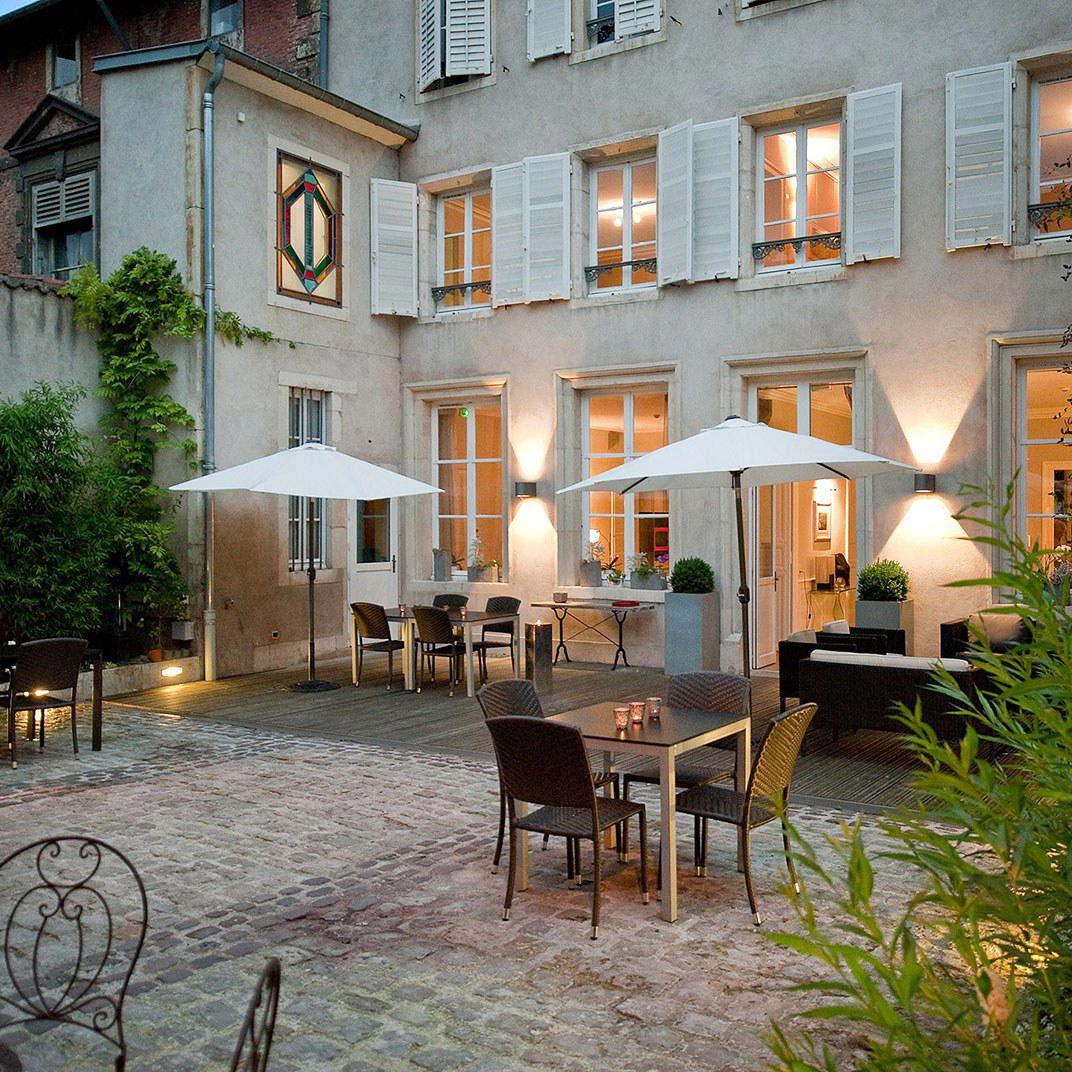
Grand interiors with luminaires by Antonin Daum, furniture by Louis Majorelle, vitraux by Jacques Grüber, and lively historic atmosphere.