On Place Stanislas, one of France's most celebrated 18th-century squares, Grand Café Foy occupies a position that few dining rooms in the country can claim by geography alone. The brasserie tradition it represents connects Nancy to a wider Lorraine culinary identity rooted in regional produce and long-standing hospitality. For visitors to the city, the address functions as both a dining destination and an architectural encounter.
Pearl is the En Primeur Club membership app — saves, bookings, and concierge access live there. Same editors, same standards.
- Address
- 1 Pl. Stanislas, 54000 Nancy, France
- Phone
- +33 3 83 32 15 97
- Website
- grandcafefoy.com
- Directions
- Get directions
 Saves & bookings on Pearl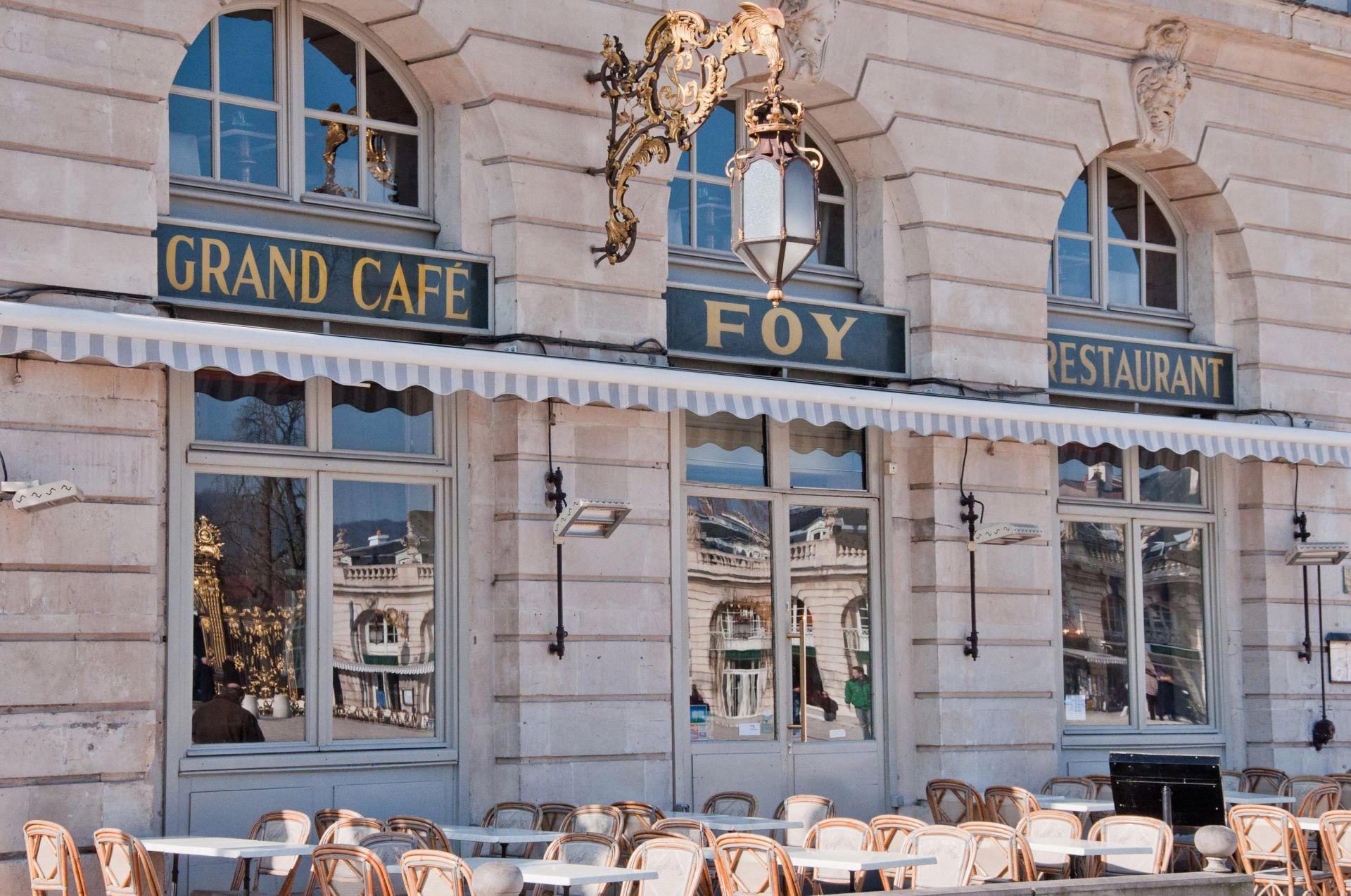
A Square That Sets the Terms
Place Stanislas arrived in Nancy in 1755, commissioned by Stanisław Leszczyński and designed by Emmanuel Héré as among the more coherent examples of French Baroque urbanism in existence. UNESCO listed it in 1983. The square frames Grand Café Foy and shapes how a visitor approaches the address, what to expect when seated, and how to read the room against its surroundings. That context shapes the dining proposition more than any kitchen philosophy could on its own.
That geography tends to attract an operator interested in continuity over reinvention. The café tradition embedded in this corner of Nancy is less about innovation and more about holding a civic role, serving as the ground floor of a city's public life. Grand Café Foy sits inside that tradition, and the address at 1 Place Stanislas tells you most of what you need to know about where it sits in the local dining order.
What the Lorraine Larder Looks Like
Lorraine's culinary identity is built around a set of regional ingredients that have defined the local table for centuries. Mirabelle plums from the Moselle valley, grey shallots cultivated in the region's clay soils, freshwater fish from the Meuse and Moselle rivers, and the quiche Lorraine in its original, unembellished form (egg, cream, smoked lardons, no cheese in the historically accurate version) are the reference points any serious café or brasserie on this square ought to understand and respect.
The broader French brasserie model, historically rooted in Alsace-Lorraine before it became a Parisian export, was always about regional produce served with confidence and without apology. Choucroute, charcuterie, and dishes built on the agricultural output of the surrounding countryside weren't considered modest fare, they were the point. In a region where Auberge de l'Ill in Illhaeusern has held three Michelin stars across generations by staying rooted in Alsatian-Lorraine tradition, the argument for ingredient fidelity rather than creative restlessness has a long track record.
For visitors approaching Grand Café Foy, the question worth asking is how much of that regional larder finds its way onto the plate. A café in this position, historic square, established footfall, guaranteed tourist traffic, doesn't face the same competitive pressure to differentiate through sourcing as a newer address like Au Grand Sérieux or a modern table like La Maison dans le Parc.
Nancy's Restaurant Tiers and Where the Café Sits
Nancy's dining scene operates across a set of price points. At the upper end, modern cuisine restaurants command €€€ pricing and compete on technique and tasting menu format. La Maison dans le Parc holds that position. In the middle tier, addresses like Bistrot Gros at €€ offer modern cuisine at more accessible prices, while Cadet and Bastion occupy distinct niches in the city's evolving modern dining conversation. At the entry level, places like Le 27 Gambetta keep modern cuisine available at a single euro sign.
The restaurant occupies a different axis altogether, one defined more by format and location than by price positioning relative to competitors. Brasseries on historically significant squares tend to price against the experience of the setting rather than against peer kitchens, and they typically serve a wider range of visitors: locals marking occasions, tourists orienting themselves to a new city, travellers on their way through Lorraine who won't return. That breadth of audience is a commercial asset and a culinary constraint simultaneously.
For those who want to understand what the Lorraine regional tradition looks like at its most established and architecturally grounded, the restaurant is the more instructive choice.
The Brasserie Format in French Dining
France's great brasseries have always functioned as something distinct from restaurants: more democratic in service rhythm, longer in opening hours, broader in menu scope, and more willing to serve a single dish rather than a full progression. That model originated in the Alsace-Lorraine borderlands and was transplanted to Paris in the 19th century, where it became a Parisian institution with names like Bofinger, La Coupole, and Lipp. The original format was regional, connected to a specific geography and the produce that geography produced.
The contrast with France's most ambitious contemporary kitchens is instructive. Mirazur in Menton, Flocons de Sel in Megève, and Bras in Laguiole have each built their reputations on obsessive sourcing and hyper-regional ingredient specificity. Troisgros - Le Bois sans Feuilles and Georges Blanc in Vonnas represent how multigenerational French restaurant families have sustained relevance through regional rootedness rather than reinvention. What separates those addresses from the classic brasserie format isn't only technique or price, it's the depth of commitment to sourcing as an editorial statement about place.
The brasserie on Place Stanislas is making a different kind of statement: that this square, this city, and this setting are themselves the proposition. That is a legitimate argument, and one that France's civic café culture has sustained for a long time.
Planning a Visit
Place Stanislas sits at the geographic and civic centre of Nancy, making the restaurant easy to include in any visit to the city. Nancy is approximately 90 minutes by TGV from Paris-Est, which places it within range for a day trip, though the city's Old Town, Art Nouveau heritage (the École de Nancy museum is the relevant anchor), and the square itself justify an overnight stay. The café's position on the square means it catches foot traffic from morning through evening. Booking practices make reservations advisable, and the café's tourist-facing location suggests walk-in capacity is realistic.
For a broader picture of where the restaurant sits within the city's full dining range, the full Nancy restaurants guide covers the contemporary scene in more detail, including newer addresses that are shaping what Lorraine cooking looks like in the present tense.
In Context: Similar Options
Comparable venues nearby, for context on price, style, and recognition.
| Venue | Cuisine | Price | Notes |
|---|---|---|---|
| Grand Café FoyThis venue — the venue you are viewing | Traditional French Brasserie | $$ | Not listed |
| Les Pissenlits | Traditional French Regional Bistro | $$ | Centre-ville (Downtown Nancy) |
| L'Éliceur | Modern French Fine Dining | $$$ | Vieille Ville/Stanislas |
| La Petite Cuillère | French Bistro with Seasonal Fusion | $$ | Vieille Ville |
| Au Grand Sérieux | Traditional French Bistro | $$ | Centre-ville |
| Stew Cook | Traditional Vietnamese Street Food | $$ | centre-ville |
Continue exploring
More in Nancy
Restaurants in Nancy
Browse all →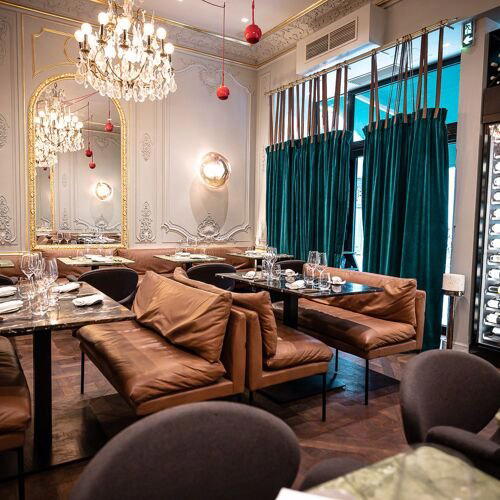

At a Glance
- Classic
- Elegant
- Historic
- Well Known
- Casual Hangout
- Brunch
- Late Night
- Terrace
- Historic Building
- Extensive Wine List
- Local Sourcing
- Street Scene
Current opening hours
- Monday
- 7:30 AM–1 AM
- Tuesday
- 7:30 AM–1 AM
- Wednesday
- 7:30 AM–1 AM
- Thursday
- 7:30 AM–1 AM
- Friday
- 7:30 AM–1 AM
- Saturday
- 7:30 AM–1 AM
- Sunday
- 8 AM–1 AM
Hours can change for holidays and private events. Last verified .
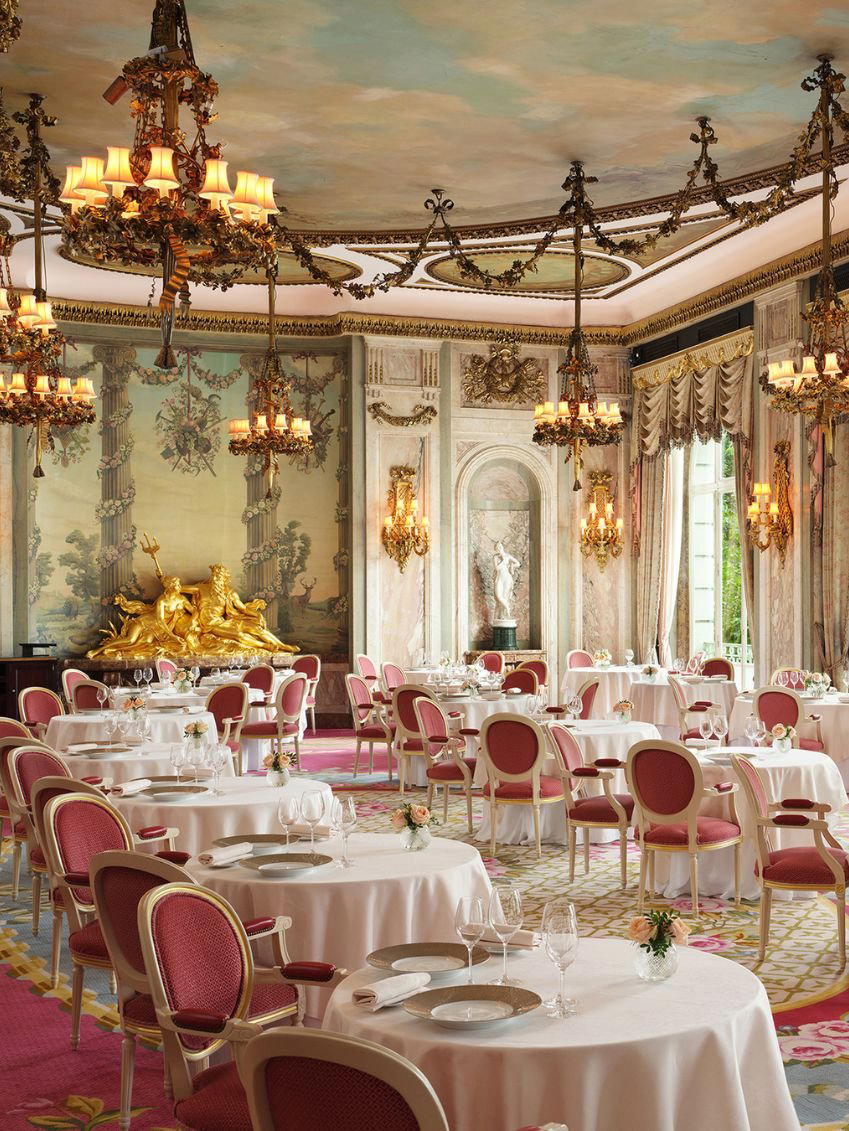
Classic 19th-century interior with massive mirrors, red-velvet accents, grand stucs, pink roses, velvet, and pastel colors creating a nostalgic yet lively atmosphere.