On a quiet residential street in Nice's Libération quarter, La pêche à la vigne occupies a niche that the city's more publicised addresses rarely attempt: produce-driven cooking rooted in the rhythms of the Provençal market rather than the logic of a tasting-menu circuit. It sits in a different tier from the starred rooms on the Promenade corridor, closer in spirit to the city's tradition of neighbourhood bistros than to its haute cuisine export.
 Discover on Pearl
Pearl is the En Primeur Club membership app — saves, bookings, and concierge access live there. Same editors, same standards.
- Address
- 13 Rue Cassini, 06300 Nice, France
- Phone
- +33624882504
- Website
- lapechealavigne.com
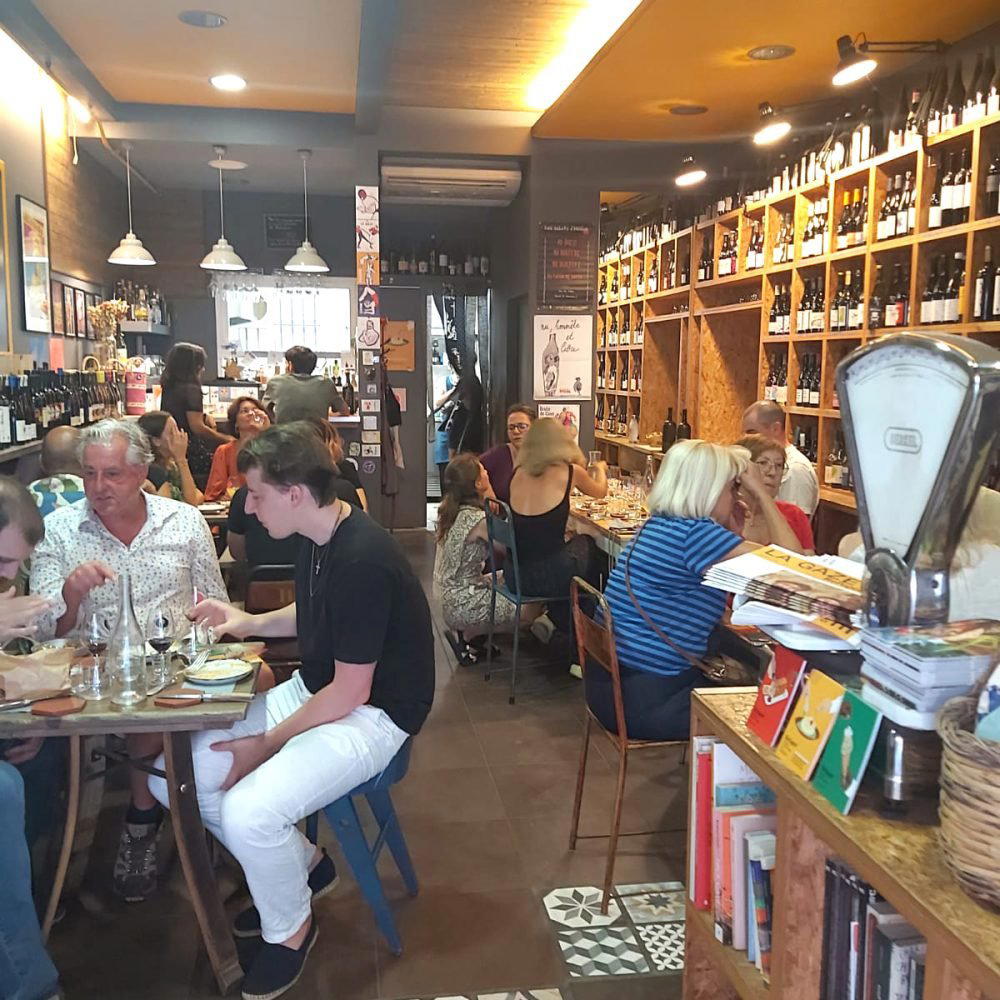
A Street, a Season, a Counter
Rue Cassini, in the residential fold of Nice's Libération district, is not where most visitors look for serious cooking. The neighbourhood runs on a daily market cadence rather than a restaurant-row logic, and the buildings along it are the kind that house bakers and wine merchants rather than dining rooms that court attention. That context matters. Restaurants that open in this kind of street tend to answer to a local clientele first, and that accountability shapes what ends up on the plate: cooking calibrated to what is actually available, at prices that regulars will return for week after week.
La pêche à la vigne fits that pattern. The name gestures toward a dual register, fishing and the vine, that maps neatly onto the two pillars of Provençal table culture along the Côte d'Azur: seafood from the Mediterranean littoral and wine from the hills behind it. Whether the kitchen pursues both threads with equal conviction is the kind of question that only repeated visits answer. What the address and the setting already tell you is that this is a room that has chosen neighbourhood legibility over destination theatre.
Nice's Dining Tiers and Where This Fits
Nice's restaurant geography has become more stratified over the past decade. At the upper end, a cluster of ambitious modern French rooms competes for the same well-travelled diner: Flaveur and L'Aromate operate in the creative French idiom at the €€€€ tier, while Les Agitateurs and ONICE bring younger, more experimental energy to the same price bracket. Le Chantecler, housed inside the Negresco, anchors the historic formal end of that spectrum. All of these rooms are oriented toward a visitor audience as much as a local one, and their menus, pricing, and booking logistics reflect that.
Below that tier, and this is where the more interesting question lies, Nice's bistro and neo-bistro layer is smaller and less coherent than you might expect for a city of its size and gastronomic heritage. La Merenda, cash-only and famously resistant to reservations, has held that ground for decades in the old town with its strictly Niçoise and Provençal repertoire. The gap between La Merenda's resolutely local register and the polished ambition of the €€€€ rooms is where places like La pêche à la vigne operate: cooking that takes Provençal produce seriously without performing for a tasting-menu audience.
The broader French context reinforces how specific that positioning is. The country's most decorated rooms, from Mauro Colagreco's Mirazur just across the border in Menton to Flocons de Sel in the Alps or Troisgros in Ouches, have developed their identities partly through institutional scale and critical accumulation over years. The neighbourhood bistro operates on a completely different economy: intimacy, repetition, seasonal fidelity, and a wine list that doesn't require a second mortgage. La pêche à la vigne's value, if it delivers on its premise, lies in that register.
The Provençal Market Table
The Côte d'Azur's culinary identity is more precise than its postcard image suggests. The cuisine Niçoise that developed along this coastline, socca, pissaladière, pan bagnat, stockfish prepared with olives and tomatoes, is distinct from Provençal cooking proper and shares more with Ligurian and older Mediterranean traditions than with Parisian haute cuisine. Restaurants that take that tradition seriously tend to anchor their menus in the Cours Saleya market produce, in local olive oils, and in the small fishing fleet that still operates out of Nice's port.
A name like La pêche à la vigne aligns the kitchen with both the sea and the hill country behind Nice, where vines grow alongside olive trees and lavender fields. That alignment is editorial positioning as much as operational description, but it sets an expectation: this is a room more interested in the quality of a rouget from the morning market than in the architecture of a plate. In a city where the gap between the tourist-facing restaurant and the genuinely locally embedded bistro can be hard to read from the outside, a room that signals market-proximity in its name and its address is making a legible choice.
What to Order and How to Plan Your Visit
Given the kitchen's stated identity, fish and the vine, in a neighbourhood context, the sensible approach is to let the day's catch set the terms. Provençal seafood cooking at this register typically foregrounds direct preparation: fish grilled or roasted with local aromatics, vegetables from the market, sauces built on olive oil and tomato rather than cream. Wine from the surrounding appellations, Bellet, the tiny hillside AOC just above Nice, or Bandol and Côtes de Provence from further along the coast, would fit the logic of the room. Bellet in particular, producing white wine from Rolle and Chardonnay on volcanic soils within the city limits, is the kind of hyperlocal pairing that a room with this name and address should offer.
For those working through Nice's dining options more systematically, maps the city's main dining tiers and neighbourhoods. La pêche à la vigne sits at 13 Rue Cassini, in the Libération quarter north of the old town, reachable on foot from the city centre or by tram.
The Libération quarter also gives the visit a secondary logic: the neighbourhood's covered market, the Marché de la Libération, is one of the city's most genuinely local produce markets, and pairing a morning visit there with lunch or dinner at a nearby room like this one is the kind of itinerary that makes sense in a city where the distance between the ingredient source and the kitchen can be measured in minutes.
The Broader South of France Frame
Nice sits within a region that produces some of France's most context-specific cooking. AM par Alexandre Mazzia in Marseille has built an international reputation from Mediterranean ingredients and a highly personal technical vocabulary. Further north, rooms like Auberge de l'Ill in Alsace, Bras in the Aubrac, and Assiette Champenoise in Reims demonstrate how thoroughly French regional cuisine has been rethought through technique and terroir over the past generation. Internationally, rooms like Le Bernardin in New York and Atomix show how far French-influenced seafood cooking has travelled. Against that frame, the small neighbourhood bistro in Nice that simply honours what arrived at the market that morning is a rarer and, in its way, more uncompromising proposition.
A Minimal comparable set
Comparable venues nearby, for context on price, style, and recognition.
| Venue | Cuisine | Price | Notes |
|---|---|---|---|
| La pêche à la vigneThis venue — the venue you are viewing | $$ | ||
| Café Paulette | $$ | Nice Historique, French Mediterranean Bistro | |
| La Ratapignata | $$ | Hauts de Nice, Traditional Niçoise & French Bistro | |
| La Socca d'Or | $$ | Nice Historique, Traditional Niçoise Cuisine | |
| Le Patio | Nice Historique, Provençal Mediterranean | $$$ | |
| Socca'Tram | Cœur de Nice, Niçoise Socca Street Food | $$ |
Continue exploring
More in Nice
Restaurants in Nice
Browse all →
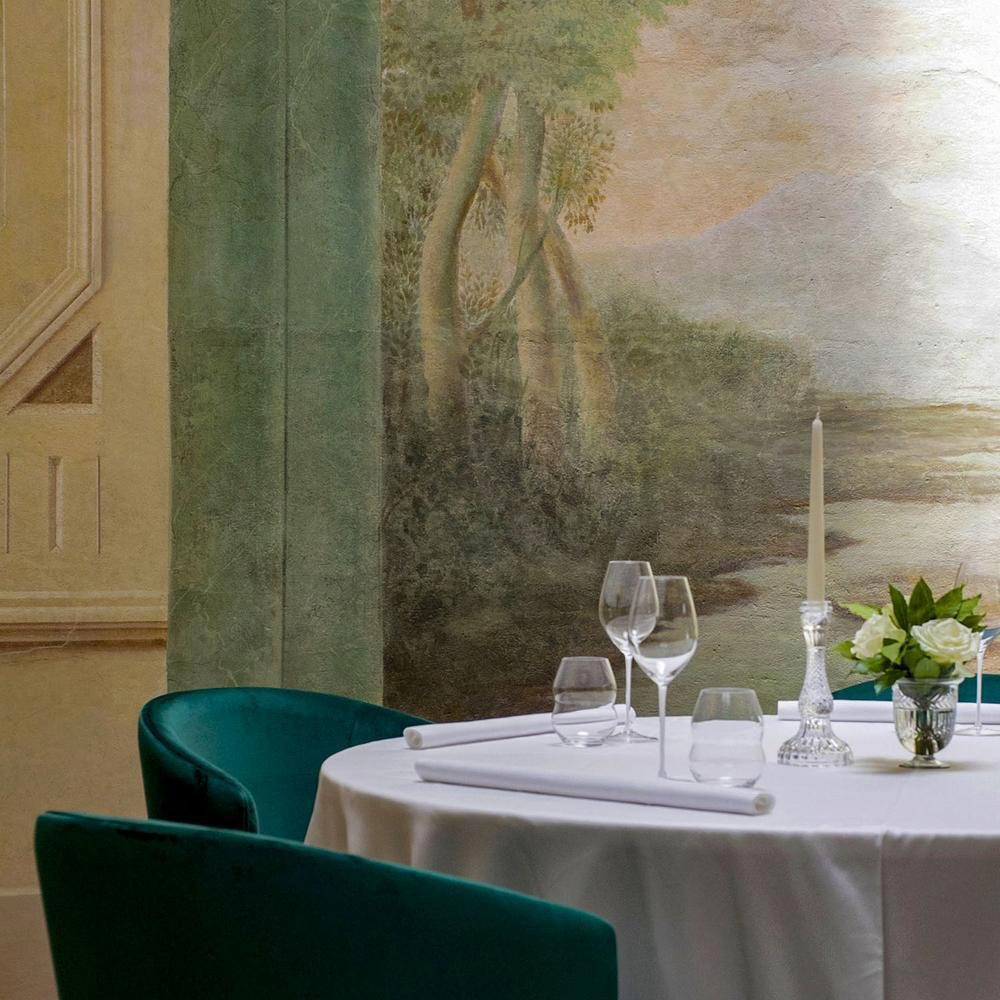
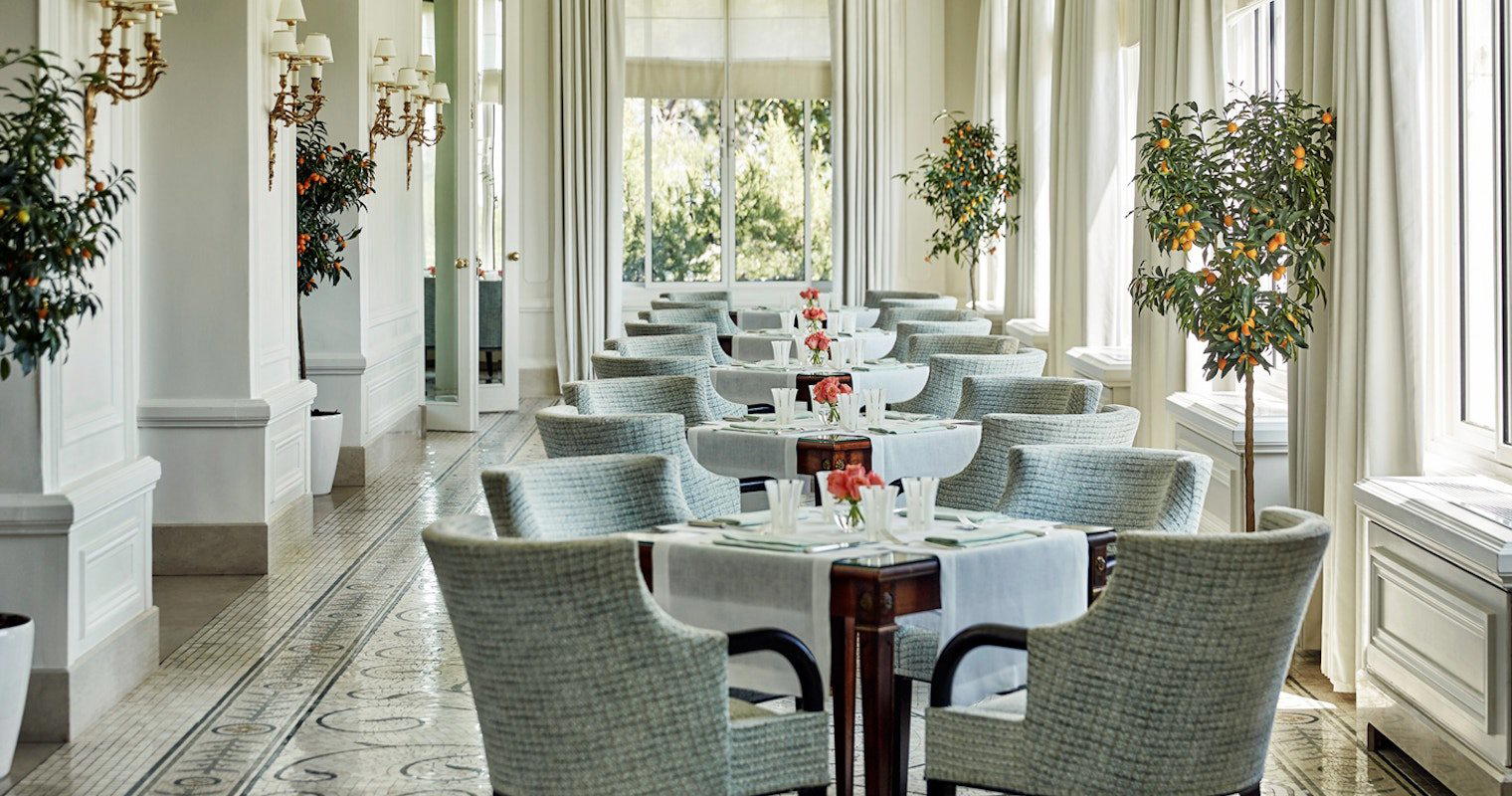
Bars in Nice
Browse all →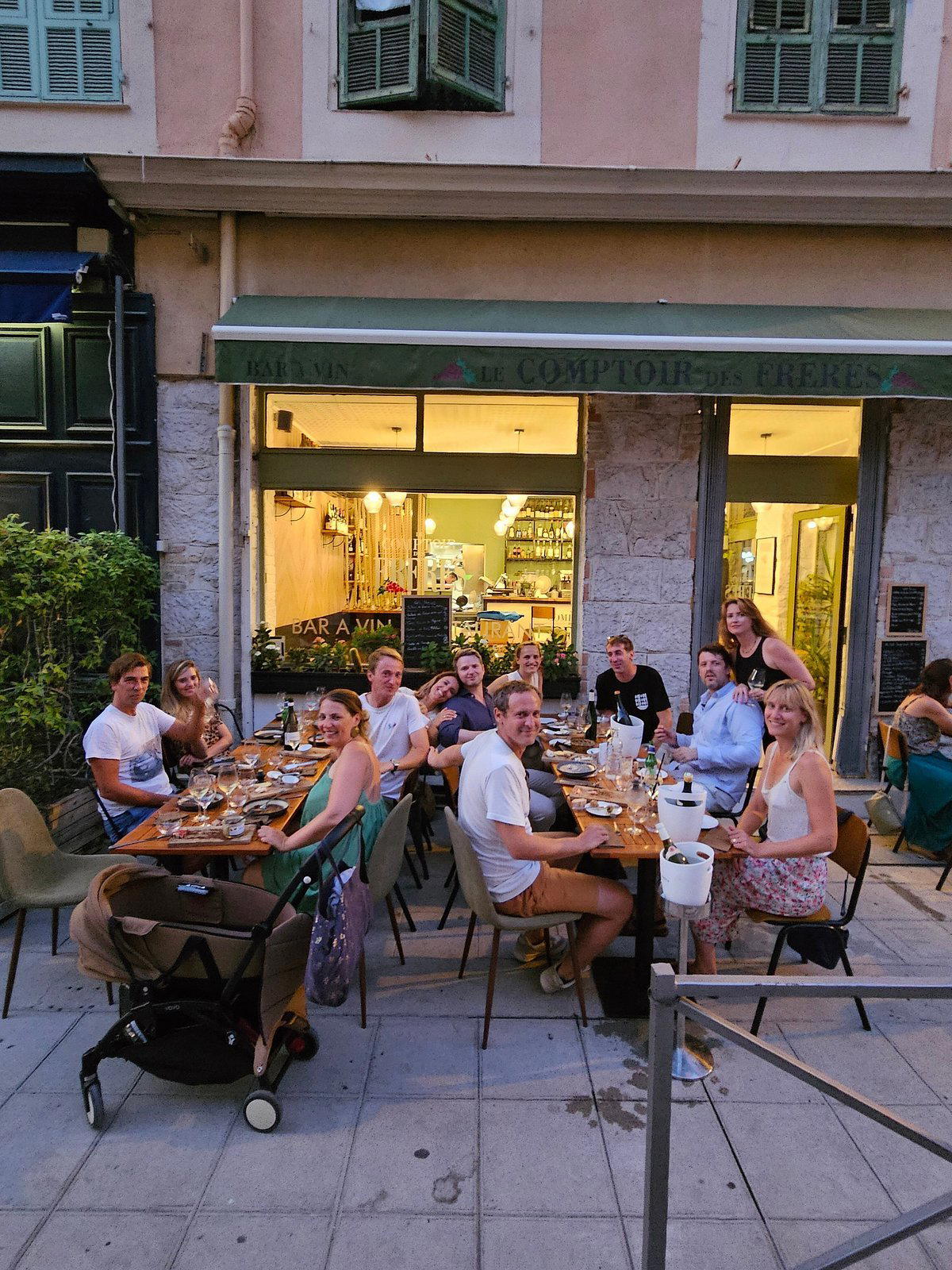
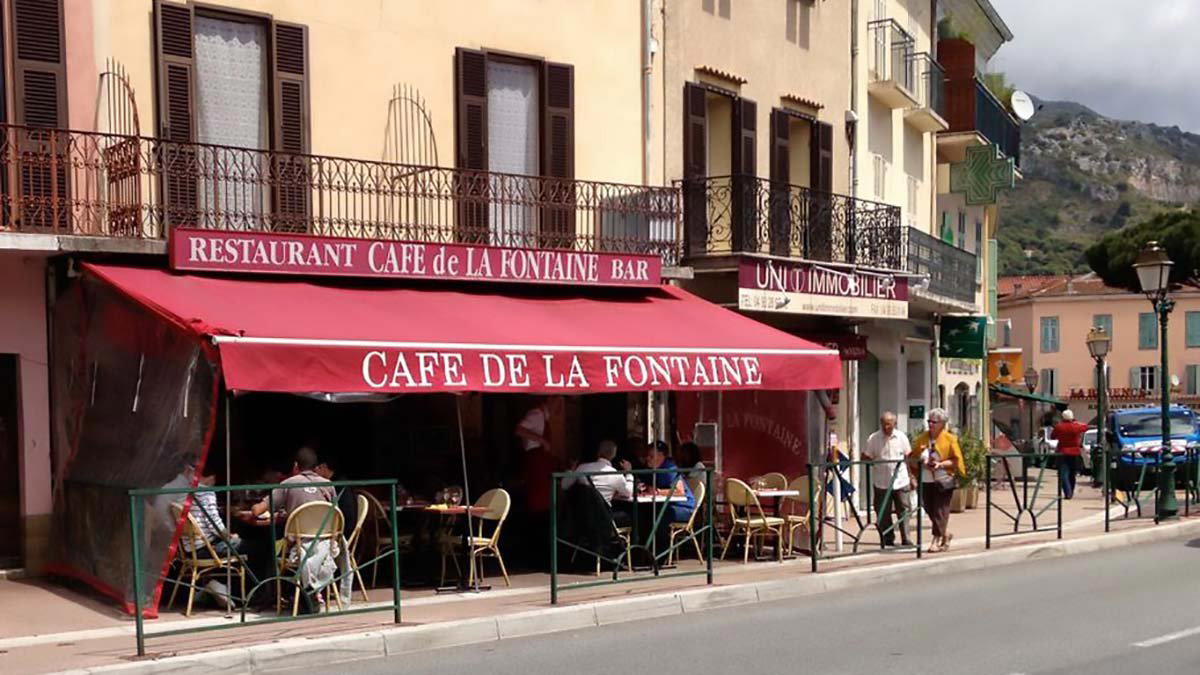
Hotels in Nice
Browse all →
Wineries in Nice
Browse all →
At a Glance
- Cozy
- Lively
- Intimate
- Casual Hangout
- Wine Cellar
- Natural Wine
- Local Sourcing
Warm, sharing-focused atmosphere with blond wood shelves and a familial vibe ideal for wine lovers.