
Guía Repsol 1 Sol
Our verdict
La Paloma sits in Madrid’s Centro, close to the old market-and-tavern spine that still shapes how the city eats. Its 2026 1 Sol recognition places it in Spain’s contemporary dining conversation, while the address on Calle de Toledo keeps the frame local: a Madrid table read against Castilian habit, market cooking, and the capital’s appetite for confident, unfussy rooms.

Pearl is the En Primeur Club membership app, where members save venues, book tables and use the concierge.
The menu
What to order
- Roval-style hare stuffed with foie-gras
- Red partridge breast
- Pumpkin flower with crayfish
- Lobster ravioli with morels stuffed with foie
Madrid carries itself in a register that is harder to fake than grand dining rooms: shutters, bars, delivery trolleys, market traffic, and the slow compression of everyday city life. La Paloma belongs to that urban rhythm. The useful way to read it is not as an isolated address, but as part of Madrid’s older habit of eating close to commerce, where tavern culture, produce shopping, and Sunday-family dining have long overlapped.
That matters because Madrid’s serious restaurant culture has split into several lanes. There are technical tasting-menu rooms, counter-led formats, seafood-focused kitchens, and updated casas de comidas that work from the grammar of the city rather than against it. La Paloma’s 2026 1 Sol recognition places it in that broader conversation: not necessarily the loud end of luxury dining, but the bracket where national guides reward consistency, identity, and a kitchen’s ability to make familiar Spanish references feel current without sanding away their roots.
Madrid dining still runs on market logic, not spectacle
Madrid has never been a port city, yet it eats like a capital that has spent centuries pulling ingredients inward. The old roads and markets made the city a clearing house for inland cooking, fish arriving from both coasts, and the small plates culture that turns a meal into a sequence rather than a single plate. Around Madrid, that history is still visible in the density of counters, tabernas, and dining rooms that sit within reach of markets and late-afternoon drinking routes.
La Paloma’s position in Madrid puts it closer to that older food logic than to a polished hotel-dining mood. For a visitor comparing Madrid restaurants, that distinction is useful. A meal here should be understood through the city’s appetite for clarity: recognisable Spanish structure, a sense of place, and service that is expected to move with the confidence of a restaurant used by locals as much as travellers.
The 1 Sol marker is also a sharper signal in Spain than many visitors realise. It does not automatically imply a luxury format or a long tasting-menu commitment. It points to a restaurant that has been noticed within a national Spanish guide system, which is a different form of authority from international trophy dining. In Madrid, that often rewards places that speak clearly to the country’s own culinary habits rather than chasing a global template.
How La Paloma fits Madrid's split personality at the table
The capital’s current dining map rewards range. Ebisu by Kobos brings a counter-led sensibility into one lane of the city, while Trèsde works in a contemporary register. Malacatín remains tied to Madrid’s older house-restaurant identity, and El Brote points toward the produce-led, small-room end of local dining. Against that spread, La Paloma is useful because it sits in Madrid with national recognition but without needing to be read as a destination tasting counter.
That makes it a good case study in how Madrid’s middle-to-serious dining tier has matured. The city no longer asks every ambitious restaurant to choose between avant-garde technique and tavern nostalgia. The stronger rooms often work between those poles, keeping Spanish cultural memory on the plate while tightening sourcing, pacing, and presentation. La Paloma’s recognition suggests it belongs to that conversation, where the achievement is less about novelty than about making Madrid’s familiar codes feel deliberate.
For readers mapping the city more widely, other Madrid comparisons help clarify the choice. Other Madrid dining rooms each pull the capital in a different direction, from seafood-minded cooking and progressive formats to counter-led meals and international references. La Paloma is better read through the city’s Spanish spine: Madrid, market memory, and the kind of recognition that values national context.
Use it as a Madrid anchor, then widen the itinerary
La Paloma works especially well in an itinerary built around Madrid rather than a single destination meal. The city rewards walking, aperitivo pacing, and a looser sense of time. The smarter plan is to treat the restaurant as part of a day that includes markets, bars, and street life, not as a sealed dining event cut off from the city around it.
The practical point is simple: confirmed details should shape the decision. The restaurant is in Madrid and carries a 2026 1 Sol distinction; other operational specifics are better checked before arranging a meal around it. For travellers building a fuller city plan, Our full Madrid restaurants guide, Our full Madrid hotels guide, Our full Madrid bars guide, Our full Madrid wineries guide, and Our full Madrid experiences guide give the broader frame.
Spain’s regional dining culture also helps explain why Madrid’s recognised restaurants can feel so varied. Andalusian tapas, Basque precision, Rioja tradition, Catalan waterfront cooking, and island dining all feed the capital’s expectations. Compare the national spread through unnamed dining rooms across Spain, from southern tapas bars and northern kitchens to island restaurants and wine-country tables. For a non-Spanish contrast, other casual and drinks-led formats abroad show how different city cultures organise similar appetites.
The editorial case for La Paloma is therefore precise rather than inflated. It belongs to a Madrid tradition where the room, the street, and the plate are difficult to separate. The 1 Sol recognition gives it national weight; the Madrid setting gives it local meaning. That combination is the reason to pay attention.
Frequently asked questions
Where do I go for La Paloma?
Madrid.
Is La Paloma reservation-only?
La Paloma is in Madrid, which makes advance planning sensible for a sit-down meal. Its Guía Repsol 2026 1 Sol also signals a restaurant that rewards timing rather than walk-in luck.
What has La Paloma built its reputation on?
Its clearest credential is the Guía Repsol Soles 2026 recognition: 1 Sol. In Madrid, that puts La Paloma in the conversation for diners who follow Spanish guidebook signals rather than hype.
What if I have allergies at La Paloma?
The safest approach is to check the venue's official channels before booking, since the public record here only confirms Madrid and the Guía Repsol 2026 1 Sol recognition. For any restaurant, allergies are easiest to manage when the kitchen is briefed before service starts.
Is La Paloma suitable for children?
La Paloma is in Madrid, so it can be placed within a family day in the city. Suitability depends on your children’s comfort with a formal restaurant setting and the length of the meal.
Cost and Credentials
Side-by-side context: comparable cuisine and price.
| Venue | Cuisine | Price | Awards | Notes |
|---|---|---|---|---|
| La PalomaThis venue (the venue you are viewing) | Spanish Fine Dining | $50–100 | Guía Repsol 1 Sol | Not listed |
| El Brote | Contemporary Spanish Wild Mushroom Tasting | $30–50 | Michelin Plate · Macarfi 7.1 Food Rating | Not listed |
| Ebisu by Kobos | Edo-style Omakase Sushi | $150–200 | Michelin Plate · Macarfi 8 Food Rating | Japanese |
| Malacatín | Traditional Spanish Cocido Madrileño | $30–50 | Macarfi 6.9 Food Rating | Not listed |
| Pisco & Lima by José Antonio | Authentic Peruvian Ceviche and Cocina | $50–100 | Not listed | Not listed |
| Trèsde | Modern French-Spanish Seasonal Bistro | $50–100 | Michelin Bib Gourmand · Guía Repsol 1 Sol | Contemporary |
Recognition history
Dated appearances from independent guides and award organizations, with the underlying list record or original source where available.
Guía Repsol 1 Sol
Guía Repsol
Continue exploring
More in Madrid
Restaurants in Madrid
All restaurants in Madrid →
Bars in Madrid
All bars in Madrid →

Details
- Classic
- Cozy
- Elegant
- Romantic
- Business Dinner
- Group Dining
- Special Occasion
- Date Night
- Standalone
- Street Scene
- A La Carte
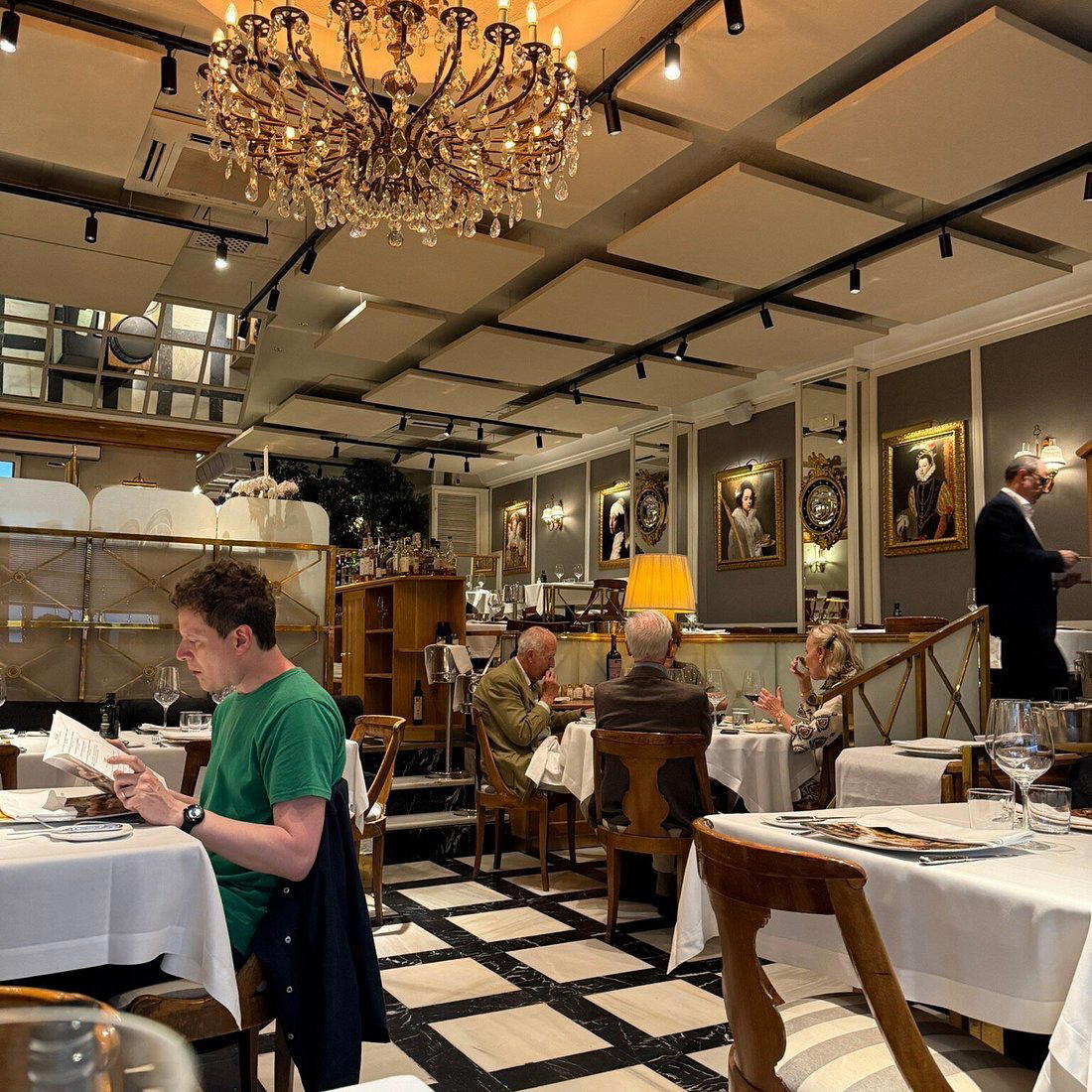
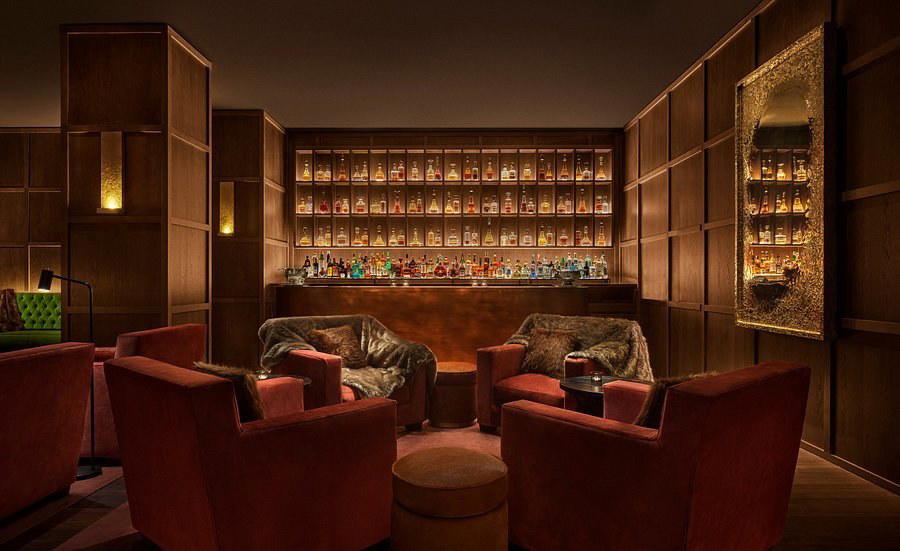
Cozy and bourgeois, with a classic, traditional dining-room feel rather than a trendy or minimalist one.