
La Pagoda frames Punta Ala’s seaside dining culture through a beach-gazebo format: antipasti, pasta, grilled daily-caught fish, meats, vegetables, salads, and desserts served with the informality of a coastal buffet. Chef Fabrizio Reffo’s brief is less about ceremony than provenance, with the Maremma shore setting the logic for what belongs on the table.
Pearl is the En Primeur Club membership app — saves, bookings, and concierge access live there. Same editors, same standards.
- Address
- Via delle Sughere
- Phone
- +39 0564 92 20 22
- Website
- menumodo.com
- Directions
- Get directions
 Saves & bookings on Pearl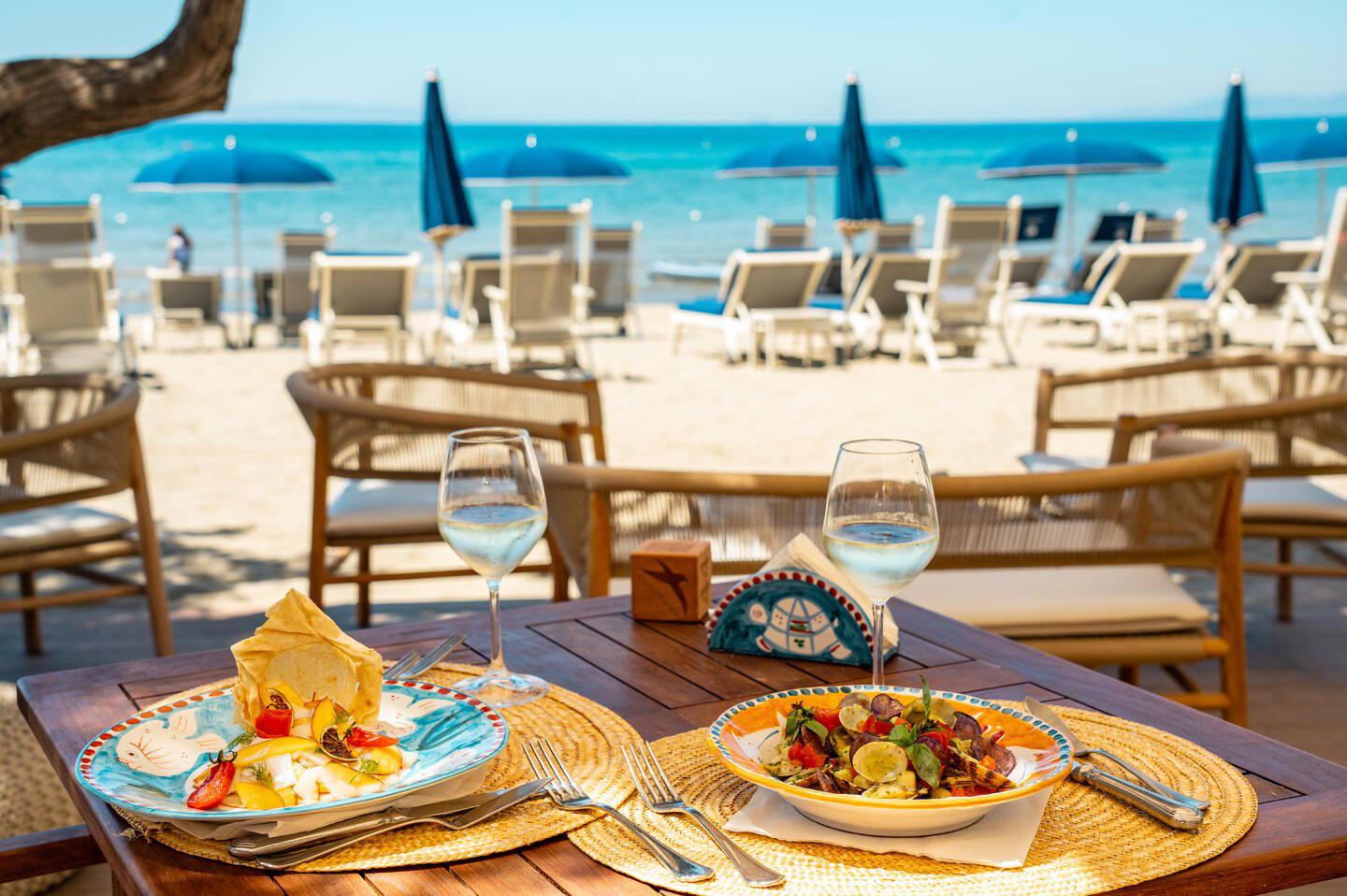
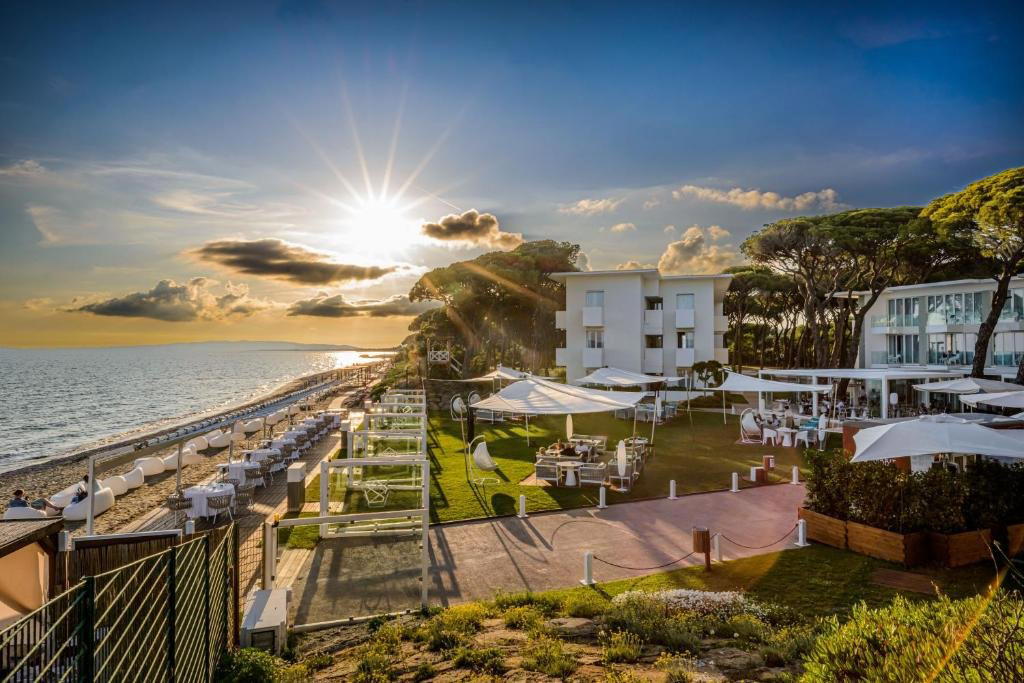
Approach the Punta Ala shoreline and the restaurant reads first as shelter: a wooden gazebo set on fine sand, more beach pavilion than formal dining room. That matters in this part of the Tuscan coast, where the meal often has to negotiate sun, salt air, wet hair, and the appetite that comes after a morning in the water. La Pagoda works inside that grammar rather than against it, using a buffet format to keep the table close to the beach and the cooking close to the ingredients that define the area.
Punta Ala sits in coastal Maremma, a part of Tuscany where seafood, grilled meats, vegetables, and olive-oil cooking share the same holiday table. The local restaurant culture is not built around elaborate tasting-menu theatre; it rewards timing, freshness, and the ability to feed mixed groups without flattening the sense of place. Here, antipasti, pasta, grilled fish caught daily, meats, vegetables, fresh salads, and desserts create a broad seaside spread rather than a narrow chef’s menu. In a resort town where lunch can be as important as dinner, that range is not incidental. It is the format doing the work.
A beach buffet shaped by Maremma habits, not resort gloss
The useful way to read La Pagoda is as a Tuscan beach restaurant filtered through bistro-style informality. The buffet is the signal: it favours grazing, returning, and building a plate around appetite rather than submitting to a fixed sequence. Antipasti give the table its Italian opening rhythm; pasta anchors the meal in the peninsula’s everyday grammar; grilled fish caught daily ties the offer to the water directly in front of the room. Meats, vegetables, fresh salads, and desserts widen the appeal without turning the experience into a generic hotel spread.
That breadth places the restaurant in a different lane from tighter à la carte seafood rooms around Punta Ala. La Spiaggia Restaurant, La Terrazza, La Vela Restaurant, and VistAmare Restaurant help define the town’s coastal restaurant circuit, but the beach-buffet model answers a different question: how to eat well without breaking the rhythm of a day by the sea. For guests using Gallia Palace Beach - Golf - Spa - Resort as a reference point for the local hospitality scene, the distinction is clear. Punta Ala’s dining appeal lies in formats as much as kitchens.
Chef Fabrizio Reffo gives the kitchen a named culinary lead, though the stronger editorial point is not biography. It is discipline within abundance. A buffet at the beach can drift into excess quickly; the more convincing version depends on categories that make sense together: cold starters, pasta, grill, vegetables, salad, dessert. The presence of daily-caught fish is the important provenance cue, because it shifts the meal away from placeless resort catering and back toward the Tyrrhenian edge of Tuscany.
The setting explains the menu better than a formal tasting format would
Beach restaurants are often judged unfairly by city dining rules. Linen, silence, and tightly choreographed service are not the point when the room is sand, shade, and sea air. The wooden gazebo described as a large umbrella gives La Pagoda its practical character: protection without sealing guests off from the coast. That physical openness suits a meal built around choice and repetition. It also explains why the cooking categories are broad rather than rarefied. Punta Ala attracts families, sailors, golfers, and long-stay summer guests; the table needs to absorb different appetites at the same sitting.
Within Italy’s broader bistro-style category, the restaurant belongs closer to resort-coast pragmatism than metropolitan polish. Out-of-metro comparisons such as Il Borro Tuscan Bistro, Pool Bar, Koseritz Cocktail Bar and Bistrot, and Dolce Provenza show how elastic the bistro label can be: sometimes casual luxury, sometimes cocktail-adjacent dining, sometimes regional ease. In Punta Ala, the term reads through the beach. The value is not in a rare technique or a named dish; it is in aligning the offer with place, climate, and the way people eat on this stretch of coast.
That makes the restaurant more useful at midday or around a beach day than as a destination for diners seeking a tightly scripted evening. The absence of a narrow tasting structure is an advantage for groups that want antipasti and salad alongside grilled fish or meat, or for children who need familiar options without forcing the adults into compromise. The kitchen’s centre of gravity remains coastal, but the format is deliberately elastic.
How to place it in a Punta Ala itinerary
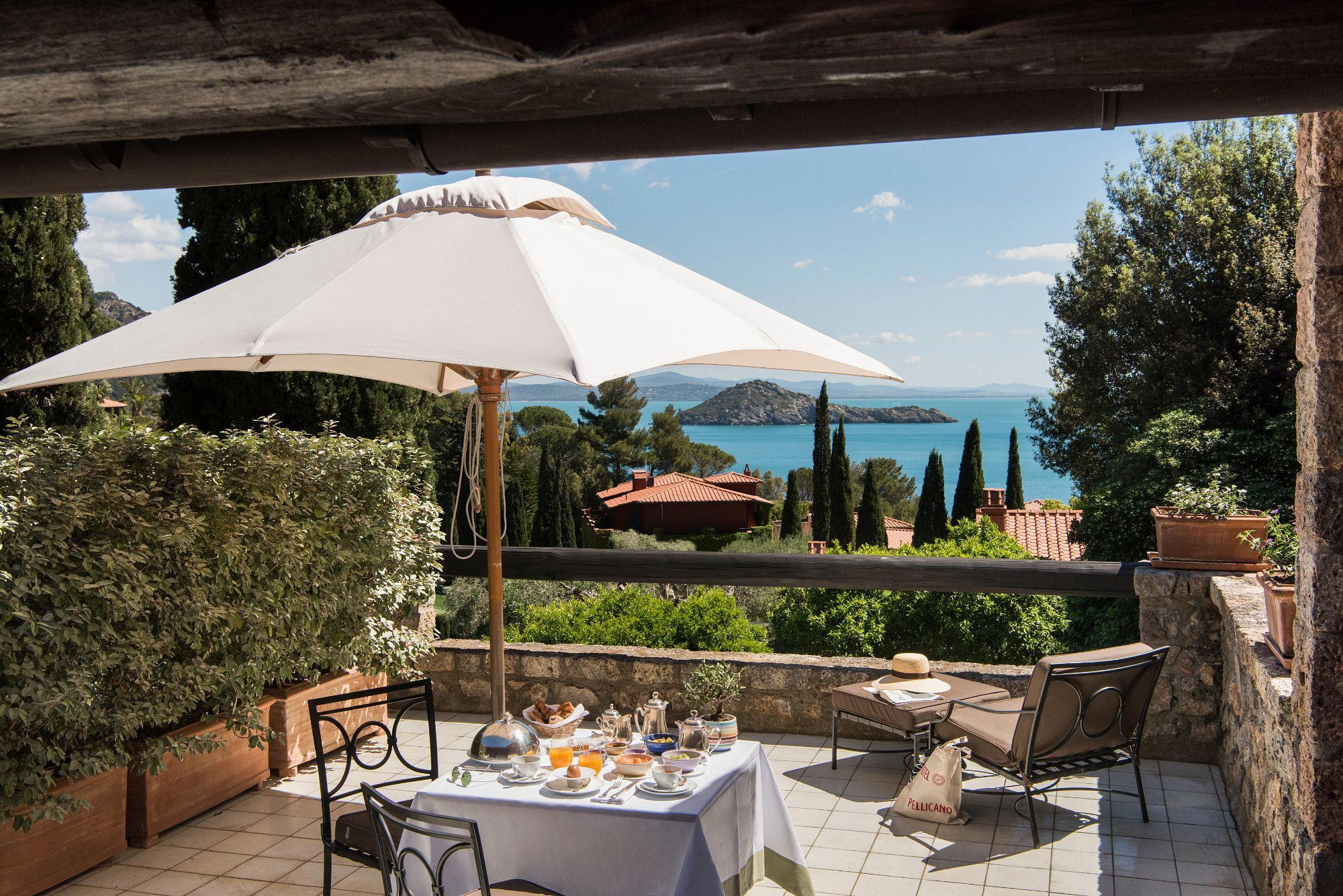
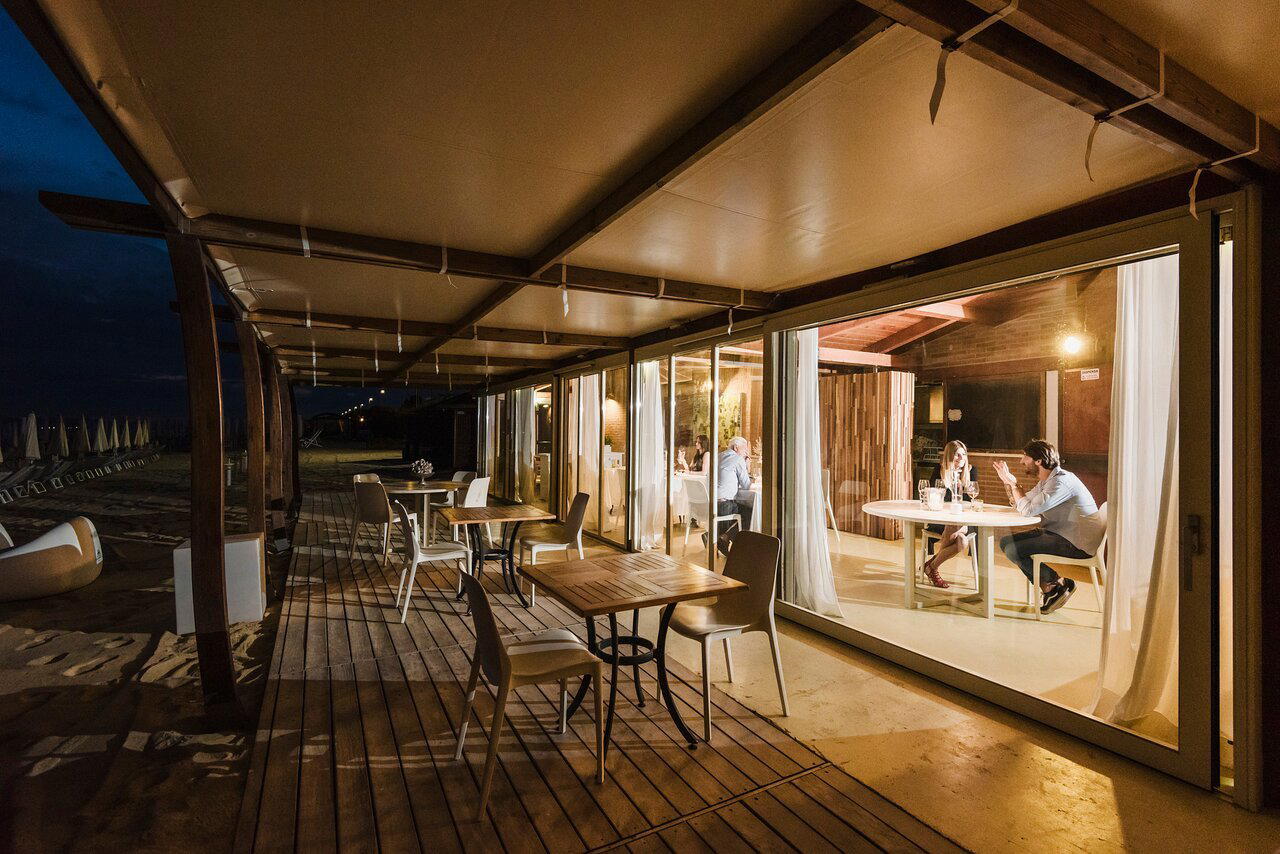
The restaurant is better understood as part of Punta Ala’s beach-and-resort ecosystem than as a standalone fine-dining address. The town’s restaurant scene is compact, seasonal in feeling, and strongly shaped by the marina, beaches, and hotel culture. Readers comparing formats should use our full Punta Ala restaurants guide for the wider dining picture, then cross-check stays through our full Punta Ala hotels guide. For after-dinner planning, our full Punta Ala bars guide maps the local drinking options, while our full Punta Ala wineries guide and our full Punta Ala experiences guide broaden the trip beyond the table.
For readers comparing Italian regional formats beyond the coast, the contrast is instructive. 'E Curti Ristorante Tipico di Angela Ceriello & Co SAS in Sant Anastasia points toward Campanian tradition, 'l Trippaio di San Frediano in Florence toward street-level Tuscan offal culture, ‘O Fiore Mio in Faenza and ‘O Scugnizzo in Arezzo toward the country’s pizza and casual-dining spread, [àbitat] in San Fermo della Battaglia and [bu:r] in Milan toward more urban contemporary cooking. Internationally, Artefact in Québec and Avaton Bar in Halkidiki show how bistro-style cuisine shifts with climate and setting. The restaurant’s answer is plainly Tuscan and coastal: shade, sand, daily fish, vegetables, pasta, and a meal that lets the beach remain the main event.
- Tuscan land and sea antipasti
- Pokè bowl di mare
- Pokè bowl vegana
- Grilled catch of the day
- Grilled premium meats
- Pizza from the beachside oven
At-a-Glance Comparison
Comparable venues by cuisine and price in the same metro.
| Venue | Cuisine | Price | Notes |
|---|---|---|---|
| La PagodaThis venue — the venue you are viewing | Seasonal Tuscan beachfront restaurant | $$$$ | Not listed |
| Gallia Palace Beach - Golf - Spa - Resort | Tuscan Italian Fine Dining | $$$$ | Punta Ala |
| La Terrazza | Italian Fine Dining | $$$ | Punta Ala |
| Ristorante Campo Del Drago | Contemporary Tuscan Fine Dining | $$$$ | Castiglion del Bosco |
| Castello Banfi - Il Borgo | Classic Tuscan Trattoria | $$$$ | Poggio alle Mura |
| Capogiro | Modern Sardinian Fine Dining | $$$$ | Baia Sardinia |
Recognition history
Dated appearances from independent guides and award organizations, with the underlying list record or original source where available.
Relais Chateaux Award
Relais Chateaux
Continue exploring
More in Punta Ala
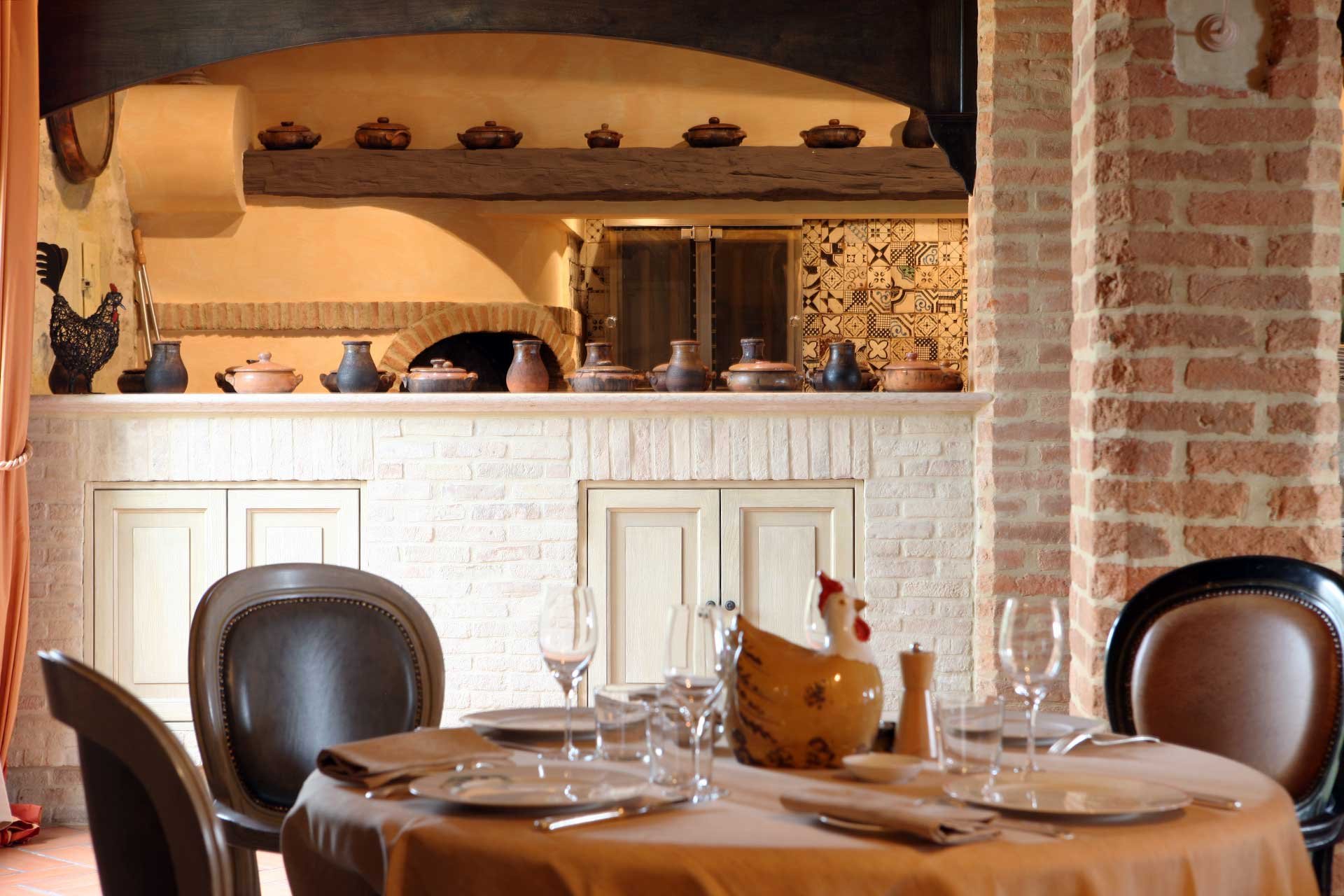
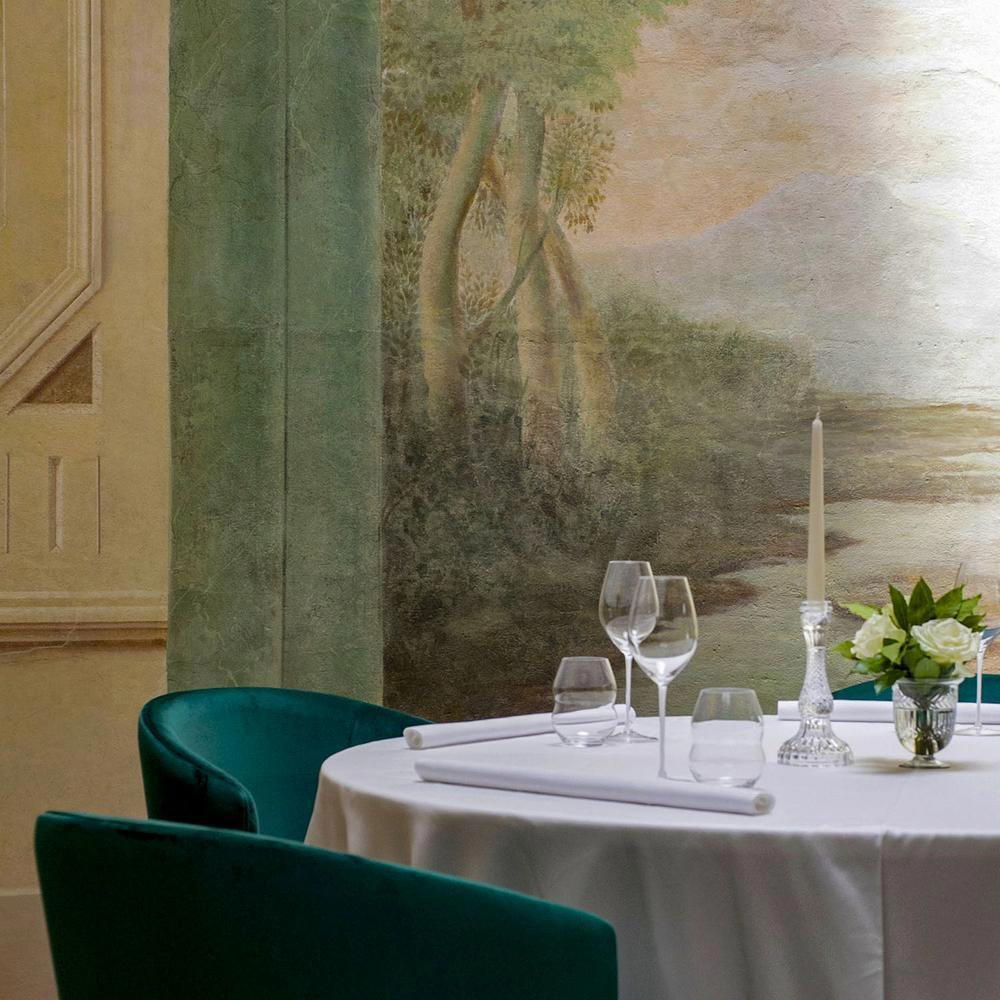
Restaurants in Punta Ala
Browse all →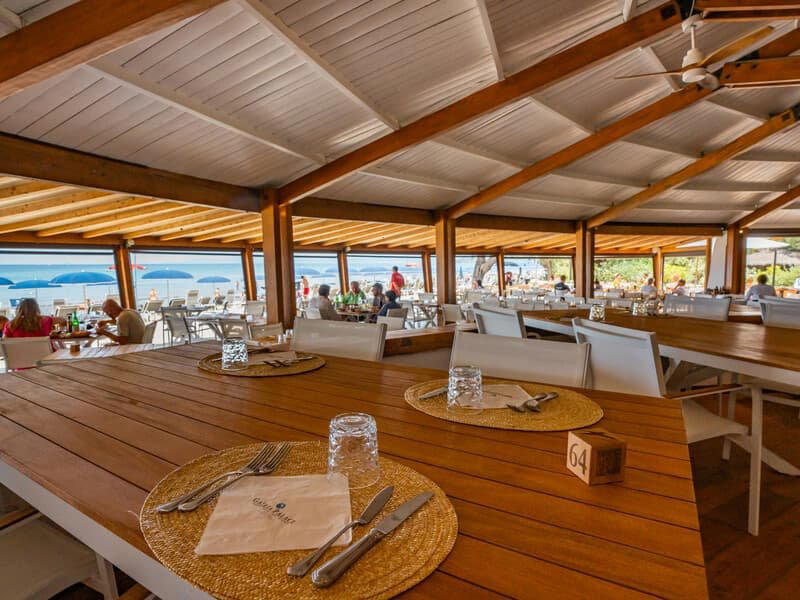
Bars in Punta Ala
Browse all →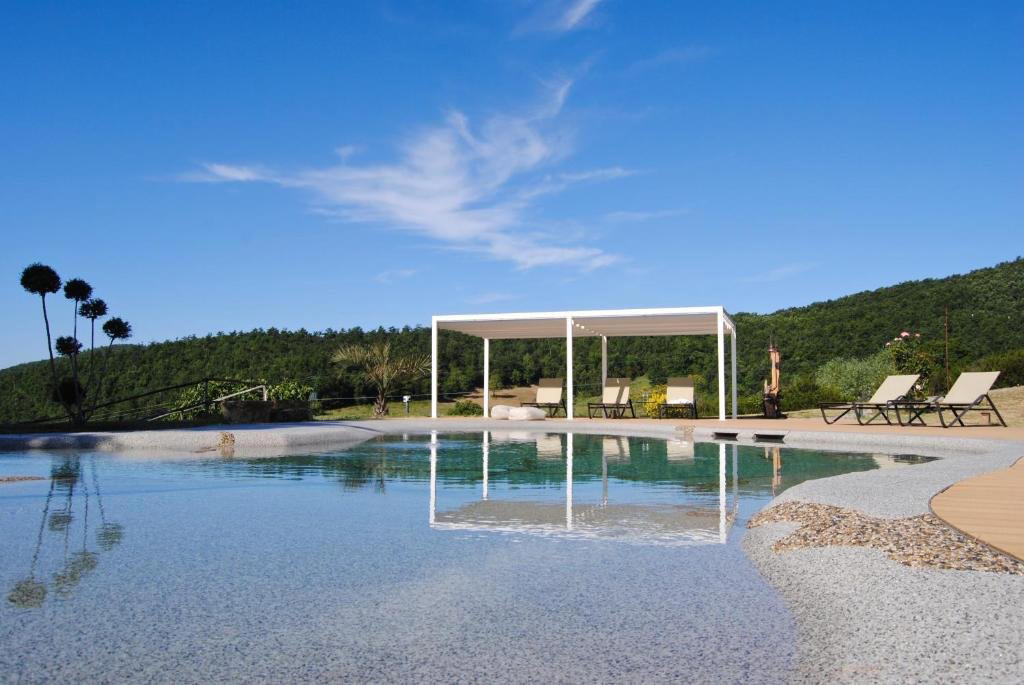
Hotels in Punta Ala
Browse all →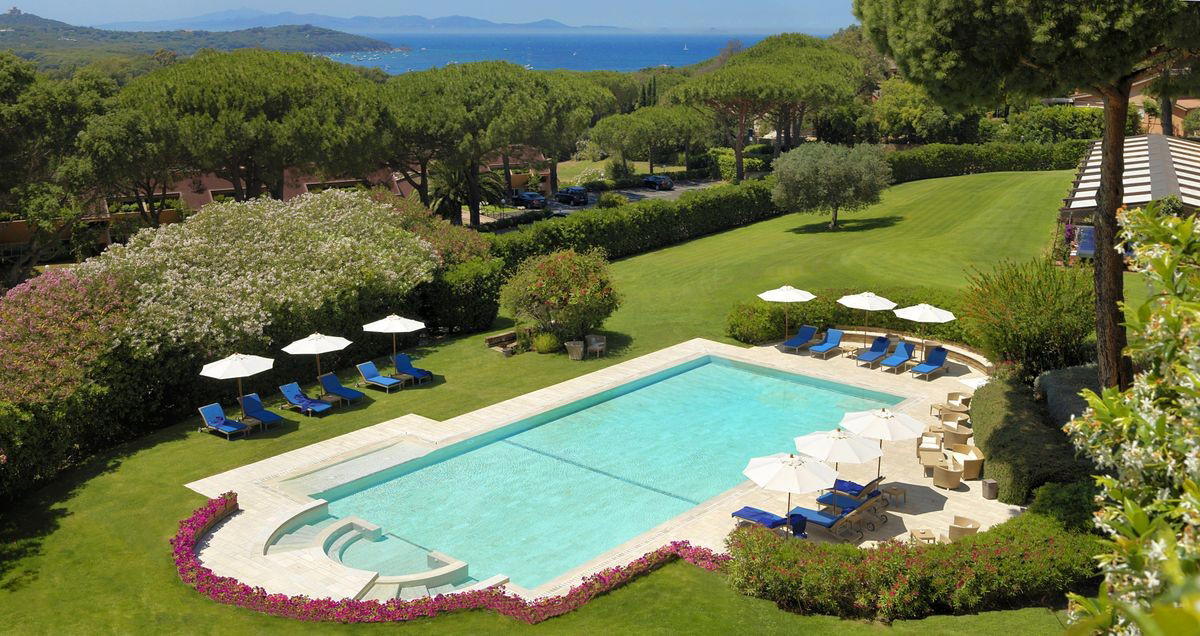
At a Glance
- Scenic
- Elegant
- Romantic
- Classic
- Date Night
- Family
- Group Dining
- Celebration
- Special Occasion
- Waterfront
- Terrace
- Hotel Restaurant
- Panoramic View
- Extensive Wine List
- Local Sourcing
- Sustainable Seafood
- Waterfront
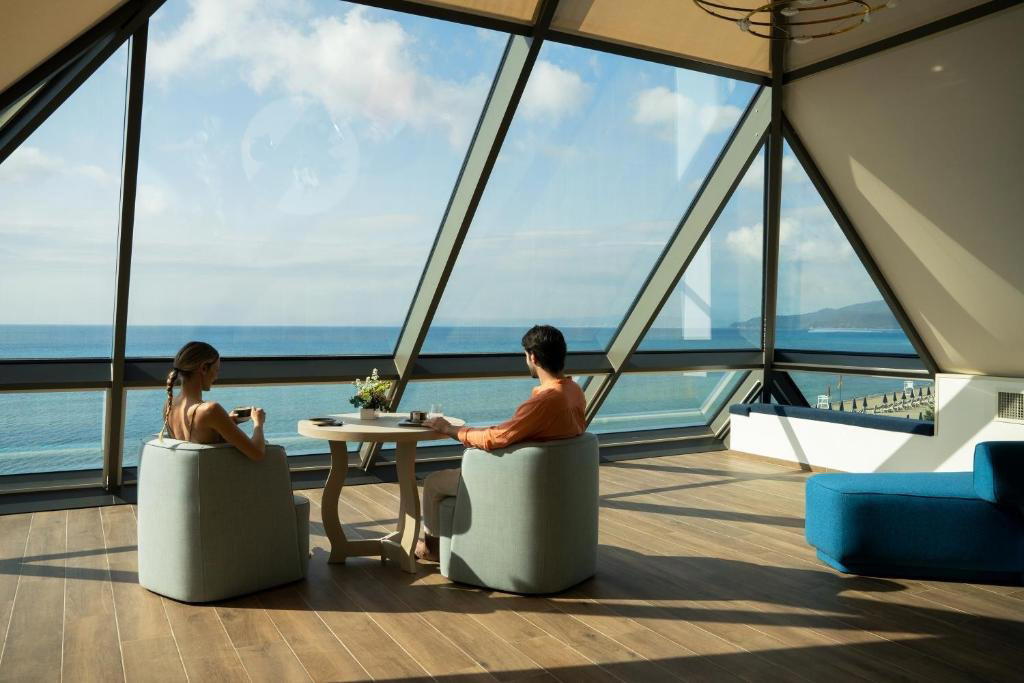
Elegant but relaxed beachfront setting on the hotel’s private beach, with daylight, sea breeze and open-air seating creating a leisurely holiday atmosphere rather than a formal dining room feel.