La Martinatica

Michelin Plate
Our verdict
Housed in a converted mill on the edge of Pietrasanta, La Martinatica has held the Michelin Plate in both 2024 and 2025 for cooking that puts raw and cured seafood at its centre. The owner-chef works the dining room as much as the kitchen, and an outdoor terrace makes it a natural choice for summer evenings in the Versilia hinterland.

Pearl is the En Primeur Club membership app — saves, bookings, and concierge access live there. Same editors, same standards.
- Address
- La Martinatica, Pietrasanta, LU, Italy
- Phone
- +39 0584 178 8946
- Website
- martinatica.it
- Directions
- Get directions
The menu
What to order
- Raw seafood tasting
- Lobster pasta
- Beef Wellington
- Ravioli cacio e pepe
- Gelato al caprino
An Old Mill, a Seafood Focus, and a Pietrasanta Worth Knowing
The towns that sit just inland from the Versilian coast have always lived between two economies: the marble trade that made Pietrasanta a sculptor's address, and the sea that kept its kitchens stocked. La Martinatica sits at that intersection, occupying a converted mill whose wood beams and stone bones predate the restaurant by centuries. Approaching the building, the structure reads as agricultural heritage long before it reads as dining destination, and that physical context shapes what happens inside: the cooking leans into raw material and restraint rather than elaborate transformation.
The €€€ price tier places it in the same bracket as Filippo for modern cuisine in Pietrasanta, and one tier below Vesta Versilia, which operates at €€€€ with a sharper seafood-specialist identity. La Martinatica occupies a middle ground: formal enough for a special occasion, relaxed enough that the owner-chef circulates through the dining room taking orders personally, compressing the distance between kitchen and table in a way that larger or more theatrically produced restaurants rarely manage.
The Seafood Tradition This Kitchen Is Part Of
Along the Tuscan coast, fish cookery has historically split between two registers: the peasant brodetto tradition, which uses everything from the catch and stretches it with bread and olive oil, and the more recent premium raw preparation that arrived with greater cold-chain reliability and a dining culture influenced by Japanese techniques. La Martinatica sits firmly in the second camp. Its raw seafood selection, described across two consecutive years of Michelin recognition as demonstrating both skill and imagination, is built around small bites that show the ingredient rather than rework it.
Raw preparation at this level is harder to execute than it looks. Temperature, cut, and quality of sourcing all become visible without the cover of heat or heavy sauce. The fact that the Michelin Plate has appeared consecutively in 2024 and 2025 suggests consistency rather than a single outstanding meal, which is ultimately the more meaningful signal for a kitchen that asks its ingredients to speak clearly. For comparison, the Michelin-starred operations in Italy that have shaped this tradition, places like Quattro Passi in Marina del Cantone, tend to sit in destinations where coastal produce and refined technique are the entire proposition. La Martinatica works at a more accessible price point while maintaining the raw preparation discipline that those higher-starred peers rely on.
What the Dining Room Tells You About the Cooking
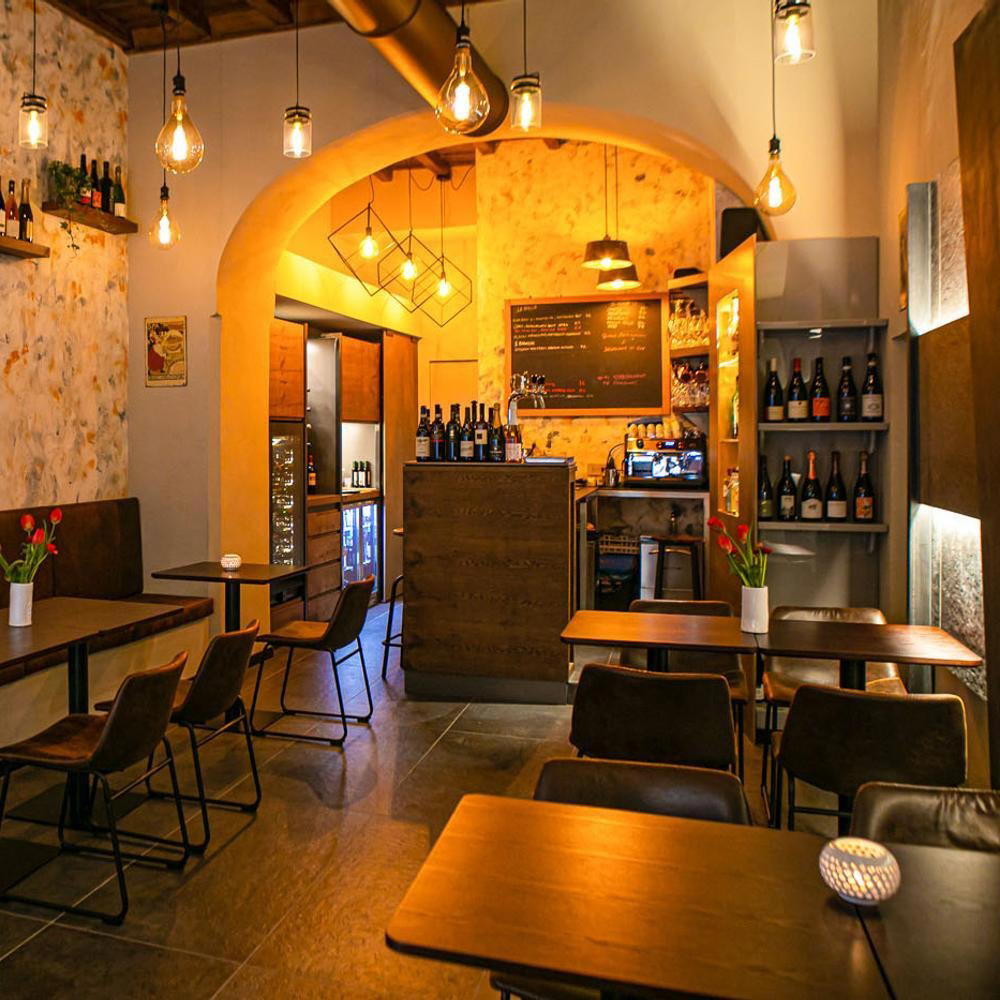
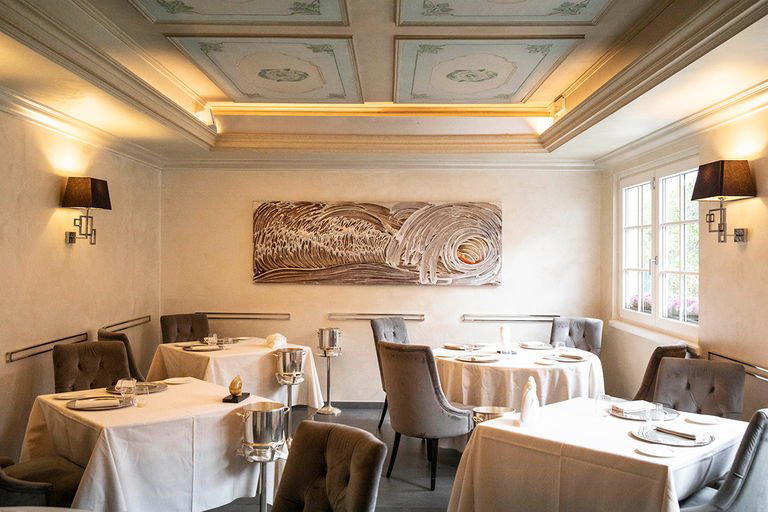
The interior of a converted mill imposes its own aesthetic logic. Low-hanging wood beams, materials that have aged rather than been installed to look aged, and a warmth that comes from the building itself rather than from design choices — these details set expectations that the menu then either meets or contradicts. Here, they align. The fish dishes and the meat options coexist on the menu, but the seafood is the centre of gravity, and specifically the raw preparations that require confidence in the produce rather than confidence in the technique deployed to rescue lesser ingredients.
Across the broader Italian restaurant scene, the most interesting coastal kitchens have resisted the temptation to dress raw fish in imported Japanese frameworks and instead returned to Mediterranean sensibility: olive oil, citrus, salt, and the kind of restraint that treats garnish as a decision rather than a reflex. The Michelin recognition here, at the Plate level rather than a star, positions La Martinatica in an honest middle tier: cooking that warrants the detour without overpromising on transformation or spectacle.
For a sense of where Italian fine dining at its most ambitious sits, the country's starred cohort, from Osteria Francescana in Modena and Enoteca Pinchiorri in Florence to Dal Pescatore in Runate and Le Calandre in Rubano, operates at a different level of investment and ambition. But the Plate, which Michelin awards specifically for cooking quality rather than experience architecture, is not a consolation. It is a separate designation for kitchens where the food merits attention on its own terms.
The Outdoor Space and Its Season
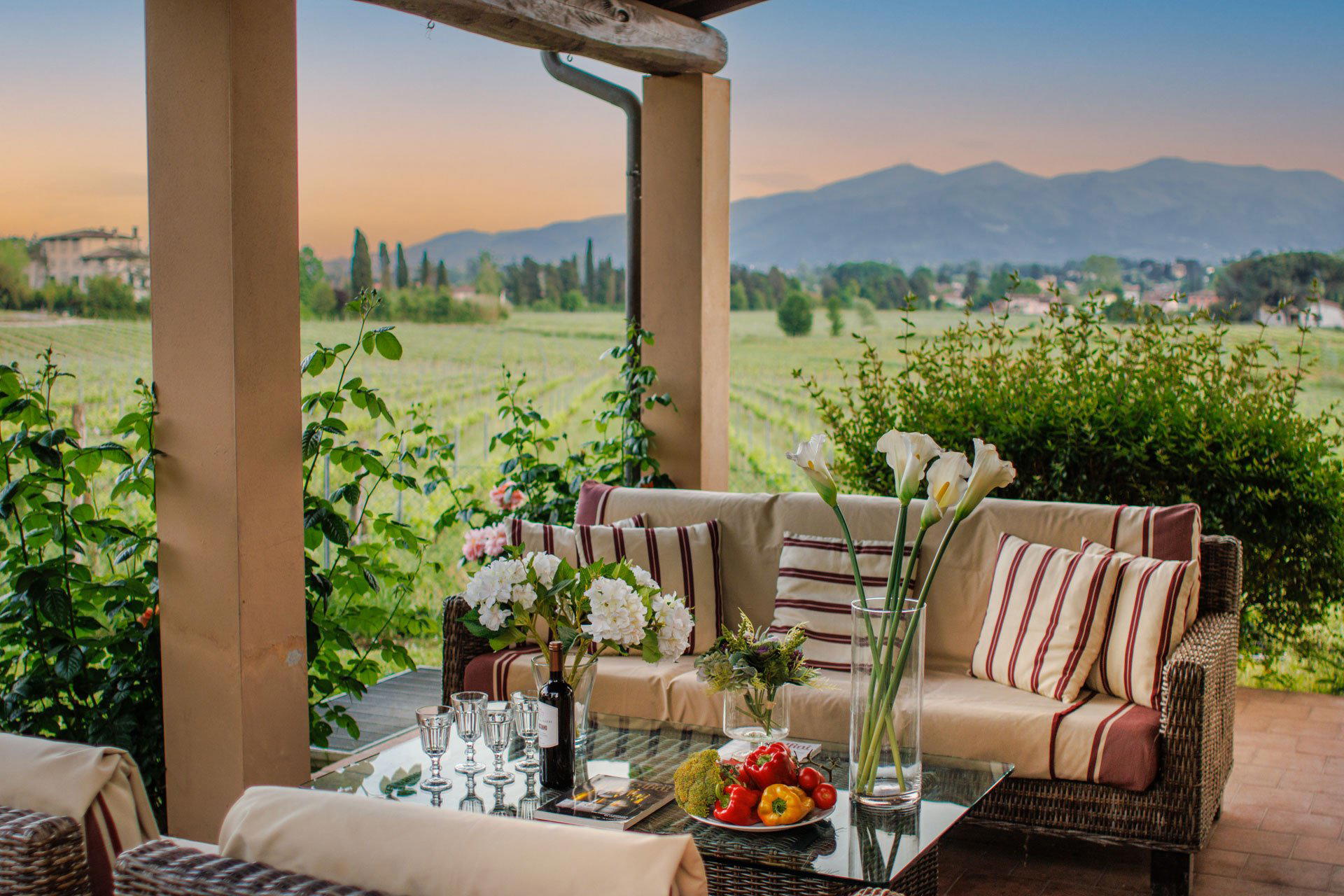
Summer dining in the Versilia area operates on its own timetable. The coast draws visitors from late June through August, and the inland towns, including Pietrasanta, absorb overflow from the beach towns while offering a quieter, more architecturally interesting alternative. La Martinatica's outdoor space functions as an extension of the dining room during this period, and it is worth noting that the building's mill-era setting provides a different backdrop than the typical piazza terrace that dominates summer dining in Tuscany's better-known towns.
High scores across a near-thousand-review base are a more reliable planning signal than ratings from properties with under a hundred data points.
How La Martinatica Fits Pietrasanta's Wider Scene
Pietrasanta's restaurant scene is smaller and more curated than its coastal neighbours. The town's identity as an arts and sculpture destination means its visitors tend to be culturally engaged rather than purely beach-driven, and the dining options reflect that: fewer casual fish-and-chips beach formats, more kitchens doing considered work at a medium price point.
The Italian coastal seafood tradition that La Martinatica represents has found audiences far beyond the country's borders. 8 1/2 Otto e Mezzo Bombana in Hong Kong and cenci in Kyoto both demonstrate how Italian culinary vocabulary travels, while venues like Atelier Moessmer Norbert Niederkofler in Brunico, Enrico Bartolini in Milan, and Piazza Duomo in Alba show the range of ambition and format within the country's own scene. La Martinatica operates in a more modest register than any of these, but it is doing something that matters locally: keeping a coastal seafood sensibility alive in a town that sits just far enough from the water to make that choice deliberate.
Planning Your Visit
La Martinatica is located at the address listed for Pietrasanta, in the Lucca province of northern Tuscany. The €€€ pricing aligns with a mid-to-upper casual spend for the area. Given the outdoor terrace and the Versilian summer calendar, visits between June and September will find the setting at its most animated, though the mill interior works year-round. For a broader read of what Pietrasanta offers, the full Pietrasanta restaurants guide covers the town's dining in full, alongside the hotels guide, bars guide, wineries guide, and experiences guide for anyone spending more than a single evening in the area.
Frequently asked questions
What dish is La Martinatica famous for?
Cuisine and Recognition
| Venue | Cuisine | Price | Awards | Notes |
|---|---|---|---|---|
| La MartinaticaThis venue — the venue you are viewing | Modern Italian Seafood Tasting Menu | $100–150 | Michelin Plate | Not listed |
| Filippo | Modern Tuscan Italian | $50–100 | Michelin Plate | Modern Cuisine |
| Vesta Versilia | Modern Coastal Italian Seafood | Not listed | Michelin Plate | Seafood |
| Apogeo | Gourmet Italian Pizza | $30–50 | 50 Top Pizza Italia #22 | Not listed |
Recognition history
Dated appearances from independent guides and award organizations, with the underlying list record or original source where available.
Michelin Plate
Michelin
Full recognition history (3 entries)
Michelin Plate
Michelin
Michelin Plate
Michelin
Continue exploring
More in Pietrasanta
Restaurants in Pietrasanta
Browse all →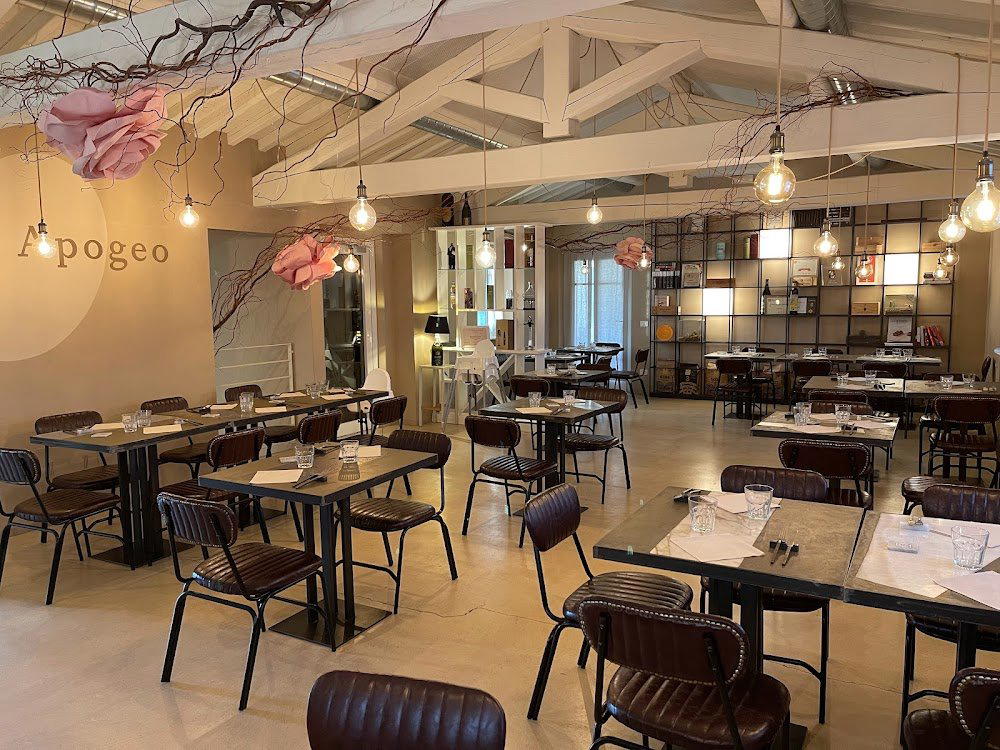
Bars in Pietrasanta
Browse all →
Hotels in Pietrasanta
Browse all →

Details
- Elegant
- Romantic
- Intimate
- Sophisticated
- Classic
- Date Night
- Celebration
- Special Occasion
- Anniversary
- Historic Building
- Private Dining
- Open Kitchen
- Terrace
- Extensive Wine List
- Sommelier Led
- Local Sourcing
- Tasting Menu
- A La Carte
- Tuscan Wines
- Wine Pairings
- Vegetarian Friendly
- Vegan Options
- Gluten Free Options
- Allergy Accommodating
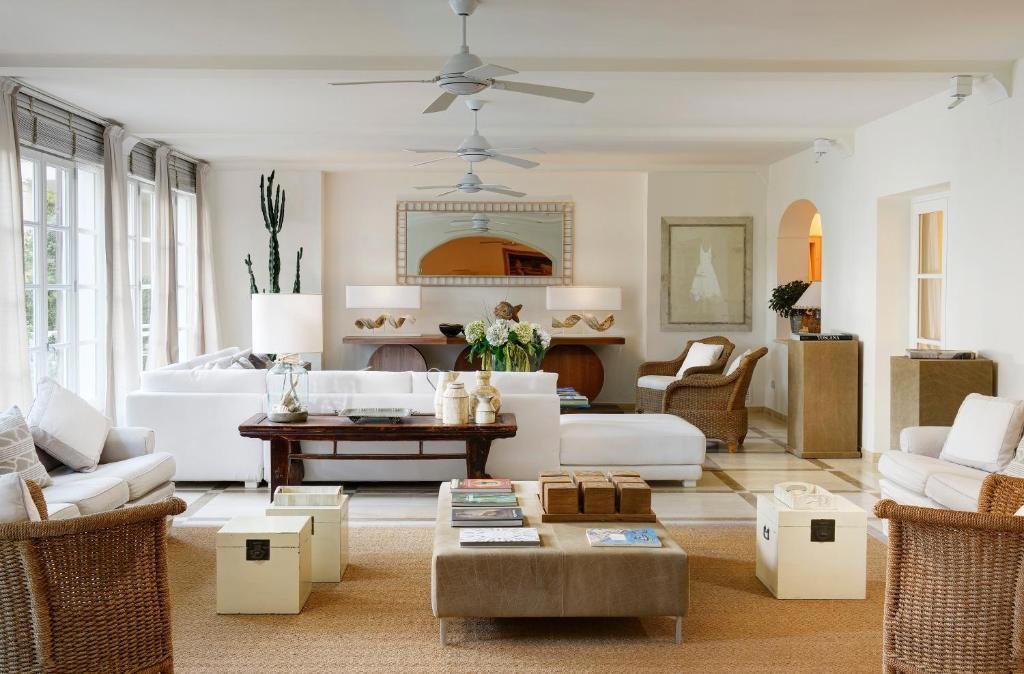
Warm and welcoming dining room with exposed wood beams, elegant furnishings, and artistic decor throughout multiple intimate rooms; soft lighting creates a refined, romantic atmosphere.