.png)
A Michelin Bib Gourmand recipient for 2024 and 2025, La Martina occupies a residential chalet on the outskirts of Tarancón, where chef Martín Ríos reinterprets the cooking of La Mancha through modern technique. The setting, part family home, part glass-fronted dining room with a fireplace, signals the register: serious about food, deliberately unpretentious about everything else. At €€ pricing, it earns its recognition within Spain's value-led fine dining tier.
Pearl is the En Primeur Club membership app — saves, bookings, and concierge access live there. Same editors, same standards.
- Address
- C. la Noria, 8, 16400 Tarancón, Cuenca, Spain
- Phone
- +34 657 09 76 06
- Website
- lamartinatarancon.com
 Saves & bookings on Pearl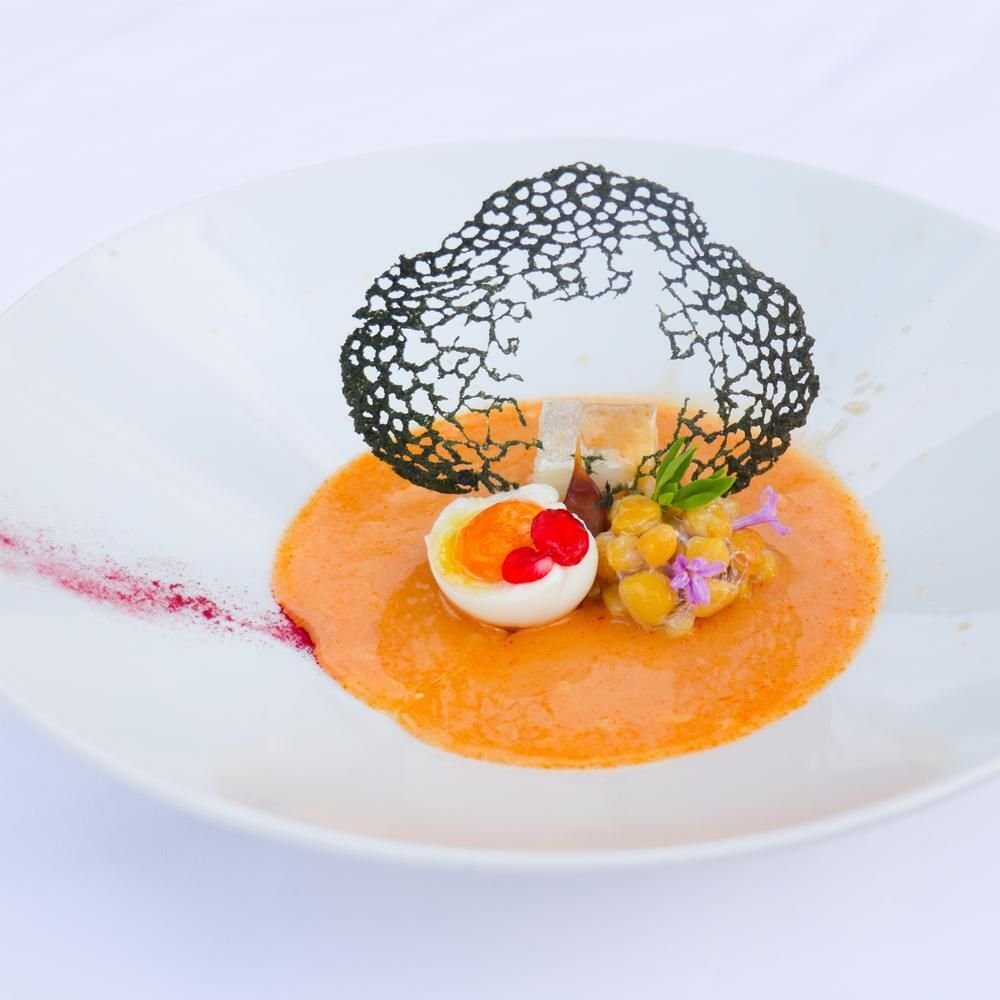
Where La Mancha Meets the Dining Room
The approach to La Martina already tells you something about how Spain's mid-tier restaurant scene has quietly evolved. A residential street of chalets on the outskirts of Tarancón, a town most drivers pass through on the A-3 between Madrid and Valencia without stopping, is not where you expect to find a table with two consecutive Michelin Bib Gourmand awards. Yet this is precisely the kind of venue that the Bib Gourmand category was designed to surface: serious cooking at a price point that doesn't require a business-travel expense account. The €€ pricing tier here sits well below the multi-starred Spanish restaurants that dominate international coverage, from DiverXO in Madrid to Arzak in San Sebastián or El Celler de Can Roca in Girona, but the Michelin recognition is the same organisation, the same inspectors, and the same threshold for quality.
The Setting: Domestic Scale, Considered Detail
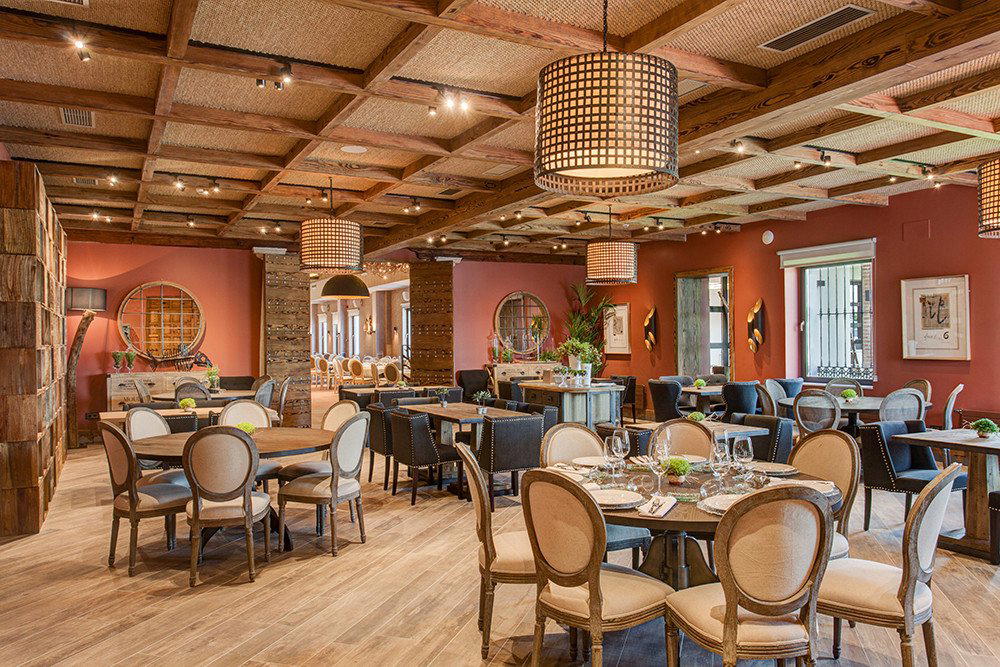
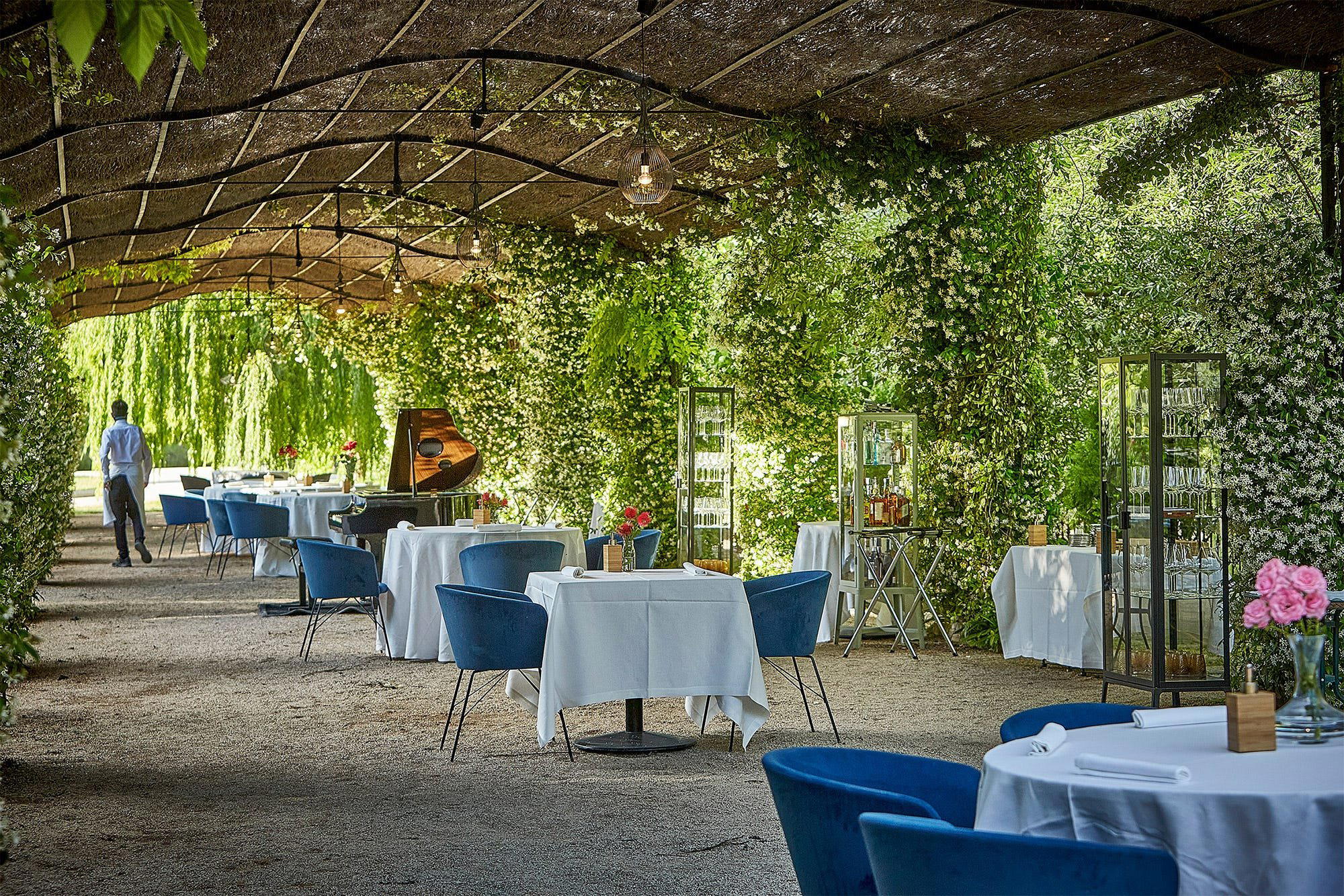
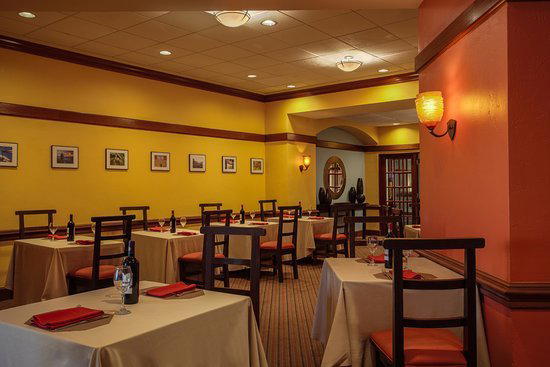
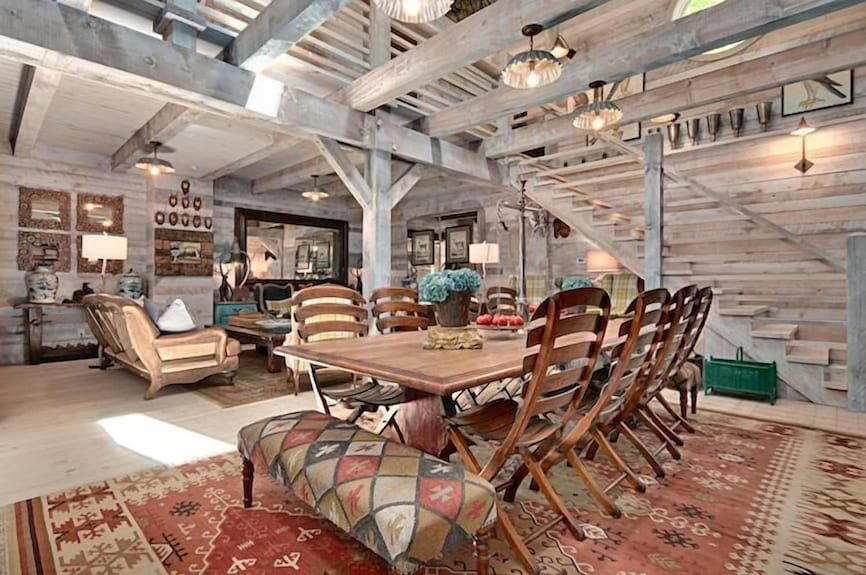
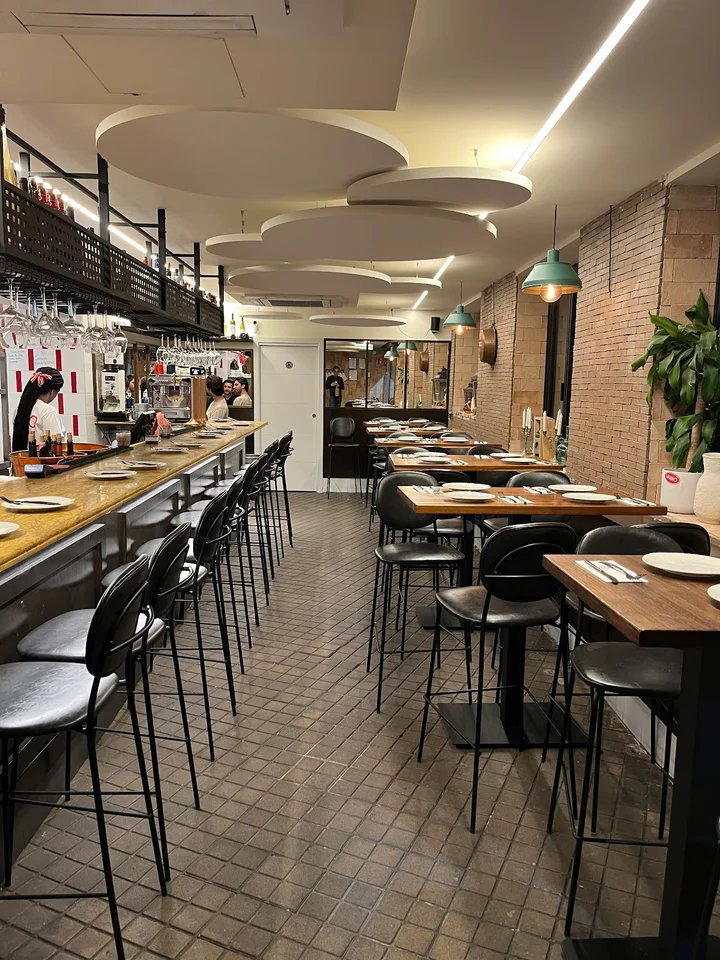
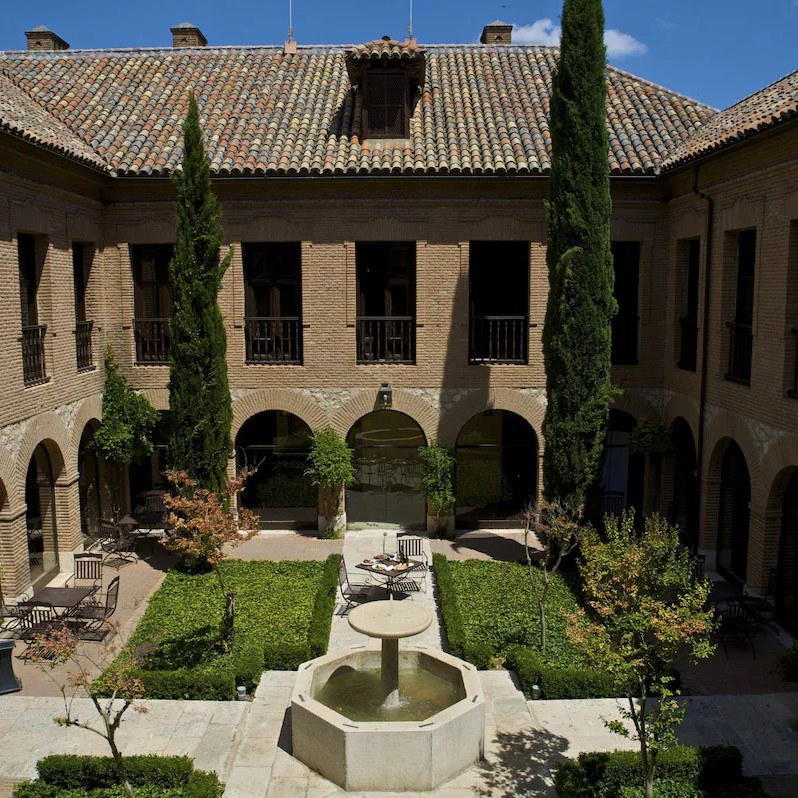
Walking into La Martina means walking into a space that began as a home and still carries that register. The interior leans into a classic-contemporary scheme built around a predominantly white palette, with what the restaurant describes as numerous tasteful details throughout. The main dining room anchors itself around a fireplace at one end, which in the cooler months of the Castilla-La Mancha interior, where temperatures drop sharply after October, does real atmospheric work. The second space is the Salón de Cristal, a glass-fronted porch that opens the room toward natural light and gives the meal a slightly different character depending on the time of day. Neither space tries to mimic the minimal austerity of high-concept tasting-menu restaurants. The domestic scale is the point: it frames the cooking as something connected to a place and a household rather than to a brigade and a portfolio.
Google review data across 772 responses gives the restaurant a 4.6 rating, which for a non-urban venue with a local and passing clientele is a more meaningful signal than it might be in a city where reviewers skew toward destination diners. Consistency at this level, across a high volume of visits, is harder to sustain than a single exceptional meal.
The Cooking: La Mancha Reframed
La Mancha's culinary identity is built on ingredients that have fed Castile for centuries: game, pulses, saffron, manchego, pisto, migas, morteruelo. These are not delicate ingredients, and the traditional cooking around them is not shy about fat, salt, or time. Chef Martín Ríos works within this tradition at La Martina while applying the kind of modern technique and presentation discipline that has become standard across Spain's second and third tier of ambitious restaurants, restaurants that have absorbed the influence of Basque and Catalan avant-garde cooking without fully reorienting toward abstraction. This is the defining tension in contemporary Spanish regional cooking: how much do you let the technique redirect the flavour, and how much do you let the flavour direct the technique? The approach at La Martina, described as rooted in the region while reinterpreted through modern methods, positions it at the end of that spectrum where the territory remains legible.
This matters in a region like Castilla-La Mancha, where the culinary tradition is substantial but rarely celebrated with the same energy as Basque or Catalan cooking. The restaurants that have managed to make La Mancha's pantry interesting to a broader audience, rather than positioning it as rustic or nostalgic, occupy a useful cultural role. In that context, what La Martina is doing sits in a broader movement visible elsewhere in Spain: venues like Auga in Gijón and Atrio in Cáceres apply similar logic to Asturian and Extremaduran ingredients respectively, grounding modernist technique in a specific regional identity rather than dissolving it.
Chef Martín Ríos and the Tier of Recognised Regional Cooking
Spain has produced a generation of chefs who trained under or alongside the country's major figures, the kitchens of Martín Berasategui, Azurmendi, Mugaritz, Quique Dacosta, or Ricard Camarena, and then returned to smaller cities and towns to open restaurants that carry that technical inheritance into a local context. What the consecutive Bib Gourmand awards do confirm is that Michelin's inspectors have visited more than once, found the cooking consistently worth the detour, and placed it inside the category they reserve for venues where quality and value alignment is the story. That is a specific, evidence-backed credential rather than a general commendation.
For comparison, the Bib Gourmand sits one tier below the star system but shares the same inspection process. It appears in the same annual guide as three-star restaurants like Cocina Hermanos Torres in Barcelona or Aponiente in El Puerto de Santa María. The difference is price point and format, not inspection rigour.
Planning a Visit
Tarancón sits on the A-3 motorway roughly 85 kilometres southeast of Madrid, making it a plausible detour for anyone driving toward Valencia or the Levante coast rather than a destination requiring a dedicated trip from the capital. The restaurant's address, C. la Noria, 8, in the chalet district on the residential outskirts of town, is direct to reach by car; less so without one, as Tarancón's public transport connections are limited to intercity coach services. Phone and website details are not available in the current record, so booking confirmation should be sought through a search of the restaurant's current contact details before travel. The price range at €€ positions a meal here comfortably below €50 per head in most scenarios, though that estimate is based on the price band rather than a specific confirmed menu price. The glass-fronted Salón de Cristal makes the experience somewhat different in bright daylight versus evening, and given the fireplace in the main room, the autumn and winter months have a specific atmospheric case for this particular setting.
For traditional cuisine with similar regional depth elsewhere, Auberge Grand'Maison in Mûr-de-Bretagne offers a useful point of comparison for how Michelin frames value-led regional cooking in a rural European context.
Fast Comparison
Comparable venues nearby, for context on price, style, and recognition.
| Venue | Cuisine | Price | Awards | Notes |
|---|---|---|---|---|
| La Martina | Modern Manchegan Spanish | $$ | Bib Gourmand | Tarancón |
| Essentia | Spanish Steakhouse | $$$ | , | Autovía A3 / Av. Adolfo Suárez area |
| Mesón Nelia | Modern Cuenca Cuisine | $$ | Bib Gourmand | Villalba de la Sierra |
| La MaMá | Traditional Spanish Tapas | $$ | Bib Gourmand | Cuatro Caminos |
| Tres por Cuatro | Modern Spanish Market Cuisine | $$ | Bib Gourmand | Goya |
| Cantina La Estación | Modern Spanish Creative | $$ | Bib Gourmand | Úbeda |
At a Glance
- Cozy
- Hidden Gem
- Elegant
- Classic
- Family
- Celebration
- Special Occasion
- Terrace
- Extensive Wine List
- Local Sourcing
Bright and charming classic-contemporary decor with tasteful details, white color scheme, fireplace, and glass-fronted porch creating a cozy, welcoming atmosphere.