
Guía Repsol 1 Sol
Our verdict
Essentia puts Tarancón into Spain’s serious provincial dining conversation rather than treating the town as a pause between Madrid and Cuenca. Its 1 Sol in the Guía Repsol 2026 gives the restaurant a national credential, while the surrounding Castilian context points the lens toward produce, seasonality, and the value of cooking rooted outside the capital circuit.

Pearl is the En Primeur Club membership app — saves, bookings, and concierge access live there. Same editors, same standards.
- Address
- Av. Adolfo Suárez, 30, 16400 Tarancón, Cuenca, Spain
- Hours
- Mon–Wed 7:30 AM–5 PMThu–Fri 7:30 AM–12 AMSat 8:30 AM–12 AMSun 8:30 AM–5 PM
- Directions
- Get directions
The menu
What to order
- Chuletón de vaca vieja finlandesa
- Torreznos
- Jamón ibérico
- Croquetas de jamón ibérico
- Hamburguesa de vaca vieja
The approach to Essentia is Tarancón in plain sight: a working Spanish town rather than a restaurant district built for weekend theatre. That matters. In this setting, dining has to answer to local rhythms: regular guests, regional expectation, and a town audience that does not need place performed back to it.
For travellers used to reading Spanish dining through the country’s largest or most publicised restaurant cities, Tarancón asks for a different calibration. The point is not spectacle. The more interesting question is how a restaurant in a smaller city earns attention without the default advantages of a capital: constant press, hotel traffic, and a large pool of destination diners. Essentia’s 1 Sol in the Guía Repsol 2026 is the useful signal here, because Repsol’s Spanish coverage often catches regional seriousness before international lists do.
Regional produce, judged without capital-city noise
Ingredient-led cooking in Spain is not only a trend imported from tasting-menu culture; in many smaller places, it is part of the baseline expectation. Tarancón gives Essentia a local context, and the restaurant operates inside that logic even when the presentation is more contemporary. The test is whether the kitchen can make its setting feel precise rather than simply familiar.
That is where Essentia becomes more than a local address. A 1 Sol rating places it in a national Spanish guide tier, but the more telling editorial point is geographical: Tarancón is outside the country’s most obvious restaurant circuits, so the restaurant is not being carried by capital-city traffic alone. That tension can be productive. Smaller-city restaurants with serious recognition often have to do two jobs at once: satisfy regulars who value clarity and attract travelling diners looking for a reason to stop.
The comparison within town is useful. La Martina represents another Tarancón dining reference, the kind of address that helps frame what local diners expect from the town. Essentia sits in a different bracket because of the Repsol recognition, not because Tarancón suddenly becomes a luxury dining enclave. The distinction is important: the town’s restaurant identity remains grounded in local appetite, but the recognised tier asks for sharper choices, cleaner editing, and a more deliberate relationship between place and presentation.
Why the 1 Sol matters in a town this size
Spain’s restaurant map can look distorted if only Michelin-starred capitals and coastal tasting rooms are used as the reference points. Guía Repsol has a particular strength in reading Spanish regional dining on its own terms. A 1 Sol in 2026 does not make Essentia a grand-destination restaurant by default; it marks the kitchen as part of a serious national conversation about where good Spanish cooking is happening outside the obvious metropolitan corridors.
That recognition also changes how to read Tarancón. The town can easily be treated as somewhere to pass through rather than somewhere to plan around. A restaurant with national guide recognition complicates that assumption. It gives the city a dining anchor and gives travellers a reason to think of the route as more than logistics. For a broader scan of the town’s eating scene, our full Tarancón restaurants guide is the natural starting point; the wider travel frame sits in our full Tarancón hotels guide, our full Tarancón bars guide, our full Tarancón wineries guide, and our full Tarancón experiences guide.
The sourcing angle is also where smaller-city Spain can be more revealing than a heavily mediated dining capital. In major cities, ingredients often arrive with a supplier story attached because the audience expects one. In Tarancón, the local frame is less a selling line than a condition of cooking. The better question is editorial rather than promotional: does the restaurant translate its setting into a meal with structure, or does it simply lean on familiarity? The Repsol Sol suggests seriousness, while the absence of widely published personality mythology keeps the emphasis in the right place: the restaurant’s relationship to its region.
How to place it among Spain's broader dining map
Essentia is not competing with every Spanish restaurant on the same terms. Its more relevant set includes recognised regional addresses that make sense of place without requiring the apparatus of a major-city dining room. In that wider Spanish spread, peers such as Carême- Jesús Del Cerro, Casa José, Huerta de Carabana, Palio, and La Martina help show how dining outside the obvious capital-city frame can still carry a clear sense of place.
That national comparison is useful because it prevents the lazy reading of Tarancón as merely provincial. Spain’s strength in 2026 is not only in famous dining cities; it is in the spread of serious kitchens across smaller places with strong food memory. Other regional restaurants sit in different local conversations, but they underline the same point: place still matters more than format when Spanish dining is working at a high level.
For an international reader, Essentia is valuable because it resists the checklist version of Spain. It is not a tapas crawl, not a beach lunch, not a capital tasting counter. It is a recognised restaurant in Tarancón where local expectation and place shape the meal before any award badge enters the discussion. Readers comparing it with dining in other cities should use the same editorial rule: the address is only interesting when it explains its city.
Frequently asked questions
Is Essentia a family-friendly restaurant?
Essentia is best read as a serious local dining room in Tarancón. For mixed-age groups, check the venue's official channels directly for current booking policies and practical details.
What's the overall feel of Essentia?
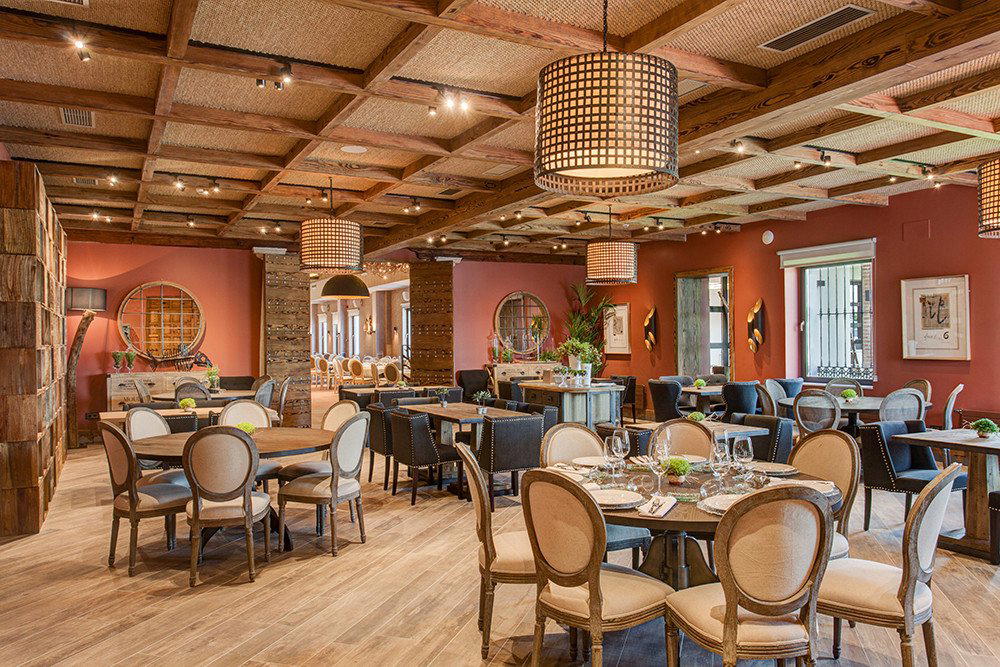
Essentia reads as a serious local dining room rather than a special-occasion temple. The Guía Repsol 1 Sol for 2026 signals regional recognition without turning the room into a formal trophy case.
What are Essentia's hours?
Check the venue's official channels for the latest opening times before planning a visit.
How do I find Essentia?
Tarancón.
What's the standout thing about Essentia?
The main distinction is the Guía Repsol Sol 2026 award, which places Essentia in recognised Spanish regional dining territory. In a town like Tarancón, that matters because it gives the restaurant visibility beyond a local lunch stop.
Can Essentia adjust for dietary needs?
Those details are not published. The only firm anchors here are Tarancón and the Guía Repsol Sol 2026 recognition. Check the venue's official channels for the latest details.
In Context: Similar Options
Comparable venues by cuisine and price in the same metro.
| Venue | Cuisine | Price | Awards | Notes |
|---|---|---|---|---|
| EssentiaThis venue — the venue you are viewing | Spanish Steakhouse | $30–50 | Guía Repsol 1 Sol | Not listed |
| La Martina | Modern Manchegan Spanish | $30–50 | Michelin Bib Gourmand · Macarfi 7.1 Food Rating | Traditional Cuisine |
| Palio | Traditional Cuisine | Not listed | Not listed | Not listed |
| Casa José | Contemporary | Not listed | Not listed | Not listed |
Recognition history
Dated appearances from independent guides and award organizations, with the underlying list record or original source where available.
Guía Repsol 1 Sol
Guía Repsol

Details
- Rustic
- Cozy
- Sophisticated
- Trendy
- Classic
- Business Dinner
- Group Dining
- Solo
- Special Occasion
- Casual Hangout
- Standalone
- Design Destination
- Extensive Wine List
- Beer Program
- Local Sourcing
- A La Carte
- Wine
- Beer
- Vegetarian Friendly
- Gluten Free Options
Current opening hours
- Monday
- 7:30 AM–5 PM
- Tuesday
- 7:30 AM–5 PM
- Wednesday
- 7:30 AM–5 PM
- Thursday
- 7:30 AM–12 AM
- Friday
- 7:30 AM–12 AM
- Saturday
- 8:30 AM–12 AM
- Sunday
- 8:30 AM–5 PM
Hours can change for holidays and private events. Last verified .
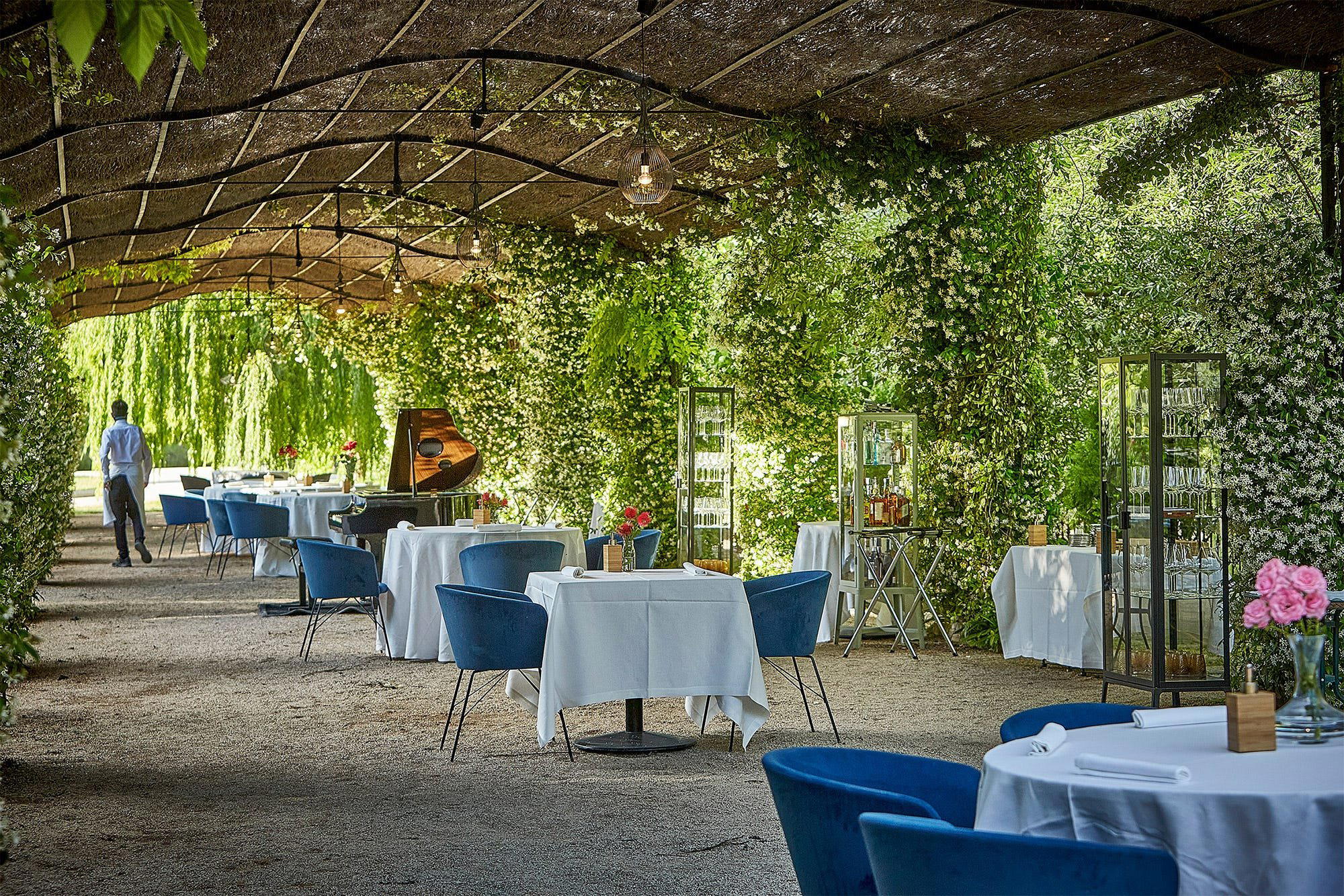
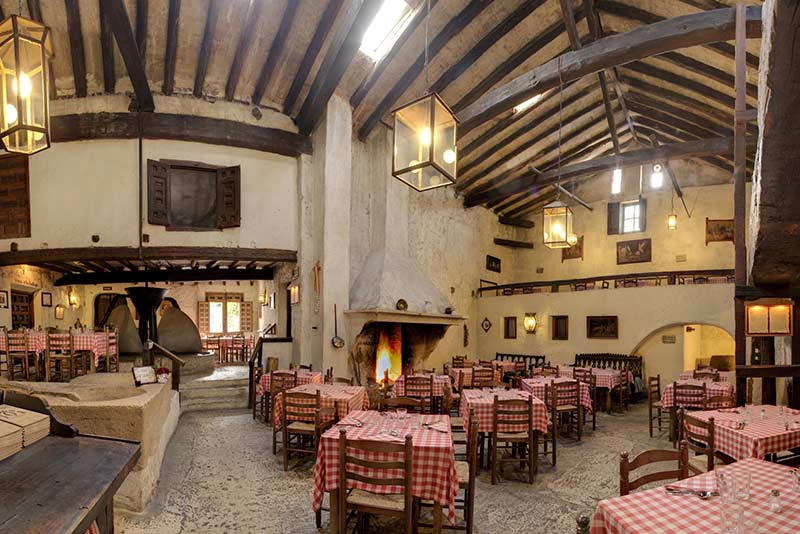
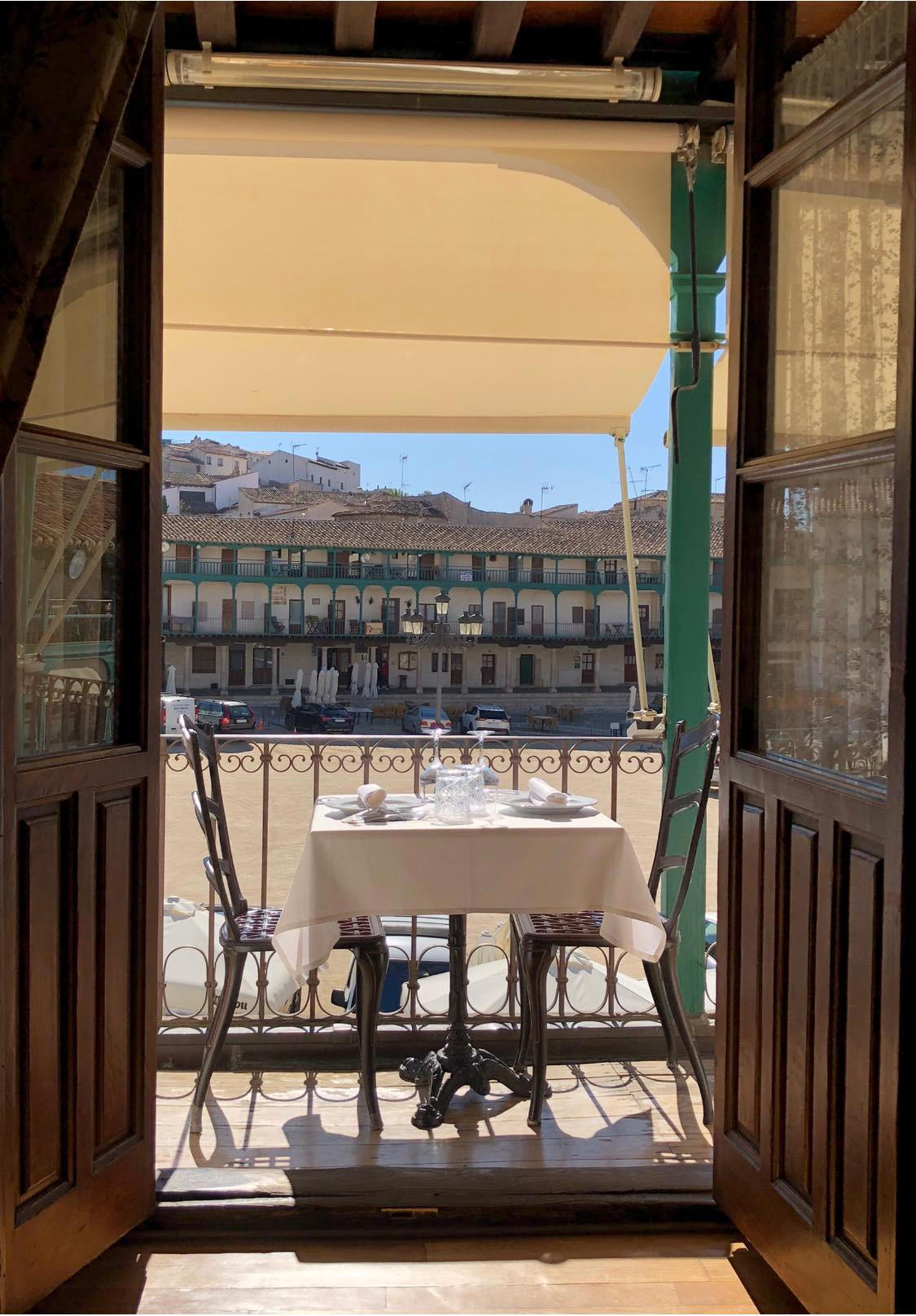
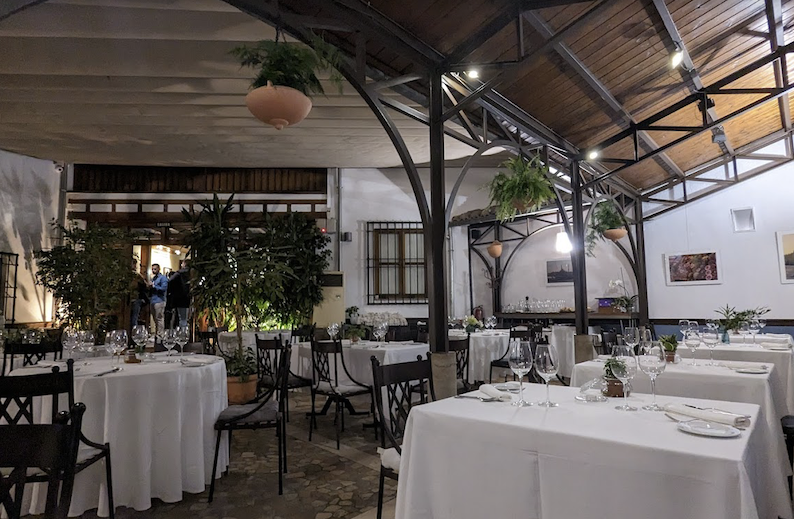
Warm, rustic, and polished, with a modern-traditional feel that guests describe as cosy, quiet, romantic, and upmarket.