La Marmite Beaujolaise
La Marmite Beaujolaise sits on Bulgnéville's central Rue de l'Hôtel de Ville, anchoring the kind of provincial French dining room that the Vosges has long depended on for honest, regionally grounded cooking. In a département where Lorraine's larder sets the agenda, this address holds a place in the town's everyday culinary life rather than its special-occasion circuit.
Pearl is the En Primeur Club membership app — saves, bookings, and concierge access live there. Same editors, same standards.
- Address
- 34 Rue de L Hôtel de ville, 88140 Bulgnéville, France
- Phone
- +33329091658
 Saves & bookings on Pearl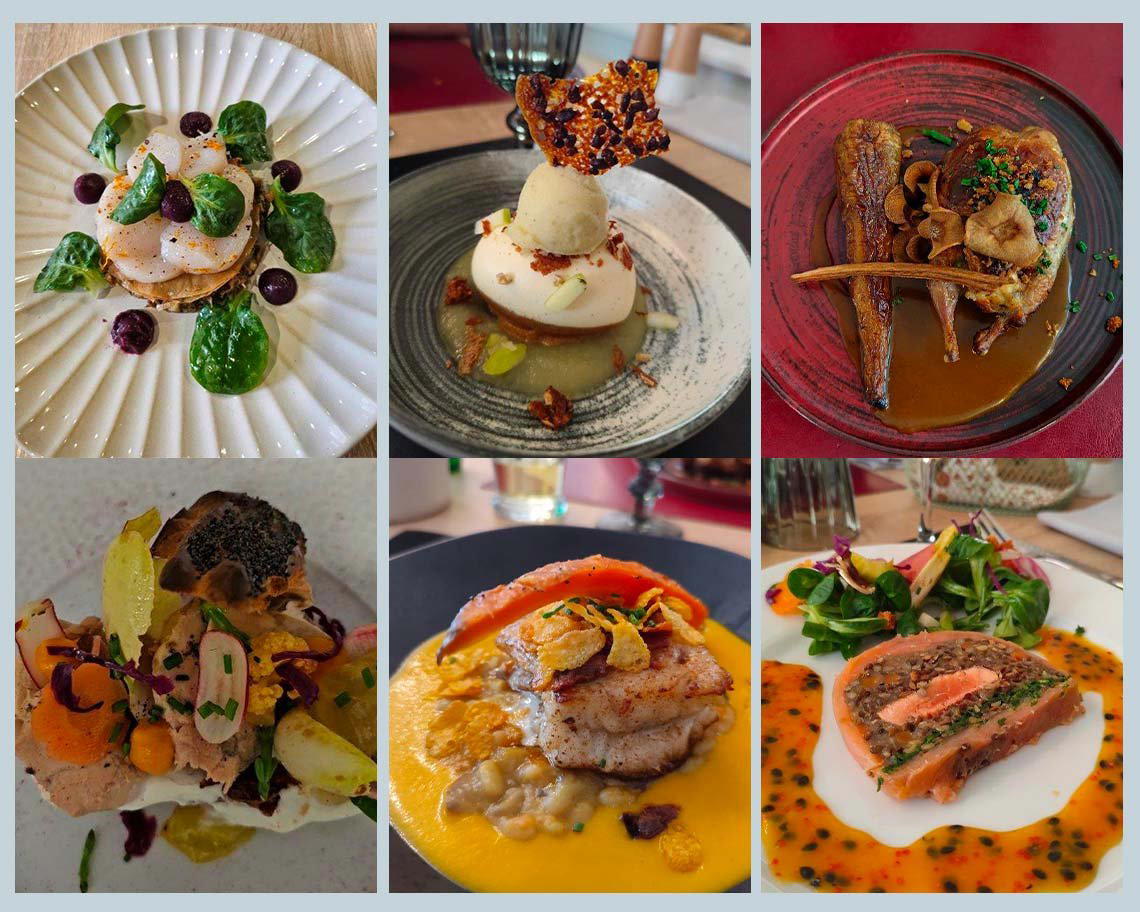
Bulgnéville and the Logic of the Provincial Table
Small towns in the Vosges département rarely make French dining headlines, yet they sustain a category of restaurant that the country's food culture depends on: the neighbourhood marmite, a kitchen that keeps regional produce moving from farm to table without the ceremony of tasting menus or the theatrics of open-fire finishes. Bulgnéville, a market town of fewer than 1,500 residents in the southern Vosges, sits in a corridor of eastern France where Lorraine cooking traditions still set the culinary terms. La Marmite Beaujolaise, at 34 Rue de l'Hôtel de Ville, operates in precisely that space.
What the Vosges Larder Actually Provides
The focus here is less on technique than on what the surrounding land sends through the door. The Vosges sits between Alsace to the east and Lorraine to the west, a geography that produces a specific kind of cooking larder: freshwater fish, farm-raised pork, soft cheeses, mirabelle plums, and mushrooms from the forested uplands. These are not ingredients that require creative re-interpretation to matter; they require a kitchen willing to let them speak at the right season. Provincial auberges and marmites across this region have built their reputations not on invention but on fidelity to that seasonal rhythm.
Eastern France's provincial dining tradition differs from the grand-restaurant circuit that draws international attention. Where Flocons de Sel in Megève or Mirazur in Menton have made French regional cooking legible on an international stage through controlled sourcing narratives and chef-driven vision, the Vosges provincial table operates on a different logic entirely: proximity, repetition, and the unspoken agreement between a kitchen and its community about what lunch should look like on a Tuesday in October.
Lorraine Cooking as Context
Understanding what a name like La Marmite Beaujolaise signals requires a moment with Lorraine's culinary grammar. The marmite as a culinary reference is a slow-cooked, often one-pot tradition: braises, pot-au-feu variants, dishes where time and collagen do the work that other cuisines assign to technique. The Beaujolais reference in the name suggests either a wine orientation or a style of accessible, market-led cooking associated with Lyon's bouchon tradition rather than the formality of Alsatian gastronomy. In that bouchon register, Beaujolais-style cooking favours unpretentious plates, charcuterie boards, lentil salads, pork-forward mains, and the kind of cooking that Paul Bocuse at L'Auberge du Pont de Collonges crystallised as an ideal before the restaurant evolved into a monument. The provincial marmite is the everyday expression of what those kitchens codified.
This places La Marmite Beaujolaise in a different conversation from the eastern French fine-dining establishments that have accumulated international recognition. Auberge de l'Ill in Illhaeusern and Au Crocodile in Strasbourg represent the region's high-formal tier. A Bulgnéville marmite competes, instead, within the everyday expectations of a Vosges town: fair pricing, consistent cooking, and the kind of room where locals return on a fortnightly basis without needing a special occasion to justify the visit.
Ingredient Sourcing in a Market-Town Kitchen
The sourcing logic at provincial restaurants in this part of France tends to be geographic rather than philosophical. There is no manifesto; there is a weekly market and a set of suppliers the kitchen has used for years. In the Vosges, that typically means local pork, freshwater fish, and mushrooms that move from forest floor to pan within a tight seasonal window. Mirabelle season in late August is a regional marker that any serious Lorraine kitchen observes. Quiche Lorraine, in its original austere form, without cheese, is a regional point of pride in this corridor, predating the anglicised versions that circulated globally through the twentieth century.
At restaurants like Bras in Laguiole or La Marine in Noirmoutier-en-l'île reflects a different tier of the industry, where provenance is documented, communicated, and curated as part of the dining experience itself. At the provincial level, provenance is assumed rather than announced. The carrot came from a farm within thirty kilometres; the cook knows the farmer; no one mentions it. This is its own kind of sourcing integrity, less auditable but no less real.
How This Fits the Wider French Restaurant Ecosystem
France's restaurant ecosystem has always depended on the density of its middle tier: the bistros, auberges, and marmites that hold communities together between the grand addresses. When critics discuss the French dining scene internationally, they reference Alléno Paris au Pavillon Ledoyen, Assiette Champenoise in Reims, or Auberge du Vieux Puits in Fontjoncouse. These restaurants are the visible peaks. The infrastructure beneath them, the everyday provincial kitchen that teaches a region what its food tastes like, is where places like La Marmite Beaujolaise operate. It is also, where French food culture is most honestly expressed. A country's culinary identity is not only its three-star addresses; it is the Tuesday lunch in a Vosges market town.
For a sense of how French kitchens of different ambitions connect to the same sourcing territory, Georges Blanc in Vonnas, L'Oustau de Baumanière in Les Baux, Christopher Coutanceau in La Rochelle, and AM par Alexandre Mazzia in Marseille all demonstrate how deeply rooted the regional-sourcing imperative runs across French cooking at every price point. The marmite in Bulgnéville connects to that same tradition, at the scale appropriate to a Vosges village rather than a destination restaurant. Internationally, French technique shapes kitchens as far-reaching as Le Bernardin in New York City and Atomix in New York City, where French precision sits beneath entirely different cultural expressions. And destination restaurants in the mountain tradition, like Troisgros - Le Bois sans Feuilles in Ouches, show what happens when a provincial kitchen accumulates generations of ambition. The restaurant sits at an earlier, quieter point on that spectrum.
Planning a Visit
Bulgnéville is accessible by car from Nancy in under an hour, with the town sitting along the D164 south of the Vosges ridge. The address at 34 Rue de l'Hôtel de Ville places the restaurant on the main civic artery of the town centre, walkable from any local accommodation. Contact the restaurant directly before visiting, particularly for weekend lunch, if you are travelling from outside the Vosges.
At-a-Glance Comparison
Comparable venues nearby, for context on price, style, and recognition.
| Venue | Cuisine | Price | Notes |
|---|---|---|---|
| La Marmite BeaujolaiseThis venue — the venue you are viewing | French Regional Bistro | $$ | Not listed |
| L’aventure | French Mountain Grill | $$ | Oz en Oisans |
| Les Pissenlits | Traditional French Regional Bistro | $$ | Centre-ville (Downtown Nancy) |
| L'Aromatic | Contemporary French Bistro | $$ | Langres |
| Casinne | French Neo-Bistro with British and Italian Influences | $$ | centre ville |
| Chez Nina | French with Caribbean Fusion | $$ | Avenue Turenne |
Continue exploring
More in Bulgneville
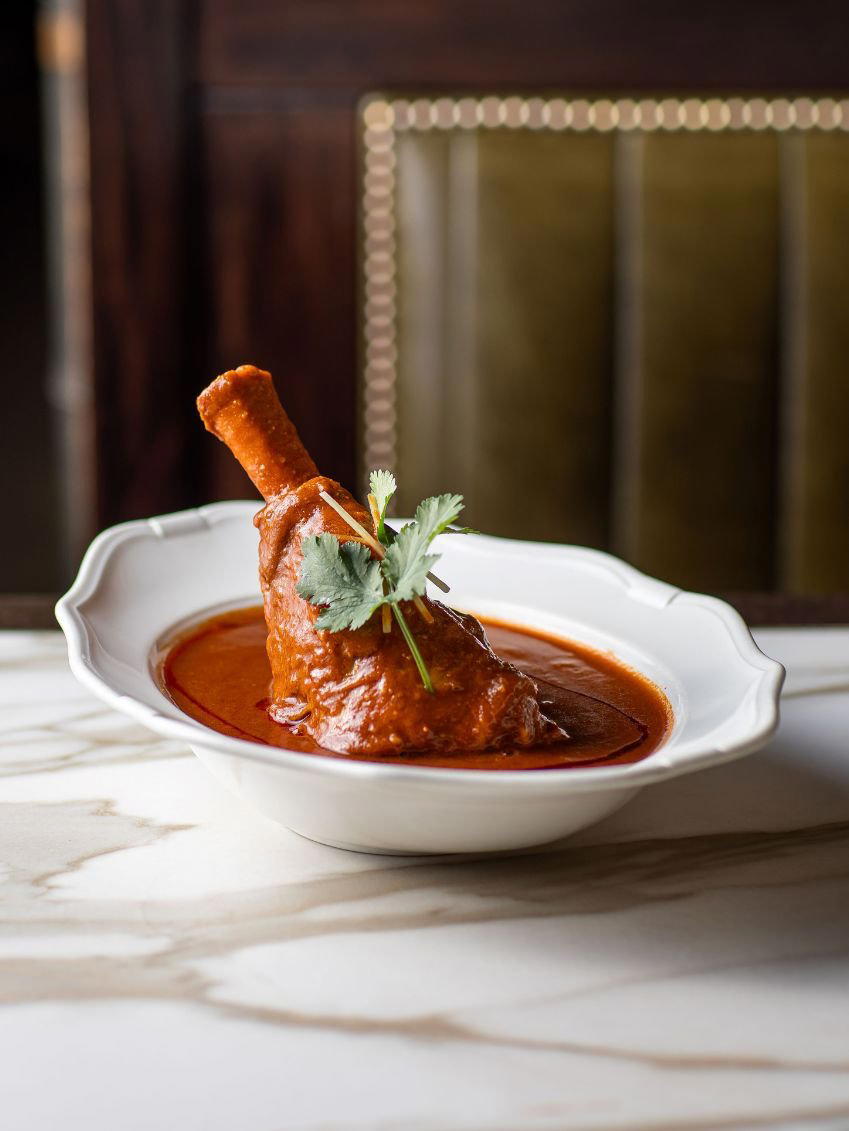
Restaurants in Bulgneville
Browse all →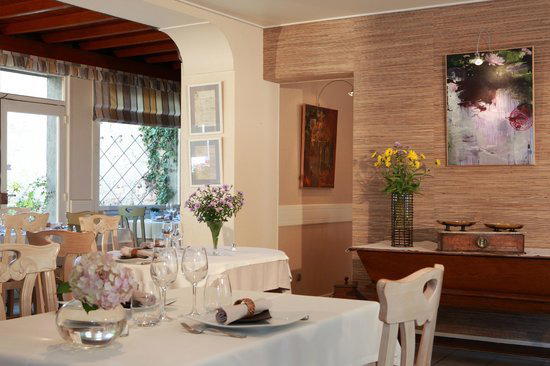
Hotels in Bulgneville
Browse all →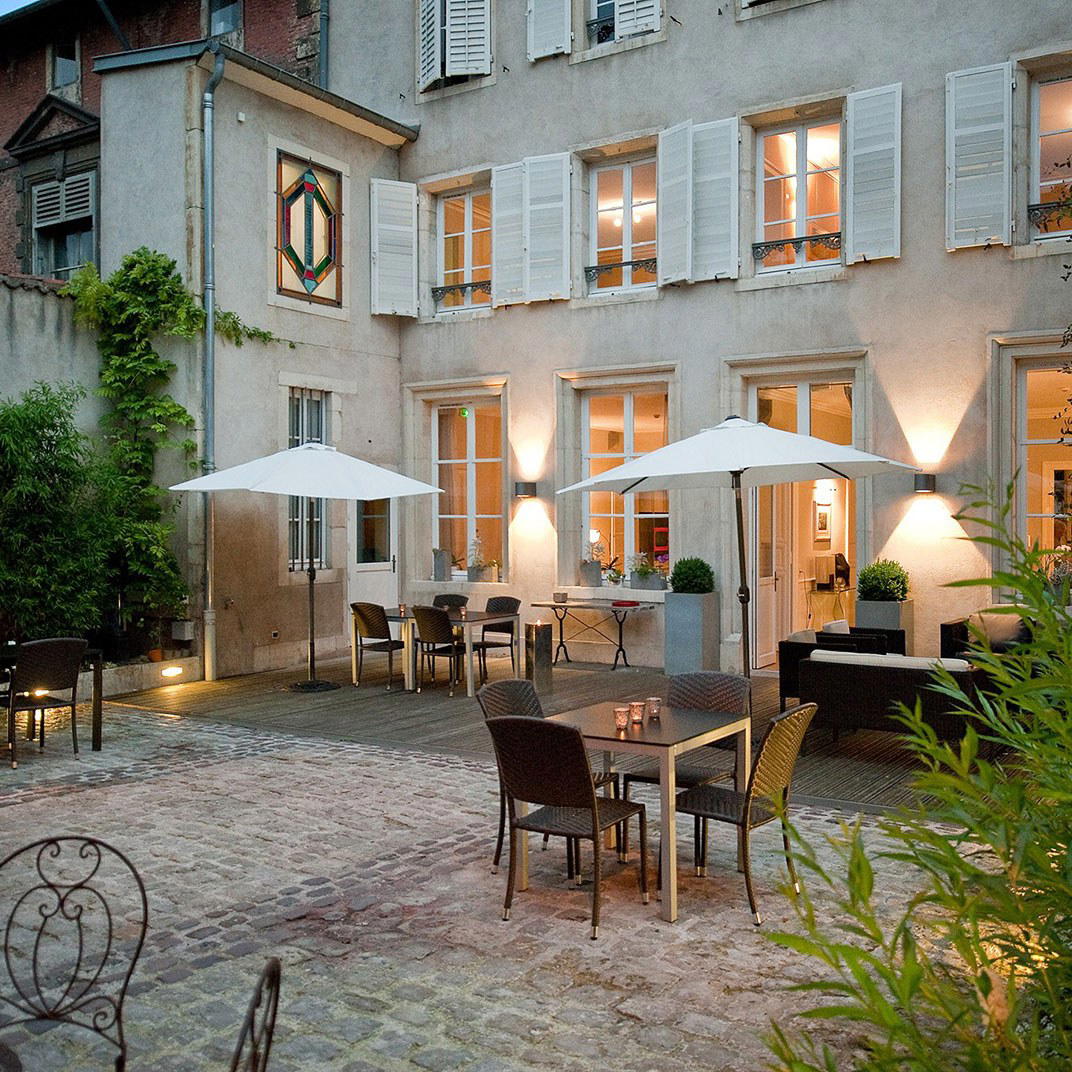
At a Glance
- Cozy
- Rustic
- Classic
- Date Night
- Special Occasion
- Historic Building
- Local Sourcing
Current opening hours
- Monday
- Closed
- Tuesday
- 12:15–1 PM
- Wednesday
- 12:15–1 PM, 7–8 PM
- Thursday
- 12:15–1 PM, 7–8 PM
- Friday
- 12:15–1 PM, 7–8 PM
- Saturday
- 12:15–1 PM, 7–8 PM
- Sunday
- 12:15–1 PM
Hours can change for holidays and private events. Last verified .
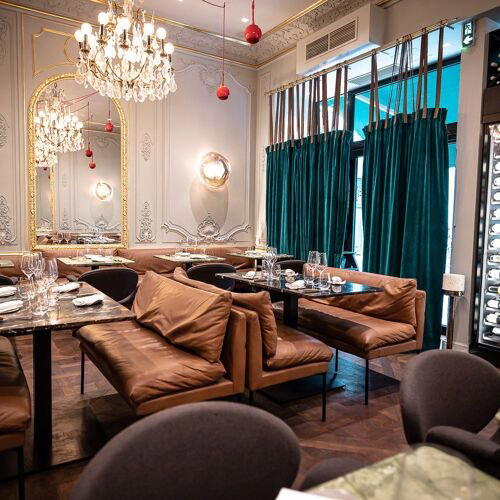
Ambiance chaleureuse et conviviale dans une ancienne auberge du 18ème siècle avec salle classique, parquet et boiseries réconfortantes.