
Michelin Plate
Our verdict
In the birthplace of Claude Lorrain, Le Chamagnon in Chamagne refines French country classics—like Hereford beef with house béarnaise and morels with sweetbreads—paired with a savvy, sommelier-led wine list in an intimate, fine-dining setting.

Pearl is the En Primeur Club membership app — saves, bookings, and concierge access live there. Same editors, same standards.
- Address
- 236 Rue Claude Gelée, 88130 Chamagne, France
- Phone
- +33 3 29 38 14 74
- Hours
- Mon ClosedTue–Wed 12–1:30 PMThu 12–1:30 PM, 7:30–9 PMFri–Sat 12–1:30 PM, 7:30–9:30 PMSun 12–1:30 PM
- Website
- restaurantlechamagnon.fr
- Directions
- Get directions
The menu
What to order
- Crème brûlée
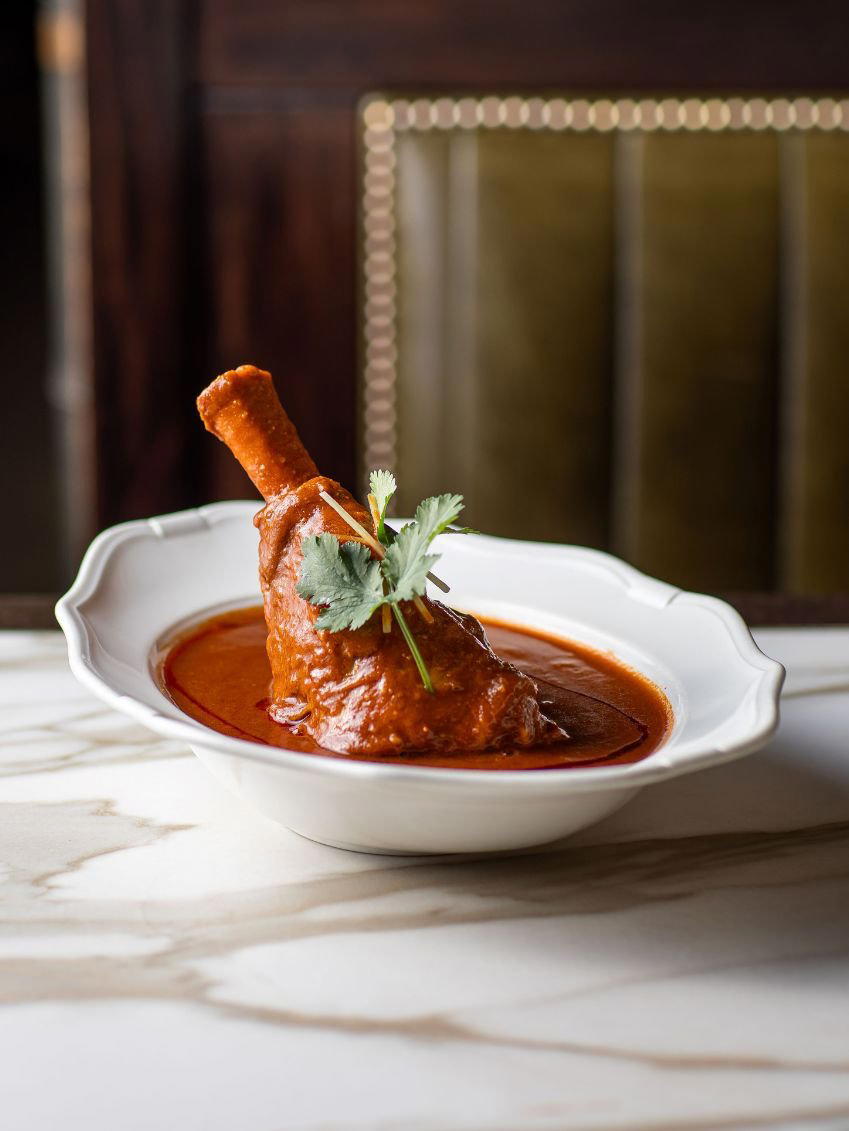
- Filet de bœuf Hereford
- Ris de veau aux morilles
Where Lorraine Cooking Finds Its Measure
The village of Chamagne sits quietly in the Vosges department of northeastern France, the kind of place most drivers pass through without registering. It is leading known, to those who know it at all, as the birthplace of Claude Lorrain, the seventeenth-century landscape painter whose light-drenched classical scenes hang in the Louvre and the National Gallery. That the village now has a bistro earning Michelin recognition is, in its own modest way, a similar kind of achievement: proof that serious cooking does not require a city address. For context on the wider dining scene in this part of France, see our full Chamagne restaurants guide.
The Sourcing Logic Behind a Simple Menu
French country cooking at this level stands or falls on where the produce comes from, and Le Chamagnon's 2025 Michelin Plate recognition signals that the kitchen is getting this right. The Michelin Plate, awarded to restaurants serving food of good quality, is not handed to bistros that coast on frozen stock. The beef here is Hereford, a breed whose credentials in European fine dining are well established: slower growth, better fat distribution, and a flavour profile that rewards careful sourcing rather than heavy seasoning. Serving it as a fillet with home-made béarnaise is a statement of confidence in the raw material, because béarnaise is a sauce that amplifies rather than masks what it accompanies.
The sweetbread and morel combination is a classic of Lorraine and broader northeastern French cooking, where the forests around the Vosges yield some of France's most prized wild fungi each spring. Morels are among the most technically demanding mushrooms to work with, requiring careful cleaning and precise heat to avoid bitterness, and their appearance on a menu at this price point (the restaurant sits in the €€ tier) says something about the kitchen's sourcing relationships and technical ambition. This is not a menu built around supermarket deliveries.
The inclusion of red tuna with contemporary seasonings alongside the more traditional dishes points to a kitchen that understands the difference between its core identity and a contemporary nod, rather than attempting a full reinvention. That balance, between regional tradition and a light modern touch, is where the most durable bistros in provincial France tend to operate. Compare this approach with the considerably more ambitious contemporary French cooking at venues like Alléno Paris au Pavillon Ledoyen in Paris or Mirazur in Menton, where the sourcing story is similarly central but deployed across a far more elaborate framework. Le Chamagnon operates with none of that ambition in terms of scale or complexity, and is more compelling for it.
The Wine List as Context
A Michelin-recognised bistro in northeastern France with a wine list described as savvy is worth pausing on. Lorraine sits between Champagne to the west and Alsace to the east, two of France's most distinctive wine regions, which means a thoughtful local buyer has access to excellent bottles at prices that do not yet reflect full international demand. The Vosges Gris and Auxerrois of nearby Alsace, the Pinot Noir of the Moselle, and the still wines of Champagne houses all sit within reach. A savvy list at this price tier most likely means regional depth rather than trophy bottles, which suits the cooking and the setting. For those who want to explore the broader wine picture around Chamagne, our full Chamagne wineries guide covers local producers in detail.
The French provinces contain a tier of Michelin-recognised bistros and auberges that rarely appear in international travel coverage but represent, for many serious eaters, the most rewarding dining France produces. The Auberge de l'Ill in Illhaeusern is the obvious regional three-star benchmark, and Au Crocodile in Strasbourg anchors the Alsatian city end of the spectrum. Le Chamagnon sits well below both in ambition and price, but it occupies a category that neither of those restaurants is trying to fill: the serious village bistro where the cooking is honest, the produce is traceable, and the experience does not require a reservation made months in advance or a bill that requires advance planning.
Comparable in spirit, if not in geography, are venues like Auberge Grand'Maison in Mûr-de-Bretagne and Auberge du Vieux Puits in Fontjoncouse, both Michelin-recognised restaurants in small French villages that have built reputations on sourcing discipline and regional identity rather than gastro-spectacle. The pattern across all of them is the same: location too small to sustain mediocrity, produce too good to waste on elaboration. At the more technically ambitious end of French regional cooking, Flocons de Sel in Megève and Bras in Laguiole show how far that regional identity logic can be stretched with sufficient resources and ambition.
What the Setting Actually Is
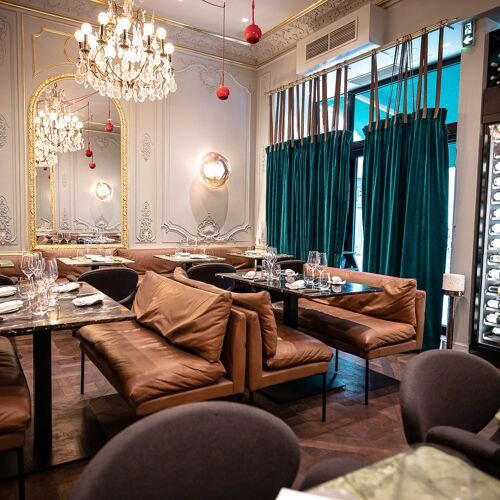
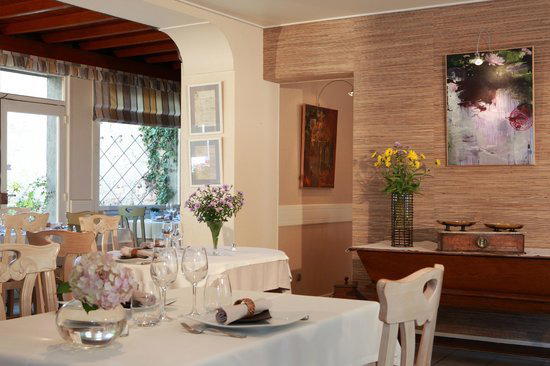
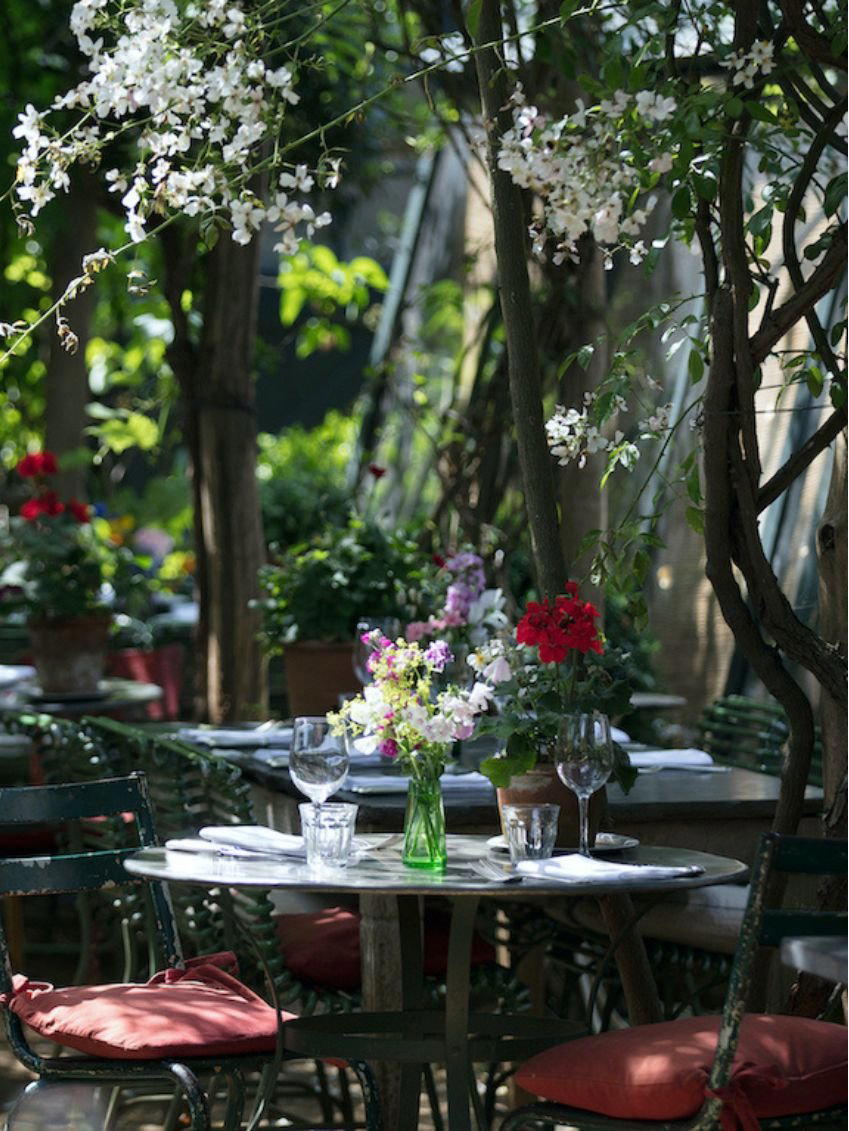
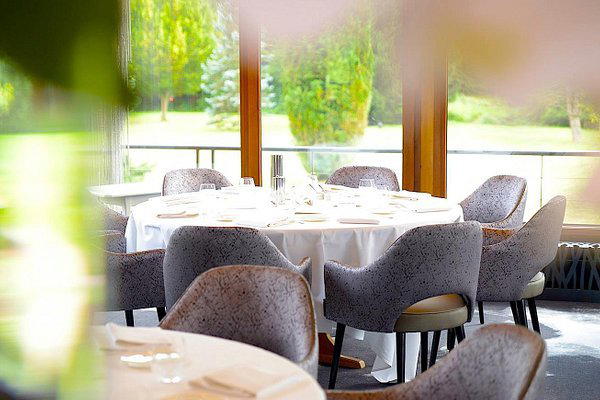
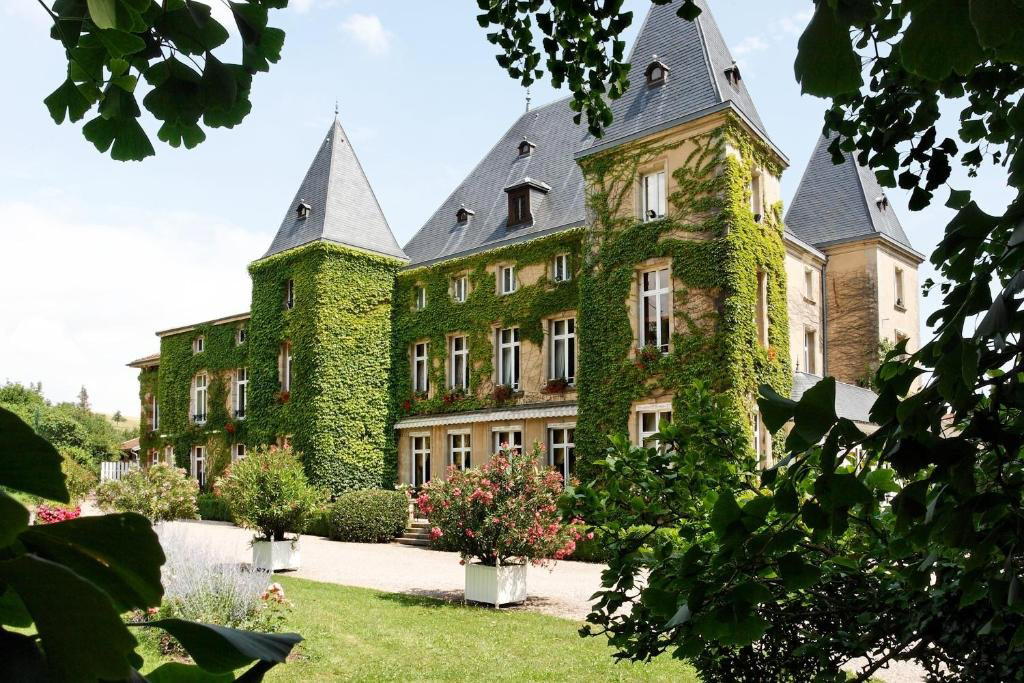
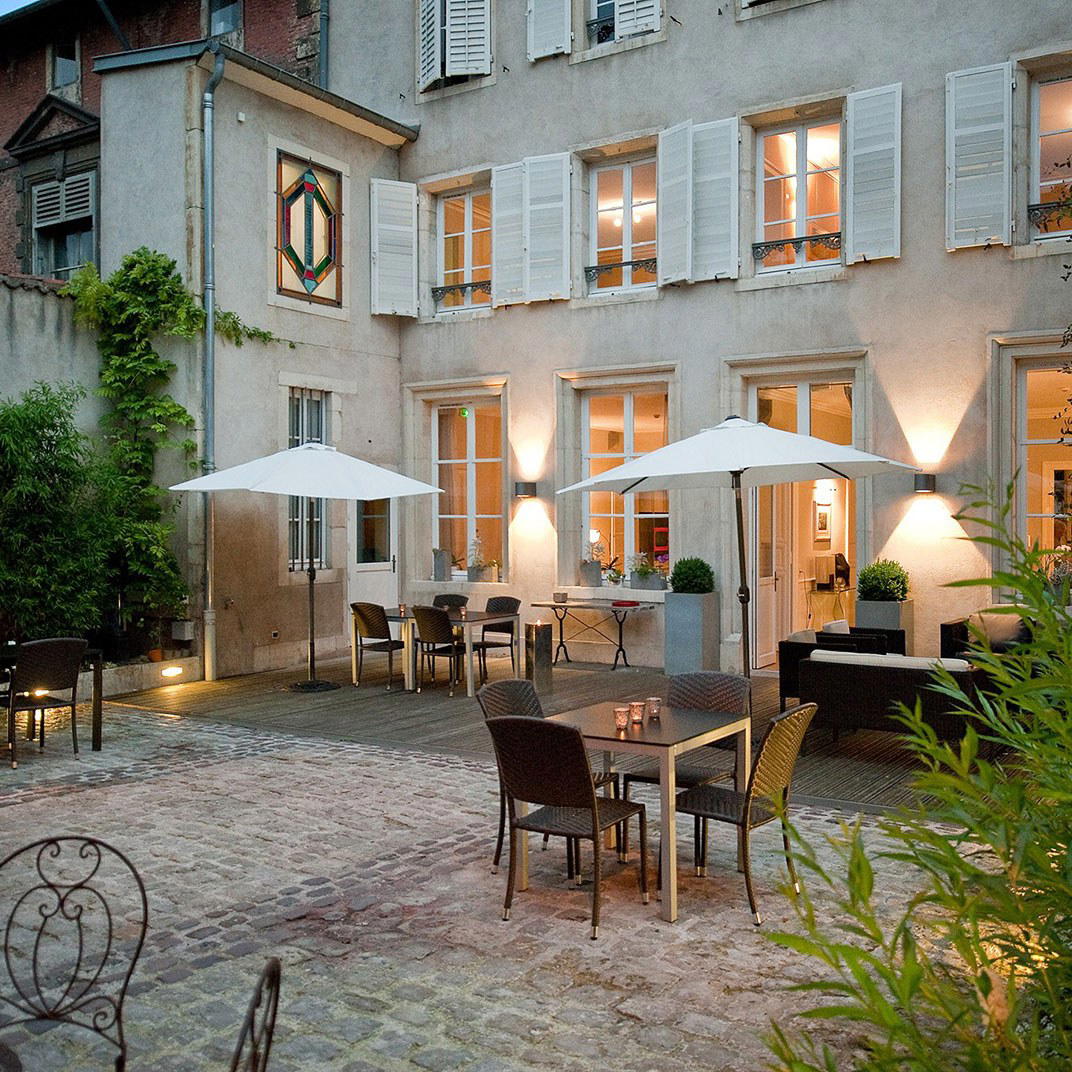
Chamagne is a village rather than a town, which means Le Chamagnon functions as a neighbourhood restaurant without a neighbourhood in the urban sense. The address on Rue Claude Gelée is named for the painter himself, and the bistro's self-description as a snug space confirms the scale: this is not a converted manor or a restaurant with a terrace facing a famous view, but a contained room where the cooking does the work. That format, the small French bistro in a historic rural setting, is one of the country's most durable dining archetypes, and one that depends more heavily than any other on the quality of what arrives from the supplier and what the kitchen does with it.
For those planning a day or overnight around Chamagne, the village sits in a part of Lorraine that sees relatively little dedicated tourism compared to the Alsatian wine route to the east or the Champagne region to the west. Accommodation options, bars, and other experiences in the area are covered in our full Chamagne hotels guide, our full Chamagne bars guide, and our full Chamagne experiences guide. The restaurant's address at 236 Rue Claude Gelée, 88130 Chamagne, is the practical anchor for any visit. Given the village setting, arriving by car is the realistic option for most visitors; the nearest larger town is Charmes, roughly four kilometres to the south.
Planning a Visit
Le Chamagnon sits at the €€ price point, which in the context of a Michelin Plate restaurant in rural France represents clear value against comparable recognised cooking in city locations. The crème brûlée described in Michelin's own notation is a useful reference: it is the kind of dish that exposes kitchen discipline immediately, and its appearance as a highlight indicates a kitchen that takes the fundamentals seriously.
For a broader read on where Le Chamagnon fits within the serious French cooking tradition, the full range from village bistro to three-star landmark is mapped in our coverage of Troisgros in Ouches, Paul Bocuse in Collonges-au-Mont-d'Or, AM par Alexandre Mazzia in Marseille, and Assiette Champenoise in Reims.
Frequently asked questions
Is Le Chamagnon good for families?
The bistro format and €€ price point make Le Chamagnon a practical choice for families who want a proper sit-down meal in rural Vosges without the formality of a higher-tier restaurant. The French country menu, which earned a 2025 Michelin Plate, leans on classic preparations that tend to work across generations. Chamagne is a quiet village, so the pace is relaxed rather than rushed.
What kind of setting is Le Chamagnon?
Le Chamagnon occupies a snug bistro space at 236 Rue Claude Gelée in Chamagne, a small village in the Vosges department of northeastern France. The village is best known as the birthplace of 17th-century painter Claude Lorrain, and the restaurant functions as the kind of neighbourhood anchor that rural French communes have always built their eating culture around. There is no urban dining-room grandeur here; the setting matches the cooking — grounded and specific to place.
Is Le Chamagnon Michelin-listed?
Le Chamagnon has received recognition including: Michelin Plate (2025); Located in the village where artist Claude Lorrain was born, this snug bistro serves bang-on French country cooking (a juicy fillet of Hereford beef and home-made béarnaise sauce, sweetbread with morels and a crème br….
What's the best thing to order at Le Chamagnon?
The 2025 Michelin Plate citation calls out a fillet of Hereford beef with home-made béarnaise, sweetbread with morels, and a crème brûlée as standout dishes, alongside red tuna with seasonings as a modern counterpoint. Those dishes represent the kitchen's range: classical Lorraine technique applied to quality sourced produce, with occasional contemporary detours. The wine list is noted as savvy, so pairing with the sommelier's suggestion is worth pursuing.
In Context: Similar Options
| Venue | Cuisine | Awards |
|---|---|---|
| Le ChamagnonThis venue — the venue you are viewing | Traditional French Bistro | Michelin Plate |
| Alléno Paris au Pavillon Ledoyen | Creative | Michelin 3 Star |
| Kei | Contemporary French, Modern Cuisine | Michelin 3 Star |
| L'Ambroisie | French, Classic Cuisine | Michelin 3 Star |
| Le Cinq - Four Seasons Hôtel George V | French, Modern Cuisine | Michelin 3 Star |
| Plénitude | Contemporary French | Michelin 3 Star |
Recognition history
Dated appearances from independent guides and award organizations, with the underlying list record or original source where available.
Michelin Plate
Michelin
Full recognition history (3 entries)
Michelin Plate
Michelin
Michelin Plate
Michelin
Le Chamagnon
The wine
- Wine program
- Curated wine list
- Extensive wine list
Details
- Cozy
- Rustic
- Elegant
- Intimate
- Date Night
- Family
- Special Occasion
- Terrace
- Extensive Wine List
- A La Carte
Current opening hours
- Monday
- Closed
- Tuesday
- 12–1:30 PM
- Wednesday
- 12–1:30 PM
- Thursday
- 12–1:30 PM, 7:30–9 PM
- Friday
- 12–1:30 PM, 7:30–9:30 PM
- Saturday
- 12–1:30 PM, 7:30–9:30 PM
- Sunday
- 12–1:30 PM
Hours can change for holidays and private events. Last verified .
Warm, refined, and cozy atmosphere with stone walls, red shutters, and a charming provincial inn feel.