La Mansarde sits on Rue de Lorraine in Golbey, a working town on the edge of the Vosges that rarely appears in France's fine-dining conversation. What the address lacks in prestige it compensates for in proximity to one of northeastern France's most distinctive larders: the forests, rivers, and farmland of the Lorraine plateau. For travelers willing to look beyond the region's more familiar dining circuit, La Mansarde is worth the detour.
Pearl is the En Primeur Club membership app — saves, bookings, and concierge access live there. Same editors, same standards.
- Address
- 87 Rue de Lorraine, 88190 Golbey, France
- Phone
- +33329399630
- Website
- lamansarde-epinal.com
- Directions
- Get directions
 Saves & bookings on Pearl
Lorraine's Overlooked Table: Why Golbey Belongs on the Map
France's northeastern dining circuit tends to draw attention toward Strasbourg and Alsace, where institutions like Au Crocodile anchor a well-documented culinary tradition, or further south toward Burgundy and the Loire. Lorraine sits in the gap, underwritten by guidebooks and underrepresented in the kind of editorial coverage that sends travelers out of their way. Golbey, a small industrial commune that borders Épinal, is not a name that appears in the same breath as, say, Mirazur in Menton or Flocons de Sel in Megève. But that comparative obscurity is precisely the argument for visiting. The restaurants that matter in towns like this one tend to matter more to their communities, drawing on local supply chains and regional identity in ways that destination restaurants, shaped partly by international expectation, sometimes cannot.
La Mansarde, at 87 Rue de Lorraine, occupies the kind of address that rewards visitors who read street-level rather than headline. The name itself, meaning a mansard-roofed attic space in French, signals a domestic register rather than a grand statement, which shapes the experience before you've read a menu.
The Lorraine Larder: What the Region Puts on the Plate
Northeastern France around Épinal and the Vosges carries a larder that is less celebrated than Alsace's, but no less specific. The Moselle and Moselle tributaries supply freshwater fish, particularly trout and pike, that have anchored the region's kitchen for centuries. The forests of the Vosges produce game in autumn, wild mushrooms through the shoulder seasons, and a foraging culture that predates the current trend by generations. Lorraine's farming plateau contributes dairy, pork, and the mirabelle plum, for which the region holds something close to a geographical monopoly in France, with the harvest concentrated around late August and September. Quiche Lorraine, however simplified and exported it has become globally, originates in a tradition of lard, egg, and cream that reflects the region's agricultural character rather than any aspiration toward lightness.
This is the supply context that frames any serious table in Golbey. Restaurants operating at this latitude, with access to Vosges producers, are working with materials that connect directly to place. The leading comparisons in terms of regional rootedness are not the grand Parisian addresses like Alléno Paris au Pavillon Ledoyen, where creative ambition operates at a remove from any single terroir, but rather the deeply place-specific houses: Bras in Laguiole, where the Aubrac plateau defines the sourcing logic, or Auberge de l'Ill in Illhaeusern, where Alsace's river culture shapes everything from the fish preparation to the wine list. La Mansarde operates at a different scale from those references, but the underlying principle, that geography should be legible in the cooking, is the relevant framework for understanding what Lorraine dining is and what it is not.
The Scene in Golbey: What to Expect Arriving
Golbey is not a restaurant district in any conventional sense. The commune functions as a residential and light-industrial extension of Épinal, and Rue de Lorraine reflects that character: practical, unadorned, without the café terraces or market squares that signal a French dining destination. Arriving at La Mansarde, you are not arriving at a stage set. The physical environment is closer to what France's regional restaurant culture has always largely been, local, functional, rooted in the rhythms of the surrounding town rather than performing for outside visitors.
That context is worth holding onto when making comparisons. The dining rooms that draw international press, from Paul Bocuse's Auberge du Pont de Collonges to Georges Blanc in Vonnas, built their reputations partly by making their towns into destinations. Most French regional restaurants work in the opposite direction: they exist for the town, and visitors are welcome additions rather than the primary audience. La Mansarde belongs to that second category, which affects everything from the pace of service to the pricing logic to the atmosphere in the room on a Tuesday evening.
Situating La Mansarde in the Broader French Regional Picture
France's regional restaurant tier has attracted renewed critical attention over the past decade, partly as a corrective to the Paris-centrism that dominated mid-twentieth-century food writing, and partly because the supply-chain transparency movement has made proximity to source materials a genuine point of distinction. Houses like Troisgros in Ouches and Auberge du Vieux Puits in Fontjoncouse demonstrate that cooking outside Paris, even in towns without obvious tourist infrastructure, can define rather than follow national culinary conversation. Neither of those examples maps directly onto Golbey's situation, but they represent the broader argument that geography and sourcing relationships can substitute for metropolitan address when the cooking is serious enough.
At the other end of the spectrum, the ambition of a Assiette Champenoise in Reims or the coastal specificity of Christopher Coutanceau in La Rochelle shows what happens when a regional address builds genuine competitive identity. For travelers who have already worked through the marquee addresses, from L'Oustau de Baumanière in Les Baux to La Marine in Noirmoutier, a table in Golbey represents a different kind of proposition: less curated, more contingent on the moment, and connected to a region that rewards the effort of getting there.
Planning a Visit: What to Know Before You Go
Golbey is accessible from Épinal, which sits roughly midway between Nancy to the north and Belfort to the south on the A31 and N57 corridor. Travelers approaching from Strasbourg, the region's main international rail hub, should allow approximately ninety minutes by road. For the broader Golbey dining context, see our full Golbey restaurants guide. Those cross-referencing the international caliber of French technique might also look at AM par Alexandre Mazzia in Marseille or, outside France, at Le Bernardin in New York City and Atomix in New York City as calibration points for what serious regional cooking looks like against a global reference frame.
How La Mansarde Golbey compares with similar nearby venues.
| Venue | Cuisine | Price |
|---|---|---|
| Les Ducs de Lorraine | Modern Cuisine | €€€€ |
| Maison Grandclaude | Modern Cuisine | €€ |
| Le Chamagnon | Traditional Cuisine | €€ |
At a Glance
- Cozy
- Date Night
- Family
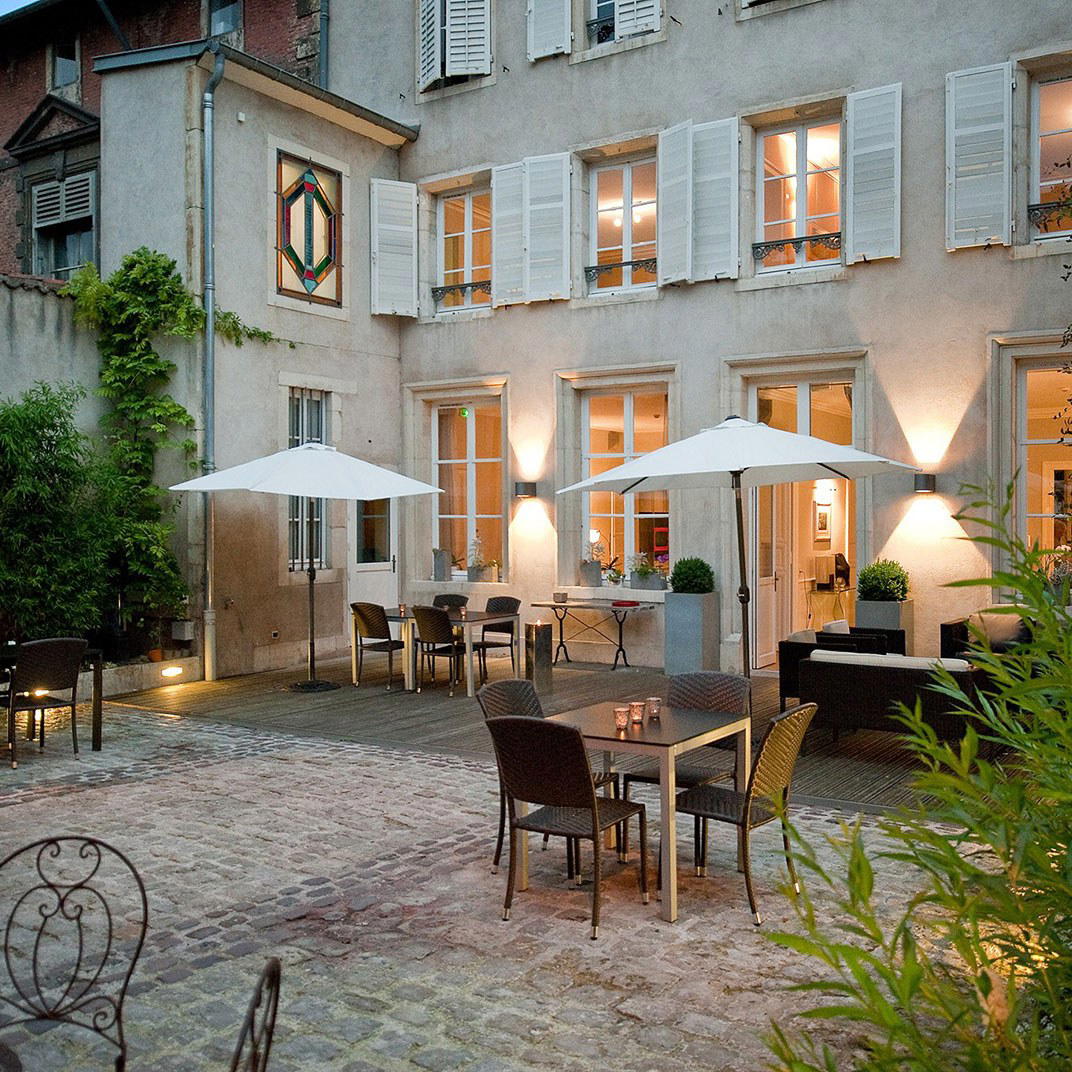
- Terrace
Current opening hours
- Monday
- 12–2 PM, 6:45–8:30 PM
- Tuesday
- 12–2 PM, 6:45–8:30 PM
- Wednesday
- 12–2 PM, 6:45–8:30 PM
- Thursday
- 12–2 PM, 6:45–8:30 PM
- Friday
- 12–2 PM, 6:45–9 PM
- Saturday
- 7–9 PM
- Sunday
- Closed
Hours can change for holidays and private events. Last verified .
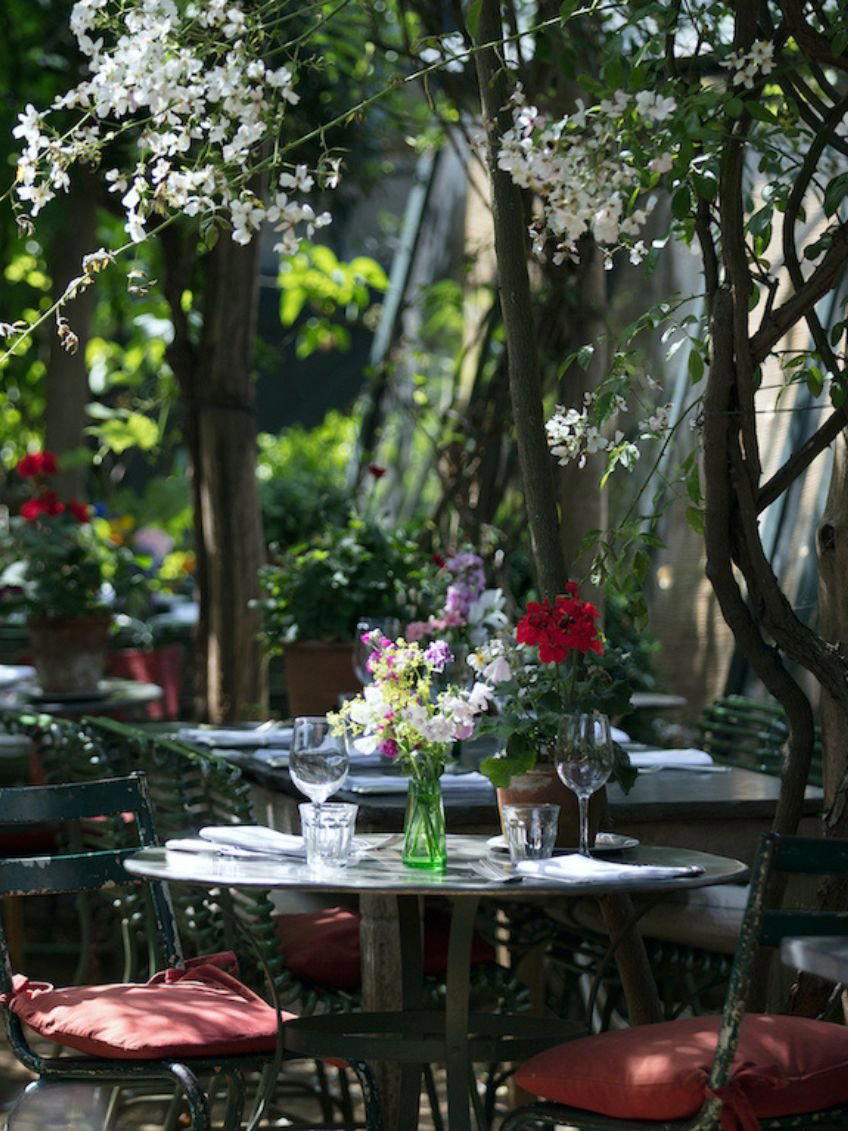
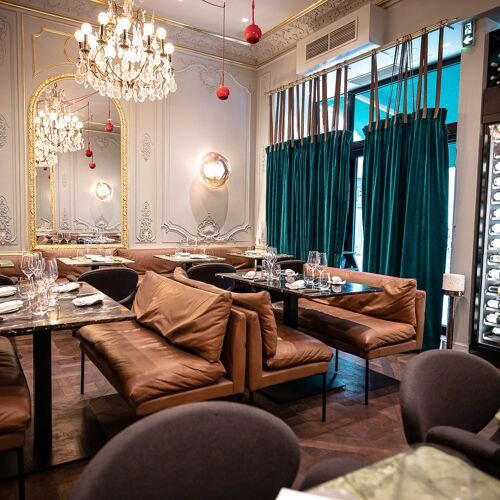
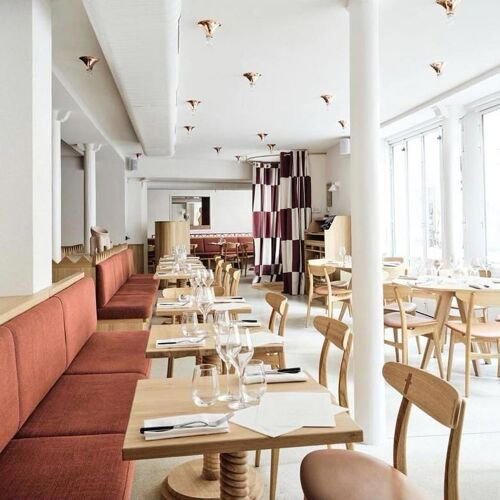
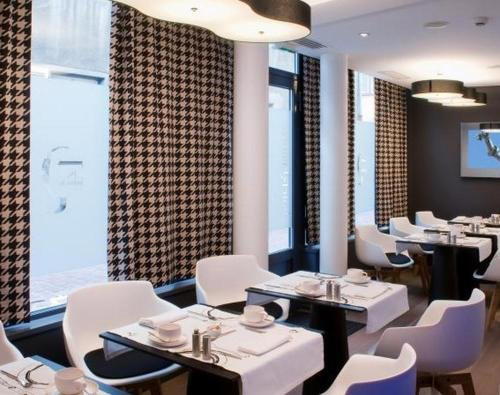
Warm atmosphere with a working fireplace, spacious rooms, pleasant setting, and table service.