La maison des crêpes
Our verdict
In Rivesaltes, where the Roussillon plain stretches toward the Mediterranean and the vineyards of Muscat de Rivesaltes frame almost every horizon, La maison des crêpes offers a focused crêperie format in a town better known for its fortified wines than its dining scene. The crêpe tradition here operates at the casual, neighbourhood end of the French dining spectrum, making it a practical and accessible option for visitors exploring the region.

Pearl is the En Primeur Club membership app — saves, bookings, and concierge access live there. Same editors, same standards.
- Address
- Rue Marc Allégret, 66600 Rivesaltes, France
- Phone
- +33982777650
- Hours
- Mon ClosedTue–Fri 12–2:30 PM, 7–10 PMSat 12–10:30 PMSun 12–6 PM
- Website
- facebook.com
- Directions
- Get directions
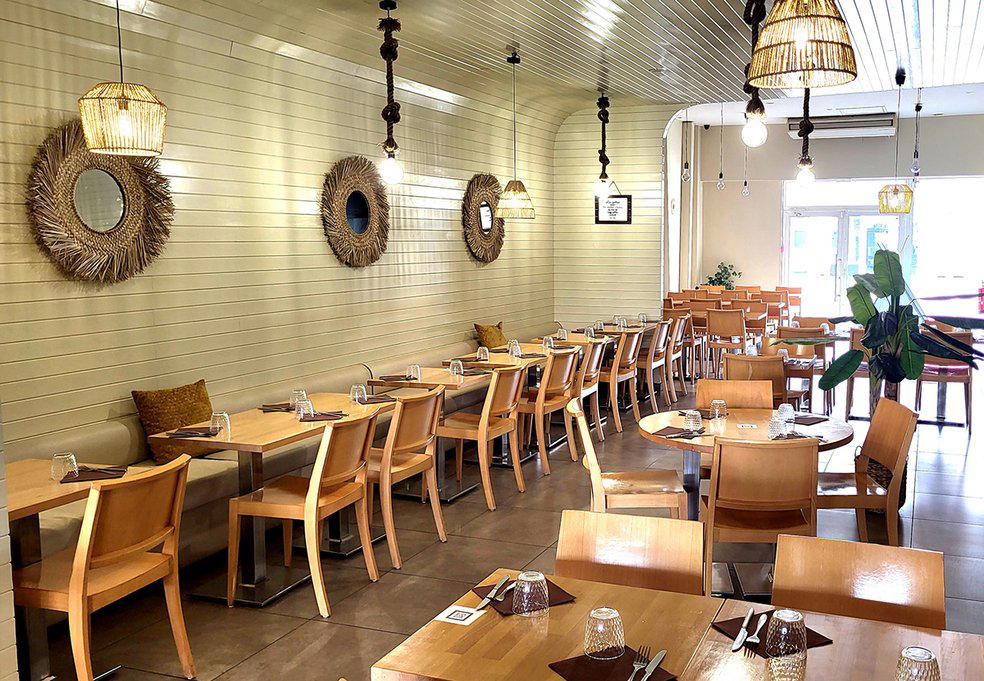
Crêpes in Wine Country: What Rivesaltes Actually Eats
Rivesaltes sits in the Roussillon, a corner of southern France where the Mediterranean light is hard and bright, the tramontane wind comes in cold off the Pyrenees, and the main cultural currency for most of the twentieth century was fortified wine. The appellation — Muscat de Rivesaltes and the broader Rivesaltes AOC — defined the town's identity for generations. Dining, by contrast, has always operated in the background here, with the town functioning more as a wine-country stopover than a gastronomic destination in its own right. For frame of reference, the restaurants drawing serious attention from the French fine-dining circuit operate hours away: Mirazur in Menton, Auberge du Vieux Puits in Fontjoncouse, or AM par Alexandre Mazzia in Marseille. Rivesaltes itself operates at a different register entirely.
That context matters when placing La maison des crêpes on Rue Marc Allégret. The crêperie format in France occupies a distinct and democratic tier of the dining culture: accessible in price, informal in setting, and historically rooted in a tradition that travels well far beyond its Breton origins. In a small Roussillon town, a crêperie serves a specific and practical function, a place where residents and passing visitors eat without ceremony or significant expense.
The Crêpe Tradition and Where Ingredients Come From
The French crêpe, in its most honest form, is an argument for simplicity of sourcing. The galette, made from buckwheat flour, requires very little to work well: good milling, clean water, and eggs that have some quality behind them. The wheat-flour crêpe demands even less intervention. What distinguishes a crêperie that takes its format seriously from one that doesn't is typically the sourcing of the filling components, the ham, the cheese, the eggs, the seasonal produce that goes inside, rather than any technical complexity in the batter itself.
In the Roussillon context, that sourcing question has some interesting regional answers. The area sits between Catalonia and Languedoc, with access to producers on both sides of a cultural and agricultural borderland. Catalan charcuterie traditions are strong here, the region's proximity to Spain means cured meats and aged cheeses appear in local markets with a distinctly Iberian character. Whether a Rivesaltes crêperie draws on those regional materials or uses more standardised supply-chain produce is the central question of quality for a format like this one, and it's a question worth asking when you arrive.
Across France, the crêperie tradition has evolved considerably from its origins as a Breton export. In major cities and at better-regarded regional addresses, the shift has been toward tracing ingredients with the same rigour that fine-dining kitchens have applied for two decades. Buckwheat sourced from named mills, eggs from identified farms, cheese from AOC-protected producers, these distinctions now separate the serious crêperies from the generic ones. That evolution is documented in Brittany's own premium addresses and has spread gradually into southern France as the format gains broader respect.
Rivesaltes and Its Dining Context
For visitors arriving in Rivesaltes primarily for the wine, and most serious visitors do arrive for that reason, the dining picture is relatively thin compared to larger Languedoc-Roussillon towns. Perpignan, roughly twelve kilometres to the south, offers a more developed restaurant scene with greater variety across price points and formats. Within Rivesaltes itself, options are limited, and the town's culinary infrastructure reflects its size and its wine-first identity.
La maison des crêpes sits within that limited local context. The nearby La Table d'Aimé represents the more formal end of the local dining offer, operating with a modern cuisine approach. A crêperie operates at the opposite end: lower formality, broader appeal, and a format that suits families, solo visitors, and quick lunches between wine cave visits. For anyone building a full picture of eating and drinking in the area, our full Rivesaltes restaurants guide maps the local options more completely.
The contrast with the landmark tables of French cuisine is worth naming directly. At institutions like Alléno Paris au Pavillon Ledoyen, Flocons de Sel in Megève, or Troisgros in Ouches, the sourcing conversation happens at the level of individual producers named on the menu and relationships built over decades. At Bras in Laguiole, the Aubrac plateau itself becomes an ingredient. At Paul Bocuse in Collonges-au-Mont-d'Or, the sourcing is inseparable from the institutional history. A neighbourhood crêperie in a small Roussillon town operates in an entirely different category, and the comparison only clarifies what each format is actually for.
France's broader regional dining offer is distributed unevenly. Alsace has its own deeply entrenched restaurant culture, Au Crocodile in Strasbourg and Auberge de l'Ill in Illhaeusern are expressions of a region that takes dining as seriously as it takes wine. The Champagne region has Assiette Champenoise in Reims. The Atlantic coast has Christopher Coutanceau in La Rochelle. The Roussillon's contribution to that national map is its wine rather than its restaurants, and Rivesaltes in particular reflects that hierarchy clearly.
Planning a Visit
La maison des crêpes is located on Rue Marc Allégret in central Rivesaltes, within walking distance of the town's main streets. The format suits a casual lunch or light dinner rather than a planned destination meal. Rivesaltes is accessible by road from Perpignan in under fifteen minutes, and the town's proximity to the autoroute makes it a natural stop on a broader Roussillon itinerary. Pairing a visit with a tasting at one of the local Muscat de Rivesaltes producers gives the stop more weight as part of a day in the region.
Frequently asked questions
Would La maison des crêpes be comfortable with kids?
Crêperies are among the more child-friendly formats in French casual dining, and La Maison des Crêpes on Rue Marc Allégret sits in central Rivesaltes, walkable and without the formality of a full-service restaurant. The crêpe format — familiar, quick to arrive, and easily customised — tends to suit younger diners well.
Is La maison des crêpes better for a quiet night or a lively one?
Rivesaltes is a small town in the Roussillon, not a destination with an active late-night scene, and a crêperie on Rue Marc Allégret fits that register accordingly. Expect a relaxed, neighbourhood pace rather than a buzzy dining room. It suits an unhurried meal after a day in the vineyards rather than a celebratory evening out.
Is La Maison des Crêpes a good option for visitors who are primarily in Rivesaltes for the wine?
Rivesaltes draws most of its serious visitors for the fortified wines of the appellation, and the town's dining offer is modest in scope. La Maison des Crêpes on Rue Marc Allégret provides a practical, central option for a casual meal between cellar visits, without requiring a reservation at a more formal restaurant. It occupies a straightforward niche in a town where sit-down dining choices are limited.
What should I eat at La maison des crêpes?
In Roussillon, local honey, chestnuts, and fruit all appear as natural companions to the format. Asking staff for the day's options is the most reliable approach.
Where do I go for La maison des crêpes?
La maison des crêpes is located at Rue Marc Allégret, 66600 Rivesaltes, France, Rivesaltes.
A Quick Peer Check
Comparable venues nearby, for context on price, style, and recognition.
| Venue | Cuisine | Price | Awards | Notes |
|---|---|---|---|---|
| La maison des crêpesThis venue — the venue you are viewing | French Crêperie | Not listed | Not listed | Not listed |
| La Table d'Aimé | Organic Catalan Mediterranean | $30–50 | Michelin Plate | Rivesaltes |
| Auberge du Vigneron | Traditional French with Catalan Influences | $20–30 | Not listed | Cucugnan |
| L’aventure | French Mountain Grill | $30–50 | Not listed | Oz en Oisans |
| L'Abrazia | French Grillades & Rôtisserie | Not listed | Not listed | Argelès-sur-Mer |
| Maison Bebelle | French Grill - Market-Fresh Meat & Frites | $20–30 | Not listed | Les Halles (Narbonne Market) |
Continue exploring
More in Rivesaltes
Restaurants in Rivesaltes
Browse all →
Bars in Rivesaltes
Browse all →
Hotels in Rivesaltes
Browse all →
Details
- Cozy
- Rustic
- Family
- Casual Hangout
- A La Carte
Current opening hours
- Monday
- Closed
- Tuesday
- 12–2:30 PM, 7–10 PM
- Wednesday
- 12–2:30 PM, 7–10 PM
- Thursday
- 12–2:30 PM, 7–10 PM
- Friday
- 12–2:30 PM, 7–10 PM
- Saturday
- 12–10:30 PM
- Sunday
- 12–6 PM
Hours can change for holidays and private events. Last verified .
Chaleureux et convivial warm and friendly atmosphere.