Our verdict
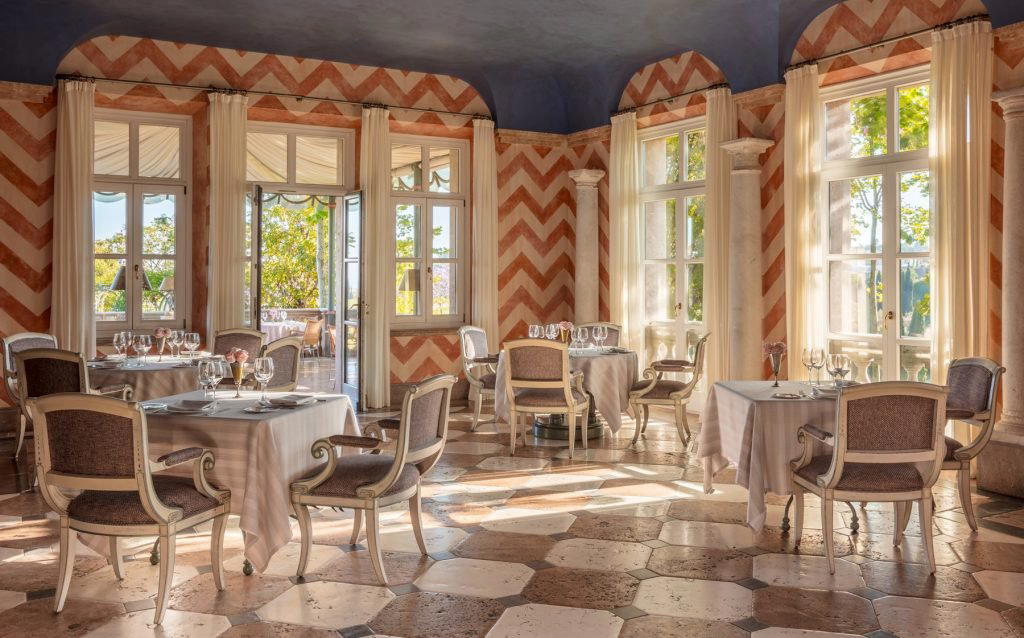
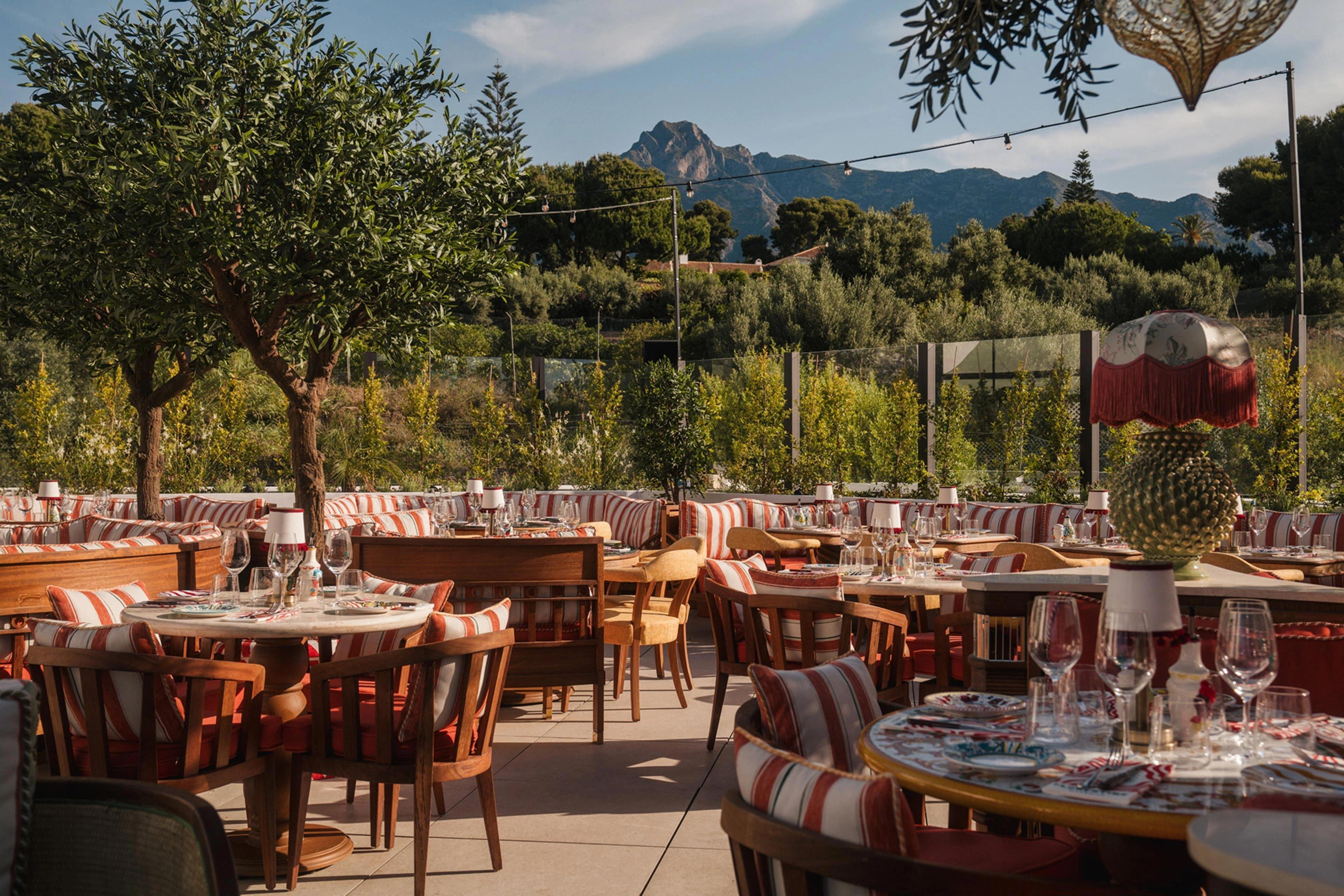
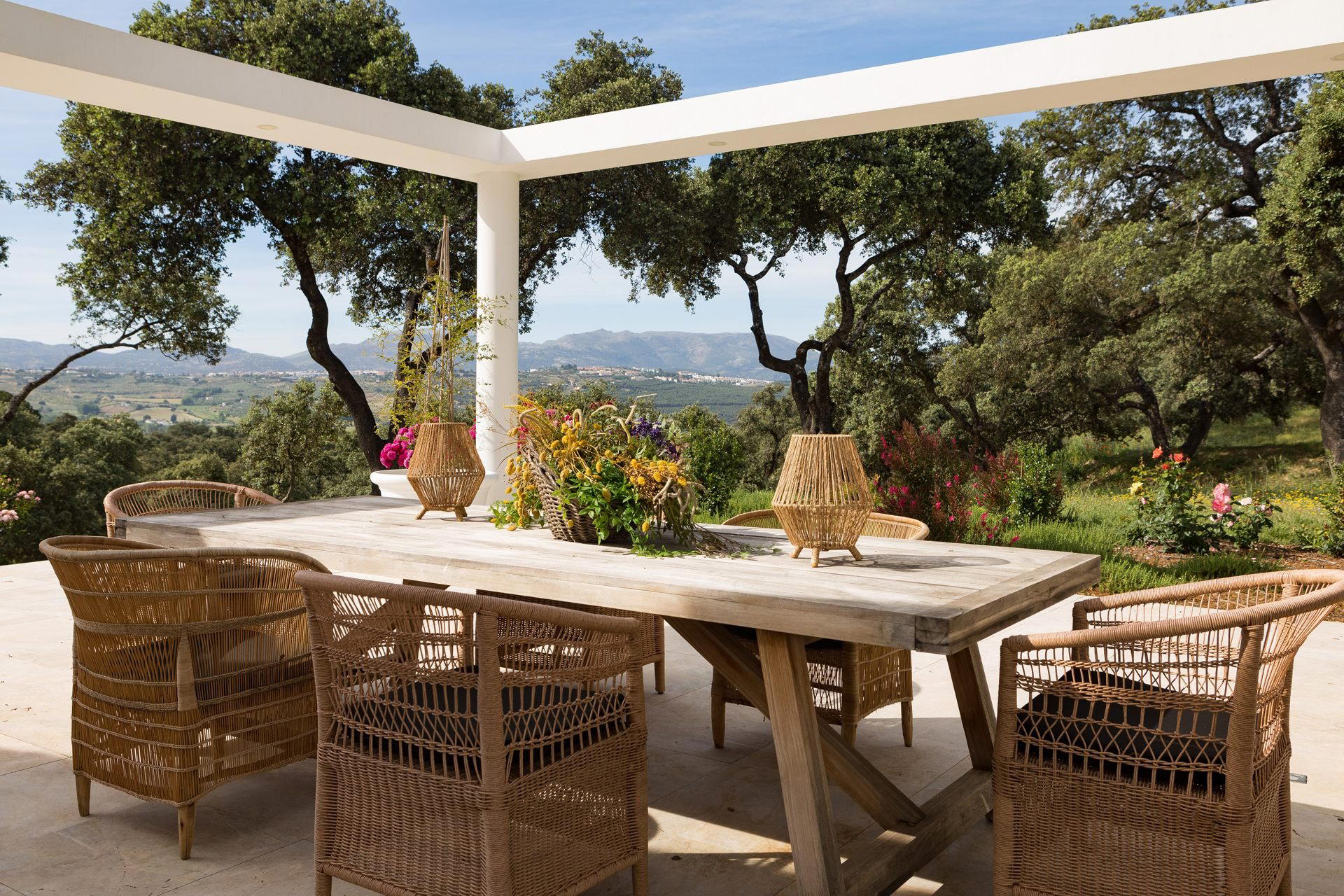
La Loggia serves Mediterranean Italian with Local Malaga Specialties at Anantara in Benahavis, with terrace seating, panoramic views, and a leisurely pace for breakfast or lunch.

Pearl is the En Primeur Club membership app — saves, bookings, and concierge access live there. Same editors, same standards.
- Address
- Carretera de Cádiz, Km 166, 29679 Marbella, Málaga, Spain
- Phone
- +34952889150
- Hours
- Mon–Tue 7 AM–11 PMWed–Sun 7 AM–4:30 PM
- Website
- anantara.com
- Directions
- Get directions
- Booking
- Book on SevenRooms
The menu
What to order
- Custom market salad
- Custom market plate
- Vegan omelette
Where the Costa del Sol Meets the Mountains
The road that climbs from Marbella toward Benahavis passes through a landscape shift that most visitors miss entirely. Within a few kilometres, the coastal sprawl gives way to cork oak scrubland and whitewashed village architecture, and it is in this corridor, where Andalusia's mountain and coastal identities press against each other, that La Loggia sits. The address on the Carretera de Cádiz, Km 166 places it physically between two worlds, which is exactly the kind of in-between position that shapes a kitchen's pantry more than any chef's stated philosophy.
Benahavis itself operates at a remove from the resort economy it borders. The village has long drawn a dining crowd willing to leave the seafront behind, and that willingness has historically supported a restaurant culture with more permanence than the seasonal turnover common along the Costa del Sol proper. La Loggia exists within that tradition: a venue whose location already signals a certain intentionality on the part of anyone who arrives there.
The Question of Sourcing in Southern Andalusia
Southern Andalusia sits at one of Europe's most productive culinary intersections. The Atlantic fisheries accessible via Tarifa and Barbate supply the same waters that feed Aponiente in El Puerto de Santa María, where Ángel León has built a three-Michelin-star program almost entirely around marine ingredients most kitchens ignore. That coastline is roughly 150 kilometres from Benahavis. To the north, the Ronda highlands produce jamón ibérico and mountain herbs. The Axarquía comarca to the east grows subtropical fruit. Any kitchen operating in this region that takes sourcing seriously has an unusually wide palette to draw from, and the tension between mountain and sea, between the austere and the abundant, is what defines Andalusian cooking at its most coherent.
This is the context that matters for understanding what La Loggia represents within the Benahavis dining scene. Spain's most recognized restaurants, from El Celler de Can Roca in Girona to Mugaritz in Errenteria, have each built their identities around a specific regional larder. The most compelling tables in the south are doing something comparable, working with the produce that this particular geography generates rather than importing a generic fine-dining vocabulary from elsewhere. Our full Benahavis restaurants guide covers how this sourcing dynamic plays out across the village's dining options.
Setting and Approach
The name La Loggia refers to an architectural form: the open gallery or arcade, typically at the edge of a building, designed to frame a view while offering shelter. As a dining environment concept, it implies a relationship between interior and exterior that is never quite resolved, which is apt for a restaurant in this corridor. The physical setting, at the edge of where Marbella's municipality meets the mountains, performs a similar function. The view, the light, and the temperature differential between noon and evening all inform the experience in ways that a strictly urban room cannot replicate.
Mediterranean restaurants that occupy positions like this one tend to develop an identity around that setting, letting the time of day and the angle of light do some of the work that elaborate décor achieves in city-centre dining rooms. The question of whether a kitchen matches that atmosphere in ambition is what separates venues that trade on their views from those that earn their position in a regional dining conversation.
Benahavis in the Spanish Fine Dining Map
Spain's highest-profile kitchens are concentrated well to the north and east of Andalusia. The Basque Country alone holds a disproportionate share of the country's Michelin stars, with Arzak in San Sebastián, Azurmendi in Larrabetzu, and Martin Berasategui in Lasarte-Oria representing a cluster of culinary investment that Andalusia has not historically matched in terms of formal recognition. Further afield, DiverXO in Madrid and Cocina Hermanos Torres in Barcelona represent the urban end of Spain's progressive dining spectrum.
Andalusia's most internationally recognized presence at this tier is Noor in Córdoba, which has built a program around pre-Columbian Andalusian culinary history. That conceptual anchoring, rooted in a specific geographic and historical identity, is what tends to give southern Spanish restaurants traction in a critical conversation dominated by northern Spanish institutions. The Costa del Sol and its surrounds, despite the density of wealthy visitors and the quality of local produce, have not produced a comparable critical landmark. Benahavis sits in that gap, between a region with exceptional raw material and a dining culture that has not yet fully articulated what it can do with it.
Comparable trajectories elsewhere in Spain are instructive. Quique Dacosta in Dénia turned a coastal town into a destination by insisting on the specific character of the Valencian coast. Casa Marcial in Arriondas did something similar in rural Asturias. Cenador de Amós in Villaverde de Pontones operates from a village setting not unlike Benahavis, demonstrating that geographic remove from urban centres does not preclude serious culinary positioning. Even at the international level, Le Bernardin in New York City and Atomix in New York City have shown that a clear sourcing or cultural thesis, rigorously applied, is what converts a restaurant into a reference point rather than simply a pleasant address.
Planning a Visit
La Loggia's address on the Carretera de Cádiz places it within reach of both Marbella and Benahavis village, accessible by car in under fifteen minutes from either direction. The mountain road context means an evening visit warrants planning for the return, particularly if you are staying on the coast. Lunch, which in Andalusia typically runs from 2pm to 4pm, is the session well suited to the setting, when the light across the hills is at its most useful as a dining companion. Asador Etxebarri in Atxondo and Atrio in Cáceres are two Spanish references that similarly reward advance planning for the journey as much as the meal. Ricard Camarena in València offers a useful comparison point for the kind of produce-focused southern Spanish cooking that this region is capable of producing at its most disciplined.
Frequently asked questions
Is La Loggia okay with children?
La Loggia's address on the Carretera de Cádiz outside Benahavis village suggests a destination setting rather than a casual drop-in. The architectural character of the space — framed around a loggia concept — leans toward a considered dining occasion. Families should check the venue's official channels to confirm suitability before visiting with young children.
What's the overall feel of La Loggia?
The name references the loggia, an open architectural gallery designed to frame an exterior view while remaining sheltered. That structural idea shapes the atmosphere: the setting mediates between the mountain terrain above Benahavis and a composed dining interior. It reads as a place where the surroundings are as deliberate as what arrives at the table.
How far is La Loggia from Marbella, and is it accessible without a car?
La Loggia's address on the Carretera de Cádiz, Km 166, places it on the road connecting Marbella with Benahavis village — a route covered in under fifteen minutes by car from central Marbella. Public transport on this stretch is limited, making a private vehicle or taxi the practical option for most visitors arriving from the Costa del Sol.
What's the signature dish at La Loggia?
What the location points to is a kitchen in reach of both Atlantic seafood via the Tarifa and Barbate fisheries and the mountain produce of the Serranía de Ronda. Any signature is likely shaped by that dual sourcing access rather than a single fixed preparation.
How do I find La Loggia?
La Loggia is located at Carretera de Cádiz, Km 166, 29679 Marbella, Málaga, Spain, Benahavis.
Do I need a reservation for La Loggia?
La Loggia sits on the Carretera de Cádiz between Marbella and Benahavis, a corridor with a concentration of destination restaurants drawing visitors from across the Costa del Sol. For that reason, booking ahead is advisable, particularly during the summer season when the region operates at peak capacity. Contact details are best sourced directly through current listings.
What's the defining dish or idea at La Loggia?
The defining idea at La Loggia appears to be one of position — geographic and architectural. Placed where the coastal plain gives way to the Benahavis hills, and named after a form of architecture built to frame views, the venue foregrounds context as much as cooking. Southern Andalusia's produce network, running from Atlantic fishing ports to inland mountain suppliers, gives any kitchen here a sourcing range few regions in Spain can match.
How It Stacks Up
Comparable venues nearby, for context on price, style, and recognition.
| Venue | Cuisine | Price | Notes |
|---|---|---|---|
| La LoggiaThis venue — the venue you are viewing | Mediterranean Italian with Local Malaga Specialties | $50–100 | Not listed |
| Restaurante Tánicos | Mediterranean Fine Dining | $50–100 | Fuengirola |
| Sobretaula | Authentic Spanish Tapas | Not listed | Punta Negra |
| La Cozzeria | Authentic Italian with Mediterranean Seafood | $30–50 | Paseo Marítimo (Beach Promenade) |
| El Higuerón | Traditional Mediterranean with Spanish influences | $50–100 | Fuengirola |
| Aleño Brassafina | Modern Spanish grill & charcuterie | $50–100 | Pozuelo de Alarcón |
Continue exploring
More in Benahavis
Restaurants in Benahavis
Browse all →
Bars in Benahavis
Browse all →
Hotels in Benahavis
Browse all →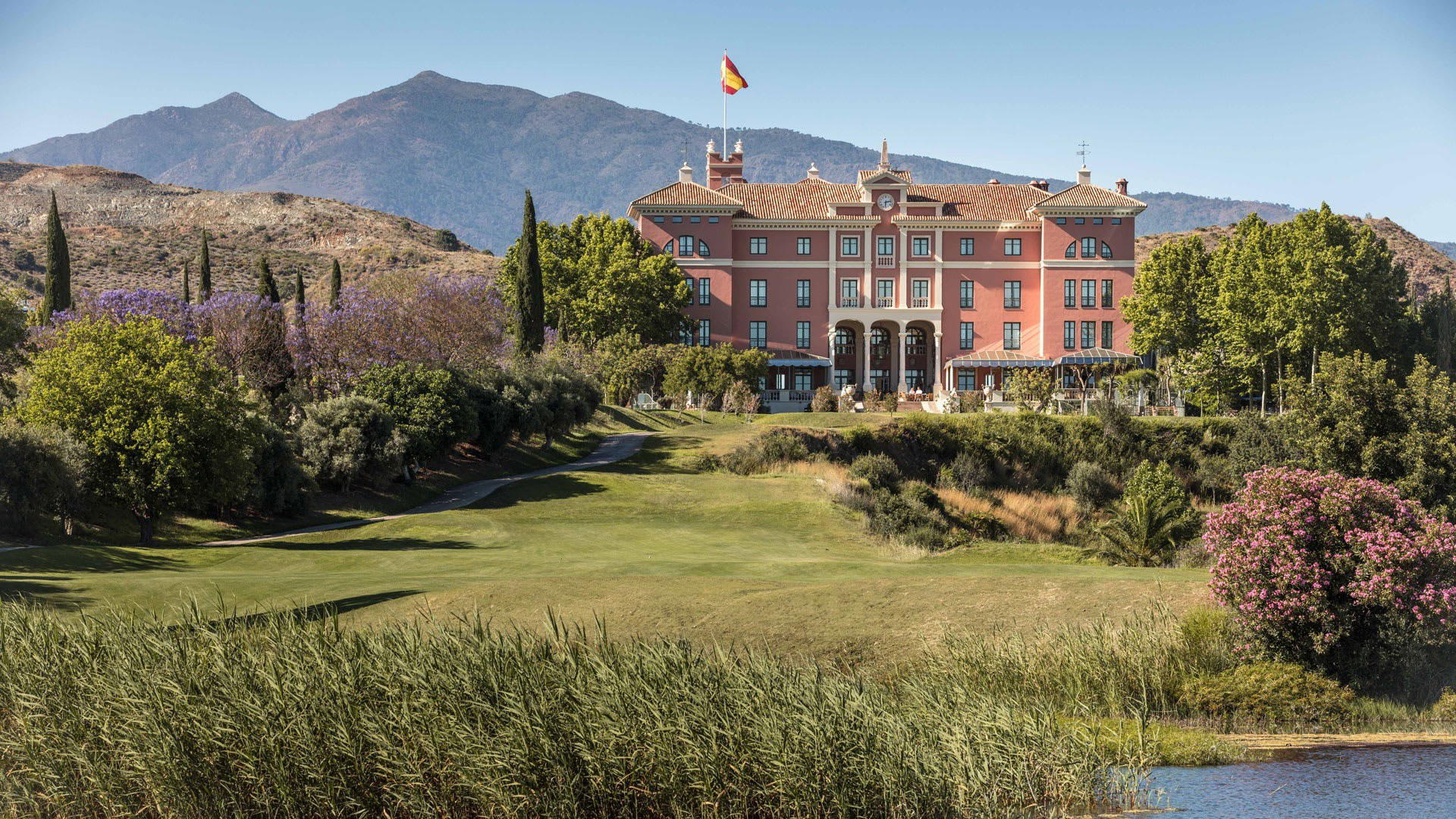
Wineries in Benahavis
Browse all →
Details
- Scenic
- Elegant
- Romantic
- Date Night
- Family
- Celebration
- Terrace
- Panoramic View
- Hotel Restaurant
- Garden
- Open Kitchen
- Local Sourcing
- Farm To Table
- A La Carte
- Family Style
- Vegetarian Friendly
- Vegan Options
- Gluten Free Options
Current opening hours
- Monday
- 7 AM–11 PM
- Tuesday
- 7 AM–11 PM
- Wednesday
- 7 AM–4:30 PM
- Thursday
- 7 AM–4:30 PM
- Friday
- 7 AM–4:30 PM
- Saturday
- 7 AM–4:30 PM
- Sunday
- 7 AM–4:30 PM
Hours can change for holidays and private events. Last verified .
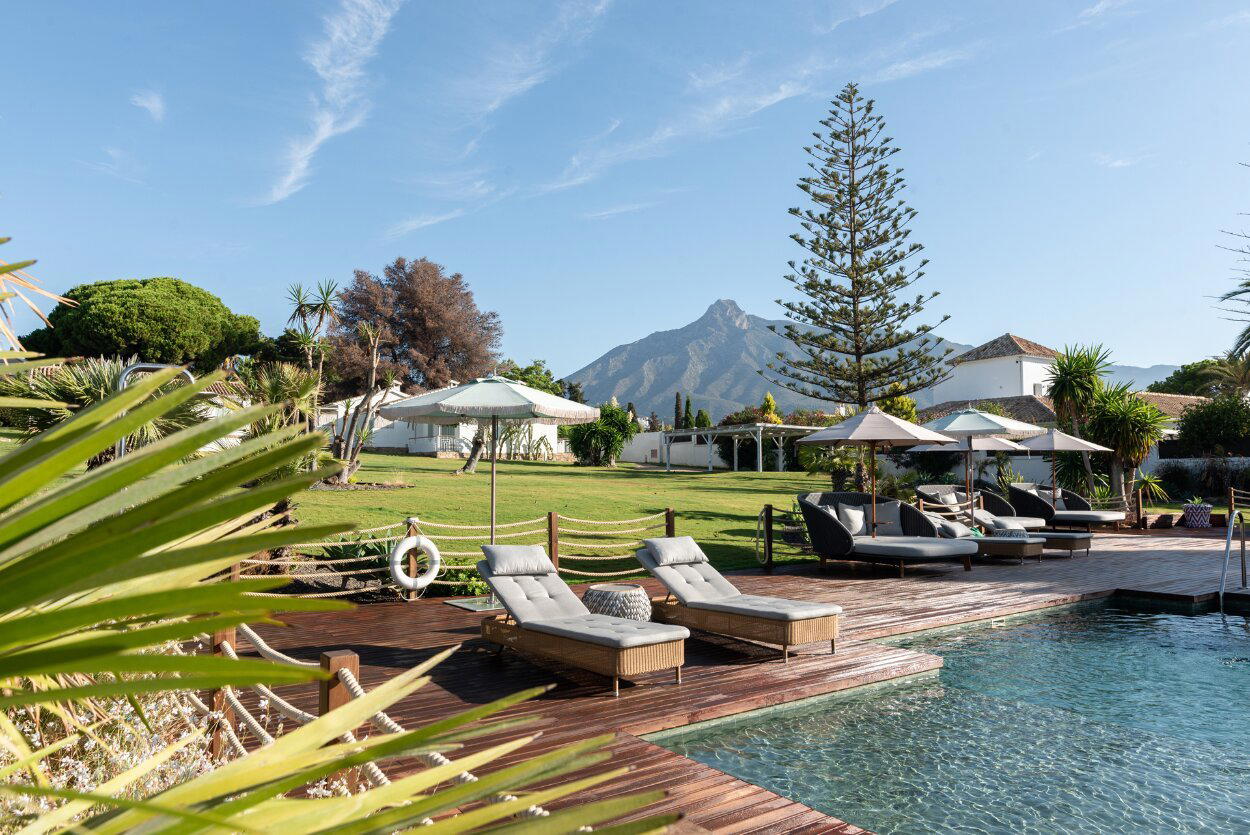
Sun-drenched Mediterranean terrace with panoramic views; warm, inviting atmosphere enhanced by fresh local ingredients and attentive service.