La Locanda

Our verdict
La Locanda serves authentic Italian cooking with hand made pasta, a local sourcing focus, and an extensive wine list, in a historic building on Main St in Gisburn.

Pearl is the En Primeur Club membership app — saves, bookings, and concierge access live there. Same editors, same standards.
- Address
- Main St, Gisburn, Clitheroe BB7 4HH, United Kingdom
- Phone
- +441200445303
- Hours
- Mon ClosedTue–Thu 6–9:30 PMFri 5–10 PMSat 12–2:30 PM, 5–10:30 PMSun 12–8 PM
- Website
- lalocanda.co.uk
- Directions
- Get directions
- Booking
- Book on the venue's website
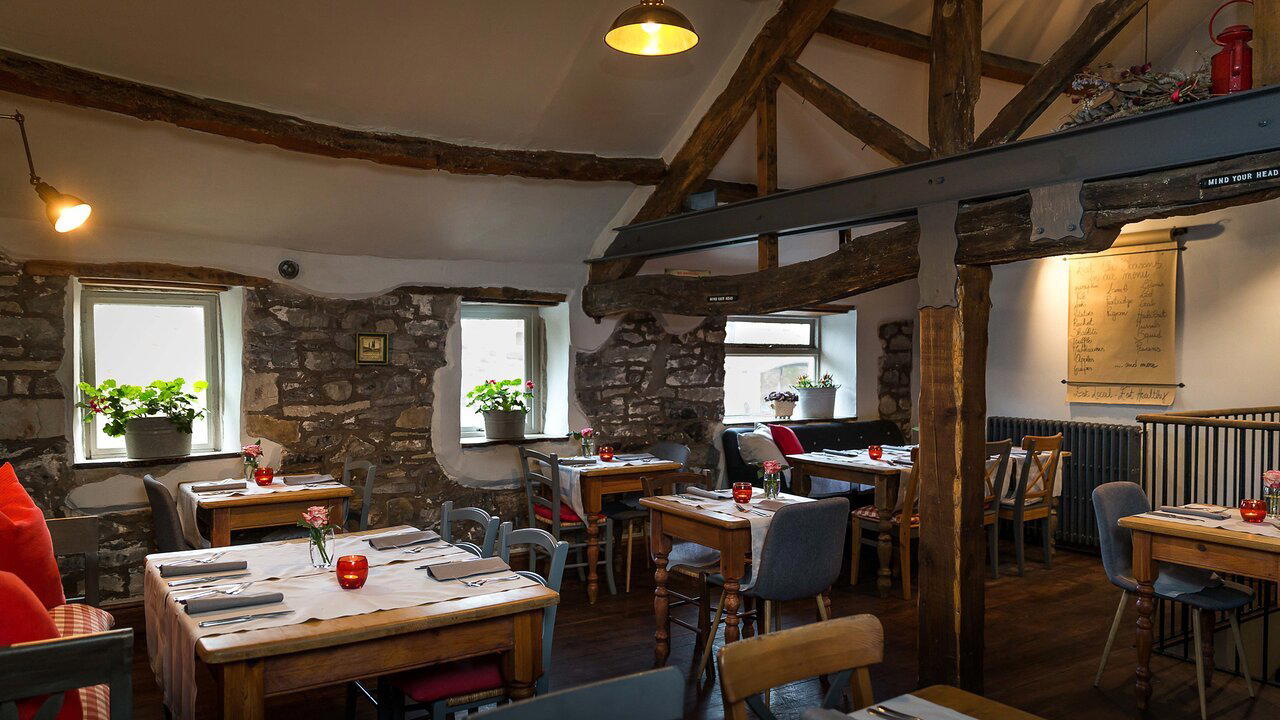
Ribble Valley Roots: Italian Cooking in Lancashire Farm Country
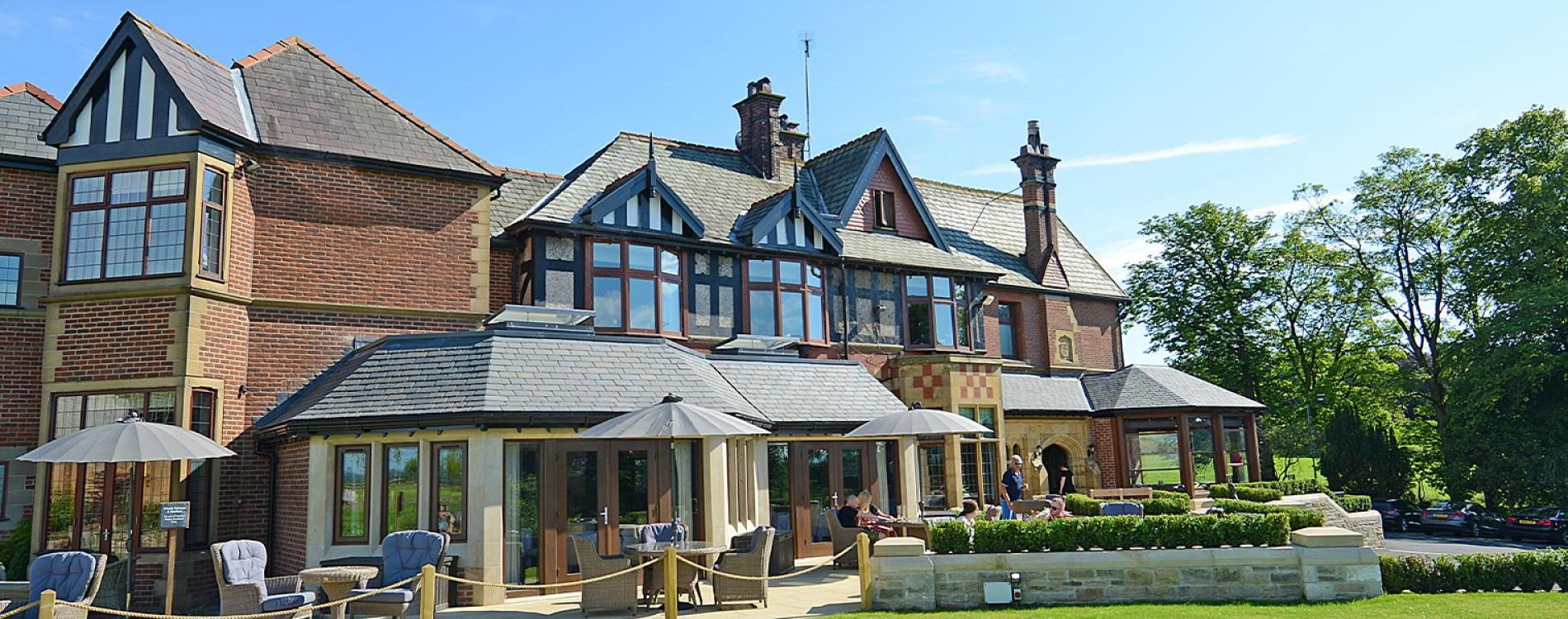
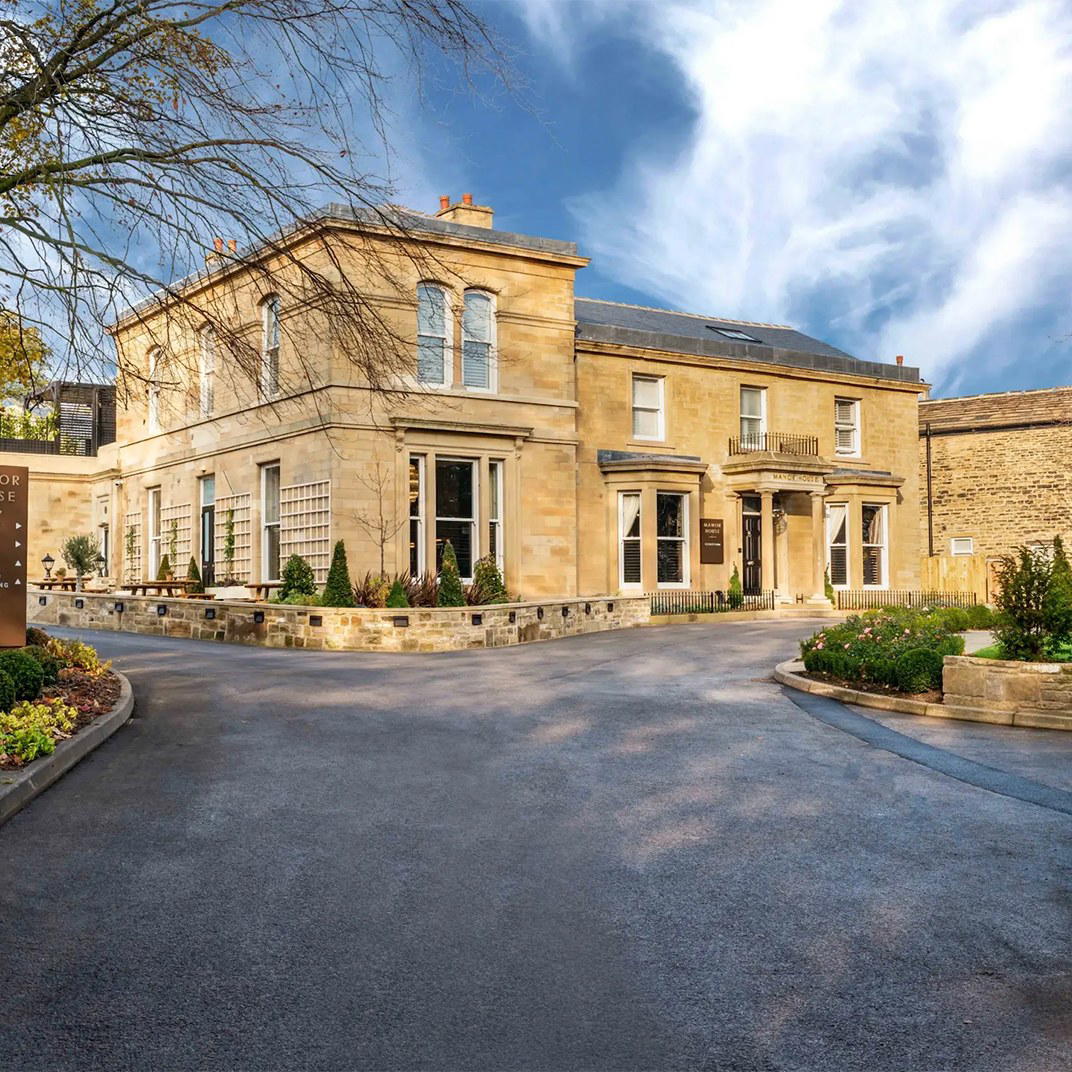
The village of Gisburn sits at the quieter northern edge of the Ribble Valley, where the road narrows and the surrounding farmland presses close on both sides. In most respects it is the kind of place you pass through rather than stop in, which makes the presence of a serious Italian restaurant on the main street all the more worth registering. La Locanda occupies a stone building that reads, from the outside, as solidly Lancashire: low eaves, pale masonry, a facade that gives nothing away. The contrast between that exterior and what the kitchen produces inside is precisely the kind of tension that makes rural British dining interesting right now.
The broader context here is worth stating clearly. Northern England has, over the past decade, developed a small but confident tier of destination dining that operates well outside the orbit of London or Manchester. L'Enclume in Cartmel and Moor Hall in Aughton sit at the top of that tier, drawing from ingredient networks rooted in Cumbrian and Lancashire produce. La Locanda belongs to a different but adjacent conversation: what happens when Italian culinary tradition encounters that same abundance of local supply.
Where the Food Comes From
Ribble Valley's agricultural identity is not incidental to how Italian cooking translates here. Lancashire has long supplied some of Britain's most consistent dairy, lamb, and game. The fields around Gisburn, in particular, are pasture country. For an Italian kitchen working within classical frameworks, that kind of raw material availability changes what is possible. Regional Italian cuisine has always been inseparable from geography, from the terroir of the Po Valley to the livestock traditions of Piedmont, and a kitchen in this part of Lancashire has access to ingredients that map reasonably well onto that logic.
This matters editorially because it places La Locanda within a category of restaurants that draws distinction from sourcing discipline rather than technique spectacle. Across British fine dining more broadly, the sourcing conversation has intensified significantly. Restaurants like CORE by Clare Smyth in London and hide and fox in Saltwood have built reputations substantially on supply chain transparency and producer relationships. In a rural Lancashire setting, that same commitment operates with shorter supply chains and, often, more direct producer contact. What arrives at the table reflects land that is visible from the car park.
Italian cooking's relationship with provenance is also worth framing properly. The cuisine is fundamentally regional rather than national, built on hyper-local ingredient logic. What makes a Bolognese in Emilia-Romagna taste the way it does is not the recipe alone but the specific character of the local pork and the freshness of the egg yolk pasta. A kitchen in the Ribble Valley that takes that logic seriously, substituting Lancashire equivalents where they improve on imported alternatives, is engaging with Italian tradition more faithfully than one that imports everything from the continent regardless of condition.
Clitheroe and its surrounding villages have developed a dining identity that punches above their population size. Freemasons Country Inn operates at the more formal end of the local Modern British register, while Parkers Arms has built a following on its commitment to hyper-local sourcing within a relaxed gastropub format. La Locanda sits in that same geography but takes a different cultural position, bringing Italian structure to Lancashire materials. That distinction matters for visitors deciding how to spend a meal in the valley: the choice is less about price tier or formality and more about which culinary tradition you want applied to the region's produce. For a fuller picture of the area's dining options, our full Clitheroe restaurants guide maps the range.
At the national level, the comparison set for serious rural Italian in Britain is small. The country's most decorated country-house restaurants, including Le Manoir aux Quat'Saisons in Oxford, Gidleigh Park in Chagford, and Waterside Inn in Bray, have been shaped predominantly by French culinary lineage. Italian cooking has historically occupied a different register in the British fine-dining conversation, often urban and informal rather than rural and destination-oriented. A village restaurant in Lancashire committed to serious Italian cooking is therefore working in a relatively uncrowded space.
The Regional Dining Scene Beyond Clitheroe
The appetite for ambitious dining outside major British cities has broadened considerably. Restaurants like Restaurant Andrew Fairlie in Auchterarder and The Glenturret Lalique in Crieff demonstrate that rural Scottish settings sustain world-recognised ambition. In England, Hand and Flowers in Marlow and Midsummer House in Cambridge show that serious cooking does not require a city postcode. For visitors travelling specifically for food, Restaurant Sat Bains in Nottingham and Opheem in Birmingham extend the same logic into urban Midlands settings. La Locanda operates within this general shift toward provincial ambition, though its Italian rather than Modern British orientation keeps it distinct from most of those reference points.
For readers with a broader international frame of reference, the sourcing-led approach that distinguishes the leading rural British kitchens shares intellectual territory with what Le Bernardin in New York City has long applied to seafood and what Atomix in New York City applies to Korean fine-dining ingredients. The common thread is that cuisine tradition and ingredient origin are treated as inseparable rather than interchangeable.
Planning a Visit
Gisburn sits roughly equidistant between Clitheroe to the south and Skipton to the north, with both accessible via the A59. Visitors arriving from Manchester or Leeds typically route through Clitheroe; the drive from Manchester city centre runs approximately 45 minutes under normal conditions. The village itself offers limited accommodation, so most visitors base themselves in Clitheroe or the surrounding valley and travel out for the meal. Given the rural setting and the absence of a public transport option in the evenings, driving or arranging a private transfer is the practical approach. Current booking and operational details should be confirmed directly with the restaurant, as hours and availability in village settings tend to vary seasonally.
Frequently asked questions
Where do I go for La Locanda?
La Locanda is located at Main St, Gisburn, Clitheroe BB7 4HH, United Kingdom, Clitheroe.
Is La Locanda in Gisburn suitable for a special occasion dinner from Manchester or Leeds?
Gisburn sits on the A59, accessible from Manchester in under 90 minutes and from Leeds in roughly similar time, making La Locanda a viable destination for an evening out rather than just a local convenience. The Ribble Valley has established itself as a credible dining destination outside major cities, with rural Italian cooking in a Lancashire farm setting offering a different register from urban restaurant dining. Booking ahead is the practical first step given the village scale and limited covers typical of restaurants in Gisburn.
What should I order at La Locanda?
La Locanda sits in the Ribble Valley, where Lancashire's agricultural output — including some of Britain's most consistent beef and dairy — gives Italian cooking locally grounded raw material. Without a current published menu, the strongest approach is to ask staff what is running on the day, as kitchens in this part of Lancashire tend to follow seasonal availability from nearby farms. Dishes rooted in that produce relationship are typically where village Italian restaurants in this region find their sharpest form.
How hard is it to get a table at La Locanda?
La Locanda is in Gisburn, a small village at the northern edge of the Ribble Valley — a dining corridor that has built a reputation beyond its population size. Restaurants in the area, particularly those with a settled local following, often fill weekend covers well in advance. Contacting the restaurant directly to check availability is advisable, especially for Friday and Saturday evenings.
What is La Locanda known for?
La Locanda occupies a position within the Clitheroe and Ribble Valley dining scene that has drawn serious attention from outside the region — an area where restaurants like Freemasons Country Inn have set a high reference point for rural British dining. The restaurant applies Italian cooking to a Lancashire context, where proximity to local farms shapes what ends up on the plate. Its address on the main street of Gisburn, between Clitheroe and Skipton on the A59, gives it a natural draw from both directions.
At-a-Glance Comparison
Comparable venues nearby, for context on price, style, and recognition.
| Venue | Cuisine | Price | Awards | Notes |
|---|---|---|---|---|
| La LocandaThis venue — the venue you are viewing | Authentic Italian | $30–50 | Not listed | Not listed |
| Parkers Arms | Modern British Gastropub | Not listed | Not listed | Newton-in-Bowland |
| Freemasons Country Inn | Creative British Gastropub | Not listed | Michelin Plate · AA Rosettes 3 Rosettes | Clitheroe |
| Burro | Produce-led Italian trattoria with fresh pasta | $100–150 | Michelin Plate | Covent Garden |
| Osteria Vibrato | Regional Italian osteria & wine bar | $100–150 | National Restaurant Awards Top 100 #69 | Soho |
| Casa Luli | Authentic Italian & Pizza | $20–30 | Not listed | Liversedge |
Recognition history
Dated appearances from independent guides and award organizations, with the underlying list record or original source where available.
The Good Food Guide Good Food Guide Best Local Restaurant #1
The Good Food Guide
Continue exploring
More in Clitheroe
Restaurants in Clitheroe
Browse all →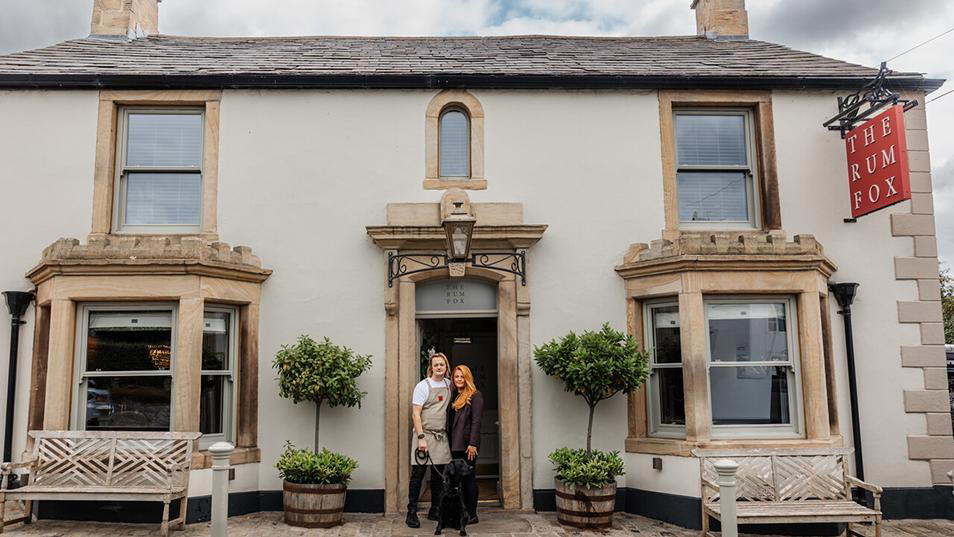
Bars in Clitheroe
Browse all →
La Locanda
The wine
- Wine program
- Curated wine list
- Extensive wine list
Details
- Rustic
- Cozy
- Intimate
- Classic
- Date Night
- Special Occasion
- Family
- Historic Building
- Extensive Wine List
- Local Sourcing
- A La Carte
- Vegetarian Friendly
- Vegan Options
- Gluten Free Options
Current opening hours
- Monday
- Closed
- Tuesday
- 6–9:30 PM
- Wednesday
- 6–9:30 PM
- Thursday
- 6–9:30 PM
- Friday
- 5–10 PM
- Saturday
- 12–2:30 PM, 5–10:30 PM
- Sunday
- 12–8 PM
Hours can change for holidays and private events. Last verified .
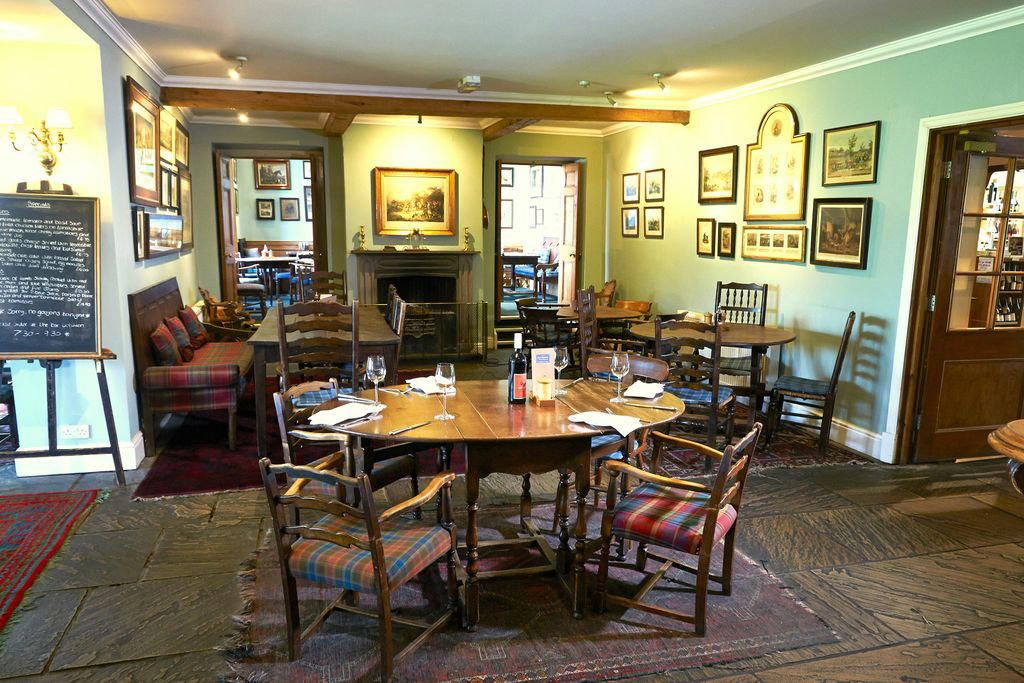
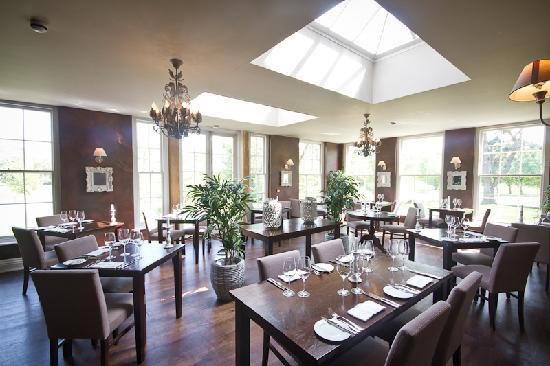
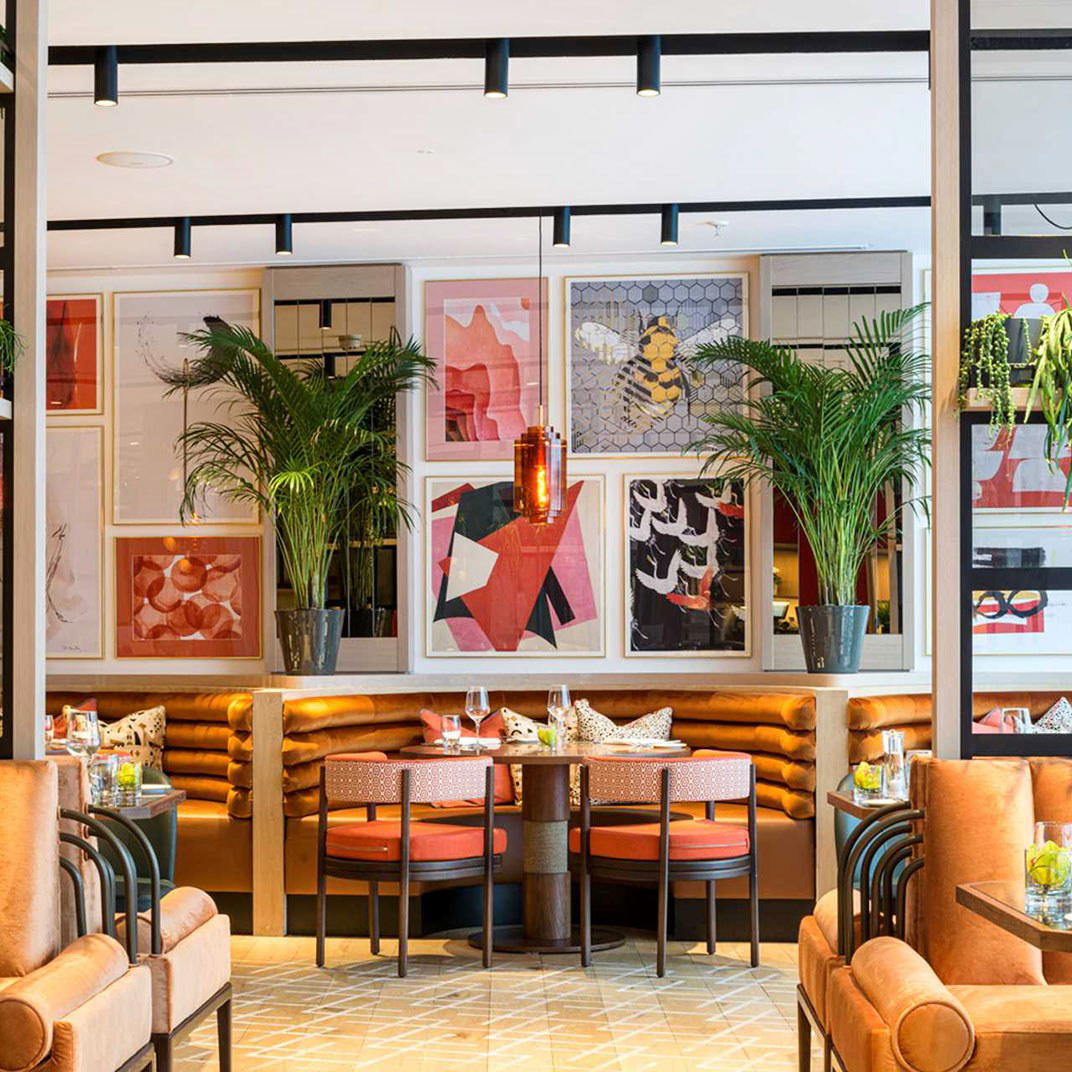
Rustic cottage atmosphere with original charm, warm and authentic Italian hospitality.