La Lechería


Michelin Bib Gourmand · Macarfi 7.1 Food Rating
Our verdict
La Lechería in Val de San Lorenzo presents regional Spanish cuisine inside a restored stone dairy. Signature dishes include cured meat croquettes, “false” duck risotto with wild mushrooms and a pistachio biscuit with raspberry mousse and lemon ice-cream. The kitchen also serves the traditional Cocido Maragato stew by pre-order and offers a tasting menu served to the whole table. Housed amid handwoven Maragatería textiles and a 300-year-old loom, the room combines rustic stone and careful detail. La Lechería holds a MICHELIN Bib Gourmand and delivers warm service, rich broths, earthy mushroom aromas and crisp, buttery pastry that make every visit feel rooted and memorable.

Pearl is the En Primeur Club membership app, where members save venues, book tables and use the concierge.
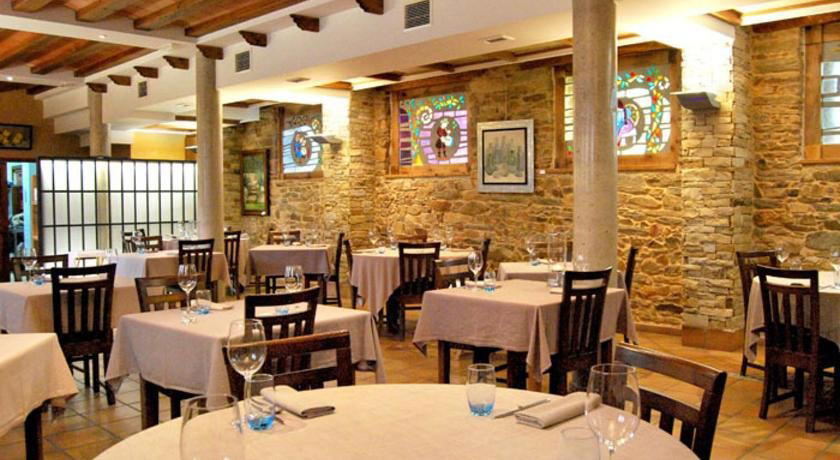
Stone Walls, Slow Stews, and the Maragatería Table
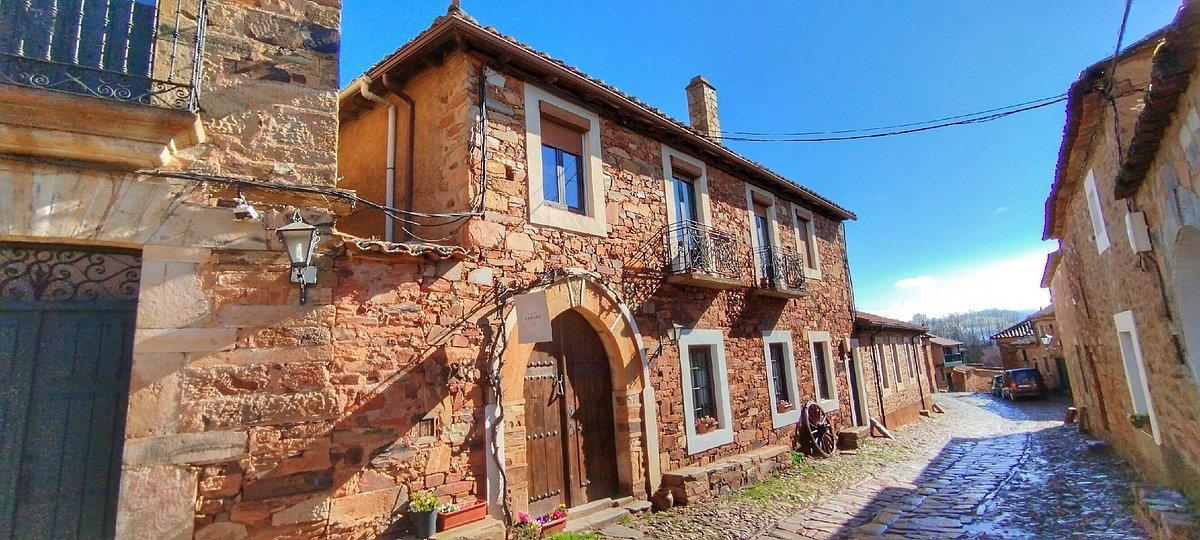
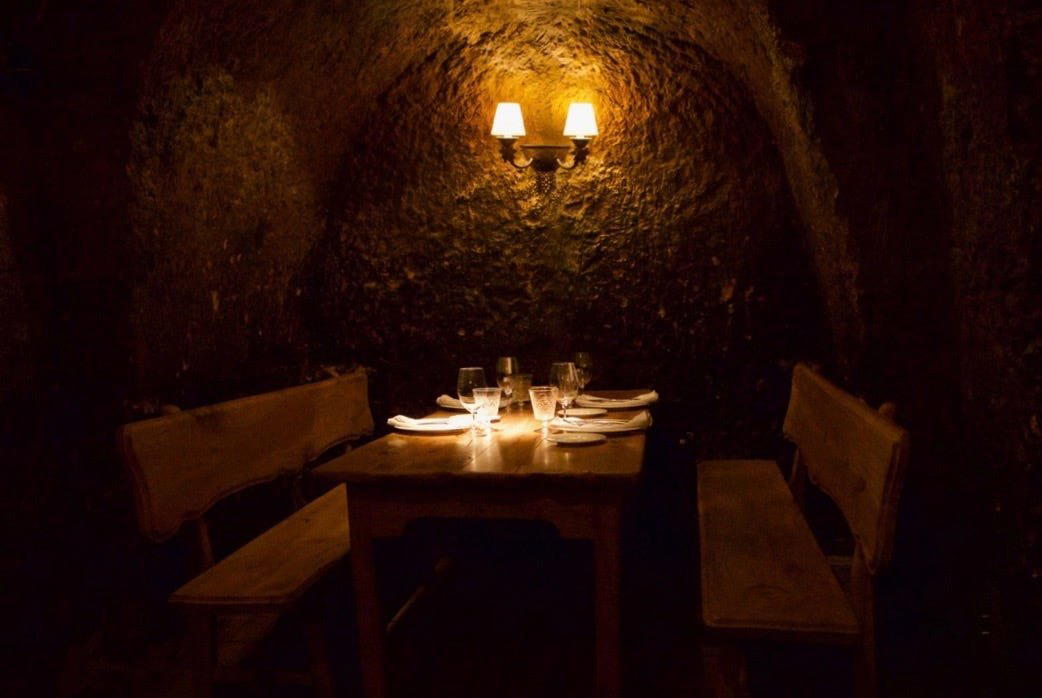
The approach to Val de San Lorenzo prepares you for what you will find inside La Lechería. The village sits a few kilometres from Astorga on the Castilian meseta, in the Maragatería region of León, where the architecture runs to thick granite walls and the landscape offers little in the way of distraction. The restaurant occupies an old stone house that functioned as a dairy for much of its history, a provenance that gives it the name and a certain material honesty. Inside, exposed stonework and rustic timber sit alongside what the Michelin inspectors described as meticulous décor: a working loom dated to more than 300 years ago occupies a corner of the space, placing the room squarely inside the region's textile heritage. Val de San Lorenzo built its reputation on artisanal blankets and bedspreads, and the Batán Museo nearby documents that tradition in full. La Lechería absorbs that same craft identity and redirects it toward the table.
Where La Lechería Sits in the Spanish Dining Spectrum
Spain's restaurant scene is often discussed through its three-star tier DiverXO in Madrid, Arzak in San Sebastián, Azurmendi in Larrabetzu, El Celler de Can Roca in Girona, Aponiente in El Puerto de Santa María, Mugaritz in Errenteria, Martin Berasategui in Lasarte-Oria, Quique Dacosta in Dénia, Cocina Hermanos Torres in Barcelona, and Ricard Camarena in València, a concentration of avant-garde technique and €€€€ pricing that dominates international coverage. But the Bib Gourmand tier, which Michelin awards for cooking it considers worth seeking out at a price point accessible to a wider audience, tells a different story about how Spain actually eats. La Lechería has held the Bib Gourmand in both 2024 and 2025, placing it in a cohort that prioritises the integrity of a region's culinary tradition over formal ambition. At the €€ price range, it competes with similarly recognised houses such as Atrio in Cáceres, Auga in Gijón, and Auberge Grand'Maison in Mûr-de-Bretagne, venues where the proposition is depth of execution within a regional framework, not provocation.
The Kitchen's Framing: Traditional Cooking as a Considered Discipline
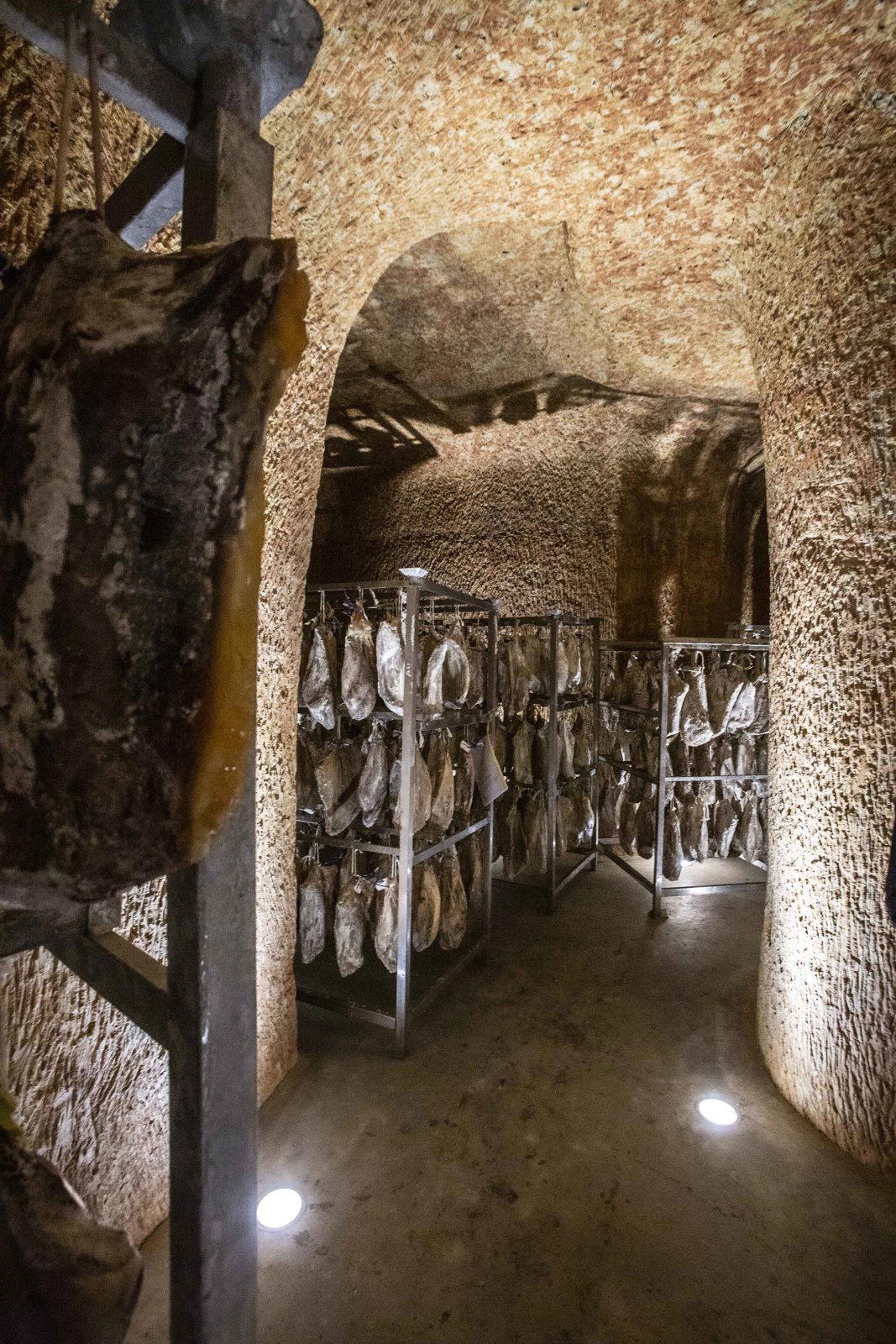
In the Castilian interior, traditional cooking is not a fallback position, it is a competitive stance. The cuisine of León, built around cured meats, legume-heavy stews, and locally foraged produce, requires a kitchen that understands the proportions and timing accumulated over generations rather than one chasing novelty. Chef Alberto Navarette Arias frames the menu at La Lechería around that logic. The à la carte includes cured meat croquettes and a so-called false duck risotto prepared with wild mushrooms, dishes that reference the region's larder while applying enough kitchen discipline to register as considered cooking rather than domestic comfort food. A pistachio biscuit with raspberry mousse and lemon ice cream suggests a pastry section that takes the same care with structure and contrast. The tasting menu, served to the whole table rather than on an individual basis, enforces a communal rhythm that fits the Maragatería context: this is a region where the table has historically been a collective event, not a series of individual transactions.
Cocido Maragato: The Dish That Defines a Region
The Cocido Maragato is the most discussed dish in the Maragatería culinary canon, and La Lechería's version is available by pre-order only. The stew has a specific structural inversion that distinguishes it from Castilian cocido prepared elsewhere in Spain: it arrives at the table in reverse order, beginning with the meats and ending with the broth, rather than the other way around. Local food historians connect this sequence to the working patterns of the arrieros, the Maragato muleteers who historically traded goods across Castile and needed a meal structured around the demands of a long day's travel rather than conventional European service logic. Ordering it in advance is not a formality; it is a commitment to a format that cannot be improvised. If you are travelling specifically for this dish, confirm your pre-order well before arrival.
The Guestrooms and What They Say About the Proposition
A small number of guestrooms are attached to the property, a detail that positions La Lechería within a category of rural Spanish restaurants that treat the meal as the centrepiece of a longer stay rather than a single-evening transaction. The village itself warrants time: the Batán Museo documents the textile tradition that gave Val de San Lorenzo its regional identity, and the proximity to Astorga, a town with a Gaudí-designed Episcopal Palace and a well-preserved section of the Roman Via de la Plata, makes the area defensible as a one- or two-night stop rather than a day trip. For a broader sense of what Val de San Lorenzo offers beyond the table, see our full Val de San Lorenzo experiences guide and our full Val de San Lorenzo hotels guide.
Planning Your Visit
La Lechería is at Calle Lechería, 1, 24717 Val de San Lorenzo, León. The village is a short drive from Astorga, which connects to the A-6 motorway and sits on the main rail line between Madrid and A Coruña. Given the pre-order requirement for the Cocido Maragato and the communal format of the tasting menu, advance planning is not optional, contact the restaurant before travel to confirm both availability and the pre-order window for the stew. The €€ pricing makes this a reasonable proposition for a multi-course meal, particularly given the Michelin recognition. For further dining, drinking, and discovery in the area, see our full Val de San Lorenzo restaurants guide, our full Val de San Lorenzo bars guide, and our full Val de San Lorenzo wineries guide.
Frequently asked questions
What's the price range at La Lechería?
Pricing at La Lechería is listed as €€.
Where do I go for La Lechería?
La Lechería is located at Calle Lecheria, 1, 24717 Val de San Lorenzo, León, Spain, Val de San Lorenzo.
Comparison Snapshot
| Venue | Cuisine | Price | Awards | Notes |
|---|---|---|---|---|
| La LecheríaThis venue (the venue you are viewing) | Traditional Regional Spanish | Not listed | Michelin Bib Gourmand · Macarfi 7.1 Food Rating | Not listed |
| Aponiente | Avant-Garde Marine Seafood | $200–300 | 3 Michelin Stars · World's 50 Best #84 | Progressive - Seafood, Creative |
| Arzak | Contemporary Basque Fine Dining | $300–500 | 3 Michelin Stars · World's 50 Best #31 | Modern Basque, Creative |
| DiverXO | Avant-Garde Spanish Tasting Menu | $300–500 | 3 Michelin Stars · World's 50 Best #4 | Progressive - Asian, Creative |
| El Celler de Can Roca | Creative Catalan Fine Dining | $300–500 | 3 Michelin Stars · World's 50 Best #2 | Progressive Spanish, Creative |
| Quique Dacosta | Avant-Garde Spanish Fine Dining | $300–500 | 3 Michelin Stars · World's 50 Best #65 | Creative |
Recognition history
Dated appearances from independent guides and award organizations, with the underlying list record or original source where available.
Michelin Bib Gourmand
Michelin
Macarfi 7.1 Food Rating
Macarfi
Full recognition history (4 entries)
Michelin Bib Gourmand
Michelin
Michelin Bib Gourmand
Michelin
Continue exploring
More in Val de San Lorenzo

Details
- Rustic
- Cozy
- Intimate
- Family
- Casual Hangout
- Historic Building
- A La Carte
- Tasting Menu
- Small Plates
- Vegetarian Friendly
- Vegan Options
- Gluten Free Options
Rustic yet meticulous decor in a cozy old stone house, providing a relaxed and quiet atmosphere praised by guests.