

Michelin Bib Gourmand · Macarfi 7.2 Food Rating
Our verdict
Las Termas holds back-to-back Michelin Bib Gourmand recognition (2024 and 2025), yet its prices remain firmly in the single-euro bracket. The draw is Cocido Maragato, a regional stew served in the traditional reverse order, meat first, chickpeas second, soup last, using local Leonese ingredients. It sits metres from Gaudí's Episcopal Palace in the heart of Astorga.

Pearl is the En Primeur Club membership app, where members save venues, book tables and use the concierge.
Where the Camino Meets the Table
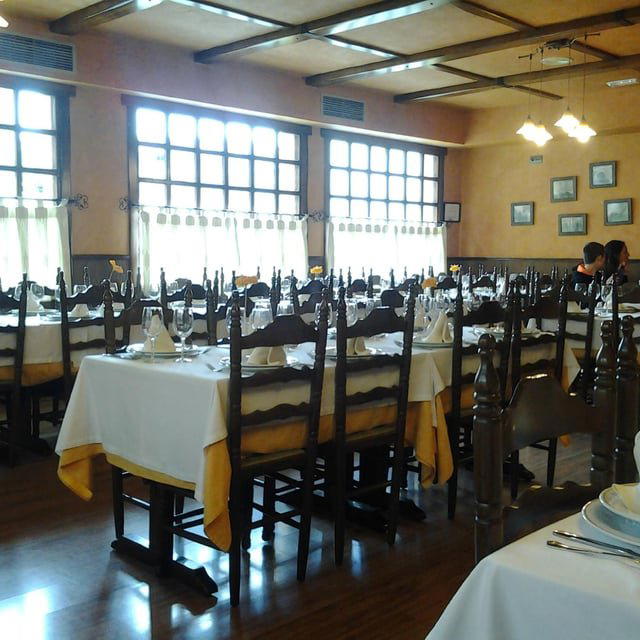
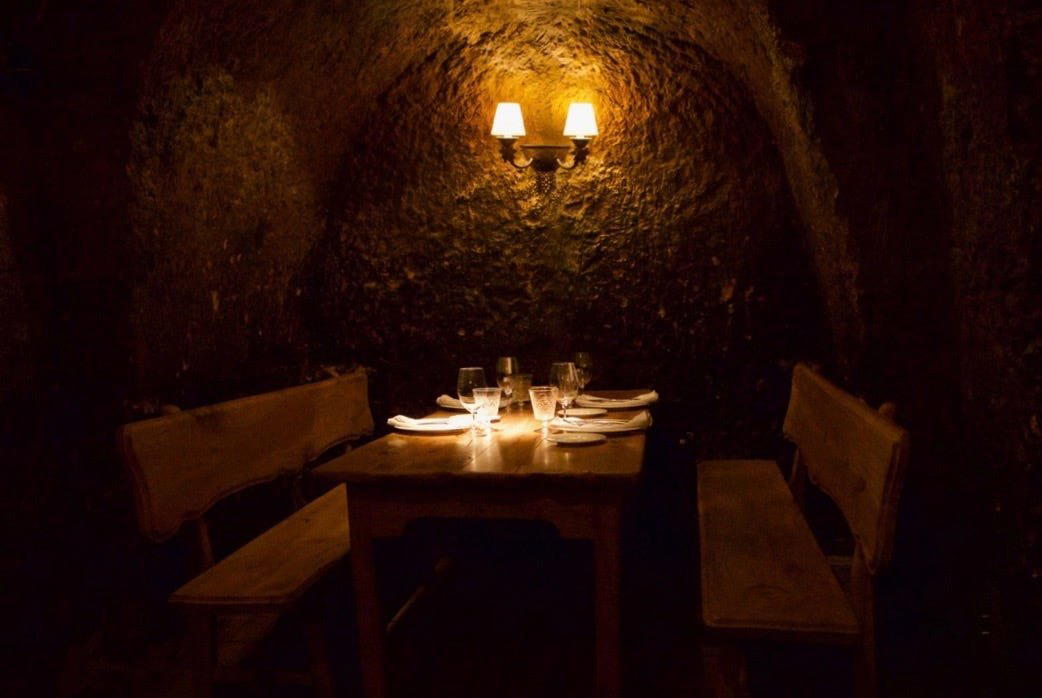
Calle Santiago in Astorga runs close enough to the Camino de Santiago route that the city has been feeding pilgrims, traders, and travellers for centuries. Step into the dining room at Las Termas and the ochre walls and wood furnishings signal the same unhurried register the street has always kept. This is not a room designed to impress through novelty. It is a room designed to make you sit down and eat properly, which in the Maragatería region of Castilla y León means one thing above almost all others: Cocido Maragato.
Las Termas has earned the Michelin Bib Gourmand in both 2024 and 2025, a designation Michelin reserves for restaurants offering what its inspectors judge to be good cooking at moderate prices. That back-to-back recognition places it in a tier of Spanish dining that has nothing to do with the multi-course tasting menus at El Celler de Can Roca in Girona or the boundary-testing formats at Disfrutar in Barcelona, and everything to do with regional cooking done with consistency and care.
Cocido Maragato: The Reverse-Order Tradition
Most cocido traditions across Spain follow the same broad logic: broth first to open the appetite, then the legumes, then the meat. The Maragato version inverts this entirely. At Las Termas, as at the handful of other Astorgan houses that maintain the tradition, the meat arrives at the table first, followed by the chickpeas, with the soup coming last. The origin of this sequence is debated, practical theories involving muleteers needing to leave quickly before finishing their broth have circulated for generations, but the practice itself is documented and consistent across the region.
What makes this worth paying attention to from an ingredient perspective is the sourcing logic embedded in the dish. Cocido Maragato relies on the local chickpea variety grown in the comarca, a legume with a particular starch profile that holds its shape through long cooking without turning floury. The region's elevation and dry continental climate produce a chickpea that behaves differently from the softer varieties found further south. Las Termas sells its chickpeas to take home, which suggests the sourcing relationship is not incidental. The closed-price menu includes wine and coffee, putting the full experience in the single-euro price bracket, an arrangement that anchors the dish in its working-meal origins rather than repositioning it as a premium product.
For a sense of what regional ingredient sourcing looks like at the opposite end of the price spectrum, Atrio in Cáceres and Ricard Camarena in València both build fine-dining menus around hyper-local provenance, a useful comparison for understanding how the same foundational logic operates across price tiers. Regionally grounded cooking also appears in other European contexts, including Gannerhof in Innervillgraten and Fahr in Künten-Sulz, both of which demonstrate how Bib Gourmand-adjacent recognition often clusters around exactly this kind of place-specific, ingredient-led cooking.
Astorga's Position on the Spanish Dining Map
Astorga is a Roman-founded city in the province of León, sitting at a geographic crossroads that made it significant to the Roman Empire, the medieval pilgrimage routes, and the 19th-century chocolate trade in roughly equal measure. The Gaudí Episcopal Palace, a few metres from Las Termas on Calle Santiago, is the city's most photographed building and a useful orientation point for the restaurant's location in the historic centre.
The city does not operate within the same gravitational field as Spain's headline dining destinations. It shares no obvious peer group with the Basque avant-garde at Arzak in San Sebastián or Mugaritz in Errenteria, nor with the coastal creativity of Aponiente in El Puerto de Santa María or Quique Dacosta in Dénia. What Astorga offers instead is an intact regional food culture that has not been repackaged for a national audience, which is increasingly rare in any European country. Las Termas operates within that context and benefits from it. The restaurant's recognition matters partly because it arrives without the infrastructure of a major culinary city behind it. See our full Astorga restaurants guide for a broader picture of what the city's dining offers.
Planning a Visit
Las Termas sits at C. Santiago, 1, in Astorga's historic centre, within walking distance of the Gaudí palace and the cathedral. Astorga is reachable by train from León, which itself connects to Madrid by high-speed rail, placing the city within a half-day journey of the capital. The Cocido Maragato menu runs at a closed price inclusive of wine and coffee, which removes the usual calculation around drinks and makes budgeting direct for a group. Given the 3,500-plus reviews and the Bib Gourmand profile, booking ahead is advisable, particularly at weekends and during the busier Camino season in summer and early autumn. For accommodation in the city, see our full Astorga hotels guide. If you are spending more time in the area, our Astorga bars guide, our Astorga wineries guide, and our Astorga experiences guide cover the wider picture. For the broader Spanish fine-dining conversation, DiverXO in Madrid and Azurmendi in Larrabetzu and Martin Berasategui in Lasarte-Oria represent what is happening at the other end of Spain's restaurant spectrum.
Frequently asked questions
What does dinner at Las Termas typically cost?
Pricing at Las Termas is listed as €.
In Context: Similar Options
| Venue | Cuisine | Price | Awards | Notes |
|---|---|---|---|---|
| Las TermasThis venue (the venue you are viewing) | Traditional Spanish Cocido Maragato | $20–30 | Michelin Bib Gourmand · Macarfi 7.2 Food Rating | Not listed |
| Aponiente | Avant-Garde Marine Seafood | $200–300 | 3 Michelin Stars · World's 50 Best #84 | Progressive - Seafood, Creative |
| Arzak | Contemporary Basque Fine Dining | $300–500 | 3 Michelin Stars · World's 50 Best #31 | Modern Basque, Creative |
| DiverXO | Avant-Garde Spanish Tasting Menu | $300–500 | 3 Michelin Stars · World's 50 Best #4 | Progressive - Asian, Creative |
| El Celler de Can Roca | Creative Catalan Fine Dining | $300–500 | 3 Michelin Stars · World's 50 Best #2 | Progressive Spanish, Creative |
| Quique Dacosta | Avant-Garde Spanish Fine Dining | $300–500 | 3 Michelin Stars · World's 50 Best #65 | Creative |
Recognition history
Dated appearances from independent guides and award organizations, with the underlying list record or original source where available.
Michelin Bib Gourmand
Michelin
Macarfi 7.2 Food Rating
Macarfi
Full recognition history (4 entries)
Michelin Bib Gourmand
Michelin
Michelin Bib Gourmand
Michelin
Continue exploring
More in Astorga

Details
- Cozy
- Rustic
- Classic
- Intimate
- Family
- Casual Hangout
- Special Occasion
- Historic Building
- Local Sourcing
- Set Menu
Current opening hours
- Monday
- Closed
- Tuesday
- Closed
- Wednesday
- 1–4 PM
- Thursday
- 1–4 PM
- Friday
- 1–4 PM
- Saturday
- 1–4 PM
- Sunday
- 1–4 PM
Hours can change for holidays and private events. Hours as of .
Spacious dining room with ochre walls and wood furnishings creating a welcoming, cozy, and home-like atmosphere.