La Lanterna Ristorante & Caffe
Our verdict
A Yonkers fixture on Gray Oaks Avenue, La Lanterna Ristorante & Caffe sits in the tradition of Italian-American neighborhood dining that defined suburban New York's restaurant culture for decades. The room rewards those who value familiarity and craft over novelty, positioning it as a counterpoint to Manhattan's revolving-door scene. Expect Italian-influenced cooking in a setting built for regulars rather than first-timers.

Pearl is the En Primeur Club membership app, where members save venues, book tables and use the concierge.
The menu
What to order
- Paddys Meatballs
- Pinwheel Lasagna
- Hot Honey Roni Sicilian
Italian-American Dining in the Suburban New York Tradition
The stretch of Westchester County just north of the Bronx has long sustained a particular kind of restaurant that Manhattan rarely produces: the neighborhood Italian, loyal to its zip code, indifferent to trend cycles, and sustained by returning tables rather than algorithm-driven discovery. La Lanterna Ristorante & Caffe, on Gray Oaks Avenue in Yonkers, occupies that lineage. It is the kind of place that exists because a community decided it should, not because a press cycle ordained it.
Understanding La Lanterna requires understanding Yonkers itself. The city sits at the southern edge of Westchester, close enough to the Bronx to share its density and immigrant history, far enough from Midtown to have developed its own dining identity. Italian-American cooking took root in these suburbs through mid-century migration, and the restaurants that survived did so by serving food that felt like an extension of the household rather than a performance staged for outsiders. The best of that tradition prioritizes sourcing that is direct, seasonal, and local in spirit even when it draws from further afield. For our full Yonkers restaurants guide, that neighborhood integrity is the baseline for any recommendation.
Where the Ingredients Come From, and Why That Frame Matters
The ingredient-sourcing story of Italian-American dining in the New York suburbs is more textured than the Manhattan version. The farm-to-table apparatus that generates headlines at places like Blue Hill at Stone Barns in Tarrytown operates on institutional scale, with research programs and named estate producers woven into the menu narrative. Suburban Italian restaurants work differently. Their sourcing is often quieter, routed through long-standing relationships with distributors, local markets, and in some cases family supply lines that predate contemporary farm-to-table rhetoric by a generation or two.
This matters because the quality signals differ. At the $$$$ tier occupied by places like Le Bernardin in New York City or Atomix in New York City, sourcing credentials are published, verifiable, and built into the price. At a neighborhood Italian, the evidence is more empirical: you taste it in the difference between a tomato sauce made from decent canned product and one that reflects a kitchen that cares where things come from. That distinction drives how regulars evaluate places like La Lanterna over years rather than a single visit.
Italian cooking, even in its suburban American expression, is structurally honest about ingredients. The cuisine does not hide its components behind heavy reductions or architectural plating. Pasta, olive oil, cheese, cured meat, seafood: each element is identifiable. This means sourcing decisions register directly on the plate in a way they might not in more technically elaborate formats. A kitchen working in the Italian-American tradition either commits to decent product or it doesn't, and that commitment tends to be visible to anyone eating attentively.
The Room and What It Signals
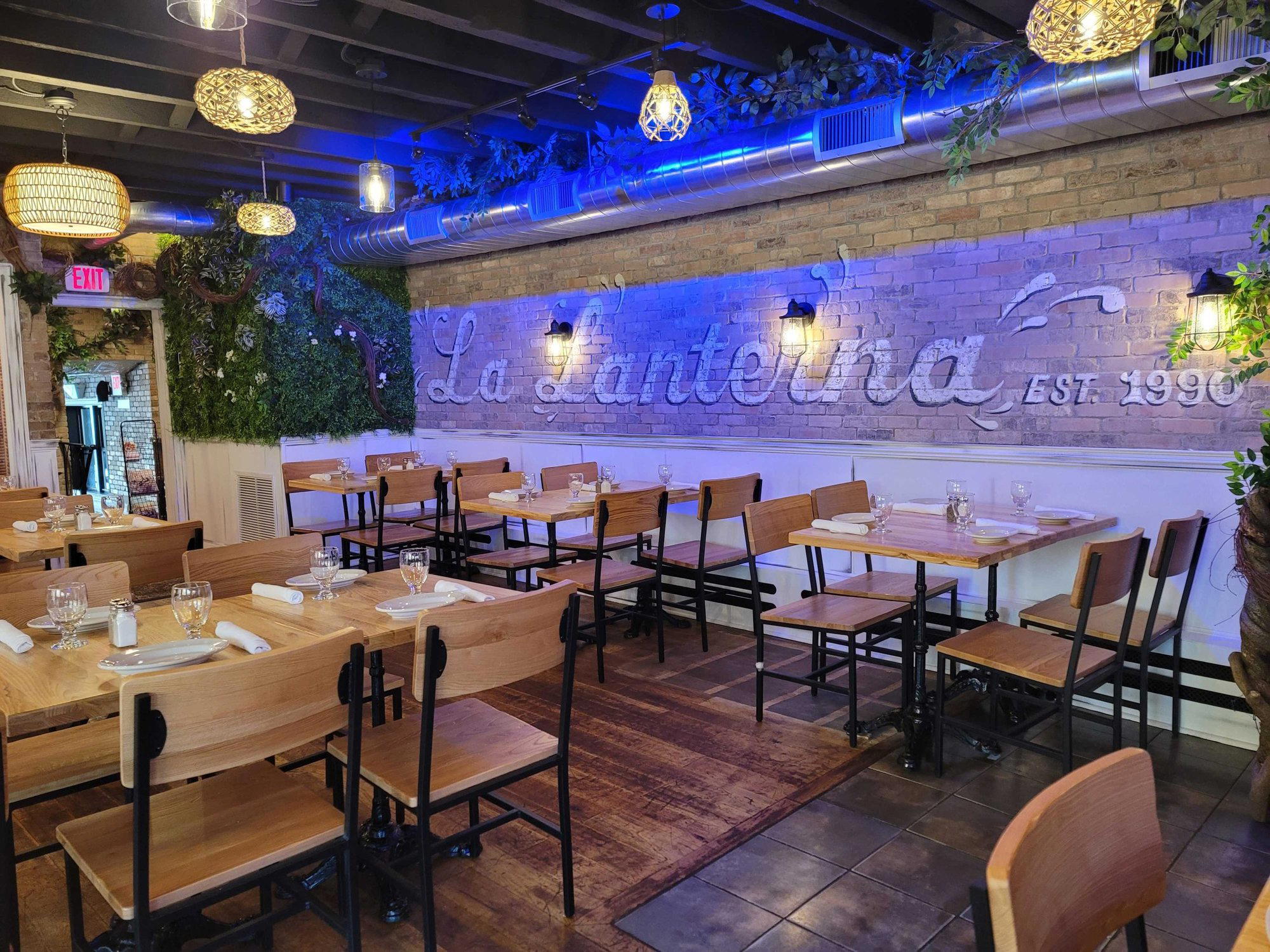
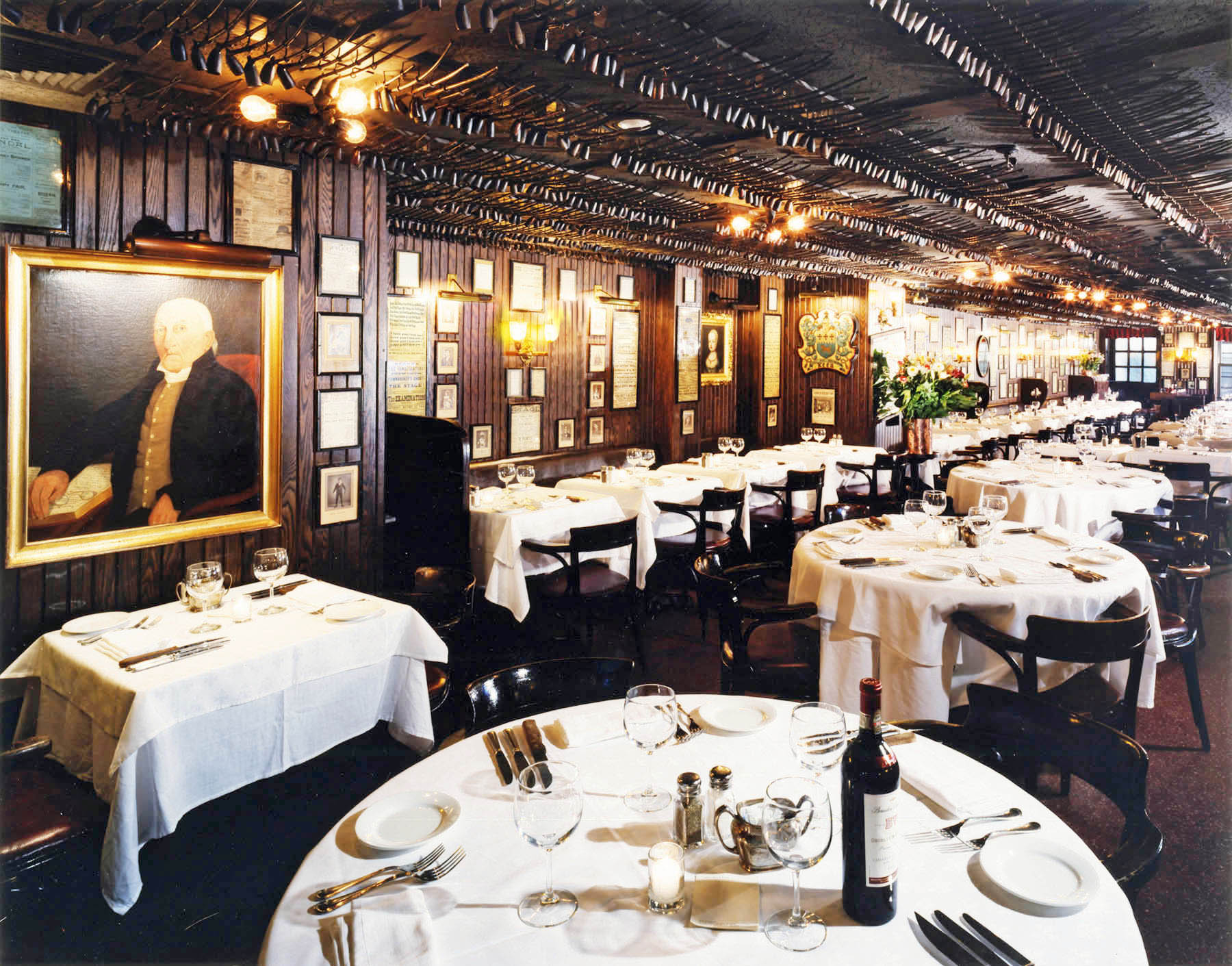
Italian restaurants in this part of Westchester tend toward interiors that signal stability over novelty. The lantern referenced in the name suggests warmth, enclosure, the idea of light kept close. These are not accidental choices in the naming conventions of Italian-American dining. They evoke the trattoria model, where the room is designed to make guests stay longer rather than turn tables faster.
In the broader restaurant taxonomy, La Lanterna sits at a distance from the progressive American formats reviewed elsewhere in EP Club's coverage. Lazy Bear in San Francisco, Alinea in Chicago, and The French Laundry in Napa represent a version of American dining where the format itself is the argument. La Lanterna makes no such argument. It belongs to a tradition where consistency is the credential, where a table orders the same dishes across years and expects the kitchen to meet the standard each time.
That is a legitimate and demanding form of hospitality. Sourcing pressure at this level is less about premium provenance labels and more about maintaining quality within the real constraints of a neighborhood operation: margins that don't allow for waste, suppliers who serve multiple accounts, menus that have to work on a Tuesday as well as a Saturday. The restaurants that do this well deserve a different kind of respect than the ones chasing seasonal tasting-menu acclaim.
Yonkers in the Wider Dining Conversation
The comparative frame for La Lanterna is not the destination dining tier. It doesn't compete with Providence in Los Angeles, Addison in San Diego, or Single Thread Farm in Healdsburg.
That mode of restaurant is under genuine pressure in American cities right now. Rising costs, shifting demographics, and a media apparatus that rewards novelty over continuity have thinned the field. The places that survive in this category are the ones whose communities actively maintain them. In Yonkers, as in similar Westchester towns, Italian-American restaurants that persist past a decade or two do so because their regulars regard them as something worth protecting.
Visitors from outside the area, perhaps coming through Westchester en route to destinations further north, or arriving from Manhattan for a quieter evening, will find a different register of dining here than anything on the destination circuit. Bacchanalia in Atlanta, Frasca Food & Wine in Boulder, and The Inn at Little Washington all offer rigorously constructed experiences with named sourcing programs. La Lanterna offers something structurally different: the Italian-American room as a neighborhood constant.
Planning a Visit
La Lanterna Ristorante & Caffe is located at 23 Gray Oaks Avenue in Yonkers, NY 10710, accessible from central Yonkers by surface roads or from the Bronx via the Major Deegan. Because the venue functions primarily for its regular clientele, first-time visitors should approach as they would any neighborhood institution: call ahead, arrive with a sense of what the room offers rather than expectations imported from a different category of dining. Current hours, booking arrangements, and pricing are best confirmed directly with the restaurant, as EP Club does not have verified operational data on file for this location at this time. The surrounding Gray Oaks neighborhood is residential in character, which means parking is generally more direct than it would be in denser commercial corridors.
Frequently asked questions
Is La Lanterna Ristorante & Caffe good for families?
Italian-American restaurants in the Westchester County tradition, where La Lanterna operates at 23 Gray Oaks Avenue in Yonkers, are generally built around multi-generational tables rather than destination-diner formality. The neighborhood positioning and caffe format suggest a setting where families are a core part of the room rather than an afterthought. That said, specific family amenities such as children's menus have not been publicly confirmed, so calling ahead is advisable.
What should I expect atmosphere-wise at La Lanterna Ristorante & Caffe?
The name's lantern reference points toward a room that signals warmth and continuity over trend-chasing minimalism, consistent with how Italian restaurants in this part of Westchester tend to present themselves. Located on Gray Oaks Avenue in Yonkers, the setting reads closer to a long-established neighborhood fixture than a splashy arrival. Expect a room designed to feel familiar rather than theatrical.
How does La Lanterna Ristorante & Caffe fit into the Italian-American dining tradition of Westchester County?
Yonkers sits at the southern tip of Westchester County, directly north of the Bronx, an area with one of the densest concentrations of Italian-American communities in the New York metropolitan region. Restaurants like La Lanterna on Gray Oaks Avenue represent that tradition in its neighborhood form rather than its white-tablecloth or celebrity-chef expression. This part of the Italian-American dining scene in the New York suburbs has operated largely outside critical attention, which is precisely what gives it its character.
What's the signature dish at La Lanterna Ristorante & Caffe?
No specific dish has been publicly documented as a house signature for La Lanterna in Yonkers. Italian-American restaurants in Westchester County typically anchor their menus around pasta, secondi, and house-made preparations that reflect the region's Italian immigrant culinary tradition. Checking directly with the restaurant will give the clearest picture of current standouts.
What part of town is La Lanterna Ristorante & Caffe in?
La Lanterna Ristorante & Caffe is located at î23 Gray Oaks Ave, Yonkers, NY 10710, Yonkers.
Do I need a reservation for La Lanterna Ristorante & Caffe?
Reservation policy for La Lanterna at 23 Gray Oaks Avenue has not been publicly confirmed. Neighborhood Italian restaurants in Yonkers and the surrounding Westchester area often accommodate walk-ins during the week while filling up on weekend evenings. Contacting the restaurant directly before visiting is the safest approach, particularly for larger groups.
What's the standout thing about La Lanterna Ristorante & Caffe?
La Lanterna occupies a specific and genuinely useful niche: the kind of Italian-American restaurant that Westchester County has sustained for decades and that Yonkers in particular, sitting at the edge of the Bronx, has historically done well. It is not competing in the destination-dining tier but serves the function those restaurants never quite manage, a dependable neighborhood room with an identity rooted in place rather than publicity.
Comparable Venues
Comparable venues nearby, for context on price, style, and recognition.
| Venue | Cuisine | Price |
|---|---|---|
| La Lanterna Ristorante & CaffeThis venue (the venue you are viewing) | Italian with Swiss Influences | $30–50 |
Continue exploring
More in Yonkers
Restaurants in Yonkers
All restaurants in Yonkers →
Bars in Yonkers
All bars in Yonkers →




Details
- Cozy
- Classic
- Elegant
- Date Night
- Group Dining
- Special Occasion
- Open Kitchen
- Terrace
- Beer Program
- A La Carte
- Vegetarian Friendly
Current opening hours
- Monday
- Closed
- Tuesday
- 3–9 PM
- Wednesday
- 3–9 PM
- Thursday
- 3–9 PM
- Friday
- 12–10 PM
- Saturday
- 3–10 PM
- Sunday
- 3–9 PM
Hours can change for holidays and private events. Hours as of .
Charming ambience in a contemporary space with a beer garden patio.