

Where Madrid's Barrio de las Letras neighbourhood eats on a weekday: La Huerta de Tudela on Calle del Prado draws a loyal local crowd with vegetable-forward cooking rooted in Chef Ricardo Gil's own garden in Tudela, Navarra. Asparagus, artichokes, and mushrooms arrive in their most direct form, and the menu structure spans full vegetarian, flexible vegetable-led, and strictly vegan formats, a rarity in Madrid's centro dining scene.
Pearl is the En Primeur Club membership app — saves, bookings, and concierge access live there. Same editors, same standards.
- Address
- C. del Prado, 15, Centro, 28014 Madrid, Spain
- Phone
- +34 914 20 44 18
- Website
- lahuertadetudela.com
- Directions
- Get directions
 Saves & bookings on Pearl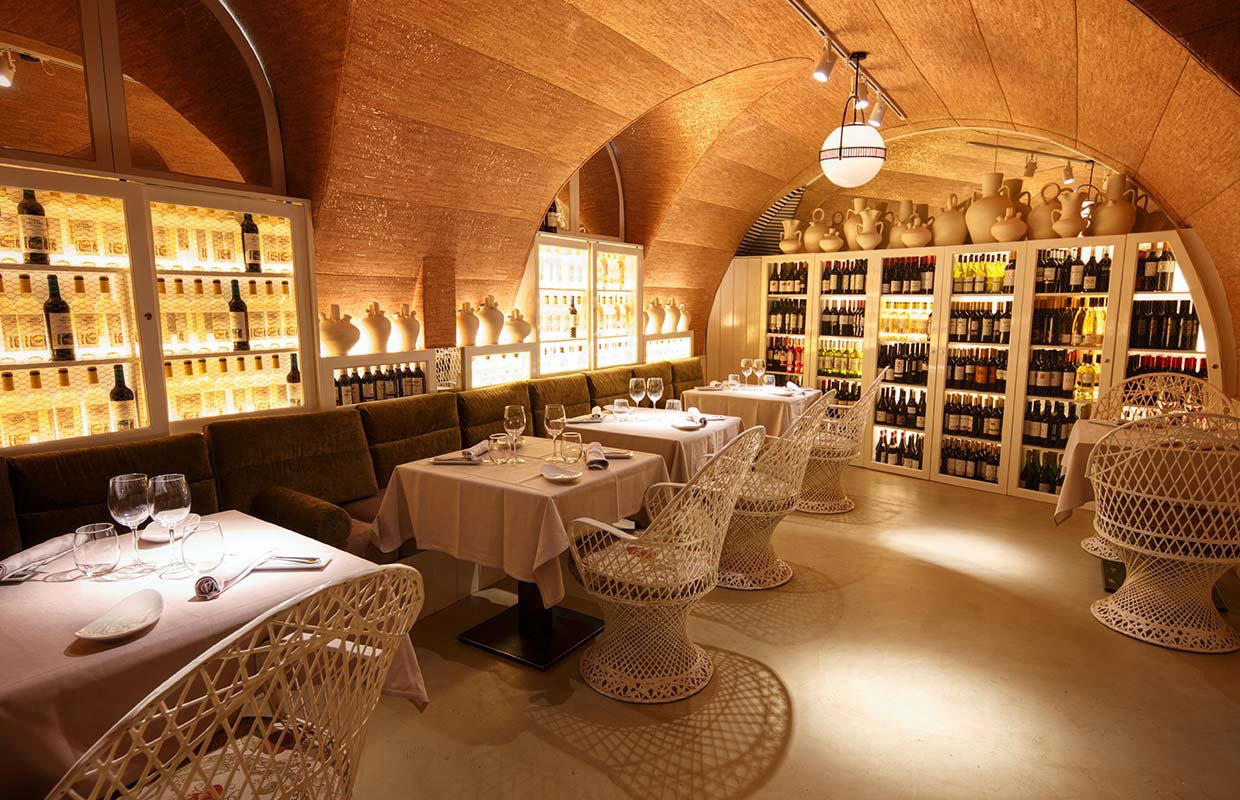
A Garden Address in the City's Literary Quarter
Calle del Prado sits at the lower edge of Barrio de las Letras, the block-dense neighbourhood that extends south from the Prado museum and has historically housed the city's bookshops, theatres, and mid-market restaurants. It is not the address you associate with destination dining: no hotel lobbies, no tasting-menu theatre, no queues of tourists with reservations printed at the hotel concierge. What it does have is a consistent, neighbourhood-first crowd, the kind that comes back weekly rather than once-in-a-trip. La Huerta de Tudela operates comfortably inside that social contract. The room fills with residents and local workers who want vegetables cooked well and priced honestly, and it stays full because it delivers exactly that, without repositioning itself as something more elaborate.
DiverXO, with its Michelin three-star format and theatrical Asian-influenced progression, and Coque, with its grand tasting architecture and wine cellar ritual, represent the €€€€ tier that defines the city's fine-dining conversation. Deessa, DSTAgE, and Paco Roncero operate in that same creative, produce-secondary register. La Huerta de Tudela sits in an entirely different tier by design, vegetable-primary, produce-specific, and structured around the idea that the ingredient itself is the event.
Spain's vegetable-forward cooking tradition runs deeper than most international visitors recognise. Navarra, the northern region where Tudela sits on the banks of the Ebro, has supplied the peninsula's leading asparagus, artichokes, and cardoons for centuries. The white asparagus of Tudela has protected designation status; its artichokes are harvested young and eaten without ceremony, typically fried or steamed with nothing added. Chef Ricardo Gil's sourcing from his own garden in that region brings that provenance directly into a Madrid dining room.
The menu structure at La Huerta de Tudela does something that is genuinely rare in Spanish restaurant programming: it offers three distinct vegetable-led formats. The degustation menu places vegetables at the centre of every course without exception. The vegetable menu allows for occasional meat or fish appearances, but only as garnish, the vegetable is never displaced from the primary position. The vegan menu removes all animal products entirely. That three-tier architecture lets the kitchen serve committed vegans, flexitarian regulars, and curious meat-eaters with the same philosophical consistency: the produce drives the decision-making, not the other way around.
What distinguishes the cooking from the broader trend of vegetable-forward fine dining is its restraint. The asparagus arrives as asparagus, olive oil, salt, the cooking method chosen to clarify rather than complicate the vegetable's own flavour. The artichokes are fried in olive oil, a classic Navarran treatment that relies entirely on oil temperature and timing rather than supplementary flavour. The mushroom risotto, by the kitchen's own description, is a pure mushroom risotto: the mushroom is not a base note supporting truffle or aged cheese, it is the dish. This is a kitchen that treats subtraction as a skill.
Where It Sits in Madrid's Vegetable Moment
The cocido madrileño, chickpeas, meat, bone broth, is the dish that defines the capital's culinary self-image. But the city's dining infrastructure has broadened considerably over the past decade, and the vegetable-led segment has grown from a niche curiosity into a documented restaurant category. Across Spain more broadly, the conversation has shifted: Azurmendi in Larrabetzu has long integrated garden produce into its Michelin three-star menu with genuine ecological ambition; El Celler de Can Roca in Girona has used vegetable courses as some of its most technically precise moments; even coastal-focused kitchens like Aponiente in El Puerto de Santa María use vegetable and marine-plant work to expand what Spanish fine dining can mean.
The restaurant does not belong to that high-technique conversation. It belongs to a different but equally legitimate one: the neighbourhood restaurant that applies genuine expertise to unadorned produce and serves the same community consistently. That the room is always full of local diners is not an incidental detail, it is the primary quality signal. Neighbourhood credibility in a residential Madrid barrio is earned slowly and lost quickly. A room that sustains regular custom from residents rather than tourists is one that has passed one demanding test in the category.
Planning Your Visit
The restaurant is on Calle del Prado 15, in the Centro district, a short walk from the Banco de España and Antón Martín metro stations, and within easy reach of the main museum corridor if you are spending time at the Prado or Reina Sofía. The Barrio de las Letras is a comfortable neighbourhood for an early evening meal; the streets are walkable and well-connected to the wider centro. Booking ahead is advisable, particularly for weekend evenings.
For comparison beyond Madrid, the direct, produce-first approach of the restaurant echoes what the leading Spanish regional kitchens have long understood about restraint: Arzak in San Sebastián and Martin Berasategui in Lasarte-Oria built their reputations partly on knowing what not to do to a good ingredient. That same editorial instinct, applied at a neighbourhood scale and price point, is what keeps a room in Barrio de las Letras reliably full.
Just the Basics
Comparable venues nearby, for context on price, style, and recognition.
| Venue | Cuisine | Price | Notes |
|---|---|---|---|
| La Huerta de TudelaThis venue — the venue you are viewing | Not listed | $$ | Not listed |
| ZERAIN | Not listed | $$ | Barrio de las Letras, Traditional Basque Grill & Cider House |
| ORIO Fuencarral | Malasana, Basque Pintxos and Seafood | $$ | Not listed |
| Restaurante Urbieta 13 | Pacifico, Modern Spanish Tapas | $$ | Not listed |
| Asturianos | Vallehermoso, Traditional Asturian | $$ | Not listed |
| Arquibar Goya | Goya, Spanish Cafe-Bar with Brunch | $$ | Not listed |
Recognition history
Dated appearances from independent guides and award organizations, with the underlying list record or original source where available.
Macarfi 6.7 Food Rating
Macarfi
We're Smart World 3 Radishes
We're Smart World



At a Glance
- Classic
- Rustic
- Cozy
- Elegant
- Date Night
- Special Occasion
- Group Dining
- Open Kitchen
- Extensive Wine List
- Local Sourcing
Current opening hours
- Monday
- 1:30–5 PM
- Tuesday
- 1:30–5 PM
- Wednesday
- 1:30–5 PM, 8 PM–12 AM
- Thursday
- 1:30–5 PM, 8 PM–12 AM
- Friday
- 1:30–5 PM, 8 PM–12 AM
- Saturday
- 1:30–5 PM, 8 PM–12 AM
- Sunday
- 1:30–5 PM
Hours can change for holidays and private events. Last verified .
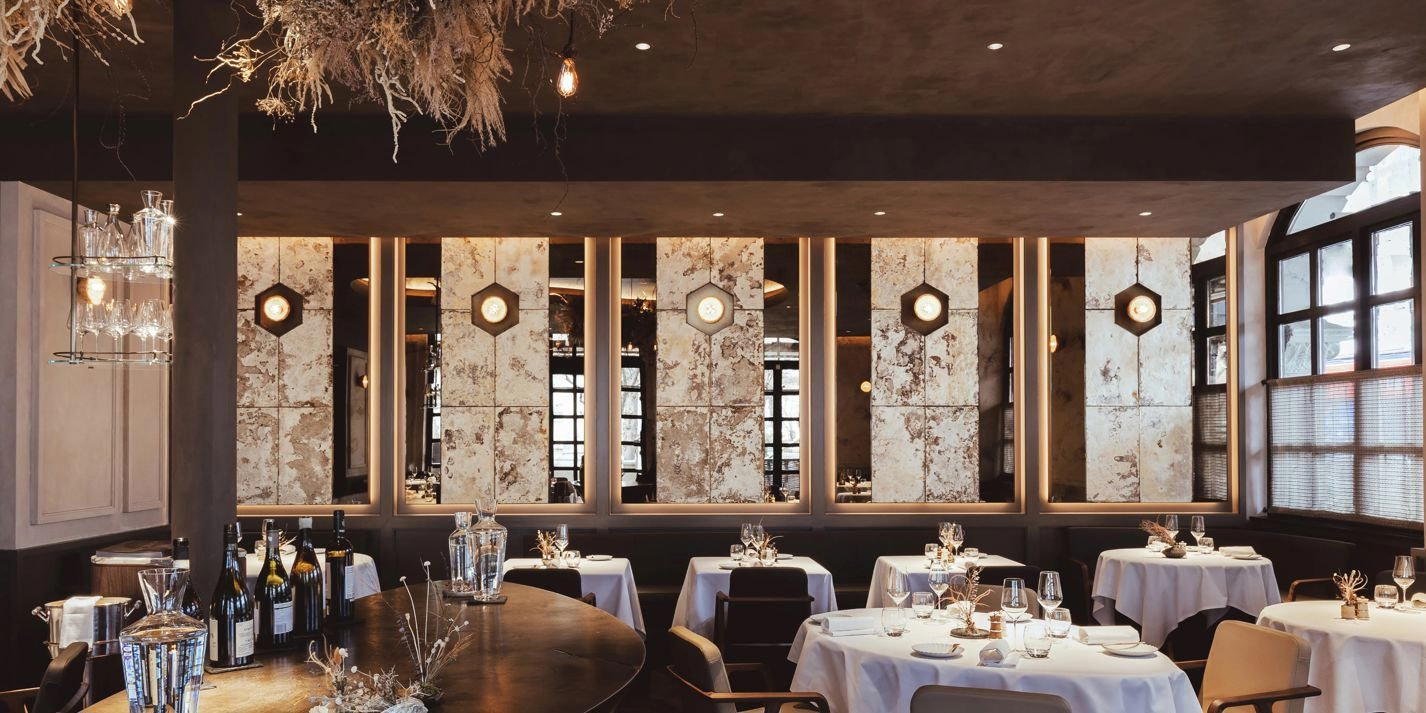
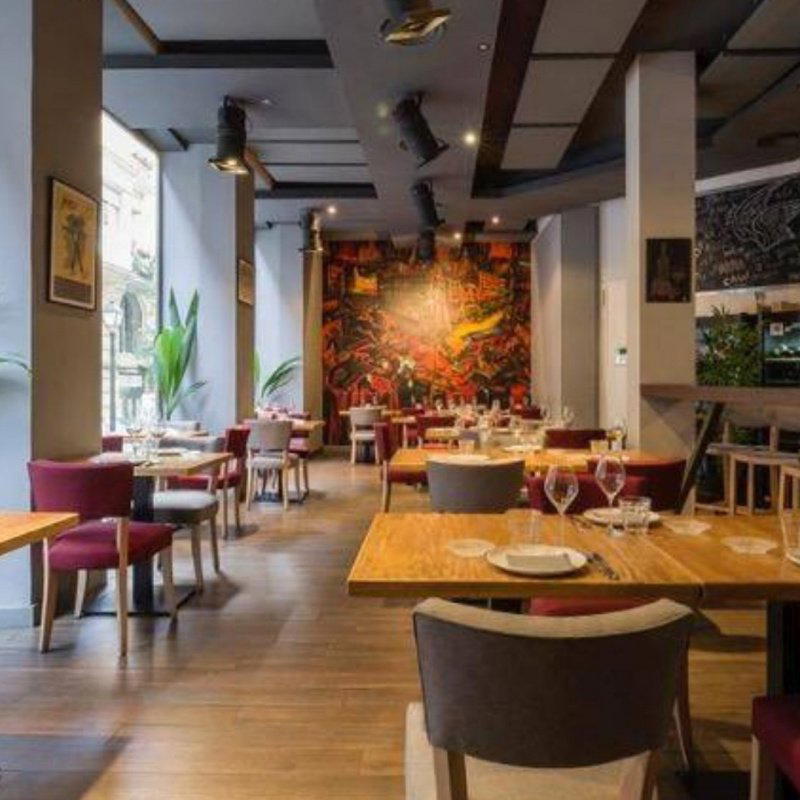
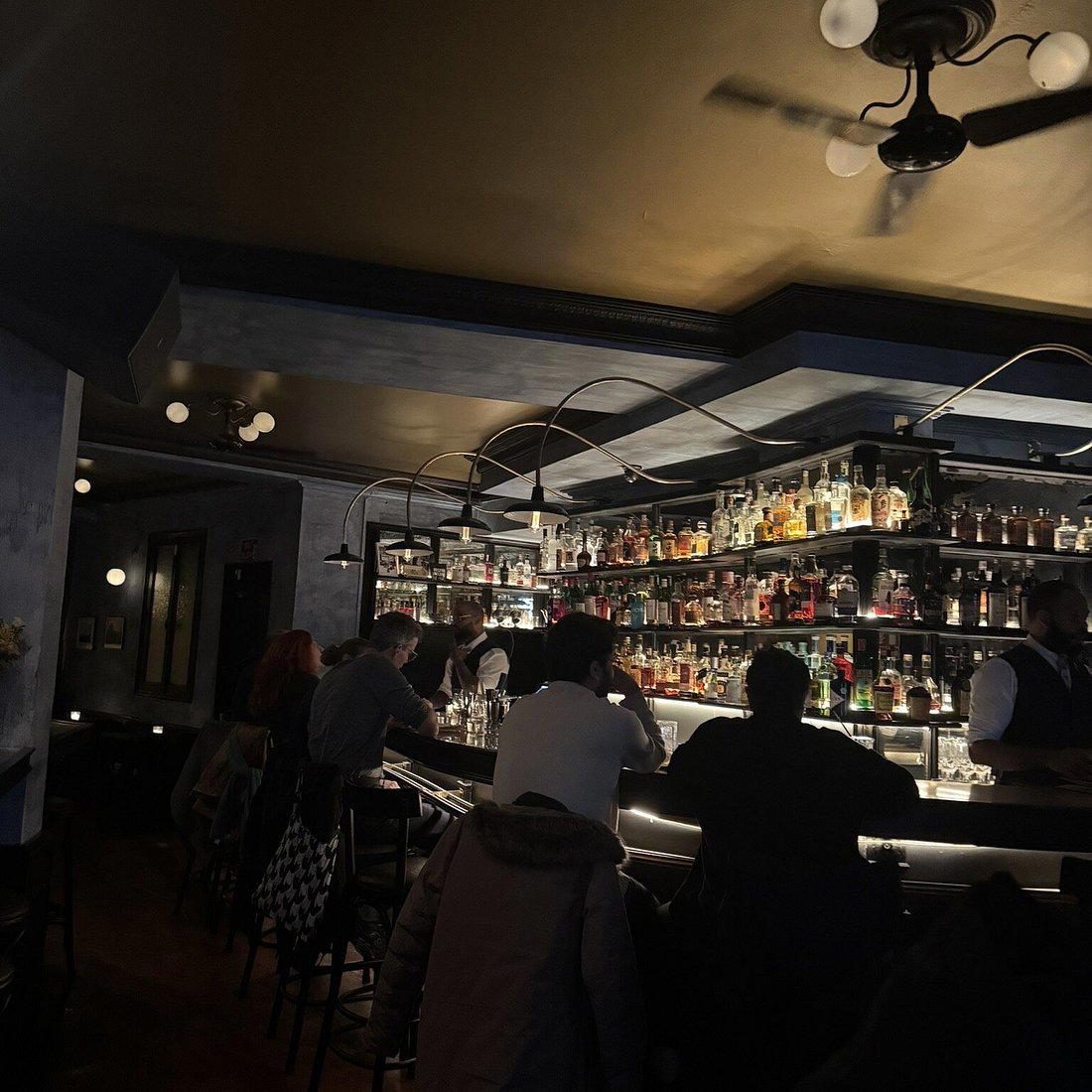
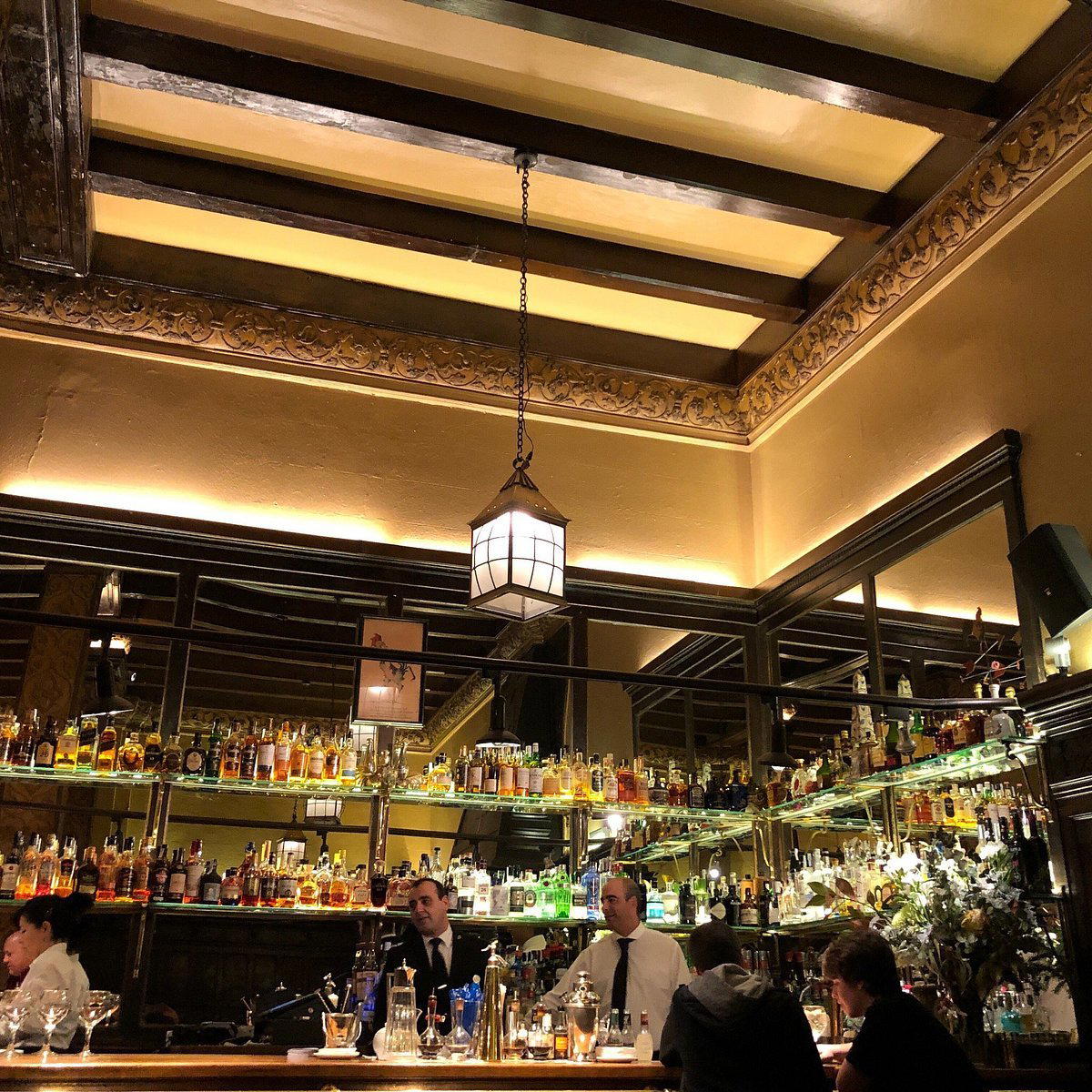
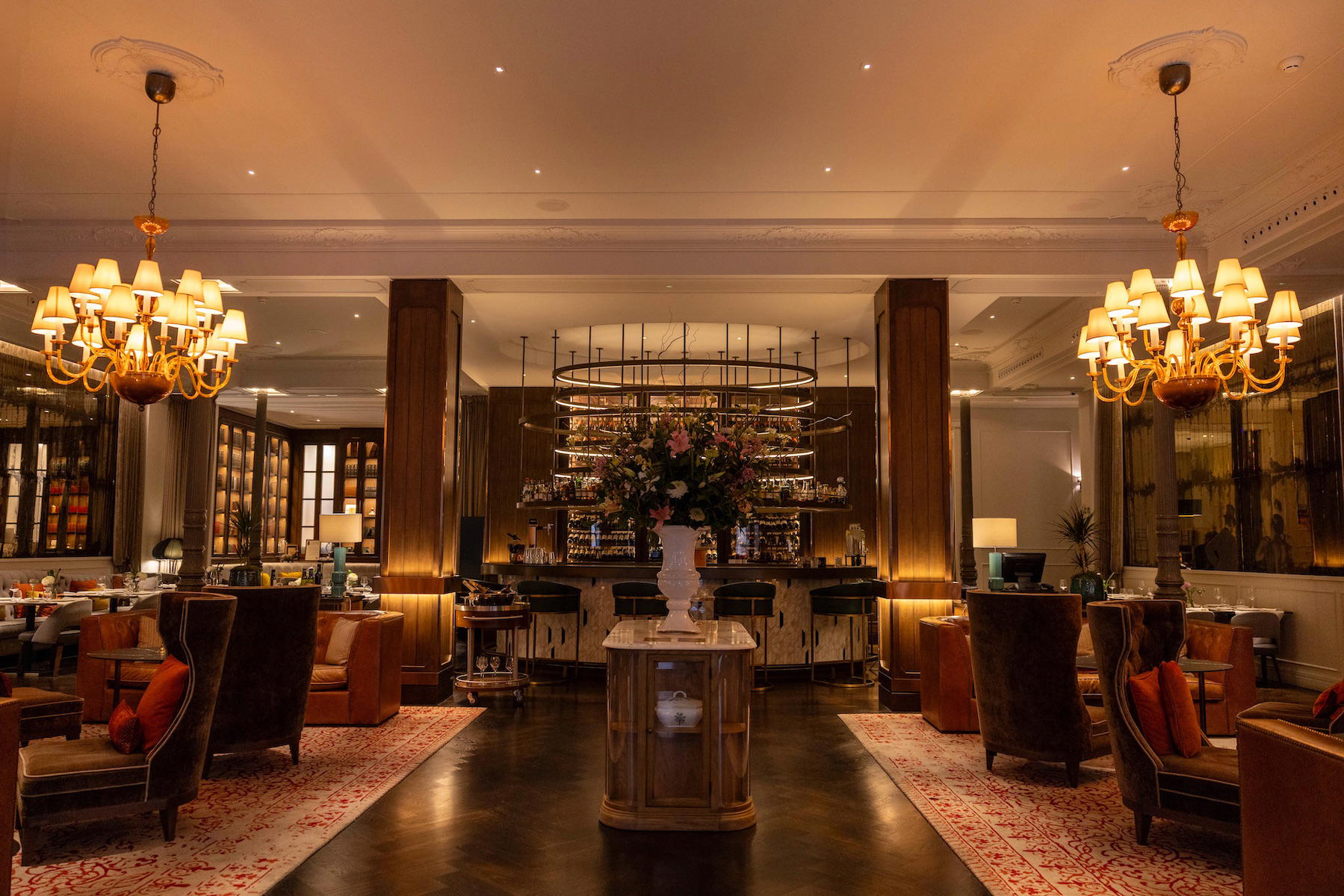
Casual yet elegant rustic chic decor with warm, welcoming lighting and a quiet, conversational atmosphere.