La Grange de Saint Riquier
Our verdict
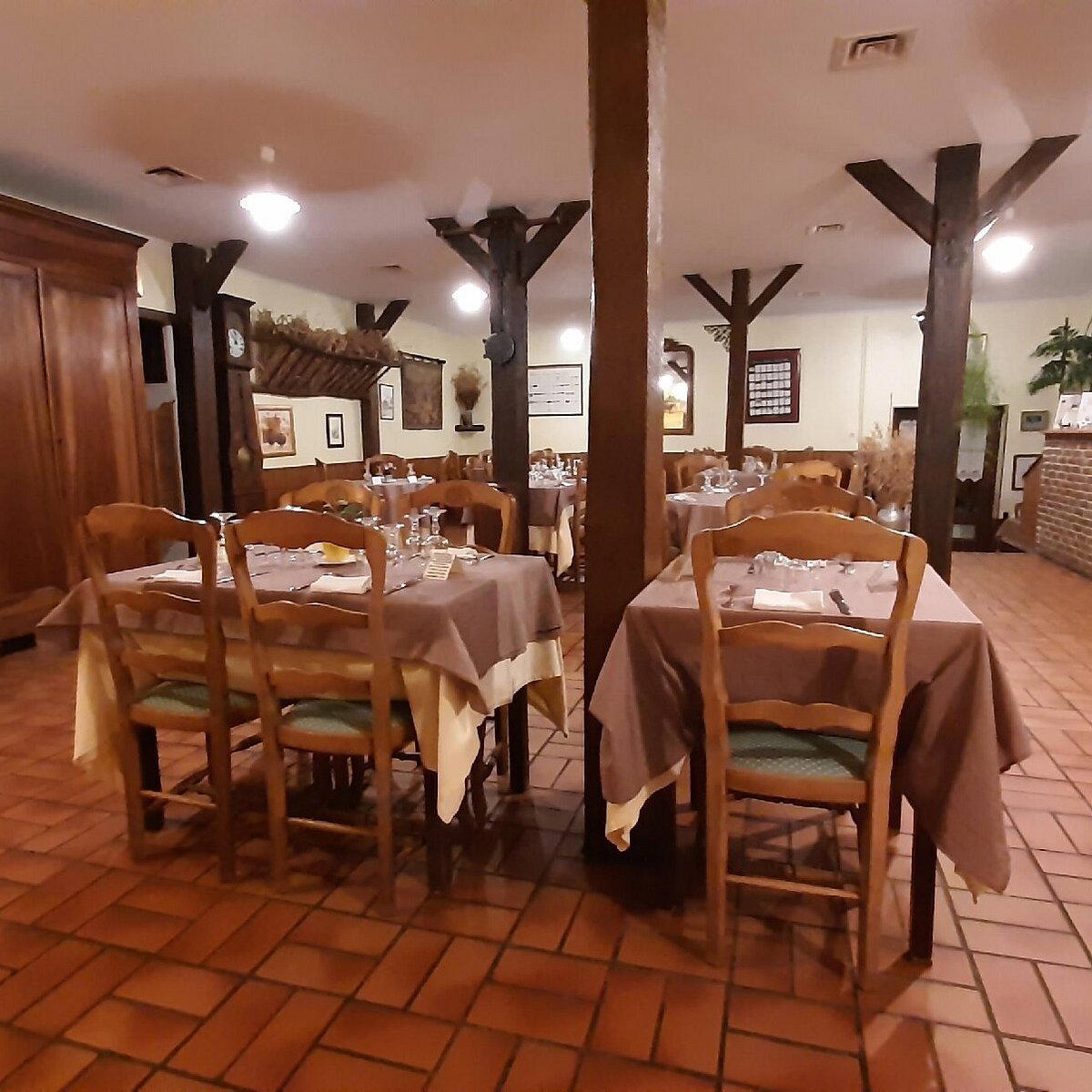
Set in the medieval village of Saint Riquier in the Somme, La Grange de Saint Riquier occupies a converted barn steps from one of Picardy's great abbeys. The address places it within a Northern French rural dining tradition where proximity to farmland and regional produce shapes the plate. For travellers moving through the Hauts-de-France, this is a quiet, grounded alternative to the region's more frequented restaurant corridors.

Pearl is the En Primeur Club membership app — saves, bookings, and concierge access live there. Same editors, same standards.
- Address
- 1 Rue Notre Dame, 80135 Saint-Riquier, France
- Phone
- +33322289300
- Hours
- Mon 11:30 AM–1:30 PM, 6:30–8:30 PMTue ClosedWed–Sun 11:30 AM–1:30 PM, 6:30–8:30 PM
- Website
- facebook.com
- Directions
- Get directions
The menu
What to order
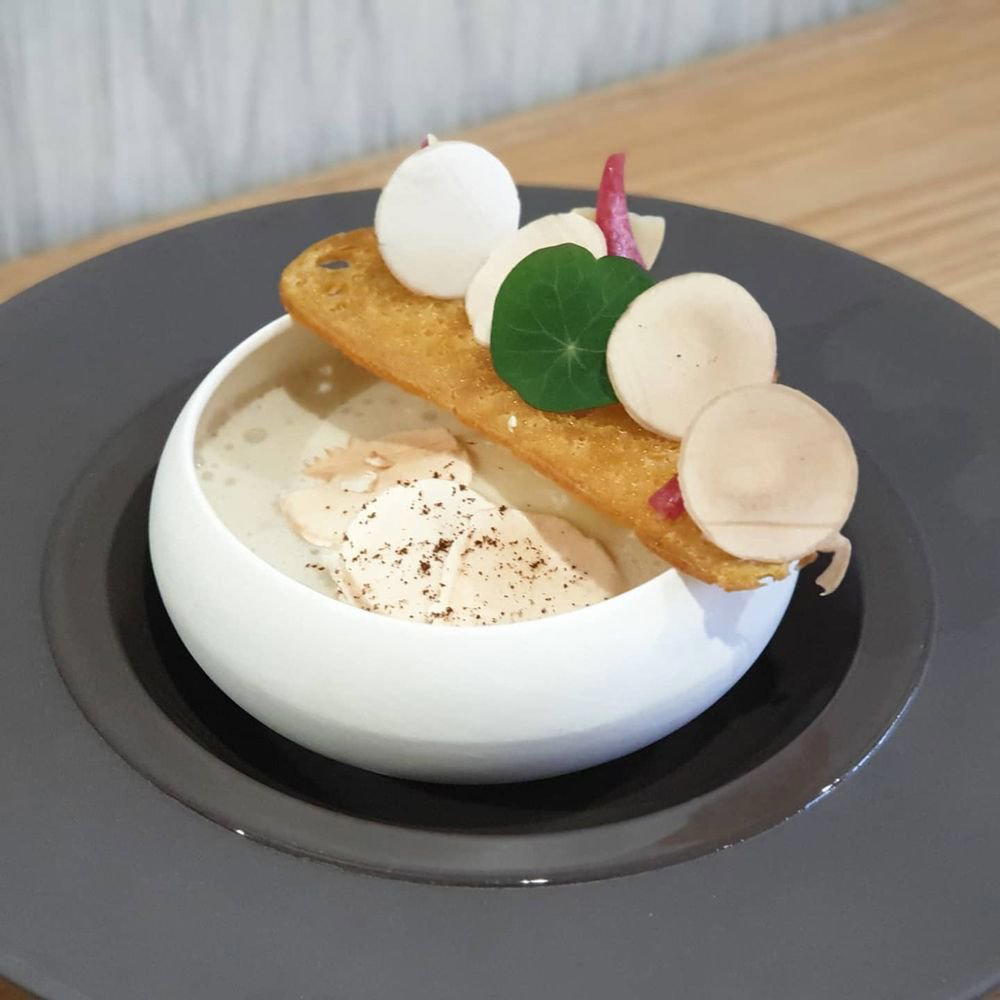
- Douillon de pomme
- Mousseline de brochet aux écrevisses
- Croustillant de pieds de cochon
Picardy on the Plate: Why Saint Riquier Matters for Regional Dining
Northern France does not attract the same dining pilgrimage traffic as Burgundy, the Basque Country, or the Côte d'Azur, and that comparative obscurity is precisely what makes a stop in the Somme valley worth planning. The Hauts-de-France region sits on a productive agricultural belt, its flatlands yielding root vegetables, cereals, and dairy at a scale that once fed Paris and still supplies some of France's most careful regional kitchens. Saint Riquier, a small medieval village centred on its UNESCO-listed Benedictine abbey, sits within this productive corridor, roughly equidistant between Abbeville and Amiens. For context, consider that France's highest-decorated kitchens, from Mirazur in Menton to Troisgros in Ouches, consistently anchor their identity in the agricultural character of their immediate surroundings. That same logic operates at a more local register in Picardy, where the sourcing story begins not with the chef's philosophy but with what the land reliably provides.
The Setting: A Converted Barn in a Medieval Village
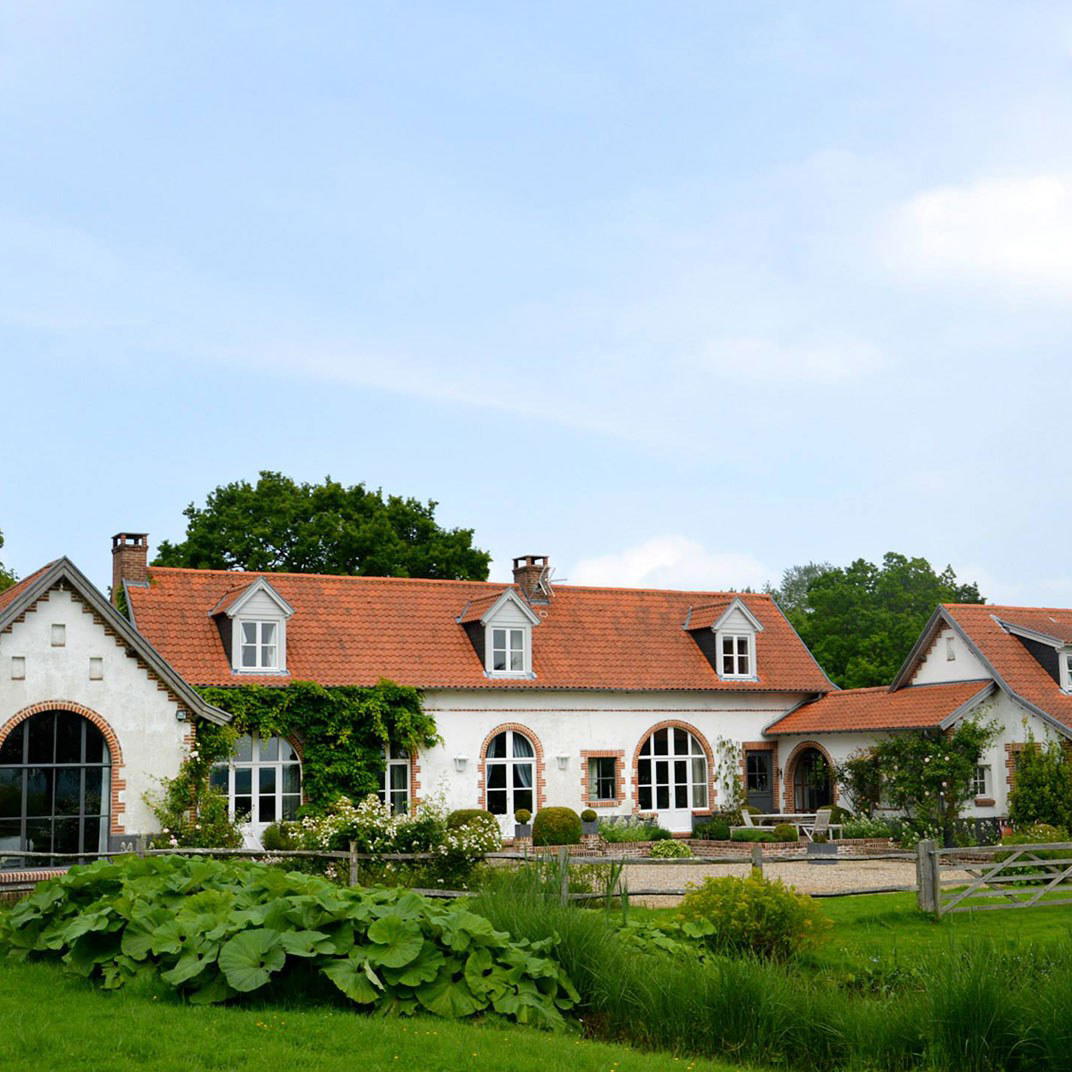
La Grange de Saint Riquier takes its name and its physical form from the agricultural heritage of the region. A converted barn in a French village context is not the same as a rustic renovation project in a tourist destination. Here, the grain-store and livestock building typology reflects centuries of rural economy: thick stone walls, high ceilings designed for storage rather than comfort, and a relationship to the surrounding fields that is structural rather than decorative. The address at 1 Rue Notre Dame places the restaurant within metres of the abbey church, a stone building dating to the seventh century and rebuilt substantially in the fifteenth and sixteenth. Arriving along Rue Notre Dame, the abbey's Flamboyant Gothic façade registers before the restaurant itself. That context, a working village rather than a curated heritage destination, sets the tone for what to expect inside: a meal shaped by its surroundings rather than positioned against them.
This kind of converted agricultural space is a specific format within French regional dining, distinct from the formal country house restaurant (which aligns more closely with properties like L'Oustau de Baumanière in Les Baux or Auberge de l'Ill in Illhaeusern) and distinct also from the urban bistrot or brasserie format. The grange format implies a directness, a meal in a space that was built for practical purposes and still reads that way, however carefully restored.
Ingredient Sourcing and the Northern French Table
Picardy's food identity is less publicised than that of Normandy to the west or Champagne to the south, but the region's agricultural output is substantial. The Somme estuary and bay support shellfish and coastal fishing that has supplied markets in Abbeville, Amiens, and Saint-Valery-sur-Somme for centuries. Inland, the chalky soils of the Santerre plateau produce sugar beet, endive, and winter leeks that anchor much of the region's cold-weather cooking. Lamb from the salt meadows around the Baie de Somme, known locally as agneau de pré-salé, carries a mineral salinity from the coastal grasses that requires no intervention to be interesting on the plate. This is the sourcing geography that surrounds Saint Riquier and contextualises a kitchen that draws from it. The principle at work is not novelty but proximity: ingredients that travel ten kilometres rather than three hundred arrive at a different state of readiness, and that gap is perceptible.
Across France's most admired regional tables, whether Bras in Laguiole with its Aubrac plateau foraging or Auberge du Vieux Puits in Fontjoncouse drawing on the Corbières garrigue, the sourcing argument has become the primary editorial frame for understanding a kitchen's ambition. In the Somme, that argument is made with less fanfare but equivalent agricultural logic. What the Northern French kitchen has always understood is that restraint in technique is not a limitation when the raw material is already carrying character.
Saint Riquier in the Broader Hauts-de-France Context
Travellers considering the Hauts-de-France for its dining tend to look first at Lille, where the brasserie culture and Flemish border influence produce a distinct urban food identity. Saint Riquier operates at the opposite register: village-scale, unhurried, and structured around the rhythms of rural Northern France rather than urban service patterns. For travellers arriving from Paris, the TGV connection to Amiens takes approximately one hour and ten minutes, and Saint Riquier sits around fifteen kilometres north of Amiens, accessible by road. That proximity to Amiens, which has its own cathedral of greater fame than Saint Riquier's abbey but a more tourist-managed atmosphere, means the village functions as a quieter approach to the same Picard cultural register.
Within the category of destination dining in small French villages, the comparison set extends to places like Georges Blanc in Vonnas, a village restaurant that has grown across generations into an institution, or the coastal precision of La Marine in Noirmoutier-en-l'île. La Grange de Saint Riquier does not occupy the same tier of recognition as those addresses, but the structural question they all answer is the same: what does it mean to cook seriously in a place that is defined by its agricultural or coastal surroundings rather than by urban demand? Our full Saint Riquier restaurants guide maps the village's dining options against this broader regional frame.
Planning Your Visit
Saint Riquier receives significant visitor numbers during the summer festival season, particularly around the Festival de Saint-Riquier, one of the Somme's longer-running music programmes, which draws audiences to the abbey courtyard and increases local restaurant pressure from late June through August. Visiting outside that window, in the spring or early autumn, allows for a more measured experience of the village and its surroundings, and the Picard agricultural calendar aligns the best of the region's root vegetable and game produce with October and November. The address at 1 Rue Notre Dame is the reliable locator; phone and booking details are best confirmed through current local sources given the absence of a listed website. Dress expectations at this category of converted-barn restaurant in rural Northern France tend to be relaxed but not casual, reflecting the village's own understated character rather than either the formality of a Michelin-tracked urban room or the deliberate informality of a wine bar format.
Frequently asked questions
Does La Grange de Saint Riquier work for a family meal?
A converted barn setting in a village like Saint Riquier typically supports a relaxed pace that suits mixed-age groups better than formal tasting-menu restaurants. The agricultural character of the space — generous proportions, informal architecture — tends to accommodate families without the pressure of a high-ceremony dining room. If you are planning around the Festival de Saint-Riquier in summer, book ahead, as visitor numbers in the village rise sharply during that period.
What's the overall feel of La Grange de Saint Riquier?
The address — 1 Rue Notre Dame, in the medieval village of Saint Riquier — places the restaurant within a historically dense setting, and the converted barn format reinforces that sense of place. Northern French dining rooms of this type tend toward warmth over formality: exposed structural elements, a connection to the agricultural land that supplies the kitchen, and an absence of the mannered staging found in Lille's more theatrical brasseries. It reads as a local institution rather than a destination performance.
Is La Grange de Saint Riquier worth visiting as a standalone destination from Amiens or the Somme area?
Saint Riquier sits roughly 10 kilometres north of Abbeville and within day-trip range of Amiens, making La Grange a plausible anchor for an afternoon that also takes in the Abbatiale Saint-Riquier, one of the most intact Carolingian-era churches in northern France. For travellers already in the Somme department, the detour is low-cost; for those travelling specifically from Paris or Lille, the village dining scene works best when combined with the summer festival programme or a wider Hauts-de-France itinerary.
What's the best thing to order at La Grange de Saint Riquier?
Without a published menu on record, the clearest steer comes from the regional context: Picardy's kitchen strengths run to leek-based preparations, freshwater fish from the Somme valley, Maroilles-influenced dishes, and the flamiche — a leek and cream tart that appears in various forms across the region. Dishes grounded in that local repertoire are the most defensible choice at a barn restaurant drawing on Picardy's agricultural output, but confirming current offerings directly with the venue is advisable before your visit.
How It Stacks Up
Comparable venues nearby, for context on price, style, and recognition.
| Venue | Cuisine | Price | Notes |
|---|---|---|---|
| La Grange de Saint RiquierThis venue — the venue you are viewing | Traditional French Regional | $30–50 | Not listed |
| Maison Blanche | Modern French Fine Dining | Not listed | 8th arrondissement |
| Aux Pêcheurs d'Etaples | French Seafood | $50–100 | Port d'Etaples |
| Comptoir De Vie | Modern French Tasting Counter-Bar | $100–150 | 2nd Arrondissement |
| Le Petit Canard | Traditional French Duck Bistro | Not listed | 9th arrondissement |
| L'Atlantic | Modern French Seafood | $50–100 | Wimereux |
Continue exploring
More in Saint Riquier
Restaurants in Saint Riquier
Browse all →
Bars in Saint Riquier
Browse all →
Hotels in Saint Riquier
Browse all →
Wineries in Saint Riquier
Browse all →
Details
- Rustic
- Classic
- Cozy
- Family
- Date Night
- Historic Building
- A La Carte
Current opening hours
- Monday
- 11:30 AM–1:30 PM, 6:30–8:30 PM
- Tuesday
- Closed
- Wednesday
- 11:30 AM–1:30 PM, 6:30–8:30 PM
- Thursday
- 11:30 AM–1:30 PM, 6:30–8:30 PM
- Friday
- 11:30 AM–1:30 PM, 6:30–8:30 PM
- Saturday
- 11:30 AM–1:30 PM, 6:30–8:30 PM
- Sunday
- 11:30 AM–1:30 PM, 6:30–8:30 PM
Hours can change for holidays and private events. Last verified .
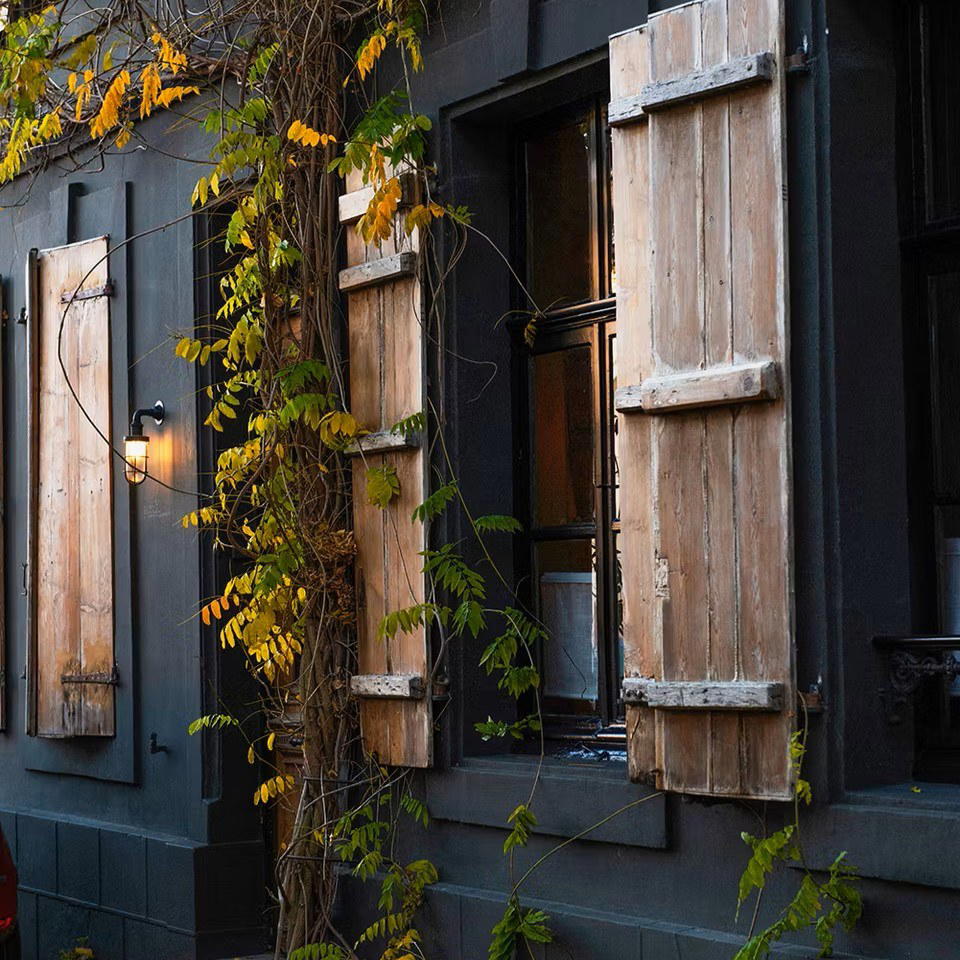
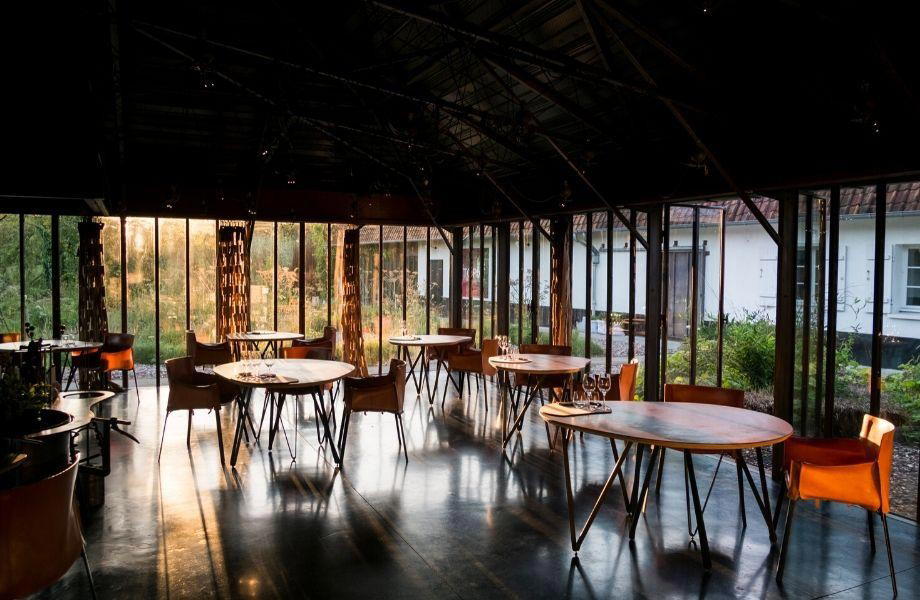
Rustic peasant-style decor with brick, flagstones, and old-fashioned furniture creating a nostalgic, familial atmosphere.