La Fondita Mexican Restaurant
In Fillmore, a small Ventura County city where Mexican heritage runs deep through the agricultural labor force and longstanding community roots, La Fondita on Central Avenue represents the neighborhood taqueria format at its most grounded. The cooking draws on regional Mexican tradition rather than Cal-Mex convention. For visitors passing through or residents who already know the address, it is the kind of place that earns return visits on consistency rather than novelty.
 Discover on Pearl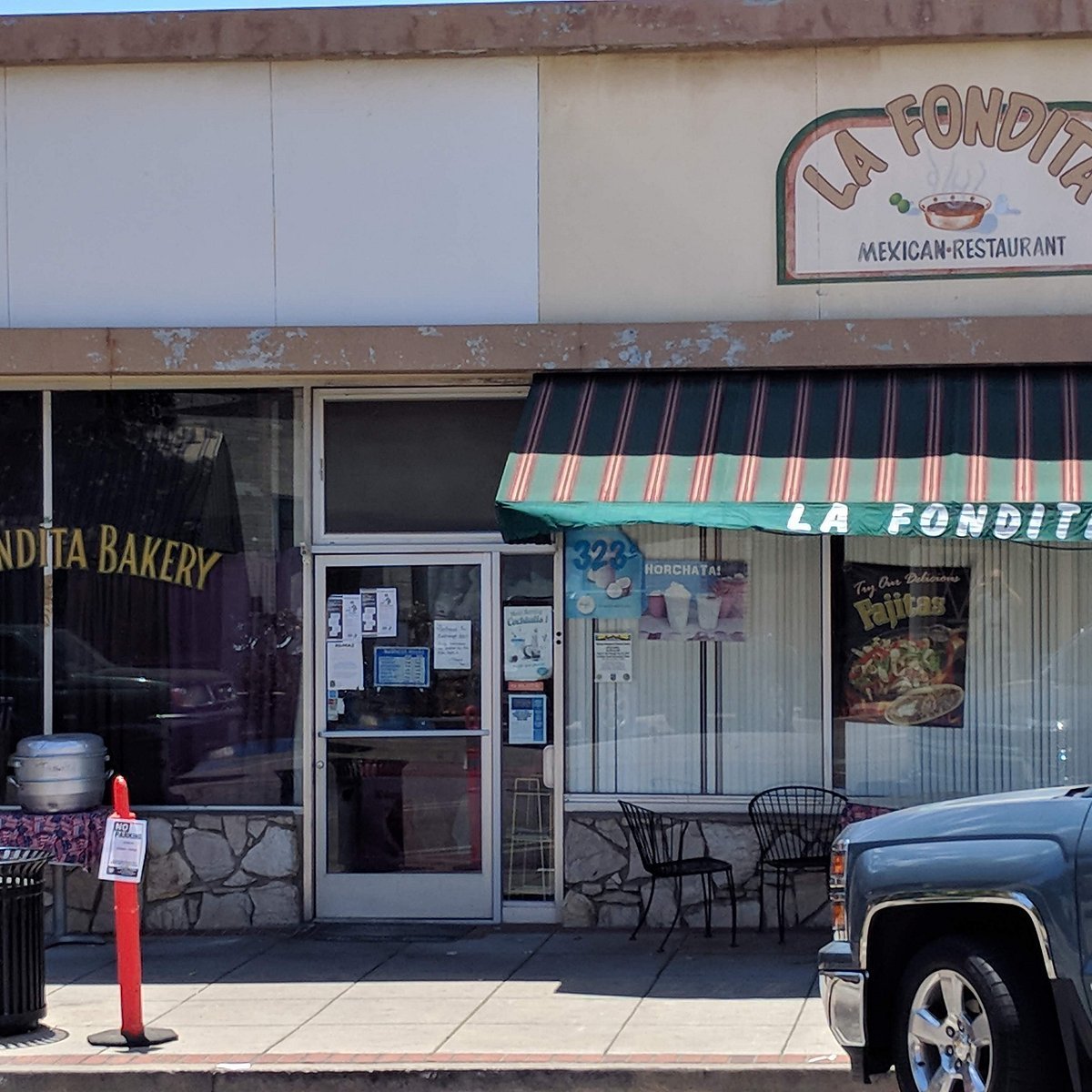
Central Avenue and the Cooking It Sustains
Fillmore sits in the Santa Clara River Valley, surrounded by citrus groves and avocado orchards that have defined Ventura County agriculture for generations. The city's population is predominantly Latino, and that demographic reality shapes what food looks like on Central Avenue in ways that matter to anyone paying attention. This is not a tourist corridor. The Mexican restaurants here compete on price, familiarity, and consistency with a regular clientele that knows what things should taste like. La Fondita at 323 Central Ave operates inside that context, which is the most important frame for understanding what the restaurant is and what it is not.
The ingredient sourcing question in this part of California is worth taking seriously. Ventura County produces lemons, strawberries, avocados, and a range of field crops at commercial scale, and the proximity of that agricultural output to small independent Mexican kitchens creates conditions that larger urban restaurants often pay a premium to replicate. In a farming community like Fillmore, the distance between field and kitchen can be genuinely short, and restaurants embedded in that supply chain tend to reflect it in the freshness of their salsas, guacamole, and produce-forward preparations. Whether La Fondita sources locally in any formal or documented sense is not confirmed in available records, but the broader point about Ventura County's agricultural position is verifiable and shapes the competitive baseline for any serious Mexican kitchen operating here.
The shortlist, unlocked.
Hard-to-book tables, cellar releases, and concierge-planned trips.
Get Exclusive Access →What the Taqueria Format Means in This Setting
The neighborhood taqueria is one of the most pressure-tested restaurant formats in California. It operates on volume and speed, with menus built around a small number of preparations executed many times daily. Tacos, burritos, tortas, tamales, and plates with rice and beans form the structural core. The quality ceiling in this format is set not by ambition but by sourcing discipline and recipe consistency. A kitchen that uses good lard, fresh corn tortillas, and well-seasoned meat has a significant advantage over one that cuts corners, even if the menu looks identical on paper.
This matters for comparison purposes. Restaurants like Blue Hill at Stone Barns in Tarrytown or Single Thread Farm in Healdsburg have built entire editorial identities around farm-to-table sourcing at price points that put them in a different universe from a Central Avenue taqueria. The sourcing conversation in American dining often centers on those high-investment, documented supply-chain operations. But the ingredient question at a place like La Fondita is structural rather than branded: the food either tastes like it came from good raw materials or it does not, and the community that eats here regularly will make that judgment efficiently.
For comparison across California's more formally documented dining tier, The French Laundry in Napa and Providence in Los Angeles represent the credentialed, award-heavy end of the state's restaurant spectrum. Addison in San Diego and Lazy Bear in San Francisco occupy similar territory in terms of critical recognition and price. La Fondita does not compete in that tier and is not trying to. Its peer set is the working taqueria, and within that format, location in a genuine agricultural county carries more weight than a Michelin visit ever would.
The Fillmore Context for First-Time Visitors
Fillmore is a small city with a population under 16,000, and it functions primarily as a residential and agricultural community rather than a dining destination. Visitors arriving from Los Angeles via Highway 126 pass through active farmland before reaching downtown. Central Avenue is the commercial spine, and the dining options reflect a community feeding itself rather than performing for outsiders. That distinction matters because it affects expectations, pricing, and the character of service.
For travelers on the way to Ojai, Santa Barbara, or the Channel Islands via Ventura, Fillmore is a practical stop rather than a primary destination. The city's food scene is not calibrated for the browsing visitor who wants a curated experience. It is calibrated for people who know what they want, know what it costs, and come back because the kitchen holds its standard. Restaurants in this mold, from comparable Ventura County towns to similar agricultural communities across the Central Valley, tend to have regulars who measure quality in portions, freshness, and price consistency over time rather than in tasting menu progression or wine pairing.
The broader California small-city taqueria format has produced some of the most consistent everyday Mexican cooking in the country. Cities like Oxnard, Santa Maria, and Salinas host kitchens that outperform their ZIP codes on quality because their customer base demands it and their supply chains deliver it. Fillmore belongs to that regional pattern. For context on what documented sourcing discipline can look like at the opposite end of the price and formality spectrum, Brutø in Denver and Bacchanalia in Atlanta have both built reputations around ingredient sourcing at formal dining price points. Frasca Food and Wine in Boulder and Causa in Washington D.C. represent sourcing-led editorial narratives in their respective regional categories. None of that is the La Fondita conversation, but it illustrates how broadly the sourcing question runs across American dining at every price point.
For the EP Club reader building out a California itinerary, our full Fillmore restaurants guide covers the wider dining picture in the city. Comparable documented operations at the high end of American restaurant credentialing include Le Bernardin in New York City, Alinea in Chicago, Atomix in New York City, Emeril's in New Orleans, ITAMAE in Miami, and The Inn at Little Washington. These references frame the national dining conversation that Fillmore sits outside of, which is precisely the point: La Fondita's value, if it delivers on the format's potential, comes from operating without that machinery entirely. 8½ Otto e Mezzo Bombana in Hong Kong represents the international credentialing tier at its most extreme distance from a Central Avenue taqueria.
Planning Your Visit
La Fondita is at 323 Central Ave, Fillmore, CA 93015. No booking system, website, or published phone number is available in current records, which is consistent with the walk-in, counter-service format common to this restaurant category. Hours and current pricing are not confirmed in available data and should be verified on arrival or through local directory listings. The format strongly suggests cash-friendly pricing and no reservation requirement. Parking on Central Avenue is street-level and generally available given the city's scale.
Frequently Asked Questions
- Would La Fondita Mexican Restaurant be comfortable with kids?
- In a small Ventura County city where the taqueria format dominates at accessible price points, this kind of neighborhood Mexican restaurant is almost always family-appropriate. No confirmed data exists on seating or service specifics, but the format and community context make it a reasonable assumption.
- Is La Fondita Mexican Restaurant formal or casual?
- In Fillmore, a working agricultural city with no documented fine-dining tier, the dining register is uniformly casual. No awards or price data are on record for La Fondita, and the Central Avenue address and taqueria format are both consistent with come-as-you-are service. Dress accordingly.
- What should I order at La Fondita Mexican Restaurant?
- No confirmed menu data, chef credentials, or award recognition are available in current records. In the taqueria format common to Ventura County's agricultural towns, the most reliable signal for quality is in the proteins, fresh salsas, and tortilla quality. Order simply on a first visit and calibrate from there.
- How far ahead should I plan for La Fondita Mexican Restaurant?
- Walk in. No booking system is documented, no awards suggest the kind of demand that creates waitlists, and Fillmore's scale makes queue pressure unlikely outside of peak lunch hours. Arrive at an off-peak time if you want the smoothest experience.
- Is La Fondita Mexican Restaurant representative of Ventura County's Mexican food tradition?
- Ventura County's Mexican culinary tradition is rooted in the agricultural labor communities of the Santa Clara and Oxnard Plain, where cooking has tracked closely with regional ingredients and family recipes rather than restaurant-industry trends. A Central Avenue address in Fillmore places La Fondita squarely inside that community-embedded tradition, which is a different lineage from the Cal-Mex format that dominates coastal Southern California tourist corridors. No chef credentials or sourcing specifics are on record, but the city context itself is a meaningful signal about the style of cooking to expect.
A Quick Peer Check
These are the closest comparables we have in our database for quick context.
| Venue | Cuisine | Price | Awards | Notes |
|---|---|---|---|---|
| La Fondita Mexican Restaurant | This venue | |||
| Le Bernardin | French, Seafood | $$$$ | Michelin 3 Star | French, Seafood, $$$$ |
| Atomix | Modern Korean, Korean | $$$$ | Michelin 2 Star | Modern Korean, Korean, $$$$ |
| Lazy Bear | Progressive American, Contemporary | $$$$ | Michelin 2 Star | Progressive American, Contemporary, $$$$ |
| Alinea | Progressive American, Creative | $$$$ | Michelin 3 Star | Progressive American, Creative, $$$$ |
| Atelier Crenn | Modern French, Contemporary | $$$$ | Michelin 3 Star | Modern French, Contemporary, $$$$ |
Need a table?
Our members enjoy priority alerts and concierge-led booking support for the world's most difficult tables.
Get Exclusive AccessThe shortlist, unlocked.
Hard-to-book tables, cellar releases, and concierge-planned trips.
Get Exclusive Access →