Our verdict
La Fabrique de Cade sits on Cours Lafayette in the heart of Toulon's market quarter, where the cade tradition, a Provençal flatbread baked from chickpea flour and olive oil, connects the kitchen directly to regional ingredient culture. The address places it inside a dense cluster of food producers and traders, which shapes both what arrives on the plate and when. For visitors tracking the sourcing logic of Var cuisine, this is a reference stop.

Pearl is the En Primeur Club membership app, where members save venues, book tables and use the concierge.

The menu
What to order
- Cade
- Cade sucrée
Cours Lafayette and the Ingredient Architecture of Var Street Food
Cours Lafayette is not a dining destination in the conventional sense. It is Toulon's central market artery, a long open-air corridor where vegetable stalls, cheese merchants, olive traders, and fish sellers operate within metres of each other from early morning. The market's logic is seasonal and hyper-local: Var tomatoes in August, wild herbs from the Maures foothills, tapenade from producers who source their olives from within the département. Restaurants and food producers that occupy this address are not choosing it for atmosphere, they are choosing it for access. Au Sourd, one of Toulon's longstanding seafood addresses, sits in the same neighbourhood and draws from the same logic: proximity to supply is the operating principle of this part of the city.
La Fabrique de Cade sits at 98 Cours Lafayette inside that market system. The name announces the primary subject immediately. Cade, sometimes called socca's lesser-known Var cousin, is a chickpea-flour flatbread cooked in a wood-fired or stone oven with olive oil, historically sold at street level and eaten without ceremony. The tradition is older than the tourist economy that now surrounds it, and the ingredient list has always been short: chickpea flour, olive oil, water, salt. What separates a serious producer from a casual one is sourcing discipline and heat control, not complexity.
The Cade Tradition in the Context of Provence's Chickpea Flour Repertoire
Provence's chickpea flour preparations divide broadly into two regional poles. To the east, Nice and Liguria claim socca and farinata respectively, thin, slightly crisp, eaten from paper cones at market stalls. The Var and Toulon area produce cade, which is denser, richer in olive oil content, and traditionally associated with the street vendors of the old port quarter. Both traditions share the same foundational ingredient logic: a single-origin legume flour, a local cold-pressed oil, and an oven hot enough to produce a caramelised surface over a yielding interior.
What makes the cade tradition worth tracking at this moment is its trajectory. Hyper-local street foods built on single ingredients and minimal processing have moved up the attention hierarchy in French food culture over the past decade, not because they have been formalised or refined, but because they sit at the intersection of two trends that now carry serious critical weight: provenance transparency and technique simplicity. Mirazur in Menton, which operates at the opposite end of the formality spectrum, has spent years arguing that the Ligurian coast's ingredient identity is sufficient to generate three-Michelin-star work. The argument that a chickpea flatbread from Toulon's market street belongs in the same provenance conversation is not a stretch, it is the same logic applied at a different price point and format.
Across France's serious kitchen culture, the sourcing question has become the organising principle. Bras in Laguiole built a signature around Aubrac's wild plant inventory. Flocons de Sel in Megève maps Alpine seasons onto its format. Even at the level of street food and market production, the question of where the flour is milled, which grove the oil comes from, and how far ingredients have travelled before reaching the oven is now the relevant one. At La Fabrique de Cade, the Cours Lafayette address answers part of that question structurally, the supply chain is, in many cases, visible from the shopfront.
How La Fabrique de Cade Positions Within Toulon's Eating Options
Toulon's restaurant tier divides roughly into three registers. At the leading end, a small number of addresses offer format-driven experiences: Beam works in modern cuisine at the €€ level; AOC 41 approaches the city's wine and food relationship from a focused, edited angle. Below that, the city's seafood tradition, anchored by Au Sourd in the €€€ bracket, reflects the Mediterranean port identity. And at street level, the market quarter produces food that operates outside the reservation economy entirely: producers, bakers, and specialist vendors whose output is timed to the market day rather than to a dinner service. La Fabrique de Cade occupies that third register. It is a producer operation, not a restaurant in the conventional sense, and comparing it to seated dining addresses misreads what it offers.
For visitors building a day around the Cours Lafayette market, the surrounding options extend the picture. Crêperie Glacier l'Igloo and Etc. both operate nearby and serve different meal registers, but the cade stop functions as an orientation point rather than a meal anchor, a way of reading the city's ingredient logic in a single, unreconstructed format.
The broader French fine dining circuit, from Alléno Paris au Pavillon Ledoyen to Paul Bocuse in Collonges-au-Mont-d'Or and Auberge de l'Ill in Illhaeusern, builds its identity on codified French technique and formal service. La Fabrique de Cade operates at the opposite pole, where the preparation is the tradition and the tradition is the sourcing. Both ends of that spectrum are currently attracting serious attention, which is why market-food operations built around single ingredients and regional flour cultures are worth documenting alongside the Michelin tier. AM par Alexandre Mazzia in Marseille, the closest major reference point geographically and in terms of critical standing, demonstrates what happens when Mediterranean ingredient culture meets formal ambition. La Fabrique de Cade represents the other end of the same regional identity.
Planning a Visit
La Fabrique de Cade is located at 98 Cours Lafayette, in Toulon's central market corridor. The address operates within market hours rather than restaurant service patterns, which means arrival timing matters more than reservation status, the product is tied to the day's production run and typically sells through by mid-morning to early afternoon. Cours Lafayette is walkable from Toulon's central train station, which connects to Marseille in under an hour and to Nice in approximately two hours. Those combining this stop with broader Provence and Côte d'Azur itineraries should treat it as a morning market anchor rather than an evening destination. For a fuller picture of what the city offers across price tiers and formats, the full Toulon restaurants guide maps the relevant options.
Frequently asked questions
What's La Fabrique de Cade's location?
La Fabrique de Cade is located at 98 Cr Lafayette, 83000 Toulon, France, Toulon.
How does cade at La Fabrique de Cade differ from socca found elsewhere in Provence?
Cade is Toulon's specific chickpea flour preparation and sits in a different register from Nice's socca: it is typically thicker, richer, and baked in a deep pan rather than the wide, thin iron plate used along the Côte d'Azur. La Fabrique de Cade, positioned on Cours Lafayette in the heart of Toulon's market zone, works within this Var tradition specifically, making it a useful reference point for understanding how the chickpea flour repertoire varies across just a few hundred kilometres of Provençal coast.
What's the signature dish at La Fabrique de Cade?
Cade is the single focus here: a thick, oven-baked chickpea flour preparation specific to Toulon and the Var coast, distinct from Nice's thinner socca and the Ligurian farinata tradition. The format has deep roots in this part of Provence and La Fabrique de Cade operates at 98 Cours Lafayette, Toulon's central market corridor, where it functions as a direct expression of that local tradition rather than a restaurant interpretation of it.
Do I need a reservation for La Fabrique de Cade?
La Fabrique de Cade operates within the rhythm of the Cours Lafayette market rather than standard restaurant hours, which means it runs on a walk-in, counter-service basis. Arrival early in the market session is the practical approach, since output is tied to production pace rather than table turns. No booking infrastructure is in place for this address.
Comparable Spots, Quickly
Comparable venues nearby, for context on price, style, and recognition.
| Venue | Cuisine | Price | Notes |
|---|---|---|---|
| La Fabrique de CadeThis venue (the venue you are viewing) | Traditional Toulon Cade (Chickpea Galette) | $1–10 | Not listed |
| Crêperie Glacier l'Igloo | French Crêperie & Artisan Ice Cream | $10–20 | Basse Ville |
| AOC 41 | Modern French Bistro | $30–50 | Le Mourillon |
| FLORABIO | Organic Mediterranean Bistro | $30–50 | Centre-ville |
| Il Parasole di Marco | Beachside Italian Pizza & Pasta | $20–30 | Mourillon |
| Te Aki | Polynesian (Tahitian Chinese) | $20–30 | Port |
Continue exploring
More in Toulon
Restaurants in Toulon
All restaurants in Toulon →

Bars in Toulon
Browse all →

Details
- Rustic
- Cozy
- Casual Hangout
- Standalone
- Street Scene
- A La Carte
- Vegetarian Friendly
Current opening hours
- Monday
- Closed
- Tuesday
- 9 AM–1 PM
- Wednesday
- 9 AM–1 PM
- Thursday
- 9 AM–1 PM
- Friday
- 9 AM–1 PM
- Saturday
- 9 AM–1 PM
- Sunday
- 9 AM–1 PM
Hours can change for holidays and private events. Hours as of .
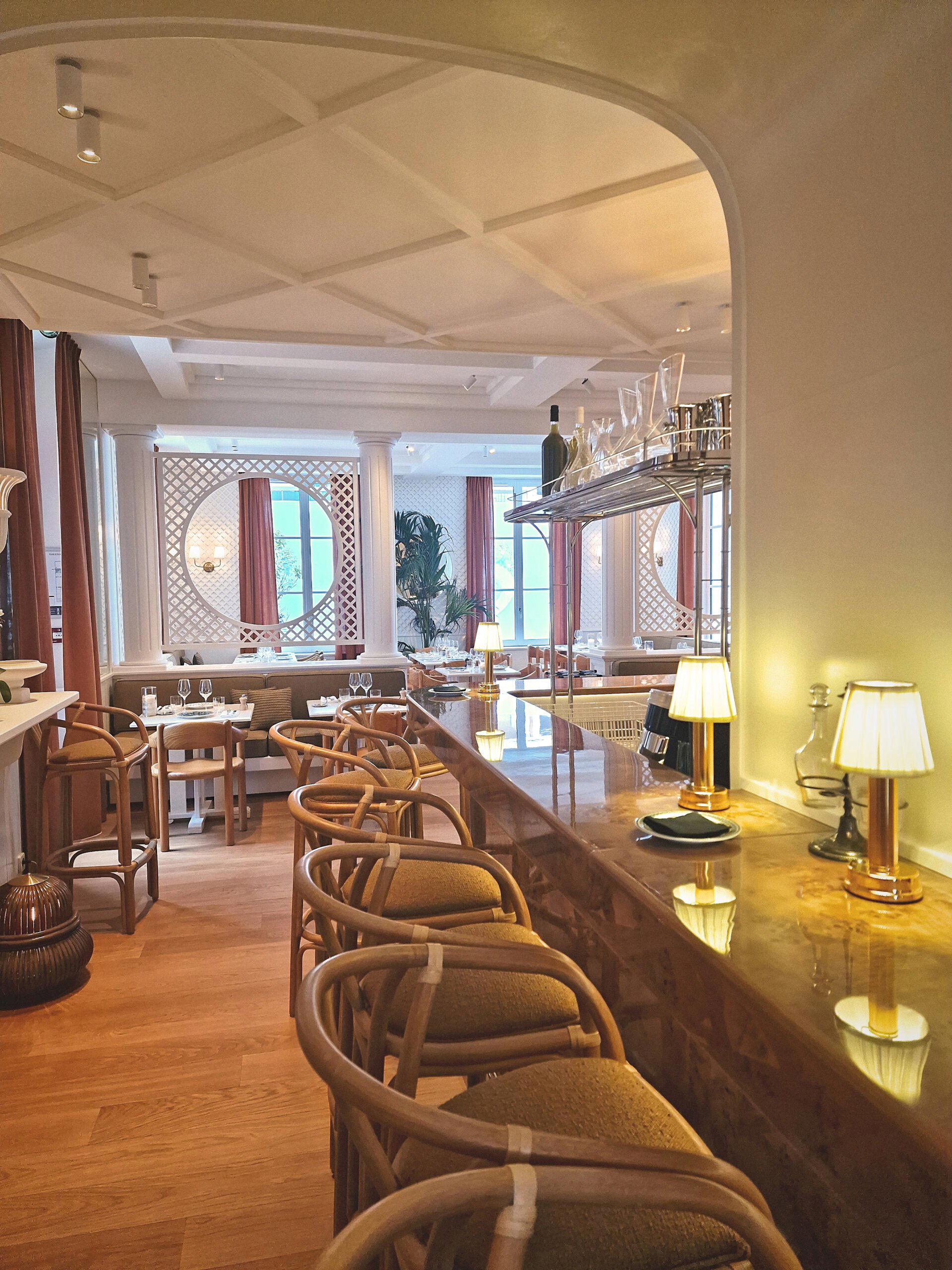
Casual market stall atmosphere with the aroma of freshly baked chickpea galettes from a wood-fired oven.