La Dolce Vita Trattoria
La Dolce Vita Trattoria on Palm Harbor Boulevard places itself squarely in the Italian-American trattoria tradition that has taken root across Florida's Gulf Coast communities. The format favors convivial dining over ceremony, and the address puts it within reach of both local regulars and visitors exploring Pinellas County's more residential dining corridors. For those moving between Italian options in the area, it sits alongside Positano's Ristorante as part of a small cluster of Italian-leaning rooms in the Palm Harbor orbit.
Pearl is the En Primeur Club membership app — saves, bookings, and concierge access live there. Same editors, same standards.
- Address
- 600 Palm Harbor Blvd, Palm Harbor, FL 34683
- Phone
- +17273517020
- Website
- dolcevitapalmharbor.com
- Directions
- Get directions
 Saves & bookings on Pearl
Italian-American Trattoria Dining on Florida's Gulf Coast
There is a particular quality to trattoria dining that resists the polish of fine dining and the informality of fast-casual: it occupies a middle register where the room does its work quietly, the food arrives without theatrical explanation, and the expectation is that you stay longer than you planned. Along Florida's Gulf Coast, this format has found receptive ground in the residential communities that stretch north of Clearwater through Dunedin and into Palm Harbor, where the dining culture skews local rather than tourist-facing. La Dolce Vita Trattoria on Palm Harbor Boulevard operates inside that register, on a corridor that serves the community rather than the destination traveler.
Palm Harbor itself sits outside the concentrated dining circuits that dominate coverage of the Tampa Bay area. It does not have the density of Seminole Heights or the waterfront draw of Dunedin's main strip. What it does have is a steady residential population that supports independent operators across a range of cuisines, and a handful of Italian-leaning rooms that have carved out reliable followings. Positano's Ristorante represents one end of that Italian presence in the area; La Dolce Vita Trattoria represents another entry point into the same tradition, with a name that signals the relaxed, pleasure-oriented ethos the format implies.
The Ingredient Question in Italian-American Cooking
The sourcing debate inside Italian-American cooking is older than the cuisine itself. At one end are operators who import DOP-certified ingredients, San Marzano tomatoes, and 00-grade flour, treating the Italian-American genre as a delivery vehicle for protected-designation products. At the other end is the tradition of adaptation: Italian immigrants arriving in the United States in the late nineteenth and early twentieth centuries improvised with what was locally available, creating a cuisine that was not strictly Italian and not strictly American but something produced by the specific pressure of migration and proximity.
This tension plays out differently depending on where a restaurant sits in the price and ambition spectrum. At the upper tier of Italian dining in the United States, sourcing has become a primary editorial argument. Operations like Le Bernardin in New York City and Alinea in Chicago have set sourcing-as-statement standards in their respective categories, while farm-integration models like Blue Hill at Stone Barns in Tarrytown and Single Thread Farm in Healdsburg have pushed the sourcing argument as far as it can go. The trattoria format does not typically compete in this register. Its sourcing logic is practical rather than philosophical: consistency, cost, and the ability to run pasta, proteins, and sauces at a pace that keeps tables turning.
For Gulf Coast Italian operators specifically, Florida's agricultural profile offers some natural advantages. The state produces a meaningful share of the country's tomatoes, citrus, and fresh herbs, and proximity to Gulf seafood opens a category that strict Italian-American cooking rarely features with any seriousness. Whether operators at the Palm Harbor level are drawing on local Gulf ingredients or relying on the same broadline distributors as their counterparts elsewhere in the country is largely a kitchen decision rather than a genre expectation. The trattoria form does not require sourcing transparency in the way that tasting-menu formats do, but the operators who do draw on local product tend to find a point of distinction in markets that might otherwise feel interchangeable.
Where La Dolce Vita Trattoria Sits in the Palm Harbor Room
Palm Harbor's Italian options exist alongside a broader independent dining scene that includes Massimo's Eclectic Fine Dining, which takes a different approach by ranging across cuisines and formats, and The Lucky Dill, which anchors a different dining tradition entirely. Mystic Fish draws from the area's proximity to water in a way that the Italian rooms generally do not. Together these operators suggest a local scene with enough variety to support differentiation, where a trattoria can occupy its own lane without competing directly against a fish house or a deli-style operation.
The Italian-American trattoria remains one of the more durable formats in American suburban dining, in part because it requires no conceptual explanation and in part because the category has established strong expectations around value, generosity, and familiarity. Rooms like Bacchanalia in Atlanta or Emeril's in New Orleans have developed their own sourcing and identity arguments over decades of operation; the trattoria at the community level is working toward a different kind of trust, built on repetition and reliability rather than critical recognition.
Nationally, the Italian format has proven adaptable across radically different dining cultures. 8 1/2 Otto e Mezzo Bombana in Hong Kong demonstrates how far the Italian fine-dining argument can travel, while operations at the trattoria register in markets like Palm Harbor demonstrate how the genre anchors itself through community tenure rather than ambition signaling. Both ends of the spectrum serve a function; they just serve different readers.
Planning Your Visit
The restaurant is located at 600 Palm Harbor Boulevard, Palm Harbor, FL 34683. This placement suggests a room that relies on drive-by familiarity and local repeat business as much as any deliberate destination draw. For visitors arriving from outside Pinellas County, Palm Harbor sits roughly midway between Clearwater and the Tarpon Springs sponge docks, and the boulevard address makes it accessible without requiring navigation into residential side streets.
Those comparing Italian-American formats against higher-ambition operations should note the contrast with Michelin-tracked rooms elsewhere in the country. The French Laundry in Napa, Providence in Los Angeles, Addison in San Diego, Atomix in New York City, and The Inn at Little Washington all represent the credential-bearing end of American fine dining. Lazy Bear in San Francisco sits in a different register, where communal-format dining pushes against restaurant convention. The restaurant is not in conversation with those operations, and that is precisely the point: the trattoria format earns its place through different criteria entirely.
Quick Comparison
Comparable venues nearby, for context on price, style, and recognition.
| Venue | Cuisine | Price | Notes |
|---|---|---|---|
| La Dolce Vita TrattoriaThis venue — the venue you are viewing | Authentic Italian Trattoria | $$ | Not listed |
| Massimo's Eclectic Fine Dining | Italian and Mediterranean Fine Dining | $$$ | Palm Harbor |
| The Lucky Dill | NYC-Style Deli | $$ | Palm Harbor |
| Positano's Ristorante | Traditional Italian Ristorante | $$ | Palm Harbor |
| Mystic Fish | Contemporary Seafood Grill | $$ | Palm Harbor |
| BellaBrava Bexley | New World Trattoria | $$ | Bexley |
Continue exploring
More in Palm Harbor
Restaurants in Palm Harbor
Browse all →
Bars in Palm Harbor
Browse all →
At a Glance
- Cozy
- Classic
- Intimate
- Family
- Date Night
- Casual Hangout
- Standalone
Current opening hours
- Monday
- 12:30–9 PM
- Tuesday
- 12:30–9 PM
- Wednesday
- 12:30–9 PM
- Thursday
- 12:30–9 PM
- Friday
- 12:30–9:30 PM
- Saturday
- 12:30–9:30 PM
- Sunday
- 12:30–9 PM
Hours can change for holidays and private events. Last verified .
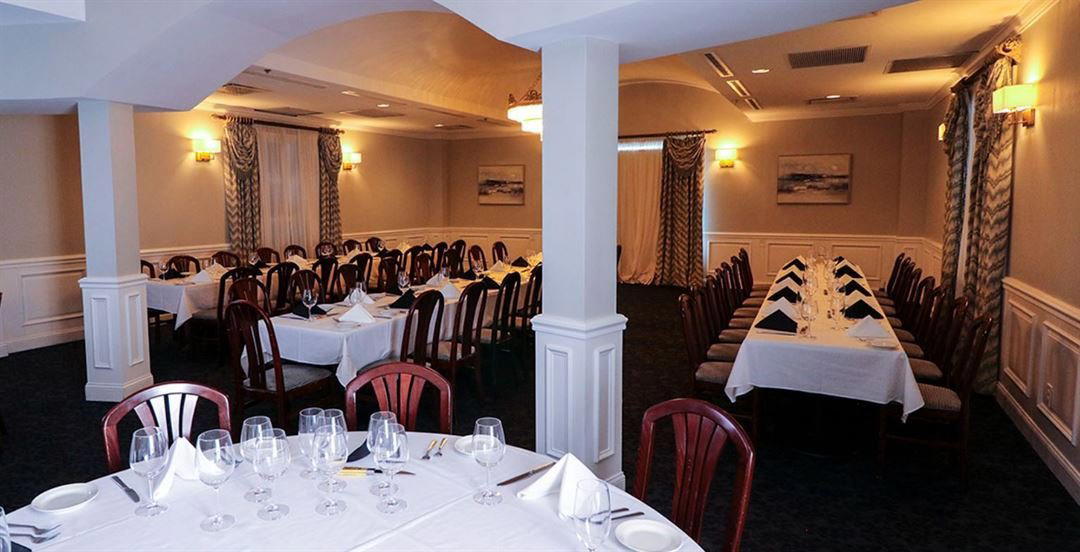
Cozy atmosphere filled with aromas of herbs, garlic, and house-made sauces, creating a warm and welcoming Italian escape.